
San Francisco Water Quality at a Glance
Is San Francisco Water Safe to Drink?
Generally Safe, But Concerns Remain — San Francisco water met all federal and state standards in 2024 and confirmed zero PFAS across 29 substances tested under UCMR 5. However, 13 contaminants were identified, with 5 exceeding EWG health guidelines. Primary concerns include disinfection byproducts — trihalomethanes (274x EWG guidelines), haloacetic acids (319–658x guidelines) — as well as hexavalent chromium (4.5x guidelines) and carbon tetrachloride (7.3x guidelines). The 2024 lead 90th percentile result was 5 ppb, well below the EPA action level of 15 ppb. The city sources most of its water from the protected Hetch Hetchy watershed in the Sierra Nevada. See our water filter recommendations for the most effective options.
⚠️ Key Concerns for San Francisco Residents
- Disinfection Byproducts: Trihalomethanes at 274x EWG guidelines; haloacetic acids (HAA5/HAA9) at 319–658x guidelines — a direct consequence of chloramine treatment reacting with natural organic matter in Hetch Hetchy source water
- Hexavalent Chromium: Cancer-causing chromium-6 detected at 4.5x EWG recommended levels due to natural mineral sources and historic industrial activity
- Carbon Tetrachloride: Industrial solvent detected at 7.3x EWG guidelines; classified as a probable human carcinogen affecting liver and kidney function
- Good News: Zero PFAS detected across all 29 substances in UCMR 5 testing (2023–2024); 2024 lead 90th percentile of 5 ppb well below action level; 96,950 annual water quality tests conducted; galvanised pipe replacement programme well underway
Read the full report below for detailed analysis, city-specific data, and actionable recommendations for San Francisco residents.
advertisment – report continues below
Your water passed the test.
Legal isn’t the same as safe.
Regulated contaminants like PFAS, chromium-6, and disinfection byproducts can sit inside the legal limit and still carry long-term health risks. Passing isn’t the same as clean.
✅ Removes PFAS, lead & chromium-6 — the contaminants most flagged even in passing city reports
✅ NSF/ANSI 42, 58 & 372 certified — independently tested, not just manufacturer claims
✅ Installs in 30 minutes, no plumber — fills a glass in 8 seconds, smart LED filter monitor
Renting or can’t drill? The Waterdrop K19 Countertop RO — plug in, fill the tank, done. No installation, no drilling, no plumber.
Advertisement — this page contains affiliate links. If you buy through these links, we may earn a commission at no extra cost to you.

San Francisco, California — Water Quality Report 2026: PFAS Testing, Infrastructure & Safety
San Francisco, renowned for its iconic landmarks and environmental leadership, delivers high-quality water to over 2.7 million residents across the Bay Area through the San Francisco Public Utilities Commission (SFPUC). The city’s water system includes approximately 1,300 miles of local distribution mains, multiple treatment facilities, and an extensive regional delivery network spanning from the Sierra Nevada mountains to the Pacific Coast.
San Francisco’s drinking water comes primarily from the Tuolumne River watershed in the Sierra Nevada, transported 167 miles via gravity through the Hetch Hetchy system — a protected, high-quality source that is exempt from federal filtration requirements due to its exceptional quality. In 2024, almost all water came from this surface water system; only 0.1% of supply came from local groundwater. The city also maintains the Sunol Valley and Harry Tracy water treatment plants for Bay Area reservoir sources. San Francisco has invested heavily in seismic resilience, green infrastructure, and water conservation, achieving one of the lowest per-capita water use rates among major U.S. cities. You can track boil water notices across the U.S. on our live tracker, and check our California water quality overview for statewide context.
San Francisco Water Quality: Current Status (2025–2026)
Latest Testing Results
- Lead Levels: The 2024 Lead and Copper Rule monitoring at 50 customer tap sites recorded a 90th percentile lead result of 5 parts per billion (ppb) — well below the EPA action level of 15 ppb. There are no known lead service lines in the SFPUC system. A full school lead sampling programme is scheduled to begin in 2028. The next tap monitoring round is due in 2027.
- Testing Scope: SFPUC conducted 96,950 drinking water tests in 2024 — samples drawn from source, transmission, and distribution system locations — supplemented by extensive real-time monitoring at treatment facilities. For broader U.S. context, see our water quality news section.
- Compliance Status: San Francisco’s water met all federal and state drinking water standards in 2024. Under the fifth Unregulated Contaminant Monitoring Rule (UCMR 5), all 29 PFAS substances and lithium tested were non-detect — a result consistent with two previous voluntary PFAS monitoring rounds.
Sierra Nevada Source Water
- Hetch Hetchy System: The majority of San Francisco’s water originates from the Tuolumne River in Yosemite National Park, travelling approximately 167 miles via gravity-fed aqueducts to the Bay Area. Hetch Hetchy water is so clean it is exempt from federal filtration requirements — a distinction shared by very few large U.S. systems.
- Treatment Process: Hetch Hetchy water undergoes UV disinfection, chlorine treatment, pH adjustment for corrosion control, fluoridation (at 0.7 mg/L per state mandate), and chloramination to maintain disinfectant residual throughout the distribution network. Local Bay Area reservoir water is processed at the Sunol Valley and Harry Tracy treatment plants using filtration, ozonation, and chloramination.
- Protected Watershed: The Tuolumne River watershed is rigorously protected in partnership with the National Park Service and U.S. Forest Service. Annual sanitary surveys evaluate watershed conditions; the most recent survey for non-Hetch Hetchy sources covered 2016–2020.
Galvanised Pipe Replacement & Lead Programme
- Replacement Progress: SFPUC identified 1,423 galvanised service connections that required replacement. As of March 2025, 1,099 of these had been replaced with new copper pipelines — representing significant progress ahead of federal Lead and Copper Rule Improvement (LCRI) requirements.
- No Known Lead Service Lines: SFPUC has confirmed there are no lead service lines in its distribution system — a major advantage over many older U.S. cities. Customers in buildings with older plumbing can request lead testing through the SFPUC for a small fee; those in the WIC programme may access free testing.
- School Lead Monitoring: Starting in 2028, SFPUC will begin sampling all K–8 grade schools in San Francisco for lead, per the EPA’s Lead and Copper Rule Improvements (LCRI), which take effect November 2027. Testing of high schools is offered on request in the interim.
Seismic and Climate Resilience
- Earthquake Preparedness: The $4.8 billion Water System Improvement Program has seismically retrofitted critical infrastructure — including major pipelines, treatment facilities, and reservoirs — to withstand a magnitude 7.9 earthquake on the Hayward fault.
- Emergency Cisterns: Approximately 170 emergency cisterns are strategically located across the city for firefighting and emergency water access following a major seismic event.
- Climate Adaptation: SFPUC maintains a diverse source water mix — Sierra Nevada, East Bay reservoirs, and San Mateo County sources — to provide resilience against drought, wildfire, and climate-driven variability. Local groundwater development in the Westside and Sunset districts is ongoing. For details on national water quality issues, see our dedicated resource page.
Contaminant Monitoring
San Francisco’s water system exemplifies the city’s commitment to environmental leadership, with public education campaigns promoting tap water, plastic bottle reduction programmes, and extensive public fountain and filling station networks. While the water meets all regulatory standards, EWG data based on 2021–2023 testing identified 13 contaminants with 5 exceeding EWG health guidelines — primarily disinfection byproducts (trihalomethanes and haloacetic acids) arising from chloramine treatment of the naturally organic-rich Hetch Hetchy source water. The SFPUC operates advanced recycled water facilities providing non-potable water for irrigation and industrial uses, helping preserve treated drinking water for consumption. Residents concerned about disinfection byproducts or chromium-6 should review our water filter solutions page for certified filtration options. You can also compare how San Francisco fares against nearby cities such as San Jose, Oakland, and Los Angeles.
Recommendations for San Francisco Residents
Consider Filtration
San Francisco’s tap water meets all legal safety standards, but disinfection byproducts like trihalomethanes and haloacetic acids exceed EWG guidelines significantly. A reverse osmosis or certified carbon block filter can substantially reduce these compounds. See our water filter solutions for tested options suited to San Francisco’s water profile.

Monitor Your Usage
Use the SFPUC’s Water Smart portal to track consumption, set conservation goals, and receive leak alerts. San Francisco residents already achieve one of the lowest per-capita use rates in the nation — around 42 gallons per person per day. Rebates are available for water-efficient fixtures and appliances.
Emergency Preparedness
Store emergency water supplies — at least 1 gallon per person per day for a minimum of 3 days — as part of earthquake preparedness planning. Familiarise yourself with the location of your nearest emergency cistern. Stay informed about local water alerts using our boil water notice tracker.
Older Building Residents
If you live in a building constructed before 1987, flush cold water for 30 seconds before drinking if it has been sitting for 6 or more hours. SFPUC offers lead testing for a small fee; WIC programme participants may access this free of charge. SFPUC has confirmed no lead service lines exist in its distribution system, but interior plumbing in older buildings may still pose a risk.
Use Public Resources
Take advantage of San Francisco’s network of public water fountains and filling stations across parks, schools, and public buildings. Supporting the city’s tap water infrastructure helps reduce single-use plastic waste. Read the latest developments on water quality from our water news service.
Quality News About Your Water
Get the comprehensive water quality news coverage you need with our dedicated US Water News Service. From coast to coast, we deliver in-depth reporting and expert analysis on PFAS contamination, EPA regulatory changes, infrastructure developments, and emerging water safety issues affecting communities nationwide. While mainstream media only covers the biggest stories, we provide the detailed, ongoing coverage that helps you understand the full scope of America’s water challenges.
What’s actually in your tap water? Enter your ZIP code for a full breakdown of contaminants detected in your local supply
Drinking water from a well? Check our directory here for more information
Frequently Asked Questions
Why does San Francisco water have high disinfection byproducts?
San Francisco uses chloramine — a combination of chlorine and ammonia — for disinfection rather than chlorine alone. Chloramination helps maintain a residual disinfectant throughout the long distribution network and reduces some regulated byproducts, but it still reacts with naturally occurring organic matter in the Hetch Hetchy source water to form trihalomethanes (TTHMs) and haloacetic acids (HAAs).
These byproducts remain within EPA legal limits (80 ppb for TTHMs; 60 ppb for HAA5), but at levels that exceed EWG health guidelines — which are set at a one-in-a-million lifetime cancer risk threshold. SFPUC continuously monitors and works to minimise formation of these compounds. A quality reverse osmosis or activated carbon filter will significantly reduce disinfection byproducts at the point of use.
How well is San Francisco prepared for a major earthquake?
San Francisco has invested $4.8 billion in seismically retrofitting its water system to withstand a magnitude 7.9 earthquake on the Hayward fault. Key preparedness measures include:
• Seismic retrofitting of all major pipelines, treatment plants, and reservoirs
• Approximately 170 emergency cisterns strategically located across the city for firefighting
• Backup power generators at all critical facilities
• Emergency interties with neighbouring water systems
• Portable treatment systems for rapid deployment
The system is designed to restore service to most areas within 30 days of a major earthquake, with emergency water available immediately through the cistern network. Check our live boil water tracker for any active advisories following disruptions.
Should I be concerned about fluoride in San Francisco water?
San Francisco adds fluoride at 0.7 mg/L — the level mandated by California state law and recommended by the CDC and State Water Resources Control Board for dental health. This level has been maintained since 2015 and is continuously monitored. It is well within EPA guidelines.
The American Dental Association, American Medical Association, and CDC all recognise water fluoridation as a safe and effective public health measure with over 70 years of evidence behind it. Infants fed formula mixed with fluoridated water may occasionally develop mild dental fluorosis — cosmetic white marks that pose no health risk. Parents can choose low-fluoride bottled water for infant formula if preferred.
If you wish to remove fluoride, a reverse osmosis system will do so — though it also removes some beneficial minerals. Standard activated carbon filters do not remove fluoride.
How does climate change affect San Francisco’s water supply?
Climate change poses growing challenges to the Hetch Hetchy system through:
• Shifting snowpack: Earlier Sierra Nevada snowmelt and reduced snow accumulation alter seasonal supply timing
• Drought frequency: More prolonged and severe drought cycles reduce reservoir storage
• Wildfire risk: Fire in protected watersheds could temporarily affect source water quality
SFPUC is adapting through:
• Developing local groundwater sources in the Westside and Sunset districts
• Expanding recycled water programmes for non-potable uses
• Enhanced reservoir management across the multi-source network
• Regional collaboration with other Bay Area utilities
These measures are designed to ensure reliable supply through 2040 and beyond. For the latest news on water supply and infrastructure nationally, visit our water news section.
Contaminants of Concern
Disinfection Byproducts
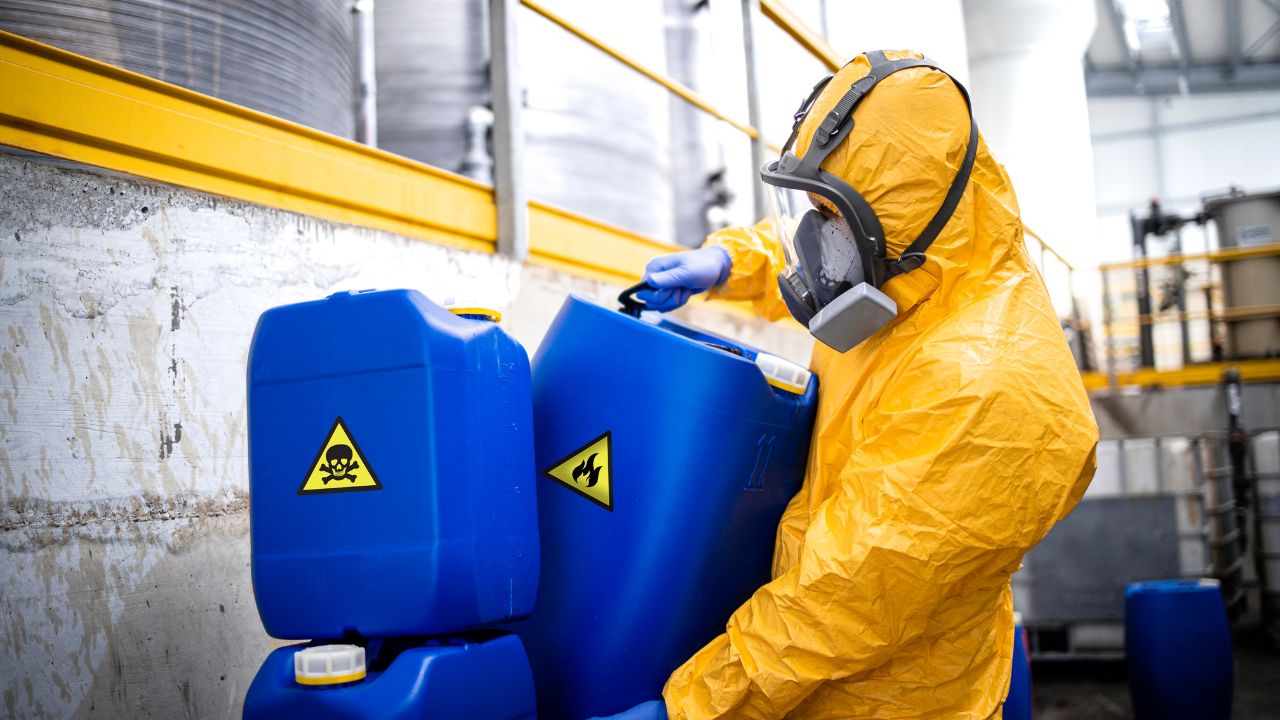
Source: Formed when chloramine disinfectant reacts with naturally occurring organic matter in Hetch Hetchy and local reservoir source water
Health Effects: Trihalomethanes and haloacetic acids at elevated levels are associated with increased long-term cancer risk and pregnancy complications including low birth weight and cardiovascular defects
Current Status: HAA5 levels at 31.9 ppb and HAA9 at 39.5 ppb — exceeding EWG health guidelines by 319x and 658x respectively; TTHMs exceed EWG guidelines by 274x; all remain within EPA legal limits. Reverse osmosis or high-quality activated carbon filtration is recommended — see our filter guide for options.
Hexavalent Chromium & Carbon Tetrachloride
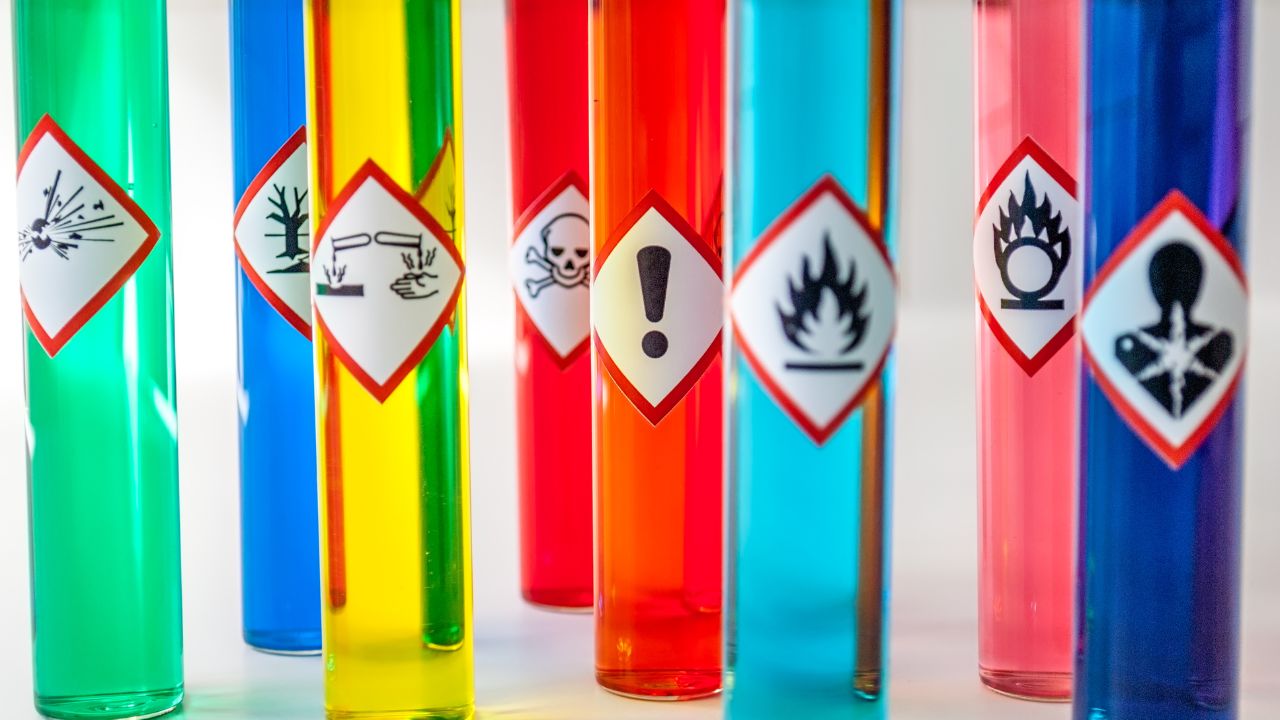
Hexavalent Chromium Source: Natural mineral deposits and groundwater, plus historical industrial activity in the Bay Area
Health Effects: Chromium-6 is a known carcinogen with long-term exposure linked to gastrointestinal cancer; detected at 4.5x EWG recommended levels. Carbon tetrachloride — an industrial solvent — is classified as a probable human carcinogen affecting the liver and kidneys, detected at 7.3x EWG guidelines.
Current Status: Chromium-6 remains unregulated by the EPA at federal level; SFPUC monitors it as part of routine testing. Reverse osmosis systems are effective at reducing both chromium-6 and carbon tetrachloride. Compare contamination profiles with Los Angeles, San Jose, and our California state overview.