San Jose Water Quality at a Glance
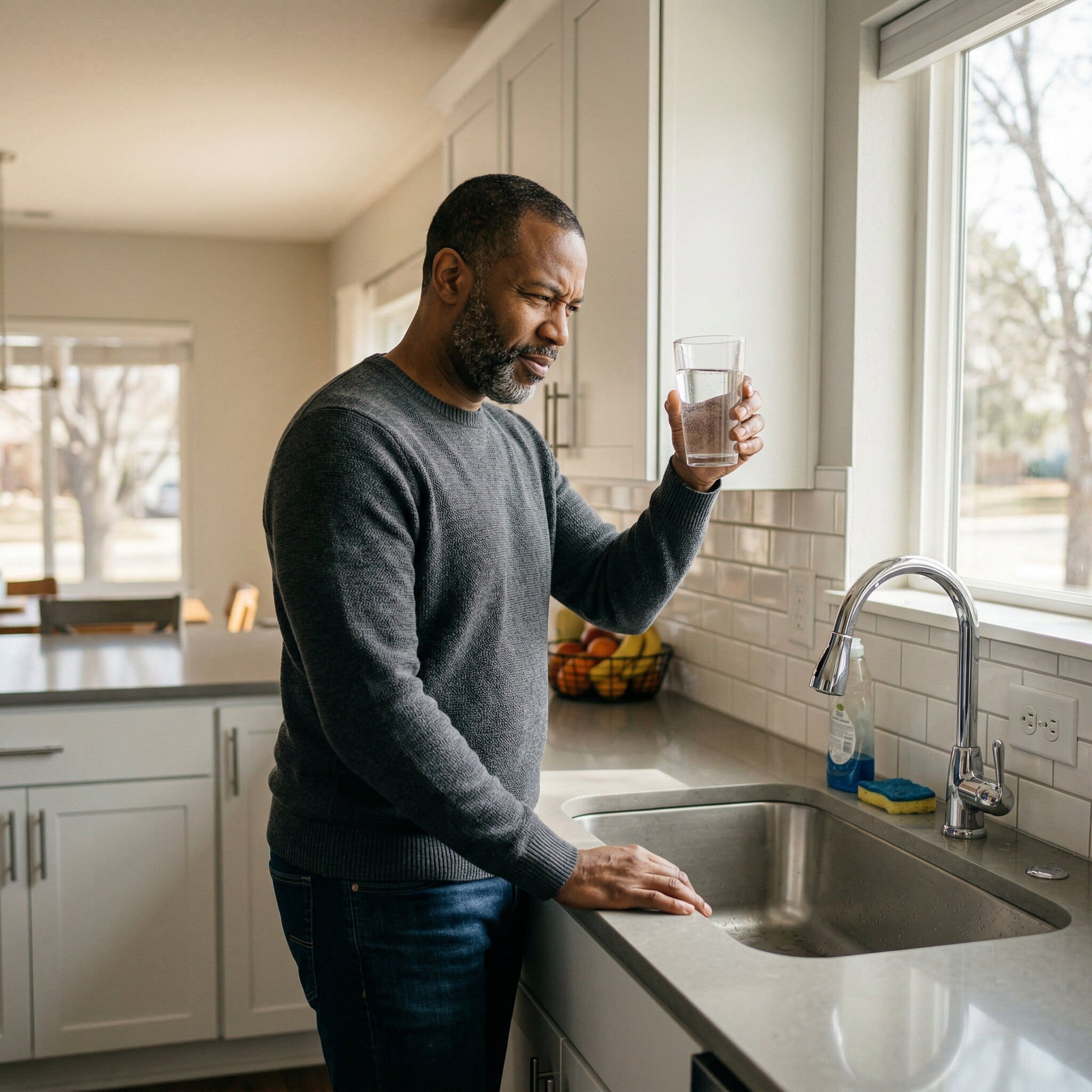
Is San Jose Water Safe to Drink?
Compliant With Ongoing Concerns — San Jose Water’s 2024 Consumer Confidence Report confirms the system passed all current state and federal standards, but PFOS was detected at 5.2 ppt — above the EPA’s new 4 ppt MCL finalised in April 2024. Water utilities have until 2027 to achieve full compliance. EWG analysis of recent testing identifies multiple contaminants exceeding health guidelines, including disinfection byproducts (TTHMs at 231x, HAA9 at 276x EWG limits), chromium-6, arsenic, radium, and PFNA. A reverse osmosis filter is strongly advised. See our water filter recommendations for PFAS-certified options.
⚠️ Key Concerns for San Jose Residents
- PFAS “Forever Chemicals”: PFOS detected at 5.2 ppt, exceeding the EPA’s 4 ppt MCL (April 2024). PFNA also detected. Design of the Williams Station ion exchange treatment facility is complete; construction is underway. Compliance deadline is 2027.
- Disinfection Byproducts: TTHMs at 231x and HAA9 at 276x EWG health guidelines — formed when chlorine disinfectants react with natural organic matter in source water
- Chromium-6 & Arsenic: Chromium-6 detected well above EWG safety guidelines; arsenic also flagged as a concern by EWG — both are carcinogens found in groundwater sources
- Good News: Lead levels well below action level; Lead Service Line Inventory now complete (no lead service lines identified); 5,960 samples tested across 200+ parameters in 2024; $450M infrastructure investment planned 2025–2027
Read the full report below for detailed analysis, city-specific data, and actionable recommendations for San Jose residents.
advertisment – report continues below
Your water passed the test.
Legal isn’t the same as safe.
Regulated contaminants like PFAS, chromium-6, and disinfection byproducts can sit inside the legal limit and still carry long-term health risks. Passing isn’t the same as clean.
✅ Removes PFAS, lead & chromium-6 — the contaminants most flagged even in passing city reports
✅ NSF/ANSI 42, 58 & 372 certified — independently tested, not just manufacturer claims
✅ Installs in 30 minutes, no plumber — fills a glass in 8 seconds, smart LED filter monitor
Renting or can’t drill? The Waterdrop K19 Countertop RO — plug in, fill the tank, done. No installation, no drilling, no plumber.
Advertisement — this page contains affiliate links. If you buy through these links, we may earn a commission at no extra cost to you.
San Jose, California — Water Quality Report 2026: PFAS Testing, Infrastructure & Safety
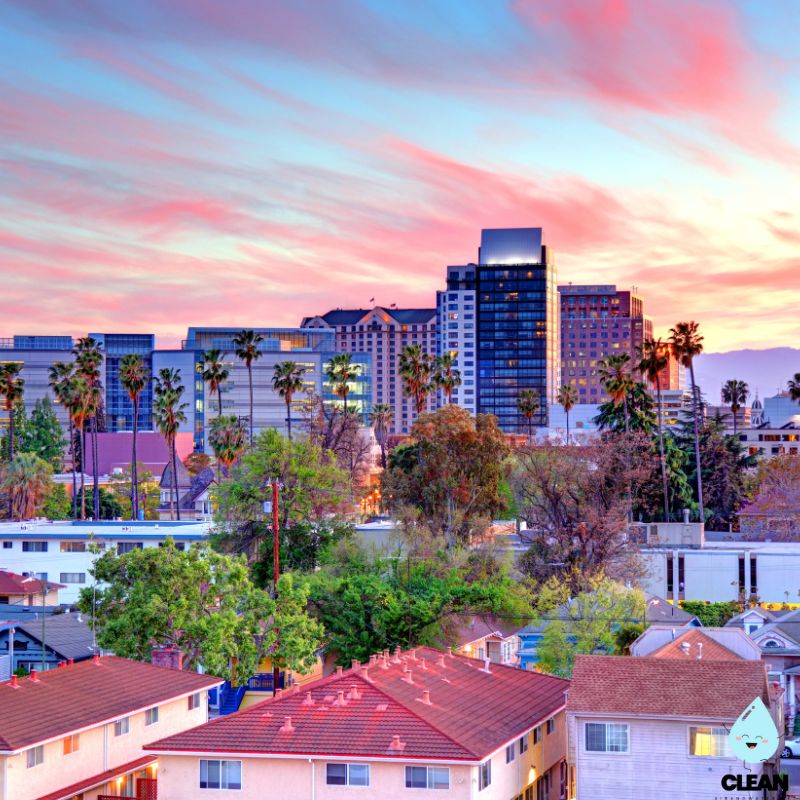
San Jose, the third-largest city in California and tenth-largest in the United States, manages a complex water delivery system serving over 1 million residents across 12 cities. The city’s water infrastructure is primarily operated by San Jose Water (SJW), a subsidiary of SJW Group, which maintains approximately 2,400 miles of water mains, numerous pumping stations, and over 350,000 service connections throughout Silicon Valley. A smaller portion of the city is served by the San José Municipal Water System (Muni Water), operated by the City’s Environmental Services Department.
San Jose’s water comes from a diverse portfolio of sources including groundwater from the Santa Clara Valley’s aquifers, purchased surface water from the Santa Clara Valley Water District (Valley Water), and imported water from the State Water Project via the South Bay Aqueduct. The city has invested significantly in groundwater management and recharge, operating artificial recharge ponds and implementing advanced conservation programmes. You can track any active advisories on our live boil water notice tracker, and see how San Jose compares in our California water quality overview.
San Jose Water Quality: Current Status (2025–2026)
Latest Testing Results
- Lead Levels: The 2024 testing cycle confirmed lead levels well below the EPA action level of 15 ppb. SJW has completed its mandatory Lead Service Line Inventory and confirmed no lead service lines within its distribution system. Residents in homes with older internal plumbing are still advised to flush cold taps before drinking.
- Testing Scope: SJW’s 2024 Consumer Confidence Report covers more than 5,960 water samples — approximately 94 tests per day — tested at state-certified laboratories across over 200 water quality parameters. The San José Muni Water system conducts additional independent testing of its distribution system. For the latest national water quality developments, see our water news section.
- Compliance Status: SJW reports that all 2024 water quality results met current state and federal drinking water standards. However, PFOS was detected at 5.2 ppt — exceeding the EPA’s newly finalised MCL of 4 ppt. Utilities have until 2027 to achieve full compliance with the 2024 PFAS MCLs.
Diverse Water Sources
- Groundwater Resources: A significant portion of San Jose’s water comes from the Santa Clara Valley groundwater basin, which is actively managed and recharged by Valley Water through percolation ponds and other methods to prevent overdraft and maintain aquifer health.
- Imported Surface Water: SJW also relies on imported surface water from the Sacramento-San Joaquin Delta via the South Bay Aqueduct, as well as local reservoir sources including Anderson and Calero Reservoirs managed by Valley Water.
- Source Variation by District: Water source varies by service area — some districts primarily receive treated surface water from Valley Water or the San Francisco Public Utilities Commission (SFPUC), while others rely more heavily on local groundwater. This variation affects contaminant profiles across the city.
PFAS Treatment Progress
- Williams Station Facility: SJW has been proactively monitoring for PFAS in all of its wells since 2019. Following evaluation of treatment methods — including activated carbon, reverse osmosis, ion exchange, and nanofiltration — the design for the first ion exchange treatment facility at Williams Station was completed by end of 2024. Construction is now underway, with the facility expected to substantially reduce PFAS levels once operational.
- Affected Wells Managed: Wells with the highest PFAS detections have been managed through blending or temporary removal from service while treatment solutions are implemented. SJW participates in the EPA’s UCMR5 monitoring programme.
- Compliance Timeline: The EPA’s 2024 PFAS MCLs require water utilities to complete initial monitoring by 2027 and achieve full compliance shortly thereafter. The PFAS MCL for PFOA and PFOS is set at 4 ppt. Residents concerned about PFAS exposure should consider a certified reverse osmosis filter in the interim.
Silicon Valley Innovation in Water Management
- Smart Metering Rollout: SJW’s advanced metering infrastructure programme (2024–2027) provides customers with real-time usage data, leak detection alerts, and consumption insights through the MySJWater customer portal — helping Silicon Valley residents manage one of the region’s most precious resources.
- Proactive Leak Detection: Acoustic leak detection systems help SJW identify and repair leaks before they become major losses, maintaining system efficiency and reducing treated water waste across the distribution network.
- Infrastructure Investment: SJW has committed $450 million over 2025–2027 for system upgrades, reliability improvements, PFAS treatment construction, and replacement of ageing water mains. Check our water quality resource page for background on national infrastructure challenges.
Contaminant Overview
While SJW’s 2024 results met all current standards, EWG analysis of recent testing data identifies several contaminants exceeding health guidelines: disinfection byproducts (TTHMs at 231x and HAA9 at 276x EWG limits), chromium-6, arsenic, naturally occurring radium, and PFNA. These EWG guidelines are health-based benchmarks set at a one-in-a-million lifetime cancer risk level — substantially stricter than EPA legal MCLs. The practical implication for San Jose residents is that a quality reverse osmosis filter provides meaningful protection against the main contaminant categories present. Compare San Jose’s profile with nearby cities including San Francisco, Oakland, and Los Angeles.
Recommendations for San Jose Residents

Use Smart Water Tools
Take advantage of Silicon Valley innovation by using the MySJWater portal to monitor your water usage, set leak alerts, and access your local water quality data. Early leak detection saves money and helps protect the water supply. Visit sjwater.com for account access.
Conserve During Dry Periods
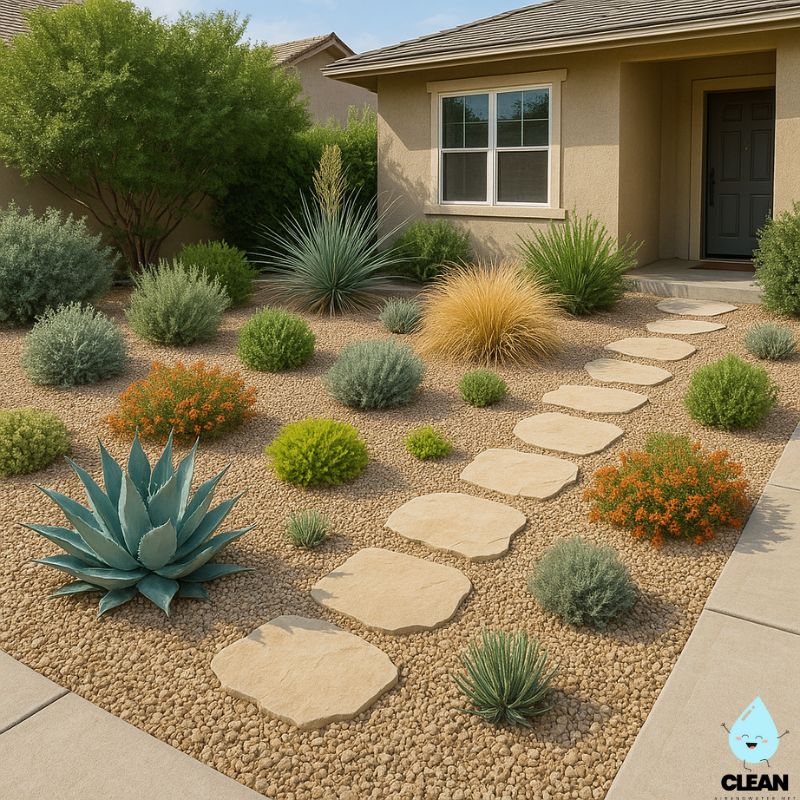
Follow state and local water restrictions, including limited outdoor watering schedules. Drought-tolerant landscaping and turf replacement rebates from Valley Water can significantly reduce outdoor usage — the largest component of residential consumption in Silicon Valley.
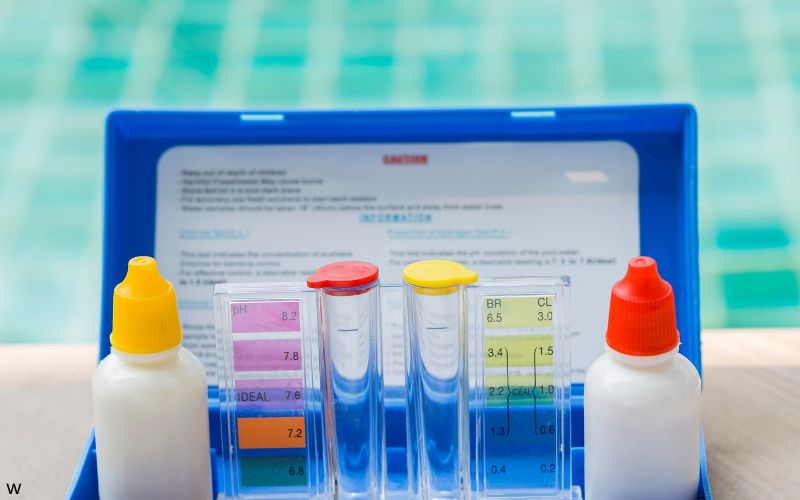
Filter Your Drinking Water
Given PFAS, disinfection byproducts, and chromium-6 detections, a certified reverse osmosis system provides the most comprehensive protection for San Jose residents. See our water filter solutions guide for PFAS-rated options suitable for Silicon Valley water quality.
Use Cold Water for Drinking
Always use cold water for drinking and cooking — hot water can leach metals from internal plumbing at higher concentrations. If water has sat in taps for 6 or more hours, run cold water for 30–60 seconds before consuming. This is especially important in buildings with older fixtures.
Protect Source Water
Properly dispose of medications, chemicals, and household hazardous waste through designated collection programmes. PFAS contamination in San Jose’s groundwater stems partly from industrial and consumer product use over decades — watershed protection by residents makes a real difference. Stay informed via our water news service.
Quality News About Your Water
Get the comprehensive water quality news coverage you need with our dedicated US Water News Service. From coast to coast, we deliver in-depth reporting and expert analysis on PFAS contamination, EPA regulatory changes, infrastructure developments, and emerging water safety issues affecting communities nationwide. While mainstream media only covers the biggest stories, we provide the detailed, ongoing coverage that helps you understand the full scope of America’s water challenges.
What’s actually in your tap water? Enter your ZIP code for a full breakdown of contaminants detected in your local supply
Drinking water from a well? Check our directory here for more information
Frequently Asked Questions
Is San Jose tap water safe to drink?
San Jose Water’s 2024 Consumer Confidence Report confirms the system met all current state and federal drinking water standards. However, PFOS — a PFAS “forever chemical” — was detected at 5.2 ppt, exceeding the EPA’s newly enforceable MCL of 4 ppt. Water utilities have until 2027 to achieve full compliance; SJW is actively building treatment infrastructure to address this.
EWG health guidelines — which are set at a one-in-a-million lifetime cancer risk level — are exceeded by several contaminants, including disinfection byproducts, chromium-6, arsenic, and radium. For residents wanting an extra layer of protection, a certified reverse osmosis filter is the most effective point-of-use solution for San Jose’s water profile. Contact SJW at (408) 279-7900 with specific concerns.
Where does San Jose’s water come from?
San Jose relies on a diverse portfolio of water sources, making its supply more resilient to drought and disruption:
• Local groundwater: Santa Clara Valley aquifers, actively recharged by Valley Water through percolation ponds
• Imported surface water: From the Sacramento-San Joaquin Delta via the South Bay Aqueduct
• Local reservoirs: Anderson and Calero Reservoirs and other Valley Water-managed storage
• Purchased treated water: From Valley Water and SFPUC for specific service areas
Water source varies by district within the city — this affects the contaminant profile that individual customers experience. PFAS contamination is concentrated in specific groundwater well fields where historical industrial activity occurred. See our California water quality page for statewide context.
How is Silicon Valley addressing PFAS in water?
San Jose Water has been at the forefront of PFAS monitoring in California, testing all wells since 2019 — well ahead of federal requirements. Key actions underway include:
• Williams Station treatment facility: Ion exchange system design completed in 2024; construction now underway to treat the most impacted well fields
• Blending and source management: Wells with elevated PFAS have been managed through blending or temporary removal to reduce customer exposure
• UCMR5 participation: SJW participates in the EPA’s fifth Unregulated Contaminant Monitoring Rule programme, providing data to inform future regulation
• $450M infrastructure plan: Investment through 2025–2027 covers PFAS treatment, pipe replacement, and system reliability
Until PFAS treatment is fully operational, residents can protect themselves with a certified reverse osmosis filter — confirmed effective against PFAS by NSF/ANSI testing. See our filter guide for recommended options.
What are the current water conservation requirements in San Jose?
San Jose follows California’s statewide requirements and local ordinances for water conservation. Key year-round mandatory measures include:
• No outdoor watering during or within 48 hours of measurable rainfall
• No irrigation runoff onto hardscapes such as pavements and roads
• No hosing down driveways or other hard surfaces — use a broom instead
• Adherence to local watering day and time restrictions
Voluntary conservation measures also supported through rebates include water-efficient fixtures and appliances, drought-tolerant landscaping, and smart irrigation controllers. Check sjwater.com for current programmes and any drought-stage restrictions in effect. Track national water supply news via our water news section.
Contaminants of Concern
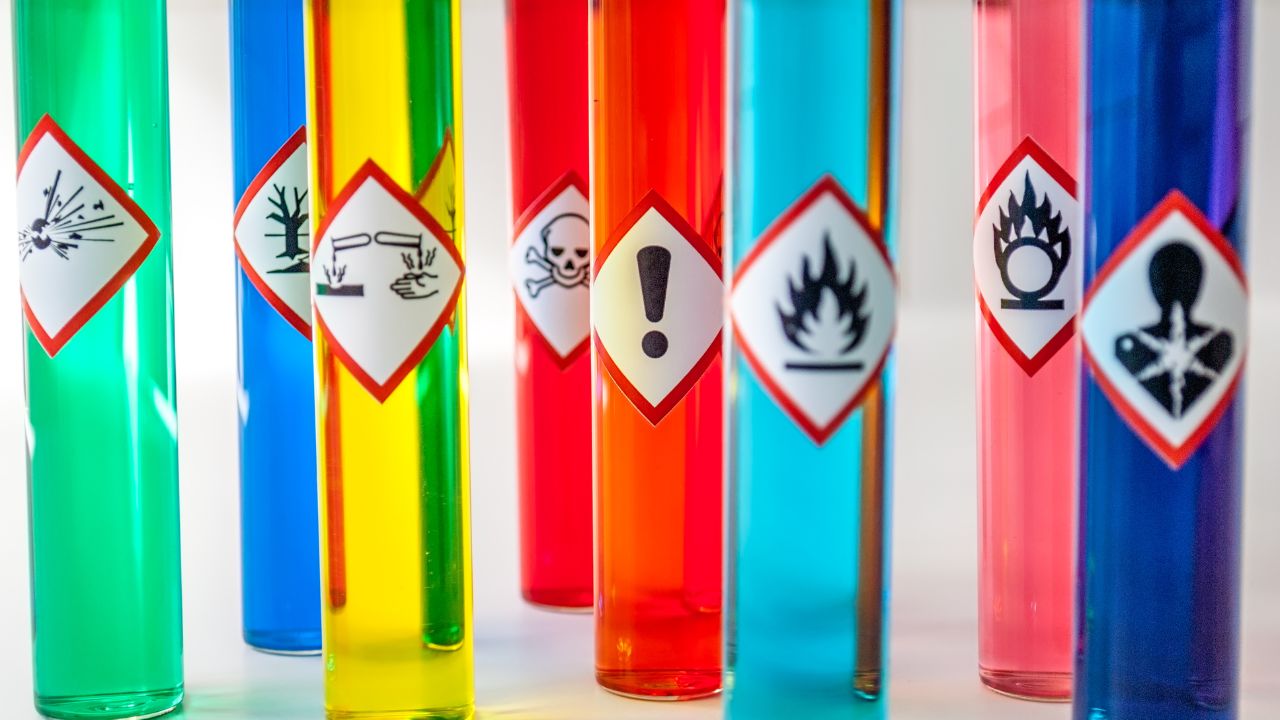
PFAS Compounds
Source: Industrial processes, firefighting foam (AFFF), and consumer products that have contaminated some groundwater well fields in the Santa Clara Valley over decades
Health Effects: Associated with increased cancer risk, immune system suppression, thyroid disruption, elevated cholesterol, and adverse reproductive and developmental effects
Current Status: PFOS detected at 5.2 ppt in 2024 data, exceeding the EPA’s April 2024 MCL of 4 ppt. PFNA also detected. Ion exchange treatment facility under construction at Williams Station; compliance deadline is 2027. A certified reverse osmosis filter is recommended in the interim.
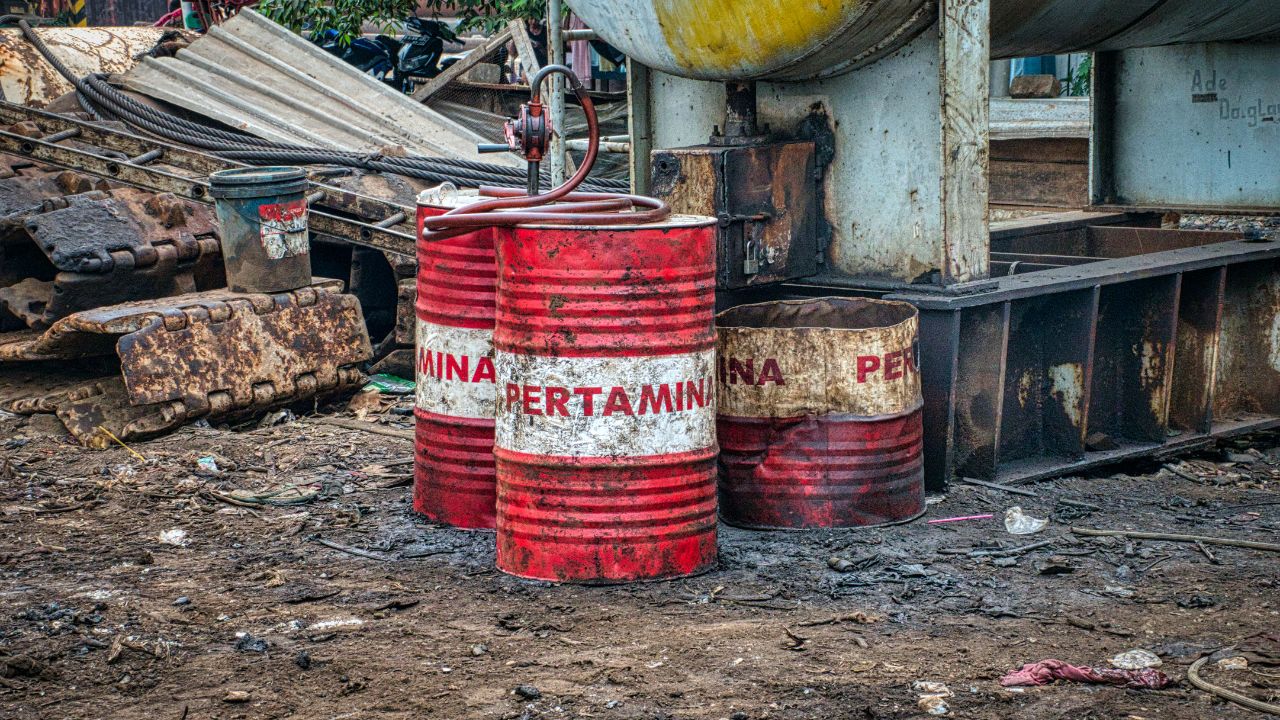
Disinfection Byproducts, Chromium-6 & Radium
Source: Disinfection byproducts (TTHMs, HAAs) form when chlorine disinfectants react with natural organic matter; chromium-6 and radium are naturally occurring in groundwater and have been elevated by industrial activity
Health Effects: Disinfection byproducts linked to cancer risk and pregnancy complications; chromium-6 is a known carcinogen; radium is radioactive and associated with bone cancer; arsenic is a potent carcinogen
Current Status: TTHMs exceed EWG guidelines by 231x; HAA9 by 276x — all within EPA legal limits. Chromium-6, arsenic, and radium also flagged by EWG. Reverse osmosis filtration is effective against all these contaminants. Compare with San Francisco and our California state page for broader context.
Please read – our information
The information presented on cleanairandwater.net is compiled from official water quality reports, trusted news sources, government websites, and public health resources. While we strive for accuracy and thoroughness in our presentations, we are not scientists, engineers, or qualified water quality professionals.
Our mission is to present water quality information in an accessible, real-world format that helps people understand what’s in their water and make informed decisions about their health and safety. We believe that complex environmental information should be available to everyone in a format that’s easy to understand.
We make every effort to ensure our content is current and accurate, but we cannot guarantee that all information is complete or error-free. This website should not replace official communications from your local water utility or health department. We always recommend consulting official sources for the most up-to-date information regarding your specific water system.
Clean Air and Water is not liable for any unintentional errors, omissions, or outdated information. The content on this site is provided for informational purposes only and should not be considered professional advice.