Oakland Water Quality at a Glance
Is Oakland Water Safe to Drink?
Generally Safe with Monitoring Recommended — Oakland’s water met all federal and state standards in 2024 and is considered one of California’s better-performing systems. However, 5 contaminants exceed EWG health guidelines, including chromium-6 at 0.05 ppb (2.5× the health guideline), haloacetic acids from chlorination, and low-level PFAS detections. Sourced from Sierra Nevada snowmelt via EBMUD’s protected Mokelumne River watershed, Oakland’s supply is relatively clean compared to many urban systems. See our water filter recommendations for options suited to these contaminants.
⚠️ Key Monitoring Points for Oakland Residents
- Chromium-6 (Hexavalent Chromium): Detected at 0.05 ppb — 2.5× the EWG health guideline of 0.02 ppb; a known carcinogenic heavy metal
- Disinfection Byproducts: Haloacetic acids (HAA5 and HAA9) and total trihalomethanes from the chlorination process exceed EWG health guidelines
- PFAS “Forever Chemicals”: Low-level detections of PFOA and PFOS confirmed in UCMR5 monitoring; some results ranged up to 4.9 ppt, near EPA’s 4 ppt standard (enforceable from 2031)
- Upper San Leandro WTP Upgrade: Major construction ongoing through 2025–2031 to modernise treatment infrastructure serving Oakland
Read the full report below for detailed analysis, city-specific data, and actionable recommendations for Oakland residents.
advertisment – report continues below
Your water passed the test.
Legal isn’t the same as safe.
Regulated contaminants like PFAS, chromium-6, and disinfection byproducts can sit inside the legal limit and still carry long-term health risks. Passing isn’t the same as clean.
✅ Removes PFAS, lead & chromium-6 — the contaminants most flagged even in passing city reports
✅ NSF/ANSI 42, 58 & 372 certified — independently tested, not just manufacturer claims
✅ Installs in 30 minutes, no plumber — fills a glass in 8 seconds, smart LED filter monitor
Renting or can’t drill? The Waterdrop K19 Countertop RO — plug in, fill the tank, done. No installation, no drilling, no plumber.
Advertisement — this page contains affiliate links. If you buy through these links, we may earn a commission at no extra cost to you.

Oakland – California – Water Quality Report 2026: PFAS Testing, Infrastructure Upgrades & Safety across your city
The East Bay Municipal Utility District (EBMUD) provides water services to approximately 1.4 million residents across the East Bay area, including Oakland and neighbouring communities in Alameda and Contra Costa counties. Established in 1923, the utility manages an extensive network of over 4,200 miles of pipelines, numerous reservoirs, pumping stations, and advanced treatment facilities that deliver an average of 170 million gallons of drinking water daily. EBMUD also operates award-winning wastewater treatment serving 740,000 customers, protecting San Francisco Bay.
Oakland’s primary water source is the Mokelumne River watershed in the Sierra Nevada mountains, approximately 90 miles east of the service area. Three 6-foot-wide steel aqueducts carry water from Pardee Reservoir across the Central Valley, with gravity alone capable of moving up to 202 million gallons per day. Water is then treated at one of EBMUD’s six treatment plants before reaching taps. The Orinda Water Treatment Plant is the primary facility (200 MGD capacity), while the Upper San Leandro Plant in Oakland — currently undergoing a major 2025–2031 reliability upgrade — provides additional treatment capacity. EBMUD’s water met all federal and state quality standards in 2024, though EWG analysis identifies 5 contaminants exceeding health guidelines including chromium-6, disinfection byproducts, and low-level PFAS. The utility conducts more than 20,000 water quality tests annually. For a statewide perspective, see our California water quality overview.

Oakland Water Quality: Current Status (2025–2026)
Latest Testing Results
- Comprehensive Testing: EBMUD performs over 20,000 laboratory tests annually to ensure drinking water safety, monitoring for more than 100 substances including microorganisms, pesticides, herbicides, asbestos, lead, copper, and industrial by-products. See our national water quality checker for broader context.
- Compliance Status: In 2024, Oakland’s drinking water met or surpassed all federal and state drinking water quality standards according to EBMUD’s annual Consumer Confidence Report, maintaining full compliance with EPA and California Department of Environmental Quality regulations.
- EWG Health Guidelines: While meeting all regulatory standards, independent analysis identifies 5 contaminants exceeding Environmental Working Group health guidelines: bromate, chromium-6 (at 0.05 ppb vs the 0.02 ppb guideline), haloacetic acids (HAA5 and HAA9), and total trihalomethanes from disinfection processes.
- Lead and Copper Monitoring: Oakland remains in compliance with EPA regulations for lead and copper. EBMUD offers free lead testing to all concerned customers and uses corrosion control measures to prevent leaching from plumbing systems. EBMUD has no known lead service lines in its distribution network.
Water Sources
- Mokelumne River Watershed: The primary source (approximately 90% of supply) is Pardee Reservoir in the Sierra Nevada foothills, created by EBMUD’s Pardee Dam. Sierra snowmelt provides high-quality water that travels more than 80 miles via aqueduct to the East Bay. The system can move up to 325 million gallons per day when all aqueducts and pumping stations are operating.
- Local Reservoirs: Secondary sources include Upper San Leandro and San Pablo reservoirs, which serve as important backup supplies during maintenance periods or drought conditions. Both are surrounded by sparsely populated watershed lands, providing natural protection from contamination.
- Watershed Protection: EBMUD maintains comprehensive watershed management programmes including land conservation and pollution prevention measures to protect both Sierra and local water sources. The protected nature of these watersheds is a key reason PFAS levels remain very low in EBMUD’s supply.
Advanced Treatment Technology
- Orinda Water Treatment Plant: The primary facility uses a multi-barrier approach including coagulation, flocculation, sedimentation, filtration, and disinfection, with a capacity of 200 million gallons per day serving over 800,000 customers daily.
- Upper San Leandro Plant — Major Upgrade Underway: Located in Oakland, this plant incorporates ozone treatment for disinfection and taste/odour control. A significant reliability improvement programme began in 2025 and runs through 2031, ensuring long-term capacity and treatment quality for East Bay residents.
- Disinfection Management: EBMUD adds fluoride at 0.7 ppm to promote dental health and uses calcium hydroxide (lime) and sodium hydroxide to maintain a slightly alkaline pH balance and prevent pipe corrosion.
Infrastructure Modernisation (2025–2026)
- Water Treatment Plant Reliability Improvements: Long-term upgrades at Upper San Leandro WTP began in 2025 and run through 2031, covering treatment processes and critical infrastructure. Community meetings have been held to keep Oakland residents informed of construction timelines.
- Seismic and Reservoir Safety Upgrades: Lafayette Reservoir is undergoing reservoir tower safety improvements (shortening and reinforcing the intake tower to meet modern seismic standards) scheduled for completion by 2027, alongside broader seismic upgrades to critical facilities.
- Smart Water Management: Deployment of advanced monitoring systems throughout the distribution network to detect leaks, improve water quality management, and enhance overall system reliability — especially important in this earthquake-prone region.
Customer Protection Initiatives
EBMUD provides extensive customer support including free lead testing kits and the Customer Assistance Programme (CAP) offering discounts for qualifying low-income customers. Educational outreach helps residents understand water quality, conservation practices, and the value of local water resources. The utility’s commitment includes transparent communication through annual Consumer Confidence Reports available to all customers. Continued investments in treatment technology, source water protection, and the 2025–2031 infrastructure upgrade programme demonstrate dedication to providing safe, reliable water while addressing emerging challenges including PFAS. For ongoing boil water and contamination alerts across the US, our live boil water notices tracker is updated in real time. Oakland residents interested in home filtration can explore options on our water filter solutions page.
Recommendations for Oakland Residents
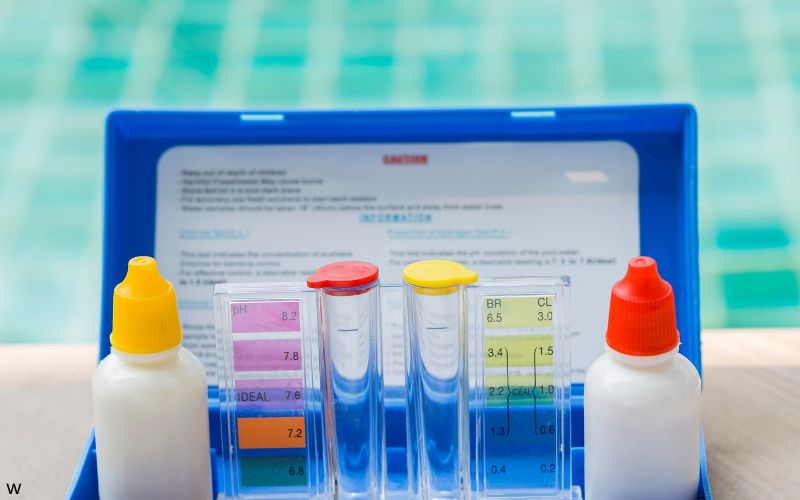
Request Free Water Testing
EBMUD offers free lead testing to all customers with concerns about water quality. This is especially recommended for homes built before 1986 that may have older plumbing. Call 1-866-403-2683 or visit ebmud.com for details. You can also check our water alert news for the latest advisories affecting the East Bay area.
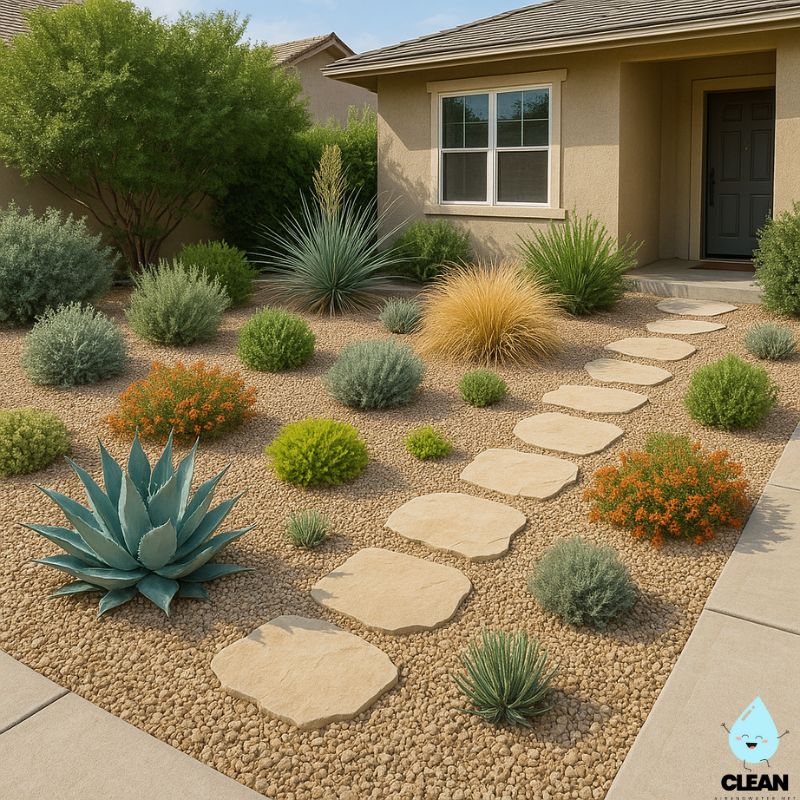
Explore WaterSmart Program
Take advantage of EBMUD’s WaterSmart programme, which provides free water conservation kits, rebates for efficient fixtures and appliances, and guidance on water-wise landscaping to reduce waste and lower bills. California’s history of drought makes year-round conservation especially important — see our California water quality page for broader statewide context.
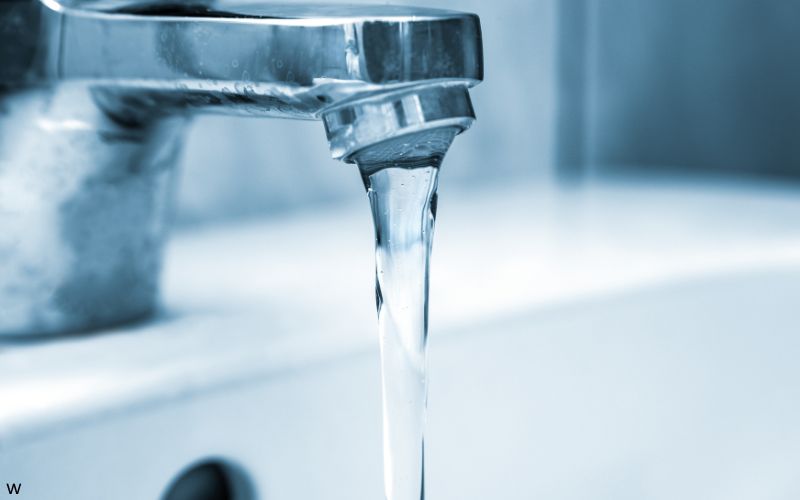
Consider Home Filtration
While Oakland’s water meets all regulatory standards, homes may benefit from NSF-certified filters for drinking and cooking water — particularly to reduce disinfection byproducts and chromium-6. For PFAS, a reverse osmosis system is the gold standard. Browse our water filter solutions for options suited to Oakland’s contaminant profile.
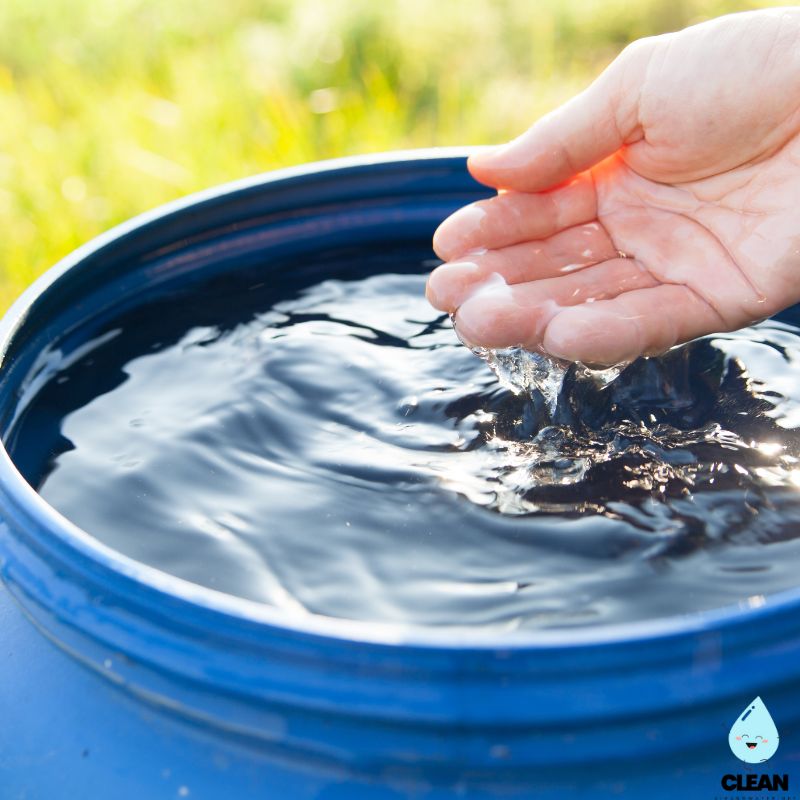
Install Rainwater Harvesting
Consider installing rain barrels or cisterns to collect rainwater for garden irrigation. This sustainable practice reduces demand on treated water supplies and helps prevent runoff pollution. Check with EBMUD for possible rebate opportunities. Nearby cities like San Francisco and San Jose have similar conservation incentive programmes worth comparing.

Report Water Issues
Contact EBMUD Customer Service at 1-866-403-2683 (available 24/7) for water main breaks, pressure problems, or quality concerns. Report water waste through EBMUD’s online form to help conserve water and maintain system integrity. You can also monitor developing issues nationally on our live boil water notices tracker.
Frequently Asked Questions
Is Oakland’s tap water safe to drink?
Yes, Oakland’s tap water meets all federal and state drinking water standards and is generally considered safe. The city’s water comes primarily from the Mokelumne River watershed in the Sierra Nevada mountains, providing high-quality source water that undergoes comprehensive treatment including filtration and disinfection at EBMUD’s six treatment plants.
Independent analysis shows 5 contaminants exceed Environmental Working Group health guidelines, including chromium-6 and disinfection byproducts. EBMUD conducts over 20,000 tests annually and publishes its findings in an annual Consumer Confidence Report. PFAS compounds have been detected at very low levels in voluntary and UCMR5 monitoring, with all results below EPA’s enforceable 4 ppt standard for PFOA and PFOS. For residents who want additional reassurance, see our water filter solutions guide.
Why does my water sometimes taste or smell different?
Occasional taste and odour changes can occur due to several factors:
1. Operational adjustments: EBMUD may shift water sources from the Mokelumne River to local reservoirs or change treatment plants throughout the year to manage supplies or accommodate maintenance projects
2. Seasonal water quality changes: Local reservoirs can develop algae blooms during warmer weather that, while filtered out during treatment, may leave behind compounds causing earthy or musty tastes
3. Home plumbing: Internal plumbing issues or infrequently used faucets can sometimes cause taste or odour concerns
If taste or odour issues persist, contact EBMUD at 1-866-403-2683 for assistance. Running cold water for a few minutes after periods of non-use can often improve water quality at the tap. Check our water alert news section for any active notices in the Oakland area.
Does Oakland have lead in its water system?
EBMUD complies with all federal and state regulations for lead and copper in drinking water:
• Lead service lines: EBMUD has no known lead service lines in its distribution network. However, homes built before 1986 may contain lead solder or components in internal plumbing
• Corrosion control: The utility uses corrosion inhibitors and pH optimisation to prevent leaching of lead and copper from plumbing systems
• Testing results: Lead and copper sampling consistently shows levels well below federal action limits
• Free testing: Residents can request free lead testing through EBMUD’s customer service at 1-866-403-2683
While Oakland’s distribution system is lead-free, older homes may have internal plumbing with lead components. EBMUD’s free testing programme is the best way to confirm water quality at your specific tap.
Are there water restrictions in Oakland?
EBMUD implements conservation measures based on water supply conditions, ranging from voluntary conservation to mandatory restrictions:
Current Conservation Guidelines:
• EBMUD encourages efficient water use year-round through its WaterSmart programme
• Report water waste through EBMUD’s online form or by calling customer service
• Avoid runoff onto streets and sidewalks during irrigation
During Drought Conditions:
During severe drought, EBMUD may implement additional restrictions including limits on outdoor watering frequency and duration, and surcharges for excessive use. Current water restriction status is available at ebmud.com or by calling 1-866-403-2683. For national and statewide water safety alerts, visit our live boil water notices tracker.
Quality News About Your Water
Get the comprehensive water quality news coverage you need with our dedicated US Water News Service. From coast to coast, we deliver in-depth reporting and expert analysis on PFAS contamination, EPA regulatory changes, infrastructure developments, and emerging water safety issues affecting communities nationwide. While mainstream media only covers the biggest stories, we provide the detailed, ongoing coverage that helps you understand the full scope of America’s water challenges.
What’s actually in your tap water? Enter your ZIP code for a full breakdown of contaminants detected in your local supply
Drinking water from a well? Check our directory here for more information
Contaminants of Concern
Disinfection Byproducts
Source: Formed when disinfectants such as chlorine react with naturally occurring organic matter in source water; more prevalent when water is drawn from local reservoirs rather than the Mokelumne River
Health Effects: Long-term exposure to elevated levels may increase risk of certain cancers and potentially affect liver, kidney, and central nervous system function
Current Levels: Haloacetic acids (HAA5 and HAA9) and total trihalomethanes exceed Environmental Working Group health guidelines but remain below EPA maximum contaminant levels. EPA Limits: 80 ppb for total trihalomethanes (TTHMs) and 60 ppb for haloacetic acids (HAA5). Residents concerned about byproducts can reduce exposure with an NSF-certified filter — see our water filter solutions.
PFAS Compounds & Chromium-6
PFAS Source: Per- and polyfluoroalkyl substances from industrial processes, firefighting foams, and consumer products can enter surface waters. EBMUD’s protected Sierra watershed means exposure risk is lower than many urban systems.
Chromium-6 Source: Hexavalent chromium from natural mineral deposits and industrial pollution; detected at 0.05 ppb — 2.5× the EWG health guideline of 0.02 ppb, though among the lowest levels in California.
Health Effects: PFAS research links exposure to immune system effects, thyroid disruption, and possible cancer risk. Chromium-6 is a known carcinogen based on laboratory studies.
Current Status (2026): EBMUD’s voluntary and UCMR5 monitoring has detected some PFAS including PFOA and PFOS at very low levels, with results ranging from below 1.8 ppt to 4.9 ppt — near but generally at or below EPA’s 4 ppt enforceable standard for PFOA and PFOS. In May 2025, EPA rescinded MCLs for four other PFAS (PFHxS, PFNA, HFPO-DA, PFBS) while keeping PFOA/PFOS standards; the compliance deadline for water systems has been extended to 2031. EPA Limits: 4 ppt for PFOA and PFOS (enforceable from 2031); no federal MCL for chromium-6 (California limit: 10 ppb). For a broader picture of PFAS issues nationwide, see our water quality checker.
Please read – our information
The information presented on cleanairandwater.net is compiled from official water quality reports, trusted news sources, government websites, and public health resources. While we strive for accuracy and thoroughness in our presentations, we are not scientists, engineers, or qualified water quality professionals.
Our mission is to present water quality information in an accessible, real-world format that helps people understand what’s in their water and make informed decisions about their health and safety. We believe that complex environmental information should be available to everyone in a format that’s easy to understand.
We make every effort to ensure our content is current and accurate, but we cannot guarantee that all information is complete or error-free. This website should not replace official communications from your local water utility or health department. We always recommend consulting official sources for the most up-to-date information regarding your specific water system.
Clean Air and Water is not liable for any unintentional errors, omissions, or outdated information. The content on this site is provided for informational purposes only and should not be considered professional advice.