Georgia Water Quality at a Glance
significant concerns
Is Georgia Water Safe to Drink?
Generally Yes, With Significant Caution — Most Georgia water systems meet federal standards, but the state faces widespread PFAS contamination affecting over 1 million residents. Calhoun shows levels 9,500% above EPA minimum reporting thresholds, with major concerns in Clayton County, Augusta, and Atlanta metro areas. Military installations have contributed to severe groundwater contamination, with Moody Air Force Base showing PFAS levels 5,000+ times above advisory levels. The EPA’s 2025 decision to extend the PFAS treatment compliance deadline to 2031 means many Georgians will remain exposed for years to come.
⚠️ Key Concerns for Georgia Residents in 2026
- PFAS “Forever Chemicals”: 1+ million Georgians exposed; Calhoun at 9,500% above EPA levels, Clayton County at 500%, Augusta area at 1,606.7%. UCMR 5 data (March 2026) now covers ~95% of community water systems nationally.
- Military Base Contamination: Moody Air Force Base (Valdosta) groundwater shows 375,000 ppt PFAS — approximately 5,000x the EPA advisory level; 3M/DuPont settlement proceeds began flowing to affected utilities in 2025.
- Chromium-6: Atlanta area water shows 7.3x above EWG safety recommendations; widespread detection in metro areas.
- Disinfection Byproducts: Atlanta haloacetic acid levels 24–56 ppb; trihalomethanes 27–72 ppb, approaching EPA limits and increasing long-term cancer risk.
- Extended Compliance Timeline: EPA extended PFAS treatment deadline to 2031 in 2025; affected utilities must still complete initial PFAS monitoring by 2027 and publish results in annual water quality reports.
Read the full report below for detailed analysis, city-specific data, and actionable recommendations for Georgia residents.
Advertisement — Report continues below
Your tap water just failed.
Here’s the fix.
Contaminants like PFAS, lead, chromium-6, and arsenic can sit within the legal limit but still pose a real health risk. The legal limit and the safe limit are not the same thing.
✅ Removes PFAS, lead & chromium-6 — the contaminants most flagged in failing city reports
✅ NSF/ANSI 42, 58 & 372 certified — independently tested, not just manufacturer claims
✅ Installs in 30 minutes, no plumber — fills a glass in 8 seconds, smart LED filter monitor
Renting or can’t drill? The Waterdrop K19 Countertop RO — plug in, fill the tank, done. No installation, no drilling, no plumber.
Disclaimer: This advert contains affiliate links. If you buy through these links, we may earn a commission at no extra cost to you. Product claims are based on manufacturer certification data and independent SGS lab testing.

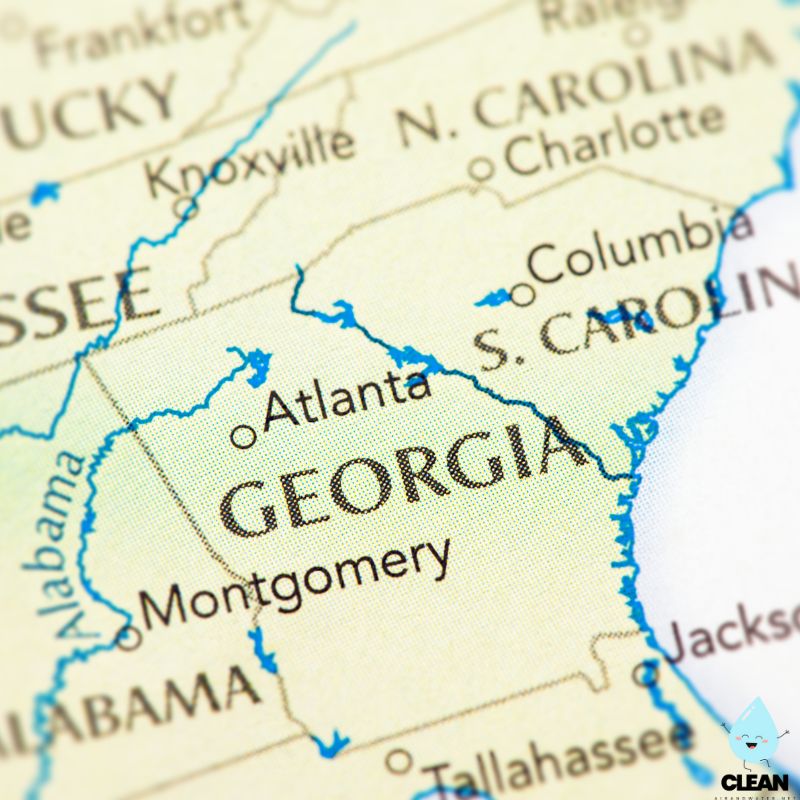
Georgia — The Peach State — Water Quality Report 2026: PFAS Testing, Infrastructure Concerns & Safety Across Your State
Georgia’s water infrastructure serves approximately 11.1 million residents across diverse geographical regions, from the Appalachian Mountains in the north to the coastal plains in the south. The state operates through a complex network of thousands of public water systems, ranging from large municipal utilities like Atlanta’s Department of Watershed Management — which serves over 1.5 million customers — to smaller rural systems providing essential services to underserved communities. Georgia’s water sources include the Chattahoochee, Savannah, Altamaha, and Coosa river systems, along with numerous reservoirs and groundwater aquifers that supply both urban centres and agricultural areas.
Despite abundant water resources with 70,150 miles of rivers and streams, Georgia faces significant infrastructure challenges. Drinking water investment needs are estimated at $19.7 billion over the next 20 years. Over $125 million in federal infrastructure investment from the Bipartisan Infrastructure Law has been allocated to Georgia to address drinking water safety, wastewater treatment upgrades, and emerging contaminant removal including PFAS. As of March 2026, UCMR 5 data covers approximately 95% of community water systems nationwide, giving Georgia regulators their clearest picture yet of the scale of contamination. Georgia’s commitment to water quality improvement is demonstrated through partnerships between the Georgia Environmental Protection Division (EPD), local utilities, and federal agencies working to ensure safe, reliable water access for all residents. Check the live boil water notices tracker for current alerts in your area.
Georgia Water Quality: Current Status (2025–2026)
Statewide Compliance and Testing
- Overall Compliance: The majority of Georgia’s public water systems meet federal Safe Drinking Water Act standards, though over 112 systems have tested positive for PFAS contamination above detection limits during EPA monitoring. The latest UCMR 5 data release (March 2026) covers approximately 95% of all community water systems tested under the rule, confirming 176 million Americans — including large numbers of Georgians — are served by water with detectable PFAS.
- PFAS Monitoring: Georgia EPD completed a comprehensive three-phase PFAS monitoring initiative covering all surface water systems and groundwater systems serving over 500 people. Results are available via the interactive PFAS Story Map. Separately, all water systems serving 3,300+ people were required to participate in UCMR 5, which tests for 29 PFAS species — data submission was mandatory, not voluntary.
- Infrastructure Investment: Over $125 million in federal funding through the Bipartisan Infrastructure Law has been allocated to Georgia for water infrastructure improvements, including dedicated funding for emerging contaminant treatment and disadvantaged communities. However, with Bipartisan Infrastructure Law funds set to taper off after FY 2026, Georgia’s long-term $19.7 billion infrastructure funding gap remains a serious concern. Visit our water alert news section for the latest regulatory updates.
Major Water Sources and Challenges
- Chattahoochee River Basin: Primary source for Atlanta and the surrounding metro area, serving over 4 million people, with documented PFAS contamination requiring ongoing monitoring and treatment planning. See our Atlanta water quality report for city-level detail.
- Savannah River Basin: Supplies water to eastern Georgia including Augusta and Savannah, facing PFAS challenges with some samples exceeding the EPA’s 4 parts per trillion limit for PFOA and PFOS. The City of Savannah has engaged engineering consultants on treatment upgrades expected to significantly increase the cost of drinking water production.
- Asset Management Requirements: Since January 2024, all public water systems serving over 3,300 people must develop comprehensive asset management plans as part of permit renewals to ensure proactive infrastructure maintenance.
Emerging Contaminant Response
- PFAS Regulation — 2026 Update: The EPA finalised national drinking water standards for PFOA and PFOS (4 parts per trillion each) in April 2024. In 2025, the EPA signalled it would extend the PFAS treatment compliance deadline from 2029 to 2031 and may rescind the Hazard Index rules for four other PFAS compounds (PFBS, GenX, PFNA, PFHxS), though PFOA and PFOS standards remain in force. Systems must still complete initial PFAS monitoring by 2027 and report results in annual water quality reports. Particularly elevated levels remain in Clayton County (500% above EPA reporting thresholds), Augusta area (1,606.7% above), and Calhoun (over 9,500% above).
- 3M and DuPont Settlement Proceeds: Settlement funds from 3M and DuPont — resulting from a $100 million settlement involving Rome, GA operations — began flowing to affected water utilities in summer 2025. These proceeds are enabling Georgia utilities to accelerate capital deployment toward PFAS treatment infrastructure in 2026.
- Treatment Technology Deployment: Water utilities are implementing advanced treatment technologies including activated carbon filtration and reverse osmosis systems to remove PFAS and other emerging contaminants. If you are in a known PFAS-affected area, our water filter solutions guide explains which certifications to look for.
Rural and Disadvantaged Communities
- Infrastructure Disparities: Rural water systems face disproportionate challenges with aging infrastructure, limited technical capacity, and higher per-capita compliance costs — particularly affecting systems serving under 3,300 people that were not required to participate in UCMR 5 monitoring.
- Funding Uncertainty: Georgia Environmental Finance Authority (GEFA) provides funding through Clean Water and Drinking Water State Revolving Funds, with enhanced support for disadvantaged communities through grants and forgivable loans. However, Bipartisan Infrastructure Law supplemental funding is set to expire after FY 2026, and the federal SRF authorisation itself requires Congressional renewal, creating uncertainty for future project pipelines.
- Technical Assistance Programs: EPD provides enhanced technical support including electronic plan review systems and stakeholder meetings to help smaller systems navigate complex regulatory requirements and secure funding for necessary improvements. Compare how neighbouring states are faring in our Florida, South Carolina, and North Carolina state water quality reports.
Looking Forward: 2026–2031
Georgia’s water quality landscape is undergoing significant transformation as utilities prepare for PFAS treatment requirements now due by 2031. The completion of the three-phase UCMR 5 monitoring programme — with 95% of systems now covered nationally as of March 2026 — combined with 3M/DuPont settlement proceeds reaching utilities and new asset management requirements, provides a foundation for progress. However, the tapering of Bipartisan Infrastructure Law funding after FY 2026, regulatory uncertainty around the Hazard Index PFAS rules, and Georgia’s $19.7 billion infrastructure investment gap mean that many residents — particularly in rural and lower-income communities — face a long road before their water is fully protected. Staying informed through your utility’s Consumer Confidence Report and the Georgia EPD PFAS Story Map remains essential.
Recommendations for Georgia Residents
Know Your Water Source
Contact your water utility to request your annual Consumer Confidence Report and ask specifically about PFAS testing results. Visit Georgia EPD’s interactive PFAS Story Map to access your local system’s UCMR 5 testing data. Check our live boil water notices tracker for any active advisories in your Georgia county.

Support Infrastructure Investment
Stay informed about local water infrastructure needs and support utility rate structures that enable necessary improvements. With Bipartisan Infrastructure Law funding expiring after FY 2026, attending public meetings when utilities discuss PFAS treatment investments and the path to 2031 compliance has never been more important.
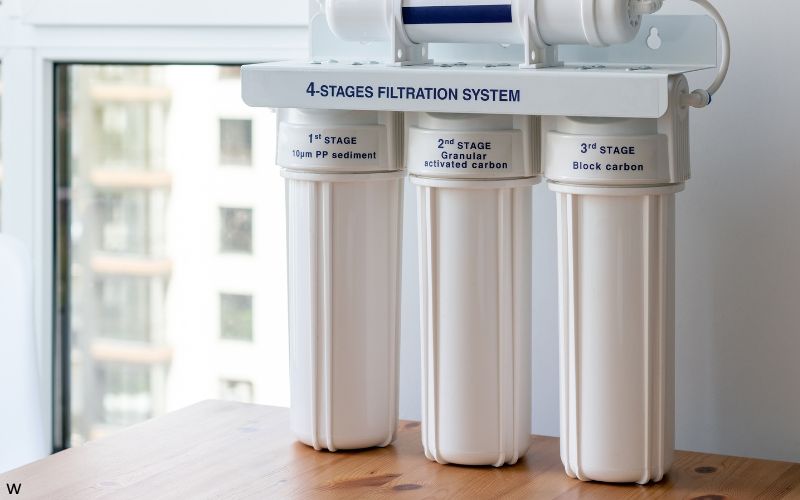
Consider PFAS-Certified Filtration
For areas with known PFAS contamination, consider NSF-certified activated carbon or reverse osmosis filters specifically tested for PFAS removal. These provide additional protection while utilities work toward the 2031 compliance deadline. See our water filter solutions guide for NSF-certified options.

Report Water Quality Concerns
Contact your local water utility immediately for taste, odour, or colour concerns. Report suspected contamination to Georgia EPD’s Environmental Compliance Division. You can also stay on top of emerging issues via our water alert news section, updated regularly with Georgia-specific developments.
Practice Water Conservation
Support Georgia’s water sustainability by implementing conservation measures like efficient irrigation, rainwater harvesting, and low-flow fixtures. Reducing demand helps utilities maintain system reliability and affordability while managing rapid population growth and the increasing strain from data centre expansion across the state.
Georgia Cities We Cover
Atlanta Water Quality
Comprehensive analysis of Atlanta’s Department of Watershed Management, serving over 1.5 million customers in the metro area. Includes information on Chattahoochee River sources, treatment processes, infrastructure modernisation, PFAS monitoring, chromium-6 detections, and disinfection byproduct levels across the system.
Augusta Water Quality
Detailed assessment of Augusta’s water systems along the Savannah River basin, covering PFAS contamination levels (1,606.7% above EPA reporting thresholds), the DuPont Superfund site legacy, source water protection, and compliance planning with emerging contaminant regulations.
Frequently Asked Questions
Is Georgia’s tap water safe to drink in 2026?
Most of Georgia’s public water systems meet federal drinking water standards and are safe for consumption. However, over 112 systems have tested positive for PFAS contamination above detection limits, and as of March 2026, UCMR 5 data — now covering approximately 95% of community water systems nationally — continues to reveal the full scale of contamination.
Georgia EPD has completed three phases of PFAS monitoring and requires all public water systems to include PFAS test results in annual Consumer Confidence Reports. Utilities in affected areas are implementing treatment upgrades, supported in part by 3M and DuPont settlement proceeds that began flowing in 2025. The EPA has extended the PFAS treatment compliance deadline to 2031, meaning some Georgians remain exposed in the near term. Residents should review their utility’s annual water quality report and check the Georgia EPD PFAS Story Map for their local system. Our national water quality tool can also help you assess your area.
What are PFAS chemicals and why are they a concern in Georgia?
PFAS (per- and polyfluoroalkyl substances) are synthetic “forever chemicals” that do not break down naturally in the environment or the human body.
Georgia has documented PFAS contamination in multiple watersheds, with particularly elevated levels in Clayton County (500% above EPA reporting thresholds), Augusta area (1,606.7% above), and Calhoun (over 9,500% above). Major industrial sources include DuPont and 3M operations near Rome, carpet factories around Dalton, and military base firefighting foam use — with Moody Air Force Base in Valdosta showing groundwater contamination at approximately 375,000 ppt, roughly 5,000 times the EPA advisory level. PFAS have been linked to kidney and testicular cancer, liver damage, immune system effects, and developmental impacts in children. The EPA finalised drinking water standards for PFOA and PFOS at 4 parts per trillion in April 2024, with a compliance deadline now extended to 2031. Systems must complete initial monitoring by 2027.
How can I find out about my local water quality?
Georgia residents can access comprehensive water quality information through several resources:
• Annual Water Quality Reports (Consumer Confidence Reports): Contact your water utility directly — all systems serving 3,300+ people must now include PFAS results in their annual report following UCMR 5 monitoring.
• Georgia EPD PFAS Story Map: Visit the interactive online map to access PFAS testing results and compliance information for your local water system across all three phases of monitoring.
• Our National Water Quality Tool: Use the Clean Air and Water quality checker to explore data for your area.
• Municipal Water Portals: Large systems like Atlanta, Augusta, and Savannah provide detailed PFAS information on their websites, including current test results and treatment plans.
Why does Georgia have water infrastructure challenges?
Georgia’s water infrastructure faces several interconnected challenges:
Rapid Population and Data Centre Growth: Georgia’s population of 11.1 million continues to grow rapidly, and a massive expansion of data centres is placing additional strain on water resources and local supplies.
Funding Gaps: Drinking water investment needs are estimated at $19.7 billion over 20 years. Bipartisan Infrastructure Law funding — which has provided over $125 million to Georgia — is set to taper off after FY 2026, creating a significant funding cliff for smaller utilities.
Climate Challenges: Georgia faces increasing vulnerability to water extremes including droughts and flooding, requiring enhanced resilience planning across all river basins.
Industrial Legacy Contamination: Decades of carpet manufacturing (Dalton), chemical production (3M, DuPont), and military base PFAS use have created a complex contamination legacy requiring long-term remediation. See how neighbouring states compare in our South Carolina and Florida reports.
Contaminants of Concern
PFAS “Forever Chemicals”
Source: Industrial manufacturing along major watersheds, military bases including Moody Air Force Base in Valdosta (groundwater contamination documented at approximately 375,000 ppt), carpet industry in northwest Georgia around Dalton, and consumer products including non-stick cookware and stain-resistant textiles. 3M and DuPont operations near Rome, GA resulted in a $100 million settlement.
Health Effects: Linked to kidney and testicular cancer, liver damage, immune system suppression, high cholesterol, and developmental effects in children, with over 1 million Georgians potentially exposed to contaminated water above safe levels.
Current Status (2026): Over 112 Georgia water systems have tested positive for PFAS. Extreme elevations remain in Calhoun (9,500% above EPA reporting thresholds), Augusta area (1,606% above), and Clayton County (500% above). 3M/DuPont settlement proceeds reached affected utilities from summer 2025, accelerating treatment investment. EPA Limits: 4 ppt for PFOA and PFOS individually (enforceable standards in force since April 2024); treatment compliance deadline extended to 2031; initial monitoring due by 2027. For filter options, see our water filter solutions guide.
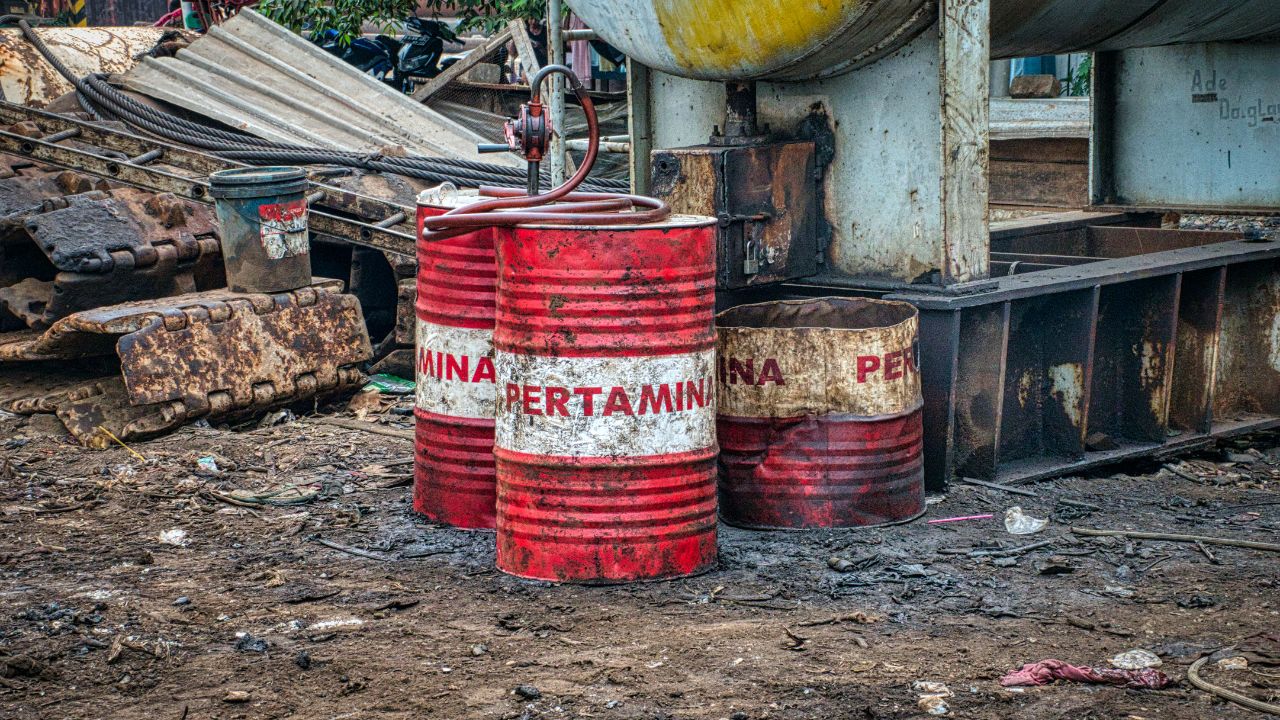
Legacy Industrial Contaminants
Source: Historical mining, textile manufacturing, and chemical production throughout Georgia — particularly in the Atlanta industrial corridor, Augusta area (including the DuPont Superfund site), and coastal regions with paper mill operations. Data centre expansion is an emerging concern for water consumption and local supply pressure.
Health Effects: Varies by contaminant but may include cardiovascular effects, neurological impacts, kidney damage, and increased cancer risk from prolonged exposure to heavy metals and industrial chemicals. Chromium-6 in the Atlanta metro area has been measured at 7.3 times EWG safety recommendations.
Current Status: Ongoing monitoring and remediation at identified sites, with enhanced treatment at affected water systems and source water protection measures under Georgia’s comprehensive water quality standards. Disinfection byproducts (haloacetic acids 24–56 ppb; trihalomethanes 27–72 ppb in Atlanta) remain a secondary concern. Regulatory Response: Georgia EPD oversight and cleanup requirements under state and federal environmental laws, with updated criteria through Georgia EPD’s Triennial Review process. Track active issues via our water alert news section.
Please read – our information
The information presented on cleanairandwater.net is compiled from official water quality reports, trusted news sources, government websites, and public health resources. While we strive for accuracy and thoroughness in our presentations, we are not scientists, engineers, or qualified water quality professionals.
Our mission is to present water quality information in an accessible, real-world format that helps people understand what’s in their water and make informed decisions about their health and safety. We believe that complex environmental information should be available to everyone in a format that’s easy to understand.
We make every effort to ensure our content is current and accurate, but we cannot guarantee that all information is complete or error-free. This website should not replace official communications from your local water utility or health department. We always recommend consulting official sources for the most up-to-date information regarding your specific water system.
Clean Air and Water is not liable for any unintentional errors, omissions, or outdated information. The content on this site is provided for informational purposes only and should not be considered professional advice.