South Dakota Water Quality at a Glance – Mount Rushmore State
Is South Dakota Water Safe to Drink?
Mixed Results Across the Mount Rushmore State – South Dakota’s water quality varies significantly by location. 78% of evaluated stream miles fail to meet standards for their intended beneficial uses, according to the 2024 South Dakota Integrated Report for Surface Water Quality Assessment. Major concerns include PFAS contamination in the Big Sioux River (detected at up to 80 ppt at Falls Park — over 20 times the EPA limit for treated drinking water), ongoing PFAS issues at Ellsworth AFB and National Guard facilities, and widespread agricultural runoff. In 2025, Sioux Falls received a $37.2 million first-instalment settlement from 3M and DuPont over PFAS groundwater contamination. The Trump administration has indicated its intent to extend PFOA/PFOS compliance deadlines to 2031, adding further uncertainty.
⚠️ Key Concerns for South Dakota Residents in 2026
- PFAS “Forever Chemicals”: Detected in Big Sioux River (up to 80 ppt at Falls Park), Mount Rushmore drinking water, Aberdeen, Harrisburg, Box Elder near Ellsworth AFB, and National Guard sites near Custer and Rapid City; private wells contaminated up to 84,000 ppt in western SD
- Agricultural Contamination: Fertiliser runoff, E. coli from livestock waste, and soil erosion are primary drivers of stream impairment; 78.1% of evaluated stream miles failing beneficial use standards
- Regulatory Uncertainty: Trump administration extending PFOA/PFOS compliance deadlines to 2031 and reconsidering MCLs for PFHxS, PFNA, GenX, and PFBS; EPA budget cut proposals threaten federal oversight funding
- Surface Water Failures: 4,799 of 6,148 evaluated stream miles do not support one or more assigned beneficial uses; 87 lakes need TMDL development; mercury in fish tissue a key concern for lakes
Read the full report below for detailed analysis, regional data, and actionable recommendations for South Dakota residents.
Advertisement — Report continues below
Your tap water just failed.
Here’s the fix.
Contaminants like PFAS, lead, chromium-6, and arsenic can sit within the legal limit but still pose a real health risk. The legal limit and the safe limit are not the same thing.
✅ Removes PFAS, lead & chromium-6 — the contaminants most flagged in failing city reports
✅ NSF/ANSI 42, 58 & 372 certified — independently tested, not just manufacturer claims
✅ Installs in 30 minutes, no plumber — fills a glass in 8 seconds, smart LED filter monitor
Renting or can’t drill? The Waterdrop K19 Countertop RO — plug in, fill the tank, done. No installation, no drilling, no plumber.
Disclaimer: This advert contains affiliate links. If you buy through these links, we may earn a commission at no extra cost to you. Product claims are based on manufacturer certification data and independent SGS lab testing.
South Dakota – Mount Rushmore State – Water Quality Report 2026: PFAS Testing, Infrastructure Concerns & Safety Across Your State
South Dakota’s water infrastructure serves approximately 925,000 residents across vast rural areas and growing urban centres, from the Black Hills in the west to agricultural plains in the east. The state operates through a network of approximately 645 public water systems, ranging from major municipal utilities serving cities like Sioux Falls and Rapid City to small rural systems providing essential services to remote communities. South Dakota’s diverse water sources include the Missouri River system, the Big Sioux River, underground aquifers, and regional water projects that supply both municipal and agricultural needs across the state.
Despite abundant water resources in some regions, South Dakota faces significant and ongoing water quality challenges. According to the 2024 South Dakota Integrated Report for Surface Water Quality Assessment, approximately 78.1% of the state’s evaluated stream miles fail to meet water quality standards for their assigned beneficial uses. A landmark moment in 2025 saw Sioux Falls receive a $37.2 million first instalment from its PFAS lawsuit settlement with 3M and DuPont. The state is also establishing its own in-state PFAS testing laboratory in partnership with South Dakota State University, building local capacity to monitor and respond to contamination. See our US Water Alert News for the latest developments, and check the live boil water notices tracker for any active advisories in your area.
South Dakota Water Quality: Current Status (2025–2026)
Statewide Compliance and Testing
- Overall Compliance: Approximately 645 public water systems operate across South Dakota. Most municipal systems meet federal Safe Drinking Water Act standards for treated drinking water, though the 2024 Integrated Report found 78.1% of evaluated stream miles failing their assigned beneficial uses — a figure that shapes both source water quality and rural well risk.
- PFAS Monitoring Expansion: DANR launched statewide river PFAS testing in 2025 across 30 monitoring sites to establish baseline data. Results are posted publicly on DANR’s website. Separately, South Dakota is opening an in-state PFAS testing laboratory in partnership with South Dakota State University to reduce reliance on out-of-state labs and speed up monitoring capacity.
- Infrastructure Funding: South Dakota received over $42 million through the federal Bipartisan Infrastructure Law for water system upgrades. The 2026 EPA budget proposes a 54% funding cut, which threatens federal pass-through programmes that South Dakota DANR programmes have historically relied upon — adding uncertainty to ongoing improvement work.
Major Water Sources and Challenges
- Big Sioux River System: Primary water source for eastern South Dakota including the Sioux Falls area. Preliminary 2024 testing by East Dakota Water Development District and South Dakota Mines found PFAS compounds at nine of 11 test sites, with concentrations at Falls Park reaching over 80 ppt — more than 20 times the EPA’s 4 ppt MCL for treated drinking water. Full multi-run sampling continued through 2025.
- Missouri River Basin: Serves western South Dakota communities with generally better surface water quality, though drought conditions periodically affect water availability and require conservation measures.
- Rural Water Systems: The South Dakota Association of Rural Water Systems tested 40 rural water systems for PFAS in cooperation with the EPA. WEB Water Development Association, serving north-central South Dakota, continues to win regional best-tasting drinking water recognition.
PFAS Regulatory Landscape in 2026
- PFOA/PFOS MCLs Retained: In May 2025, the EPA confirmed it would keep the 4 ppt MCLs for PFOA and PFOS (finalised April 2024) but announced its intent to extend compliance deadlines from 2029 to 2031. This gives South Dakota utilities more time but also delays protections for residents.
- Other PFAS MCLs Under Review: The EPA announced its intent to rescind the MCLs for PFHxS, PFNA, GenX (HFPO-DA), and the PFBS hazard index mixture — though a January 2026 federal court denied EPA’s request to vacate these rules. The regulatory picture for these compounds remains uncertain. See our water quality resource hub for updates.
- Military Base Cleanup: Ellsworth Air Force Base groundwater was found contaminated at up to 551,000 ppt as of 2016. Cleanup is ongoing, with affected residents near Box Elder previously provided with alternate water supplies. National Guard facility contamination near Custer and Rapid City is also under investigation.
Rural and Agricultural Impact
- Surface Water Pollution: The 2024 Integrated Report identifies total suspended solids from nonpoint (agricultural) sources as the primary driver of stream impairment for fish and aquatic life. E. coli from livestock and wildlife feces is the primary reason streams fail recreational use standards. 89 stream segments are formally listed as impaired and require TMDL development plans.
- Private Well Contamination: A USGS study detected PFAS in three South Dakota private wells, with concentrations ranging from 2,700 to 84,000 ppt. Rural residents relying on private wells, particularly near military or industrial sites, face heightened risk. Consider using a certified water filter if testing reveals contamination.
- Regulatory Oversight Challenges: The proposed 54% EPA budget cut for 2026 and the federal shift toward “cooperative federalism” place greater responsibility on DANR to protect surface and groundwater quality, despite South Dakota historically relying on voluntary agricultural compliance rather than regulatory enforcement.
Sioux Falls PFAS Settlement: A 2025 Landmark
In June 2025, Sioux Falls received a $37.2 million first instalment from its class action settlement with 3M and DuPont — one of the largest PFAS water contamination payouts to any South Dakota municipality. The city had previously shuttered 21 of its 64 groundwater wells after PFAS contamination was discovered near Sioux Falls Regional Airport, where firefighting foam containing PFAS had been used and stored for decades. Settlement funds are designated to “replenish, protect, and secure” the city’s source water. Sioux Falls continues monthly PFAS testing of all raw water samples and reports current treated water levels well within all applicable health limits.
Looking Forward: 2026 and Beyond
South Dakota enters 2026 at a critical juncture for water quality. The state’s new in-state PFAS testing laboratory will improve monitoring capacity, while ongoing Big Sioux River sampling continues to build the evidence base for treatment decisions. However, federal regulatory retreat — extended compliance deadlines, proposed EPA funding cuts, and rescinded MCLs for some PFAS — places significant additional burden on state agencies and local utilities. With 78.1% of evaluated stream miles failing quality standards and agricultural pollution continuing largely unchecked through voluntary measures, meaningful improvement will require stronger state-level enforcement, sustained infrastructure investment, and public engagement. Residents are encouraged to review their utility’s annual Consumer Confidence Report and, if on private wells, arrange independent testing. Use our water quality checker to explore results for your area.
Recommendations for South Dakota Residents
Know Your Water Source
Contact your water utility to request your annual Consumer Confidence Report and ask specifically about PFAS testing results. Visit DANR’s website to access your local system’s testing data. If you’re on municipal supply near the Big Sioux River corridor, stay alert to ongoing PFAS monitoring updates. Check our water alert news for breaking South Dakota water quality stories.
Support Agricultural Best Practices
Advocate for agricultural conservation practices that reduce fertiliser runoff and livestock waste contamination. Support riparian buffer programmes and sustainable farming techniques that protect South Dakota’s rivers and streams. A 2025 report on South Dakota’s $3 million river buffer programme showed early results in reducing agricultural nutrient loads.
Test Private Wells for PFAS
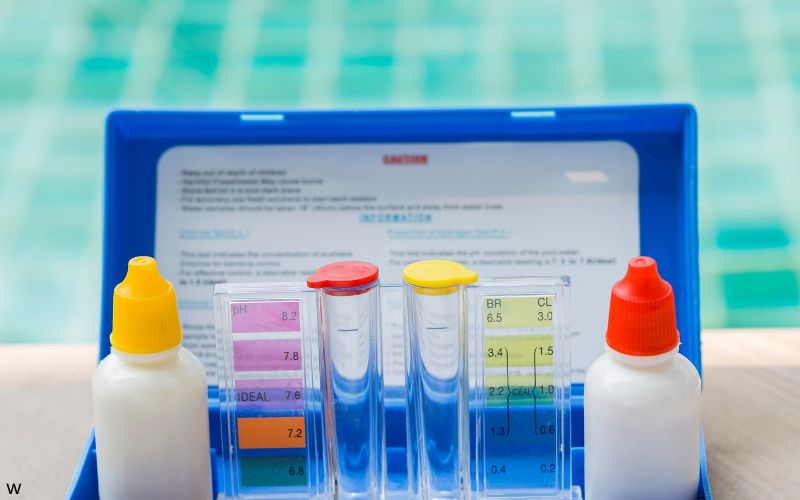
If you rely on private well water — particularly near Ellsworth AFB, Sioux Falls Regional Airport, or National Guard facilities near Custer and Rapid City — arrange PFAS testing urgently. USGS data found South Dakota private wells contaminated up to 84,000 ppt. Install an NSF-certified reverse osmosis filter if contamination is confirmed.

Report Water Quality Concerns
Contact your local water utility immediately for taste, odour, or colour concerns. Report suspected contamination to DANR’s Environmental Compliance Division, especially any suspected agricultural pollution incidents or unusual changes in well water. Track active boil water notices for South Dakota via our live tracker.
Practice Water Conservation
Support South Dakota’s water sustainability through conservation measures including efficient irrigation, drought-resistant landscaping, and low-flow fixtures. Reducing demand helps utilities maintain system reliability during drought periods, which periodically stress the Missouri River Basin and other western SD water sources.
South Dakota Cities We Cover
Sioux Falls Water Quality
Comprehensive analysis of Sioux Falls water systems, South Dakota’s largest city serving over 209,000 residents. Covers the Big Sioux Aquifer and Lewis & Clark Regional Water System sources, treatment processes, PFAS monitoring, the city’s landmark $37.2 million PFAS settlement with 3M and DuPont, and ongoing infrastructure investment.
Additional South Dakota city reports coming soon. Check back for updates on Rapid City, Aberdeen, and other major municipalities as we expand our coverage across the Mount Rushmore State. Subscribe to our water alert news to be notified when new reports are published.
Frequently Asked Questions
Is South Dakota’s tap water safe to drink in 2026?
Most of South Dakota’s public water systems meet federal drinking water standards and are safe for consumption. However, significant surface water quality challenges and PFAS contamination at specific locations mean residents should stay informed about their local system.
DANR oversees approximately 645 public water systems across the state. While treated drinking water generally complies with federal standards, the 2024 Integrated Report found 78.1% of evaluated stream miles failing their assigned beneficial uses. Sioux Falls received a $37.2 million PFAS settlement in 2025 and continues monthly PFAS testing, reporting current levels well within health limits. The Trump administration’s extension of PFOA/PFOS compliance deadlines to 2031 means some treatment upgrades may be delayed. Residents should review their utility’s annual Consumer Confidence Report. Use our water quality checker for local data.
What are the main water quality concerns in South Dakota?
South Dakota faces significant challenges from agricultural pollution, PFAS contamination, and widespread surface water quality impairment affecting rivers, streams, and lakes.
Major pollutants include fertiliser runoff from farm fields, soil erosion from agricultural operations, and E. coli bacteria from livestock and wildlife feces. The 2024 Integrated Report found 78.1% of evaluated stream miles failing beneficial use standards. PFAS has been detected in the Big Sioux River at up to 80 ppt at Falls Park (over 20 times the 4 ppt EPA limit for treated drinking water), at Mount Rushmore’s drinking supply, and in private wells contaminated up to 84,000 ppt. Regulatory uncertainty in 2026 — with the Trump administration extending compliance deadlines and cutting the EPA budget — adds further challenges. Check our water news service for the latest updates.
How can I find out about my local water quality?
South Dakota residents can access water quality information through several resources:
• Annual Water Quality Reports: Contact your water utility directly for their Consumer Confidence Report, which details all testing results and compliance information for the previous year
• DANR Online Database: Visit the South Dakota Department of Agriculture and Natural Resources website to access testing results, PFAS monitoring data, and surface water quality assessments
• Our Water Quality Checker: Use our interactive water quality tool to explore data for your location across South Dakota
• Surface Water Reports: Review the 2024 Integrated Report for Surface Water Quality Assessment, which tracks impairment levels across South Dakota’s rivers, streams, and lakes and is available on the DANR website
Why does South Dakota have agricultural water pollution challenges?
South Dakota’s agricultural economy creates water quality challenges through several interconnected sources:
Fertiliser Runoff: Nitrogen and phosphorus from agricultural fields wash into waterways during rain events, causing nutrient pollution that affects aquatic ecosystems and contributes to the impairment of streams across the state
Livestock Operations: E. coli bacteria from livestock and wildlife feces is the primary reason South Dakota streams fail recreational use standards, with the 2024 Integrated Report confirming this pattern continues
Soil Erosion: Total suspended solids from agricultural activities are the primary driver of fish and aquatic life impairment in South Dakota streams, according to the 2024 Integrated Report
Limited Enforcement: South Dakota primarily relies on voluntary conservation efforts. With proposed federal EPA budget cuts in 2026 shifting more responsibility to states, the gap between voluntary compliance and regulatory enforcement may widen
The state is working to address these challenges through the riparian buffer programme — a $3 million initiative whose 2025 results report showed early positive impacts on nutrient reduction. Visit our water filter solutions page if agricultural contamination is affecting your drinking water.
Quality News About Your Water
Get the comprehensive water quality news coverage you need with our dedicated US Water News Service. From coast to coast, we deliver in-depth reporting and expert analysis on PFAS contamination, EPA regulatory changes, infrastructure developments, and emerging water safety issues affecting communities nationwide. While mainstream media only covers the biggest stories, we provide the detailed, ongoing coverage that helps you understand the full scope of America’s water challenges.
What’s actually in your tap water? Enter your ZIP code for a full breakdown of contaminants detected in your local supply
Drinking water from a well? Check our directory here for more information
Contaminants of Concern
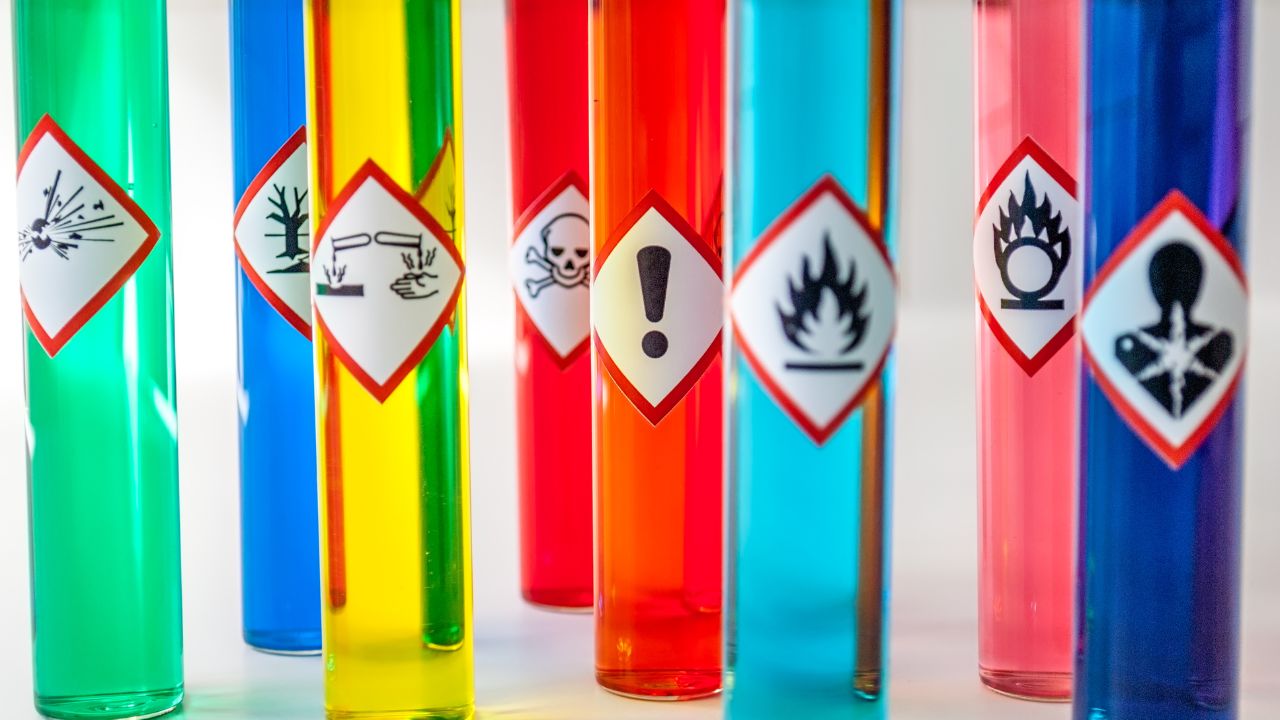
PFAS “Forever Chemicals”
Source: Firefighting foam (AFFF) used at Ellsworth Air Force Base, Sioux Falls Regional Airport (co-located with the Air National Guard), and National Guard facilities near Custer and Rapid City; industrial applications; and consumer products including non-stick cookware and water-resistant textiles
Health Effects: Linked to kidney and testicular cancer, liver damage, immune system suppression, high cholesterol, thyroid disease, and developmental effects in children and infants
Current Status (2026): PFAS detected in the Big Sioux River at up to 80 ppt (Falls Park); Mount Rushmore drinking water exceeded the 4 ppt EPA limit in 2024; three SD private wells contaminated at 2,700–84,000 ppt; Sioux Falls received $37.2M PFAS settlement in 2025. EPA Limits: 4 ppt MCL for PFOA and PFOS (confirmed May 2025); compliance deadline extended to 2031. MCLs for PFHxS, PFNA, GenX, and PFBS under review but upheld by court in January 2026. Reverse osmosis filtration is recommended for households with PFAS concerns.
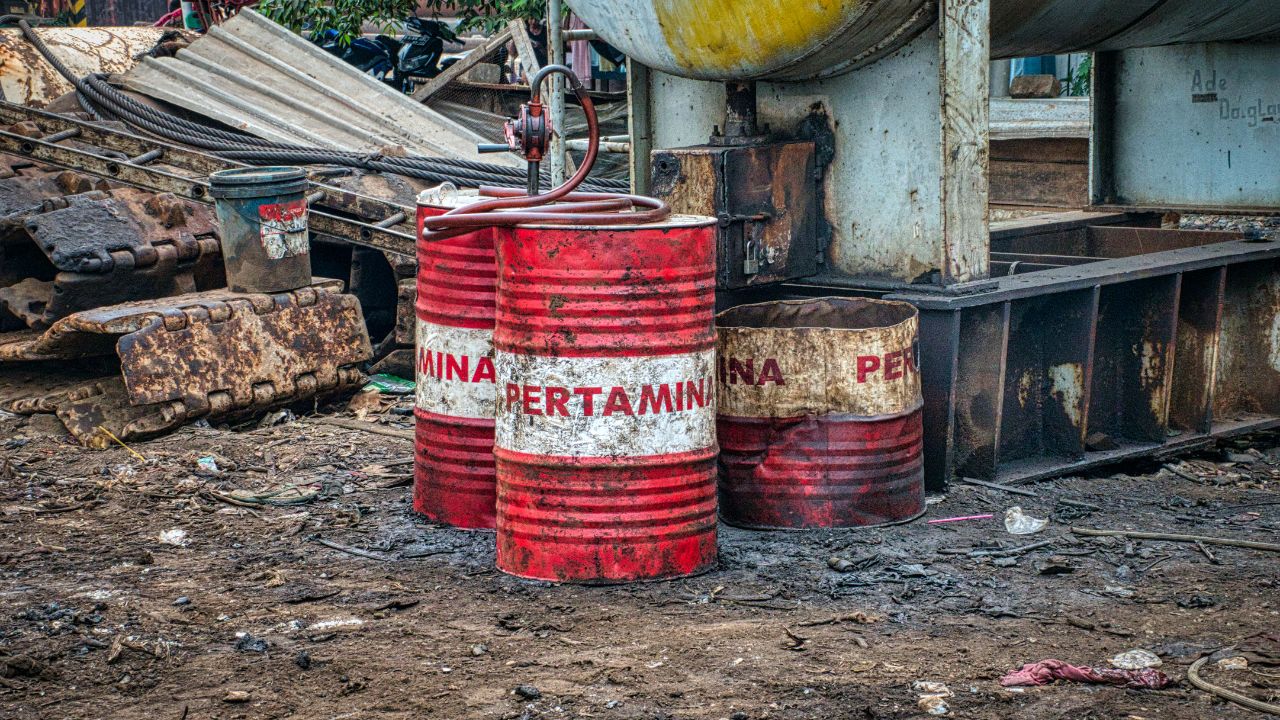
Agricultural Pollution
Source: Fertiliser runoff from farm fields (nitrogen, phosphorus), soil erosion from agricultural operations (total suspended solids), and E. coli bacteria from livestock and wildlife feces across South Dakota’s extensive agricultural regions
Health Effects: E. coli exposure can cause gastrointestinal illness; nitrate contamination may cause methemoglobinemia in infants (blue baby syndrome) and potential cardiovascular effects from prolonged exposure; excess nutrient loading harms aquatic ecosystems
Current Status (2026): The 2024 Integrated Report found 78.1% of evaluated stream miles (4,799 of 6,148 miles) failing one or more beneficial use standards. Total suspended solids are the primary aquatic life impairment driver; E. coli is the primary recreational use impairment driver. 89 stream segments are formally impaired and require TMDL development. Regulatory Response: DANR oversight with voluntary conservation programmes; proposed 2026 EPA budget cuts may further limit enforcement capacity. If agricultural runoff affects your private well, see our filter recommendations.
Please read – our information
The information presented on cleanairandwater.net is compiled from official water quality reports, trusted news sources, government websites, and public health resources. While we strive for accuracy and thoroughness in our presentations, we are not scientists, engineers, or qualified water quality professionals.
Our mission is to present water quality information in an accessible, real-world format that helps people understand what’s in their water and make informed decisions about their health and safety. We believe that complex environmental information should be available to everyone in a format that’s easy to understand.
We make every effort to ensure our content is current and accurate, but we cannot guarantee that all information is complete or error-free. This website should not replace official communications from your local water utility or health department. We always recommend consulting official sources for the most up-to-date information regarding your specific water system.
Clean Air and Water is not liable for any unintentional errors, omissions, or outdated information. The content on this site is provided for informational purposes only and should not be considered professional advice.