West Virginia Water Quality at a Glance
Is West Virginia Water Safe to Drink?
Critical Multi-Source Contamination Crisis — West Virginia faces severe water quality challenges from multiple pollution sources. 130 of 279 tested public water systems contain PFAS above EPA health advisories, affecting approximately 700,000 residents. In 2023, roughly 1 in 4 public water systems had health-based violations. Major concerns include coal mining contamination (acid mine drainage, heavy metals), PFAS “forever chemicals” from industrial pollution, and legacy contamination from the DuPont Parkersburg facility. Southern coalfield communities face especially acute risks from failing infrastructure, with some residents reporting discoloured tap water and decades-long boil water notices.
⚠️ Key Concerns for West Virginia Residents in 2026
- PFAS “Forever Chemicals”: 130 water systems serving ~700,000 residents show PFAS above EPA limits; PFAS Action Plans due for all affected systems by end of 2026 under the state’s PFAS Protection Act
- Coal Mining Legacy: Acid mine drainage contaminating 12,000+ miles of waterways; heavy metals including arsenic, lead, and manganese in groundwater across coalfield communities
- Regulatory Rollback Risk: In 2025 the WV Legislature weakened Category A drinking water protections on smaller streams and softened carcinogen standards — increasing pollution discharge risk
- Rural Water Crisis: ~23% rely on private wells (vs 15% nationally); McDowell County and southern coalfield residents reporting discoloured water; many small systems lack financial and technical capacity to comply
Read the full report below for detailed analysis, state-specific data, and actionable recommendations for West Virginia residents.
Advertisement — Report continues below
Your tap water just failed.
Here’s the fix.
Contaminants like PFAS, lead, chromium-6, and arsenic can sit within the legal limit but still pose a real health risk. The legal limit and the safe limit are not the same thing.
✅ Removes PFAS, lead & chromium-6 — the contaminants most flagged in failing city reports
✅ NSF/ANSI 42, 58 & 372 certified — independently tested, not just manufacturer claims
✅ Installs in 30 minutes, no plumber — fills a glass in 8 seconds, smart LED filter monitor
Renting or can’t drill? The Waterdrop K19 Countertop RO — plug in, fill the tank, done. No installation, no drilling, no plumber.
Disclaimer: This advert contains affiliate links. If you buy through these links, we may earn a commission at no extra cost to you. Product claims are based on manufacturer certification data and independent SGS lab testing.
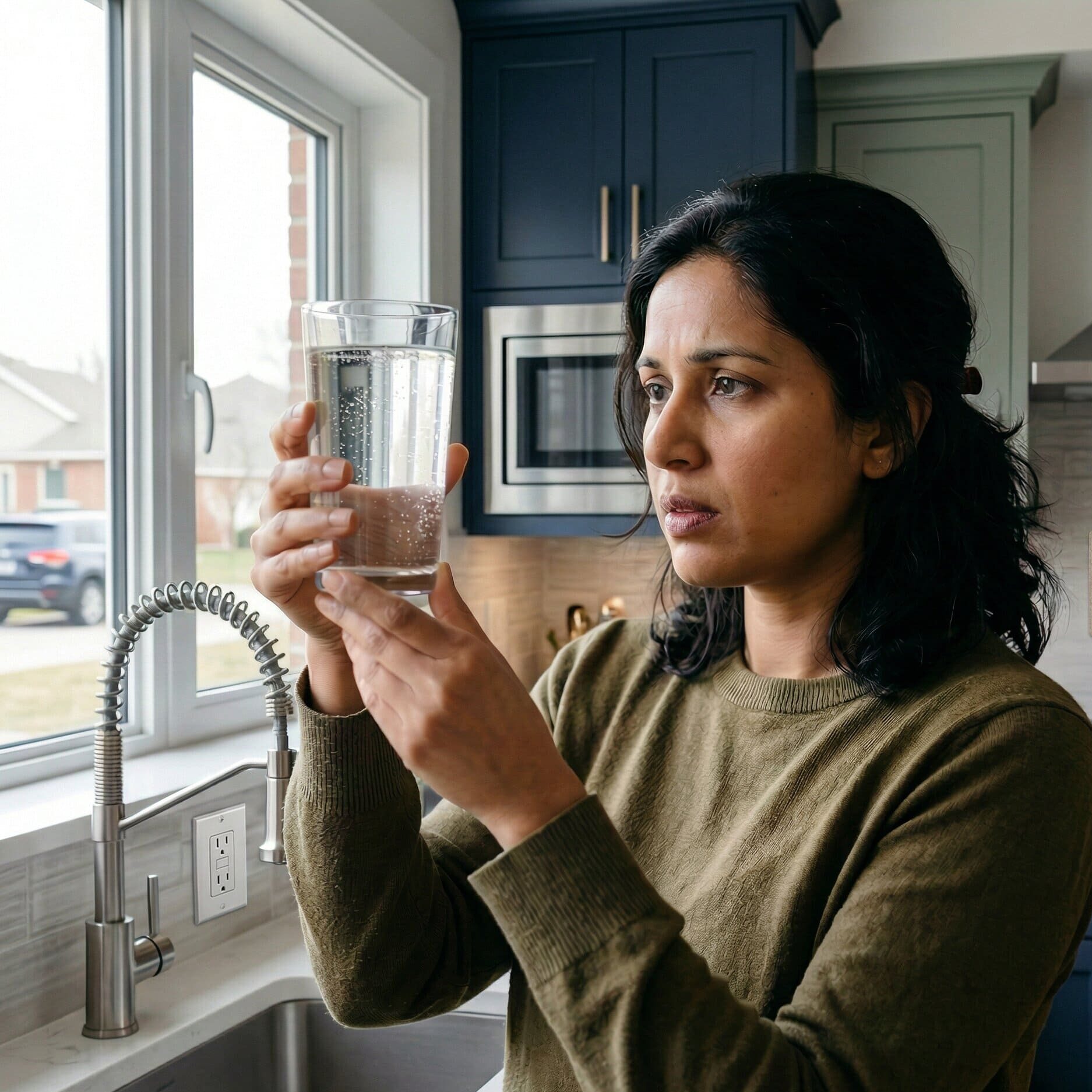
West Virginia — The Mountain State — Water Quality Report 2026: PFAS Testing, Infrastructure Concerns & Safety Across Your State
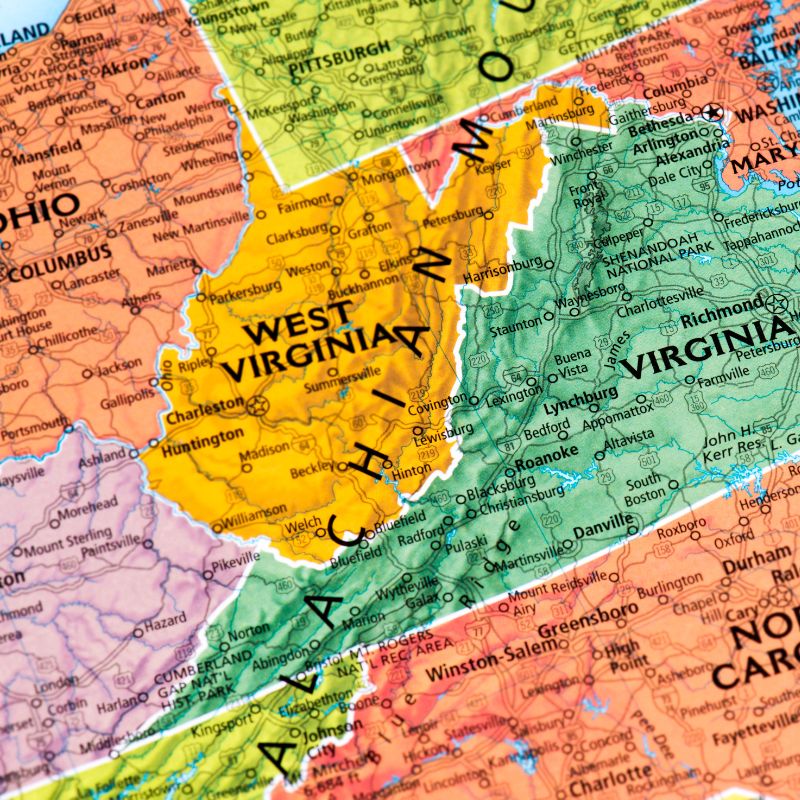
West Virginia’s water infrastructure serves approximately 1.8 million residents across rugged mountainous terrain, from the Eastern Panhandle to the Ohio River Valley. The state operates through a network of 448 public water systems, ranging from West Virginia American Water — which serves over 600,000 customers statewide — to smaller rural systems providing essential services to remote mountain communities. West Virginia’s water sources include the Ohio, Monongahela, Potomac, and New River systems, along with numerous groundwater aquifers supplying both urban centres and isolated rural areas.
Despite abundant water resources, West Virginia faces some of the most serious drinking water challenges in the country. In 2023, roughly 1 in 4 public water systems had health-based violations according to EPA data. The state has emerged as a national focal point for PFAS contamination, with 130 of 279 tested public water systems showing PFAS levels above EPA health advisories, affecting approximately 700,000 residents. Under the 2023 PFAS Protection Act, WVDEP must complete action plans for all affected systems by end of 2026. Meanwhile, the WV Legislature weakened Category A drinking water protections for smaller streams during the 2025 session — a move strongly criticised by environmental groups — raising further concerns about source water quality going forward. Residents can check current boil water notices and review our national water quality checker for the latest local data.
West Virginia Water Quality: Current Status (2025–2026)
Statewide Compliance and Testing
- Overall Compliance: West Virginia continues to face the highest drinking water violation rates in the country. In 2023, approximately 1 in 4 public water systems had health-based violations according to EPA enforcement data — a rate that surpasses every other state. Tens of thousands of residents lack reliable access to safe drinking water, with southern coalfield communities among the worst affected.
- PFAS Contamination: 130 of 279 tested public water systems show PFAS levels above EPA health advisories, affecting approximately 700,000 residents — particularly in the Eastern Panhandle and Ohio River Valley. A further USGS finished-water study (data updated September 2025) continues to track contamination at the 37 systems with the highest source-water concentrations. The EPA’s enforceable PFAS MCLs of 4 ppt for PFOA and PFOS require systems to comply by April 2031, with initial monitoring completed by April 2027. Check our water alerts news feed for the latest PFAS developments.
- PFAS Action Plans — 2026 Milestone: Under the 2023 PFAS Protection Act, WVDEP was required to complete action plans for the 50 most contaminated systems by December 2025, with all remaining plans due by December 2026. WVDEP held community meetings across Northern WV and the Eastern Panhandle through late 2025 as part of this process. The state received $18.9 million in federal funding for PFAS mitigation, though the Trump administration canceled a separate $1 million EPA grant in 2025.
Major Water Sources and Challenges
- Ohio River Valley: Primary source for Charleston and surrounding communities, facing ongoing challenges from industrial legacy contamination — including the 2014 Elk River chemical spill that left 300,000 residents without safe drinking water. The Kanawha River Valley contains one of the highest concentrations of chemical facilities in the nation, with new petrochemical and plastics-processing projects under scrutiny in 2025–2026.
- Eastern Panhandle: Groundwater sources serving Berkeley, Jefferson, and Morgan counties show elevated PFAS contamination. Twenty-two of the 130 affected systems are in the Eastern Panhandle, near communities including Martinsburg, Charles Town, Berkeley Springs, and Harpers Ferry. Military base firefighting foam activities remain a primary source.
- Southern Coalfields: McDowell County and surrounding communities face some of the most severe infrastructure failures in the state. Residents have reported black, discoloured tap water and families spending over $100 per month on bottled water. Decades of coal mining, acid mine drainage, and inadequate investment have left some communities under long-running boil water advisories.
Regulatory and Legislative Developments (2025–2026)
- Category A Stream Protections Weakened: In March 2025, the WV House of Delegates passed a bill reclassifying certain smaller streams away from Category A drinking water use designation, allowing laxer pollution discharge limits. Environmental advocates warned this jeopardises source water protection programmes. The measure was heavily criticised by the WV Rivers Coalition and community groups.
- Aboveground Storage Tank Act Rollback: Protections introduced after the 2014 Elk River spill have been repeatedly weakened in successive legislative sessions. Environmental advocates warn the law has been hollowed out to the point of offering little meaningful protection for drinking water sources.
- EPA PFAS MCL Compliance Timeline: The 4 ppt PFOA/PFOS MCLs finalised in April 2024 are now enforceable. Systems must complete initial monitoring by April 2027 and achieve full compliance by April 2031 — extended from the original 2029 deadline. Note that MCLs for PFHxS, PFNA, GenX/HFPO-DA, and PFBS were rescinded by EPA in May 2025, though a January 2026 federal court denied EPA’s request to vacate these rules entirely.
Rural and Disadvantaged Communities
- Private Well Dependence: Approximately 23% of West Virginians rely on private wells — well above the national average of 15%. WVDEP has no regulatory jurisdiction over private water supplies, meaning hundreds of thousands of residents receive no mandatory testing or oversight. Private well owners in PFAS-affected areas are strongly advised to test annually.
- Technical and Financial Capacity Gaps: Smaller water systems — many serving dwindling, low-income populations in rural areas — lack the financial resources and technical expertise to implement complex treatment upgrades required by new PFAS regulations. The DOH has attributed the state’s high violation rate partly to this structural gap.
- Federal Support Uncertainty: Bipartisan Infrastructure Law funding through the Drinking Water State Revolving Fund and Emerging Contaminants Grant Program remains available for eligible systems, but federal funding cuts and reduced EPA enforcement capacity in 2025 have created uncertainty about future support. Explore our water filter solutions guide for home protection options.
Looking Forward: 2026 and Beyond
West Virginia enters 2026 at a crossroads. The PFAS Protection Act’s action plan deadline requires WVDEP to complete remediation roadmaps for all affected systems by year’s end — a major undertaking that will define the state’s response to its most widespread contamination crisis. At the same time, legislative rollbacks to water quality standards and reduced federal oversight are creating headwinds for communities already struggling with failing infrastructure. Successful outcomes will depend on whether the state can secure adequate funding, restore weakened source water protections, and provide meaningful support to small rural systems that lack the capacity to act alone. For West Virginia residents, home filtration certified for PFAS removal — particularly reverse osmosis systems — remains the most reliable near-term protection while systemic solutions are implemented.
Recommendations for West Virginia Residents
Know Your Water Source
Contact your water utility to request your annual Consumer Confidence Report and ask specifically about PFAS testing results. Visit WVDEP’s website to access your local system’s data and understand any contaminants of concern — particularly if you live in the Eastern Panhandle, Ohio River Valley, or southern coalfield communities. You can also use our water quality checker for a quick overview of local data.
Support Infrastructure Investment
Stay informed about local water infrastructure needs and support utility rate structures that enable necessary improvements. Attend public meetings when utilities discuss PFAS treatment investments and infrastructure upgrades. With the WV Legislature weakening some water protections in 2025, community voices at public hearings and legislative meetings are more important than ever. Track the latest developments in our water alerts news section.
Consider PFAS-Certified Filtration
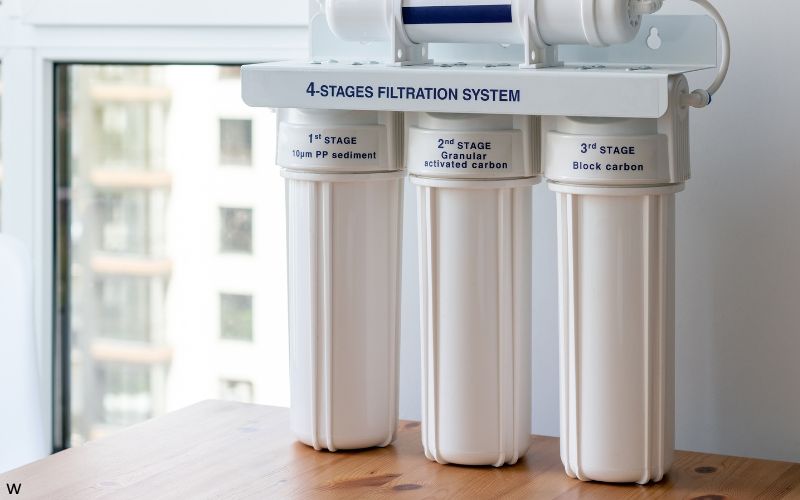
For areas with known PFAS contamination — especially the Eastern Panhandle, Ohio River Valley, and coalfield communities — consider NSF-certified reverse osmosis or activated carbon filters specifically tested for PFAS removal. These provide meaningful protection while utilities work toward the April 2031 compliance deadline. See our water filter solutions guide for top-rated options.

Report Water Quality Concerns
Contact your local water utility immediately for taste, odour, or colour concerns. Report suspected contamination to WVDEP’s Environmental Compliance Division at (304) 926-0440. This is especially important given West Virginia’s history of industrial contamination events — from the 2014 Elk River spill to ongoing PFAS concerns. You can also monitor active advisories on our live boil water notices tracker.
Practice Water Conservation
Support West Virginia’s water sustainability by implementing conservation measures such as efficient irrigation, rainwater harvesting, and low-flow fixtures. Reducing demand helps utilities maintain system reliability and affordability — particularly important given the state’s aging infrastructure and the financial strain on smaller rural systems. Our water filter solutions page also covers low-waste filtration options suitable for conservation-conscious households.
West Virginia Cities We Cover
Charleston Water Quality
Comprehensive analysis of West Virginia American Water’s Kanawha Valley District serving Charleston and surrounding communities. Includes information on water sources, treatment processes, infrastructure modernisation, PFAS monitoring, and the legacy of the 2014 Elk River chemical spill that affected over 300,000 residents.
Frequently Asked Questions
Is West Virginia’s tap water safe to drink in 2026?
Water safety varies significantly across West Virginia’s 448 public water systems. In 2023 — the most recent year for which EPA enforcement data is available — roughly 1 in 4 public water systems had health-based violations, the highest rate in the country. Tens of thousands of residents, particularly in the southern coalfields, lack reliable access to safe tap water.
PFAS contamination is the state’s most widespread challenge, with 130 of 279 tested systems showing PFAS above EPA health advisories, affecting ~700,000 residents. WVDEP is completing action plans for all affected systems by end of 2026. Residents should review their utility’s annual Consumer Confidence Report and use our water quality checker for local data. In affected areas, a certified reverse osmosis filter provides the strongest home protection.
Why does West Virginia have such serious PFAS contamination?
West Virginia’s PFAS crisis stems largely from decades of industrial manufacturing — particularly the DuPont chemical plant near Parkersburg that discharged PFOA into the Ohio River watershed from 1951 onwards. A landmark class-action lawsuit resulted in over $300 million in settlements after internal studies showed the company knew about health risks for decades.
Military base firefighting foam use is the primary driver in the Eastern Panhandle (22 affected systems in Berkeley, Jefferson, and Morgan counties), while industrial pollution from the Kanawha Valley dominates in central WV. The state now has some of the highest PFAS concentrations in the country. EPA’s enforceable MCLs of 4 ppt for PFOA/PFOS require full system compliance by April 2031. Systems must complete initial monitoring and public notification by April 2027. Follow our water alerts news for regulatory updates.
How can I find out about my local water quality?
West Virginia residents have several ways to access water quality information:
• Annual Water Quality Reports: Contact your water utility directly for their Consumer Confidence Report, which details all testing results and any violations
• WVDEP Online Database: Visit the West Virginia DEP website to access testing results and compliance information for your local water system, including PFAS finished-water data
• PFAS Action Plan Updates: WVDEP is publishing completed action plans as they are finalised through 2026. Community meetings continue into 2026 for Northern WV and Eastern Panhandle areas
• Clean Air and Water Tools: Use our water quality checker and monitor the live boil water notices tracker for real-time alerts in your area
What makes West Virginia’s water infrastructure particularly challenging?
West Virginia faces a uniquely difficult combination of factors:
Geographic Barriers: Rugged mountainous terrain makes infrastructure exceptionally expensive to build and maintain, with many rural communities requiring extensive pipeline networks over difficult terrain
Industrial Legacy: Decades of coal mining, chemical manufacturing, and heavy industry have created a deep contamination legacy — from the 2014 Elk River spill to systemic PFAS pollution across the Ohio River Valley
Legislative Rollbacks: The 2025 WV Legislature weakened Category A drinking water protections on smaller streams, allowing greater pollution discharge — a move environmental groups warned will threaten source water quality for downstream communities
Rural Capacity Gaps: Small systems serving shrinking, low-income populations often lack the technical expertise and financial resources needed to meet new PFAS regulations. The state is addressing this through revolving fund loans and technical assistance programmes, but the gap remains substantial
For the best available home protection while systemic solutions are implemented, see our water filter solutions recommendations for West Virginia residents.
Quality News About Your Water
Get the comprehensive water quality news coverage you need with our dedicated US Water News Service. From coast to coast, we deliver in-depth reporting and expert analysis on PFAS contamination, EPA regulatory changes, infrastructure developments, and emerging water safety issues affecting communities nationwide. While mainstream media only covers the biggest stories, we provide the detailed, ongoing coverage that helps you understand the full scope of America’s water challenges.
What’s actually in your tap water? Enter your ZIP code for a full breakdown of contaminants detected in your local supply
Drinking water from a well? Check our directory here for more information
Contaminants of Concern
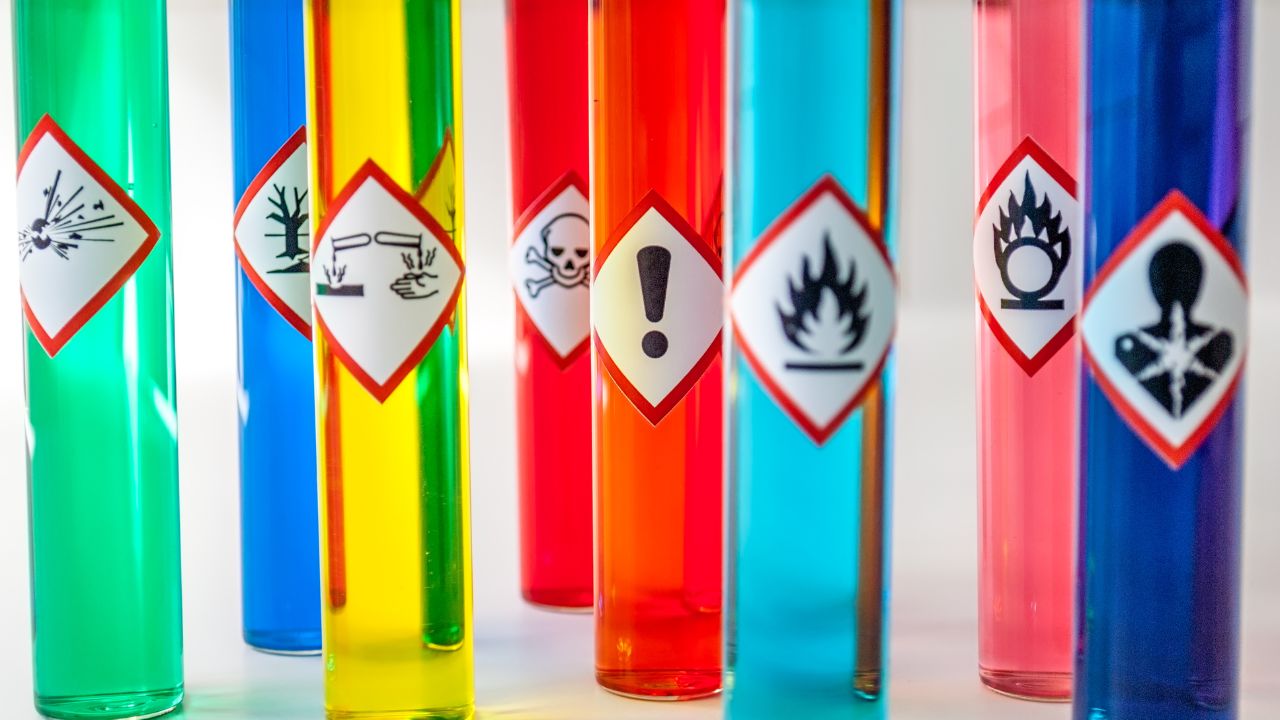
PFAS “Forever Chemicals”
Source: Industrial manufacturing (especially DuPont/Chemours Parkersburg plant), military base firefighting foam use in the Eastern Panhandle, and consumer product runoff throughout the Ohio River Valley
Health Effects: Linked to kidney and testicular cancer, liver damage, immune system suppression, high cholesterol, thyroid disease, ulcerative colitis, and developmental effects in children
Current Status (2026): 130 of 279 WV water systems show PFAS above EPA health advisories, affecting ~700,000 residents. WVDEP must complete action plans for all affected systems by December 2026. Systems must achieve compliance with the 4 ppt PFOA/PFOS MCL by April 2031, with monitoring due by April 2027. EPA Limits: 4 ppt for PFOA and PFOS individually (enforceable from April 2024). See our filter guide for certified PFAS removal options.
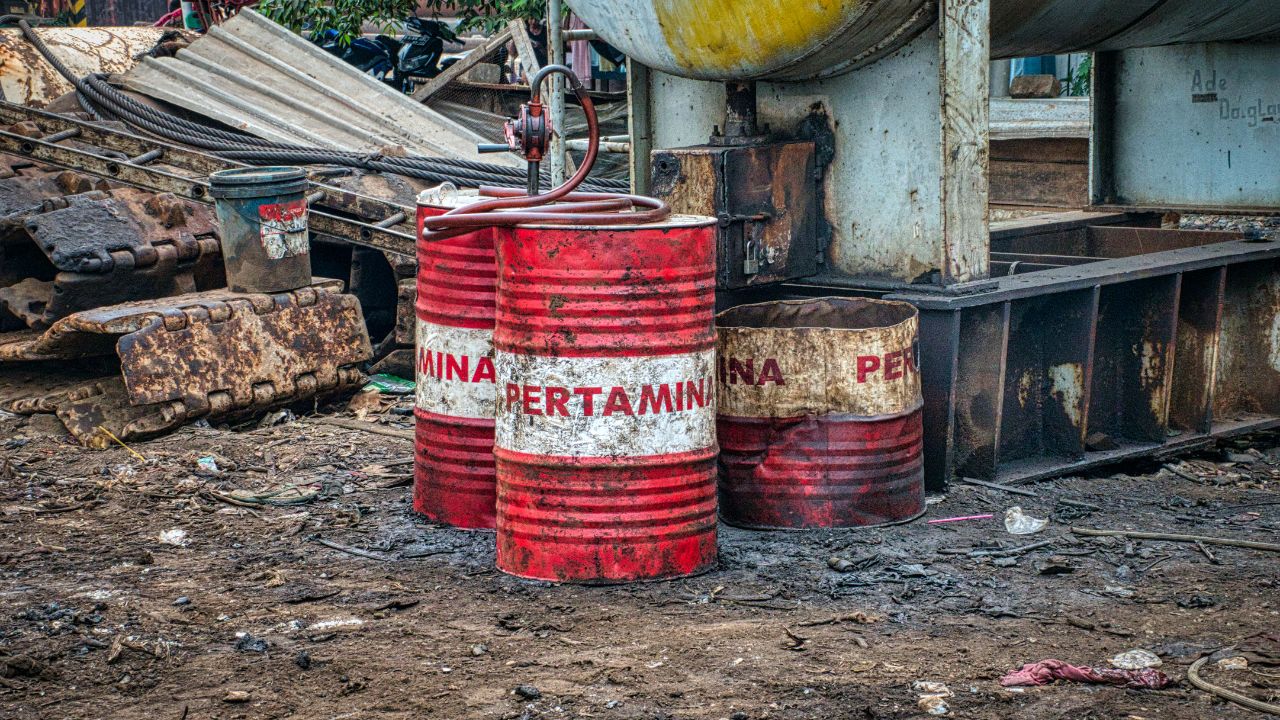
Industrial Legacy Contaminants
Source: Historical coal mining operations generating acid mine drainage; chemical manufacturing including the legacy of the 2014 Elk River spill; and ongoing petrochemical activity in the Kanawha Valley — one of the most heavily industrialised river corridors in the eastern US
Health Effects: Varies by contaminant but includes cardiovascular effects, neurological damage, kidney disease, and elevated cancer risk from prolonged exposure to heavy metals including arsenic, lead, and manganese, as well as industrial solvents
Current Status (2026): Over 12,000 miles of waterways remain contaminated by coal mining operations. The 2025 legislative rollback of Category A stream protections raises concern about new industrial discharge. Southern coalfield communities — including McDowell County — face some of the worst infrastructure conditions in the country, with discoloured tap water and long-running boil water advisories. Regulatory Response: WVDEP oversight under state and federal law, though some source water protections were weakened in the 2025 legislative session.
Please read – our information
The information presented on cleanairandwater.net is compiled from official water quality reports, trusted news sources, government websites, and public health resources. While we strive for accuracy and thoroughness in our presentations, we are not scientists, engineers, or qualified water quality professionals.
Our mission is to present water quality information in an accessible, real-world format that helps people understand what’s in their water and make informed decisions about their health and safety. We believe that complex environmental information should be available to everyone in a format that’s easy to understand.
We make every effort to ensure our content is current and accurate, but we cannot guarantee that all information is complete or error-free. This website should not replace official communications from your local water utility or health department. We always recommend consulting official sources for the most up-to-date information regarding your specific water system.
Clean Air and Water is not liable for any unintentional errors, omissions, or outdated information. The content on this site is provided for informational purposes only and should not be considered professional advice.