Los Angeles Water Quality at a Glance
Is Los Angeles Water Safe to Drink?
Generally Yes, With Some Caution — LADWP’s water met all federal and state standards in 2024, and the utility confirmed no lead service lines in its distribution system after completing a full inventory. However, chromium-6 is detected at around 12 times EWG’s health guideline, arsenic exceeds EWG health benchmarks, and nitrate levels raise independent concern. Southeast LA communities face additional PFAS exposure from industrial sources. Water quality also varies across California’s 97 LA County water systems.
⚠️ Key Concerns for Los Angeles Residents
- Chromium-6: Detected at approximately 12 times EWG’s 0.02 ppb health guideline — below California’s 10 ppb MCL (effective October 2024) but above the independent safety threshold
- Arsenic and Nitrates: Independent testing shows arsenic at over 500 times EWG’s health guideline and nitrate at 12 times EWG’s benchmark — both within legal limits but of long-term concern
- Environmental Justice: Southeast LA communities disproportionately affected by PFAS contamination from industrial sources; LA County operates 97 separate water systems with varying quality
- Wildfire Legacy: The January 2025 Palisades Fire triggered a Do Not Drink notice for Pacific Palisades residents; LADWP conducted its largest-ever residential water quality screening programme before lifting the notice in March 2025
Read the full report below for detailed analysis, district-specific data, and actionable recommendations for Los Angeles residents.
advertisment – report continues below
Your water passed the test.
Legal isn’t the same as safe.
Regulated contaminants like PFAS, chromium-6, and disinfection byproducts can sit inside the legal limit and still carry long-term health risks. Passing isn’t the same as clean.
✅ Removes PFAS, lead & chromium-6 — the contaminants most flagged even in passing city reports
✅ NSF/ANSI 42, 58 & 372 certified — independently tested, not just manufacturer claims
✅ Installs in 30 minutes, no plumber — fills a glass in 8 seconds, smart LED filter monitor
Renting or can’t drill? The Waterdrop K19 Countertop RO — plug in, fill the tank, done. No installation, no drilling, no plumber.
Advertisement — this page contains affiliate links. If you buy through these links, we may earn a commission at no extra cost to you.
Los Angeles, California — Water Quality Report 2026: PFAS, Chromium-6 & Wildfire Impacts
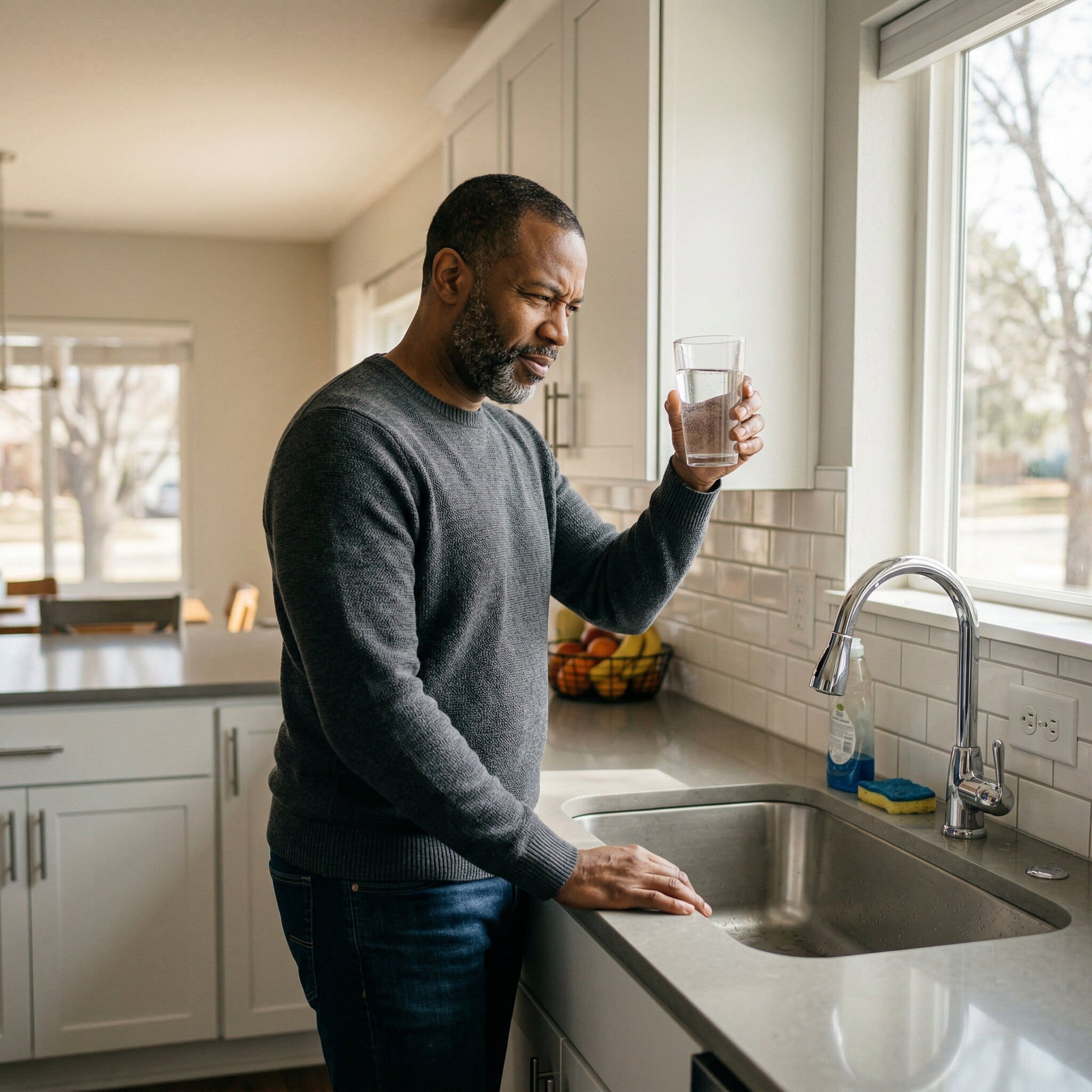
Los Angeles is served by the Los Angeles Department of Water and Power (LADWP) — the nation’s largest municipal utility — delivering water to approximately 4 million residents across 600 square miles through more than 7,200 miles of pipes. LADWP sources its water from three main supplies: the Los Angeles Aqueduct (bringing water from the Eastern Sierra Nevada), purchased imported water from the Metropolitan Water District of Southern California (drawing on the Colorado River and State Water Project), and local groundwater. In 2024, the city also responded to its most significant water quality emergency in recent memory — the January 2025 Palisades wildfire — through an unprecedented residential screening programme before fully restoring safe drinking water to Pacific Palisades in March 2025.
Following more than a decade of severe drought, LA has accelerated its drive toward water independence through the Pure Water LA initiative, targeting 70% local water sourcing by 2035 via advanced recycling and groundwater replenishment. For a broader picture of water quality across the state, see our California water quality overview.
Los Angeles Water Quality: Current Status (2024–2026)
Latest Testing Results
- Chromium-6 Levels: Independent testing through 2024 shows chromium-6 detected at approximately 12 times EWG’s health guideline of 0.02 ppb. While LADWP remains below California’s enforceable MCL of 10 ppb (effective October 2024), the gap between the legal limit and the independent health benchmark remains a concern for long-term consumers. See how this compares to San Diego and other California cities on our site.
- PFAS Status: LADWP has not detected any of the six federally regulated PFAS compounds in its main distribution system. PFAS has been detected at low levels in one operational wellfield, but the extracted water is blended and diluted with treated surface water to below detectable thresholds before distribution. LADWP monitors groundwater sources continuously and is prepared to install dedicated treatment if required.
- Compliance Status: LADWP’s 2024 Annual Drinking Water Quality Report (covering January–December 2024) confirms the utility met all 106 regulated substance standards. No primary MCL was exceeded. Independent analysis through 2024 identified 24 contaminants in the LA system, with nine at levels above EWG health guidelines — including arsenic, nitrate, chromium-6, and disinfection byproducts. Check our national water quality overview for broader context.
Infrastructure Progress
- Lead Service Lines — Clean Bill of Health: LADWP completed a comprehensive service line inventory under the Lead and Copper Rule Revisions. After physically verifying 41,813 customer-side service lines, no lead service lines or galvanised-requiring-replacement lines were identified. This is a significant positive finding for LA residents compared to older US cities. Ongoing monitoring continues as required.
- Water Main Replacement: LADWP continues replacing approximately 300,000 feet of ageing water mains annually through its Water Infrastructure Program, with priority given to pipes installed before 1940.
- Wildfire Response: Following the January 2025 Palisades Fire, LADWP issued a Do Not Drink notice for Pacific Palisades and launched its largest-ever residential water quality testing initiative to screen for wildfire-related contaminants. The notice was fully lifted on 7 March 2025 after comprehensive testing confirmed water safety throughout the affected area. Track active notices across the US on our live boil water notices tracker.
Water Source and Treatment
- Current Water Sources: In recent years, LADWP has sourced roughly 12% from the LA Aqueduct, approximately 73% from the Metropolitan Water District (Colorado River and State Water Project), and around 12–15% from local groundwater — percentages that vary with rainfall and drought conditions.
- Treatment Process: The Los Angeles Aqueduct Filtration Plant — capable of treating up to 600 million gallons per day — uses ozonation, filtration, and UV disinfection, followed by chloramination before distribution. The 2025 Public Health Goals Report confirms treated arsenic levels reached a maximum of 4 ppb from 2022–2024, well below the 10 ppb MCL.
- Groundwater Remediation: Active remediation of the San Fernando Valley groundwater basin continues to address historical industrial contamination, with new treatment facilities — including the Fairmont Sedimentation project (estimated cost over $900 million, targeted for completion in the early 2030s) — designed to further reduce arsenic and organic carbon in the supply.
Future Water Quality Initiatives
- Pure Water LA: LADWP’s flagship initiative to locally source up to 70% of LA’s water by 2035 through advanced water recycling and groundwater replenishment at the Hyperion Water Reclamation Plant — reducing reliance on imported supplies and improving long-term resilience.
- PFAS Monitoring and Compliance: LADWP is preparing for EPA PFAS MCLs. Under a May 2025 EPA announcement, PFOA and PFOS compliance deadlines are proposed for extension, and regulations for PFHxS, PFNA, and HFPO-DA are under review — but LADWP’s current non-detection status means it faces no immediate compliance burden.
- Climate and Wildfire Resilience: Investments in source diversification, infrastructure hardening, and the Tinemaha Dam bypass structure completed during the 2024–25 wildfire season demonstrate LADWP’s growing focus on climate-proofing the water supply.
Environmental Justice Concerns
Water quality challenges disproportionately affect communities of colour and lower-income residents, particularly in Southeast Los Angeles where PFAS contamination from industrial sources has been detected at higher rates. LA County’s 97 separate water systems create significant disparities — smaller utilities often face greater challenges with compliance and infrastructure investment than LADWP’s main network. Stay informed about alerts affecting your community via our water alert news page and live notices tracker.
Recommendations for Los Angeles Residents
Consider Using Filters
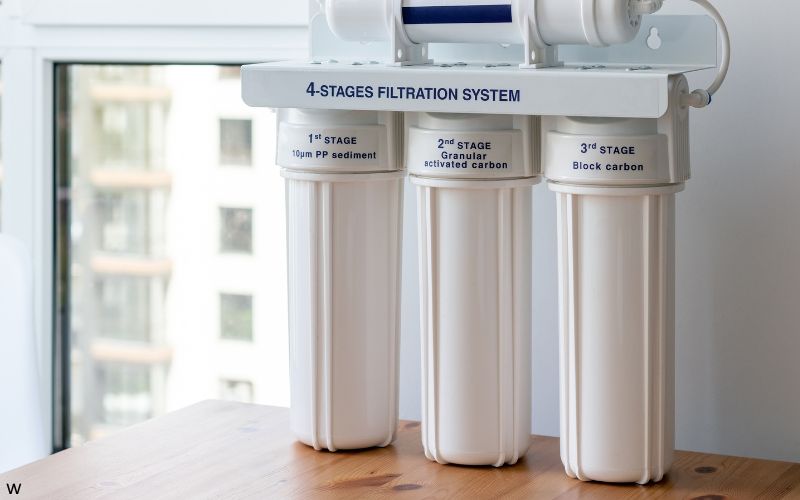
Given chromium-6 above independent health guidelines, arsenic, and disinfection byproducts, a point-of-use filter is a sensible investment for drinking and cooking water. Reverse osmosis systems are the most effective for chromium-6, arsenic, and nitrate reduction — look for NSF Standard 58 certification. Activated carbon filters (NSF Standard 53) are effective for DBPs and chloramine taste. See our water filter recommendations for options suited to LA’s water profile.
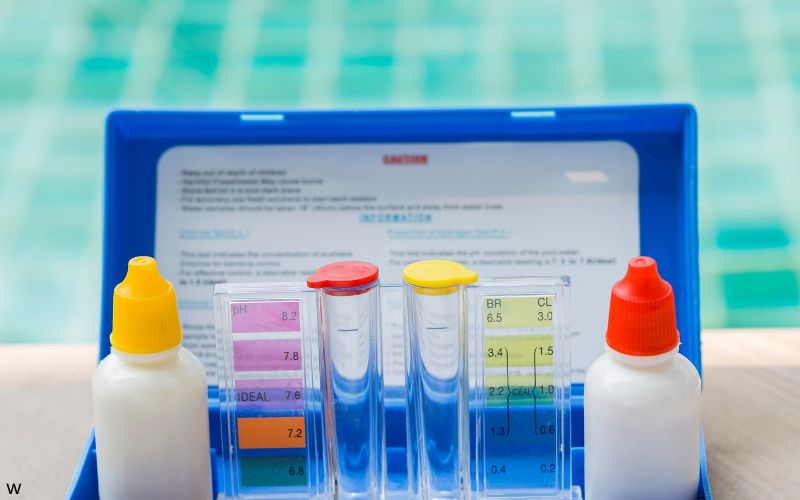
Test Your Water
Los Angeles residents can request water quality information or report concerns by calling LADWP’s Water Quality Hotline at (213) 367-3182, or emailing waterquality@ladwp.com. Review LADWP’s 2024 Annual Drinking Water Quality Report at dwqr.ladwp.com for detailed data by service area. If your home was affected by the 2025 Palisades Fire, LADWP recommends flushing all household plumbing before use. Check our water alert news for the latest LA updates.
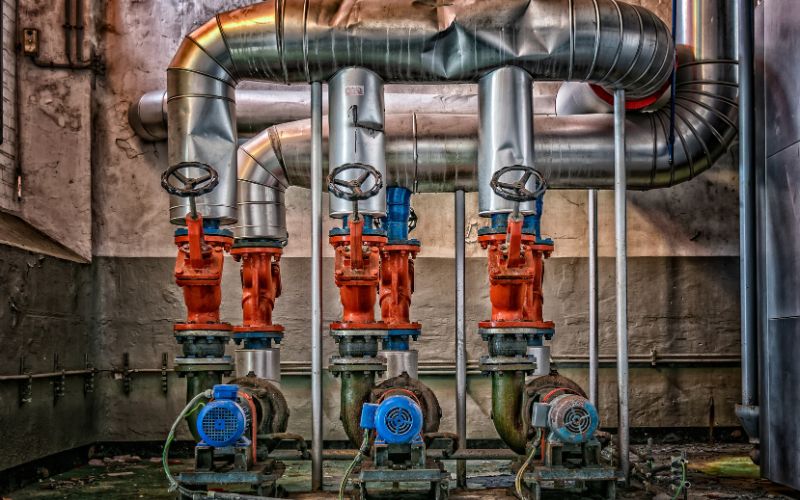
Update Plumbing Fixtures
While LADWP found no lead service lines in its distribution system, homes built before 1986 may still have lead-containing internal fittings and solder. Consider replacing older faucets and fixtures with NSF-certified lead-free alternatives. Homes affected by the 2025 Palisades Fire should replace all plumbing on their side of the water meter as part of rebuilding, per LADWP guidance.
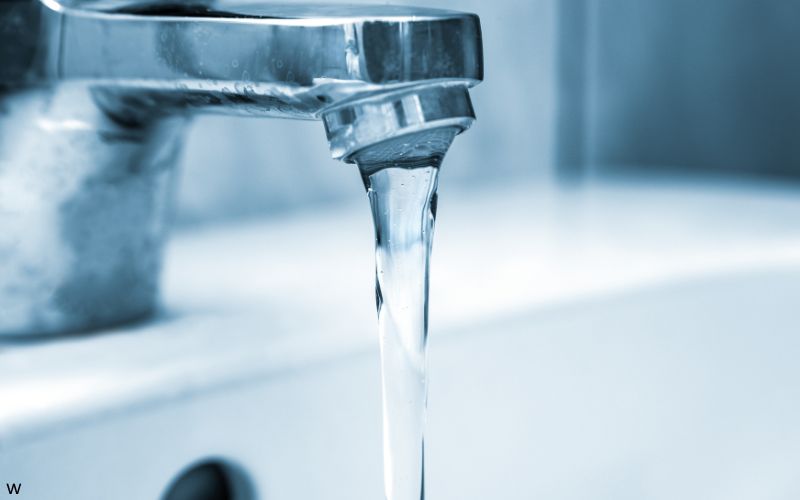
Flush Your Pipes
If water hasn’t been used for six hours or more, run cold water for 30–60 seconds before using for drinking or cooking. Always use cold water — hot water can leach higher concentrations of metals from internal plumbing. This is especially important in homes with older fixtures or in areas recently affected by the 2025 wildfire recovery. Monitor real-time notices on our live US boil water tracker.
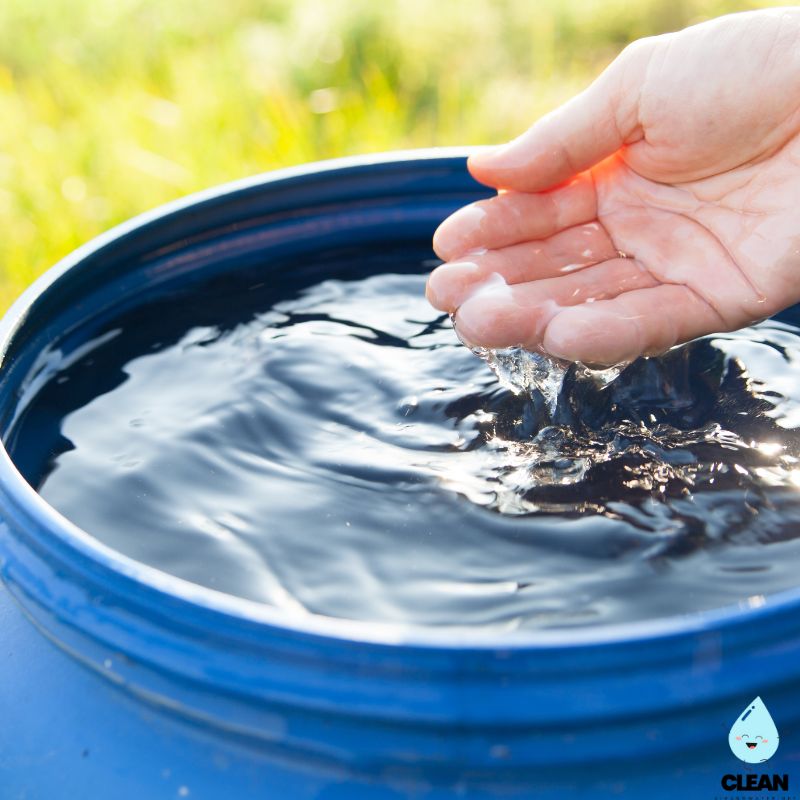
Conserve Water
Follow current LADWP conservation guidelines at ladwp.com and take advantage of available rebates on water-efficient appliances, irrigation controllers, and turf replacement. LA’s long-term water security depends on local sourcing through the Pure Water LA programme — conservation now directly supports the city’s 2035 independence target. Compare conservation programmes across nearby cities including San Diego, Long Beach, and San Jose.
Quality News About Your Water
Get the comprehensive water quality news coverage you need with our dedicated US Water News Service. From coast to coast, we deliver in-depth reporting and expert analysis on PFAS contamination, EPA regulatory changes, infrastructure developments, and emerging water safety issues affecting communities nationwide. While mainstream media only covers the biggest stories, we provide the detailed, ongoing coverage that helps you understand the full scope of America’s water challenges.
What’s actually in your tap water? Enter your ZIP code for a full breakdown of contaminants detected in your local supply
Drinking water from a well? Check our directory here for more information
Frequently Asked Questions
Is Los Angeles tap water safe to drink in 2026?
Yes — LADWP’s 2024 Annual Report confirms the water met all 106 regulated substance standards, with no primary MCL exceeded. The utility conducts over 120,000 water quality tests annually across its distribution system. However, independent testing through 2024 identified 24 contaminants in the LA system, with nine at levels above EWG’s health guidelines — notably chromium-6 at around 12 times EWG’s benchmark, arsenic exceeding EWG’s guideline by over 500 times, and nitrate at 12 times EWG’s limit. These figures reflect different — stricter — health thresholds than legal limits, but they do indicate that a point-of-use filter is a sensible precaution for long-term drinking water. See our national water quality page for comparison with other US cities.
Why does my water sometimes taste or smell different?
Taste and odour changes in LA water most commonly stem from chloramine — the disinfectant LADWP uses in place of free chlorine. Chloramine provides more stable residual protection across long distribution networks but has a distinctive taste some residents find noticeable, particularly in hot water. It cannot be removed by leaving water to stand.
Seasonal changes in source water composition — particularly when the blend shifts between aqueduct, MWD imported, and local groundwater — can also affect taste. In the San Fernando Valley, LADWP has periodically detected geosmin (a natural algae compound causing a musty, earthy odour) which is harmless but noticeable at low concentrations.
If taste or odour problems persist, contact LADWP at (800) 342-5397. An NSF-certified activated carbon filter at the point of use is the most effective solution for ongoing chloramine taste.
Are there lead service lines in Los Angeles?
LADWP’s comprehensive service line inventory — completed as part of Lead and Copper Rule Revisions compliance — found no lead service lines or galvanised-requiring-replacement lines in the distribution system after physically verifying 41,813 customer-side lines. This is a significantly better outcome than many older US cities.
That said, lead risk in LA primarily comes from internal household plumbing rather than service lines. Homes built before 1986 may have lead-containing solder, fixtures, or internal pipes. Running cold water before use, replacing older fixtures, and using a certified filter are all practical precautions. For homes affected by the 2025 Palisades Fire, LADWP strongly recommends replacing all plumbing on the customer side of the water meter as part of rebuilding — fire damage can compromise service lines in ways that are not always visible.
What is being done about PFAS in Los Angeles water?
LADWP has not detected any of the six federally regulated PFAS compounds in its main distribution system. PFAS has been identified at low levels in one operational wellfield, but the water is blended with treated surface water to below detectable levels before entering distribution — customers are not exposed at measurable concentrations.
Southeast Los Angeles communities face a separate issue — PFAS contamination from industrial sources has been detected in some smaller water systems in the area, raising environmental justice concerns. LADWP is preparing for EPA PFAS MCLs (PFOA/PFOS compliance deadline proposed for extension beyond 2029 under a May 2025 EPA announcement). The utility maintains a robust groundwater monitoring network and has committed to proactive treatment installation if any source exceeds thresholds. Track the latest PFAS and water quality developments on our water alert news page.
Contaminants of Concern
PFAS Compounds
Source: Industrial chemicals that have contaminated some groundwater sources, particularly affecting Southeast Los Angeles communities near historical manufacturing and firefighting foam use sites.
Health Effects: Long-term exposure is associated with cancer risk, developmental effects in foetuses and infants, liver damage, immune system disruption, and thyroid effects.
Current Status: LADWP has not detected any of the six regulated PFAS compounds in its main distribution system. Affected groundwater wells use blending to dilute below detectable thresholds. EPA MCL compliance deadlines under review — PFOA/PFOS deadline proposed for extension; PFHxS, PFNA, and HFPO-DA regulations may be rescinded. An NSF-certified reverse osmosis filter is the most effective point-of-use protection for PFAS.
Chromium-6
Source: Both industrial contamination and natural geological sources — chromium occurs naturally in California’s rock and soil and leaches into groundwater across much of Southern California.
Health Effects: Chronic exposure is linked to increased risk of stomach, lung, and intestinal cancers; liver and kidney damage; and skin effects. California’s OEHHA set a public health goal of 0.02 ppb based on one-in-a-million cancer risk.
Current Levels: Detected at approximately 12 times EWG’s 0.02 ppb health guideline — below California’s enforceable MCL of 10 ppb (effective October 2024). California Limit: 10 ppb (the nation’s only specific chromium-6 drinking water standard). Reverse osmosis filtration is the most effective method for reducing chromium-6 at the tap — see our filter guide. Compare chromium-6 across California cities on our California state overview.
Please read – our information
The information presented on cleanairandwater.net is compiled from official water quality reports, trusted news sources, government websites, and public health resources. While we strive for accuracy and thoroughness in our presentations, we are not scientists, engineers, or qualified water quality professionals.
Our mission is to present water quality information in an accessible, real-world format that helps people understand what’s in their water and make informed decisions about their health and safety. We believe that complex environmental information should be available to everyone in a format that’s easy to understand.
We make every effort to ensure our content is current and accurate, but we cannot guarantee that all information is complete or error-free. This website should not replace official communications from your local water utility or health department. We always recommend consulting official sources for the most up-to-date information regarding your specific water system.
Clean Air and Water is not liable for any unintentional errors, omissions, or outdated information. The content on this site is provided for informational purposes only and should not be considered professional advice.