Seattle Water Quality at a Glance
minimal concerns
Is Seattle Water Safe to Drink in 2026?
Excellent Quality with an Outstanding Safety Record — Seattle’s tap water consistently exceeds federal standards and is sourced from protected mountain watersheds in the Cascades. SPU’s 2024 Water Quality Report (covering 2024 test results) confirms full EPA and Washington State compliance across all regulated parameters. Zero PFAS have been detected in the Cedar or Tolt River supplies through all testing rounds in 2015, 2018, 2022, and 2023. Lead levels at the 90th percentile remain well below the EPA action level of 15 ppb. Seattle is widely regarded as having some of the best municipal tap water in the United States. Check our water filter solutions page if you’d like additional peace of mind, or stay informed via our water quality news feed.
⚠️ Minor Considerations for Seattle Residents in 2026
- Disinfection Byproducts: TTHMs and HAA5s are present at levels within federal limits but above EWG health guidelines; levels rise slightly during wetter months when watershed runoff increases organic matter
- Old Home Plumbing: SPU’s source water contains no lead or copper, but older residential plumbing can leach these metals — flush taps for 30 seconds after periods of non-use
- 2024 Monitoring Note: A minor monitoring violation occurred at the Cedar Treatment Facility in June 2024 when UV equipment briefly failed to log data — UV treatment continued uninterrupted and there were no public health implications
- Seasonal Taste Variations: Heavy autumn and winter rainfall raises watershed turbidity and organic content, causing temporary earthy or musty tastes — aesthetic only, not a safety concern
Read the full report below for detailed analysis, 2024 test data, and information about Seattle’s exceptional watershed protection programme. You can also check our live boil water notices tracker for any active alerts in the Pacific Northwest.
Advertisement — Report continues below
Great water report.
Here’s how to make it perfect.
Your water quality report shows strong results — and that’s genuinely good news. But even treated municipal water picks up residual chlorine, microplastics, and sediment between the treatment plant and your tap. A filter takes great water and makes it flawless.
✅ Improves taste, smell & clarity — removes residual chlorine and sediment that reach your glass after treatment
✅ NSF/ANSI 42, 58 & 372 certified — independently tested, not just manufacturer claims
✅ Installs in 30 minutes, no plumber — fills a glass in 8 seconds, smart LED filter monitor
Renting or can’t drill? The Waterdrop K19 Countertop RO — plug in, fill the tank, done. No installation, no drilling, no plumber.
Advertisement — this page contains affiliate links. If you buy through these links, we may earn a commission at no extra cost to you.

Seattle – Washington – Water Quality Report 2026: PFAS Testing, Infrastructure & Safety Across Your City
Seattle, situated in the Pacific Northwest, delivers exceptionally pure water to over 1.6 million residents through Seattle Public Utilities (SPU), which operates one of the nation’s most pristine municipal water systems. The system includes approximately 1,800 miles of water mains, two protected watersheds, and state-of-the-art treatment facilities, delivering roughly 125 million gallons daily — some of the cleanest tap water in America.
Seattle’s water comes entirely from Cascade Mountain watersheds: the Cedar River (providing approximately 72% of supply) and the South Fork Tolt River (providing around 28%), both protected from development and contamination. These mountain watersheds, fed by rain and snowmelt, provide naturally pure water that requires minimal treatment. Seattle’s commitment to watershed protection includes owning and managing over 100,000 acres of forestland, ensuring water quality at the source. SPU’s 2024 Water Quality Report — the most recent Consumer Confidence Report, released June 2025 — confirms the system met or exceeded all federal and state drinking water standards for the year. You can explore how Seattle compares with other Pacific Northwest cities via our Washington State water quality overview or check the national water quality tool.
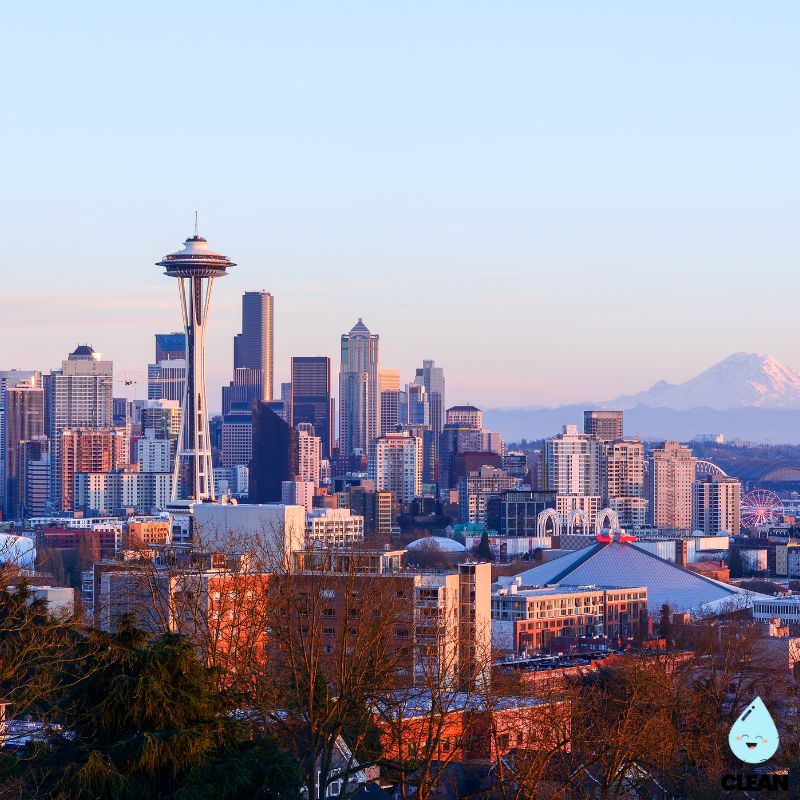
Seattle Water Quality: Current Status (2025–2026)
2024 Test Results — Key Findings
- Overall Compliance: SPU’s 2024 Water Quality Report confirms Seattle’s tap water met or exceeded all EPA and Washington State drinking water standards across every regulated parameter — consistent with the utility’s long track record of full compliance.
- Lead and Copper: SPU’s source water (Cedar and Tolt) contains no detectable lead or copper. The 90th percentile lead level remains well below the EPA action level of 15 ppb. In homes with older plumbing, lead can leach from internal fixtures — SPU advises flushing taps for 30 seconds to 2 minutes after extended non-use periods as a precaution.
- Testing Scope: Seattle Public Utilities conducts over 20,000 water quality tests annually, including comprehensive monitoring at both treatment facilities and throughout the 1,800-mile distribution system.
- 2024 Minor Monitoring Note: A minor administrative monitoring violation was recorded at the Cedar Treatment Facility on 21 June 2024 when UV equipment briefly failed to log data for one of seven operating UV units. UV treatment continued without interruption throughout the event and there were no public health implications. Repairs and improved system programming were completed promptly.
PFAS Testing — Consistently Clean
- Main Supplies — Zero Detections: PFAS testing of the Cedar and Tolt finished waters in 2023 (conducted as part of EPA’s UCMR 5 programme, the most comprehensive PFAS monitoring cycle to date) found no detections across all 29 PFAS compounds tested. Prior rounds in 2015, 2018, and 2022 also returned zero detections for the primary supplies.
- Emergency Wells — Trace Detection in One Well Only: SPU maintains three emergency wells that have not been used operationally since 2015. Testing in 2018 and 2022 found trace PFAS in the Blvd Park well at a maximum of 5.7 ppt for PFOA — above the EPA’s current 4 ppt MCL (enforceable from 2031) but well below previous advisory levels. The other two wells were clean. These wells do not supply drinking water under normal operations.
- Washington State PFAS Monitoring: State legislation required all public water systems to complete PFAS testing by December 2025. Districts purchasing water from SPU confirmed no PFAS detections in SPU-supplied water through 2024 testing rounds.
Protected Watershed Sources
- Cedar River Watershed: The primary source (approximately 72% of supply) includes over 90,000 acres of protected forestland managed for water quality, wildlife habitat, and public recreation. Areas south of Green Lake are primarily served by Cedar water.
- South Fork Tolt River: The secondary source (approximately 28% of supply) features a pristine mountain watershed with strict development restrictions and habitat protection. Areas north of Green Lake typically receive Tolt water, though the sources can serve either area as needed.
- Natural Filtration: Both watersheds naturally filter water through old-growth forests, streams, and natural ecosystems, providing exceptionally pure source water that requires minimal treatment before reaching taps.
Treatment Philosophy
- Cedar Water Treatment Facility: Uses ozonation, UV disinfection, and fine filtration to stabilise seasonal water quality variations driven by rainfall and runoff. Chlorine is added post-treatment at around 1.5 mg/L leaving the plant, averaging approximately 0.8 mg/L through the distribution system.
- Disinfection Byproducts: EWG’s independent review identifies trace TTHMs and HAA5s that exceed EWG’s more stringent health-based benchmarks, though all levels remain below federal MCLs. These byproducts rise slightly during autumn and winter when higher rainfall increases watershed organic content. SPU manages this through optimised ozonation and filtration adjustments.
- Fluoride: Seattle has fluoridated its drinking water since 1970 at the CDC-recommended level of 0.7 ppm to promote dental health.
Climate Resilience and Sustainability
- Drought Preparedness: Despite abundant Pacific Northwest precipitation, SPU maintains active drought contingency plans including reservoir management, emergency well standby capacity, and tiered conservation measures.
- Infrastructure Resilience: Ongoing seismic upgrades and system redundancy programmes ensure reliable water delivery during emergencies including major earthquakes — a significant planning priority in the Puget Sound region.
- Forest Climate Adaptation: Watershed forest management practices are being adapted to address increasing wildfire risk, changing snowpack patterns, and shifting precipitation across the Cascades.
Environmental Leadership
Seattle Public Utilities demonstrates national leadership in watershed-based drinking water management, with comprehensive forest stewardship, salmon habitat restoration, and recreational access programmes. The utility’s source-protection approach — maintaining pristine watersheds rather than relying on heavy treatment — delivers exceptional water quality with minimal environmental impact. Seattle’s system serves as a model for sustainable urban water supply. For the broader Pacific Northwest water quality picture, see our Washington State water quality page, or check for any active boil water notices in your area.
Recommendations for Seattle Residents
Enjoy Premium Tap Water
Seattle’s mountain watershed water is among the purest in the nation. Carry a reusable bottle and use the city’s public fountains to stay hydrated. If taste or peace of mind is a priority, our water filter guide covers light carbon-filter options that work well with already-clean water.

Manage Stormwater
Install rain gardens, permeable pavement, or cisterns to reduce stormwater runoff. SPU offers rebates for green stormwater infrastructure that helps protect our shared watersheds and keeps organic matter out of the water supply.
Conserve Resources
Monitor your water use through the My Seattle Utilities portal. Take advantage of rebates for efficient fixtures, and follow seasonal watering guidelines to protect our precious mountain watersheds for future generations.
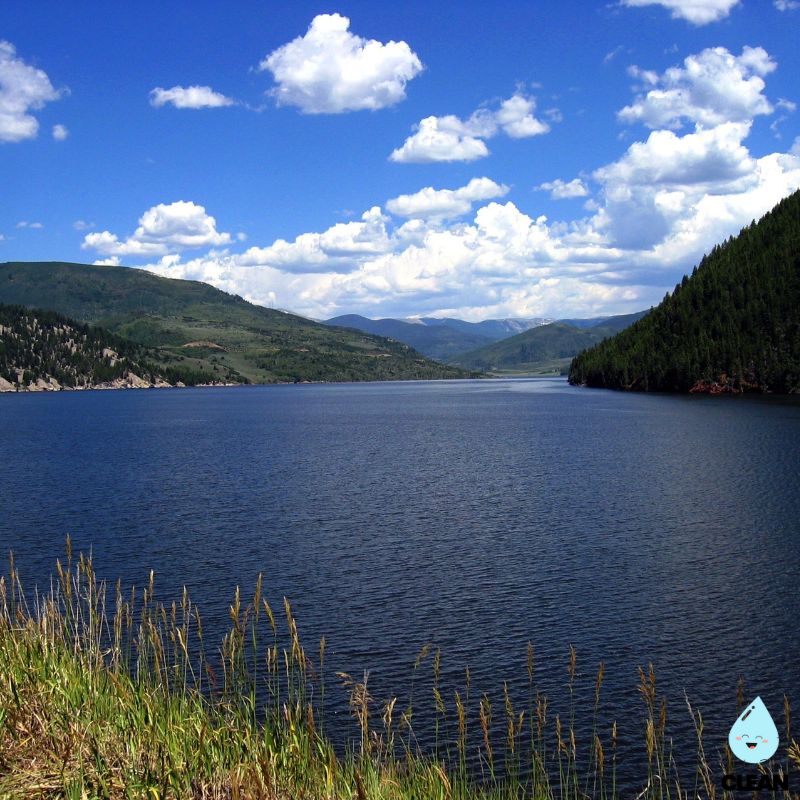
Visit Our Watersheds
Explore recreational opportunities at the Cedar River Watershed Education Centre and designated public access areas. Learn about watershed protection first-hand while enjoying hiking, wildlife spotting, and educational programmes run by SPU.
Emergency Preparedness
Store at least 3 days of water (1 gallon per person per day) for earthquake preparedness — a key risk in the Puget Sound region. Identify your nearest community emergency hub and familiarise yourself with your home water shut-off location. Stay informed with our water alert news feed.
Quality News About Your Water
Get the comprehensive water quality news coverage you need with our dedicated US Water News Service. From coast to coast, we deliver in-depth reporting and expert analysis on PFAS contamination, EPA regulatory changes, infrastructure developments, and emerging water safety issues affecting communities nationwide. While mainstream media only covers the biggest stories, we provide the detailed, ongoing coverage that helps you understand the full scope of America’s water challenges.
What’s actually in your tap water? Enter your ZIP code for a full breakdown of contaminants detected in your local supply
Drinking water from a well? Check our directory here for more information
Frequently Asked Questions
What makes Seattle’s water so pure?
Seattle’s water comes from pristine mountain watersheds in the Cascade Range — specifically the Cedar River and South Fork Tolt River. These watersheds are carefully protected:
• Over 100,000 acres of protected forestland under SPU management
• No development or logging permitted in water supply areas
• Natural filtration through old-growth forest ecosystems
• Abundant rain and snowmelt provide fresh, naturally soft water
This source protection means Seattle uses minimal treatment — primarily ozonation, UV disinfection, and controlled chlorine addition — resulting in water that routinely outperforms bottled water quality in independent testing. See how Seattle’s tap water stacks up nationally via our water quality checker.
Does Seattle add fluoride to the water?
Yes, Seattle Public Utilities has fluoridated its drinking water since 1970. Key facts about Seattle’s fluoridation programme:
• Fluoride is added at 0.7 parts per million (ppm) — the current CDC-recommended optimal level
• This level helps prevent tooth decay while maintaining a wide safety margin
• The practice follows extensive scientific review by public health agencies
• SPU continuously monitors fluoride levels to maintain the correct dosage
Seattle’s long-running fluoridation programme is consistent with the approach taken by most major U.S. cities and is endorsed by the EPA, CDC, and American Dental Association.
Has PFAS been found in Seattle’s drinking water?
No PFAS have been detected in Seattle’s two main drinking water supplies. SPU has tested the Cedar and Tolt River finished waters multiple times:
• 2015, 2018, 2022, 2023: Zero detections across all rounds for the Cedar and Tolt supplies
• UCMR 5 (2023): All 29 PFAS compounds tested returned non-detect results for finished waters from both treatment facilities
• Emergency wells: One of three rarely-used emergency wells (Blvd Park) showed trace PFOA at 5.7 ppt in 2022 testing — these wells are not used for routine supply
Seattle’s protected surface water sources make it one of the most PFAS-secure major cities in the country. Learn more about the national PFAS picture at our water news section.
Are there restrictions on lawn watering in Seattle?
Seattle maintains year-round conservation guidance rather than strict mandatory restrictions under normal conditions:
Recommended Practices:
• Water lawns no more than once weekly during summer months
• Use drip irrigation or soaker hoses where possible to reduce evaporation
• Water during early morning or late evening to minimise loss
• Consider replacing grass with drought-tolerant native Pacific Northwest plants
Emergency Restrictions:
• May be implemented during extreme drought conditions via a staged approach
• Current status and any active restrictions at seattle.gov/utilities
Seattle encourages conservation through incentive programmes — rebates are available for water-efficient landscaping, fixtures, and appliances. Track any active water restrictions or alerts via our live US water tracker.
Contaminants of Concern
Disinfection Byproducts (TTHMs & HAA5s)
Source: Formed when chlorine interacts with natural organic matter during water treatment; levels rise during wetter autumn and winter months when watershed runoff is higher
Health Effects: All levels remain within federal MCLs. EWG’s independent review flags TTHMs and HAA5s as exceeding its more stringent health-based benchmarks — potential long-term cancer risk at sustained high exposures
Current Status: SPU minimises formation through optimised ozonation and UV treatment at the Cedar facility; seasonal adjustments manage peak organic loads. A quality carbon block or reverse osmosis filter can reduce DBP exposure further if this is a concern for your household

Lead — Old Plumbing Risk Only
Source: SPU’s source water and distribution system mains contain no detectable lead. Lead risk in Seattle comes exclusively from older residential plumbing fixtures and internal service connections in some pre-1986 buildings
Health Effects: Lead has no safe level for young children and pregnant women — even low-level exposure can affect neurological development
Current Status: 90th percentile levels remain well below the EPA action level of 15 ppb. If your home was built before 1986, flush your cold tap for 30–120 seconds before using water for drinking or cooking, especially after periods of non-use. For complete peace of mind, see our lead-certified filter recommendations
Please read – our information
The information presented on cleanairandwater.net is compiled from official water quality reports, trusted news sources, government websites, and public health resources. While we strive for accuracy and thoroughness in our presentations, we are not scientists, engineers, or qualified water quality professionals.
Our mission is to present water quality information in an accessible, real-world format that helps people understand what’s in their water and make informed decisions about their health and safety. We believe that complex environmental information should be available to everyone in a format that’s easy to understand.
We make every effort to ensure our content is current and accurate, but we cannot guarantee that all information is complete or error-free. This website should not replace official communications from your local water utility or health department. We always recommend consulting official sources for the most up-to-date information regarding your specific water system.
Clean Air and Water is not liable for any unintentional errors, omissions, or outdated information. The content on this site is provided for informational purposes only and should not be considered professional advice.