Pittsburgh Water Quality at a Glance
multiple contaminants
Is Pittsburgh Water Safe to Drink?
Compliant and Improving — But Still Concerning — Pittsburgh water meets all federal standards and achieved a record-low lead level of 2 ppb in 2025, down from 22 ppb at the peak of the 2016 crisis. However, the city’s water still contains chromium-6 at 27x health guidelines and multiple cancer-linked disinfection byproducts including chloroform, bromodichloromethane, and trihalomethanes. The Allegheny River source water remains susceptible to industrial pollution, acid mine drainage, and agricultural runoff. See our recommended water filters for Pittsburgh-specific protection.
⚠️ Key Concerns for Pittsburgh Residents
- Chromium-6 (Hexavalent Chromium): Detected at 0.535 ppb (535 ppt) — 27x higher than EWG health guidelines; a known carcinogen linked to cancer and reproductive harm, with no federal legal limit
- Disinfection Byproducts: Bromodichloromethane, chloroform, and trihalomethanes present from chlorine treatment; associated with increased long-term bladder and colon cancer risk
- Industrial Legacy: Pittsburgh’s steel-era history and location at the confluence of three rivers creates ongoing contamination risks; acid mine drainage adds iron, aluminium, and manganese to tributaries
- Lead Service Lines Still Present: Despite record-low levels, lead service line replacement is ongoing — homes with remaining lead connections should continue using certified filters and the free PWSA test kit programme
Read the full report below for detailed analysis, city-specific data, and actionable recommendations for Pittsburgh residents. You can also check live boil water notices for the Pittsburgh area.
advertisment – report continues below
Your water passed the test.
Legal isn’t the same as safe.
Regulated contaminants like PFAS, chromium-6, and disinfection byproducts can sit inside the legal limit and still carry long-term health risks. Passing isn’t the same as clean.
✅ Removes PFAS, lead & chromium-6 — the contaminants most flagged even in passing city reports
✅ NSF/ANSI 42, 58 & 372 certified — independently tested, not just manufacturer claims
✅ Installs in 30 minutes, no plumber — fills a glass in 8 seconds, smart LED filter monitor
Renting or can’t drill? The Waterdrop K19 Countertop RO — plug in, fill the tank, done. No installation, no drilling, no plumber.
Advertisement — this page contains affiliate links. If you buy through these links, we may earn a commission at no extra cost to you.

Pittsburgh – Pennsylvania – Water Quality Report 2026: PFAS Testing, Infrastructure Progress & Safety Across Your City
Pittsburgh Water (the Pittsburgh Water and Sewer Authority, PWSA) serves over 500,000 residents across the Pittsburgh region through a system that includes approximately 930 miles of water mains, one primary water treatment plant, and multiple pumping and storage facilities, delivering 60 to 70 million gallons daily from the Allegheny River. The system has undergone a remarkable transformation since the 2016–2018 lead crisis, driven by a $500 million Water Reliability Plan that is ongoing. Since 2016, PWSA has replaced over 13,000 public lead service lines at no direct cost to customers, introduced orthophosphate corrosion control, upgraded the Highland Park Microfiltration Plant with membrane filtration and UV disinfection, and achieved record-low lead levels. Pittsburgh Water’s improvement journey is nationally recognised — the authority received the EPA’s inaugural Aquarius Award and the American Metropolitan Water Agency’s Environmental Justice Award for its equity-centred approach to the Community Lead Response programme. For Pennsylvania’s statewide water quality picture, see our Pennsylvania water quality overview.

Pittsburgh Water Quality: Current Status (2025–2026)
Latest Testing Results
- Lead Levels — Record Low: Pittsburgh Water certified a lead level of just 2 ppb in 2025, a record all-time low for the system and far below the federal action level of 15 ppb. This continues a sustained downward trend from 22 ppb at the height of the 2016 crisis to 5.1 ppb in 2020, 3.58 ppb in early 2024, and now 2 ppb — an extraordinary improvement driven by orthophosphate treatment and aggressive lead service line replacement. As PWSA CEO Will Pickering noted, this is an excellent signal that treatment for homes still connected by lead lines is highly effective.
- Testing Scope: PWSA tests for approximately 100 different compounds and microbial constituents daily at the treatment plant and throughout the distribution system, conducting around 3,000 routine tests per month. Proactive monitoring extends to both regulated and unregulated contaminants, including PFAS, acid mine drainage indicators, and emerging industrial chemicals.
- Compliance Status: Pittsburgh water meets all federal and state drinking water standards. The 2023 Water Quality Report (the most recently published CCR) confirms full regulatory compliance. Check our national water quality checker to compare Pittsburgh against other Pennsylvania cities, or browse the latest developments on our water alert news feed.
- PFAS Status: Pittsburgh Water has never exceeded EPA maximum contaminant levels for regulated PFAS and is fully in compliance with both federal and Pennsylvania DEP regulatory limits. PA DEP sets its own limits of 14 ppt for PFOA and 18 ppt for PFOS — more protective than the original proposed federal figures — and Pittsburgh’s water tests well below both thresholds. In May 2025, the EPA announced its intent to extend PFOA and PFOS compliance deadlines and rescind the MCLs for PFHxS, PFNA, HFPO-DA (GenX), and the Hazard Index mixture; Pittsburgh Water’s page on PFAS is kept updated with all regulatory changes.
Allegheny River Water Supply
- Primary Source: The Allegheny River serves as Pittsburgh’s main water source, treated at the Aspinwall Water Treatment Plant at 900 Freeport Road, which has a capacity of up to 100 million gallons per day. The river provides generally consistent water quality year-round, though it is monitored closely for contamination from road de-icing salts, railroad spills, and industrial activities upstream.
- Acid Mine Drainage (AMD): Pittsburgh’s industrial coal-mining legacy continues to affect regional tributaries. Old coal mines leach acidic, metal-laden water — adding iron, aluminium, and manganese to waterways — a process known as Acid Mine Drainage. PWSA’s treatment process removes these metals, though this legacy pollution requires ongoing treatment effort not always visible in final tap water quality reports.
- Source Water Protection: The Allegheny River watershed is monitored for contamination from industrial and agricultural sources. PWSA works with regional partners on source water protection, stormwater management, and combined sewer overflow reduction to protect raw water quality before it reaches the treatment plant.
Treatment Modernisation
- Highland Park Microfiltration Plant: Renovated with advanced membrane filtration and UV disinfection technology, providing a second layer of protection and greater treatment flexibility, particularly for microbial contaminants and turbidity events.
- Enhanced Coagulation: Upgraded chemical treatment using ferric chloride, potassium permanganate, and polymer improves removal of organic compounds — the precursors to disinfection byproducts — and suspended particles from the Allegheny River source water.
- Activated Carbon Filtration (Planned): PWSA has confirmed plans to introduce activated carbon filtration in consultation with PA DEP, specifically targeting the reduction of disinfection byproducts including bromodichloromethane and chloroform, which currently exceed EWG health guidelines though they remain within legal limits.
- Orthophosphate Corrosion Control: The food-grade orthophosphate added since April 2019 forms a protective mineral barrier inside lead service lines, preventing lead from leaching into distributed water. This is the primary reason lead levels have fallen to record lows even while some lead service lines remain in the network.
Lead Service Line Replacement Programme
- Replacement Progress: Since launching the Community Lead Response in 2016, PWSA has replaced over 13,000 public lead service lines and more than 7,500 private lines at no direct cost to property owners. The programme now covers both public and private portions of each connection, removing the entire lead pathway from main to meter.
- Lead Service Line Inventory: Approximately 25,000 confirmed or suspected lead service lines were identified at programme start. PWSA’s neighbourhood-by-neighbourhood, block-by-block replacement approach has made substantial progress and the goal of full system removal is within reach.
- Target Completion: The programme aims to eliminate all remaining lead service lines, with replacement supported by low-interest loans and grants. Residents can check their service line status and apply for free replacement at pgh2o.com/lead. Use PWSA’s interactive lead map to see replacement progress in your neighbourhood.
Water Reliability Plan and Infrastructure Investment
PWSA’s $500 million Water Reliability Plan is a once-in-a-generation investment in Pittsburgh’s century-old infrastructure. In 2023 alone, the authority replaced more than five miles of water main and lined more than 13 miles of sewer pipe. Recent completed projects include a new cover and liner at the Highland Reservoir and restoration of two large-diameter water mains near Highland Park. These investments are designed to reduce service interruptions — including water main breaks that can trigger boil water advisories — and support the long-term reliability of the distribution system. Stay up to date with any active advisories via our live US boil water notices tracker. For a broader regional picture, compare nearby cities: Philadelphia | Newark | Rochester.
Recommendations for Pittsburgh Residents
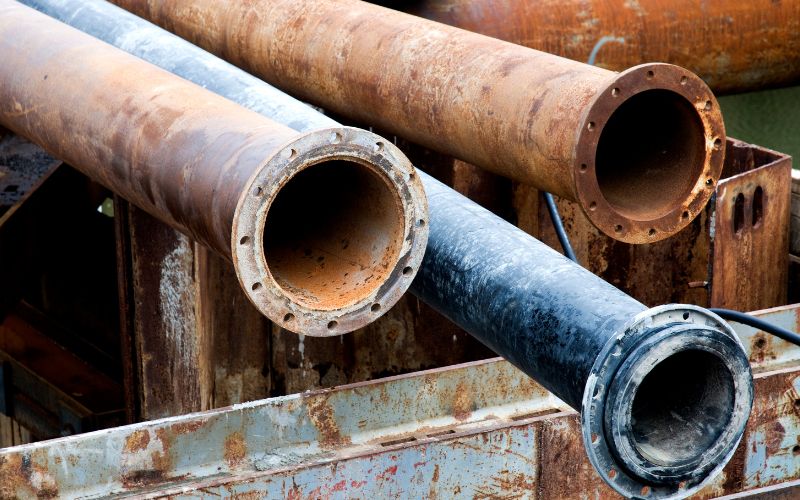
Check and Replace Your Lead Line
Use PWSA’s online address lookup at pgh2o.com/lead to check whether your property has a lead service line. If it does, apply for free replacement — PWSA replaces both the public and private portions at no cost to you. Check your Pennsylvania state page for context on how Pittsburgh compares to other PA utilities on lead.
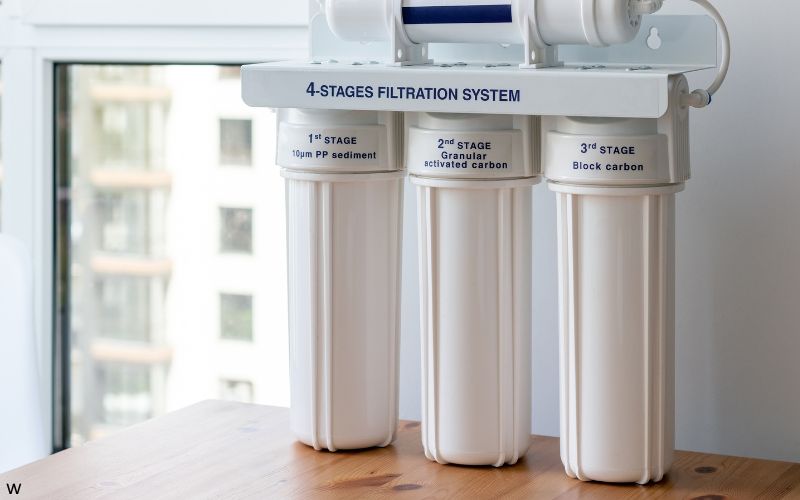
Get Free Filters or Upgrade Your Filtration
PWSA provides free NSF-certified water filter pitchers to residents whose lead tests show elevated levels. Order at pgh2o.com or call 412-255-2423. For broader protection against chromium-6 and disinfection byproducts, a reverse osmosis system offers the most comprehensive coverage. See our Pittsburgh filter recommendations. Affiliate disclosure: we may earn a commission on qualifying purchases.
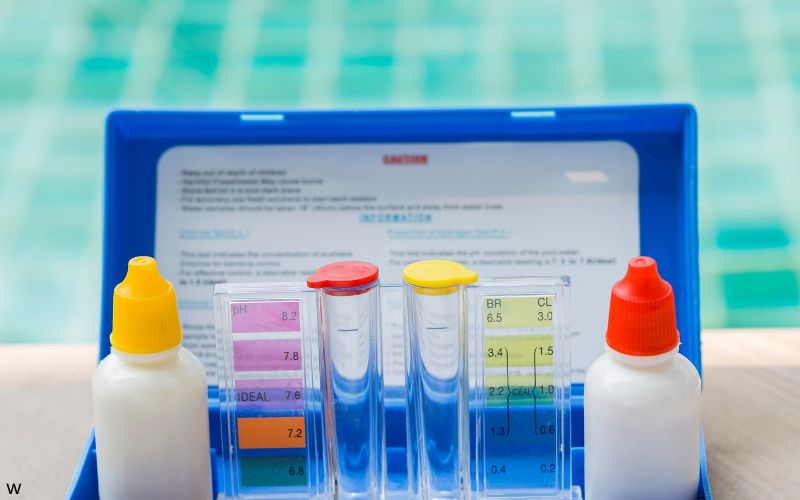
Test Your Water
Request a free lead test kit from PWSA at pgh2o.com or call 412-255-2423. Testing is especially important for homes with children, pregnant women, or any known lead service line connection. Use our national water quality tool to benchmark your results against other cities, and check our water news feed for the latest Pittsburgh water quality updates.
Flush Before Use
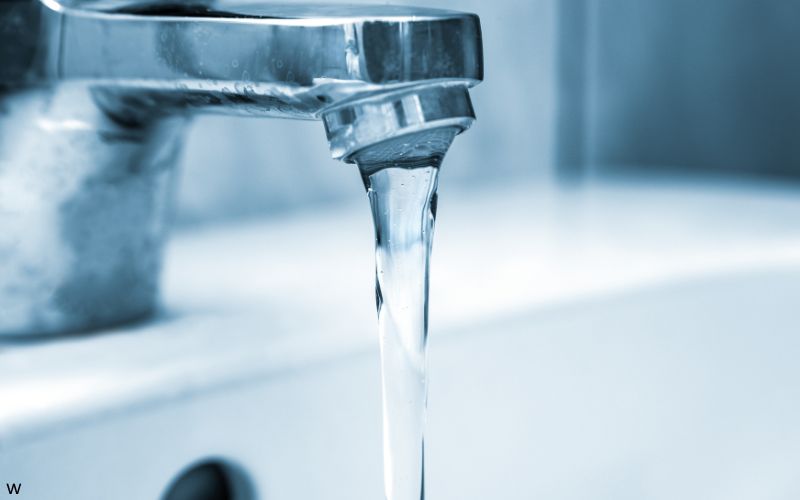
If water has been sitting in your pipes for six or more hours, run cold water for 2–3 minutes before drinking or cooking. Always use cold water (never hot) for consumption to minimise potential lead exposure from service lines or internal plumbing. This is especially important in older Pittsburgh homes built before 1987 where lead solder or fixtures may still be present even after the service line has been replaced.

Stay Informed
Sign up for PWSA water quality alerts at pgh2o.com to receive notifications about maintenance, service interruptions, and water quality events. Review PWSA’s monthly water quality reports and check our live boil water notices tracker for any active advisories in the Pittsburgh area. Our water alert news service also covers Pennsylvania and national water quality developments.
Quality News About Your Water
Get the comprehensive water quality news coverage you need with our dedicated US Water News Service. From coast to coast, we deliver in-depth reporting and expert analysis on PFAS contamination, EPA regulatory changes, infrastructure developments, and emerging water safety issues affecting communities nationwide. While mainstream media only covers the biggest stories, we provide the detailed, ongoing coverage that helps you understand the full scope of America’s water challenges.
What’s actually in your tap water? Enter your ZIP code for a full breakdown of contaminants detected in your local supply
Drinking water from a well? Check our directory here for more information
Frequently Asked Questions
Is Pittsburgh’s water safe to drink in 2026?
Yes — Pittsburgh’s water meets all federal and state drinking water standards and has improved dramatically since the 2016 crisis. The most significant milestone is a certified lead level of just 2 ppb in 2025, a record all-time low. Key improvements that brought this about include:
• Orthophosphate corrosion control introduced in 2019, forming a protective barrier in lead pipes
• Over 13,000 public lead service lines replaced at no cost to customers since 2016
• Highland Park Microfiltration Plant upgraded with membrane filtration and UV disinfection
• Full PFAS compliance — never exceeded EPA MCLs since testing began
However, homes with remaining lead connections or older internal plumbing should still use a certified filter for drinking and cooking. Chromium-6 and disinfection byproducts remain above independent health guidelines. See our filter guide for options certified to address these contaminants.
How do I know if my home has a lead service line?
Pittsburgh Water maintains a public interactive lead map covering all service line data and replacement progress. You can:
1. Check your address at pgh2o.com/lead
2. Request an inspection by calling 412-255-2423
3. Inspect your service line yourself — usually visible in the basement near the water meter. Lead pipes are dull grey, soft enough to scratch with a key, and non-magnetic
If your line is confirmed as lead, PWSA’s free replacement programme covers both the public street-side portion and the private property-side portion, removing the full lead pathway. Request replacement through the same website. Receiving a free lead test kit first is a good starting point to understand your current exposure risk.
What caused the Pittsburgh lead crisis and how was it resolved?
The 2016–2018 Pittsburgh lead crisis was triggered when PWSA switched corrosion control chemicals from soda ash to caustic soda without regulatory approval in 2014. Unlike soda ash, caustic soda does not leave a protective residue on lead pipe walls, causing lead to leach into the water. Testing in 2016 found more than 17% of sampled homes exceeded the EPA action level of 15 ppb. PWSA responded with a comprehensive package of measures:
• Introduction of orthophosphate treatment (April 2019) — the single biggest driver of lead reduction
• Systematic lead service line replacement starting in 2016, now covering 13,000+ public lines
• Free water testing and filter distribution for affected households
• Enhanced regulatory oversight and community engagement through the Community Lead Response programme
The result: lead levels fell from 22 ppb (2016) → 5.1 ppb (2020) → 3.58 ppb (early 2024) → 2 ppb (2025 — certified record low). PWSA’s story is now cited nationally as a model for how utilities can recover from a lead crisis. Compare with our Flint, Michigan page — another city that faced a lead contamination crisis and undertook major remediation.
What about other contaminants like PFAS and chromium-6?
Pittsburgh Water monitors for multiple contaminants beyond lead:
• PFAS: Pittsburgh Water has never exceeded EPA MCLs for regulated PFAS since testing began. Pennsylvania DEP applies its own limits of 14 ppt (PFOA) and 18 ppt (PFOS) — Pittsburgh’s water tests well below both. In May 2025, EPA announced intent to extend PFOA/PFOS compliance deadlines; PWSA’s PFAS page (pgh2o.com) is updated with each regulatory development.
• Chromium-6: Detected at 0.535 ppb (27x the EWG health guideline of 0.02 ppb). There is no federal legal limit for chromium-6, so it is not a compliance issue — but it is a health concern. PWSA is working with the American Water Works Association to explore additional treatment strategies.
• Disinfection Byproducts: Bromodichloromethane and other trihalomethanes are present above EWG health guidelines, though within EPA legal limits. PWSA has committed to introducing activated carbon filtration (planned with PA DEP) specifically to reduce these levels further.
For protection against chromium-6 and disinfection byproducts, reverse osmosis or activated carbon filtration is recommended. See our water filter solutions page for certified options, and visit our water news service for the latest contaminant regulation updates.
Contaminants of Concern
Lead
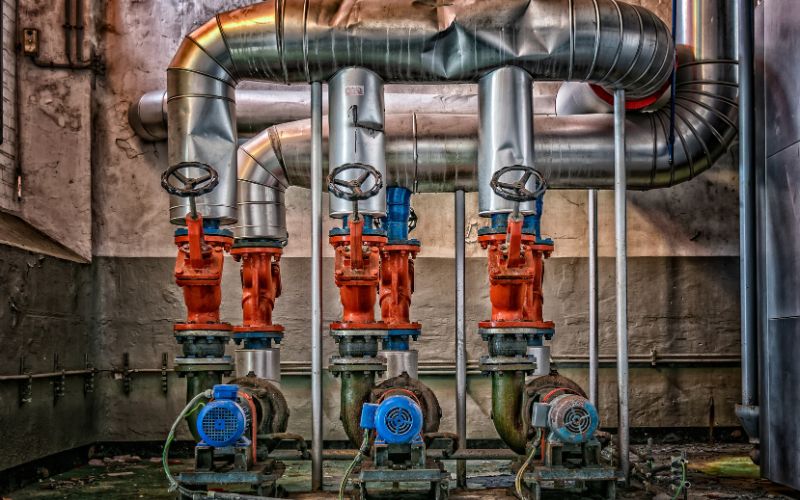
Source: Lead service lines and older plumbing fixtures in homes built before 1987; Pittsburgh had approximately 25,000 confirmed or suspected lead service lines at programme start in 2016
Health Effects: Developmental delays and reduced IQ in children; learning difficulties; kidney problems; cardiovascular effects in adults. No level of lead is considered safe for children.
Current Status: 90th percentile value certified at 2 ppb in 2025 — an all-time record low for Pittsburgh, and far below the EPA action level of 15 ppb. PWSA’s orthophosphate treatment and lead service line replacement programme are both cited as drivers of this achievement. Check our Flint comparison page for context on how Pittsburgh’s remediation compares nationally.
Chromium-6 & Disinfection Byproducts
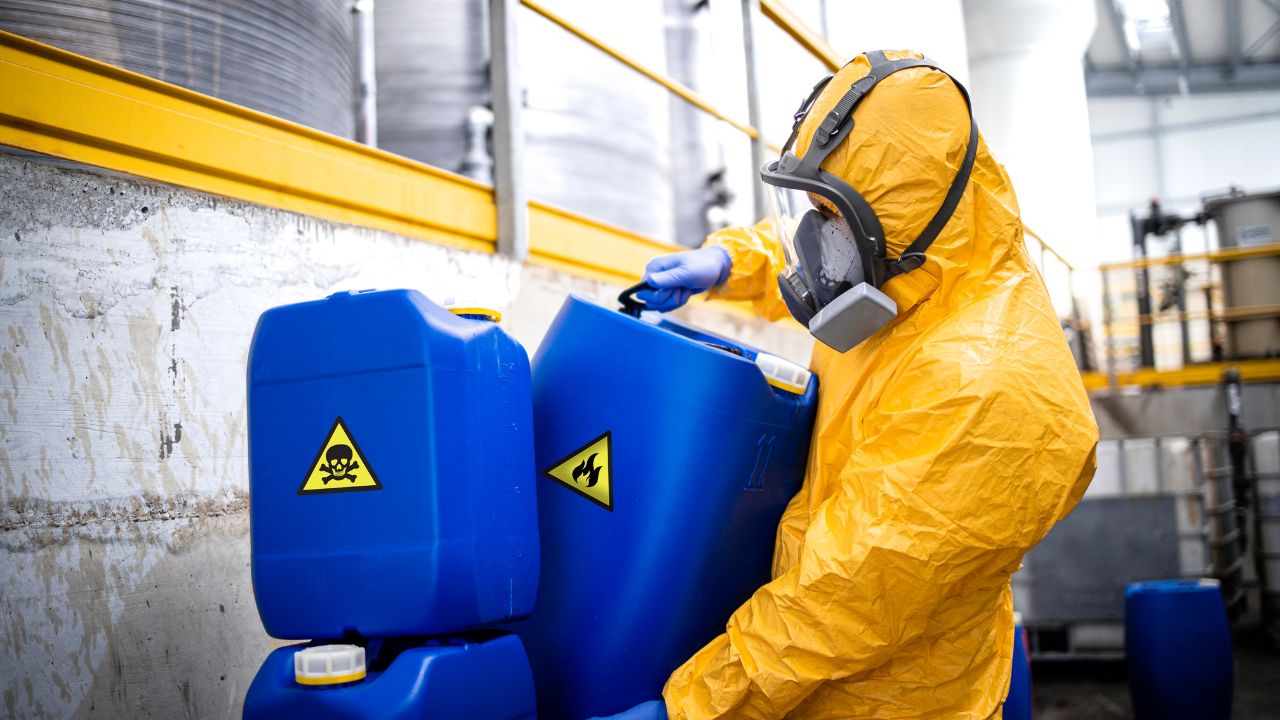
Chromium-6 Source: Industrial legacy contamination from Pittsburgh’s steel, chrome plating, and manufacturing past; also from natural mineral deposits in the Allegheny River watershed. Detected at 0.535 ppb — 27x the EWG health guideline of 0.02 ppb; no federal legal limit exists for hexavalent chromium specifically.
Disinfection Byproducts: Chloroform, bromodichloromethane, and other trihalomethanes form when chlorine reacts with organic matter from the Allegheny River. Bromodichloromethane has been detected at nearly three times the national average; these compounds are associated with increased bladder and colon cancer risk with long-term exposure. PWSA’s planned activated carbon filtration upgrade will specifically target these. In the meantime, activated carbon or reverse osmosis home filters are effective at reducing them. See our filter recommendations for certified options suited to Pittsburgh tap water.
Please read – our information
The information presented on cleanairandwater.net is compiled from official water quality reports, trusted news sources, government websites, and public health resources. While we strive for accuracy and thoroughness in our presentations, we are not scientists, engineers, or qualified water quality professionals.
Our mission is to present water quality information in an accessible, real-world format that helps people understand what’s in their water and make informed decisions about their health and safety. We believe that complex environmental information should be available to everyone in a format that’s easy to understand.
We make every effort to ensure our content is current and accurate, but we cannot guarantee that all information is complete or error-free. This website should not replace official communications from your local water utility or health department. We always recommend consulting official sources for the most up-to-date information regarding your specific water system.
Clean Air and Water is not liable for any unintentional errors, omissions, or outdated information. The content on this site is provided for informational purposes only and should not be considered professional advice.