Spokane Water Quality at a Glance
monitor PFAS closely
Is Spokane Water Safe to Drink in 2026?
Generally Safe — With PFAS Warranting Ongoing Attention — Spokane’s 2024 Water Quality Report (the most recent Consumer Confidence Report, released June 2025) confirms the city met all state and federal drinking water standards for the year. Spokane draws all of its drinking water from the Spokane Valley-Rathdrum Prairie (SVRP) Aquifer — one of the largest and most productive aquifers in the United States. Low-level PFAS have been detected at three of the city’s source wells (Havana, Nevada, and Ray Street), with all detections below Washington State action levels. The 90th percentile lead level from 2024 in-home testing came in at just 1.98 ppb — far below the EPA action level of 15 ppb. Arsenic, barium, and nitrate were detected but all within safe regulatory limits. For households concerned about PFAS, a certified reverse osmosis filter is the most effective option — see our water filter solutions guide for recommendations.
⚠️ Key Concerns for Spokane Residents in 2026
- PFAS at Three Wells: Havana Well (peak 3.71 ppt PFOS), Nevada Well (peak 2.03 ppt PFOS), and Ray Street Well (peak 6.1 ppt PFOS in February 2024) all had detections — Ray Street’s single highest reading exceeded the EPA’s 4 ppt MCL, though the four-quarter rolling average remained just below the limit. Follow-up monitoring is ongoing
- Radon: Detectable radon levels were found in source water — a naturally occurring concern in groundwater-dependent systems; radon dissipates rapidly from tap water at normal use
- Naturally Occurring Inorganics: Arsenic, barium, and nitrate are present at low levels from the aquifer’s natural geology; all below EPA limits but worth noting for sensitive individuals
- Aquifer Vulnerability: The SVRP Aquifer has one of the fastest flow rates in the US — meaning contaminants can move through it rapidly; the city runs an active Wellhead Protection Programme to mitigate surface contamination risks
Read the full report below for detailed 2024 test data, PFAS well-by-well breakdown, aquifer information, and filter recommendations. You can also check our live boil water notices tracker for any active Washington State alerts.
Advertisement — Report continues below
Great water report.
Here’s how to make it perfect.
Your water quality report shows strong results — and that’s genuinely good news. But even treated municipal water picks up residual chlorine, microplastics, and sediment between the treatment plant and your tap. A filter takes great water and makes it flawless.
✅ Improves taste, smell & clarity — removes residual chlorine and sediment that reach your glass after treatment
✅ NSF/ANSI 42, 58 & 372 certified — independently tested, not just manufacturer claims
✅ Installs in 30 minutes, no plumber — fills a glass in 8 seconds, smart LED filter monitor
Renting or can’t drill? The Waterdrop K19 Countertop RO — plug in, fill the tank, done. No installation, no drilling, no plumber.
Advertisement — this page contains affiliate links. If you buy through these links, we may earn a commission at no extra cost to you.

Spokane – Washington – Water Quality Report 2026: PFAS Testing, Infrastructure Concerns & Safety Across Your City
Spokane, Washington’s second-largest city, delivers drinking water to more than 320,000 people through the City of Spokane Water Department — the fourth-largest water system in the state. All of Spokane’s drinking water is drawn exclusively from the Spokane Valley-Rathdrum Prairie (SVRP) Aquifer, designated a federally protected “sole source” aquifer in 1978. The city operates eight source wells, over 1,000 miles of water mains, and pumps up to 150 million gallons per day to serve residents and businesses across the region.
The SVRP Aquifer is one of the most remarkable groundwater resources in the United States — containing approximately 10 trillion gallons of water and flowing at up to 60 feet per day, far faster than most aquifers. This speed is both an asset (delivering fresh, naturally filtered groundwater) and a vulnerability (contaminants introduced at the surface can travel rapidly through the system). The City’s 2024 Technical Drinking Water Report — its most detailed annual assessment — confirmed Spokane’s water met all state and federal standards, while identifying PFAS at low levels in three wells. You can compare Spokane with other Washington cities via our Washington State water quality overview, or check for any active alerts on our live US boil water tracker.

Spokane Water Quality: Current Status (2025–2026)
2024 Test Results — Key Findings
- Overall Compliance: Spokane’s drinking water met or exceeded all state and federal drinking water standards in 2024 — a finding consistent with prior years. The City’s Water Department tested for over 160 contaminants across the distribution system and source wells.
- Lead and Copper (2024): In-home testing was conducted in August 2024 across 56 homes. The 90th percentile lead result was 1.98 µg/L (ppb) — well below the EPA action level of 15 ppb. The highest single lead reading recorded was 3.54 ppb. The 90th percentile copper result was 96.8 µg/L, far below the 1,300 µg/L action level. Importantly, the City completed the removal of all known residential lead service lines in 2018 — homes sampled in 2024 had copper service lines.
- Inorganic Chemicals: The City tested for 35 inorganic parameters. Arsenic, barium, and nitrate were detected at all source wells, all attributed to naturally occurring geological sources and agricultural activity respectively — all within regulatory limits. Nitrate levels have declined in recent years following the conversion of individual septic systems to centralised sewer connections.
- Organics: Spokane’s source water was tested for 163 organic compounds. None were detected — a strong result reflecting the aquifer’s natural filtration through deep gravel, cobble, and boulder deposits.
- Disinfection Byproducts: The City disinfects with chlorine gas, generating low concentrations of disinfection byproducts (DBPs) at the farthest reaches of the distribution system. All DBP levels were within regulatory limits.
- Microbiology: One unconfirmed detection of total coliform in source water at Well Electric during routine sampling in 2024 — unconfirmed detections are not considered a regulatory violation. Distribution system testing found no confirmed coliform issues.
PFAS — The Priority Issue for 2026
- First Detected April 2023: Using more sensitive testing methodology, the City detected PFAS in its water system for the first time in April 2023. Prior to this, testing had not been required or routine. This does not necessarily mean PFAS were absent earlier — rather, improved detection technology and regulatory requirements have brought them to light.
- Three Wells with Detections (2024): The City tested all source wells for 25 PFAS compounds. Detections were recorded at three wells — all others returned non-detect results:
- Ray Street Well: Peak PFOS detection of 6.1 ppt (ng/L) on 20 February 2024 — the highest single reading, slightly above the EPA’s 4 ppt MCL. However, subsequent quarterly testing in June and October 2024 returned lower readings, bringing the four-quarter rolling average to just below the 4 ppt federal limit. The City remains in compliance under EPA measurement methodology.
- Havana Well: Peak PFOS of 3.71 ppt on 22 October 2024 — below the EPA MCL and Washington State action levels.
- Nevada Well: Peak PFOS of 2.03 ppt on 22 October 2024 — below applicable limits.
- Regulatory Context: The EPA finalised its first-ever PFAS rule in April 2024, setting MCLs of 4 ppt for PFOA and PFOS individually on a rolling four-quarter average. Water systems must meet testing and reporting requirements now, with full compliance required by 2029. Spokane currently meets the standard on a rolling average basis.
- City Response: Spokane has joined a lawsuit against PFAS manufacturers, is supporting the Spokane Aquifer Joint Board’s investigation into contamination sources, and has implemented enhanced PFAS monitoring procedures. The City and County have also signed an agreed order with Washington’s Department of Ecology regarding PFAS contamination linked to Spokane International Airport (SIA) on the West Plains — a separate aquifer from the SVRP that supplies City customers.
- Household Protection: For residents wishing to reduce PFAS exposure further, a certified reverse osmosis system is the most effective point-of-use solution. See our water filter recommendations for tested and certified options. For broader PFAS news and regulatory updates, visit our water quality news section.
The Spokane Valley-Rathdrum Prairie Aquifer
- Scale and Significance: The SVRP Aquifer underlies approximately 370 square miles across northeastern Washington and northern Idaho, supplying drinking water to more than 500,000 people. It is one of the most productive aquifers in the United States, holding an estimated 10 trillion gallons of water.
- Unique Flow Rate: The aquifer flows at up to 60 feet per day in some areas — compared to between one-quarter inch and five feet per day in a typical aquifer. This extraordinary flow delivers remarkably fresh groundwater, but also means surface contamination can permeate the system quickly.
- Aquifer Vulnerability: Due to the porous, coarse nature of the aquifer deposits (boulders, cobbles, and gravel left by catastrophic Glacial Lake Missoula floods), the SVRP has a high susceptibility to contamination from surface activity. The Spokane Aquifer Joint Board coordinates wellhead protection, stormwater pre-treatment, and septic-to-sewer conversions to address this ongoing risk.
- Sole Source Designation: The SVRP received EPA “sole source” aquifer designation in 1978 — only the second aquifer in the nation to receive this protection status — requiring federal projects over the aquifer to undergo enhanced environmental review.
Radon in Groundwater
Detectable radon levels were recorded in Spokane’s source water in 2024, consistent with groundwater systems drawing from geological formations containing naturally occurring radioactive materials. Radon in drinking water is generally considered a lower risk than radon in indoor air, as it dissipates rapidly when water is aerated at the tap or during showering. The EPA has not established a federal MCL for radon in drinking water, though Washington State monitors for it. Spokane’s levels were within the range of previous testing. For ongoing updates on water safety concerns nationally, see our water news feed.
Recommendations for Spokane Residents
Consider a Point-of-Use Filter
While Spokane’s water meets all current standards, the low-level PFAS detections at three source wells make a certified reverse osmosis filter a sensible choice for drinking and cooking water — especially for pregnant women, infants, and immunocompromised individuals. Visit our filter guide for certified options suited to Spokane’s water profile.

Protect the Aquifer
The SVRP Aquifer is unusually vulnerable to surface contamination due to its high porosity and flow rate. Dispose of chemicals, medicines, and household hazardous waste responsibly through Spokane County’s designated drop-off facilities — never down the drain or on the ground over the aquifer recharge zone.
Follow Odd/Even Watering Rules
Spokane City Council has approved an odd/even outdoor watering ordinance for peak irrigation season to protect water resources, maintain affordable rates, and reduce the need for costly system expansion. Check your address for your watering day at the City’s Water Wise Spokane programme page.
Stay Informed on PFAS
Spokane’s PFAS situation is evolving as monitoring continues and the EPA’s 2029 compliance deadline approaches. Follow developments through the City’s Water Quality webpage and Washington State DOH’s PFAS in Drinking Water Dashboard. Our water quality news section also covers national PFAS regulatory updates as they happen.
Emergency Preparedness
Store at least 3 days of water (1 gallon per person per day) for emergency preparedness. Because Spokane relies on a single aquifer source, any significant contamination event could affect the entire supply simultaneously — making stored water and a quality home filter doubly valuable. Track any active alerts at our live US boil water tracker.
Quality News About Your Water
Get the comprehensive water quality news coverage you need with our dedicated US Water News Service. From coast to coast, we deliver in-depth reporting and expert analysis on PFAS contamination, EPA regulatory changes, infrastructure developments, and emerging water safety issues affecting communities nationwide. While mainstream media only covers the biggest stories, we provide the detailed, ongoing coverage that helps you understand the full scope of America’s water challenges.
What’s actually in your tap water? Enter your ZIP code for a full breakdown of contaminants detected in your local supply
Drinking water from a well? Check our directory here for more information
Frequently Asked Questions
Where does Spokane’s drinking water come from?
All of Spokane’s drinking water comes from a single source: the Spokane Valley-Rathdrum Prairie (SVRP) Aquifer. Key facts about this remarkable resource:
• Designated a federally protected “sole source” aquifer by the EPA in 1978 — only the 2nd in the nation to receive this designation
• Contains approximately 10 trillion gallons of water across 370 square miles in Washington and Idaho
• Flows at up to 60 feet per day — one of the fastest-moving aquifers in the US
• Supplies drinking water to over 500,000 people in Spokane County and Kootenai County, Idaho
• Formed from catastrophic Glacial Lake Missoula floods 8,000–18,000 years ago, leaving highly porous gravel, cobble, and boulder deposits
The aquifer’s rapid flow rate makes it both exceptionally productive and unusually vulnerable to surface contamination — a fact that drives the city’s intensive Wellhead Protection Programme. Compare Spokane’s source with other Washington cities at our Washington State water quality page.
Is Spokane water safe if it has PFAS detections?
The short answer is: yes, Spokane’s water currently meets all applicable drinking water standards, including for PFAS. Important context:
• PFAS were detected at three of the city’s eight source wells (Havana, Nevada, Ray Street) in 2024
• All detections are below Washington State action levels
• The EPA’s 4 ppt MCL (for PFOS/PFOA) is measured as a rolling four-quarter average — Spokane’s average for the Ray Street Well came in just below 4 ppt despite one quarterly reading of 6.1 ppt
• The five remaining wells returned non-detect results
• The City has joined legal action against PFAS manufacturers and is actively investigating contamination sources
However, the EPA’s MCL for PFAS is set at a level that still carries some residual risk under long-term exposure. For the most cautious approach — especially for pregnant women, infants, and those with health concerns — a certified reverse osmosis filter offers the highest level of protection. See our filter recommendations for options.
Does Spokane have lead in its water?
Spokane’s lead levels are very low and well within safe limits. Key 2024 findings from in-home testing (56 homes sampled in August 2024):
• 90th percentile lead level: 1.98 ppb — far below the EPA action level of 15 ppb
• Highest single sample: 3.54 ppb — still well below regulatory thresholds
• Lead service lines: The City completed removal of all known residential lead service lines in 2018 — all homes in the 2024 sample had copper service lines
• Source water: The SVRP Aquifer’s groundwater does not naturally contribute significant lead
If you live in an older home built before 1986, flushing your cold tap for 30 seconds before drinking or cooking (especially after periods of non-use) remains a sensible precaution. A lead-certified filter can provide additional assurance if needed.
What is the odd/even watering rule in Spokane?
Spokane City Council has adopted a mandatory odd/even outdoor watering ordinance that applies during peak irrigation season (typically summer months). The programme — called Water Wise Spokane — works as follows:
• Odd-numbered addresses may water on odd calendar days
• Even-numbered addresses may water on even calendar days
• The goal is to reduce peak demand on the water system and protect the aquifer during high-use summer periods
• Conservation incentives including rebates for efficient irrigation equipment are also available
Drought Response:
• Additional restrictions may be implemented during drought conditions via a staged response framework
• Updates available at the City of Spokane’s Water Wise Spokane programme page
Check for any current water use alerts or boil water notices in the Spokane area via our live US water tracker.
Contaminants of Concern
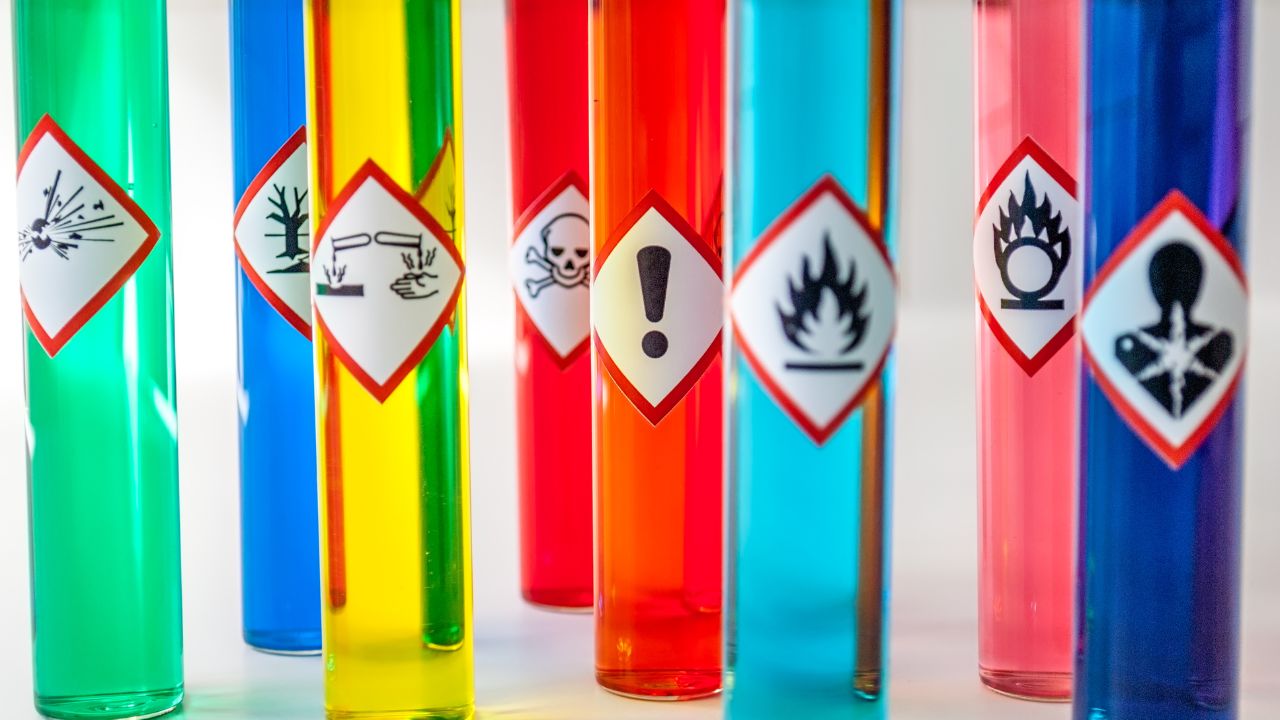
PFAS (Forever Chemicals)
Source: Believed to originate from firefighting foam (AFFF) use at Spokane International Airport and potentially other industrial sources over the SVRP Aquifer recharge zone; the City and County are actively investigating with the Department of Ecology
Health Effects: Long-term PFAS exposure has been linked to increased risk of certain cancers, thyroid disruption, decreased fertility, developmental effects in children, and immune system impacts — even at very low concentrations
Current Status: Three wells with low-level detections (Havana 3.71 ppt, Nevada 2.03 ppt, Ray Street peak 6.1 ppt PFOS); all below state action levels; rolling average compliance maintained under EPA rules. Ongoing quarterly monitoring continues. A certified reverse osmosis filter is the most effective household treatment — standard carbon filters do not reliably remove PFAS

Naturally Occurring Inorganics
Source: Arsenic, barium, and radon are present in Spokane’s source water from naturally occurring geological sources within the aquifer’s substrate; nitrate has declined in recent years following septic-to-sewer conversions but remains detectable, primarily from historical agricultural activity
Health Effects: Long-term arsenic exposure is a known carcinogen; barium can affect cardiovascular function at high levels; radon in drinking water carries a lower risk than radon in air but is monitored proactively; nitrate is a particular concern for infants under six months
Current Status: All detections remain within EPA regulatory limits. Radon dissipates rapidly from aerated tap water. Ongoing aquifer monitoring by Spokane County Water Resources tracks long-term trends across 51 monitoring locations throughout the SVRP system. Visit our national water quality tool to see how Spokane compares with other cities
Please read – our information
The information presented on cleanairandwater.net is compiled from official water quality reports, trusted news sources, government websites, and public health resources. While we strive for accuracy and thoroughness in our presentations, we are not scientists, engineers, or qualified water quality professionals.
Our mission is to present water quality information in an accessible, real-world format that helps people understand what’s in their water and make informed decisions about their health and safety. We believe that complex environmental information should be available to everyone in a format that’s easy to understand.
We make every effort to ensure our content is current and accurate, but we cannot guarantee that all information is complete or error-free. This website should not replace official communications from your local water utility or health department. We always recommend consulting official sources for the most up-to-date information regarding your specific water system.
Clean Air and Water is not liable for any unintentional errors, omissions, or outdated information. The content on this site is provided for informational purposes only and should not be considered professional advice.