← Private Well Water Directory / New Hampshire
New Hampshire Private Well Water Quality 2026
New Hampshire has the highest rate of bladder cancer in the United States — 37% above the national rate — and arsenic in private well water is identified by the CDC as one of the leading causes. With 44% of households on private wells, no mandatory testing requirement, and over 3,000 wells already confirmed above PFAS standards, New Hampshire well owners face some of the most serious untested drinking water risks in the country.

New Hampshire’s Arsenic Crisis — A Public Health Emergency in Plain Sight
New Hampshire is the Granite State — and granite is the problem. The same bedrock formations that define the state’s landscape naturally release arsenic into groundwater. For the roughly 44% of New Hampshire households on private wells, that geology is a direct health threat. The CDC has specifically identified arsenic in private well water as one of the leading causes of bladder cancer in the state — and New Hampshire has the highest bladder cancer rate in the nation, running 37% above the US average.
In 2019, New Hampshire took the decisive step of lowering its state arsenic standard from 10 ppb (the federal EPA limit) to 5 ppb — recognising that the federal limit does not adequately protect health. Despite this tightened limit, an estimated 30% of private wells in the state still test above it. Arsenic is colourless, tasteless, and odourless. You cannot detect it without a laboratory test. Long-term exposure is linked to cancers of the bladder, lung, skin, kidney, and liver, as well as cardiovascular disease and nerve damage.
Research published in the Journal of the National Cancer Institute confirmed the link directly: among private well users in northern New England, increasing water consumption was associated with increasing bladder cancer risk — and the effect was strongest for those using older dug wells, particularly before 1960 when arsenical pesticides were widely used in the region. A CDC-funded study estimated that between 450 and 600 cancer cases in New Hampshire could be prevented if well water were tested and treated for arsenic.
Beyond arsenic, NHDES well-testing data indicates that approximately 50% of New Hampshire bedrock wells show concerning levels of radon — a radioactive gas that dissolves into groundwater and is released indoors when water is used for showering, washing, or cooking. NH has some of the highest radon levels in the country, with indoor air radon averaging 5.9 pCi/L against a national average of 1.3 pCi/L. Uranium is also documented in granite bedrock areas and causes kidney damage at elevated exposures.
PFAS Contamination in New Hampshire Wells
New Hampshire has been at the forefront of the national PFAS crisis since 2014, when high levels of PFAS were first discovered in the water supply at Pease International Tradeport in Portsmouth — linked to AFFF firefighting foam use at the former Pease Air Force Base. In 2016, contamination was discovered in hundreds of private wells surrounding the Saint-Gobain Performance Plastics facility in Merrimack, a French manufacturer whose operations have since ceased but whose contamination legacy remains unresolved.
NHDES has coordinated the sampling and testing of drinking water from over 12,000 private wells across the state for PFAS. Of those tested, more than 3,000 — representing 27% — have been found above New Hampshire’s own drinking water standards. Private wells in more than 120 communities across the state have shown elevated PFAS levels. The contamination is most acute in southern New Hampshire, but NHDES is clear: PFAS is not limited to any single source or region, and all private well owners should test.
The main PFAS contamination clusters identified by NHDES include:
- Merrimack, Bedford, Litchfield, Londonderry, and Manchester — the Saint-Gobain Performance Plastics plume, first identified in 2016, spread through hundreds of private wells across this cluster of southern NH communities. Saint-Gobain has demolished its Merrimack facility, but PFAS remediation plans between the company and NHDES remain disputed.
- Portsmouth — Pease International Tradeport — former military base AFFF use contaminated the water supply serving the tradeport area. One of the first significant PFAS discoveries in the US, identified in May 2014. Active monitoring continues.
- Southern NH broadly — proximity to highways, commercial development, landfills, and industrial facilities creates elevated PFAS risk across the region. NHDES recommends testing for all private wells, particularly near airports, fire training facilities, and landfills.
New Hampshire set its own state drinking water standards for PFAS in 2019 — among the strictest in the country at that time — including 12 ppt for PFOA and 15 ppt for PFOS. In April 2024, the federal EPA established national limits of 4 ppt for PFOA and PFOS, which are lower than the state standards and apply to public water systems. The compliance deadline for public water systems was originally set at 2029 but was extended to 2031 by the EPA in May 2025. These federal limits do not apply to private wells. Testing and treatment remain entirely the well owner’s responsibility.
From 2025, New Hampshire law requires home sellers to notify buyers about the possibility of PFAS contamination — adding it to existing mandatory disclosures for radon, lead, and arsenic. The disclosure law does not require actual testing; it requires only that buyers are informed the risk exists.
Quick Important Advertisement – Boil Water Alerts continue below
Don’t Wait for the Next Emergency to Act
Boil water alerts are a warning sign. Whether caused by pipe breaks, contamination, or natural disasters, they highlight how vulnerable our water systems can be.
The safest long-term solution? A reliable home water filtration system designed to remove bacteria, parasites, and harmful chemicals — so you’re protected even when advisories are issued.
Stay Ready with Trusted Filtration:
✅ Removes pathogens, chlorine, PFAS, and heavy metals
✅ Safer than boiling alone — no need to wait for alerts
✅ Easy options for homes, renters, and families
Prefer no installation? Check out the A2 Countertop System
Note: This advert may contain affiliate links. If you choose to buy, we may receive a small commission — thank you for supporting our work!
Bacteria, Nitrate, Manganese, and Other Well Risks
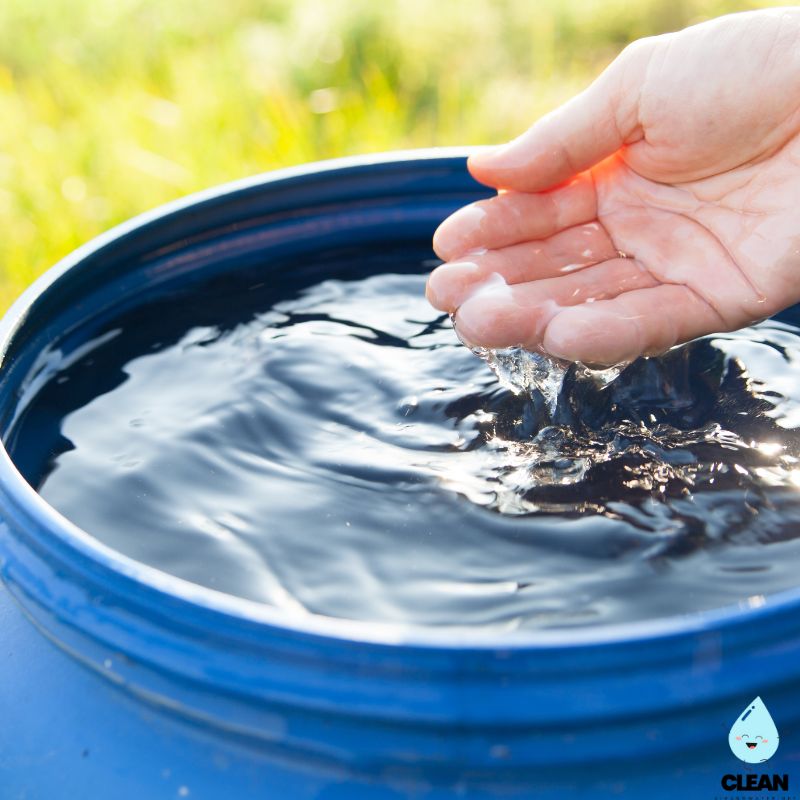
Beyond PFAS and arsenic, NHDES recommends all private well owners test for coliform bacteria, nitrate, pH, hardness, manganese, uranium, and lead. Lead can come from household plumbing rather than the well itself, but is still a meaningful risk in older homes. Coliform bacteria contamination can occur when wellheads are improperly sealed, when flooding occurs, or when septic systems are located too close to well casings. Nitrate is a risk in areas with agricultural land use or septic systems and is particularly dangerous for infants under six months old.
Manganese — a naturally occurring metal — is documented in New Hampshire groundwater and has been linked to neurological effects in children at elevated levels. NHDES includes it in the standard testing panel it recommends for all private well owners.
Regulatory Situation for New Hampshire Well Owners
Private residential wells in New Hampshire are not regulated under the Safe Drinking Water Act or its state equivalent. NHDES has no legal authority to mandate testing of private wells or to set enforceable quality standards for them. Responsibility for testing, monitoring, and treating your well water rests entirely with you as the well owner.
New Hampshire has, however, taken more proactive steps to assist well owners than most states. NHDES operates a free PFAS testing request programme, under which homeowners can apply to have their wells sampled at no cost — though eligibility is based on proximity to known contamination sites, and not all requests result in sampling. The state also runs a PFAS Removal Rebate Programme, reinstated in September 2024, which offers up to $5,000 towards the cost of a PFAS treatment system, or up to $10,000 towards connection to a public water system, for eligible well owners whose water tests above state or federal standards.
Check our New Hampshire municipal water quality page for city-by-city tap water data, including Manchester tap water quality, or use our live boil water notice tracker for active advisories across the state.
Known High-Risk Areas in New Hampshire
If you live near any of the following locations, well water testing is urgent — not precautionary.
Merrimack — Saint-Gobain Plume
The former Saint-Gobain Performance Plastics facility contaminated hundreds of private wells; first identified in 2016. The company has since demolished the Merrimack plant, but PFAS remediation plans with NHDES remain unresolved. Testing is essential for any well in this area.
Bedford, Litchfield & Londonderry
All fall within or adjacent to the Saint-Gobain contamination zone. Wells in these communities were among the first confirmed above state PFAS standards. Londonderry also sits within the southeastern NH arsenic belt, with granite geology raising naturally occurring arsenic risk.
Portsmouth — Pease Air Force Base
PFAS in the Pease Tradeport water supply was identified in May 2014 — one of the first significant PFAS discoveries in the US — linked to AFFF firefighting foam at the former military base. Active monitoring continues. Any private well near this area should be tested.
Southeast NH — Arsenic Belt
A broad band of granitic and metamorphic bedrock runs through southeastern New Hampshire. The NH Geological Survey documents moderate to high arsenic probability across this zone. Londonderry, Derry, Pelham, Auburn, and surrounding towns are within it.
Statewide — Radon & Uranium
New Hampshire has some of the highest indoor radon levels in the US, with the CDC citing a state average of 5.9 pCi/L against a national average of 1.3 pCi/L. Radon and uranium from bedrock are a statewide well concern — not limited to any single county.
120+ Communities — PFAS Detected
NHDES has identified wells above state PFAS standards in more than 120 communities statewide. Sources include not just manufacturing, but airports, fire training facilities, landfills, and wastewater operations — making the risk geographically widespread.
How to Test Your New Hampshire Well Water — and What to Do Next
NHDES recommends that every private well owner in New Hampshire test their water — regardless of location. For arsenic and PFAS in particular: both are invisible and tasteless, and contamination can exist at harmful levels with no detectable sign whatsoever. New Hampshire’s bladder cancer statistics make the stakes very clear: hundreds of cases per year are estimated to be preventable through well testing and treatment alone.
To get started, use NHDES’s certified laboratory list at des.nh.gov to find an accredited testing lab. You can also apply for the NHDES free PFAS well sampling programme if you live near a known contamination site — requests can be submitted at pfas.des.nh.gov. If your results come back above state or federal standards, you may be eligible for the PFAS Removal Rebate Programme: up to $5,000 for a treatment system installation, or up to $10,000 for a service connection to public water. Apply at pfas.des.nh.gov or call the NHDES rebate helpline at 603-271-8539.
For filter options, our well water filter guide covers reverse osmosis systems for PFAS and arsenic, aeration and GAC for radon, UV disinfection for bacteria, and whole-house well systems for comprehensive treatment. You can also browse our full water filter solutions page or check your ZIP code for local water quality context.
See our New Hampshire water quality page for municipal tap water data, or check Manchester tap water quality specifically. For wider PFAS context, our PFAS Protection Map shows how New Hampshire’s state-level standards compare to the rest of the country. Return to the private well water directory to find your state.
Quality News About Your Water
Get the comprehensive water quality news coverage you need with our dedicated US Water News Service. From coast to coast, we deliver in-depth reporting and expert analysis on PFAS contamination, EPA regulatory changes, infrastructure developments, and emerging water safety issues affecting communities nationwide. While mainstream media only covers the biggest stories, we provide the detailed, ongoing coverage that helps you understand the full scope of America’s water challenges.
What’s actually in your tap water? Enter your ZIP code for a full breakdown of contaminants detected in your local supply
Drinking water from a well? Check our directory here for more information
Please read – our information
The information presented on cleanairandwater.net is compiled from official water quality reports, trusted news sources, government websites, and public health resources. While we strive for accuracy and thoroughness in our presentations, we are not scientists, engineers, or qualified water quality professionals.
Our mission is to present water quality information in an accessible, real-world format that helps people understand what’s in their water and make informed decisions about their health and safety. We believe that complex environmental information should be available to everyone in a format that’s easy to understand.
We make every effort to ensure our content is current and accurate, but we cannot guarantee that all information is complete or error-free. This website should not replace official communications from your local water utility or health department. We always recommend consulting official sources for the most up-to-date information regarding your specific water system.
Clean Air and Water is not liable for any unintentional errors, omissions, or outdated information. The content on this site is provided for informational purposes only and should not be considered professional advice.