Oklahoma City Water Quality at a Glance
Is Oklahoma City Water Safe to Drink?
EPA Compliant with Concerning Levels — Oklahoma City water had zero drinking water violations in 2024 and meets all federal and state standards. However, independent testing reveals significant concerns: disinfection byproducts exceed EWG health guidelines by up to 460 times, and the 90th percentile lead level came in at 4.1 ppb in the latest testing cycle. Key issues include trihalomethanes, haloacetic acids, chromium-6, and lead risk from older private-side plumbing. The water comes from three surface reservoirs and undergoes chloramine disinfection, which creates the concerning byproducts. See our water filter recommendations for options suited to OKC’s contaminant profile.
⚠️ Key Concerns for Oklahoma City Residents
- Disinfection Byproducts: Trihalomethanes (RAA 69 ppb) exceed EWG health guidelines by 460 times; haloacetic acids (RAA 36 ppb) by 360 times — both linked to cancer risk and fetal development concerns
- Lead: 90th percentile lead result was 4.1 ppb in 2024 — well below the EPA action level of 15 ppb, but above zero. The city has 173 confirmed public-side lead service lines across ~254,000 accounts. Replacement plan due by November 2027
- Toxic Metals: Chromium-6 (hexavalent chromium) detected — the same carcinogen from the Erin Brockovich case; no current federal MCL for chromium-6 specifically
- Unregulated Contaminants: Lithium detected at an average of 42.6 µg/L and PFAS compound PFPeA found at 1.3 ppt — both below enforceable limits but noted in 2024 UCMR monitoring
Read the full report below for detailed analysis, city-specific data, and actionable recommendations for Oklahoma City residents.
advertisment – report continues below
Your water passed the test.
Legal isn’t the same as safe.
Regulated contaminants like PFAS, chromium-6, and disinfection byproducts can sit inside the legal limit and still carry long-term health risks. Passing isn’t the same as clean.
✅ Removes PFAS, lead & chromium-6 — the contaminants most flagged even in passing city reports
✅ NSF/ANSI 42, 58 & 372 certified — independently tested, not just manufacturer claims
✅ Installs in 30 minutes, no plumber — fills a glass in 8 seconds, smart LED filter monitor
Renting or can’t drill? The Waterdrop K19 Countertop RO — plug in, fill the tank, done. No installation, no drilling, no plumber.
Advertisement — this page contains affiliate links. If you buy through these links, we may earn a commission at no extra cost to you.

Oklahoma City – Oklahoma – Water Quality Report 2026: PFAS Testing, Infrastructure Concerns & Safety across your city
Oklahoma City’s Utilities Department manages a comprehensive water system serving approximately 1.2 million residential and business customers across 19 communities in Central Oklahoma. The system includes approximately 3,000 miles of water mains, multiple reservoirs, and two advanced treatment facilities delivering water to the greater Oklahoma City region. For a statewide overview, see our Oklahoma water quality page.
The city draws its drinking water from three surface water reservoirs: Lake Hefner and Lake Overholser (fed by the North Canadian River), and Draper Lake (supplied via the Atoka pipeline from Lake Atoka in southeastern Oklahoma). Canton Lake and Sardis Lake serve as supplemental sources during peak demand and drought conditions. Oklahoma City’s water met all federal and state quality standards with zero violations in 2024, with over 240 samples collected monthly from state-approved distribution sites. However, independent analysis identifies significant concerns: disinfection byproducts exceed EWG health guidelines by up to 460 times, and the city’s 90th percentile lead result was 4.1 ppb in 2024. The city uses chloramine disinfection at both the Hefner and Draper Water Treatment Plants, which effectively controls pathogens but produces trihalomethanes and haloacetic acids as byproducts.

Oklahoma City Water Quality: Current Status (2025–2026)
Latest Testing Results
- Lead Levels: The 2024 testing cycle recorded a 90th percentile lead level of 4.1 parts per billion (ppb) — well below the EPA action level of 15 ppb (and the incoming LCRI action level of 10 ppb from November 2027). Individual results ranged from 0 to 14.62 ppb. OKC treatment plants deliver lead-free water; any lead detection is from private-side service lines or older internal plumbing. Copper came in at 0.2016 ppm at the 90th percentile, also below its 1.3 ppm action level.
- Testing Scope: Oklahoma City is required to test a minimum of 240 samples per month under the Total Coliform Rule. In May 2024, 2.08% of monthly coliform samples returned positive — triggering follow-up testing as required, with no confirmed violations. PFAS monitoring under UCMR 5 detected PFPeA at an average of 1.3 ppt — below the 4 ppt EPA limit. Lithium was also detected at an average of 42.6 µg/L. Check our national water quality checker for broader comparisons.
- Compliance Status: Oklahoma City’s water met or exceeded all federal and state drinking water standards in 2024, maintaining full compliance with EPA and Oklahoma Department of Environmental Quality regulations — zero violations recorded for the calendar year.
Diverse Water Sources
- Lake Hefner & Lake Overholser: Primary sources located within Oklahoma City, fed by the North Canadian River. These surface water sources accumulate naturally occurring minerals, agricultural runoff, and seasonal algae that can affect taste and odour — and contribute organic matter that reacts with disinfectants to form byproducts.
- Draper Lake (Atoka Pipeline): A major source fed by the Atoka pipeline, which transports water from Lake Atoka in southeastern Oklahoma, providing access to water from less-developed watersheds. This long-distance supply is a key component of OKC’s drought resilience strategy.
- Canton Lake & Supplemental Sources: Sardis Lake and Canton Lake serve as additional sources during peak demand and drought conditions, providing system resilience. This diversity of supply is a key strength of OKC’s water security strategy.
Treatment Technology
- Dual Treatment Plants: The Hefner and Draper Water Treatment Plants use conventional treatment processes — coagulation, sedimentation, filtration, and chloramine disinfection — to ensure effective pathogen control across the service area.
- Chloramine Disinfection: Both plants use chloramine (chlorine plus ammonia) as the primary disinfectant, maintained at a monthly average of 3 mg/L. This provides longer-lasting residual protection in the distribution system compared to chlorine alone, but creates disinfection byproducts including trihalomethanes and haloacetic acids.
- Contaminant Challenges: Despite effective pathogen control, independent testing shows disinfection byproducts exceed EWG health guidelines significantly — trihalomethanes at a running annual average of 69 ppb against an EWG health guideline of 0.15 ppb, and haloacetic acids at 36 ppb against an EWG guideline of 0.1 ppb. Residents wanting additional protection should consider NSF-certified home filtration.
Infrastructure Development (2025–2026)
- Lead-Safe OKC Programme: The city’s service line inventory — covering all ~254,000 service accounts — identified 173 public-side lead lines (0.07% of accounts). Annual notification letters are sent to customers with lead or unknown-status service lines by December 31 each year as required under EPA’s Lead and Copper Rule Revisions (LCRR). Residents can check their line status at okc.gov/leadsafe through the Lead-Safe Community Database.
- Service Line Replacement Plan: OKC is developing a formal lead service line replacement plan, due by the EPA’s LCRI compliance deadline of November 1, 2027. Under the LCRI, all public-side lead service lines must be replaced within 10 years of that date, and the action level for lead will drop from 15 ppb to 10 ppb. The 2024 lead action level is 15 ppb and OKC’s 90th percentile result of 4.1 ppb is well within that limit. No federal or state funding is currently available for private-side replacements.
- Advanced Monitoring: Enhanced real-time water quality sensors and expanded testing protocols are in use to detect emerging contaminants and maintain regulatory compliance across the distribution network. For national alerts and emerging issues, see our live boil water notices tracker.
Customer Support Programmes
Oklahoma City provides extensive customer support including free basic water quality testing for residents with taste, odour, or quality concerns. The H2O Access programme offers financial assistance for water bill payments, while conservation programmes promote efficient use through rebates and education. The city maintains transparent water quality reporting through annual Consumer Confidence Reports at okc.gov/ccr (hard copies available at metro-area libraries). Residents concerned about disinfection byproducts, chromium-6, or lead detected above health guidelines should consider NSF-certified filtration — see our water filter solutions guide for options matched to OKC’s contaminant profile. Stay up to date with local water safety issues through our water alert news section.
Recommendations for Oklahoma City Residents
Request Water Testing
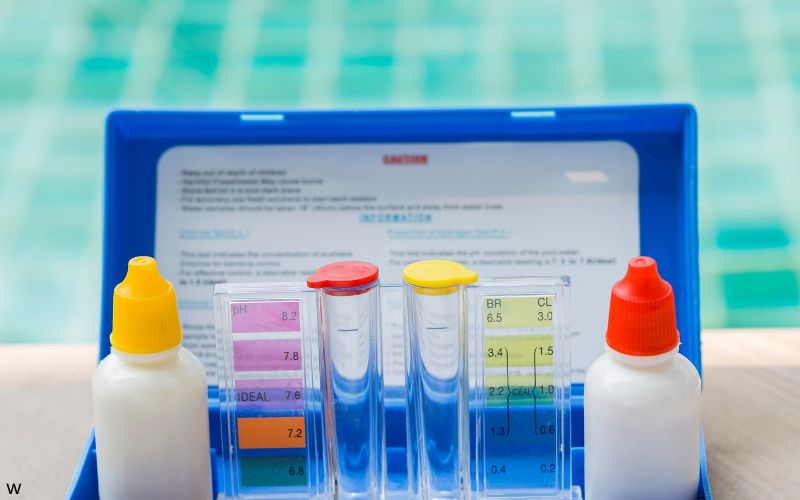
Oklahoma City offers free basic water quality testing for residents. Call (405) 297-3056 for general water quality questions or visit okc.gov/utilities to request testing, especially if you notice unusual taste, odour, or colour. Check your service line status using the Lead-Safe Community Database at okc.gov/leadsafe. You can also monitor active advisories via our water alert news section.
Consider Filtration
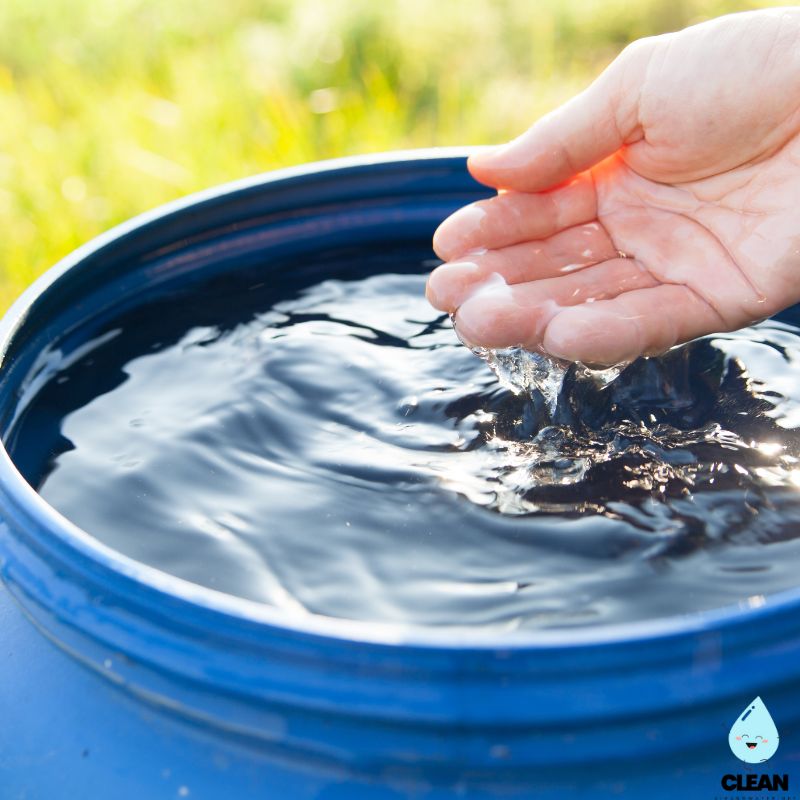
Given disinfection byproducts exceeding health guidelines by hundreds of times, consider NSF-certified filters that remove trihalomethanes, haloacetic acids, chromium-6, and other contaminants. Look for NSF Standards 42, 53, and 58 certifications. Browse our water filter solutions for options suited to Oklahoma City’s specific contaminant levels.
Check for Lead Risks
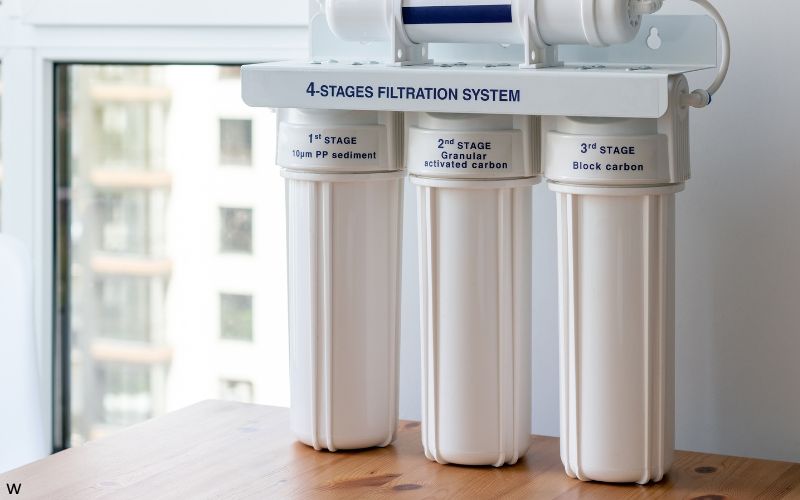
Use the Lead-Safe Community Database at okc.gov/leadsafe to check the service line material at your property. With 173 identified public lead lines across ~254,000 accounts and a 2024 90th percentile lead result of 4.1 ppb, homes with older plumbing may carry private-side risk. The city’s formal replacement plan is due by November 2027. Consider a point-of-use filter rated for lead removal in the meantime — see our filter guide.
Follow Watering Restrictions
Oklahoma City uses a year-round odd/even watering schedule based on address numbers. During drought, additional restrictions may apply. Check current status at okc.gov/departments/utilities or by calling the Water Conservation Hotline at (405) 297-3153. For boil water advisories and drought-related alerts across Oklahoma and the US, see our live boil water notices tracker.

Report Concerns
Use the OKC Connect app or call the 24-hour Water Line at (405) 297-3334 to report water main breaks, quality issues, or leaks. For water quality concerns, contact (405) 297-3056 during business hours. You can also report your private service line material via okc.gov/leadsafe to contribute to the city’s ongoing inventory efforts ahead of the November 2027 LCRI baseline deadline.
Quality News About Your Water
Get the comprehensive water quality news coverage you need with our dedicated US Water News Service. From coast to coast, we deliver in-depth reporting and expert analysis on PFAS contamination, EPA regulatory changes, infrastructure developments, and emerging water safety issues affecting communities nationwide. While mainstream media only covers the biggest stories, we provide the detailed, ongoing coverage that helps you understand the full scope of America’s water challenges.
What’s actually in your tap water? Enter your ZIP code for a full breakdown of contaminants detected in your local supply
Drinking water from a well? Check our directory here for more information
Frequently Asked Questions
Is Oklahoma City’s tap water safe to drink?
Yes, Oklahoma City’s tap water meets all federal and state safety standards — zero violations were recorded in 2024. The city tests a minimum of 240 samples per month and all results were within EPA and Oklahoma DEQ limits. PFAS compounds were all found below 4 ppt, with PFPeA detected at just 1.3 ppt.
However, independent analysis reveals disinfection byproducts at levels that significantly exceed EWG health guidelines — trihalomethanes at 460 times above the EWG guideline and haloacetic acids at 360 times above. The 2024 90th percentile lead result was 4.1 ppb — well below the current action level of 15 ppb, but homes with older private plumbing should be tested individually. For additional peace of mind, explore home filtration options suited to OKC’s water profile.
What are the main contaminants of concern in Oklahoma City water?
The primary concerns in Oklahoma City’s water include:
• Disinfection Byproducts: Trihalomethanes (RAA 69 ppb) exceed EWG health guidelines by 460 times and haloacetic acids (RAA 36 ppb) by 360 times — both are linked to increased cancer risk and fetal development concerns. Both remain below EPA regulatory limits of 80 ppb and 60 ppb respectively
• Chromium-6 (Hexavalent Chromium): A highly toxic metal and known carcinogen with no current federal MCL specifically for chromium-6 — made widely known by the Erin Brockovich case
• Lead Potential: The 2024 90th percentile lead level was 4.1 ppb. City treatment water is lead-free, but homes with private-side lead service lines or pre-1986 plumbing may have elevated concentrations at the tap
• Unregulated Contaminants: Lithium at 42.6 µg/L average and PFAS compound PFPeA at 1.3 ppt were detected in 2024 UCMR monitoring — both below current enforceable limits
These byproducts stem primarily from chloramine disinfection reacting with organic matter in surface reservoir water. Reverse osmosis and activated carbon filtration are the most effective solutions — see our filter guide. For national PFAS context, check our water quality checker.
How does Oklahoma City ensure water security during droughts?
Oklahoma City has developed a comprehensive drought management strategy built on supply diversity:
• Multiple surface water sources — Lake Hefner, Lake Overholser, Draper Lake (via the Atoka pipeline), Canton Lake, and Sardis Lake — provide substantial redundancy across multiple counties
• Long-distance infrastructure: The Atoka pipeline provides access to high-quality water from southeastern Oklahoma’s less developed watersheds
• Tiered drought response: Progressive water restrictions activated based on reservoir levels and seasonal conditions
• Year-round conservation: The odd/even address watering schedule and rebate programmes for water-efficient fixtures run continuously
• Regional partnerships: Cooperation with surrounding communities and water authorities to share resources during emergencies
These measures have maintained water security for Oklahoma City’s 1.2 million customers through significant drought periods. For national drought and water alerts, see our live boil water notices tracker.
What filtration options are recommended for Oklahoma City residents?
Given elevated disinfection byproducts and other contaminants, residents should consider the following filter types — all options reviewed on our water filter solutions page:
Recommended Filter Types:
• Activated Carbon Filters (NSF 42/53): Effective for trihalomethanes, haloacetic acids, chloramine taste/odour, and many organic contaminants
• Reverse Osmosis Systems (NSF 58): Most comprehensive removal — tackles chromium-6, lead, PFAS, and most disinfection byproducts. Recommended given OKC’s contaminant profile
• Multi-stage Systems: Combination carbon and RO systems for maximum contaminant removal
Installation Options:
• Point-of-use (kitchen sink) for drinking and cooking water
• Whole-house systems for comprehensive household protection
• Pitcher filters for basic improvement (less effective against all contaminants)
Always verify NSF certification and ensure filters are rated for the specific contaminants in OKC water. Regular filter replacement is essential for continued effectiveness. Browse options at our water filter solutions guide.
Contaminants of Concern

Disinfection Byproducts
Source: Trihalomethanes and haloacetic acids form when chloramine disinfectant reacts with naturally occurring organic matter in source water drawn from surface reservoirs
Health Effects: Linked to increased cancer risk (bladder, colon, rectal), liver and kidney damage, reproductive issues, and harm to fetal development during pregnancy
2024 Data: Trihalomethanes reached a running annual average of 69 ppb (EWG health guideline: 0.15 ppb); haloacetic acids reached 36 ppb (EWG guideline: 0.1 ppb). Both remain below EPA regulatory limits of 80 ppb and 60 ppb respectively. For filtration that addresses these byproducts, see our water filter solutions.
Metals, Lead & Unregulated Contaminants
Chromium-6 (Hexavalent Chromium): A highly toxic metal and known carcinogen with no current federal MCL specifically for chromium-6. Can enter water from natural geological sources or industrial pollution — made widely known by the Erin Brockovich case in Hinkley, California
Lead: The 2024 90th percentile result was 4.1 ppb — below the 15 ppb action level, but above zero. Individual results ranged from 0 to 14.62 ppb. City treatment water is lead-free; risk comes from private service lines and older internal plumbing
Unregulated Contaminants (2024 UCMR): Lithium detected at an average of 42.6 µg/L (range 0–66.5 µg/L) and PFPeA (a PFAS compound) at 1.3 ppt average — both below current limits. Monitoring data will inform future EPA regulatory decisions. Explore filter options and national PFAS data on our water quality checker and filter solutions page.
Please read – our information
The information presented on cleanairandwater.net is compiled from official water quality reports, trusted news sources, government websites, and public health resources. While we strive for accuracy and thoroughness in our presentations, we are not scientists, engineers, or qualified water quality professionals.
Our mission is to present water quality information in an accessible, real-world format that helps people understand what’s in their water and make informed decisions about their health and safety. We believe that complex environmental information should be available to everyone in a format that’s easy to understand.
We make every effort to ensure our content is current and accurate, but we cannot guarantee that all information is complete or error-free. This website should not replace official communications from your local water utility or health department. We always recommend consulting official sources for the most up-to-date information regarding your specific water system.
Clean Air and Water is not liable for any unintentional errors, omissions, or outdated information. The content on this site is provided for informational purposes only and should not be considered professional advice.