Irving, Texas Water Quality at a Glance
meets standards
Is Irving Water Safe to Drink?
Generally Yes, Good Quality — Irving’s water system holds Texas’ highest “Superior” rating and generally meets federal standards. However, PFOA contamination at 4.9 ppt exceeds EPA’s enforced 4 ppt limit for this “forever chemical.” Irving draws water from Dallas’ system, sourced from multiple reservoirs including Lakes Grapevine, Ray Hubbard, Ray Roberts, Tawakoni, and Lewisville Lake, serving over 250,000 residents. The EPA confirmed its 4 ppt PFOA/PFOS MCL in May 2025, with the compliance deadline now extended to 2031. Filtration is still advised for vulnerable residents. See our water filter recommendations and check the live boil water notices tracker for Irving-area alerts.
⚠️ Key Considerations for Irving Residents in 2026
- PFOA “Forever Chemical”: 4.9 ppt detected (January 2024) — exceeds EPA’s enforceable 4 ppt MCL; linked to kidney cancer, testicular cancer, and immune system harm
- Compliance Deadline Extended: EPA confirmed the 4 ppt PFOA/PFOS limit in May 2025 but extended the compliance deadline from 2029 to 2031 for water systems
- Regional PFAS Impact: Part of the Dallas-Fort Worth corridor where multiple water systems reported PFAS above new federal limits; compare with Dallas and Fort Worth water quality data
- Water Source: Surface water from Dallas system — Lakes Grapevine, Ray Hubbard, Ray Roberts, Tawakoni, and Lewisville Lake
- Treatment Process: Chloramines for disinfection, activated carbon for taste/odour control; ozone and lime softening at Dallas treatment facilities
Read the full 2026 report below for detailed analysis, regional context, and actionable recommendations for Irving residents.
Advertisement — Report continues below
Great water report.
Here’s how to make it perfect.
Your water quality report shows strong results — and that’s genuinely good news. But even treated municipal water picks up residual chlorine, microplastics, and sediment between the treatment plant and your tap. A filter takes great water and makes it flawless.
✅ Improves taste, smell & clarity — removes residual chlorine and sediment that reach your glass after treatment
✅ NSF/ANSI 42, 58 & 372 certified — independently tested, not just manufacturer claims
✅ Installs in 30 minutes, no plumber — fills a glass in 8 seconds, smart LED filter monitor
Renting or can’t drill? The Waterdrop K19 Countertop RO — plug in, fill the tank, done. No installation, no drilling, no plumber.
Advertisement — this page contains affiliate links. If you buy through these links, we may earn a commission at no extra cost to you.

Irving, Texas Water Quality Report 2026: PFAS Testing, Infrastructure & Safety
Irving Water Utilities provides comprehensive water services to approximately 250,000 residents across Irving and surrounding areas in Dallas County. The Water Utilities Department serves more than 47,000 water account holders and is responsible for ensuring safe, clean drinking water at a reasonable cost. The State of Texas has designated Irving a Superior Public Water System — the highest state rating — reflecting an advanced distribution network and multiple treatment partnerships. Irving’s water supply comes primarily from Dallas Water Utility, sourcing from multiple reservoirs including Lakes Grapevine, Ray Hubbard, Ray Roberts, Tawakoni, and Lewisville Lake, all treated by Dallas before reaching Irving residents. Irving also holds water rights to Jim Chapman Lake as a supplemental source. While Irving’s water consistently meets most federal and state standards, PFOA was detected at 4.9 parts per trillion in January 2024 — exceeding EPA’s enforceable 4 ppt limit. The EPA confirmed it will retain this limit in May 2025, while extending the system compliance deadline to 2031. For statewide context, see our Texas water quality overview; for regional comparison, review the Dallas and Fort Worth reports. Residents concerned about PFAS should visit our water filter solutions page.

Irving Water Quality: Current Status (2025–2026)
Latest Testing Results
- Compliance Status: Ongoing testing confirms Irving’s tap water meets or exceeds most standards set by the U.S. Environmental Protection Agency. Full compliance is maintained across the vast majority of regulated contaminants, though PFOA was detected at 4.9 ppt in January 2024, exceeding EPA’s enforceable 4 ppt MCL for PFOA established under the April 2024 National Primary Drinking Water Regulation.
- Testing Scope: Irving Water Utilities conducts thousands of water quality tests each month throughout the distribution system — including testing for many contaminants beyond what government standards require — with comprehensive monitoring for PFAS and other emerging contaminants. View U.S. water quality data for national context.
- Superior Rating: The State of Texas has designated Irving a Superior Public Water System, its highest classification, reflecting the utility’s commitment to excellence in water quality management and regulatory compliance.
Water Sources
- Dallas Water Partnership: Irving receives most of its supply from Dallas Water Utility, which draws from multiple surface water reservoirs including Lakes Grapevine, Ray Hubbard, Ray Roberts, Tawakoni, and Lewisville Lake — collectively serving over 1.3 million people across the Dallas-Fort Worth region.
- Jim Chapman Lake: Irving maintains water rights to this supplemental source on the South Sulphur River in Delta and Hopkins Counties, providing additional water security for the growing metropolitan area.
- Regional Water Management: As part of the North Texas water system, Irving participates in comprehensive watershed management and protection measures to ensure long-term supply sustainability. For a broader regional picture, see our Texas state water quality report.
Advanced Treatment Technology
- Multi-Barrier Treatment: Dallas treatment facilities employ settling, filtration, chemical treatment, and ozone disinfection to purify Irving’s drinking water, using multiple protective layers designed to remove contaminants before delivery to residents.
- Disinfection Management: Chloramine (a combination of chlorine and ammonia) and ozone provide effective disinfection. Lime and iron sulfate remove suspended solids and provide corrosion control to protect distribution infrastructure. Chloramine produces fewer disinfection byproducts than chlorine alone, though an NSF-certified home filter can further reduce any residual taste or byproducts.
- Quality Enhancement: Activated carbon controls taste and odour; fluoride is added for dental health. These measures ensure water quality meets both safety and aesthetic standards.
Infrastructure Modernisation
- System Maintenance: Irving maintains a 735-mile network of water mains, pumping stations, and storage facilities with ongoing infrastructure improvements to serve a growing metropolitan area of over 250,000 residents.
- Pump Station Upgrades: Infrastructure projects include tank rehabilitation at Hackberry and MacArthur Pump Stations to maintain system reliability and consistent water pressure across the distribution network.
- Emergency Preparedness: 24/7 customer service and emergency response capabilities ensure rapid action on water main breaks, pressure issues, and quality concerns. Check the live boil water notices tracker for any current Irving-area advisories.
Customer Protection Initiatives
Irving Water Utilities serves more than 47,000 account holders with comprehensive customer support, online bill payment, 24/7 emergency service, and transparent annual water quality reports available at cityofirving.org. Educational outreach helps residents understand water quality, conservation, and the value of North Texas water resources. Irving’s commitment to its Superior Public Water System status includes rigorous testing and treatment standards. The key challenge heading into 2026 is PFAS: PFOA was detected at 4.9 ppt in January 2024, exceeding EPA’s 4 ppt MCL. The EPA confirmed in May 2025 it will retain this limit, while extending the system compliance deadline to 2031. Irving residents — particularly those who are pregnant, immunocompromised, or have young children — may wish to consider an NSF-certified filter rated for PFAS removal. See our recommended water filters and stay updated via water alert news.
Recommendations for Irving Residents

Monitor Water Quality
Contact Irving Water Utilities Customer Service at (972) 721-2411 for water quality concerns or testing information. Review annual water quality reports at cityofirving.org to stay informed about PFAS monitoring results. You can also track live local alerts on our U.S. boil water notices tracker and read the latest updates in water alert news.
Follow Water Restrictions
Adhere to Irving’s year-round water restrictions: odd-numbered addresses water on Wednesdays and Saturdays; even-numbered addresses on Thursdays and Sundays. No watering between 10 a.m. and 6 p.m. from April 1 through October 31 to minimise evaporation and promote conservation across the North Texas region.
Consider Home Filtration
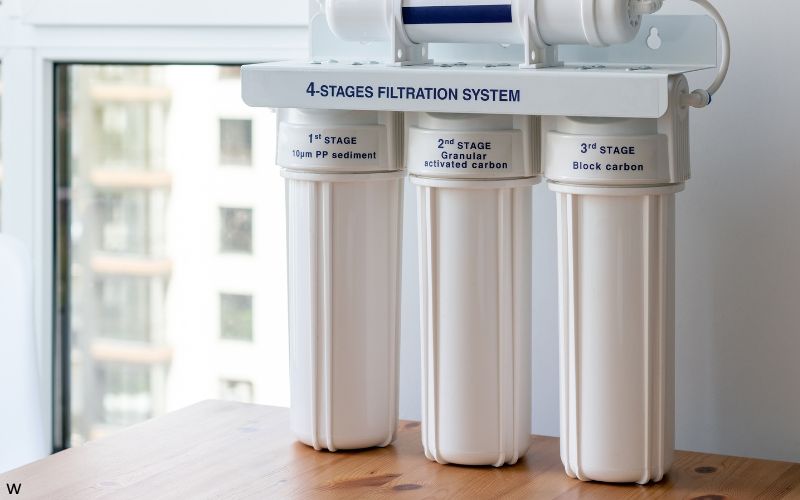
Given PFOA detection at 4.9 ppt — above EPA’s enforceable 4 ppt limit — consider an NSF-certified filter (Standard 53 or 58) for drinking and cooking water, specifically rated to remove PFAS compounds and reduce chloramine taste. See our full filter recommendations for options suited to Irving’s water profile.
Practice Water Conservation
Choose drought-resistant plants and practice xeriscaping to reduce water demand. Regularly check irrigation systems and home plumbing for leaks, and use water-efficient fixtures to protect this precious North Texas resource. For broader conservation context, see our Texas water quality overview.

Report Issues
Contact Irving Water Utilities Customer Service at (972) 721-2411 (available 24/7) for water main breaks, pressure problems, or quality concerns. Report leaks promptly to conserve water and maintain system integrity. Check for live advisories on our U.S. boil water notices tracker.
Frequently Asked Questions
Is Irving’s tap water safe to drink in 2026?
Irving’s tap water is generally safe to drink and meets most federal and state drinking water standards. Ongoing testing confirms compliance across the vast majority of regulated contaminants. However, PFOA was detected at 4.9 parts per trillion in January 2024, which exceeds EPA’s enforceable 4 ppt MCL established under the April 2024 National Primary Drinking Water Regulation. The EPA confirmed in May 2025 that it will retain this 4 ppt limit for PFOA and PFOS.
Irving holds Texas’ Superior Public Water System designation — the state’s highest classification. Irving Water Utilities conducts thousands of tests monthly, well beyond government minimums. The multi-barrier treatment process through Dallas facilities provides robust protection, though residents — particularly those who are pregnant, immunocompromised, or have young children — may want to consider a PFAS-rated filter. See our water filter recommendations for guidance.
Why does my water sometimes taste or smell different?
Occasional taste and odour changes can occur for several reasons:
1. Disinfection process: Irving’s water is treated with chloramine (chlorine and ammonia) which can produce a noticeable chlorine-like taste or smell. An NSF-certified pitcher or under-sink filter can remove this — see our filter guide.
2. Seasonal source water changes: Natural variation in Dallas Water Utility’s reservoirs — Lakes Grapevine, Ray Hubbard, Ray Roberts, Tawakoni, and Lewisville — can affect taste, especially during heavy rainfall or drought.
3. Home plumbing: Internal plumbing issues or infrequently used faucets can cause localised taste or odour concerns.
If issues persist, contact Irving Water Utilities at (972) 721-2411. Running cold water for a few minutes after periods of non-use often helps. Check for any active advisories on the live boil water notices tracker.
Does Irving test for lead in its water system?
Yes, Irving conducts regular lead and copper testing as required by federal regulations:
• Corrosion control: The treatment process includes lime and iron sulfate, helping prevent lead and copper from leaching from distribution and household plumbing materials.
• Regular monitoring: Comprehensive testing is conducted throughout the distribution system in compliance with EPA Lead and Copper Rules.
• Treatment partnership: Dallas treatment facilities apply corrosion inhibitors as part of their advanced treatment process to minimise lead exposure across the regional system.
• Home testing: Residents concerned about lead in household plumbing can contact Irving Water Utilities for testing guidance.
Homes built before 1986 are more likely to contain lead components in internal plumbing. Residents in older homes should use cold water for drinking and cooking, and consider a lead-certified filter. For national context on lead in water, visit our U.S. water quality data page.
What are Irving’s current water restrictions?
Irving operates year-round water restrictions to support conservation and sustainable use:
Time-of-Day Restrictions:
• No outdoor watering between 10 a.m. and 6 p.m. from April 1 through October 31 to minimise evaporation
Day-of-Week Schedule:
• Odd-numbered addresses: Wednesdays and Saturdays
• Even-numbered addresses: Thursdays and Sundays
• No watering: Mondays, Tuesdays, and Fridays
Additional Requirements:
• Hand-watering and drip irrigation permitted any day, subject to time restrictions
• No water runoff onto sidewalks, streets, or driveways
• Violations may result in fines and penalties
Current status and updates: cityofirving.org or call (972) 721-2281. For regional water conditions, see our Texas water quality overview.
Quality News About Your Water
Get the comprehensive water quality news coverage you need with our dedicated US Water News Service. From coast to coast, we deliver in-depth reporting and expert analysis on PFAS contamination, EPA regulatory changes, infrastructure developments, and emerging water safety issues affecting communities nationwide. While mainstream media only covers the biggest stories, we provide the detailed, ongoing coverage that helps you understand the full scope of America’s water challenges.
What’s actually in your tap water? Enter your ZIP code for a full breakdown of contaminants detected in your local supply
Drinking water from a well? Check our directory here for more information
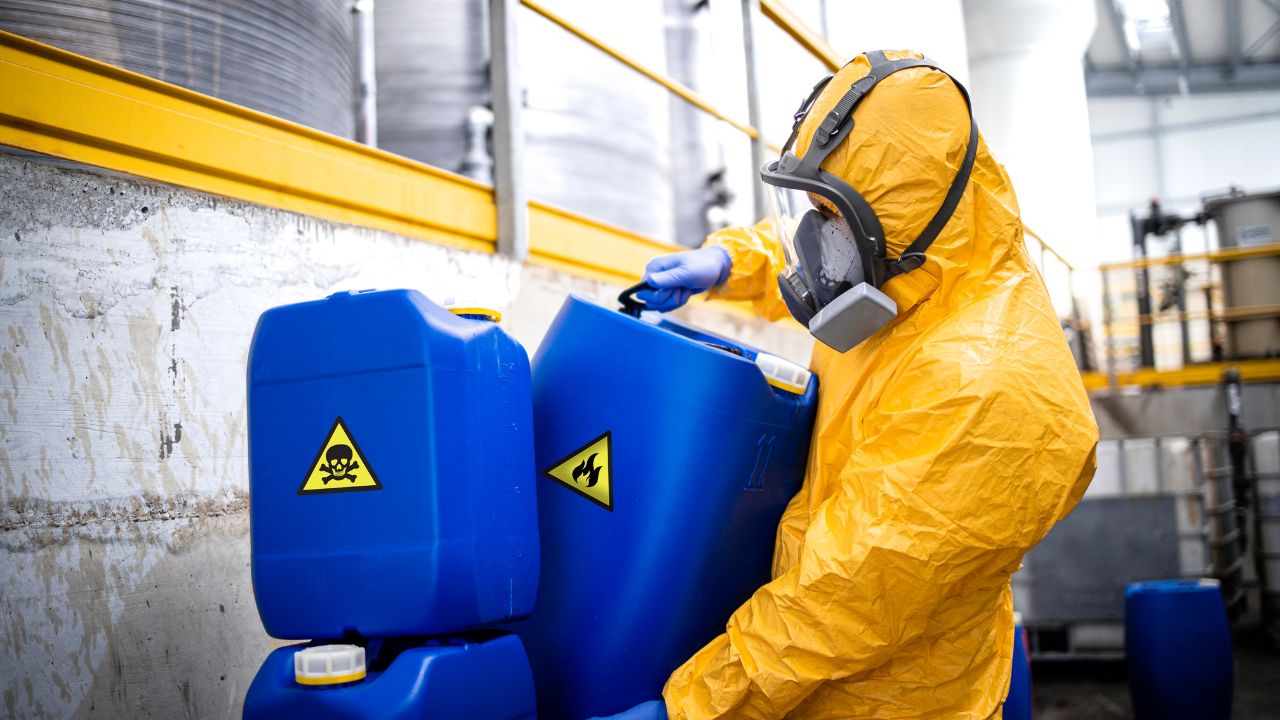
Contaminants of Concern
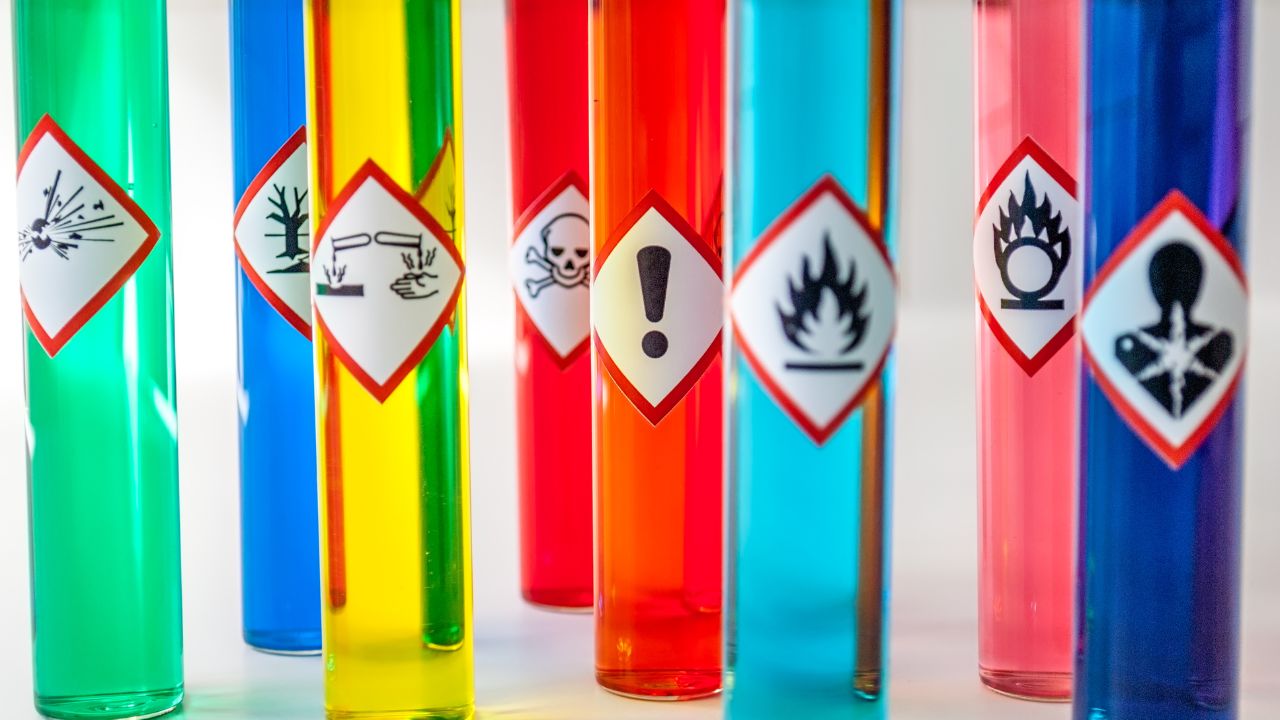
Disinfection Byproducts
Source: Formed when chloramine reacts with naturally occurring organic matter in Dallas Water Utility’s source reservoirs; levels can vary seasonally depending on source water conditions.
Health Effects: Long-term exposure to elevated levels may increase risk of certain cancers and can affect liver, kidney, and central nervous system function.
Current Levels: Monitored regularly throughout Irving’s distribution system with levels maintained below EPA maximum contaminant levels. EPA Limits: 80 ppb for total trihalomethanes (TTHMs) and 60 ppb for haloacetic acids (HAA5). An NSF Standard 53-certified home filter can reduce any residual DBPs at the tap.
PFAS Compounds
Source: Per- and polyfluoroalkyl substances from industrial processes, firefighting foams, and consumer products that enter source waters and persist in the environment indefinitely — hence the name “forever chemicals.”
Health Effects: Linked to impacts on immune function, thyroid health, cholesterol levels, and increased risk of kidney cancer, testicular cancer, and reproductive issues at sustained elevated exposures.
Current Status: Irving detected PFOA at 4.9 parts per trillion in January 2024 — exceeding EPA’s enforceable 4 ppt MCL. Irving was among several North Texas cities reporting PFAS above new federal limits, alongside Dallas, Farmers Branch, Duncanville, and Flower Mound. 2026 Regulatory Update: The EPA confirmed in May 2025 it will retain the 4 ppt MCL for PFOA and PFOS, while extending the compliance deadline from 2029 to 2031. MCLs for PFHxS, PFNA, GenX, and PFBS are being reconsidered and may be rescinded. For national PFAS context, see our U.S. water quality data page. To reduce PFAS at the tap, see our recommended filters.
Please read – our information
The information presented on cleanairandwater.net is compiled from official water quality reports, trusted news sources, government websites, and public health resources. While we strive for accuracy and thoroughness in our presentations, we are not scientists, engineers, or qualified water quality professionals.
Our mission is to present water quality information in an accessible, real-world format that helps people understand what’s in their water and make informed decisions about their health and safety. We believe that complex environmental information should be available to everyone in a format that’s easy to understand.
We make every effort to ensure our content is current and accurate, but we cannot guarantee that all information is complete or error-free. This website should not replace official communications from your local water utility or health department. We always recommend consulting official sources for the most up-to-date information regarding your specific water system.
Clean Air and Water is not liable for any unintentional errors, omissions, or outdated information. The content on this site is provided for informational purposes only and should not be considered professional advice.