Fort Worth Water Quality at a Glance
major concerns
RECOMMENDED
Is Fort Worth Water Safe to Drink?
Generally Yes, With Significant Caution — Fort Worth water systems meet most federal standards, but the city faces widespread PFAS contamination affecting 1.3 million residents. Additional concerns include chromium-6 at 2.7x above health guidelines and elevated disinfection byproducts. The North and South Holly water treatment plants exceeded EPA PFAS limits, and Fort Worth is implementing activated carbon treatment systems with a compliance deadline of 2029. See our water filter guide for PFAS-rated options.
⚠️ Key Concerns for Fort Worth Residents
- PFAS “Forever Chemicals”: North Holly Plant at 15.1 ppt PFHxS, South Holly at 13.8 ppt (above the 10 ppt EPA limit); serves 1.3 million people across Fort Worth and surrounding areas
- Chromium-6: Averaging 54 parts per trillion — 2.7 times higher than levels associated with negligible cancer risk
- Disinfection Byproducts: Total trihalomethanes 74x above EWG health guidelines; haloacetic acids 73x above EWG guidelines (both legally compliant with EPA MCLs)
- Legal Action: City suing military and chemical manufacturers for $420+ million to fund water treatment upgrades; compliance deadline 2029
Read the full report below for detailed analysis, city-specific data, and actionable recommendations for Fort Worth residents.
Advertisement — Report continues below
Your tap water just failed.
Here’s the fix.
Contaminants like PFAS, lead, chromium-6, and arsenic can sit within the legal limit but still pose a real health risk. The legal limit and the safe limit are not the same thing.
✅ Removes PFAS, lead & chromium-6 — the contaminants most flagged in failing city reports
✅ NSF/ANSI 42, 58 & 372 certified — independently tested, not just manufacturer claims
✅ Installs in 30 minutes, no plumber — fills a glass in 8 seconds, smart LED filter monitor
Renting or can’t drill? The Waterdrop K19 Countertop RO — plug in, fill the tank, done. No installation, no drilling, no plumber.
Disclaimer: This advert contains affiliate links. If you buy through these links, we may earn a commission at no extra cost to you. Product claims are based on manufacturer certification data and independent SGS lab testing.

Fort Worth, Texas Water Quality Report 2026: PFAS Contamination, Infrastructure Challenges & Resident Safety
Fort Worth, the 13th-largest city in the United States, supplies water to over 1.3 million residents through the Fort Worth Water Department, one of Texas’s most extensive municipal water systems. The department manages approximately 4,000 miles of water mains and multiple treatment plants — including the North Holly, South Holly, and Westside facilities — delivering more than 180 million gallons daily across the city and its service areas.
Fort Worth’s water comes primarily from surface water reservoirs including Lake Worth, Eagle Mountain Lake, and Lake Bridgeport, with raw water purchased from the Tarrant Regional Water District. The city continues to face significant water quality challenges in 2025–2026, most critically PFAS contamination exceeding EPA limits at its Holly treatment plants, elevated chromium-6 levels, and disinfection byproducts that have prompted legal action seeking over $420 million for water treatment upgrades.
Fort Worth Water Quality: Current Status (2025–2026)
Latest Testing Results
- Lead Levels: The most recent testing period showed 90th percentile lead levels of 3.4 parts per billion (ppb) — well below the EPA action level of 15 ppb — reflecting effective corrosion control and relatively modern infrastructure. For comparison, see how Dallas and Arlington perform on the same metric.
- PFAS Contamination: North and South Holly Water Treatment Plants continue to exceed EPA limits for PFHxS (15.1 and 13.8 ppt respectively, above the 10 ppt EPA limit), affecting water serving 1.3 million people in Fort Worth and surrounding areas including Arlington.
- Compliance Status: Fort Worth’s water meets most federal drinking water standards, but PFAS violations require expensive activated carbon treatment systems. The EPA compliance deadline for PFAS MCLs is 2029, and the city is actively working toward that target.
Surface Water Challenges
- Multiple Reservoir System: Fort Worth draws from Lake Worth, Eagle Mountain Lake, and Lake Bridgeport through the Tarrant Regional Water District. Surface water sources are inherently more vulnerable to PFAS and industrial contamination than groundwater systems — a shared challenge across much of Texas.
- Treatment Limitations: Current treatment processes — including coagulation, sedimentation, filtration, and chloramination — are insufficient to remove PFAS or reduce disinfection byproducts to health-protective levels without additional technology.
- Contamination Sources: PFAS contamination is linked to military firefighting foam use at Naval Air Station Joint Reserve Base Fort Worth and Air Force Plant 4, which has affected Lake Worth catchment. The city has filed legal action against the Department of Defense as a result.
Water Quality Concerns
- Chromium-6 Levels: Fort Worth’s drinking water averages 54 parts per trillion of hexavalent chromium — 2.7 times higher than the level associated with negligible cancer risk. There is currently no federal MCL specifically for chromium-6.
- Disinfection Byproducts: Total trihalomethanes are 74 times higher than EWG health guidelines, with haloacetic acids 73 times above EWG benchmarks. It is important to note these figures use EWG’s own conservative health guidelines, not EPA legal limits — Fort Worth is legally compliant on both metrics.
- Legal Action: The city has filed lawsuits seeking over $420 million from manufacturers and the Department of Defense to fund the water treatment infrastructure upgrades required to address contamination. Check our water alert news page for the latest developments.
Infrastructure Challenges
- Aging Water Mains: Fort Worth has approximately 800 miles of outdated cast iron water mains prone to breaks. With the city replacing around 20 miles annually, full replacement at this rate would take approximately 40 years.
- Rate Increases: Water bills have increased to fund infrastructure improvements, with further increases expected as PFAS treatment costs are phased in ahead of the 2029 compliance deadline.
- Treatment Upgrades: Fort Worth is implementing activated carbon filtration at both Holly plants and evaluating additional treatment technologies to meet the new EPA PFAS standards. This is one of the largest water treatment investments in the city’s history.
Conservation and Management
Fort Worth has reduced per capita water consumption through conservation programmes and maintains year-round watering restrictions with twice-weekly schedules based on property address. The city operates the Village Creek Direct Potable Reuse facility, which treats wastewater to drinking water standards, and continues diversifying its water sources. Addressing PFAS contamination and ageing infrastructure remain the primary challenges for long-term water safety. For PFAS-rated filtration options, see our water filter solutions guide. You can also monitor live boil water advisories for Fort Worth and the wider Texas region on our live boil water tracker.
Recommendations for Fort Worth Residents
Use Water Filtration
Given PFAS contamination and elevated disinfection byproducts, reverse osmosis or activated carbon systems are strongly recommended. These remove PFAS, chromium-6, and disinfection byproducts that exceed health guidelines. Visit our water filter solutions page for PFAS-certified options.

Stay Informed
Follow Fort Worth’s PFAS treatment progress and water quality updates at fortworth.com/water. Track live boil water advisories affecting Fort Worth and wider Texas at our boil water tracker, and read the latest developments on our water news page.
Test Your Water
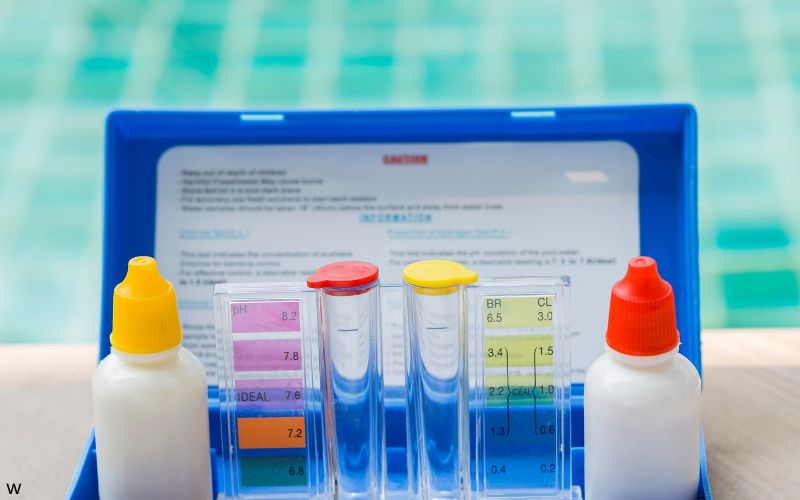
Request free water quality testing by calling (817) 392-7431, especially for homes built before 1987. Consider independent testing for PFAS, chromium-6, and disinfection byproducts to understand your specific exposure levels.
Report Issues
Report water main breaks, pressure issues, or quality concerns immediately to (817) 392-7413. Use the MyFortWorth app for quick reporting and to receive updates on service interruptions in your area.

Follow Watering Rules
Adhere to Fort Worth’s twice-weekly watering schedule based on your address. Water between 8 PM and 10 AM to reduce evaporation, and never water on consecutive days. Check fortworth.com/water for current drought levels and any active restrictions.
Quality News About Your Water
Get the comprehensive water quality news coverage you need with our dedicated US Water News Service. From coast to coast, we deliver in-depth reporting and expert analysis on PFAS contamination, EPA regulatory changes, infrastructure developments, and emerging water safety issues affecting communities nationwide. While mainstream media only covers the biggest stories, we provide the detailed, ongoing coverage that helps you understand the full scope of America’s water challenges.
What’s actually in your tap water? Enter your ZIP code for a full breakdown of contaminants detected in your local supply
Drinking water from a well? Check our directory here for more information
Frequently Asked Questions
Is Fort Worth tap water safe to drink in 2026?
Fort Worth’s tap water meets most federal drinking water standards but carries significant concerns. The North and South Holly Water Treatment Plants exceed EPA PFAS limits, with PFHxS levels at 15.1 and 13.8 parts per trillion respectively (above the 10 ppt EPA limit). These forever chemicals affect water serving 1.3 million people across the Fort Worth service area.
Chromium-6 levels average 54 parts per trillion — 2.7 times above health-protective benchmarks — and disinfection byproducts exceed EWG health guidelines significantly (though remain within EPA legal limits). Many residents choose filtration as a precaution. See our water filter guide for reverse osmosis and activated carbon options rated for PFAS removal.
What is Fort Worth doing about PFAS contamination?
Fort Worth is taking several actions to address PFAS forever chemicals contamination ahead of the EPA’s 2029 compliance deadline:
• Treatment Upgrades: Installing activated carbon filtration systems at Holly treatment plants by 2029
• Legal Action: Suing the Department of Defense and manufacturers for over $420 million to fund treatment upgrades
• Ongoing Monitoring: Regular PFAS testing with public reporting of results
• Industrial Controls: New policies restricting PFAS discharge from industrial sources into the wastewater treatment system
• Federal Funding: Seeking EPA grants and federal infrastructure funding to offset treatment costs
The city declined lower settlement amounts to pursue full compensation for long-term treatment costs. Follow the latest developments on our water news page.
What are Fort Worth’s current water restrictions?
Fort Worth maintains year-round conservation measures with additional restrictions during declared drought levels:
Normal Conditions:
• Twice weekly watering based on address
• No watering between 10 AM and 8 PM
• No consecutive-day watering
• Automatic shut-off nozzles required
Drought Level Restrictions:
• Level 2 (Mild): Once weekly watering
• Level 3 (Moderate): Hand watering only
• Level 4 (Severe): Emergency conservation measures
Check fortworth.com/drought for the current level and specific requirements. Violations can result in fines from $50 to $500. Water restrictions are a Texas-wide concern — see how neighbouring cities like Dallas and Plano manage conservation.
Why does my Fort Worth water taste like chlorine?
Fort Worth uses both chlorination and chloramination for disinfection to maintain safety throughout the distribution system. A chlorine taste or odour may be more noticeable:
• During summer months when higher disinfectant levels are maintained
• After system maintenance or pipe flushing
• In areas closer to treatment plants
• During periods of high water demand
This is normal and does not affect immediate safety. However, chloramination produces disinfection byproducts (trihalomethanes and haloacetic acids) that exceed EWG health guidelines. To reduce taste and exposure:
• Refrigerate water in an open container for several hours
• Use activated carbon filtration for taste and health benefits
• Consider reverse osmosis for comprehensive contaminant removal — see our filter guide for vetted options
Contaminants of Concern
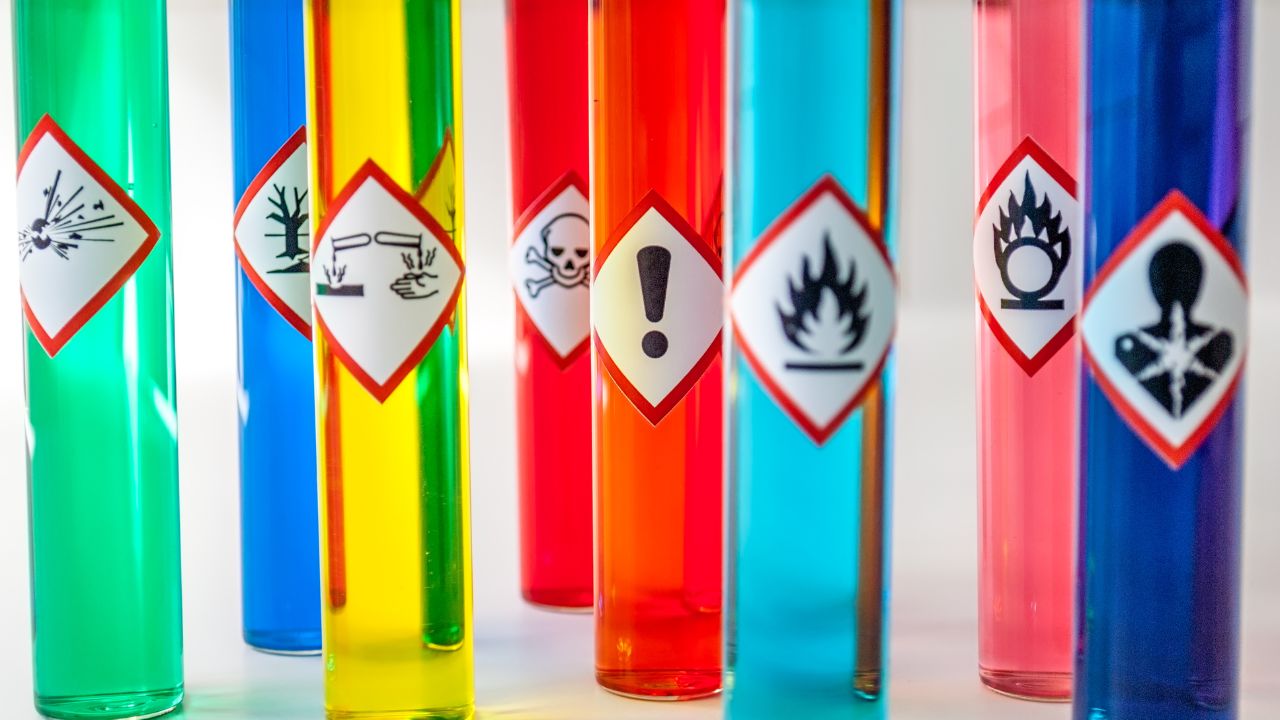
PFAS “Forever Chemicals”
Source: Military firefighting foam contamination from Naval Air Station Joint Reserve Base Fort Worth and Air Force Plant 4, affecting the Lake Worth catchment area
Health Effects: Linked to cancer, developmental delays, reduced fertility, immune system effects, and liver damage. There is no established safe level of exposure.
Current Levels: North Holly Plant: 15.1 ppt PFHxS; South Holly: 13.8 ppt PFHxS — both above the 10 ppt EPA limit. Affects 1.3 million people. A reverse osmosis system is the most effective residential solution; see our filter guide for certified options.
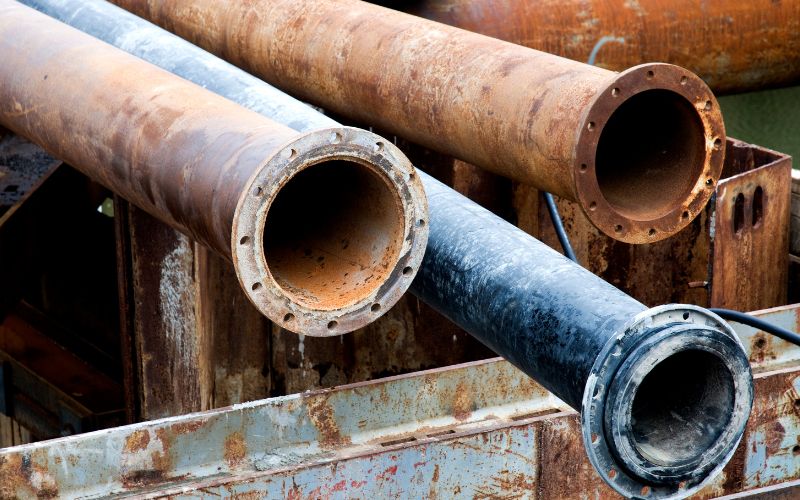
Chromium-6 & Disinfection Byproducts
Source: Hexavalent chromium from industrial sources; disinfection byproducts form when chlorine reacts with naturally occurring organic matter in surface water reservoirs
Health Effects: Chromium-6 is linked to cancer and organ damage; long-term exposure to elevated disinfection byproducts is associated with increased bladder cancer risk and reproductive issues
Current Levels: Chromium-6: 54 ppt (2.7x above health guidelines); trihalomethanes 74x above EWG recommendations; haloacetic acids 73x above EWG guidelines. Both are within EPA legal limits but exceed voluntary health benchmarks. This pattern is seen in several Texas cities relying on surface water sources, including Dallas and Irving.
Please read – our information
The information presented on cleanairandwater.net is compiled from official water quality reports, trusted news sources, government websites, and public health resources. While we strive for accuracy and thoroughness in our presentations, we are not scientists, engineers, or qualified water quality professionals.
Our mission is to present water quality information in an accessible, real-world format that helps people understand what’s in their water and make informed decisions about their health and safety. We believe that complex environmental information should be available to everyone in a format that’s easy to understand.
We make every effort to ensure our content is current and accurate, but we cannot guarantee that all information is complete or error-free. This website should not replace official communications from your local water utility or health department. We always recommend consulting official sources for the most up-to-date information regarding your specific water system.
Clean Air and Water is not liable for any unintentional errors, omissions, or outdated information. The content on this site is provided for informational purposes only and should not be considered professional advice.