Fontana Water Quality at a Glance
serious concerns
Is Fontana Water Safe to Drink?
Meets Federal Standards, But Major Concerns Remain — Fontana’s water is technically compliant with EPA regulations, but arsenic levels are documented at 82 times above EWG health guidelines. Water is drawn from Lytle Creek, multiple groundwater basins, and the California State Water Project. Disinfection byproducts and water hardness are additional concerns; home filtration is strongly recommended for drinking and cooking water.
⚠️ Key Concerns for Fontana Residents
- Arsenic Contamination: Naturally occurring arsenic at 82x EWG health guidelines — long-term exposure carries elevated cancer risk
- Disinfection Byproducts: Haloacetic acids (HAA5) at 56x guidelines, HAA9 at 297x guidelines — cancer-associated chlorination byproducts formed during treatment
- Water Hardness: High mineral content affecting appliances, pipework, and taste — a common issue across the Inland Empire
- PFAS Data Gap: Limited publicly available PFAS testing data for Fontana despite California‘s widespread PFAS contamination — testing may be underway under new state rules
Read the full 2026 report below for detailed source water analysis, contaminant data, and essential filtration recommendations for Fontana residents.
Advertisement — Report continues below
Your tap water just failed.
Here’s the fix.
Contaminants like PFAS, lead, chromium-6, and arsenic can sit within the legal limit but still pose a real health risk. The legal limit and the safe limit are not the same thing.
✅ Removes PFAS, lead & chromium-6 — the contaminants most flagged in failing city reports
✅ NSF/ANSI 42, 58 & 372 certified — independently tested, not just manufacturer claims
✅ Installs in 30 minutes, no plumber — fills a glass in 8 seconds, smart LED filter monitor
Renting or can’t drill? The Waterdrop K19 Countertop RO — plug in, fill the tank, done. No installation, no drilling, no plumber.
Disclaimer: This advert contains affiliate links. If you buy through these links, we may earn a commission at no extra cost to you. Product claims are based on manufacturer certification data and independent SGS lab testing.
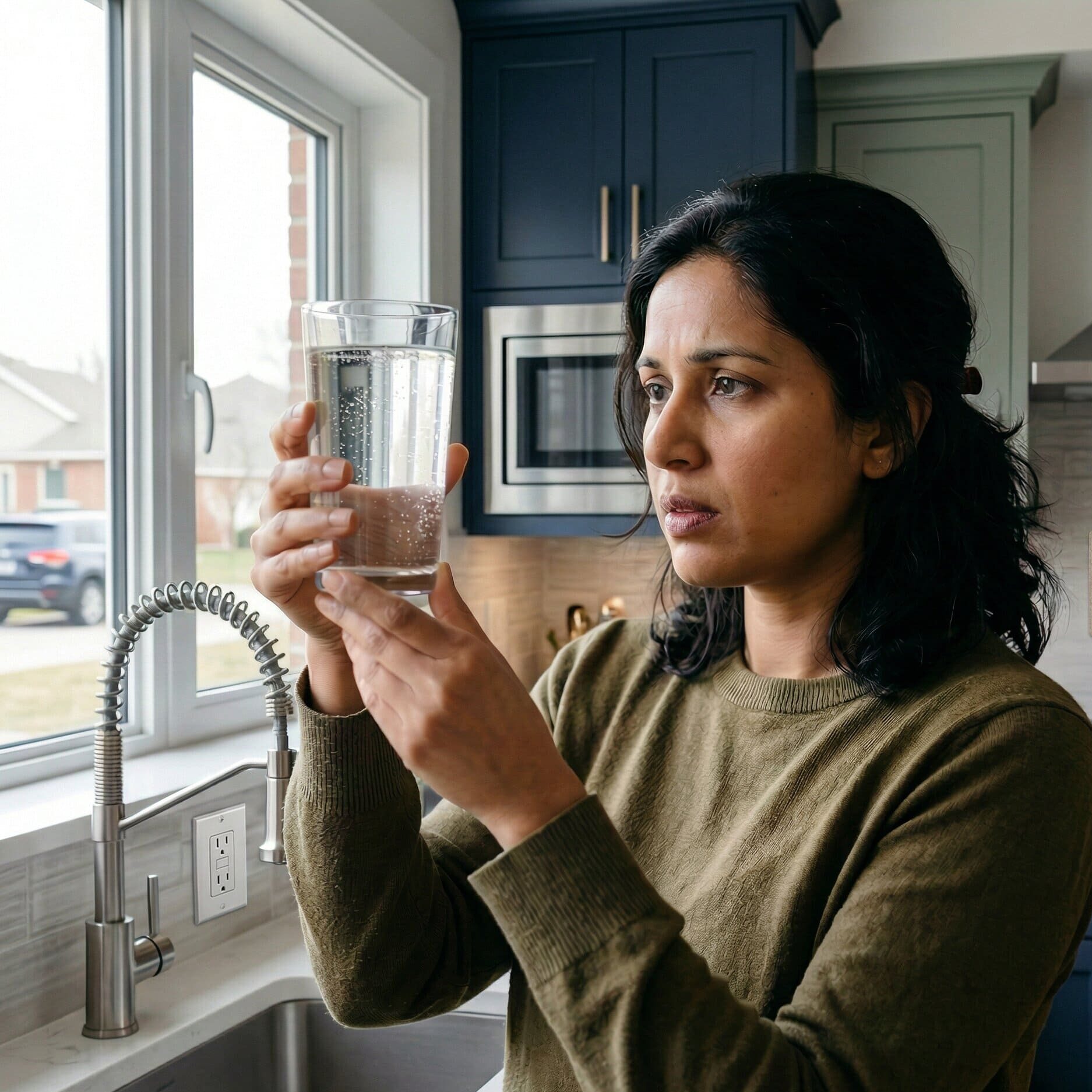
Fontana, California — Water Quality Report 2026: Arsenic, Disinfection Byproducts & Safety Guide
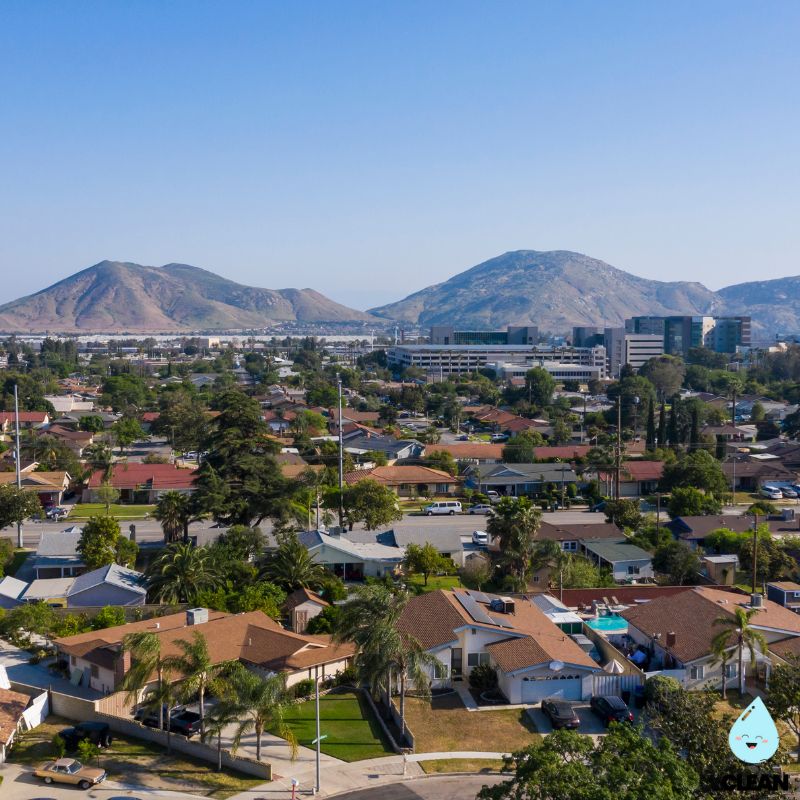
Fontana Water Company provides water services to over 237,000 residents in the City of Fontana and surrounding areas in San Bernardino County. As a private utility regulated by the California Public Utilities Commission (CPUC), Fontana Water Company has delivered water service for over 75 years. The system includes 31 active groundwater production wells, local surface water from Lytle Creek, imported water from the California State Water Project, and a distribution network of over 700 miles of pipelines backed by 27 storage tanks providing more than 33 million gallons of storage capacity.
While Fontana’s water meets federal compliance standards, significant concerns persist: arsenic is documented at 82 times above Environmental Working Group (EWG) health guidelines, and disinfection byproducts (HAA5 at 56x guidelines; HAA9 at 297x guidelines) remain among the most elevated figures in the state. As one of the fastest-growing communities in the Inland Empire, Fontana faces ongoing water quality challenges that require resident awareness and, for most households, point-of-use home filtration.
Fontana Water Quality: Current Status (2025–2026)
Latest Testing Results
- Federal Compliance Status: As of the most recent EPA assessment period, tap water provided by Fontana Water Company was in compliance with federal health-based drinking water standards. Compliance, however, does not mean the water is free of health concerns — federal MCLs for arsenic, for example, are set far above what many health researchers consider safe for long-term consumption.
- Arsenic Contamination: Independent testing data shows arsenic levels at 82 times above EWG health guidelines — a significant long-term health concern despite federal compliance with the 10 ppb MCL. Naturally occurring arsenic from regional geology is the primary driver.
- Disinfection Byproducts: Haloacetic acids (HAA5) detected at 56 times EWG health guidelines; HAA9 at 297 times guidelines. These form when chlorine disinfectants react with naturally occurring organic matter during treatment.
- Consumer Confidence Reports: Fontana Water Company publishes annual Consumer Confidence Reports by 1 July each year for the prior calendar year. Residents are encouraged to read the latest report and contact the utility with any questions.
Water Sources
- Groundwater Wells: 31 active wells drawing from the Lytle Basin, Rialto Basin, Chino Basin, and No Man’s Land groundwater basin in and around San Bernardino County.
- Lytle Creek Surface Water: Surface flow from Lytle Creek is collected at the canyon intake, fed by gravity through pipelines to the Afterbay, and then processed at the Sandhill Surface Water Treatment Plant.
- Imported Water: Supplemental supply purchased from the Inland Empire Utilities Agency and San Bernardino Valley Municipal Water District via the California State Water Project, with emergency backup available from Cucamonga Valley Water District.
Treatment Technology
- Sandhill Surface Water Treatment Plant: Processes Lytle Creek surface water, blending it with California State Water Project imports before multi-step treatment and disinfection.
- Multi-Source Treatment: Water from multiple groundwater basins is treated using filtration and disinfection technologies. Current treatment processes, while compliant, are not designed to reduce arsenic or disinfection byproducts to levels aligned with modern health-protective guidelines.
- Quality Challenges: The combination of naturally high arsenic in source water and organic matter that reacts with chlorine during disinfection creates a difficult treatment environment — a challenge shared by several communities across the California Inland Empire.
Infrastructure Modernisation
- Distribution Network: Over 700 miles of pipelines ranging from 2 to 42 inches in diameter, with 27 storage tanks providing 33+ million gallons of total system storage capacity.
- Rate Modernisation: Fontana Water Company has filed with the CPUC for revenue requirement increases to fund infrastructure improvements, covering system upgrades, asset replacement, and operational costs for the 2024–2026 period.
- Regional Collaboration: The utility participates in regional water supply programmes through the Inland Empire Utilities Agency, supporting long-term supply resilience across San Bernardino County.
Customer Protection Initiatives
Fontana Water Company supports customers through updated secure billing services (online, phone, and text), and maintains customer service at 909-822-2201 for quality concerns and service issues. Given the documented arsenic and disinfection byproduct levels, residents are strongly advised to install certified home filtration for drinking and cooking water. The utility publishes annual Consumer Confidence Reports, though residents should understand that federal compliance does not indicate optimal health protection. For current water alerts affecting Fontana or broader California communities, check our live boil water tracker and water alert news feed.
Urgent Recommendations for Fontana Residents
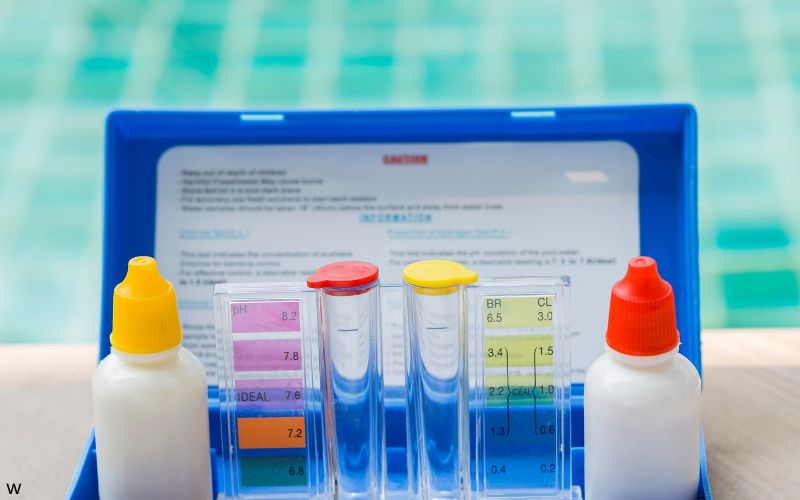
Test Your Water
Given the high arsenic levels documented in Fontana’s supply, consider independent home water testing to confirm what’s coming from your specific tap. Read Fontana Water Company’s annual Consumer Confidence Report and contact the utility at 909-822-2201 for any concerns about taste, odour, or discolouration.
Conserve Water
California’s ongoing conservation requirements place significant targets on Inland Empire communities. Water-efficient landscaping (turf replacement programmes are available), efficient appliances, and mindful usage all reduce consumption — and also reduce the volume of treated water moving through ageing distribution infrastructure.
Install Home Filtration
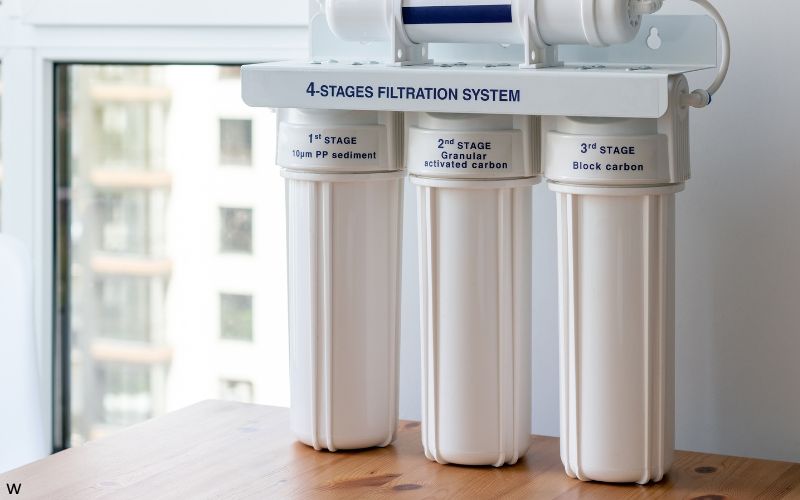
Due to elevated arsenic and disinfection byproduct levels, home filtration is strongly recommended. Reverse osmosis systems are the most effective option for arsenic removal. Look for filters certified to NSF/ANSI 58 (RO) or NSF/ANSI 53 for arsenic. See our water filter solutions guide for vetted recommendations.

Stay Informed on Regulations
Follow updates from the California Public Utilities Commission regarding rate changes and service improvements. Fontana Water Company operates under CPUC regulation, which mandates transparent rate-setting and service quality standards. New California PFAS monitoring rules introduced in 2024–2025 will require more comprehensive reporting from utilities — expect updated data to become available through 2026 and 2027.

Report Issues
Contact Fontana Water Company at 909-822-2201 for main breaks, pressure problems, billing questions, or quality concerns. Office hours are Monday–Thursday 7:30am–5:30pm, alternating Fridays 7:30am–4pm, at 15966 Arrow Route, Fontana, CA 92335. You can also monitor current water alerts and our boil water tracker for any live notices in your area.
Frequently Asked Questions
Is Fontana’s tap water safe to drink in 2026?
Fontana’s tap water meets all federal and state compliance standards, but contains contaminants at levels significantly above what many health researchers and organisations such as EWG consider protective for long-term consumption. Arsenic is documented at 82 times above EWG health guidelines, and disinfection byproducts are among the highest recorded in California.
Fontana Water Company conducts regular testing and publishes annual Consumer Confidence Reports by 1 July each year. The utility works closely with the California State Water Resources Control Board Division of Drinking Water to maintain compliance. However, federal MCLs — particularly for arsenic — have not been updated to reflect current cancer risk science. Home filtration with a certified reverse osmosis or activated carbon system is strongly recommended. See our filter guide for options suitable for arsenic removal.
How will California’s water conservation rules affect Fontana in 2026?
California’s permanent urban water conservation framework — building on legislation passed in 2018 and extended through subsequent regulation — continues to shape water use targets for Inland Empire communities in 2026:
1. Conservation targets: The Inland Empire faces among the most demanding per-capita water use reduction requirements in California, with long-term targets linked to population-adjusted indoor and outdoor use budgets
2. Water budgets: Urban suppliers must develop community-specific water budgets accounting for residential, commercial, and landscape use, with Fontana Water Company reporting annually to the State Water Board
3. Turf restrictions: AB 1572 (effective 2031) will ban the irrigation of non-functional ornamental turf with potable water — local agencies including Fontana are encouraging early turf replacement with rebate programmes
Proactive conservation — efficient landscaping, low-flow fixtures, and mindful use — helps Fontana residents stay ahead of future restrictions and potential penalty tiers.
What contaminants are found in Fontana’s water?
Based on available testing data and annual Consumer Confidence Reports, Fontana’s water contains the following contaminants of note:
• Arsenic: Detected at 82 times above EWG health guidelines — naturally occurring from the region’s geology, and a documented concern across multiple San Bernardino County water systems
• Disinfection Byproducts: HAA5 at 56x EWG guidelines; HAA9 at 297x guidelines — formed when chlorine interacts with organic matter in source water during treatment
• Fluoride: Present in the supply, both naturally occurring and potentially added; levels are within federal limits
• Aluminum and Manganese: Naturally occurring elements monitored routinely; both within compliance limits
• PFAS: Limited publicly available testing data for Fontana specifically; new California PFAS monitoring requirements introduced under the Safe Drinking Water Act should produce more data in 2026–2027
All detected contaminants are within federal compliance thresholds. However, federal MCLs — especially for arsenic — are widely regarded as insufficiently protective for long-term health. Point-of-use filtration remains the most practical protective step for residents.
Who provides water service in Fontana?
Water service in Fontana is provided by multiple utilities depending on your address:
Primary Providers:
• Fontana Water Company: The largest provider, serving over 237,000 customers as a CPUC-regulated private utility with over 75 years of service history in the region
• Cucamonga Valley Water District (CVWD): Serves portions of western Fontana
• West Valley Water District (WVWD): Serves parts of southern Fontana
Regional Treatment and Supply:
• Inland Empire Utilities Agency (IEUA): Provides regional water treatment, recycled water, and sewer services; a key partner in long-term San Bernardino County water planning
Use the City of Fontana’s online utility map at fontanaca.gov to identify your specific provider by address. For statewide water quality context and any live alerts, visit our California water quality page or our boil water tracker.
Quality News About Your Water
Get the comprehensive water quality news coverage you need with our dedicated US Water News Service. From coast to coast, we deliver in-depth reporting and expert analysis on PFAS contamination, EPA regulatory changes, infrastructure developments, and emerging water safety issues affecting communities nationwide. While mainstream media only covers the biggest stories, we provide the detailed, ongoing coverage that helps you understand the full scope of America’s water challenges.
What’s actually in your tap water? Enter your ZIP code for a full breakdown of contaminants detected in your local supply
Drinking water from a well? Check our directory here for more information
Primary Contaminants of Concern
Arsenic Contamination
Source: Naturally occurring arsenic from geological formations in bedrock and soil concentrated in Fontana’s groundwater and surface water sources. This is a regional challenge affecting multiple communities across San Bernardino County and the broader California desert southwest.
Health Effects: Long-term exposure linked to increased cancer risk (skin, lung, bladder), cardiovascular disease, type 2 diabetes, and developmental effects in children. The EPA classifies inorganic arsenic as a known human carcinogen.
Current Levels: Detected at 82 times above EWG health guidelines while meeting the federal MCL of 10 ppb. EPA Limit: 10 ppb — a standard last updated in 2001 and widely considered by researchers to be insufficiently protective against long-term cancer risk. Reverse osmosis filtration is the most effective residential solution; see our filter guide for specific product recommendations.
Disinfection Byproducts
Source: Formed when chlorine disinfectants react with naturally occurring organic matter in groundwater and surface water during treatment. Higher organic matter in Lytle Creek and the regional groundwater basins increases byproduct formation.
Health Effects: Long-term exposure to elevated levels of haloacetic acids and trihalomethanes is associated with increased risk of certain cancers, and may affect liver, kidney, and central nervous system function. The full HAA9 group includes compounds not currently regulated under federal rules but flagged by health researchers.
Current Levels: HAA5 at 56 times EWG health guidelines; HAA9 at 297 times guidelines — among the highest documented levels in California. EPA Limits: 80 ppb for total trihalomethanes (TTHMs); 60 ppb for HAA5. Both within compliance, but EWG health guidelines are set at far lower levels based on cancer risk modelling. Activated carbon and reverse osmosis filters both reduce DBP exposure — see our water filter solutions page for guidance.
Please read – our information
The information presented on cleanairandwater.net is compiled from official water quality reports, trusted news sources, government websites, and public health resources. While we strive for accuracy and thoroughness in our presentations, we are not scientists, engineers, or qualified water quality professionals.
Our mission is to present water quality information in an accessible, real-world format that helps people understand what’s in their water and make informed decisions about their health and safety. We believe that complex environmental information should be available to everyone in a format that’s easy to understand.
We make every effort to ensure our content is current and accurate, but we cannot guarantee that all information is complete or error-free. This website should not replace official communications from your local water utility or health department. We always recommend consulting official sources for the most up-to-date information regarding your specific water system.
Clean Air and Water is not liable for any unintentional errors, omissions, or outdated information. The content on this site is provided for informational purposes only and should not be considered professional advice.