Boston Water Quality at a Glance
minor concerns
Is Boston Water Safe to Drink?
Yes — Excellent Quality — Boston has some of the finest tap water in the United States, sourced from the protected Quabbin and Wachusett Reservoirs in Massachusetts. PFAS levels are non-detectable, recording zero across all six EPA-regulated compounds in the most recent testing cycle. The Massachusetts Water Resources Authority conducts over 18,000 water quality tests annually across 120+ contaminants. The main concern is lead from older home plumbing — if your property pre-dates 1987, testing is recommended.
✓ Key Strengths for Boston Residents
- Award-Winning Quality: MWRA has won “Best of the Best” for taste in national competitions — Boston’s tap water consistently ranks among the USA’s finest
- PFAS Protection: Non-detectable across all six EPA-regulated PFAS compounds — well-protected wilderness watersheds are the key reason
- Comprehensive Testing: Over 18,000 water quality tests per year monitoring 120+ potential contaminants
- Lead Service Line Programme: Active replacement programme with orthophosphate corrosion control; over 2,000 lead service lines replaced to date
- Active Boil Notices: Check our live US boil water notice tracker for any current advisories in the Boston area
Read the full report below for detailed analysis, testing data, and recommendations for Boston residents.
Advertisement — Report continues below
Great water report.
Here’s how to make it perfect.
Your water quality report shows strong results — and that’s genuinely good news. But even treated municipal water picks up residual chlorine, microplastics, and sediment between the treatment plant and your tap. A filter takes great water and makes it flawless.
✅ Improves taste, smell & clarity — removes residual chlorine and sediment that reach your glass after treatment
✅ NSF/ANSI 42, 58 & 372 certified — independently tested, not just manufacturer claims
✅ Installs in 30 minutes, no plumber — fills a glass in 8 seconds, smart LED filter monitor
Renting or can’t drill? The Waterdrop K19 Countertop RO — plug in, fill the tank, done. No installation, no drilling, no plumber.
Advertisement — this page contains affiliate links. If you buy through these links, we may earn a commission at no extra cost to you.

Boston, Massachusetts — Water Quality Report 2026: PFAS Testing, Lead Concerns & Safety
Boston Water and Sewer Commission (BWSC), established in 1977, serves over 675,000 residents across Boston and neighbouring communities through one of America’s oldest and most respected municipal water systems. The utility operates approximately 1,018 miles of water mains, numerous pumping stations, and sophisticated treatment facilities, delivering roughly 200 million gallons daily from pristine protected watersheds in Massachusetts.
Boston’s drinking water comes primarily from the Quabbin and Wachusett Reservoirs, managed by the Massachusetts Water Resources Authority (MWRA), providing some of the highest quality surface water in the nation. These remote wilderness watersheds in central and western Massachusetts are strictly protected from development and contamination under state law. Water travels to the city via gravity-fed aqueducts spanning over 65 miles — a remarkable feat of engineering that requires minimal treatment due to the exceptional quality of the source water.

Boston Water Quality: Current Status (2025–2026)
Latest Testing Results
- Lead Levels: The most recent testing period showed a 90th percentile lead level of 8.9 parts per billion (ppb) — below the EPA’s action level of 15 ppb, but reflecting the realities of an historic distribution system with legacy plumbing. Under the EPA’s revised Lead and Copper Rule (finalised 2024), utilities must now accelerate lead service line inventorying and replacement, with stricter timelines applying from 2027 onward.
- Testing Scope: MWRA conducts over 1,500 water quality tests monthly, covering more than 120 potential contaminants. Enhanced lead monitoring is carried out in older neighbourhoods where lead service lines and lead solder are more prevalent.
- Compliance Status: Boston meets all federal and Massachusetts DEP drinking water standards and regularly wins national taste awards, consistently ranking among the best-performing systems in New England alongside Cape Cod and Burlington, Vermont.
Premium Wilderness Sources
- Quabbin Reservoir: Primary source holding approximately 412 billion gallons in a protected wilderness area, supplying pristine water via gravity aqueducts located 65 miles west of Boston.
- Wachusett Reservoir: Secondary source with 65 billion gallon capacity, located 35 miles west of Boston, supplemented by transfers from Quabbin during dry periods and providing critical system redundancy.
- Watershed Protection: Both watersheds encompass over 85% forested land with strict development prohibitions and active conservation management by the Massachusetts Department of Conservation and Recreation — a key reason PFAS levels are non-detectable.
Advanced Treatment
- Minimal Treatment Required: Exceptional source water quality means only chlorination for disinfection, fluoridation for dental health, and orthophosphate dosing for corrosion control are needed at the John J. Carroll Water Treatment Plant.
- UV Disinfection: State-of-the-art ultraviolet treatment provides additional protection against Cryptosporidium and Giardia without additional chemical additives.
- Corrosion Control: Optimal orthophosphate dosing minimises lead leaching from legacy pipes throughout Boston’s extensive distribution network.
Infrastructure Modernisation
- Capital Investment: Over $100 million annual investment in water main replacement, valve upgrades, and pumping station modernisation — with a minimum of 8 miles of pipe replaced each year.
- Smart Water Management: Advanced metering infrastructure with real-time leak detection has reduced unbilled water loss from 70 MGD to under 10 MGD.
- Lead Pipe Replacement: BWSC’s comprehensive lead service line inventory and replacement programme — required under the 2024 EPA Lead and Copper Rule revisions — is prioritising vulnerable populations and high-risk areas, with over 2,000 lines replaced to date.
Climate Resilience Planning
Boston’s water system is actively adapting to climate change through comprehensive resilience planning, including sea level rise protection for coastal facilities, extreme weather preparedness protocols, and adaptive watershed management for shifting precipitation patterns. MWRA has invested in advanced weather monitoring, infrastructure hardening, and regional water-sharing agreements to ensure reliable supply through 2050. The system’s gravity-fed design and enormous reservoir storage capacity provide significant natural resilience — further reinforcing Boston’s position as one of the most secure urban water supplies in the northeastern United States.
Recommendations for Boston Residents
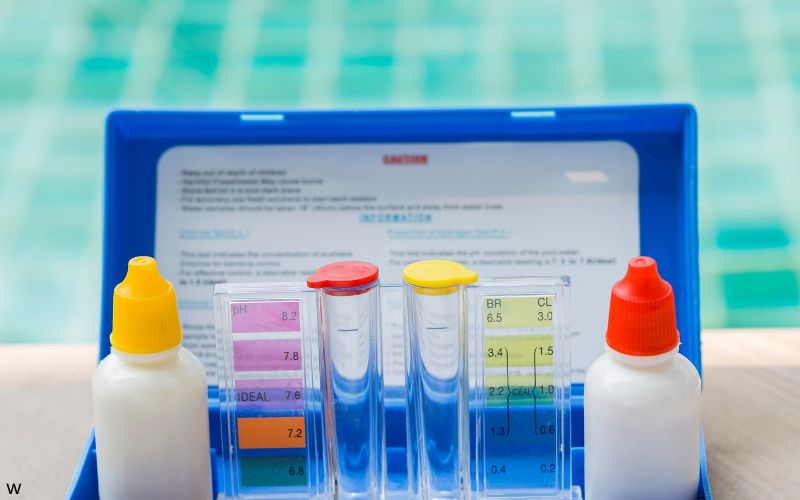
Test for Lead
If your home was built before 1987, request free water testing from BWSC at (617) 989-7000. Until your service line has been confirmed lead-free, use an NSF Standard 53-certified filter for all drinking and cooking water — these are specifically tested for lead reduction.
Run Cold Water Before Use
Always use cold water for drinking and cooking. If water has been sitting in your pipes for six or more hours — typically first thing in the morning or after returning from holiday — run the tap for one to two minutes before use to flush standing water and reduce potential metal exposure from household plumbing.
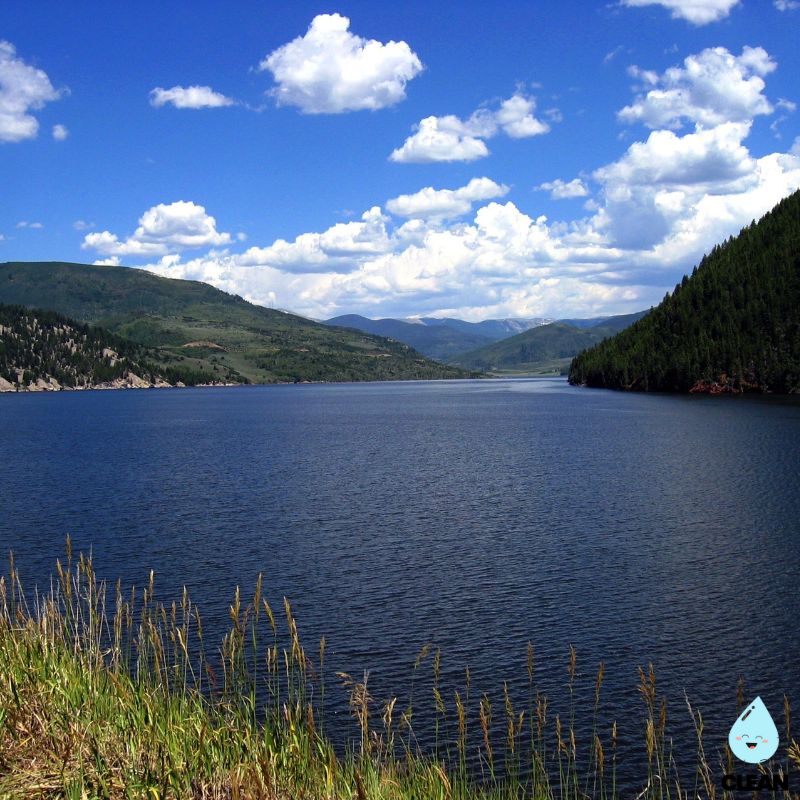
Support Watershed Protection
The reason Boston’s PFAS levels are non-detectable is largely down to the protected wilderness status of the Quabbin and Wachusett watersheds. Support conservation efforts and visit the Quabbin Reservoir Visitor Center to learn more. Your engagement helps keep development pressure off the land that keeps Boston’s water clean — one of the best natural defences against future contamination any city can have. For broader Massachusetts water quality context, see our statewide report.
Report Issues & Monitor Alerts
Contact BWSC immediately at (617) 989-7000 for water main breaks, pressure problems, or quality concerns. Use Boston 311 for non-emergency reporting and service requests. For real-time boil water advisories across Massachusetts, bookmark our live US boil water notice tracker — updated continuously from official sources.
Conserve Water
Install water-efficient fixtures and appliances, report leaks promptly, and consider rain gardens to manage stormwater run-off. While Boston’s reservoirs hold enormous capacity, conservation habits reduce the energy and chemical costs of treatment — and help protect the pristine watershed conditions that keep PFAS and other contaminants out of the supply.
Quality News About Your Water
Get the comprehensive water quality news coverage you need with our dedicated US Water News Service. From coast to coast, we deliver in-depth reporting and expert analysis on PFAS contamination, EPA regulatory changes, infrastructure developments, and emerging water safety issues affecting communities nationwide. While mainstream media only covers the biggest stories, we provide the detailed, ongoing coverage that helps you understand the full scope of America’s water challenges.
What’s actually in your tap water? Enter your ZIP code for a full breakdown of contaminants detected in your local supply
Drinking water from a well? Check our directory here for more information
Frequently Asked Questions
Why is Boston’s water quality so highly regarded?
Boston’s water comes from the Quabbin and Wachusett Reservoirs — two pristine wilderness watersheds in central and western Massachusetts protected from development under state law. Together they hold over 477 billion gallons of water, and more than 85% of their surrounding land is forested with strict regulations preventing industrial and residential encroachment. This is the primary reason Boston records non-detectable PFAS levels — there are simply no significant contamination sources near the water supply.
Water travels to the city via gravity-fed aqueducts requiring minimal treatment beyond chlorination, fluoridation, and corrosion control. Independent taste tests consistently rank Boston’s tap water among the nation’s best, with MWRA earning “Best of the Best” recognition in national competition.
Should I be concerned about lead in Boston water in 2026?
Boston’s source water is lead-free, but some older homes have lead service lines or lead solder in internal plumbing that can leach lead into drinking water. The most recent 90th percentile result of 8.9 ppb is below the EPA’s 15 ppb action level, but no level of lead is considered safe — particularly for children under six and pregnant women.
If your home was built before 1987:
• Request free water testing from BWSC at (617) 989-7000
• Use an NSF Standard 53-certified filter for all drinking and cooking
• Run the tap for one to two minutes before use after six or more hours of non-use
• Always use cold water — hot water accelerates lead leaching from pipes and fixtures
Under the EPA’s 2024 Lead and Copper Rule revisions, BWSC is required to complete a full service line inventory and accelerate replacement of lead lines, with stricter compliance deadlines applying from 2027. Free filters are available for households confirmed to have lead service lines.
How is Boston preparing for climate change impacts on water?
MWRA and BWSC are implementing comprehensive climate resilience measures across the system:
• Infrastructure protection: Seawalls, flood barriers, and pump station upgrades protect coastal and low-lying facilities from sea level rise and storm surge
• Watershed management: Enhanced monitoring and adaptive forest management address shifting precipitation patterns and increased drought risk
• Emergency preparedness: Redundant power systems and emergency response protocols ensure service continuity during extreme weather events
• Regional collaboration: Water-sharing agreements with neighbouring systems provide backup capacity during supply stress periods
• Smart infrastructure: Real-time monitoring and predictive maintenance technologies enable rapid response to changing system conditions
The Quabbin Reservoir’s 412 billion gallon storage capacity provides significant inherent drought resilience — a natural advantage that few US cities can match. MWRA’s long-term capital plan extends this resilience investment through 2050.
Are there water restrictions in Boston?
Boston operates on year-round conservation guidelines rather than blanket restrictions. General guidance includes:
• Water lawns in the early morning or evening to minimise evaporation losses
• Use brooms rather than hoses to clean driveways and paths
• Install water-efficient fixtures and appliances where possible
• Report and fix leaks promptly
Drought Stage Restrictions: When activated during periods of declared drought, restrictions may include mandatory odd/even day watering schedules, limited watering windows, and prohibition on non-essential water uses such as car washing and decorative fountain operation.
Current status and any active drought restrictions are available at bwsc.org and via Boston 311. You can also monitor the live US boil water notice tracker for any emergency advisories in the Greater Boston area.
Contaminants of Concern
Lead
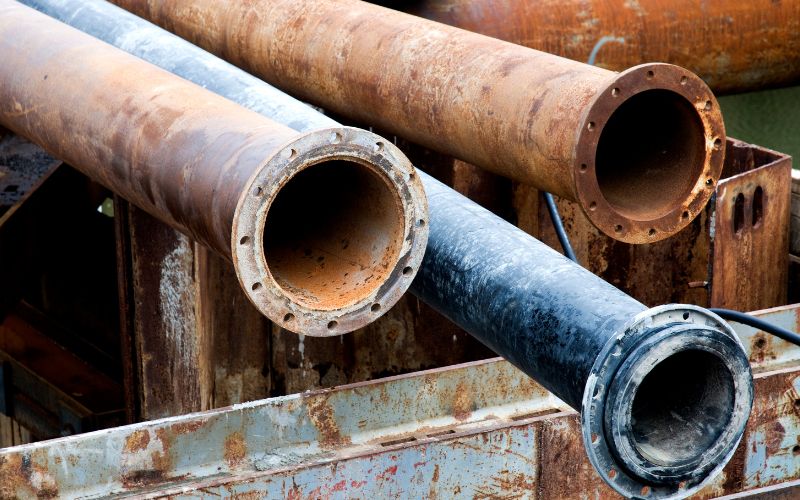
Source: Lead service lines, lead solder, and older plumbing fixtures in homes built before 1987. Boston’s treated water itself is lead-free at the point of treatment — lead enters at the household level through ageing distribution infrastructure.
Health Effects: Developmental delays and reduced IQ in young children; learning and behavioural difficulties; kidney and cardiovascular effects in adults with long-term exposure. The CDC states no safe blood lead level exists in children.
2026 Status: 90th percentile result of 8.9 ppb — below the EPA’s 15 ppb action level, but above the 10 ppb trigger level introduced under the 2024 Lead and Copper Rule revisions. BWSC is required to inventory all service lines and accelerate replacement. If your home pre-dates 1987, request free testing and consider an NSF 53-certified lead-reduction filter.
PFAS (Forever Chemicals)
Source: Industrial manufacturing, firefighting foam (AFFF), and consumer products. Boston’s strictly protected wilderness watersheds act as a natural buffer, keeping industrial and agricultural contamination sources far from the water supply.
Health Effects: Long-term exposure to certain PFAS compounds has been associated with increased cancer risk, liver damage, immune system suppression, thyroid disruption, and developmental impacts in children.
2026 Status: Non-detectable across all six EPA-regulated PFAS compounds — the sum of PFOA, PFOS, PFNA, PFHxS, HFPO-DA, and PFBS records zero in MWRA’s most recent testing cycle, comfortably below the EPA’s April 2024 finalised MCLs (4 ppt for PFOA and PFOS; 10 ppt for others). Boston is fully compliant with limits that legally take effect in 2029 — years ahead of schedule. This is a direct result of protected source water, and one of the strongest PFAS results of any major US city. See our Massachusetts water quality overview for statewide PFAS context.
Please read – our information
The information presented on cleanairandwater.net is compiled from official water quality reports, trusted news sources, government websites, and public health resources. While we strive for accuracy and thoroughness in our presentations, we are not scientists, engineers, or qualified water quality professionals.
Our mission is to present water quality information in an accessible, real-world format that helps people understand what’s in their water and make informed decisions about their health and safety. We believe that complex environmental information should be available to everyone in a format that’s easy to understand.
We make every effort to ensure our content is current and accurate, but we cannot guarantee that all information is complete or error-free. This website should not replace official communications from your local water utility or health department. We always recommend consulting official sources for the most up-to-date information regarding your specific water system.
Clean Air and Water is not liable for any unintentional errors, omissions, or outdated information. The content on this site is provided for informational purposes only and should not be considered professional advice.