Cape Cod Water Quality at a Glance
Is Cape Cod Water Safe to Drink?
Public Systems Generally Good, Private Wells Risky — Most Cape Cod public water systems meet all federal and state drinking water standards, but severe PFAS contamination from military bases and fire training areas continues to threaten the sole-source aquifer. Private wells remain particularly vulnerable, with some hotspot areas near Hyannis fire training academy recording levels 225 times the Massachusetts PFAS6 standard of 20 ppt. See our Massachusetts water quality overview for statewide context.
⚠️ Key Concerns for Cape Cod Residents
- PFAS “Forever Chemicals”: Extreme contamination from Joint Base Cape Cod and fire training facilities affecting Hyannis, Mashpee, and Falmouth areas — among the most severe in New England
- Sole Source Aquifer: No alternative water source for 200,000 year-round and 500,000 summer residents makes contamination especially dangerous
- Private Wells at Risk: Over 3,600 private wells lack mandatory PFAS testing requirements; many in contamination plume areas are likely affected
- Military Legacy Pollution: Decades of AFFF firefighting foam use at bases created persistent groundwater contamination plumes that will take years to fully remediate
Read the full 2026 report below for detailed analysis, town-specific data, and actionable recommendations for Cape Cod residents.
advertisment – report continues below
Your water passed the test.
Legal isn’t the same as safe.
Regulated contaminants like PFAS, chromium-6, and disinfection byproducts can sit inside the legal limit and still carry long-term health risks. Passing isn’t the same as clean.
✅ Removes PFAS, lead & chromium-6 — the contaminants most flagged even in passing city reports
✅ NSF/ANSI 42, 58 & 372 certified — independently tested, not just manufacturer claims
✅ Installs in 30 minutes, no plumber — fills a glass in 8 seconds, smart LED filter monitor
Renting or can’t drill? The Waterdrop K19 Countertop RO — plug in, fill the tank, done. No installation, no drilling, no plumber.
Advertisement — this page contains affiliate links. If you buy through these links, we may earn a commission at no extra cost to you.

Cape Cod — Massachusetts — Water Quality Report 2026: PFAS Testing, Infrastructure Concerns & Safety Across the Region
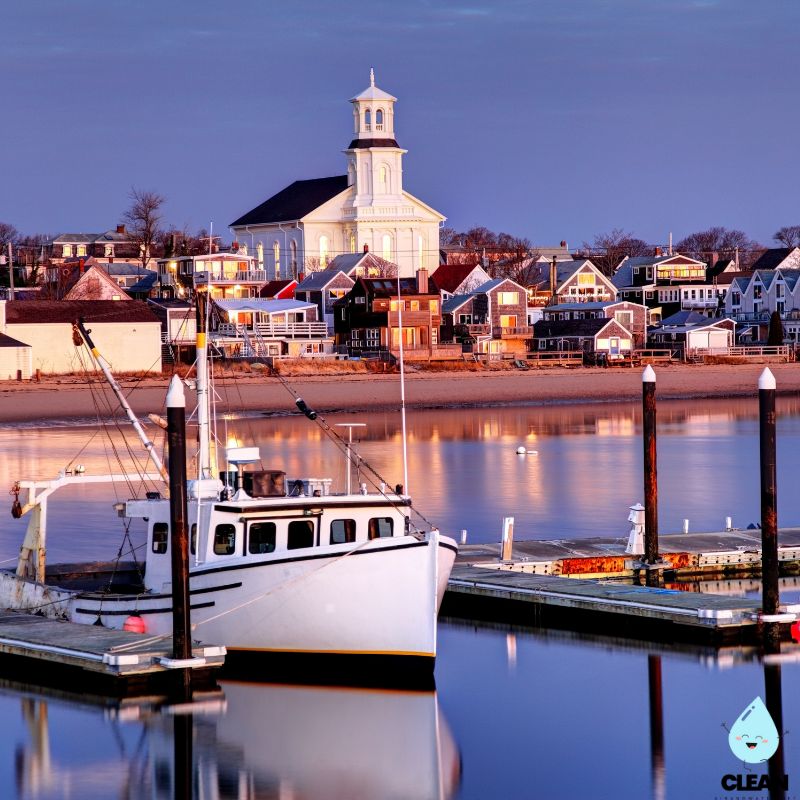
Cape Cod’s water systems form a decentralised network of 21 public water suppliers serving over 200,000 year-round residents and up to 500,000 seasonal visitors. Unlike many urban areas — including nearby Boston — Cape Cod relies almost exclusively on groundwater from the sole-source Cape Cod Aquifer, a pristine underground reservoir formed by glacial deposits that provides nearly 100% of the region’s drinking water. This fragmented system includes approximately 1,800 miles of water mains across 15 townships, with individual water districts drawing from over 160 public supply wells reaching depths of 100–400 feet into the aquifer.
Cape Cod’s drinking water originates from precipitation that filters through sandy soils into the underlying aquifer, naturally protected by the Cape Cod National Seashore and various conservation lands. The region’s water has historically been known for its exceptional purity, requiring minimal treatment compared to surface water systems. However, Cape Cod faces unique and serious challenges: saltwater intrusion due to its peninsula geography, nitrate contamination from septic systems, and severe PFAS contamination from decades of military activity. Water districts have implemented advanced treatment technologies, expanded monitoring programmes, and public education campaigns to address these threats while preserving the naturally high quality of the aquifer. For statewide regulatory context, see our Massachusetts water quality guide.
Cape Cod Water Quality: Current Status (2025–2026)
Latest Testing Results
- PFAS Levels: PFAS contamination varies dramatically across Cape Cod. Some areas near military fire training sites in Hyannis continue to show levels 225 times the Massachusetts PFAS6 standard (20 ppt), equating to over 4,500 ppt — among the highest recorded in New England — while many public water systems now maintain levels below detection limits following installation of advanced treatment.
- Testing Scope: Cape Cod water suppliers collectively conduct over 75,000 water quality tests annually, with expanded monitoring for emerging contaminants including quarterly PFAS testing at all public supply wells. Testing was further broadened in 2024 following the EPA’s finalisation of the 4 ppt MCL for individual PFAS compounds.
- Compliance Status: All Cape Cod public water districts currently meet federal Safe Drinking Water Act standards. Based on 2024–2025 Consumer Confidence Reports, 19 of 21 systems hold “excellent” ratings and 2 hold “good” ratings — though private well owners fall outside this regulatory umbrella.
Protected Aquifer System
- Sole-Source Aquifer: The EPA-designated Cape Cod Aquifer provides 100% of the region’s drinking water, composed of six lens-shaped groundwater cells floating above denser saltwater. It is the only water source for 200,000 year-round residents and 500,000 summer visitors — making contamination events particularly high-stakes.
- Natural Filtration: The aquifer’s sandy glacial composition provides excellent natural filtration. Groundwater is typically extracted from depths of 100–400 feet after decades of natural purification through permeable glacial deposits.
- Watershed Protection: Over 100,000 acres of protected land — including Cape Cod National Seashore, state forests, and local conservation areas — help maintain source water quality through development restrictions and wellhead buffer zones.
Treatment Technologies
- PFAS Treatment: Multiple Cape water districts have installed granular activated carbon (GAC) and ion exchange treatment systems at affected wells to remove PFAS compounds. Hyannis Water System led early implementation following severe contamination from the nearby Barnstable County Fire/Rescue Training Academy; additional systems came online in 2024–2025. See our water filter solutions guide for home filtration options.
- Minimal Disinfection: Most Cape systems use minimal chlorination due to the naturally protected groundwater source, resulting in lower disinfection byproduct (DBP) formation compared to surface water systems such as those serving Boston.
- Emerging Solutions: Pilot programmes are testing advanced oxidation processes and biofiltration tailored to Cape Cod’s unique water chemistry, with focus on PFAS removal efficiency and minimising treatment costs for smaller water districts.
Infrastructure Challenges
- Saltwater Intrusion Monitoring: An extensive network of sentinel wells monitors for early signs of saltwater intrusion from rising sea levels and increased summer pumping, particularly critical near coastal wells during peak tourist season.
- System Expansion: Strategic extension of municipal water mains to areas previously reliant on private wells is ongoing, prioritising households near Joint Base Cape Cod and fire training facilities where PFAS contamination is confirmed.
- Climate Resilience: Infrastructure upgrades — including elevated wellheads and flood-resistant pump station designs — are being implemented to protect the sole-source aquifer from coastal flooding and storm surge risk, which is increasing with sea-level rise.
Community Protection Initiatives
Cape Cod’s water districts offer comprehensive community support including subsidised PFAS testing for private well owners (over 3,600 wells remain outside mandatory testing requirements), filter rebate programmes for affected households, and water conservation incentives to protect aquifer levels. The Cape Cod Water Protection Collaborative coordinates regional response to water quality threats, while educational programmes engage both residents and seasonal visitors in source water protection. The region’s strong environmental culture has fostered innovative approaches to emerging contaminant management, with an emphasis on early detection and transparent public communication. Check our live boil water advisory tracker for any active alerts across Cape Cod and Massachusetts.
Recommendations for Cape Cod Residents
Test Your Well Water
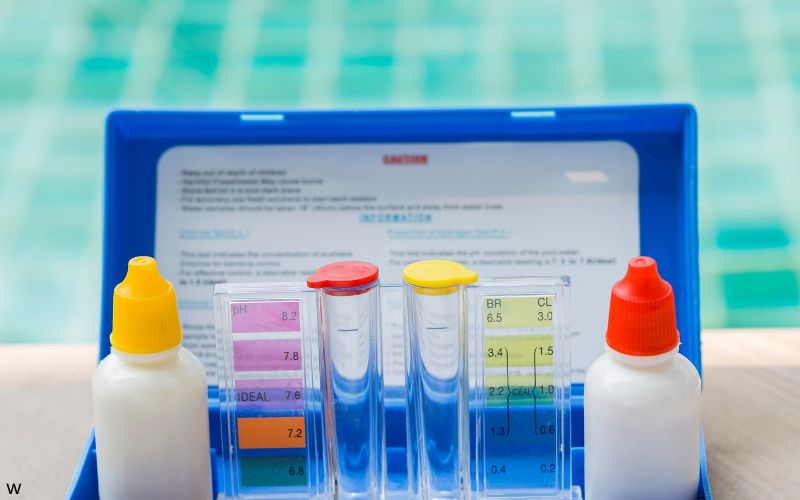
Private well owners should test annually for PFAS, nitrates, and volatile organic compounds. Contact your town health department or the Barnstable County Health Department for subsidised testing programmes. PFAS testing is especially critical for wells near military sites, airports, or fire training facilities. The EPA’s 2024 PFAS MCL of 4 ppt for PFOA/PFOS means testing thresholds are stricter than ever.
Install PFAS Filtration
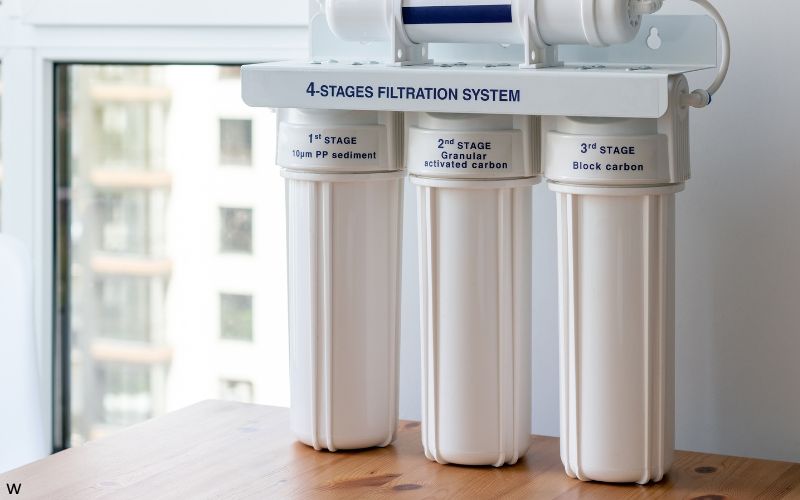
If PFAS is detected in your water, install NSF/ANSI 58-certified reverse osmosis or NSF/ANSI 53-certified activated carbon filtration. Point-of-entry (whole-house) systems are recommended for confirmed high-contamination areas. See our full water filter solutions guide for product recommendations and rebate information from local water departments.
Conserve Water
Protect the sole-source aquifer by installing WaterSense-certified fixtures, limiting outdoor irrigation during peak summer months, and timing high-volume water use for off-peak hours. Most water districts offer rebates for WaterSense-certified appliances — a small investment that meaningfully reduces pressure on the aquifer.
Maintain Septic Systems
Properly maintain your septic system with pumping every 3–5 years and avoiding harsh chemicals that can contaminate groundwater. Consider nitrogen-reducing innovative/alternative (I/A) septic technologies, which are increasingly required in sensitive watershed zones across Barnstable County to protect the aquifer and coastal estuaries.

Report Water Concerns
Contact your local water department immediately for water quality issues or service disruptions. For regional concerns, the Cape Cod Commission Water Resources programme can be reached at (508) 362-3828. You can also check our live U.S. boil water advisory tracker for active alerts in your area.
Quality News About Your Water
Get the comprehensive water quality news coverage you need with our dedicated US Water News Service. From coast to coast, we deliver in-depth reporting and expert analysis on PFAS contamination, EPA regulatory changes, infrastructure developments, and emerging water safety issues affecting communities nationwide. While mainstream media only covers the biggest stories, we provide the detailed, ongoing coverage that helps you understand the full scope of America’s water challenges.
What’s actually in your tap water? Enter your ZIP code for a full breakdown of contaminants detected in your local supply
Drinking water from a well? Check our directory here for more information
Frequently Asked Questions
Is Cape Cod’s tap water safe to drink in 2026?
Public water supplies on Cape Cod generally meet all federal and Massachusetts state drinking water standards. Based on the most recent Consumer Confidence Reports, 19 of 21 public systems hold “excellent” ratings and 2 hold “good” ratings. The region’s groundwater source provides naturally high-quality water requiring minimal treatment.
However, Cape Cod faces severe PFAS contamination from decades of military firefighting foam use, with documented hotspot areas reaching levels 225 times the Massachusetts PFAS6 standard of 20 ppt. Public water districts have installed advanced treatment where needed, but approximately 20% of Cape residents rely on private wells that fall outside mandatory PFAS testing requirements. Private well owners — especially those near Joint Base Cape Cod, the Barnstable County Fire/Rescue Training Academy, or regional airports — should test regularly. If contamination is detected, certified filtration systems can effectively remove PFAS. See our Massachusetts state water quality page for broader regulatory context.
Why are PFAS chemicals such a serious concern on Cape Cod?
PFAS (per- and polyfluoroalkyl substances) are synthetic “forever chemicals” that persist indefinitely in the environment and accumulate in the body. Cape Cod faces among the most severe PFAS challenges in New England for three main reasons:
1. Decades of AFFF firefighting foam use at Joint Base Cape Cod and the Barnstable County Fire/Rescue Training Academy created some of the highest groundwater contamination levels recorded in the northeastern United States.
2. The Cape’s highly permeable sandy soils allow contaminants to travel rapidly and widely through the sole-source aquifer — the only drinking water source for 200,000 year-round and 500,000 summer residents.
3. Legacy plumes will persist for decades without active remediation, and new sensitive endpoints for PFAS health effects continue to emerge from ongoing research.
Massachusetts enforces a PFAS6 standard of 20 ppt (total of six compounds). The EPA’s 2024 National Primary Drinking Water Regulation sets individual MCLs of 4 ppt for PFOA and PFOS. Known health concerns associated with PFAS exposure include developmental effects in children, immune suppression, thyroid disruption, and potential links to certain cancers. Ongoing cleanup efforts and advanced treatment installations are actively reducing exposure for public water users.
How does Cape Cod manage seasonal water demand?
Cape Cod’s population swells from around 200,000 year-round residents to over 500,000 during summer months — a scale of seasonal demand fluctuation virtually unmatched by any similarly sized water system in the country. The sole-source aquifer makes management especially critical:
• Tiered rate structures: Higher water rates during peak usage periods incentivise household conservation
• Seasonal pumping strategies: Water districts rotate well use to prevent localised aquifer drawdown and saltwater intrusion near coastal wells
• Storage infrastructure: Most districts maintain elevated storage tanks to buffer peak demand, reducing the need for continuous high-volume pumping
• Outdoor water restrictions: Typically implemented May through September to limit non-essential outdoor use during peak demand periods
• Saltwater intrusion monitoring: Increased vigilance of coastal sentinel wells during summer pumping season, with drawdown limits enforced to protect aquifer integrity
These combined strategies help maintain aquifer levels and water quality despite significant seasonal pressure, protecting Cape Cod’s only drinking water source for future generations.
What outdoor water restrictions apply on Cape Cod?
Cape Cod implements seasonal outdoor water use restrictions to protect the sole-source aquifer during peak demand. Rules vary slightly by district but typically follow this framework:
Standard Seasonal Restrictions (May–September):
• Odd/even day outdoor watering based on street address
• No irrigation between 9am–5pm when evaporation rates are highest
• Hand watering of gardens and new plantings generally permitted at any time
Drought Response Tiers:
During drought conditions, which are increasingly common given changing precipitation patterns, additional restrictions may include:
• One-day-per-week watering schedule (Mild Drought)
• Hand watering only for established landscapes (Moderate Drought)
• Complete ban on all outdoor watering (Severe Drought)
Check your local water district’s website or the Cape Cod Commission’s WaterWatch portal for current restriction status. Active boil water advisories for the broader Massachusetts area can be tracked via our live U.S. boil water advisory tracker.
Contaminants of Concern
PFAS
Source: Aqueous film-forming foam (AFFF) used for decades at Joint Base Cape Cod and the Barnstable County Fire/Rescue Training Academy created severe contamination hotspots in groundwater. Additional PFAS sources include consumer products, landfill leachate, and wastewater percolating from septic systems.
Health Effects: Developmental effects in children, immune system suppression, thyroid disruption, elevated cholesterol, and potential links to certain cancers with long-term exposure. The EPA formally recognised these risks in its 2024 PFAS MCL rulemaking.
Current Status: Levels range from non-detect in treated public systems to over 4,500 ppt (225× the state standard) near fire training areas. MA DEP Limit: 20 ppt for the sum of six PFAS compounds (PFAS6). Federal MCL (2024): 4 ppt for PFOA and PFOS individually. For home treatment options, see our water filter solutions guide.
Saltwater Intrusion
Source: Overpumping of wells near coastlines — especially during peak summer months when the population more than doubles — combined with accelerating sea-level rise causing the saltwater-freshwater interface to migrate inland through the peninsula’s highly permeable soils.
Health Effects: Elevated sodium intake can affect people with hypertension or conditions requiring sodium restriction. Saltwater intrusion also accelerates corrosion in plumbing infrastructure and reduces water palatability.
Current Status: Early indicators continue to be detected in some coastal sentinel wells during peak summer demand. Strategic pumping schedules and real-time monitoring networks have so far prevented significant large-scale intrusion into the sole-source aquifer, but the risk is expected to grow with climate change. For the latest active alerts on Cape Cod, check our live boil water advisory tracker.
Please read – our information
The information presented on cleanairandwater.net is compiled from official water quality reports, trusted news sources, government websites, and public health resources. While we strive for accuracy and thoroughness in our presentations, we are not scientists, engineers, or qualified water quality professionals.
Our mission is to present water quality information in an accessible, real-world format that helps people understand what’s in their water and make informed decisions about their health and safety. We believe that complex environmental information should be available to everyone in a format that’s easy to understand.
We make every effort to ensure our content is current and accurate, but we cannot guarantee that all information is complete or error-free. This website should not replace official communications from your local water utility or health department. We always recommend consulting official sources for the most up-to-date information regarding your specific water system.
Clean Air and Water is not liable for any unintentional errors, omissions, or outdated information. The content on this site is provided for informational purposes only and should not be considered professional advice.