Garland Texas Water Quality at a Glance
Is Garland Texas Water Safe to Drink?
Yes, Generally Safe — Garland’s water consistently meets all federal and state drinking water standards. The city purchases treated water from the North Texas Municipal Water District (NTMWD), which draws from multiple protected lake sources. Key concerns include chromium-6 levels at 91.2 parts per trillion (approximately 4x higher than levels associated with negligible cancer risk) and disinfection byproducts from chloramine treatment. Recent lead testing shows a 90th percentile result of 3.88 ppb, well below EPA’s 15 ppb action level. PFAS monitoring across NTMWD’s service area continues through 2025, with most results below EPA’s enforceable 4 ppt limit.
⚠️ Key Concerns for Garland Residents in 2026
- Chromium-6: Detected at 91.2 ppt — approximately 4x higher than the level associated with negligible cancer risk, though below EPA’s total chromium MCL
- Disinfection Byproducts: TTHMs at 36 ppb and HAA5 at 25 ppb from chloramine treatment; both well within EPA limits but worth monitoring
- PFAS Monitoring: NTMWD acknowledges a few results in its service area have exceeded the new EPA 4 ppt limits; all systems face a compliance monitoring deadline of April 2027
- Chloramine Taste: Unlike chlorine, chloramine disinfectant creates a persistent taste that does not fade overnight; an annual switch to free chlorine occurs each March
Read the full report below for detailed analysis, water source information, and actionable recommendations for Garland residents.
Advertisement — Report continues below
Great water report.
Here’s how to make it perfect.
Your water quality report shows strong results — and that’s genuinely good news. But even treated municipal water picks up residual chlorine, microplastics, and sediment between the treatment plant and your tap. A filter takes great water and makes it flawless.
✅ Improves taste, smell & clarity — removes residual chlorine and sediment that reach your glass after treatment
✅ NSF/ANSI 42, 58 & 372 certified — independently tested, not just manufacturer claims
✅ Installs in 30 minutes, no plumber — fills a glass in 8 seconds, smart LED filter monitor
Renting or can’t drill? The Waterdrop K19 Countertop RO — plug in, fill the tank, done. No installation, no drilling, no plumber.
Advertisement — this page contains affiliate links. If you buy through these links, we may earn a commission at no extra cost to you.

Garland — Texas — Water Quality Report 2026: PFAS Testing, Infrastructure & Safety
The City of Garland provides comprehensive water services to approximately 250,000 residents across the greater Garland metropolitan area in northeast Dallas County. As one of the original founding member cities of the North Texas Municipal Water District (NTMWD) established in 1951, Garland purchases all of its treated drinking water from NTMWD and operates an extensive distribution system including over 1,017 miles of water lines, more than 8,000 fire hydrants, and over 98,295 connections to deliver safe, reliable water to homes and businesses throughout the community.
Garland’s water originates from multiple surface water sources managed by NTMWD, including Lavon Lake, Lake Chapman (Cooper Lake), Lake Tawakoni, Lake Texoma, and the innovative East Fork Raw Water Supply Project featuring the John T. Bunker Sands Wetlands. Water is treated at NTMWD’s advanced facilities in Wylie before being delivered to Garland through five entry points. Looking ahead, NTMWD has announced plans to invest an estimated $1.1 billion in infrastructure improvements across its service area to secure long-term water supply and treatment capacity for member cities including Garland. See how Garland compares to neighbouring cities on our Dallas and Irving water quality pages, and check our Texas state water quality report for the broader picture.

Garland Water Quality: Current Status (2025–2026)
Latest Testing Results
- Lead and Copper Monitoring: Garland’s most recent testing shows full compliance with EPA Lead and Copper Rule requirements. The 90th percentile lead concentration is 3.88 ppb — well below the EPA action level of 15 ppb. NTMWD has completed its service line inventory and confirmed no lead, galvanized-requiring-replacement, or lead-status-unknown service lines in its treatment system.
- Weekly Quality Testing: Garland Water Utilities and NTMWD together conduct thousands of water quality tests annually, with NTMWD alone performing over 250,000 samples per year. All samples are processed through state-certified laboratories to ensure ongoing compliance.
- Compliance Status: Garland’s water consistently meets all federal and state drinking water standards, maintaining full compliance with EPA and Texas Commission on Environmental Quality (TCEQ) regulations. The 2024 Consumer Confidence Report is available at GarlandWater.com.
Water Sources
- Multiple Lake Sources: NTMWD draws raw water from Lavon Lake, Lake Chapman (Cooper Lake), Lake Tawakoni, and Lake Texoma, providing a diversified and resilient source water supply for Garland and the wider North Texas region.
- East Fork Raw Water Project: Includes the innovative John T. Bunker Sands Wetlands near Kaufman — a cutting-edge constructed wetlands system providing additional natural water treatment and environmental protection before water reaches NTMWD’s treatment plants.
- Regional Water Security: NTMWD’s diversified supply approach ensures long-term water security for Garland and all 13 member cities. The planned $1.1 billion infrastructure investment will further extend assured supply capacity across the region.
Advanced Treatment Technology
- NTMWD Treatment Plants: Water is treated at NTMWD’s Wylie facilities using comprehensive multi-barrier processes including coagulation, flocculation, sedimentation, filtration, and disinfection — among the most effective treatment approaches available.
- Chloramine Disinfection: Garland’s water is disinfected with chloramine (chlorine combined with ammonia), providing longer-lasting residual protection throughout the distribution system compared to free chlorine.
- Annual Disinfection Switch: Each March, NTMWD temporarily switches from chloramine to free chlorine for approximately 30 days — in 2025 this ran from March 3–31 — to maintain system cleanliness and prepare for peak summer demand. Residents may notice a stronger chlorine taste during this period; water remains safe throughout.
Infrastructure and Capital Investment
- Distribution System: Garland’s system comprises 1,017 miles of distribution pipelines, more than 8,000 fire hydrants, and over 98,295 water service connections — continuously monitored for leaks, quality, and necessary repairs.
- Storage and Redundancy: Eight ground storage tanks and four elevated storage tanks provide system reliability and maintain consistent water pressure throughout the service area.
- NTMWD Capital Plan: NTMWD has announced an estimated $1.1 billion investment programme to upgrade treatment capacity, expand water supply, and support PFAS compliance across its 13-member-city service area. Garland’s own planned capital spending for 2025–2029 totals $499 million, primarily focused on wastewater system upgrades.
PFAS and Emerging Contaminants — 2025–2026 Update
NTMWD participated in EPA’s UCMR 5 programme, with sample collection running from January 2023 through December 2025. NTMWD has acknowledged that while most PFAS results across its service area are below the EPA’s enforceable 4 ppt MCLs for PFOA and PFOS, a few results have exceeded those limits. NTMWD is conducting a holistic evaluation of its water, wastewater, and solid waste systems to plan for PFAS management and regulatory compliance over the next five to ten years. All systems must complete initial PFAS compliance monitoring by April 2027, with full MCL compliance required by 2031. TCEQ — the state regulator — enforces these requirements for Texas water systems. Residents seeking additional protection can explore NSF-certified filter options on our water filter solutions page. Monitor active alerts for the Dallas-Fort Worth area on our live boil water notices tracker.
Recommendations for Garland Residents

Monitor Your Water
Contact Garland Water Department at 972-205-3210 for water quality information or concerns. Review the city’s 2024 Consumer Confidence Report at GarlandWater.com and check NTMWD’s quarterly PFAS results as they are published through 2025. Stay up to date with local alerts on our water alert news page.

Follow Water Restrictions
Adhere to Garland’s outdoor watering schedule: odd-numbered addresses water on Wednesdays and Saturdays; even-numbered addresses on Thursdays and Sundays. No watering between 10 AM and 6 PM to reduce evaporation. Automatic sprinkler systems must have rain and freeze sensors installed. Violations may result in fines — contact 972-205-2671 for current restrictions.
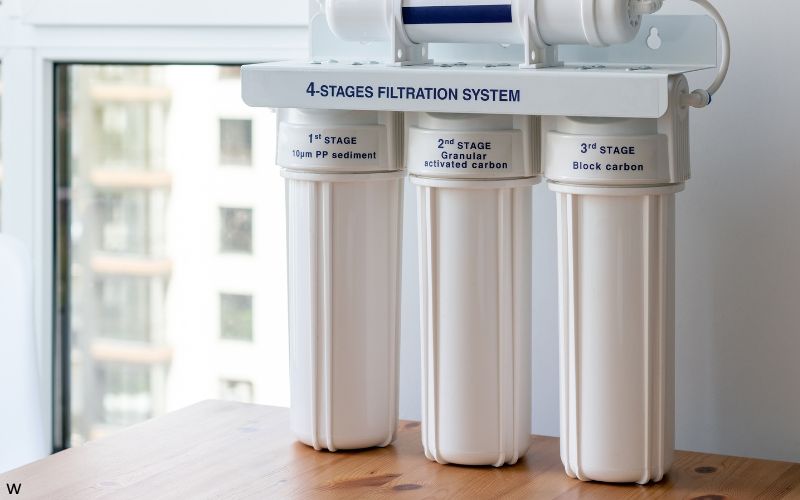
Consider Filtration for Chloramines and Chromium-6
Since Garland uses chloramine disinfection, standard carbon filters may be less effective — look for filters specifically certified for chloramine removal. For chromium-6 (detected at 91.2 ppt) and any residual PFAS risk, a reverse osmosis system certified to NSF/ANSI 58 provides the broadest protection. Browse our recommended water filter solutions for 2026.
Take Advantage of Conservation Credits
Apply for Garland’s Conservation Credit Programme offering rebates for water-efficient toilets and washing machines. Contact Garland Water Utilities for current rebate amounts and eligibility requirements. Water conservation helps protect the shared reservoir sources that supply the entire NTMWD region.

Report Issues Promptly
Contact Garland Water Utilities at 972-205-2671 for customer service or water emergencies. The department operates 24/7 to address water main breaks, pressure problems, or quality concerns. You can also monitor active boil water notices for the wider Dallas-Fort Worth area on our live boil water notices tracker.
Frequently Asked Questions
Is Garland’s tap water safe to drink in 2026?
Yes, Garland’s tap water meets all federal and state drinking water standards. The city purchases treated water from NTMWD, which draws from multiple protected lake sources and treats water using advanced multi-barrier processes at its Wylie facility.
Garland Water Utilities and NTMWD conduct extensive testing — NTMWD alone performs over 250,000 quality tests annually. The 90th percentile lead result of 3.88 ppb is well below EPA’s 15 ppb action level, and NTMWD has confirmed no lead service lines in its treatment system. PFAS testing under EPA’s UCMR 5 programme ran through December 2025, with most results in NTMWD’s service area below the 4 ppt MCL for PFOA and PFOS. Residents with concerns about chromium-6 or chloramine taste may wish to consider certified home filtration — see our filter solutions page for guidance.
Why does Garland’s water taste different from other cities?
Garland uses chloramine disinfection (chlorine combined with ammonia) rather than free chlorine. This provides longer-lasting residual protection throughout the distribution system but produces a distinctive taste that some residents notice.
Unlike chlorine taste, which fades when water sits overnight in an open container, chloramine taste persists. Each March, NTMWD temporarily switches to free chlorine for about 30 days (March 3–31 in 2025) to maintain system cleanliness ahead of peak summer demand. Residents typically notice a stronger chlorine smell during this period. Water remains completely safe throughout all disinfection processes. If taste is a concern, look for filters specifically certified for chloramine removal — standard carbon block filters are less effective against chloramines than against free chlorine.
What are Garland’s current water restrictions?
Garland has implemented outdoor watering restrictions to ensure sustainable use of shared North Texas water resources:
Outdoor Watering Schedule:
• Odd-numbered addresses: Wednesdays and Saturdays
• Even-numbered addresses: Thursdays and Sundays
• No watering between 10 AM and 6 PM to minimise evaporation losses
Equipment Requirements:
• Automatic sprinkler systems must have rain and freeze sensors
• Hand watering is permitted at any time using an attended hose with shut-off nozzle, soaker hose, or drip irrigation
• Vehicle washing is permitted only with a shut-off nozzle or bucket
Violations may result in fines. For current restrictions and any seasonal updates, contact 972-205-2671 or visit GarlandWater.com.
Where does Garland get its water?
Garland purchases all treated water from the North Texas Municipal Water District (NTMWD), which draws raw water from multiple protected sources across the region:
Primary Sources:
• Lavon Lake (northeast of Dallas)
• Lake Chapman (Cooper Lake) in East Texas
• Lake Tawakoni in Hunt County
• Lake Texoma on the Texas-Oklahoma border
Innovative Features:
• East Fork Raw Water Supply Project with John T. Bunker Sands Wetlands near Kaufman — a nationally recognised constructed wetlands system providing additional natural treatment before water reaches NTMWD’s Wylie plant
This diversified multi-source approach gives Garland and all 13 NTMWD member cities strong water supply resilience. NTMWD’s planned $1.1 billion infrastructure investment will further extend and secure this supply. For the broader regional context, see our Texas water quality report and our national water quality database.
Quality News About Your Water
Get the comprehensive water quality news coverage you need with our dedicated US Water News Service. From coast to coast, we deliver in-depth reporting and expert analysis on PFAS contamination, EPA regulatory changes, infrastructure developments, and emerging water safety issues affecting communities nationwide. While mainstream media only covers the biggest stories, we provide the detailed, ongoing coverage that helps you understand the full scope of America’s water challenges.
What’s actually in your tap water? Enter your ZIP code for a full breakdown of contaminants detected in your local supply
Drinking water from a well? Check our directory here for more information
Contaminants of Concern
Disinfection Byproducts
Source: Formed when chloramine disinfectants react with naturally occurring organic matter in source water. Levels are monitored throughout the distribution system at multiple sampling points.
Health Effects: Long-term exposure to elevated levels may increase risk of bladder cancer and potentially affect liver, kidney, and central nervous system function.
Current Levels: Total trihalomethanes (TTHMs) average 36 ppb and haloacetic acids (HAA5) average 25 ppb — both well below EPA maximum contaminant limits. EPA Limits: 80 ppb for TTHMs and 60 ppb for HAA5. A reverse osmosis filter certified to NSF/ANSI 58 will reduce both TTHMs and HAA5s — see our filter recommendations.
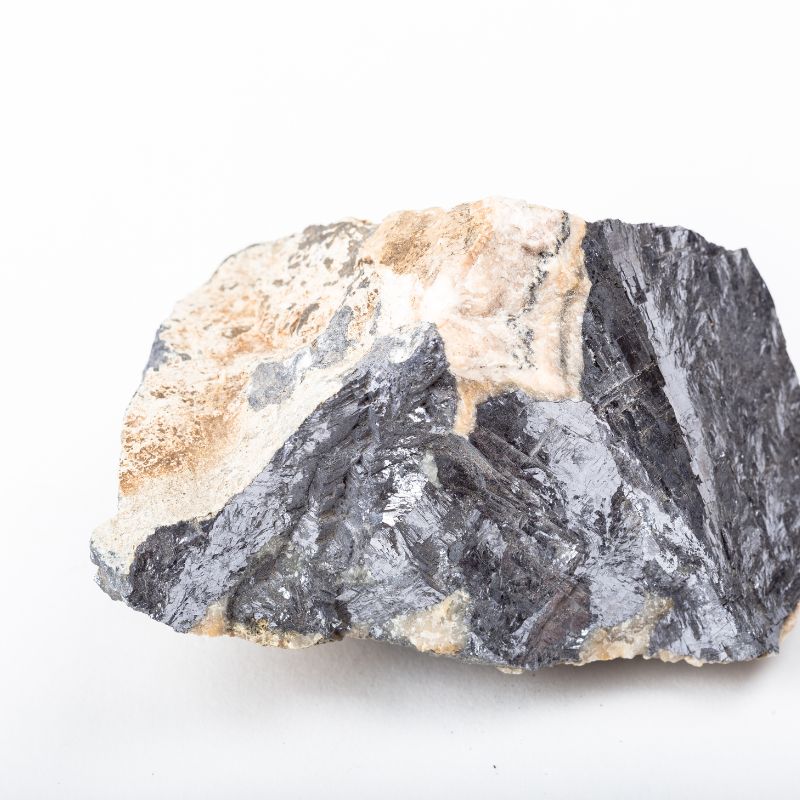
Chromium-6 and Lead
Source: Chromium-6 (hexavalent chromium) occurs naturally in rock formations and can leach into surface and groundwater; it is also associated with certain industrial processes. Lead may enter water at the tap from older home plumbing fixtures or solder — not from Garland’s distribution system itself.
Health Effects: Chromium-6 is classified as a probable human carcinogen; long-term exposure is linked to increased cancer risk. Lead exposure causes neurological damage, particularly in children and pregnant women — there is no safe level of lead exposure.
Current Status (2026): Lead testing shows a 90th percentile result of 3.88 ppb — well below EPA’s 15 ppb action level. NTMWD has confirmed no lead service lines in its treatment and transmission system. Chromium-6 is detected at an average of 91.2 ppt, approximately 4x higher than the level associated with negligible lifetime cancer risk, though below EPA’s total chromium MCL of 100 ppb. Monitoring: Regular testing conducted with particular focus on homes built before 1986 that may have lead solder or fixtures. If in doubt, flush taps for 30 seconds before using water for drinking or cooking.
Please read – our information
The information presented on cleanairandwater.net is compiled from official water quality reports, trusted news sources, government websites, and public health resources. While we strive for accuracy and thoroughness in our presentations, we are not scientists, engineers, or qualified water quality professionals.
Our mission is to present water quality information in an accessible, real-world format that helps people understand what’s in their water and make informed decisions about their health and safety. We believe that complex environmental information should be available to everyone in a format that’s easy to understand.
We make every effort to ensure our content is current and accurate, but we cannot guarantee that all information is complete or error-free. This website should not replace official communications from your local water utility or health department. We always recommend consulting official sources for the most up-to-date information regarding your specific water system.
Clean Air and Water is not liable for any unintentional errors, omissions, or outdated information. The content on this site is provided for informational purposes only and should not be considered professional advice.