Jersey City Water Quality at a Glance
major concerns
Is Jersey City Water Safe to Drink?
Generally Yes, With Significant Caution — Most Jersey City water systems meet federal standards, but the city faces PFAS contamination affecting its 262,000 residents. Additional concerns include chromium-6 detected at 90 ppt (3× above EWG’s safe cancer risk level), arsenic levels 26× above health guidelines, and elevated disinfection byproducts. As of 2026, four contaminants exceed EPA health-based limits. New Jersey’s Lead and Copper Rule Revision requires all lead service lines to be replaced by July 2031.
⚠️ Key Concerns for Jersey City Residents in 2026
- PFAS “Forever Chemicals”: All 262,000 Jersey City residents potentially exposed; part of NJ’s 7.5 million affected residents statewide — PFOA/PFOS now subject to enforceable EPA MCLs of 4 ppt since 2024
- Chromium-6: Detected at 90 ppt — over 3× EWG’s safe cancer risk level (0.02 ppb); most recent published testing dates from 2015; current levels unconfirmed
- Arsenic: EWG data shows levels 26× above their health guideline — linked to cancer, cardiovascular disease, and organ damage
- Disinfection Byproducts: TTHMs average 57.5 ppb; elevated trihalomethanes including chloroform and bromodichloromethane increase long-term cancer risk
Read the full report below for detailed analysis, city-specific data, and actionable recommendations for Jersey City residents.
advertisment – report continues below
Your water passed the test.
Legal isn’t the same as safe.
Regulated contaminants like PFAS, chromium-6, and disinfection byproducts can sit inside the legal limit and still carry long-term health risks. Passing isn’t the same as clean.
✅ Removes PFAS, lead & chromium-6 — the contaminants most flagged even in passing city reports
✅ NSF/ANSI 42, 58 & 372 certified — independently tested, not just manufacturer claims
✅ Installs in 30 minutes, no plumber — fills a glass in 8 seconds, smart LED filter monitor
Renting or can’t drill? The Waterdrop K19 Countertop RO — plug in, fill the tank, done. No installation, no drilling, no plumber.
Advertisement — this page contains affiliate links. If you buy through these links, we may earn a commission at no extra cost to you.

Jersey City Water Quality Report 2026: PFAS Testing, Infrastructure Concerns & Safety Across Your City
The Jersey City Municipal Utilities Authority (JCMUA) provides comprehensive water and sewer services to approximately 262,000 residents across New Jersey’s second-largest city. The system encompasses over 240 miles of water distribution lines and maintains 5,000 catch basins throughout the city. Jersey City receives water that meets federal standards but faces significant contamination challenges, with four contaminants exceeding EPA health-based limits as of the most recent testing cycle. The system serves residential, commercial, and institutional customers across this densely populated Hudson County metropolis, with SUEZ operating the treatment plant on JCMUA’s behalf.
Jersey City sources its drinking water primarily from the Boonton Reservoir in Morris County, with supplementary supply from the Split Rock Reservoir in Rockaway Township. Water is treated at the Jersey City Water Treatment Plant in Boonton — which purifies up to 50 million gallons per day — before travelling through 26 miles of aqueducts to reach the city. The JCMUA has committed to infrastructure modernisation through its $288 million Lead Free JC programme, targeting replacement of all estimated 16,000 lead service lines by July 2031 in compliance with New Jersey’s revised Lead and Copper Rule. A 2022 federal consent decree with the EPA and DOJ also requires significant upgrades to Jersey City’s combined sewer systems to reduce pollution discharged into the Hackensack River, Hudson River, and Newark Bay. For statewide context, see our New Jersey water quality overview.
Jersey City Water Quality: Current Status (2025–2026)
Latest Testing Results
- Federal Compliance: Jersey City’s tap water meets federal drinking water standards but contains concerning levels of multiple contaminants — including PFAS, chromium-6, arsenic, and disinfection byproducts — that exceed health guidelines set by environmental agencies. As of October 2025, four contaminants exceed EPA health-based maximum contaminant level goals (MCLGs).
- Lead Monitoring: Recent testing shows lead at a 90th percentile concentration of 4.39 parts per billion, well below the federal action level of 15 ppb. However, health authorities emphasise that no level of lead exposure is considered safe, particularly for children. JCMUA applies corrosion control phosphate at the Boonton treatment plant to minimise leaching.
- Disinfection Byproducts: Total trihalomethanes (TTHMs) average 57.5 ppb — below the 80 ppb federal limit but significantly elevated compared to better-performing systems. These byproducts form when chlorine reacts with organic matter in source water and are associated with increased long-term cancer risk. Track active contamination alerts on our live boil water notices tracker.
Water Sources and Treatment
- Boonton Reservoir: Primary source providing the majority of Jersey City’s water supply, located in Morris County with active source water quality protection measures. SUEZ monitors source water before, during, and after treatment.
- Split Rock Reservoir: Secondary source in Rockaway Township providing system redundancy and additional supply security during peak demand or emergency situations. Supplementary purchases from Newark, the Passaic Valley Water Commission, or the North Jersey District Water Supply Commission can be made if needed.
- Treatment Process: Water is processed at the Jersey City Water Treatment Plant in Boonton using multi-barrier treatment — coagulation, sedimentation, filtration, disinfection, and corrosion control. While effective against microbial threats, conventional treatment does not remove all PFAS compounds or fully eliminate disinfection byproduct formation.
Infrastructure Modernisation
- Lead Free JC Programme: The $288 million programme launched in 2022 aims to replace all estimated 16,000 lead service lines citywide by July 2031, in line with NJ’s Lead and Copper Rule Revision. JCMUA is targeting an average of 2,000 replacements per year, prioritising overburdened communities and households with sensitive populations. Residents can check their address at leadfreejc.com.
- Distribution System Upgrades: Installation of over 40 advanced insertion valves since 2020 to improve system control and reduce service interruptions, replacing some infrastructure nearly 150 years old.
- Federal Consent Decree: The 2022 agreement with the EPA and DOJ requires significant improvements to combined sewer systems and drinking water infrastructure to reduce pollution discharges into the Hackensack River, Hudson River, and Newark Bay.
Environmental Justice and Health Protection
- Priority Communities: Lead service line replacement is prioritised for disadvantaged communities and households with children and pregnant women — populations most vulnerable to lead’s developmental and neurological effects.
- PFAS Concerns: New Jersey leads the nation in PFAS regulation and was the first state to set enforceable MCLs for certain PFAS compounds. Yet Jersey City residents remain part of the 7.5 million New Jerseyans exposed to PFAS-contaminated water, with PFAS detected in 65% of NJ systems statewide. EPA’s national PFAS MCLs (4 ppt for PFOA and PFOS) became enforceable in 2024, with system compliance required by 2029. For broader New Jersey context, see our New Jersey water quality page.
- Community Outreach: JCMUA provides multilingual resources, a dedicated Lead Free JC portal, and a 24/7 emergency response line. Residents can check service line materials, track replacement progress, and submit self-identification forms through the Lead Free JC website.
Given the documented presence of multiple contaminants above EPA health guidelines — including PFAS, chromium-6, arsenic, and elevated disinfection byproducts — many Jersey City residents may benefit significantly from NSF-certified home water filtration. Check our national water quality hub to compare Jersey City’s profile against other US cities, and visit our water alert news section for the latest regulatory developments affecting New Jersey residents.
Recommendations for Jersey City Residents in 2026
Check Your Service Line
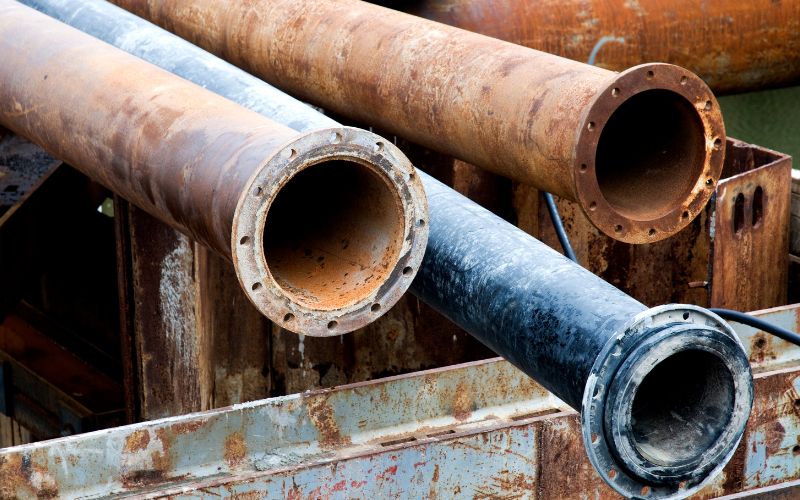
Visit leadfreejc.com to check whether your property has a lead service line. If your address is listed as “unknown,” follow the step-by-step identification instructions and report your findings to JCMUA at leadfreejc@jcmua.com or (201) 365-6189. NJ law requires all lead lines replaced by July 2031.
Get Your Water Tested
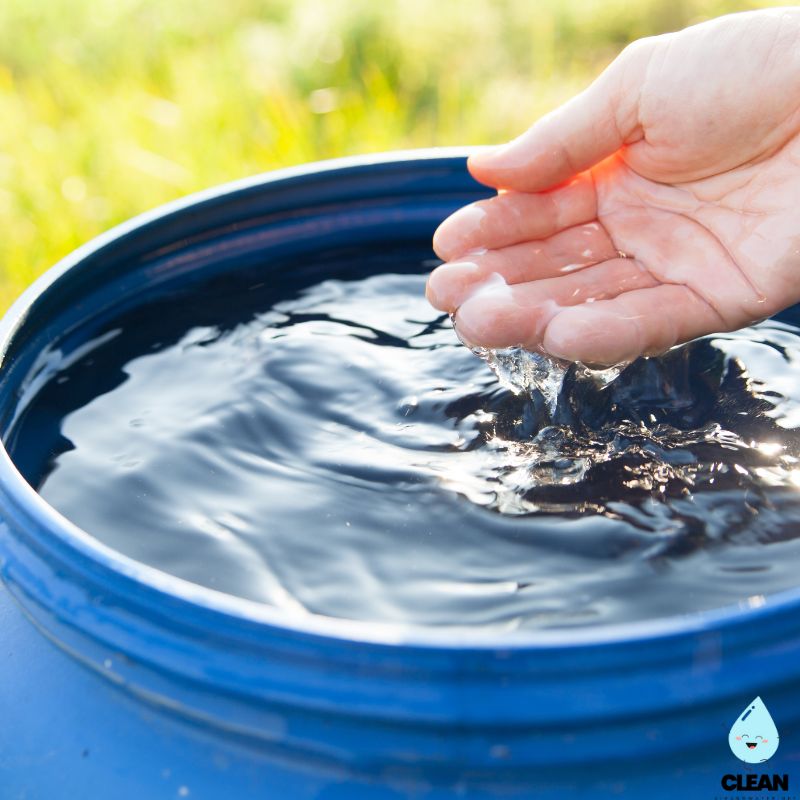
Consider independent water testing for PFAS, chromium-6, arsenic, and other contaminants of concern. With four contaminants currently exceeding EPA health-based guidelines, certified laboratory testing is especially important for households with children, pregnant women, or elderly residents. See our water quality resources for guidance.
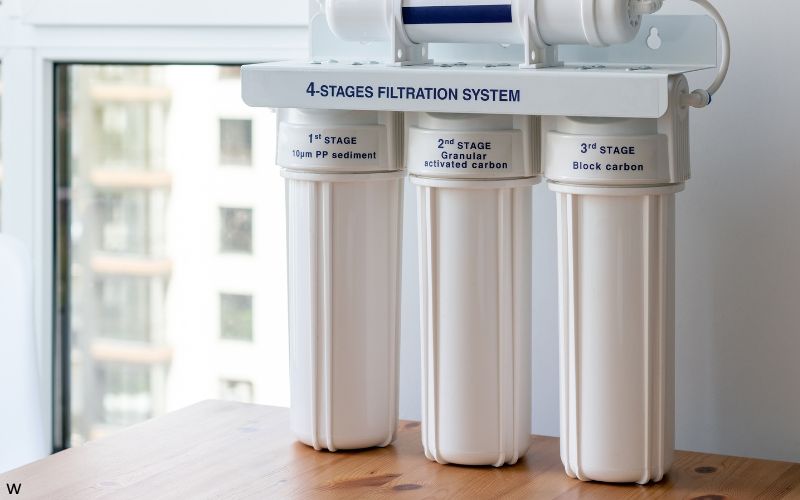
Install Water Filtration
Given Jersey City’s documented contamination profile — PFAS, chromium-6, elevated DBPs, and arsenic above health guidelines — NSF-certified filters designed to reduce these specific contaminants are highly recommended. See our water filter recommendations for certified options suited to Jersey City’s water profile.
Support Green Infrastructure
Participate in Jersey City’s green infrastructure initiatives by installing rain gardens, permeable surfaces, or rain barrels to reduce stormwater runoff. This protects water quality in the Hudson River and Newark Bay watersheds and reduces the combined sewer overflow that the city’s 2022 federal consent decree aims to address.

Report Water Issues
Contact JCMUA immediately at (201) 432-1150 for water emergencies, quality concerns, or infrastructure problems. For lead service line questions, call the dedicated Lead Free JC hotline at (201) 365-6189. Monitor active notices for the region on our live US boil water notices tracker.
Frequently Asked Questions
Is Jersey City tap water safe to drink in 2026?
Jersey City’s tap water meets federal Safe Drinking Water Act standards but contains concerning levels of multiple contaminants. As of October 2025, four contaminants exceed EPA health-based guidelines. Water comes from protected surface reservoirs, but conventional treatment cannot remove all PFAS compounds or prevent disinfection byproduct formation.
JCMUA conducts regular testing and maintains compliance with EPA and NJDEP regulations. However, documented concerns include PFAS affecting all 262,000 residents, chromium-6 detected at levels 3× above EWG’s safe cancer risk guideline (based on most recently published data), arsenic 26× above health recommendations, and TTHMs averaging 57.5 ppb. Vulnerable populations — children, pregnant women, and elderly residents — should seriously consider certified home filtration. Compare Jersey City’s profile with other cities via our national water quality hub.
What is the Lead Free JC programme?
Lead Free JC is Jersey City’s $288 million programme to replace all estimated 16,000 lead service lines citywide. Launched in February 2022, the programme targets an average of 2,000 replacements per year, with a mandatory deadline of July 2031 set by New Jersey’s revised Lead and Copper Rule.
Priority is given to overburdened communities and households most vulnerable to lead exposure, including children and pregnant women. Property owners can have lines replaced free of charge by JCMUA contractors, or hire their own licensed plumber and apply for a credit of up to $10,000 against future water service charges. Check your address and sign your Right of Entry agreement at leadfreejc.com. The programme follows successful remediation of lead infrastructure in Jersey City’s public school system. For New Jersey-wide lead service line context, see our New Jersey water quality page.
Are there PFAS “forever chemicals” in Jersey City water?
Yes. PFAS contamination affects all 262,000 Jersey City residents as part of the estimated 7.5 million New Jerseyans exposed to these persistent chemicals. PFAS are detected in 65% of NJ water systems statewide. New Jersey was the first state in the US to set enforceable MCLs for certain PFAS compounds.
EPA’s national PFAS drinking water standards — setting MCLs of 4 parts per trillion for PFOA and PFOS — became enforceable in 2024, with system compliance required by 2029 (extended to 2031 for some compounds under current EPA proposals). JCMUA must monitor for these compounds and implement treatment where required. New Jersey’s PFAS limits are among the strictest in the nation, but ongoing exposure remains a significant concern. Visit our water alert news section for the latest PFAS regulatory updates affecting New Jersey. For filter options proven effective against PFAS, see our water filter recommendations.
What should I do if my water looks or tastes different?
Changes in taste, odour, or appearance can result from seasonal source water variations, treatment process changes, disinfection byproduct formation, or internal plumbing issues. In Jersey City, fluctuations are sometimes linked to the organic matter content in reservoir water interacting with chlorine disinfection.
If you notice persistent changes in your water quality:
• Run cold water for several minutes to flush internal plumbing
• Contact JCMUA customer service at (201) 432-1150 to report the issue
• Request water quality testing if concerns persist
• Consider independent testing for contaminants not routinely monitored — see our water quality resources
JCMUA maintains 24/7 customer service. Check our live boil water notices tracker for any active advisories in New Jersey. Given Jersey City’s documented contamination profile, persistent taste or odour changes should be taken seriously and may warrant professional water testing or home filtration.
Quality News About Your Water
Get the comprehensive water quality news coverage you need with our dedicated US Water News Service. From coast to coast, we deliver in-depth reporting and expert analysis on PFAS contamination, EPA regulatory changes, infrastructure developments, and emerging water safety issues affecting communities nationwide. While mainstream media only covers the biggest stories, we provide the detailed, ongoing coverage that helps you understand the full scope of America’s water challenges.
What’s actually in your tap water? Enter your ZIP code for a full breakdown of contaminants detected in your local supply
Drinking water from a well? Check our directory here for more information
Contaminants of Concern
Lead in Service Lines
Source: Primarily from lead service lines and lead-containing plumbing in older buildings constructed before 1986. Jersey City has an estimated 16,000 lead service lines — among the highest counts of any NJ city. NJ law holds 135,000 confirmed lead service lines statewide, plus 873,000 lines of unknown material.
Health Effects: No safe level of lead exposure exists. Lead causes developmental delays and cognitive impairment in children, and cardiovascular and neurological effects in adults. Infants formula-fed with tap water face elevated risk.
Current Status: 90th percentile lead level of 4.39 ppb — below the federal action level of 15 ppb. JCMUA applies corrosion control phosphate at the Boonton plant to reduce leaching. The Lead Free JC programme is replacing all lines by July 2031 at a cost of $288 million, targeting 2,000 replacements per year. See our New Jersey water quality page for statewide lead service line inventory data.
PFAS “Forever Chemicals”
Source: Per- and polyfluoroalkyl substances (PFAS) from industrial processes, military firefighting foams, and consumer products. They persist indefinitely in the environment and accumulate in source water, earning the name “forever chemicals.”
Health Effects: Linked to cancer, liver damage, thyroid disease, decreased fertility, high cholesterol, and immune system suppression. PFAS do not break down naturally and bioaccumulate in the human body over time.
Current Status: Jersey City’s 262,000 residents are part of the 7.5 million New Jerseyans exposed to PFAS in drinking water, with PFAS detected in 65% of NJ systems. EPA’s enforceable PFAS MCLs of 4 ppt for PFOA/PFOS took effect in 2024; utilities must comply by 2029. New Jersey’s state PFAS limits are among the strictest in the US. For filter options that remove PFAS, see our water filter solutions page.
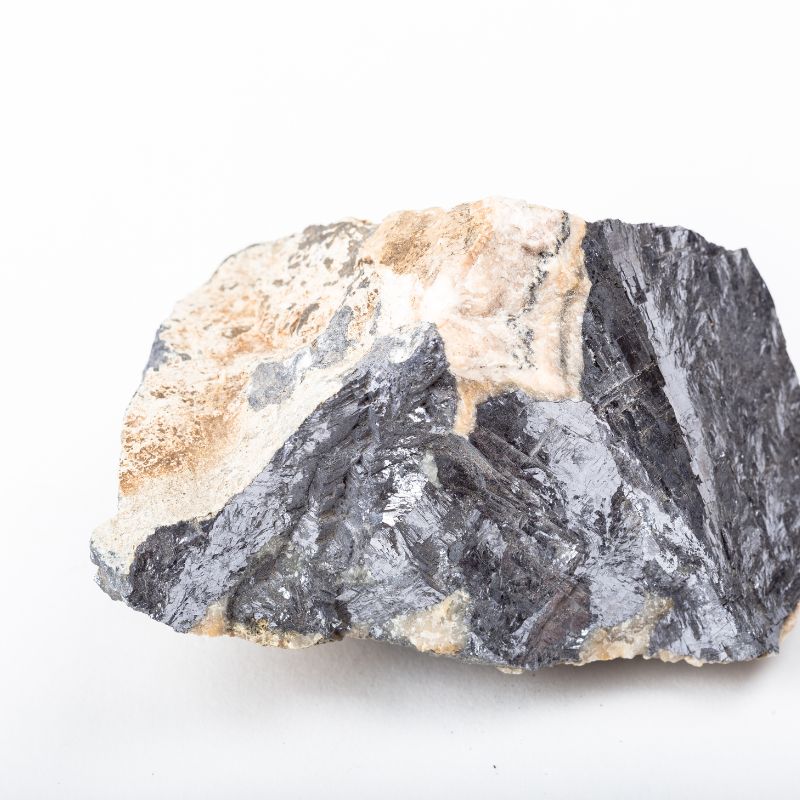
Chromium-6 (Hexavalent Chromium)
Source: Industrial contamination from Jersey City’s historical manufacturing base — including former chromium processing facilities — and naturally occurring mineral deposits. Hudson County has a well-documented legacy of chromium site contamination.
Health Effects: Classified as a known human carcinogen. Linked to lung cancer when inhaled and potential stomach cancer when ingested over time. Can also cause liver damage and reproductive harm at elevated exposures.
Current Status: Jersey City’s chromium-6 was detected at 90 ppt in EWG testing — over 3× EWG’s health guideline of 0.02 ppb. Note: the most recently published figure dates from 2015 testing; current levels are not publicly confirmed. EPA has not yet set a federal MCL specific to hexavalent chromium. Residents concerned about chromium-6 exposure should consider reverse osmosis filtration, which is effective at reducing this contaminant.
Arsenic Contamination
Source: Naturally occurring in minerals, soil, and bedrock in the region. Can also enter water from historical pesticide/herbicide use and industrial activities. New Jersey’s geology and industrial legacy both contribute to arsenic presence in source water.
Health Effects: Classified as a known human carcinogen, linked to skin, lung, bladder, and kidney cancers. Also associated with cardiovascular disease, diabetes, and neurological effects from chronic low-level exposure.
Current Status: EWG data identifies arsenic in Jersey City water at levels 26× above their health guideline, though within the federal legal limit of 10 ppb. The federal arsenic MCL was last revised in 2001 and is widely considered outdated by current health science. Long-term exposure at even sub-legal levels poses measurable cancer risk. See our filter solutions page for NSF-certified options that reduce arsenic.
Disinfection Byproducts (DBPs)
Source: Formed when chlorine-based disinfectants react with naturally occurring organic matter (leaves, twigs, soil compounds) during water treatment. Includes total trihalomethanes (TTHMs) such as chloroform and bromodichloromethane, plus haloacetic acids.
Health Effects: Long-term exposure is associated with increased bladder cancer risk, liver and kidney damage, and potential reproductive and developmental harm. DBPs are among the most widely detected contaminants above health guidelines in US drinking water systems.
Current Status: Jersey City’s TTHMs average 57.5 ppb, with peaks reaching 65.4 ppb — below the federal MCL of 80 ppb but significantly above EWG health guidelines. This reflects ongoing formation of cancer-linked disinfection byproducts in Jersey City’s distribution system. For national context, visit our water quality hub or check our water alert news for DBP-related regulatory updates.
Additional Contaminants
Haloacetic Acids: A second class of disinfection byproducts — including dibromoacetic acid and monobromoacetic acid — detected in Jersey City water. Linked to increased cancer risk and potential reproductive harm. EWG data identifies multiple haloacetic acid compounds above health guidelines in Jersey City’s system.
Manganese: A naturally occurring element that can impair children’s attention, memory, and intellectual development at elevated exposure. Detected in Jersey City water; treatment processes provide some reduction but do not fully eliminate it.
Chlorate: A disinfection byproduct that impairs thyroid function. Exposure is most harmful during pregnancy and early childhood, when thyroid hormones are critical for neurological development. For filter solutions addressing multiple contaminants simultaneously, see our water filter recommendations. Compare Jersey City’s full contaminant profile with nearby cities including Newark and New York City on our site.
Please read – our information
The information presented on cleanairandwater.net is compiled from official water quality reports, trusted news sources, government websites, and public health resources. While we strive for accuracy and thoroughness in our presentations, we are not scientists, engineers, or qualified water quality professionals.
Our mission is to present water quality information in an accessible, real-world format that helps people understand what’s in their water and make informed decisions about their health and safety. We believe that complex environmental information should be available to everyone in a format that’s easy to understand.
We make every effort to ensure our content is current and accurate, but we cannot guarantee that all information is complete or error-free. This website should not replace official communications from your local water utility or health department. We always recommend consulting official sources for the most up-to-date information regarding your specific water system.
Clean Air and Water is not liable for any unintentional errors, omissions, or outdated information. The content on this site is provided for informational purposes only and should not be considered professional advice.