Louisiana Water Quality at a Glance
serious concerns
Is Louisiana Water Safe to Drink?
Proceed With Caution — Louisiana ranks among the states with the most serious drinking water concerns. A 2025 Water Collaborative study found PFAS in 105 of 107 Southeast Louisiana homes tested, with levels 200–268 times higher than EPA safety guidelines in Cancer Alley areas. Lead was present in 67% of homes, arsenic in 83%, and copper in every single sample tested. Shreveport’s water system holds a D grade from the Louisiana Department of Health. A certified home water filter is essential for most Louisiana residents. Check the live boil water notices tracker for active local alerts.
⚠️ Key Concerns for Louisiana Residents in 2026
- PFAS “Forever Chemicals”: 2025 study found PFAS in 105 of 107 SE Louisiana homes. Levels 200–268× the EPA limit near Cancer Alley. PFOA found in 97.2% of samples, PFOS in 72.9%. Compliance deadline extended to 2031.
- Lead, Arsenic & Heavy Metals: The same 2025 study found lead in 67% of homes, arsenic in 83%, copper in 100% of samples. St. James Parish recorded the only lead exceedance at 26.5 ppb.
- Cancer Alley Impact: Industrial contamination along the Mississippi River corridor disproportionately affects African American communities, who are 75% more likely to live in fence-line communities adjacent to chemical plants.
- Infrastructure Failures: Shreveport holds a D grade (2024); widespread boil advisories and aging rural systems statewide. Multiple communities require full infrastructure rebuilds.
Read the full report below for detailed analysis, parish-specific data, and actionable recommendations for Louisiana residents. See also our water alerts & news and national water quality overview.
Advertisement — Report continues below
Concerned About Your Water Quality? You’re Not Alone.
In some areas, water systems only just meet minimum standards — and that can still leave families exposed to contaminants like lead, PFAS, disinfection byproducts, and heavy metals.
If your city has faced repeated violations or boil notices, it’s worth adding extra protection at home. A high-capacity, certified system gives your family stronger safety and peace of mind every day.
Smart Solutions for Safer Drinking Water:
✅ Reduces tough contaminants including lead and PFAS
✅ Certified to NSF/ANSI standards
✅ Built for high daily family use
✅ Long-term investment in cleaner, healthier water
Disclaimer:
This advert contains affiliate links. If you buy through these links, we may earn a commission at no extra cost to you.

Louisiana – The Pelican State – Water Quality Report 2026: PFAS Testing, Infrastructure Concerns & Safety across your state
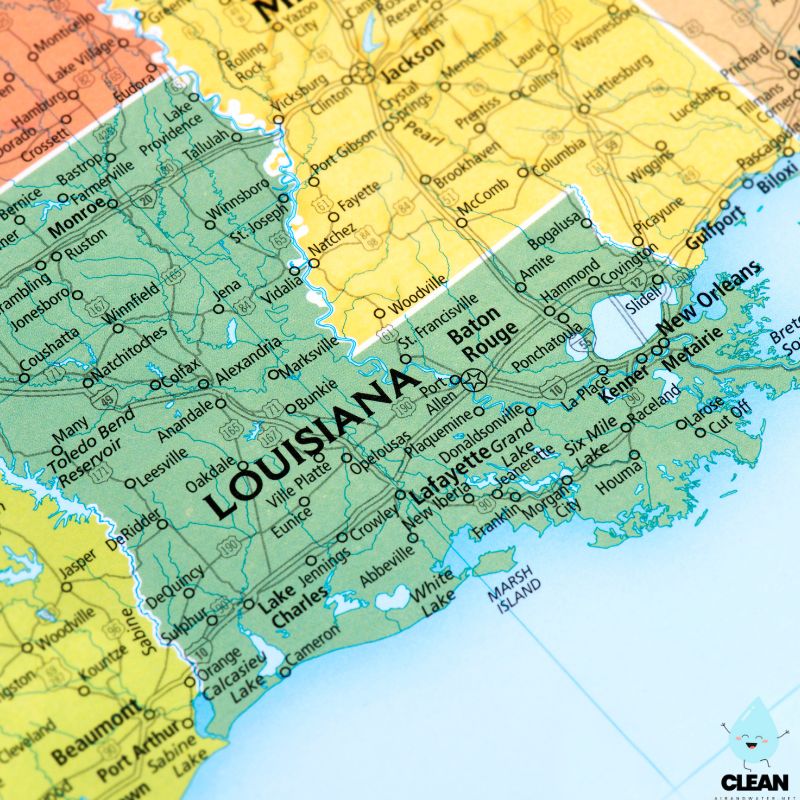
Louisiana’s water infrastructure serves approximately 4.6 million residents across diverse geographical regions, from the Mississippi River Delta in the south to the piney hills in the north. The state operates through a complex network of 951 public water systems, ranging from large municipal utilities serving metropolitan areas like New Orleans and Baton Rouge to smaller rural systems providing essential services to underserved communities. Louisiana’s primary water sources include the Mississippi River, which supplies drinking water to over 1.2 million residents, along with the Atchafalaya, Red, and Sabine river systems, plus numerous reservoirs and groundwater aquifers that support both urban centres and agricultural areas.
Louisiana faces significant infrastructure challenges compounded by its unique coastal environment and the legacy of industrial activity along the Mississippi River corridor. A landmark 2025 study by the Water Collaborative of Greater New Orleans — sampling 107 homes across seven parishes between October 2024 and March 2025 — found PFAS “forever chemicals” in 105 homes, lead in 67%, and arsenic in 83%. Louisiana’s water quality landscape is particularly severe in the Cancer Alley corridor, where PFAS levels 200–268 times higher than EPA safety thresholds have been documented. The state has received over $143 million in federal infrastructure investment through the Bipartisan Infrastructure Law, with additional funding directed at emerging contaminant treatment and disadvantaged community support.
Louisiana Water Quality: Current Status (2025–2026)
Statewide Compliance and Testing
- Overall Compliance: According to the Louisiana Department of Health’s Water Grade Reports, 68% of Louisiana’s population is served by water systems rated A or B, though a significant proportion of systems — including Shreveport (D grade in 2024) — received failing or near-failing grades for infrastructure and safety concerns.
- 2025 PFAS Study — Alarming Findings: The Water Collaborative of Greater New Orleans published results in September 2025 from testing across seven Southeast Louisiana parishes (Oct 2024–Mar 2025). PFAS were detected in 105 of 107 homes. PFOA appeared in 97.2% of samples; PFOS in 72.9%. Lead was found in 67% of homes, arsenic in 83%, and copper in every single sample tested. St. James Parish recorded a lead exceedance at 26.5 ppb. Check our live boil water tracker for current advisories.
- PFAS Levels Near Cancer Alley: Drinking water near industrial sites along the Mississippi River corridor continues to show PFAS concentrations 200–268 times higher than EPA safety thresholds, making parts of Louisiana among the most severely contaminated areas in the United States.
Major Water Sources and Challenges
- Mississippi River System: Serves over 1.2 million residents including New Orleans and parishes along the river corridor, facing documented PFAS contamination from industrial sources. Salt levels in the 2025 Water Collaborative study exceeded EPA recommended thresholds in 100% of samples taken during low Mississippi River water levels.
- Rural Water System Crisis: Multiple rural communities including Tallulah, Killian, and St. Joseph have experienced major water system failures, with aging infrastructure requiring complete rebuilds and millions in emergency funding.
- Climate Vulnerability: Louisiana’s susceptibility to flash drought, saltwater intrusion, and extreme weather events continues to threaten both water supply reliability and quality. Saltwater intrusion remains an active risk for New Orleans and lower river parishes.
Emerging Contaminant Response (2026 Update)
- PFAS MCLs Now Enforceable — Compliance Deadline 2031: The EPA’s April 2024 National Primary Drinking Water Regulation set enforceable MCLs for PFOA and PFOS at 4 ppt each. In May 2025, the EPA confirmed it will retain these limits but is developing a rulemaking to extend the compliance deadline from 2029 to 2031, with a final rule expected spring 2026. Louisiana’s Department of Health has already begun helping local systems prepare, offering training and connecting utilities with federal funding for treatment upgrades.
- Treatment Technology Deployment: Water utilities are implementing activated carbon filtration and reverse osmosis systems to remove PFAS and other emerging contaminants. The Sewerage & Water Board of New Orleans now provides free Brita filters and lead testing to residents.
- Industrial Accountability Push: The Water Collaborative is urging Louisiana lawmakers in 2026 to set interim PFAS standards, require utilities to report results in Consumer Confidence Reports, expand advanced filtration, and create a household filter programme — steps not yet mandated at state level.
Rural and Disadvantaged Communities
- Environmental Justice Disparities: The 2025 Water Collaborative study found that while PFAS contaminated homes uniformly across income levels, Black and lower-income households recorded the highest heavy metal concentrations. African Americans in Louisiana are 75% more likely to live in fence-line communities adjacent to industrial PFAS sources.
- Targeted Federal Support: Louisiana has received $634,000 in grants for small and disadvantaged communities to improve drinking water compliance and conduct household water quality testing. An EPA grant is also funding household well testing for unregulated contaminants.
- Emergency Response Programmes: The state maintains emergency water supply programmes, providing trucked water at costs up to $30,000 per day during system failures while permanent infrastructure repairs are completed.
Looking Forward: 2026–2031
Louisiana’s water quality landscape faces unprecedented challenges heading into the compliance window for new federal PFAS standards, now extended to 2031. The 2025 Water Collaborative study underlines the scale of contamination still reaching residents’ taps across Southeast Louisiana parishes. With substantial federal infrastructure investment and growing pressure on industrial polluters, Louisiana is working to address both legacy contamination and emerging climate threats. However, the combination of inadequate rural infrastructure, disproportionate community exposure in Cancer Alley, and the scale of PFAS treatment upgrades required means significant challenges remain. For city-level detail see our reports on New Orleans, Baton Rouge, and Shreveport, and stay informed via our water alerts & news section.
Recommendations for Louisiana Residents

Know Your Water Source
Contact your water utility to request annual Consumer Confidence Reports and ask specifically about PFAS testing results. Check the Louisiana Department of Health’s Water Grade Reports to understand your system’s rating, and use LDEQ’s Interactive Mapping Application (LIMA) for parish-level data. Check our live boil water notices tracker for any active advisories in your area.
Support Infrastructure Investment
Stay informed about local water infrastructure needs and support utility rate structures that enable necessary improvements. Attend public meetings when utilities discuss PFAS treatment upgrades, particularly given the 2031 compliance deadline. Louisiana lawmakers are being urged in 2026 to mandate PFAS reporting in Consumer Confidence Reports — support that effort.
Consider PFAS-Certified Filtration
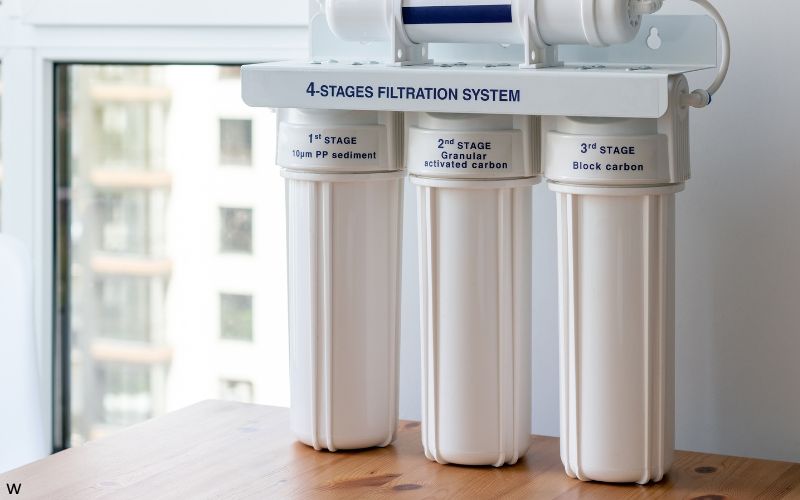
Given that the 2025 study found PFAS in 105 of 107 Louisiana homes, filtration is strongly recommended statewide — not just near industrial sites. NSF Standard 58 certified reverse osmosis systems provide the most comprehensive protection against PFAS, lead, arsenic, and heavy metals. See our water filter solutions guide for certified options.

Report Water Quality Concerns
Contact your local water utility immediately for taste, odour, or colour concerns. Report suspected contamination to LDEQ’s Environmental Compliance Division, especially given Louisiana’s documented industrial contamination issues. Follow our water alerts & news section for statewide updates.
Practice Water Conservation
Support Louisiana’s water sustainability by implementing conservation measures such as efficient irrigation, rainwater harvesting, and low-flow fixtures. Reducing demand helps utilities maintain system reliability and affordability while building resilience against climate challenges including saltwater intrusion and drought.
Louisiana Cities We Cover
Baton Rouge Water Quality
Comprehensive analysis of Baton Rouge Water Company, serving Louisiana’s capital city and surrounding parishes. Includes information on the Southern Hills Aquifer source, treatment processes, infrastructure modernisation, and PFAS monitoring. Baton Rouge holds an A grade from the Louisiana Department of Health for 2024–2025.
New Orleans Water Quality
Detailed assessment of the Sewerage & Water Board of New Orleans, covering the 2025 Water Collaborative findings, lead contamination in 88% of homes, PFAS detections, saltwater intrusion risks, and the city’s ongoing infrastructure programme. Free filters and lead testing are now available to residents.
Shreveport Water Quality
Analysis of Shreveport Water & Sewerage serving northwest Louisiana, including the D grade (2024) from Louisiana Department of Health, Cross Lake source water, manganese contamination reaching historic highs of 1.29 mg/L in 2024, treatment plant failures, and critical infrastructure deficiencies requiring urgent investment.
Frequently Asked Questions
Is Louisiana’s tap water safe to drink in 2026?
It varies significantly by location, and the picture in 2026 is more concerning than previous years. A 2025 Water Collaborative study found PFAS in 105 of 107 Southeast Louisiana homes tested, lead in 67%, and arsenic in 83%. The Louisiana Department of Health requires annual grading of all public water systems — 68% of residents are served by A or B rated systems, but Shreveport holds a D grade and multiple rural systems have received D or F ratings.
Most utilities technically meet federal compliance standards, but compliance does not mean the water is free of contaminants at health-protective levels. PFAS levels near Cancer Alley industrial sites remain 200–268 times higher than EPA safety thresholds. Areas along the Mississippi River — including parishes around New Orleans — face the most acute risks. A certified home water filter is strongly recommended for most Louisiana residents, especially those in river parishes or near military or industrial sites.
What did the 2025 Water Collaborative study find in Louisiana tap water?
The Southeast Louisiana Residential Water Quality Study — published September 2025, based on samples collected October 2024 to March 2025 across seven parishes — was one of the most comprehensive household tap water studies conducted in the state.
Key findings: PFAS were detected in 105 of 107 homes. PFOA appeared in 97.2% of samples and PFOS in 72.9%. Arsenic was present in 83% of homes, lead in 67%, and copper in every single sample. St. James Parish recorded the study’s only lead exceedance at 26.5 ppb, while one St. John the Baptist home had copper at 1,200 ppb — just below the federal action level. Salt levels exceeded EPA recommended thresholds in 100% of samples taken during low Mississippi River levels. The study found that while PFAS contamination was widespread across income groups, Black and lower-income households experienced the highest concentrations of heavy metals. These findings underline the need for certified filtration — see our filter guide for options certified to NSF Standard 58 for PFAS and Standard 53 for lead.
How can I find out about my local water quality in Louisiana?
Louisiana residents can access comprehensive water quality information through several resources:
• Annual Consumer Confidence Reports: Contact your water utility directly for testing results, violation history, and source water information — all utilities are required to publish these annually.
• LDH Water Grade Reports: The Louisiana Department of Health grades all community water systems A to F based on seven performance standards — check your system’s rating online.
• LIMA Interactive Mapping: Use LDEQ’s Interactive Mapping Application to access water body monitoring sites and detailed water quality data for your parish.
• Drinking Water Watch: Louisiana Department of Health’s online portal now includes PFAS monitoring results from UCMR 5 testing (2023–2025).
• Real-time Advisories: Use our live boil water notices tracker for current local alerts, and follow our water alerts & news for statewide updates.
Why does Louisiana have unique water infrastructure challenges?
Louisiana faces several compounding challenges that make its water situation among the most complex in the United States:
Industrial Legacy: Decades of chemical and petrochemical activity along the Mississippi River corridor (Cancer Alley) have created some of the highest documented PFAS levels in the country — up to 268 times the EPA safety threshold — disproportionately affecting communities of colour.
Climate Vulnerability: Louisiana’s low-lying coastal geography makes it uniquely exposed to saltwater intrusion, flash drought, and extreme weather. Salt levels exceeded EPA thresholds in 100% of low-river-level samples in the 2025 study.
Aging Rural Systems: Many rural water systems are 70+ years old and require complete rebuilds, with limited technical capacity and higher per-capita costs than urban utilities.
PFAS Compliance Gap: The EPA’s enforceable 4 ppt MCLs for PFOA and PFOS apply now, but most affected Louisiana systems will not be required to meet them until 2031 — leaving residents exposed in the interim. The right home filter is the most immediate protection available to Louisiana residents while utilities implement treatment upgrades.
Quality News About Your Water
Get the comprehensive water quality news coverage you need with our dedicated US Water News Service. From coast to coast, we deliver in-depth reporting and expert analysis on PFAS contamination, EPA regulatory changes, infrastructure developments, and emerging water safety issues affecting communities nationwide. While mainstream media only covers the biggest stories, we provide the detailed, ongoing coverage that helps you understand the full scope of America’s water challenges. Whether you’re a concerned citizen, water professional, or community leader, our daily updates and analytical insights keep you informed about the issues that matter most to public health and environmental safety.
Contaminants of Concern
PFAS “Forever Chemicals”
Source: Industrial manufacturing along the Mississippi River corridor, including chemical plants, refineries, and military installations where firefighting foam (AFFF) was used extensively. The 2025 Water Collaborative study confirmed PFAS in 105 of 107 Southeast Louisiana homes tested — with PFOA in 97.2% of samples and PFOS in 72.9%.
Health Effects: Linked to kidney and testicular cancer, liver damage, immune system suppression, high cholesterol, reduced vaccine response in children, and developmental effects. PFOA and PFOS are now classified as hazardous substances under CERCLA (Superfund law).
Current Status: PFAS levels 200–268 times the EPA safety threshold documented near industrial sites. EPA Limits (2026): 4 ppt for PFOA and PFOS individually, now enforceable. Compliance deadline extended from 2029 to 2031. See our filter guide for NSF Standard 58 certified PFAS removal options.
Lead, Arsenic & Heavy Metals
Source: Lead enters water primarily through ageing service lines and household plumbing, particularly in older homes. Arsenic occurs naturally in some Louisiana groundwater sources. Industrial activity in the Mississippi River corridor contributes additional heavy metal contamination to surface water supplies.
Health Effects: Lead causes irreversible neurological damage, particularly in children — there is no safe level of exposure. Arsenic exposure is linked to bladder, lung, and skin cancers with long-term consumption. Copper at elevated levels causes gastrointestinal distress and, with prolonged exposure, liver and kidney damage.
Current Status (2025): The Water Collaborative study found lead in 67% of SE Louisiana homes, arsenic in 83%, and copper in 100% of samples. St. James Parish recorded a lead exceedance at 26.5 ppb (EPA action level: 15 ppb). The Sewerage & Water Board of New Orleans now offers free lead testing and Brita filters to residents. Regulatory Response: Enhanced oversight under the EPA’s revised Lead and Copper Rule; NSF Standard 53 certified filters recommended for lead removal.
Please read – our information
The information presented on cleanairandwater.net is compiled from official water quality reports, trusted news sources, government websites, and public health resources. While we strive for accuracy and thoroughness in our presentations, we are not scientists, engineers, or qualified water quality professionals.
Our mission is to present water quality information in an accessible, real-world format that helps people understand what’s in their water and make informed decisions about their health and safety. We believe that complex environmental information should be available to everyone in a format that’s easy to understand.
We make every effort to ensure our content is current and accurate, but we cannot guarantee that all information is complete or error-free. This website should not replace official communications from your local water utility or health department. We always recommend consulting official sources for the most up-to-date information regarding your specific water system.
Clean Air and Water is not liable for any unintentional errors, omissions, or outdated information. The content on this site is provided for informational purposes only and should not be considered professional advice.