North Carolina Water Quality at a Glance
Is North Carolina Water Safe to Drink?
Technically Compliant, But Highly Concerning — North Carolina water meets current federal standards but 47 community water systems exceed EPA PFAS limits, affecting more than 3.5 million residents. Key issues include widespread PFAS contamination, GenX chemicals from Chemours in the Cape Fear River Basin, and 1,4-dioxane threatening over one million people’s water supply. North Carolina remains ground zero for PFAS contamination nationally. The federal compliance deadline has been extended to 2031 — meaning residents in affected areas face years of continued exposure without home filtration. Check our live boil water notices tracker for any active alerts in your area.
⚠️ Key Concerns for North Carolina Residents in 2026
- PFAS “Forever Chemicals”: 3.5 million+ residents have PFAS above federal limits; 47 community water systems exceed EPA MCLs of 4 ppt for PFOA/PFOS — and the compliance deadline has been extended to 2031
- Cape Fear River Crisis: Decades of GenX contamination from Chemours’ Fayetteville Works facility affecting 1.5 million+ residents; over 75% of sampled wells in parts of New Hanover County exceed PFAS health standards
- 1,4-Dioxane Threat: Over one million North Carolinians drink water threatened by cancer-causing 1,4-dioxane; new state monitoring rules are under public comment in 2026 but enforcement remains weak
- PFAS in Biosolids: A January 2026 NC DEQ study confirmed PFAS present in all 37 sampled wastewater treatment facilities and 19 regulated land-application fields — contamination is systemic, not isolated
Read the full report below for detailed analysis, 2026 state data, and actionable recommendations for North Carolina residents.
Advertisement — Report continues below
Concerned About Your Water Quality? You’re Not Alone.
In some areas, water systems only just meet minimum standards — and that can still leave families exposed to contaminants like lead, PFAS, disinfection byproducts, and heavy metals.
If your city has faced repeated violations or boil notices, it’s worth adding extra protection at home. A high-capacity, certified system gives your family stronger safety and peace of mind every day.
Smart Solutions for Safer Drinking Water:
✅ Reduces tough contaminants including lead and PFAS
✅ Certified to NSF/ANSI standards
✅ Built for high daily family use
✅ Long-term investment in cleaner, healthier water
Disclaimer:
This advert contains affiliate links. If you buy through these links, we may earn a commission at no extra cost to you.

North Carolina – The Tar Heel State – Water Quality Report 2026: PFAS Testing, Infrastructure Concerns & Safety across your state
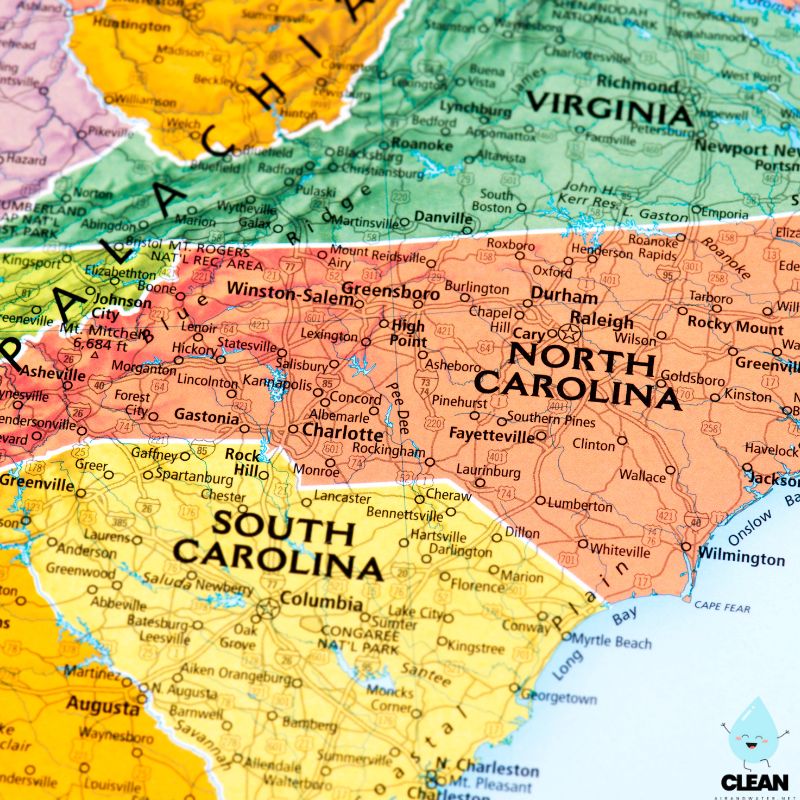
North Carolina’s water infrastructure serves approximately 10.7 million residents across diverse geographical regions, from the mountainous Blue Ridge in the west to the Outer Banks coastal plains in the east. The state operates through a complex network of over 2,800 public water systems, ranging from large municipal utilities like Charlotte Water, which serves over 1 million customers, to smaller rural systems providing essential services to underserved communities. North Carolina’s water sources include the Cape Fear, Neuse, Tar-Pamlico, and Catawba river systems, along with numerous reservoirs and groundwater aquifers that supply both urban centres and agricultural areas.
Despite abundant water resources, North Carolina faces significant infrastructure challenges and some of the most severe PFAS contamination in the United States. As of 2026, more than 3.5 million residents drink water containing PFAS at levels above EPA health-based standards. Governor Josh Stein has committed over $1.4 billion in water infrastructure projects since taking office, with a statewide $472 million package announced in early 2026 targeting PFAS treatment, lead pipe replacement, and infrastructure upgrades across 66 counties. North Carolina’s ongoing battle with contamination — particularly from Chemours’ Fayetteville Works facility — continues to shape water policy at both state and federal level. For broader context on U.S. water quality trends, see our national overview.
North Carolina Water Quality: Current Status (2025–2026)
Statewide Compliance and Testing
- Overall Compliance: The majority of North Carolina’s 2,800+ public water systems currently meet Safe Drinking Water Act standards, but 47 community water systems exceed EPA PFAS MCLs of 4 ppt for PFOA and PFOS. More than 3.5 million residents drink water with unsafe PFAS levels according to a 2026 NC DEQ assessment — making North Carolina one of the most severely affected states in the country.
- PFAS Monitoring Expanded: In January 2026, NCDEQ published its first statewide investigation into PFAS in wastewater treatment plants and biosolids, confirming contamination across all 37 sampled facilities and 19 regulated land-application fields. North Carolina continues to operate as a national leader in PFAS research and testing, even as federal regulatory rollbacks create uncertainty at the EPA level. Stay up to date through our water alert news section.
- Infrastructure Investment 2026: Governor Stein announced a statewide $472 million investment in February 2026 for drinking water and wastewater infrastructure across 66 counties, including $17 million specifically for PFAS-affected homes in New Hanover County and $17.8 million for the Cape Fear Public Utility Authority’s Southside Water Reclamation Facility — bringing DEQ’s total support for that project to $192.8 million.
Major Water Sources and Challenges
- Cape Fear River Basin: Primary drinking water source for over 1.5 million North Carolinians including Wilmington, facing severe PFAS and GenX contamination from decades of industrial discharge by Chemours’ Fayetteville Works facility. More than 75% of sampled private wells in parts of New Hanover County exceed PFAS health standards. Since 2022, CFPUA’s Sweeney Plant has operated GAC filtration that now effectively removes GenX and other PFAS from treated water.
- Neuse and Tar-Pamlico Rivers: Major sources for eastern North Carolina communities, experiencing challenges from agricultural runoff, 1,4-dioxane contamination, and aging infrastructure. Brunswick County continues to record some of the highest PFAS levels in public tap water anywhere in the United States according to EWG testing.
- Statewide Infrastructure Needs: North Carolina requires an estimated $16.8 billion in drinking water infrastructure investments over the next 20 years. NCDEQ’s Spring 2026 Funding Application Training (February–March 2026) is helping utilities access State Revolving Fund loans and PFAS-specific emerging contaminants grants to begin planning and construction projects.
Emerging Contaminant Response
- PFAS Compliance Deadline Extended: The EPA has retained MCLs of 4 ppt for PFOA and PFOS but proposed extending the utility compliance deadline from 2029 to 2031. MCLs for PFHxS, PFNA, GenX/HFPO-DA, and PFBS were rescinded by EPA in May 2025, though a January 2026 federal court denied EPA’s request to vacate these rules — meaning their legal status remains contested. North Carolina’s state-level PFAS rulemaking continues independently, with new surface water discharge rules going to public comment in 2026.
- Treatment Technology Progress: UNC-Chapel Hill’s NC PURE research programme completed pilot tests at Sweeney Water Treatment Plant, Richardson Drinking Water Treatment Plant in Wilmington, and the Piedmont Triad in 2025–2026. Water utilities are evaluating granular activated carbon (GAC), anion exchange resins, and novel ion exchange materials. Fayetteville PWC is on track to complete its full GAC system by 2028. Settlement proceeds from 3M and DuPont began flowing to utilities in summer 2025.
- 1,4-Dioxane Emerging Concern: Over one million North Carolinians face risks from cancer-causing 1,4-dioxane in drinking water sources. The NC Environmental Management Commission voted in January 2026 to advance monitoring and minimisation rules for PFAS and 1,4-dioxane to public comment — though critics argue the proposed rules do not require polluters to reduce discharges. Public comments are open through June 2026. Learn more about water filter solutions that address these contaminants.
Rural and Disadvantaged Communities
- Private Well Risks: Hundreds of thousands of North Carolinians rely on private wells, many in areas with elevated PFAS contamination. In parts of New Hanover County alone, over 75% of sampled private wells exceed health-based PFAS standards. The $17 million CFPUA waterline extension announced in March 2026 will connect more than 300 affected homes to safe public supply.
- Targeted Federal Support: The Emerging Contaminants in Small or Disadvantaged Communities (ECSDC) programme, Viable Utility Reserve grants, and IIJA Emerging Contaminants funds continue to flow to distressed communities. NCDEQ’s Division of Water Infrastructure is processing applications through multiple 2026 funding rounds.
- Technical Assistance: NCDEQ and the State Water Infrastructure Authority continue providing enhanced technical support and training to help smaller systems navigate complex regulatory requirements. Spring 2026 Application Training sessions were held in Hickory, Greenville, and virtually in February and March 2026.
Looking Forward: 2026 and Beyond
North Carolina’s water quality landscape in 2026 is defined by tension between slow federal regulatory rollback and active state-level action. While the Trump administration’s EPA has rescinded MCLs for four PFAS compounds and extended the PFOA/PFOS compliance deadline to 2031, Governor Stein’s administration is pushing forward with over $1.4 billion in water infrastructure commitments and pursuing active litigation against Chemours and other PFAS dischargers. The January 2026 NCDEQ biosolids study confirming systemic PFAS contamination across wastewater systems statewide marks a new phase in understanding the true scale of the problem. For North Carolina residents — particularly those in the Cape Fear Basin, Brunswick County, or near industrial discharge sites — home filtration remains the most reliable near-term protection while utilities work toward compliance. See our water filter recommendations and our live boil water notices tracker for the latest alerts.
Recommendations for North Carolina Residents
Know Your Water Source
Contact your water utility to request their annual Consumer Confidence Report and ask specifically about PFAS and 1,4-dioxane testing results. Visit NCDEQ’s website to access your local system’s data. If you are in the Cape Fear River Basin, Durham, Fayetteville, or Brunswick County, treat your water as potentially affected and act accordingly. Use our water quality checker to explore data for your area.
Support Infrastructure Investment
Stay informed about local water infrastructure needs and support utility rate structures that enable necessary improvements. With the federal compliance deadline extended to 2031, utilities need community backing to pursue funding applications, lobby polluters for accountability, and implement treatment upgrades sooner rather than later. Follow water alert news for the latest regulatory developments.
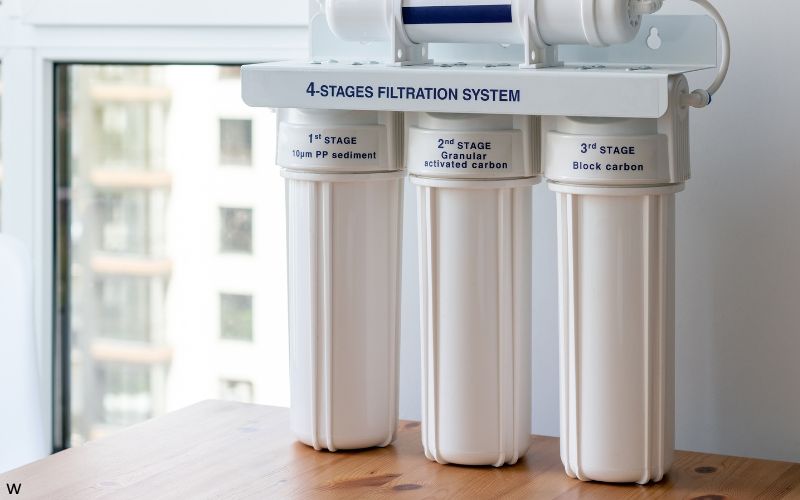
Install PFAS-Certified Filtration Now
With the compliance deadline extended to 2031 and 1,4-dioxane also a concern, home filtration is the most reliable near-term protection. For areas with known PFAS contamination, NSF-certified reverse osmosis or activated carbon filters specifically rated for PFAS removal are strongly recommended. See our full filter guide for options matched to North Carolina’s specific contaminant profile. *Affiliate disclosure: We may earn a commission on filter purchases at no cost to you.

Report Water Quality Concerns
Contact your local water utility immediately for taste, odour, or colour concerns. Report suspected contamination to NCDEQ’s Division of Water Resources Public Water Supply Section at (919) 707-9090. Track active boil water notices statewide via our live U.S. boil water notices tracker. If you have a private well in the Cape Fear Basin, contact NCDEQ about eligibility for free well testing.
Practice Water Conservation
Support North Carolina’s water sustainability by implementing conservation measures like efficient irrigation, rainwater harvesting, and low-flow fixtures. Reducing demand helps utilities maintain system reliability and affordability while preserving water resources for future generations. Water conservation also reduces the volume of PFAS-contaminated effluent that re-enters the environment through wastewater treatment.
North Carolina Cities We Cover
Charlotte Water Quality
Comprehensive analysis of Charlotte Water, North Carolina’s largest water utility serving over 1 million customers. Includes information on water sources, treatment processes, infrastructure modernisation, and PFAS monitoring in the Catawba River watershed.
Fayetteville Water Quality
Detailed assessment of Fayetteville Public Works Commission water systems, including PFAS treatment upgrades and the ongoing contamination from Chemours’ Fayetteville Works plant affecting the Cape Fear River Basin. PWC has secured $81 million in grants and loans toward its GAC system, due for completion in 2028.
Raleigh Water Quality
Complete evaluation of Raleigh Water services covering water quality testing, source protection from Falls Lake and Little River, and compliance with PFAS regulations in North Carolina’s capital city. Raleigh was among areas newly flagged in federal PFAS monitoring data in 2025.
Contaminants of Concern
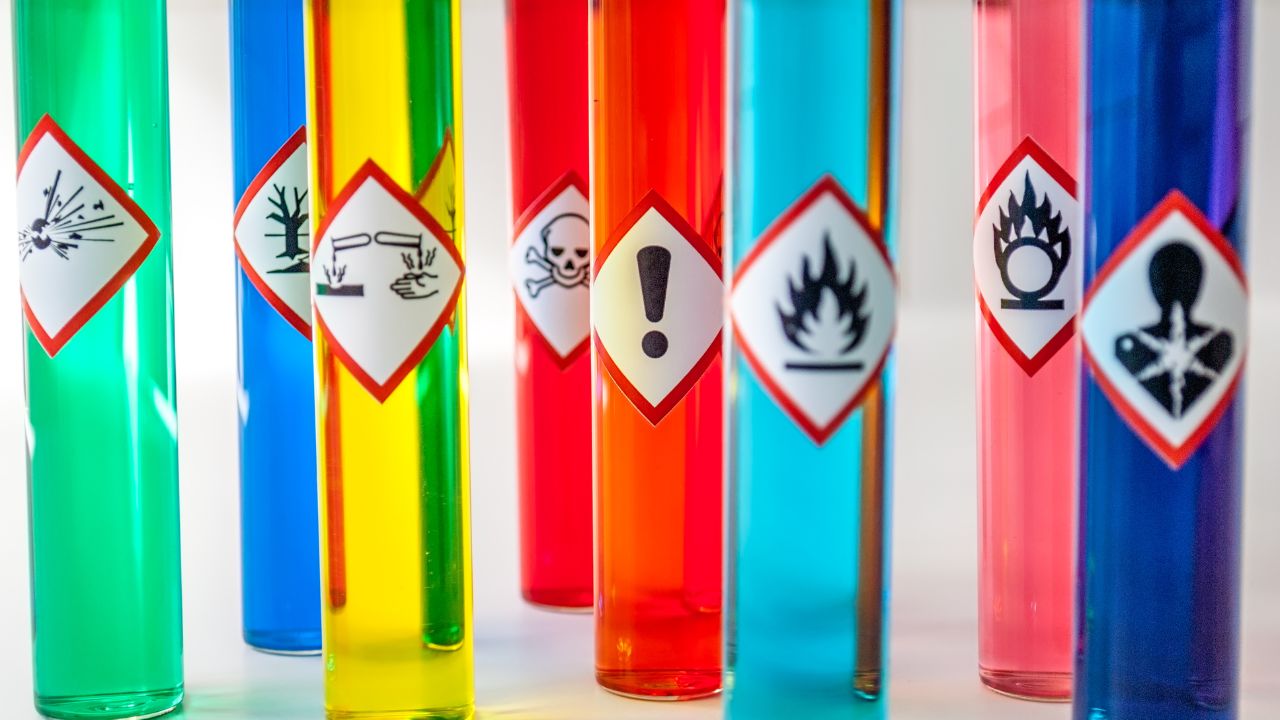
PFAS “Forever Chemicals”
Source: Industrial manufacturing at Chemours’ Fayetteville Works facility, firefighting foam use at military bases, consumer products including non-stick cookware and stain-resistant textiles. A January 2026 NCDEQ study confirmed PFAS present across all 37 sampled wastewater treatment facilities statewide.
Health Effects: Linked to kidney and testicular cancer, liver damage, immune system suppression, high cholesterol, pregnancy-induced hypertension, thyroid disease, and developmental effects in children. PFOA is classified as a carcinogen and PFOS as a probable carcinogen by the International Agency for Research on Cancer.
Current Status (2026): 47 community water systems exceed EPA MCLs of 4 ppt for PFOA/PFOS, affecting 3.5 million+ residents. The federal compliance deadline has been extended from 2029 to 2031. MCLs for GenX and other PFAS were rescinded by EPA in May 2025, though a January 2026 federal court denied EPA’s motion to vacate these rules — their legal status remains in flux. North Carolina’s state-level PFAS surface water discharge rules are now in public comment (March–June 2026). See our filter guide for PFAS removal options.
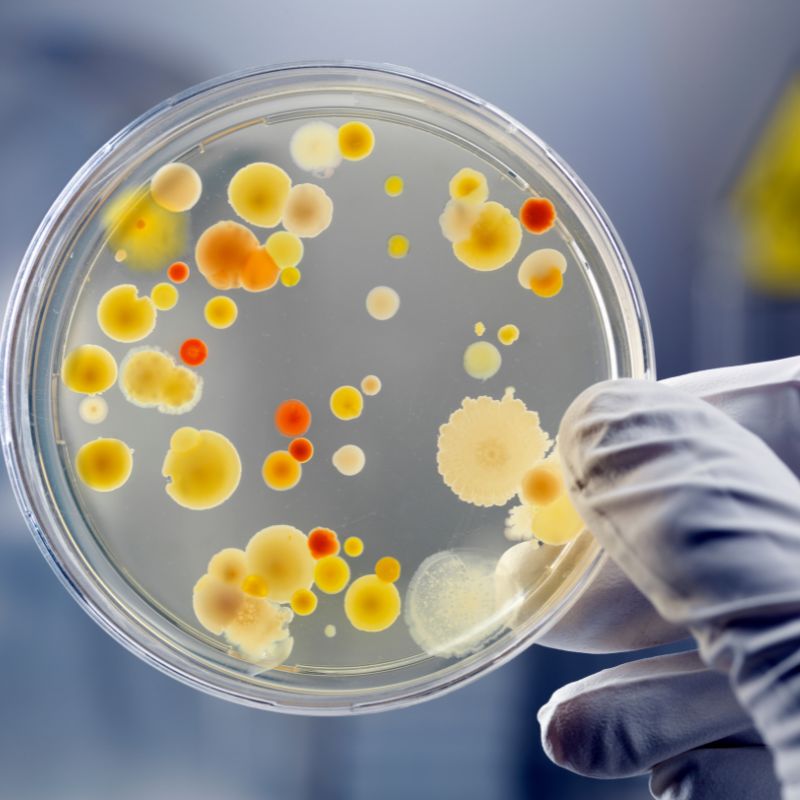
1,4-Dioxane and Agricultural Runoff
Source: 1,4-dioxane is an industrial solvent discharged by manufacturing facilities into rivers and streams. Agricultural runoff across eastern North Carolina also contributes nutrients and bacteria to source waters, while urban stormwater affects river quality throughout the state.
Health Effects: 1,4-dioxane is a probable human carcinogen. Excess nutrients cause algal blooms and toxin production, while bacteria contamination can cause gastrointestinal illness and other waterborne diseases. Microplastics — now confirmed ubiquitous in North Carolina water — are also under growing scientific scrutiny for health impacts.
Current Status (2026): Over one million North Carolinians drink water threatened by 1,4-dioxane. The NC Environmental Management Commission advanced 1,4-dioxane monitoring and minimisation rules to public comment in January 2026. Critics warn the proposed rules do not require polluters to reduce discharges and impose no consequences for increases. NCDEQ nutrient reduction programmes continue through TMDL strategies for the Neuse and Tar-Pamlico rivers. Track water quality news for regulatory updates.
Quality News About Your Water
Get the comprehensive water quality news coverage you need with our dedicated US Water News Service. From coast to coast, we deliver in-depth reporting and expert analysis on PFAS contamination, EPA regulatory changes, infrastructure developments, and emerging water safety issues affecting communities nationwide. While mainstream media only covers the biggest stories, we provide the detailed, ongoing coverage that helps you understand the full scope of America’s water challenges. Whether you’re a concerned citizen, water professional, or community leader, our daily updates and analytical insights keep you informed about the issues that matter most to public health and environmental safety.
Frequently Asked Questions
Is North Carolina’s tap water safe to drink in 2026?
Most of North Carolina’s public water systems meet current federal drinking water standards and are technically safe for consumption. However, 47 community water systems exceed EPA PFAS limits, affecting more than 3.5 million residents.
The January 2026 NCDEQ biosolids study confirmed that PFAS contamination is systemic across wastewater treatment facilities statewide — not isolated to a few sites. The EPA has extended the PFOA/PFOS compliance deadline to 2031, meaning residents in affected areas could face years of continued exposure without home filtration. Governor Stein’s administration has committed over $1.4 billion in water infrastructure projects, and $17 million was announced in March 2026 specifically for PFAS-affected homes in New Hanover County. Use our water quality checker to assess your local system, and check the boil water notices tracker for active alerts.
What are PFAS chemicals and why are they a concern in North Carolina?
PFAS (per- and polyfluoroalkyl substances) are synthetic “forever chemicals” that don’t break down in the environment or human body, and are linked to cancer, liver damage, immune dysfunction, and developmental harm.
North Carolina — particularly the Cape Fear River Basin — has some of the most severe PFAS contamination in the country due to decades of industrial discharge by Chemours’ Fayetteville Works facility. The EPA set MCLs of 4 ppt for PFOA and PFOS in 2024. More than 3.5 million North Carolinians currently exceed these new limits in their drinking water. MCLs for GenX and other PFAS were withdrawn by the Trump administration’s EPA in May 2025, though federal courts have been asked to review that decision. A NCDEQ study published in January 2026 found PFAS in all 37 tested wastewater plants and 19 regulated biosolids application fields — confirming contamination is far broader than previously understood. See our filter solutions page for protection options.
How can I find out about my local water quality?
North Carolina residents can access comprehensive water quality information through several resources:
• Annual Water Quality Reports: Contact your water utility directly for their Consumer Confidence Report, which details all testing results and any violations or concerns.
• NCDEQ Database: Visit the North Carolina Department of Environmental Quality’s online database to access testing results and compliance information for your local water system.
• Clean Air and Water Checker: Use our water quality checker and water alert news for up-to-date information on your area.
• Cape Fear Basin Resources: Residents in affected areas may be eligible for free well testing and treatment assistance. In March 2026, $17 million was allocated to extend waterlines to 300+ contaminated-well households in New Hanover County. Contact CFPUA or NCDEQ for eligibility information.
Why does North Carolina have such severe water contamination challenges?
North Carolina’s water contamination challenges stem from several interconnected factors:
Industrial Legacy: Chemours’ Fayetteville Works facility discharged PFAS including GenX into the Cape Fear River for decades. Governor Stein, as former Attorney General, filed lawsuits against Chemours and over a dozen other PFAS dischargers — cases still working through the courts.
Systemic Contamination: The January 2026 NCDEQ study found PFAS not just in drinking water sources, but throughout the wastewater system — in treatment plants, biosolids, and land-application fields. Agriculture covers 20% of the state, providing pathways for PFAS to re-enter crops and groundwater.
Funding Gaps: The state requires an estimated $16.8 billion in drinking water infrastructure over 20 years. Federal funding is available but competitive, and rural systems face higher per-capita costs with limited technical capacity.
Regulatory Uncertainty: Federal rollbacks on PFAS MCLs for GenX and other compounds, combined with the extended compliance deadline to 2031, leave residents in a prolonged period of risk. North Carolina is pursuing state-level rules to fill the gap, but these are still in development. Track developments through our news section.
Please read – our information
The information presented on cleanairandwater.net is compiled from official water quality reports, trusted news sources, government websites, and public health resources. While we strive for accuracy and thoroughness in our presentations, we are not scientists, engineers, or qualified water quality professionals.
Our mission is to present water quality information in an accessible, real-world format that helps people understand what’s in their water and make informed decisions about their health and safety. We believe that complex environmental information should be available to everyone in a format that’s easy to understand.
We make every effort to ensure our content is current and accurate, but we cannot guarantee that all information is complete or error-free. This website should not replace official communications from your local water utility or health department. We always recommend consulting official sources for the most up-to-date information regarding your specific water system.
Clean Air and Water is not liable for any unintentional errors, omissions, or outdated information. The content on this site is provided for informational purposes only and should not be considered professional advice.