Ohio Water Quality at a Glance
Is Ohio Water Safe to Drink?
Generally Compliant, But Concerning Contamination — Ohio water meets federal standards but faces significant PFAS contamination across 100+ public water systems, with PFOA/PFOS MCLs of 4 ppt now enforceable and a compliance deadline of 2031. A February 2025 EWG report identified over 100 contaminants at high levels statewide, including disinfection byproducts, nitrates, and PFAS. Ohio’s approximately 745,000 lead service lines rank third nationally. Use our water filter guide and check our live boil water tracker for current advisories.
⚠️ Key Concerns for Ohio Residents
- PFAS “Forever Chemicals”: 100+ public water systems have detectable PFAS; PFOA/PFOS MCLs of 4 ppt are now enforceable with compliance required by 2031; MCLs for PFHxS, PFNA, GenX and PFBS proposed for rescission under the Trump EPA (May 2025)
- Ohio River PFAS Spike: A July 2025 congressional letter to EPA flagged a spike in PFAS levels in the Ohio River affecting millions downstream; Wright-Patterson AFB shows PFOS at up to 12.4 ppt — above the federal MCL
- Lead Service Lines: ~745,000 lead service lines remain (third highest nationally); the Ohio Lead Line Replacement Act (HB 534) introduced May 2025 is still moving through the state legislature
- Lake Erie Algae Blooms: Annual harmful algae blooms threaten drinking water for approximately 12 million people each summer; the 40% phosphorus reduction target from agricultural runoff remains unmet
Read the full report below for detailed analysis, city-specific data, and actionable recommendations for Ohio residents. Check our water quality checker for local data.
Advertisement — Report continues below
Think Your Tap Water Is Safe? Think Again.
Even when it looks clear, tap water can carry hidden contaminants—like chlorine, heavy metals, and microplastics—that don’t always affect the taste but still reach your glass.
A professionally engineered water filtration system can help protect your household, providing cleaner, safer, and better-tasting water every day.
Smart Solutions for Safer Drinking Water:
✅ Reduces common contaminants like chlorine and microplastics
✅ NSF/ANSI certified for trusted performance
✅ Smart, space-saving tankless design
✅ Long-term investment in cleaner water
Looking for a simple, no-install option? (Check out the A2 Countertop System)
Note: This advert contains affiliate links. If you buy through these links, we may earn a commission at no extra cost to you.

Ohio – The Buckeye State – Water Quality Report 2026: PFAS Testing, Infrastructure Concerns & Safety across your state
Ohio’s water infrastructure serves approximately 11.8 million residents across diverse geographical regions, from the Lake Erie shoreline in the north to the Ohio River valley in the south. The state operates a network of over 1,500 public water systems, ranging from large municipal utilities like Cleveland Water and Columbus Public Utilities to smaller rural systems. Ohio’s water sources include the Ohio River, Lake Erie, numerous inland lakes and reservoirs, and extensive groundwater aquifers supplying both urban centres and agricultural areas.
Despite significant water resources, Ohio faces major infrastructure challenges in 2026. A February 2025 EWG report confirmed over 100 contaminants at high levels statewide. The EPA’s May 2025 decision retained enforceable PFOA/PFOS limits at 4 ppt while extending the compliance deadline to 2031, and proposed to rescind MCLs for four additional PFAS compounds — a development criticised by public health advocates. Ohio ranks third nationally for lead service lines, with approximately 745,000 still in use. A bipartisan Lead Line Replacement Act (HB 534) was introduced in Ohio’s legislature in May 2025. Residents should consult our Ohio state overview, review individual city water quality data, and consider NSF-certified home filtration for added protection.
Ohio Water Quality: Current Status (2025–2026)
Statewide Compliance and Testing
- Overall Compliance: The majority of Ohio’s 1,500+ public water systems meet federal Safe Drinking Water Act standards. However, a February 2025 EWG report identified high levels of over 100 contaminants statewide — including disinfection byproducts, nitrates, and PFAS. Over 100 systems have detectable PFAS levels ranging from 5–140 parts per trillion. Check our national water quality checker to compare Ohio data with other states.
- PFAS Regulatory Shift (May 2025): The EPA retained enforceable PFOA/PFOS MCLs of 4 ppt but extended the compliance deadline from 2029 to 2031. Simultaneously, the agency proposed rescinding MCLs for PFHxS, PFNA, GenX (HFPO-DA), and PFBS — drawing criticism from public health groups and triggering likely litigation under the Safe Drinking Water Act’s anti-backsliding provisions. Initial PFAS monitoring for all public water systems is required by April 2027.
- Ohio River PFAS Spike: In July 2025, a U.S. congressman formally petitioned the EPA to address a documented spike in PFAS levels in the Ohio River — a primary drinking water source for millions of Ohio and Kentucky residents. PFAS from Ohio businesses can travel significant distances downstream, compounding contamination risks for communities along the river.
Major Water Sources and Challenges
- Lake Erie System: Serves northern Ohio communities but faces annual harmful algae bloom challenges threatening drinking water for approximately 12 million people. Enhanced monitoring and treatment protocols are required each summer bloom season, adding costs to affected utilities. The 40% phosphorus reduction target agreed with Canada under the Great Lakes Water Quality Agreement remains unmet.
- Ohio River Basin: Primary source for southern Ohio communities, with a documented PFAS spike in July 2025 prompting congressional action. Wright-Patterson Air Force Base near Dayton has recorded PFOS at up to 12.4 ppt — above the 4 ppt federal MCL — contributing to regional contamination concerns.
- Lead Service Line Crisis: Ohio ranks third nationally with approximately 745,000 lead service lines still in use, posing significant health risks particularly to children. The Ohio Lead Line Replacement Act (HB 534), introduced in May 2025 and still moving through the state legislature, would require all public water systems to replace lead service lines within 15 years.
Emerging Contaminant Response
- PFAS Compliance Planning: Utilities must complete initial PFAS monitoring by April 2027 and comply with PFOA/PFOS MCLs by 2031. The EPA launched the “PFAS OUT” initiative in May 2025, providing technical assistance to every public water utility known to need capital improvements for PFAS treatment — though no additional federal funding was announced alongside this programme.
- Treatment Technology Deployment: Ohio water utilities are implementing activated carbon filtration, ion exchange, and reverse osmosis systems for PFAS removal. Dayton — a national leader in PFAS response since 2016 — is working with consulting firm TetraTech to design a cost-effective advanced treatment solution, having secured significant Ohio EPA funding at 0% interest and principal forgiveness.
- Data Centre Discharge Concern: In December 2025, Ohio EPA was found to be considering fast-tracking water discharge permits for data centres — without mandatory PFAS discharge limits or baseline water quality testing — raising new concerns about emerging contamination pathways. Ohio has more data centres than any other Great Lakes state, with at least 217 facilities.
Lake Erie Algae Bloom Impact
- Annual Bloom Challenges: Western Lake Erie continues to experience harmful algae blooms each summer, driven by agricultural phosphorus and nitrogen runoff. Blooms threaten drinking water for approximately 12 million people and require utilities to implement specialised toxin monitoring, potentially switch water sources, and apply enhanced treatment.
- Treatment Cost Impact: Residents served by Lake Erie water systems face additional costs for enhanced bloom-season treatment. The Toledo 2014 water crisis — when microcystin toxins shut off water for 400,000 residents — continues to inform regional preparedness protocols and investment decisions.
- Source Water Protection: The 40% phosphorus reduction target for Lake Erie’s western basin, agreed upon under the 2012 Great Lakes Water Quality Agreement, has not been achieved. Ongoing watershed management and agricultural best management practice programmes continue, but progress is slow relative to the scale of runoff. Track algae bloom-related boil water advisories on our live notice tracker.
Lead Service Line Replacement Initiative
- Legislative Action: The Ohio Lead Line Replacement Act (HB 534), introduced in May 2025, would mandate all public water systems replace lead service lines within 15 years. The bill is moving through the Ohio House of Representatives and still requires Senate approval and the governor’s signature. Meanwhile, nearly 4,000 Ohio children are tested annually for elevated blood lead levels linked to drinking water.
- Municipal Progress: Cities like Akron are targeting lead-free status by 2027; Columbus began comprehensive replacement in 2025; Greater Cincinnati Water Works has replaced over 6,000 lead lines since 2016. Federal EPA rules finalized in 2024 require all lead service lines nationally to be replaced within 10 years.
- Federal Funding: EPA lead service line replacement funding of $3 billion per year (FY2022–2026) under the Bipartisan Infrastructure Law continued into 2025, though the November 2025 release of FY2025 allocations was delayed approximately five months due to administrative issues. Ohio has received $184 million specifically for lead pipe replacement, prioritising disadvantaged communities.
Looking Forward: 2026–2031
Ohio’s water quality landscape faces a pivotal period through 2031 as utilities work toward PFOA/PFOS compliance while simultaneously confronting the third-largest inventory of lead service lines in the nation and persistent Lake Erie algae bloom threats. The Trump administration’s May 2025 decision to rescind MCLs for four additional PFAS compounds introduces regulatory uncertainty for utilities that had planned for broader compliance, though PFOA/PFOS limits remain enforceable. The state’s Ohio EPA is also navigating new pressures around data centre water discharge and PFAS monitoring for emerging sources. Residents in affected areas are strongly encouraged to stay informed via our water quality news feed, use our water quality checker, and review home filtration options certified for PFAS and lead removal.
Recommendations for Ohio Residents
Know Your Water Source
Contact your water utility to request annual water quality reports (Consumer Confidence Reports) and ask specifically about PFAS testing results and lead service line status at your address. Visit Ohio EPA’s website for your local system’s compliance data. Use our water quality checker to compare contaminant levels across Ohio cities.
Support Infrastructure Investment
Stay informed about local water infrastructure needs and support utility rate structures that enable PFAS treatment and lead service line replacement. Attend public meetings when utilities discuss capital investment plans. Contact your state representative to support the Ohio Lead Line Replacement Act (HB 534) currently before the legislature.
Consider PFAS-Certified Filtration
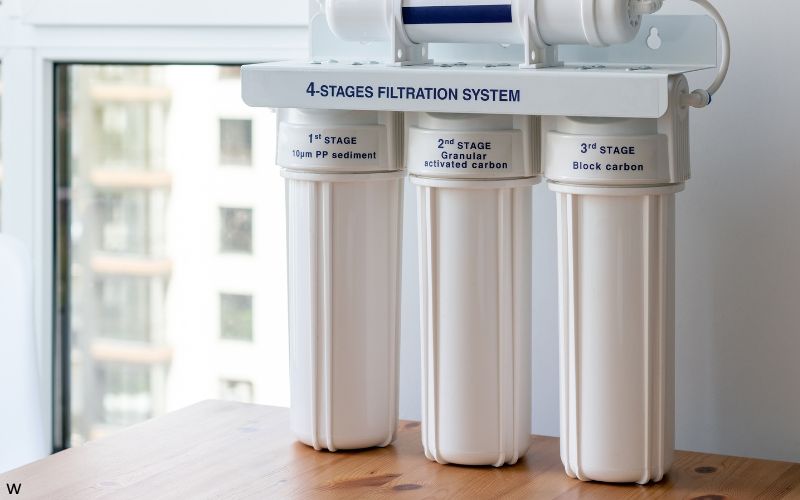
For areas with known PFAS or lead contamination, NSF-certified reverse osmosis or activated carbon filters provide effective protection while utilities work toward the 2031 compliance deadline. The EPA itself recommends home filters as an interim measure. See our full water filter solutions guide for certified systems suited to Ohio’s contaminant profile.

Report Water Quality Concerns
Contact your local water utility immediately for taste, odour, or discolouration concerns. Report suspected contamination to Ohio EPA’s Division of Drinking and Ground Waters at (614) 644-2752 for investigation and follow-up. Check our live boil water notice tracker for any active advisories in your Ohio community.
Support Lake Erie Protection
Support efforts to reduce nutrient runoff into Lake Erie through responsible fertiliser use, participation in watershed protection programmes, and advocacy for agricultural best management practices. The 40% phosphorus reduction target agreed under the Great Lakes Water Quality Agreement remains unmet — contact your county extension office or the Ohio Department of Agriculture to get involved. Stay informed via our water quality news feed.
Ohio Cities We Cover
Cincinnati Water Quality
Comprehensive analysis of Greater Cincinnati Water Works, serving the tri-state region with Ohio River water sources. Includes information on lead service line replacement progress, PFAS monitoring, and treatment processes.
Cleveland Water Quality
Detailed assessment of Cleveland Water Department systems, covering Lake Erie source water challenges, algae bloom response protocols, and the city’s comprehensive lead service line replacement programme.
Columbus Water Quality
Complete evaluation of Columbus Public Utilities water systems, including groundwater and surface water sources, PFAS treatment implementation, and the city’s lead service line replacement initiative launched in 2025.
Toledo Water Quality
In-depth analysis of Toledo’s water systems, focusing on Lake Erie source water management, harmful algae bloom mitigation strategies, and enhanced treatment protocols for emerging contaminants — informed by lessons from the 2014 microcystin crisis.
Frequently Asked Questions
Is Ohio’s tap water safe to drink?
Most of Ohio’s public water systems meet federal drinking water standards and are generally safe for consumption. However, a February 2025 EWG report identified over 100 contaminants at high levels statewide — including disinfection byproducts, nitrates, and PFAS — and the state has approximately 745,000 lead service lines that pose ongoing health risks.
Over 100 systems have detectable PFAS, with PFOA/PFOS MCLs of 4 ppt now legally enforceable and a 2031 compliance deadline for public water systems. Water utilities are implementing advanced treatment technologies and federal funding continues to support infrastructure upgrades. Residents should review their utility’s annual Consumer Confidence Report, check their address for lead service lines, and consider NSF-certified home filtration for added peace of mind, particularly for vulnerable populations.
Why do Lake Erie algae blooms affect my water?
Harmful algae blooms in Lake Erie threaten drinking water for approximately 12 million people each summer, forcing water utilities to implement enhanced treatment protocols, specialised monitoring, and in severe cases to temporarily switch water intakes.
The blooms are caused primarily by agricultural runoff — fertiliser and manure containing phosphorus and nitrogen — flowing into Lake Erie’s shallow western basin under warm conditions. The resulting cyanobacteria can produce microcystin toxins causing gastrointestinal illness and liver damage. Utilities must test for toxins daily during bloom season and may add activated carbon treatment as a precaution. The severity varies annually. Ohio continues working on watershed nutrient reduction, though the 40% phosphorus reduction target remains unmet. Check our live boil water tracker during summer bloom season.
How can I find out about my local water quality?
Ohio residents can access comprehensive water quality information through several resources:
• Annual Water Quality Reports: Contact your water utility directly for their Consumer Confidence Report, detailing all testing results and any violations — required to be distributed annually to all customers
• Ohio EPA eFile System: Visit the Ohio EPA’s online portal to access testing results and compliance information for your local water system, including PFAS monitoring data
• Lead Service Line Maps: Many Ohio utilities now provide online address lookup tools to determine whether you have a lead service line connection
• Our Water Quality Checker: Use our national water quality tool to compare your community’s contaminant data, and check our water quality news section for the latest Ohio developments
Why does Ohio have so many lead water lines?
Ohio ranks third nationally with approximately 745,000 lead service lines due to historical construction practices and the age of many of the state’s water systems, particularly in legacy industrial cities.
Historical Construction: Many Ohio cities developed their water systems in the early-to-mid 20th century when lead pipes were standard practice for service line connections between the water main and homes
Replacement Challenges: The scale of replacement — 745,000 lines at an estimated $5 billion total cost — has made progress gradual. The Ohio Lead Line Replacement Act (HB 534), introduced May 2025 and currently in the state legislature, would mandate replacement within 15 years
Federal Support: Federal EPA rules finalised in 2024 require all utilities to replace lead service lines within 10 years nationally. Ohio has received $184 million in dedicated federal funding, and cities including Akron, Columbus, and Cincinnati are making measurable progress — with Akron targeting lead-free status by 2027.
Quality News About Your Water
Get the comprehensive water quality news coverage you need with our dedicated US Water News Service. From coast to coast, we deliver in-depth reporting and expert analysis on PFAS contamination, EPA regulatory changes, infrastructure developments, and emerging water safety issues affecting communities nationwide. While mainstream media only covers the biggest stories, we provide the detailed, ongoing coverage that helps you understand the full scope of America’s water challenges. Whether you’re a concerned citizen, water professional, or community leader, our daily updates and analytical insights keep you informed about the issues that matter most to public health and environmental safety.
Contaminants of Concern
PFAS “Forever Chemicals”
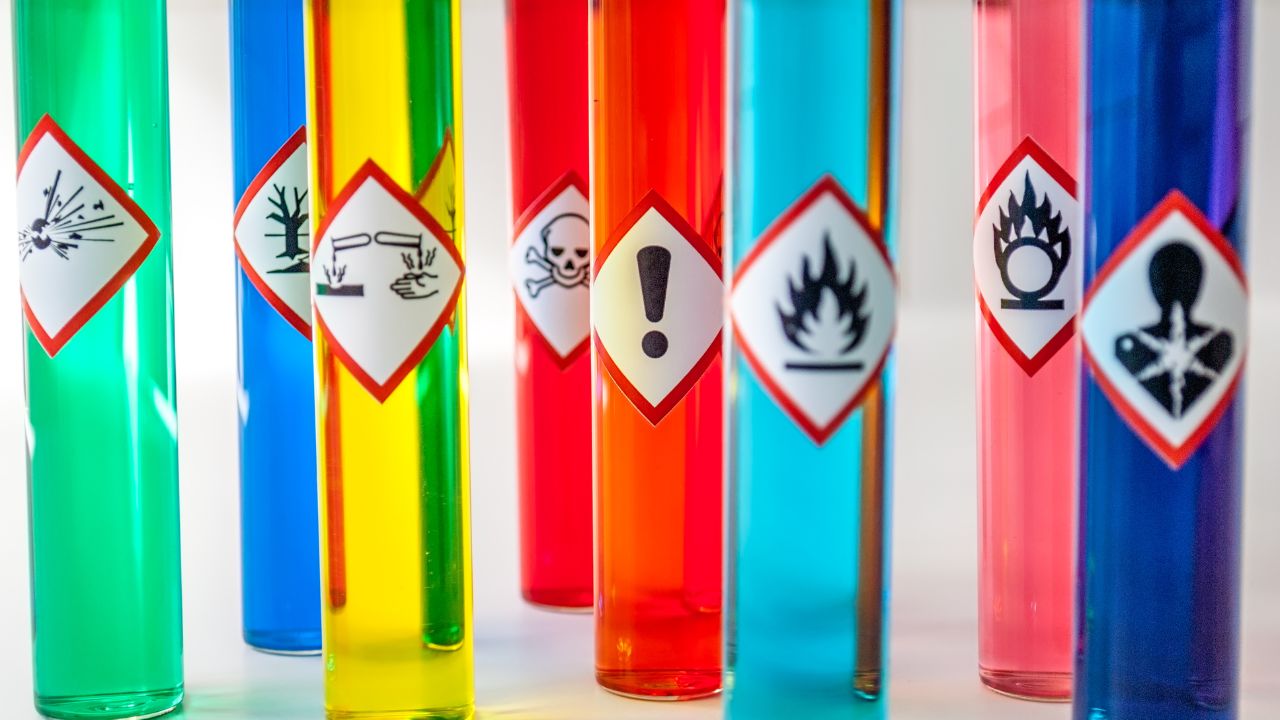
Source: Industrial manufacturing, military installations (including Wright-Patterson AFB near Dayton), firefighting foam (AFFF), and consumer products. Ohio’s AFFF takeback programme began in March 2024 to safely destroy PFAS-containing firefighting foam.
Health Effects: Linked to kidney and testicular cancer, liver damage, immune system suppression, elevated cholesterol, thyroid disease, and developmental effects in children with in-utero exposure
Current Status (2026): 100+ Ohio water systems have detectable PFAS levels (5–140 ppt); PFOA/PFOS MCLs of 4 ppt are enforceable with compliance required by 2031; MCLs for PFHxS, PFNA, GenX, and PFBS proposed for rescission (May 2025); initial monitoring required by April 2027. See our filter guide for PFAS-certified systems.
Lead Service Lines
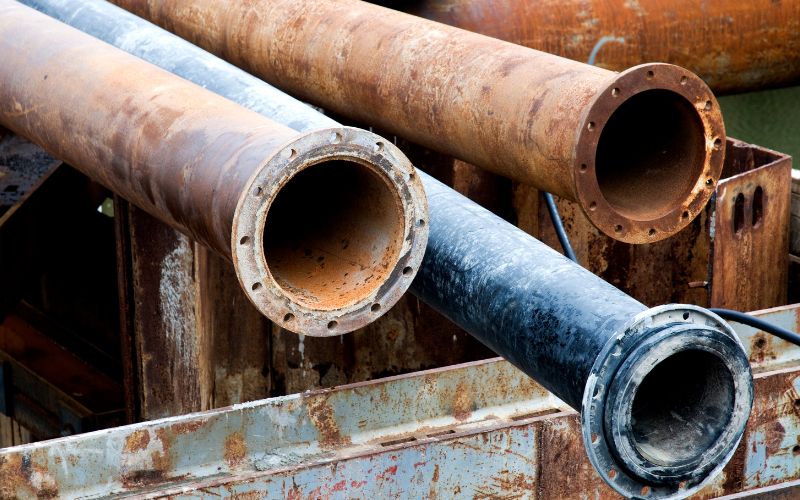
Source: Historical water system construction using lead pipes for service connections, particularly in older Ohio industrial cities developed in the early-to-mid 20th century
Health Effects: Neurological damage and developmental delays in children (no safe level of lead exposure); cardiovascular effects, kidney damage, and hypertension in adults from prolonged exposure
Current Status (2026): ~745,000 lead service lines remain (third highest nationally); nearly 4,000 Ohio children tested annually for elevated blood lead levels; Ohio Lead Line Replacement Act (HB 534) in state legislature as of 2025; federal rules require all lines replaced within 10 years. Protection: NSF-certified reverse osmosis or solid carbon block filters remove lead effectively — see our filter guide.

Lake Erie Algae Toxins
Source: Agricultural phosphorus and nitrogen runoff from fertilisers and manure into western Lake Erie’s shallow basin, combined with warm summer temperatures creating ideal conditions for cyanobacteria growth
Health Effects: Gastrointestinal illness, liver damage, neurological symptoms, and skin irritation from cyanobacterial toxins including microcystin. Severe exposure can cause liver failure.
Current Status: Annual blooms threaten approximately 12 million people’s drinking water; 40% phosphorus reduction target remains unmet; NOAA forecasting and enhanced monitoring in place during bloom season; utilities required to test daily for microcystin during high-risk periods. Track alerts on our live notice tracker.
Legacy Industrial Contaminants
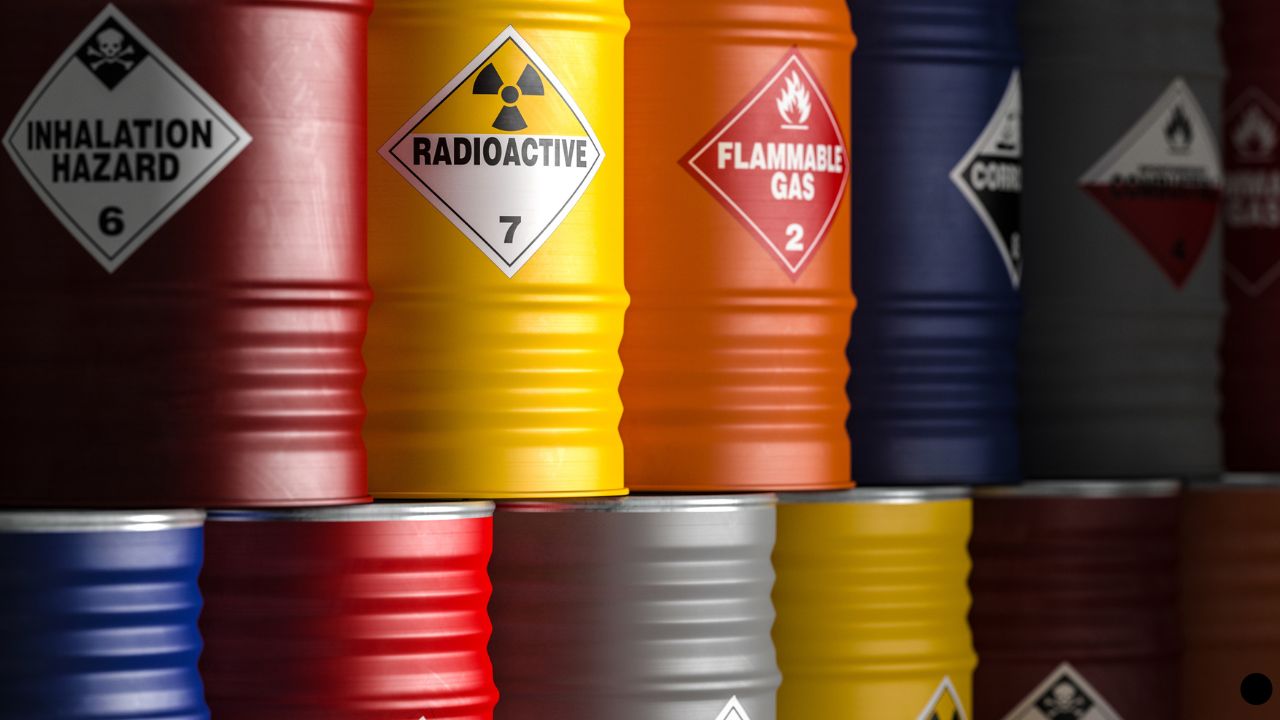
Source: Historical steel production, chemical manufacturing, and military activities throughout Ohio’s industrial corridor. The Ohio River PFAS spike flagged in July 2025 also reflects ongoing industrial discharge from upstream sources across the basin.
Health Effects: Varies by contaminant — heavy metals and industrial chemicals may cause increased cancer risk, cardiovascular effects, neurological impacts, and kidney damage with long-term exposure
Current Status: Ongoing Ohio EPA monitoring and remediation at identified sites; new concern over data centre discharge permits being fast-tracked without PFAS limits (December 2025); Superfund sites receiving federal attention. For the latest developments see our water news section.
Please read – our information
The information presented on cleanairandwater.net is compiled from official water quality reports, trusted news sources, government websites, and public health resources. While we strive for accuracy and thoroughness in our presentations, we are not scientists, engineers, or qualified water quality professionals.
Our mission is to present water quality information in an accessible, real-world format that helps people understand what’s in their water and make informed decisions about their health and safety. We believe that complex environmental information should be available to everyone in a format that’s easy to understand.
We make every effort to ensure our content is current and accurate, but we cannot guarantee that all information is complete or error-free. This website should not replace official communications from your local water utility or health department. We always recommend consulting official sources for the most up-to-date information regarding your specific water system.
Clean Air and Water is not liable for any unintentional errors, omissions, or outdated information. The content on this site is provided for informational purposes only and should not be considered professional advice.