Pennsylvania Water Quality at a Glance
Is Pennsylvania Water Safe to Drink?
Mixed Safety Record with Serious Concerns — Pennsylvania water meets federal standards in most systems but faces widespread contamination issues. 19% of water systems tested contain PFAS above EPA limits, affecting over 4.3 million residents. The state has 123 detected contaminants including arsenic, lead, vinyl chloride, and uranium. Lead detected in 80% of Allegheny County systems, and 18% of private wells statewide now test above safe PFAS levels.
⚠️ Key Concerns for Pennsylvania Residents
- PFAS “Forever Chemicals”: 19% of water systems exceed EPA PFAS limits; up to 2,100 ppt detected at Brookside Village — over 500× federal limits. 76% of 161 rivers and streams tested contain at least one PFAS compound.
- School Water Crisis: March 2025 — four southeastern PA schools found with PFAS contamination exceeding state regulations.
- Private Wells Under Pressure: August 2025 study found 65% of private wells sampled in PA contained PFAS; 18% exceeded EPA maximum contaminant levels, with highest concentrations in southeastern Pennsylvania.
- Lead Service Lines: Pennsylvania has an estimated 160,000–250,000 lead service lines requiring replacement by 2034. Pittsburgh Water has replaced 14,000+ lines and targets full removal by 2027.
- Industrial Legacy Pollution: Coal mining affects 20,000+ miles of waterways; 33% of rivers/streams don’t meet quality standards.
Read the full report below for detailed analysis, city-specific data, and actionable recommendations for Pennsylvania residents.
Advertisement — Report continues below
Concerned About Your Water Quality? You’re Not Alone.
In some areas, water systems only just meet minimum standards — and that can still leave families exposed to contaminants like lead, PFAS, disinfection byproducts, and heavy metals.
If your city has faced repeated violations or boil notices, it’s worth adding extra protection at home. A high-capacity, certified system gives your family stronger safety and peace of mind every day.
Smart Solutions for Safer Drinking Water:
✅ Reduces tough contaminants including lead and PFAS
✅ Certified to NSF/ANSI standards
✅ Built for high daily family use
✅ Long-term investment in cleaner, healthier water
Disclaimer:
This advert contains affiliate links. If you buy through these links, we may earn a commission at no extra cost to you.

Pennsylvania — The Keystone State — Water Quality Report 2026: PFAS Testing, Infrastructure Concerns & Safety Across Your State
Pennsylvania’s water infrastructure serves approximately 13.1 million residents across diverse geographical regions, from the urban corridors of Philadelphia and Pittsburgh to rural communities throughout the Commonwealth. The state operates through a complex network of over 3,000 public water systems, ranging from large municipal utilities like the Philadelphia Water Department, which serves 1.6 million customers, to smaller community systems providing essential services to rural areas. Pennsylvania’s water sources include major river systems — the Delaware, Susquehanna, Ohio, and Allegheny — along with numerous reservoirs and groundwater aquifers that supply both urban centres and agricultural areas.
Despite abundant water resources, Pennsylvania faces significant infrastructure challenges. The American Society of Civil Engineers’ 2025 Infrastructure Report Card awarded Pennsylvania’s drinking water infrastructure a C- grade, highlighting aging systems, funding shortfalls, and emerging contaminant concerns including PFAS “forever chemicals.” In January 2026, PENNVEST approved a historic single-round investment of $559.4 million in water infrastructure — the largest in the authority’s history — spanning drinking water safety, wastewater treatment upgrades, and lead service line replacement. Pennsylvania’s commitment to water quality is demonstrated through ongoing partnerships between the Pennsylvania Department of Environmental Protection (DEP), local utilities, and federal agencies working to ensure safe, reliable water access for all residents. You can track active boil water notices across Pennsylvania on our live tracker.

Pennsylvania Water Quality: Current Status (2025–2026)
Statewide Compliance and Testing
- Overall Compliance: The majority of Pennsylvania’s 3,000+ public water systems meet federal Safe Drinking Water Act standards, though 19% of systems tested had PFAS levels above EPA guidelines when comprehensive monitoring began in 2024. As of January 2026, PA DEP’s statewide monitoring data summary is updated regularly via the Drinking Water Reporting System.
- Expanded PFAS Monitoring: Since January 2025, all public water systems serving 350 or fewer people are now required to monitor for PFAS under Pennsylvania’s MCL rule. Pennsylvania set state MCLs of 14 ppt for PFOA and 18 ppt for PFOS in 2023 — stricter than many states, though less restrictive than the EPA’s 4 ppt federal limit for both compounds finalised in April 2024. Major suppliers including Aqua Pennsylvania and Pennsylvania American Water have confirmed they are on track to meet federal PFAS limits by 2027.
- Historic Infrastructure Investment: In January 2026, PENNVEST approved a record $559.4 million single-round award for water infrastructure projects statewide — the largest in PENNVEST history. This follows a $547.1 million award in October 2025 and $288.2 million in January 2025, reflecting sustained, accelerating investment in Pennsylvania’s water systems.
Major Water Sources and Challenges
- Delaware River Basin: Primary source for southeastern Pennsylvania including Philadelphia, facing legacy industrial contamination and requiring advanced treatment for PFAS. The region accounts for the highest concentrations of PFAS detections statewide, linked to electronics manufacturing, military installations, and developed land use.
- Three Rivers Region: The confluence of the Allegheny, Monongahela, and Ohio Rivers serves Pittsburgh. Pittsburgh Water has achieved a historically low 2 ppb lead level as of 2025, and has replaced over 14,000 lead service lines, targeting full residential lead line removal by 2027.
- Lead Service Line Challenge: Pennsylvania has an estimated 160,000–250,000 lead service lines statewide requiring replacement by 2034 under federal rules. Pittsburgh Water has secured over $911 million in PENNVEST funding since 2018. Pennsylvania American Water began replacing approximately 550 lead lines in New Castle in early 2026 using a $9.5 million PENNVEST award at no direct cost to customers.
Emerging Contaminant Response
- Federal PFAS Regulatory Landscape: The EPA’s April 2024 rule set enforceable MCLs of 4 ppt for PFOA and PFOS, with a compliance deadline now extended to 2031. In May 2025, the EPA announced its intent to rescind the MCLs for PFHxS, PFNA, GenX (HFPO-DA), and the PFBS hazard index — though a January 2026 federal court denied the EPA’s request to vacate these rules. Pennsylvania’s own MCLs of 14 ppt (PFOA) and 18 ppt (PFOS) remain in full effect. Learn more about PFAS and emerging contaminants on our dedicated resource page.
- Treatment Technology Deployment: Water utilities across Pennsylvania are implementing granular activated carbon, ion exchange, and reverse osmosis systems to remove PFAS. Aqua Pennsylvania received $17.3 million in 2024–2025 to install PFAS treatment at three well stations in southeast Pennsylvania, with completion targeted for early 2026.
- Private Well Contamination: An August 2025 study found that 65% of private wells sampled in Pennsylvania contained detectable PFAS, and 18% exceeded EPA MCLs. Concentrations were highest in southeastern Pennsylvania and near developed land. Socioeconomically disadvantaged communities face disproportionate exposure risk. Private well owners are responsible for their own testing and are encouraged to use a DEP-accredited laboratory.
Public Health and Safety Focus
- Lead Service Line Progress: Pittsburgh Water’s replacement of its 14,000th lead service line in January 2026 is a national benchmark. Pennsylvania American Water continues city-by-city replacement programmes funded through PENNVEST grants and low-interest loans, with customers bearing no direct cost.
- PFAS in Surface Water: A USGS-led study found PFAS in 76% of 161 Pennsylvania rivers and streams tested, with the first statewide identification of electronics manufacturing as a significant PFAS source. Higher concentrations cluster near Philadelphia, Pittsburgh, and other developed areas.
- Rural and Small System Support: Smaller water systems receive targeted technical and financial assistance through PENNVEST and federal programmes to ensure compliance with new PFAS and lead regulations. Since January 2025, systems serving 350 or fewer people must also comply with Pennsylvania’s PFAS MCL rule.
Looking Forward: 2026–2031
Pennsylvania’s water quality landscape is undergoing significant transformation as utilities prepare for federal PFAS compliance by 2031 and accelerated lead service line replacement by 2034. Record PENNVEST investment rounds in late 2025 and early 2026 reflect the scale of effort underway. However, private well owners — particularly in southeastern Pennsylvania — face growing PFAS exposure risk with limited regulatory protection. Pennsylvania’s ongoing challenges include a projected multi-billion dollar infrastructure funding gap, legacy industrial contamination in waterways, and the need for sustained investment in both large utilities and smaller community systems. Residents can check their local water system data through our water quality news section and use our water filter guide to find certified filtration options. For issues in neighbouring states, see our reports for New Jersey, New York, Ohio, Maryland, and West Virginia.
Recommendations for Pennsylvania Residents

Know Your Water Source
Contact your water utility to request annual water quality reports and ask about PFAS testing results. Visit Pennsylvania DEP’s Drinking Water Reporting System to access your local system’s testing data. Private well owners should use a DEP-accredited lab to test for PFAS — especially in southeastern Pennsylvania. Check our water quality guide for more on what to look for in your results.
Support Infrastructure Investment
Stay informed about local water infrastructure needs and support utility rate structures that enable necessary improvements. Pennsylvania’s record PENNVEST investments in 2025–2026 are making a real difference. Attend public meetings when utilities discuss infrastructure upgrades and lead service line replacement programmes. Check our boil water notices tracker for any active advisories near you.
Consider PFAS-Certified Filtration
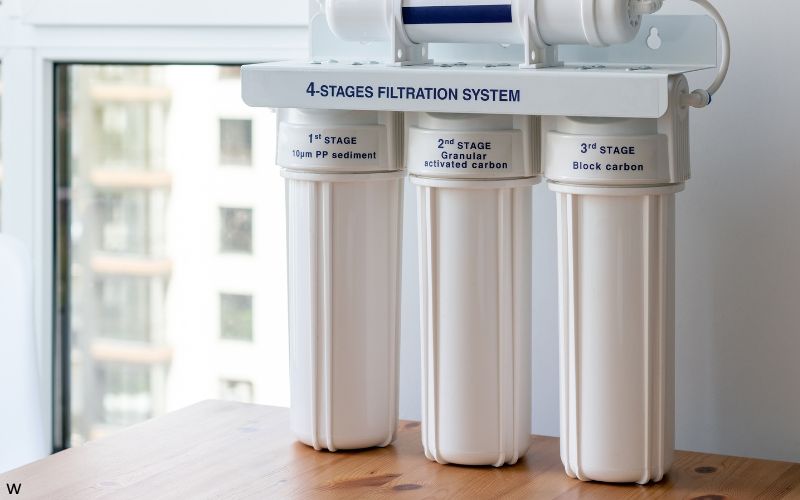
For areas with known PFAS contamination — particularly southeastern Pennsylvania — consider NSF-certified reverse osmosis or activated carbon filters tested for PFAS removal. These provide meaningful protection while utilities implement treatment upgrades. See our water filter recommendations for certified options suited to Pennsylvania’s contaminant profile.

Report Water Quality Concerns
Contact your local water utility immediately for taste, odour, or colour concerns. Report suspected contamination to Pennsylvania DEP’s Bureau of Safe Drinking Water at (717) 787-9037 for investigation and follow-up. You can also stay informed about statewide water issues via our water alert news section.
Practice Water Conservation
Support Pennsylvania’s water sustainability by implementing conservation measures like efficient irrigation, rainwater harvesting, and low-flow fixtures. Reducing demand helps utilities maintain system reliability and affordability as they invest in major PFAS treatment and lead line replacement upgrades across the Commonwealth.
Pennsylvania Cities We Cover
Philadelphia Water Quality
Comprehensive analysis of Philadelphia Water Department, serving 1.6 million customers across the city. Includes information on water sources, treatment processes, lead service line replacement programmes, and PFAS monitoring in America’s fifth-largest city.
Pittsburgh Water Quality
Detailed assessment of Pittsburgh Water and Sewer Authority systems serving the Three Rivers region. Covers water quality testing, lead service line replacement achievements — including replacement of the 14,000th lead line in January 2026 — and infrastructure modernisation in western Pennsylvania’s largest city.
Frequently Asked Questions
Is Pennsylvania’s tap water safe to drink in 2026?
Most of Pennsylvania’s public water systems meet federal drinking water standards and are safe for consumption. However, 19% of systems tested in 2024 had PFAS levels above EPA guidelines, and Pennsylvania’s own MCLs (14 ppt PFOA, 18 ppt PFOS) remain less stringent than the federal 4 ppt standard finalised in April 2024.
PA DEP requires comprehensive PFAS testing across all 3,000+ public water systems, with small systems under 350 connections now also required to monitor as of January 2025. Major suppliers are on track for federal compliance by 2027. Lead service line replacement is accelerating statewide. Private well users — especially in southeastern Pennsylvania — face elevated PFAS risk and should test their water independently. Residents should review their utility’s annual water quality report and check our contaminant guide for more detail.
What are PFAS chemicals and why are they a concern in Pennsylvania?
PFAS (per- and polyfluoroalkyl substances) are synthetic “forever chemicals” that don’t break down naturally in the environment or human body, and have been linked to cancer, liver damage, immune suppression, and developmental effects in children.
Pennsylvania has some of the most significant PFAS contamination in the US. The worst documented case is Brookside Village Mobile Home Park in Berwick, where levels exceeded 2,100 ppt — over 500 times the federal 4 ppt limit. A 2025 USGS study found PFAS in 76% of 161 Pennsylvania rivers and streams. An August 2025 study found 65% of private wells sampled contained PFAS, with 18% exceeding EPA MCLs. Pennsylvania’s own state MCLs of 14 ppt (PFOA) and 18 ppt (PFOS) have been in force since 2023, while utilities work toward the stricter federal 4 ppt standard by 2031. See our filter guide for certified PFAS removal options.
How can I find out about my local water quality in Pennsylvania?
Pennsylvania residents can access comprehensive water quality information through several resources:
• Annual Water Quality Reports (Consumer Confidence Reports): Contact your water utility directly for their CCR, which details all testing results and any violations or concerns for the previous year.
• PA DEP Drinking Water Reporting System (DWRS): Visit PA DEP’s online database to search testing results and compliance information for your local water system, including PFAS monitoring data updated to January 2026.
• PFAS Testing Results: PA DEP requires all public water systems serving more than 350 people to test for PFAS. Results are publicly available through DWRS. Systems serving 350 or fewer people began monitoring in January 2025.
• Lead Service Line Maps: Pennsylvania American Water and Pittsburgh Water both publish interactive maps showing completed, active, and upcoming lead line replacement work down to address level.
You can also track live boil water notices and read the latest water quality news for Pennsylvania on our site.
Why does Pennsylvania have ongoing water infrastructure challenges?
Pennsylvania’s water infrastructure faces several interconnected long-term challenges:
Aging Systems: Many water systems were built decades ago and require modernisation to meet current standards and handle emerging contaminants including PFAS.
Funding Gaps: The state faces a multi-billion dollar infrastructure funding gap over the coming decade, partially offset by record PENNVEST investment rounds ($559.4 million in January 2026, $547.1 million in October 2025).
Lead Service Lines: Pennsylvania has 160,000–250,000 lead service lines requiring replacement by 2034. Pittsburgh Water is on pace to complete residential lead line removal by 2027 — years ahead of most comparable utilities nationally.
Industrial Legacy: Historical manufacturing, coal mining, and military base activity have left significant PFAS and heavy metal contamination in waterways, requiring ongoing treatment, monitoring, and remediation.
Private Wells: Approximately 18% of private wells tested in Pennsylvania exceed EPA PFAS MCLs, with no mandatory testing requirements for private well owners. Residents on private wells should test their water using a DEP-accredited laboratory.
Contaminants of Concern
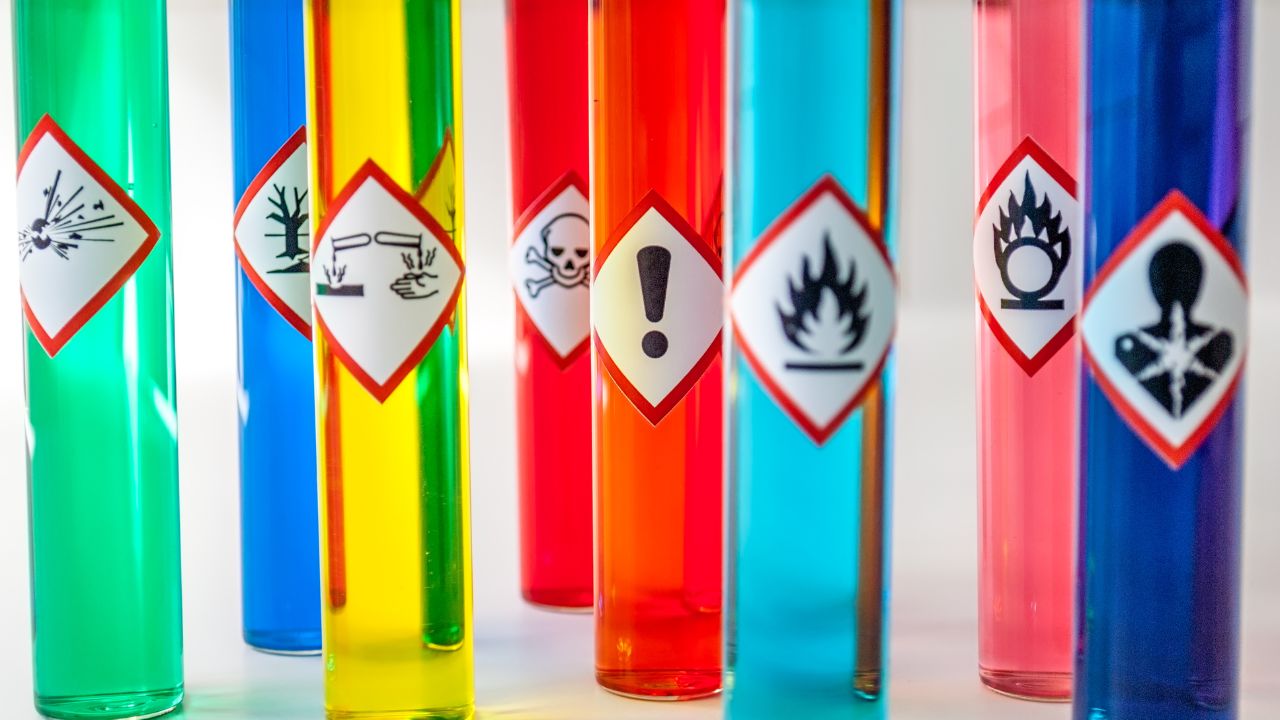
PFAS “Forever Chemicals”
Sources: Industrial and electronics manufacturing, firefighting foam (AFFF) at military bases and airports, landfill leachate, agricultural biosolids, and consumer products including non-stick cookware and stain-resistant materials.
Health Effects: Linked to kidney and testicular cancer, liver damage, immune system suppression, high cholesterol, thyroid disease, and developmental effects in children and infants.
Current Status (2026): 19% of Pennsylvania public water systems tested exceed EPA limits. PFAS found in 76% of 161 rivers/streams statewide. 65% of private wells sampled contain PFAS; 18% exceed EPA MCLs. Worst case: Brookside Village, Berwick — over 2,100 ppt (500× federal limit). EPA MCLs: 4 ppt for PFOA and PFOS; compliance deadline 2031. State MCLs: 14 ppt (PFOA), 18 ppt (PFOS). See our filter guide for NSF-certified PFAS removal systems.
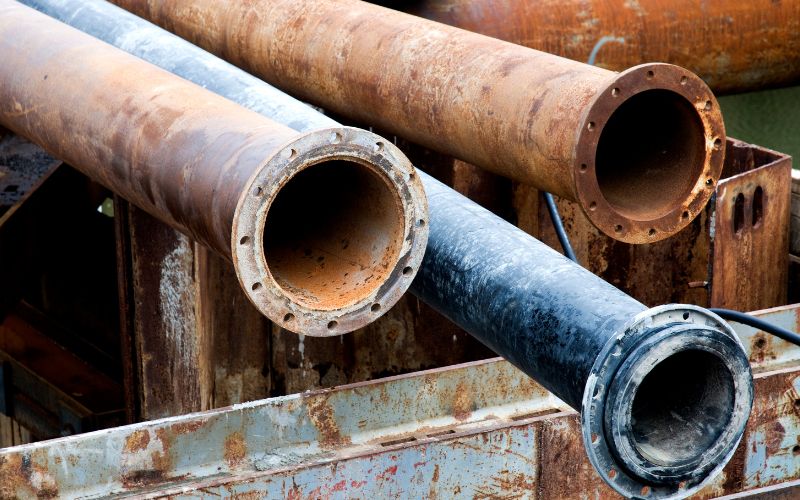
Lead Service Lines
Source: Historical use of lead pipes in water service connections from the early 1900s through 1986, when lead solder and pipes were banned for new drinking water systems.
Health Effects: No safe level of lead exposure exists. Lead causes irreversible brain development damage in children, cardiovascular effects, kidney damage, and reproductive problems in adults.
Current Status (2026): Pennsylvania has an estimated 160,000–250,000 lead service lines requiring replacement by 2034 under federal rules. Pittsburgh Water replaced its 14,000th lead line in January 2026 and targets full residential removal by 2027. Pennsylvania American Water began replacing ~550 lines in New Castle in early 2026 via a $9.5M PENNVEST award. Lead detected in 80% of Allegheny County systems. Over $911 million in PENNVEST funding secured by Pittsburgh Water alone since 2018. Regulatory Response: Full national lead service line replacement required by 2034 under EPA’s Lead and Copper Rule Improvements.
Please read – our information
The information presented on cleanairandwater.net is compiled from official water quality reports, trusted news sources, government websites, and public health resources. While we strive for accuracy and thoroughness in our presentations, we are not scientists, engineers, or qualified water quality professionals.
Our mission is to present water quality information in an accessible, real-world format that helps people understand what’s in their water and make informed decisions about their health and safety. We believe that complex environmental information should be available to everyone in a format that’s easy to understand.
We make every effort to ensure our content is current and accurate, but we cannot guarantee that all information is complete or error-free. This website should not replace official communications from your local water utility or health department. We always recommend consulting official sources for the most up-to-date information regarding your specific water system.
Clean Air and Water is not liable for any unintentional errors, omissions, or outdated information. The content on this site is provided for informational purposes only and should not be considered professional advice.