South Carolina Water Quality at a Glance
Is South Carolina Water Safe to Drink?
Meets Federal Standards, But Notable Concerns — South Carolina water generally meets EPA drinking water standards but faces widespread PFAS contamination across virtually all surface-water-sourced systems. SCDES testing of all public water systems between 2020 and 2023 found more than 100 with elevated PFAS levels. Charleston Water System recorded PFOS at 5.56 ppt — above EPA’s enforceable 4 ppt MCL. Joint Base Charleston groundwater contamination remains among the most severe recorded nationally. South Carolina has no state-level PFAS regulations, and the EPA compliance deadline for PFOA/PFOS has been extended to 2031. See our water filter recommendations for PFAS-removing options.
⚠️ Key Concerns for South Carolina Residents
- PFAS “Forever Chemicals”: 100+ public water systems found with high PFAS levels in state testing (2020–2023); Charleston Water System PFOS at 5.56 ppt — above EPA’s 4 ppt MCL
- Military Contamination: Joint Base Charleston groundwater at 1.15 million ppt PFAS — among the highest levels ever recorded nationally; contamination spread via Ashley River watershed
- No State PFAS Regulations: South Carolina has no state-level PFAS drinking water standards; federal compliance deadline extended to 2031; SCDES monitoring EPA rule revision
- Agricultural and Industrial Pollution: Atrazine, nitrates, industrial runoff, and textile mill legacy contamination affecting multiple watersheds and private wells
Read the full report below for detailed analysis, regional data, and actionable recommendations for South Carolina residents. Check the live boil water notices tracker for any active alerts in SC.
Advertisement — Report continues below
Think Your Tap Water Is Safe? Think Again.
Even when it looks clear, tap water can carry hidden contaminants—like chlorine, heavy metals, and microplastics—that don’t always affect the taste but still reach your glass.
A professionally engineered water filtration system can help protect your household, providing cleaner, safer, and better-tasting water every day.
Smart Solutions for Safer Drinking Water:
✅ Reduces common contaminants like chlorine and microplastics
✅ NSF/ANSI certified for trusted performance
✅ Smart, space-saving tankless design
✅ Long-term investment in cleaner water
Looking for a simple, no-install option? (Check out the A2 Countertop System)
Note: This advert contains affiliate links. If you buy through these links, we may earn a commission at no extra cost to you.

South Carolina – The Palmetto State – Water Quality Report 2026: PFAS Testing, Infrastructure Concerns & Safety across your state
South Carolina’s water infrastructure serves approximately 5.4 million residents across diverse geographical regions, from the Blue Ridge Mountains in the northwest to the Atlantic Coastal Plain in the southeast. The state operates through a network of over 650 public water systems, ranging from large municipal utilities like Charleston Water System, which serves over 500,000 customers, to smaller rural systems providing essential services to underserved communities. South Carolina’s water sources include major river basins such as the Savannah, Santee-Cooper, Pee Dee, and Ashley rivers, along with numerous reservoirs and groundwater aquifers that supply both urban centres and agricultural areas.
Despite abundant water resources, South Carolina faces significant infrastructure challenges. The American Society of Civil Engineers awarded South Carolina’s overall infrastructure a D+ grade in its most recent state-level assessment, with drinking water needs projected at nearly $6 billion over the next 20 years — over $4.5 billion of that for replacing ageing distribution and transmission pipelines. The state received over $11 million specifically for PFAS treatment under the Bipartisan Infrastructure Law. Critically, SCDES testing of all public water systems between 2020 and 2023 found more than 100 with high PFAS levels; that list was last updated April 2024. South Carolina has no state-level PFAS drinking water regulations, and SCDES is closely monitoring the EPA’s announced revision of the PFAS National Primary Drinking Water Rule (May 2025). For ongoing water news, visit our water alert news page.

South Carolina Water Quality: Current Status (2025–2026)
Statewide Compliance and Testing
- Overall Compliance: The majority of South Carolina’s 650+ public water systems meet federal Safe Drinking Water Act standards. However, SCDES testing of all public water systems between 2020 and 2023 found more than 100 with high PFAS levels — a significant proportion of the state’s supply base. The PFAS systems list was last updated by SCDES in April 2024.
- PFAS Monitoring: South Carolina faces widespread PFAS exposure, with elevated concentrations identified particularly in watersheds near military installations and industrial sites. Charleston Water System, which has been voluntarily testing for dozens of PFAS compounds since 2017, recorded PFOS at 5.56 ppt — above EPA’s enforceable MCL of 4 ppt. Removing that 1.56 ppt excess is estimated to cost at least $100 million upfront with approximately $10 million annually in ongoing operational costs.
- Infrastructure Investment: South Carolina received over $11 million from the Bipartisan Infrastructure Law specifically for PFAS treatment. Broader drinking water infrastructure funding has also been allocated through the State Revolving Fund programme, though the American Society of Civil Engineers projects a funding gap of approximately $6 billion over the next 20 years for the state’s water needs.
Major Water Sources and Challenges
- Ashley River Basin: Serves the Charleston metropolitan area but faces severe PFAS contamination from Joint Base Charleston, where groundwater testing has revealed levels of approximately 1.15 million ppt — among the highest ever recorded nationally. Military use of AFFF (aqueous film-forming foam) for firefighting training has contaminated surrounding watersheds.
- Coastal Water Systems: Charleston Water System serves over half a million South Carolinians and has proactively monitored PFAS since 2017, conducting 80+ voluntary tests. Current PFOS levels of 5.56 ppt exceed the 4 ppt MCL. The utility has confirmed it will comply with the federal standard and is planning treatment upgrades.
- Statewide Infrastructure Needs: EPA projects over $4.5 billion needed for replacing ageing distribution and transmission pipelines alone, with particular challenges in rural areas lacking adequate funding and technical capacity. For broader context, see our water quality checker.
Emerging Contaminant Response
- PFAS Regulation Update (2025–2026): On May 14, 2025, EPA announced its intent to revise the PFAS National Primary Drinking Water Rule — retaining the PFOA and PFOS MCLs at 4 ppt but extending the compliance deadline from 2029 to 2031, and proposing to rescind MCLs for PFHxS, PFNA, HFPO-DA (GenX), and the Hazard Index mixture. SCDES states it is closely monitoring this process. Initial monitoring by all water systems is required by April 2027.
- Treatment Technology Deployment: Water utilities are implementing advanced treatment technologies including granular activated carbon filtration and reverse osmosis systems to remove PFAS and other emerging contaminants. Charleston Water System is actively planning treatment upgrades and has confirmed it will comply with the federal standard regardless of regulatory timelines.
- No State PFAS Regulations: South Carolina does not have any state-level PFAS drinking water regulations. This means residents rely entirely on federal standards and voluntary utility monitoring. SCDES continues to publish PFAS testing data and provide private well testing assistance. See our boil water tracker for current SC advisories.
Rural and Disadvantaged Communities
- Infrastructure Disparities: Rural water systems face disproportionate challenges with ageing infrastructure, limited technical capacity, and higher per-capita costs for compliance with new regulations, particularly affecting communities in Tier III and IV counties across the state.
- State Infrastructure Support: The South Carolina Rural Infrastructure Authority has awarded grants under the SC Infrastructure Investment Program targeting water, sewer, and stormwater improvements for smaller and rural communities, with dedicated funding streams providing grants and forgivable loans.
- Private Well Testing: SCDES offers free PFAS assessment for private drinking water well owners through the Individual Private Well PFAS Assessment Application programme. Priority is given based on aquifer vulnerability, well susceptibility, and proximity to known PFAS sources. Well owners found to have PFAS may be eligible for filtration installation or connection to public supply at no cost.
Looking Forward: 2026–2031
South Carolina’s water quality landscape faces significant change as the PFOA/PFOS compliance deadline of 2031 approaches. With more than 100 public water systems recorded as having elevated PFAS levels, and no state-level PFAS regulations in place, residents depend on federal standards and utility-level action. The state’s lack of its own PFAS rules means that the ongoing uncertainty around federal regulation — following EPA’s May 2025 announcement — has a more direct impact here than in states with independent standards. Charleston Water System’s proactive voluntary monitoring and planned treatment upgrades represent a model for the state, but many smaller utilities face significant cost pressures. Successful outcomes will require sustained collaboration between SCDES, water utilities, federal agencies, and communities to ensure all South Carolinians have access to safe, affordable drinking water. For filter solutions appropriate to South Carolina’s contamination profile, see our recommended water filters.
Recommendations for South Carolina Residents
Know Your Water Source
Contact your water utility to request annual water quality reports and ask specifically about PFAS testing results. Visit SCDES’s website to access your local system’s testing data and understand any contaminants of concern, especially if you live near military installations or industrial sites. Charleston Water System publishes its voluntary PFAS testing results online. Check our water quality checker for local data.
Support Infrastructure Investment
Stay informed about local water infrastructure needs and support utility rate structures that enable necessary improvements. Attend public meetings when utilities discuss PFAS treatment investment — Charleston Water System alone estimates $100+ million upfront to achieve compliance. Residents near military contamination sites should engage with base remediation processes and SCDES updates.
Consider PFAS-Certified Filtration
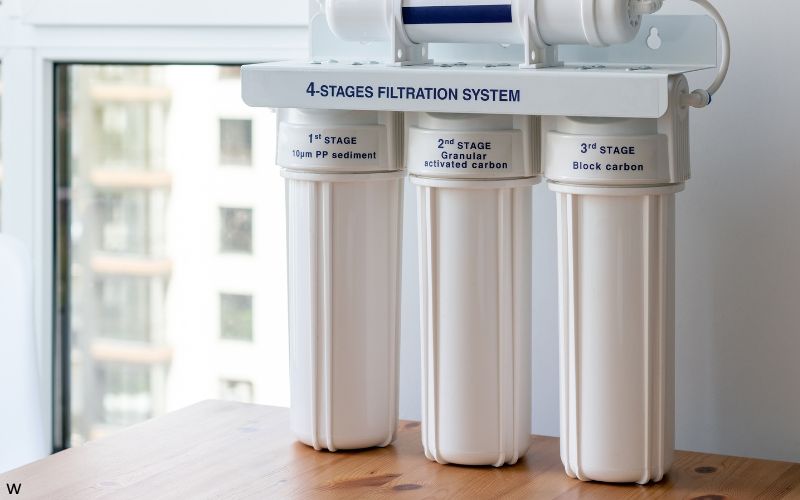
For areas with known PFAS contamination — particularly near Charleston, Joint Base Charleston, and coastal regions — NSF-certified reverse osmosis or activated carbon filters tested specifically for PFAS removal provide the best protection. These provide additional protection while utilities implement the treatment upgrades required by the 2031 EPA deadline. See our full water filter guide for South Carolina-specific options.

Report Water Quality Concerns
Contact your local water utility immediately for taste, odour, or colour concerns. Report suspected contamination to SCDES’s Bureau of Water for investigation. Private well owners can apply for free PFAS testing through SCDES’s Individual Private Well PFAS Assessment Programme — if PFAS is detected, residents may be eligible for free filtration installation or funding to connect to public supply. Monitor live boil water notices for current SC advisories.
Practice Water Conservation
Support South Carolina’s water sustainability by implementing conservation measures such as efficient irrigation, rainwater harvesting, and low-flow fixtures. Reducing demand helps utilities maintain system reliability and manage the significant costs of PFAS treatment infrastructure upgrades ahead of the 2031 compliance deadline. See the water news section for the latest on SC water issues.
South Carolina Cities We Cover
Charleston Water Quality
Comprehensive analysis of Charleston Water System, serving over 500,000 customers in the Lowcountry region. Includes detailed information on PFAS contamination levels (PFOS at 5.56 ppt), treatment processes, infrastructure investment challenges, and the utility’s voluntary monitoring programme and compliance roadmap for 2031.
Additional South Carolina city water quality reports will be added as comprehensive assessments are completed. These reports will cover major metropolitan areas including Columbia, Greenville, Spartanburg, and other significant population centres across the Palmetto State. See also neighbouring state reports for Georgia and North Carolina.
Frequently Asked Questions
Is South Carolina’s tap water safe to drink?
Most of South Carolina’s public water systems meet current federal drinking water standards and are generally safe for consumption. However, the state faces significant PFAS challenges: SCDES testing of all public water systems between 2020 and 2023 found more than 100 with elevated PFAS levels, and the list was last updated in April 2024.
Charleston Water System recorded PFOS at 5.56 ppt, above EPA’s enforceable 4 ppt MCL. South Carolina has no state-level PFAS regulations, meaning residents rely on federal standards. The EPA compliance deadline for PFOA/PFOS MCLs has been extended to 2031 following the EPA’s May 2025 announcement. Residents — particularly those near military bases, industrial sites, or relying on private wells — should review their utility’s water quality reports and consider independent testing. See our water filter recommendations for options.
Why does South Carolina have such high PFAS contamination?
South Carolina has significant PFAS challenges due to decades of military and industrial activity, particularly near major installations and manufacturing sites.
The most severe source is Joint Base Charleston, where groundwater testing revealed approximately 1.15 million ppt — among the highest PFAS concentrations ever recorded nationally. Military use of AFFF (aqueous film-forming foam) for firefighting training contaminated surrounding watersheds including the Ashley River, which serves as a drinking water source for Charleston. Additionally, industrial dischargers and wastewater treatment plants that cannot remove PFAS contribute to widespread surface water contamination. South Carolina’s coastal geography and interconnected waterways have allowed contamination to spread across multiple river basins, affecting drinking water sources across the state. PFAS have also been found in aquatic species including largemouth bass and bluegill sunfish, prompting SCDES to advise reduced consumption of certain fish species.
How can I find out about my local water quality?
South Carolina residents can access comprehensive water quality information through several routes:
• Annual Water Quality Reports: Contact your water utility directly for their Consumer Confidence Report, which details all testing results and any violations or concerns for the previous calendar year
• SCDES Online Resources: Visit the South Carolina Department of Environmental Services website to access PFAS testing data and compliance information for your local water system. SCDES publishes its PFAS systems list (last updated April 2024)
• PFAS Testing Data: SCDES monitors PFAS across public water systems; initial compliance monitoring for all systems is required by April 2027 under EPA rules
• Private Well Testing: Well owners can apply for free PFAS assessment through SCDES’s Individual Private Well PFAS Assessment programme — if contamination is found, remediation support may be available at no cost. Use our water quality checker as a starting point.
What is being done about water infrastructure in South Carolina?
South Carolina is implementing infrastructure improvements through federal and state funding programmes:
Federal Investment: South Carolina received over $11 million specifically for PFAS treatment through the Bipartisan Infrastructure Law. Additional broader water infrastructure funding is flowing through the Drinking Water State Revolving Fund.
PFAS Rule Update: Following EPA’s May 2025 announcement, the PFOA/PFOS compliance deadline is extended to 2031. Initial monitoring is required by April 2027. SCDES is closely monitoring the revised rule and will update guidance for water systems accordingly.
Treatment Upgrades: Charleston Water System is planning treatment upgrades to meet the PFOA/PFOS MCL of 4 ppt, at an estimated cost exceeding $100 million upfront. EPA’s recommended best available technologies include granular activated carbon (GAC), ion exchange, and reverse osmosis.
Future Needs: EPA projects nearly $6 billion needed over the next 20 years for South Carolina’s drinking water infrastructure, with over $4.5 billion for replacing ageing distribution and transmission pipelines — a substantial funding challenge given the state’s D+ infrastructure rating.
Quality News About Your Water
Get the comprehensive water quality news coverage you need with our dedicated US Water News Service. From coast to coast, we deliver in-depth reporting and expert analysis on PFAS contamination, EPA regulatory changes, infrastructure developments, and emerging water safety issues affecting communities nationwide. While mainstream media only covers the biggest stories, we provide the detailed, ongoing coverage that helps you understand the full scope of America’s water challenges. Whether you’re a concerned citizen, water professional, or community leader, our daily updates and analytical insights keep you informed about the issues that matter most to public health and environmental safety.
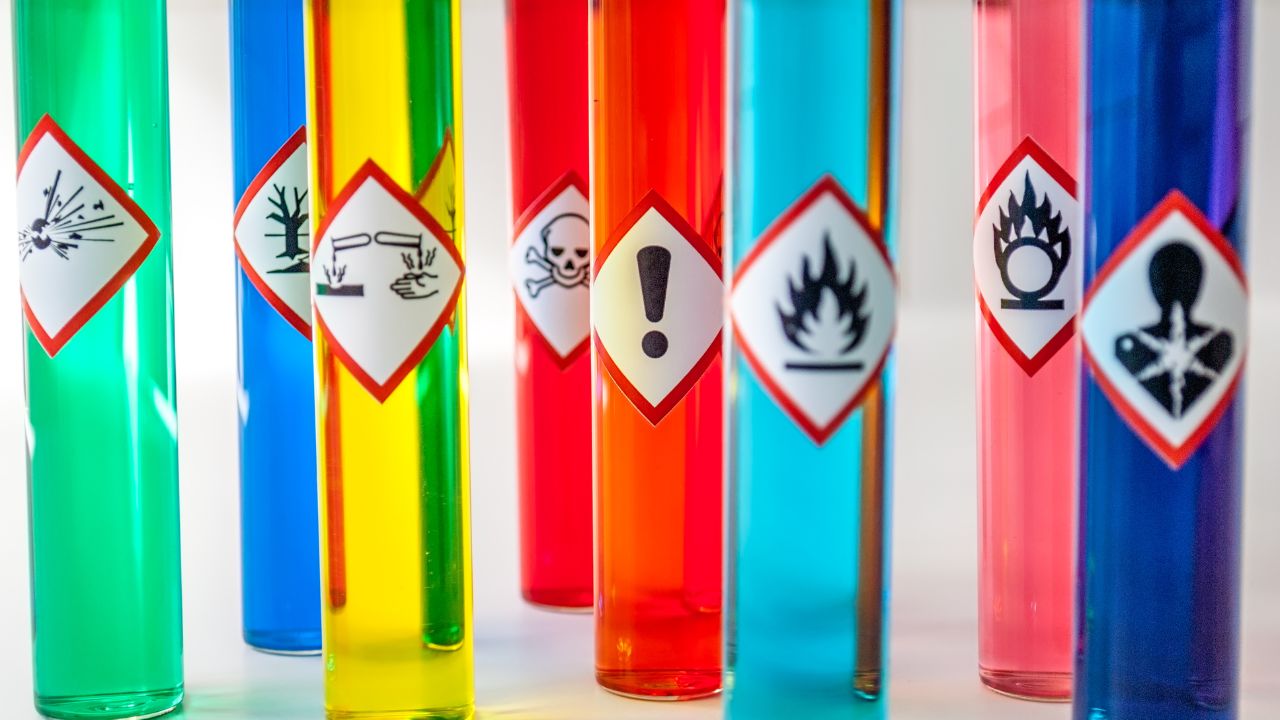
Contaminants of Concern
PFAS “Forever Chemicals”
Source: Military firefighting foam (AFFF) from Joint Base Charleston and former Charleston Naval Base; industrial manufacturing; consumer products including non-stick cookware and stain-resistant textiles. PFAS have also been found concentrated in sewage sludge applied to farmland as fertiliser, spreading contamination to agricultural watersheds.
Health Effects: Linked to kidney and testicular cancer, liver damage, immune system suppression, high cholesterol, thyroid disease, hormone disruption, and developmental effects in children. PFOA and PFOS have been found in the blood serum of 99% of Americans.
Current Status (2026): SCDES testing (2020–2023) found 100+ SC public water systems with high PFAS levels. Charleston Water System PFOS at 5.56 ppt — above the 4 ppt MCL. Joint Base Charleston groundwater at approximately 1.15 million ppt. EPA compliance deadline extended to 2031; initial monitoring required by April 2027. South Carolina has no state PFAS regulations. See our filter guide for PFAS-certified options. EPA MCLs: PFOA and PFOS at 4 ppt (enforceable from 2031).
Military and Industrial Legacy Contaminants
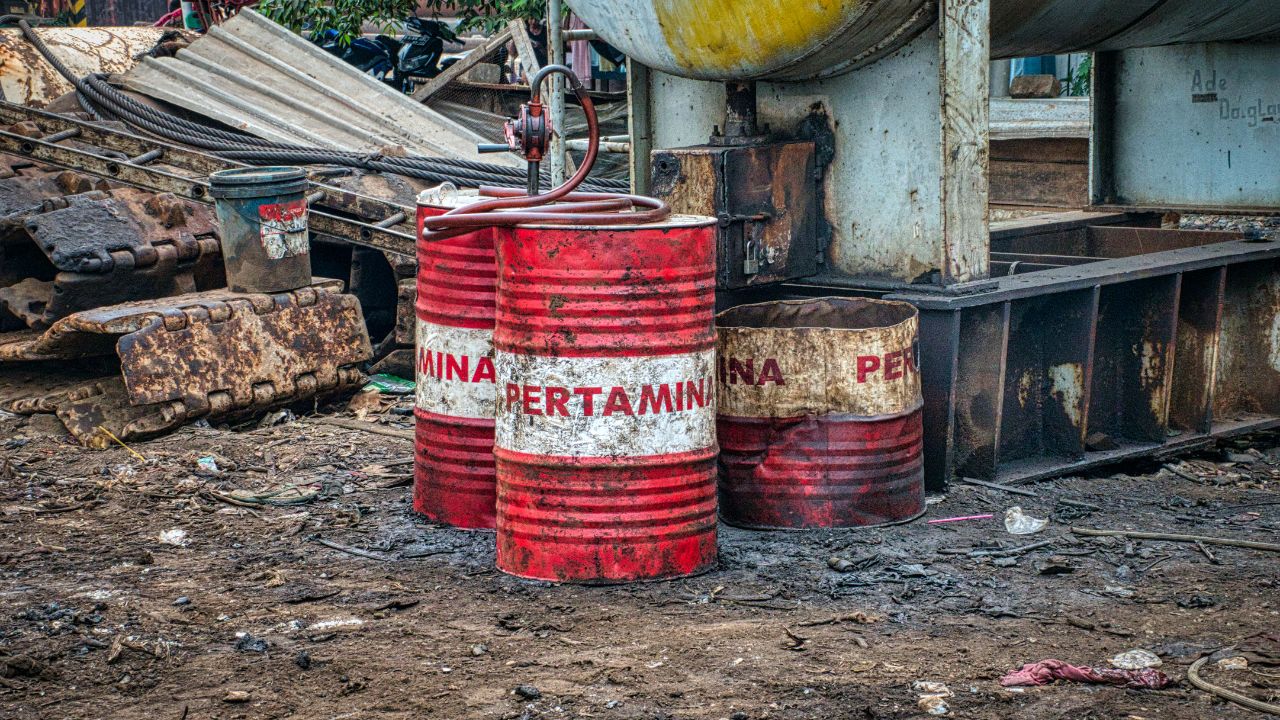
Source: Historical military operations at Joint Base Charleston and the former Charleston Naval Base; industrial manufacturing and wastewater discharge into treatment plants not equipped to remove PFAS. Textile mill legacy contamination affects parts of the Pee Dee region. Agricultural runoff contributes atrazine and nitrate contamination in rural watersheds.
Health Effects: Varies by contaminant but may include cardiovascular effects, neurological impacts, kidney damage, and increased cancer risk from prolonged exposure to multiple chemical compounds. PFAS have also been detected in aquatic species — SCDES advises reducing consumption of largemouth bass, bluegill sunfish, redear sunfish, and black crappie in affected waterways.
Current Status (2026): Ongoing monitoring and remediation at identified military and industrial sites, with enhanced treatment at affected water systems and source water protection measures. SCDES maintains oversight under state and federal environmental laws. South Carolina lacks state-level PFAS MCLs, making federal enforcement timelines critical for residents seeking protection. Visit our water news section for the latest updates.
Please read – our information
The information presented on cleanairandwater.net is compiled from official water quality reports, trusted news sources, government websites, and public health resources. While we strive for accuracy and thoroughness in our presentations, we are not scientists, engineers, or qualified water quality professionals.
Our mission is to present water quality information in an accessible, real-world format that helps people understand what’s in their water and make informed decisions about their health and safety. We believe that complex environmental information should be available to everyone in a format that’s easy to understand.
We make every effort to ensure our content is current and accurate, but we cannot guarantee that all information is complete or error-free. This website should not replace official communications from your local water utility or health department. We always recommend consulting official sources for the most up-to-date information regarding your specific water system.
Clean Air and Water is not liable for any unintentional errors, omissions, or outdated information. The content on this site is provided for informational purposes only and should not be considered professional advice.