Your phone buzzes. Your water utility has sent an alert — a boil water notice is in effect for your area. Maybe you saw it on the news, or a neighbour knocked on the door. Either way, the immediate questions are the same: Is this serious? What exactly do I need to do? Is my family safe?
This guide answers all of those questions clearly and calmly. No panic, no vague government-speak — just a straightforward explanation of what’s happening, what it means for you, and exactly what to do.
You can also check whether any boil water notices are currently active in your area on our live US boil water notice tracker, updated continuously.
What Is a Boil Water Notice?
A boil water notice — sometimes called a boil water advisory or boil water order — is an official instruction from your water utility or local health department telling you to boil tap water before drinking it, cooking with it, or using it in ways that involve putting it in your mouth.
It’s issued when something has happened — or might have happened — that could allow harmful bacteria or other microorganisms to enter the water supply. The key word there is “could.” As you’ll see below, most boil water notices are precautionary rather than responses to confirmed contamination.
The Two Types: Precautionary vs Mandatory
This distinction matters a lot and most news coverage glosses over it entirely.
Precautionary boil water notice
This is by far the most common type — accounting for around 80% of all boil water notices issued in the US according to EPA data. A precautionary notice means something happened that could theoretically allow contamination to enter the system, but no contamination has actually been detected. Common triggers include a water main break, loss of pressure in the distribution system, a pipe repair, or a significant drop in water storage tank levels.
When pressure in a water pipe drops, there’s a theoretical risk that water from outside the pipe — potentially containing bacteria — could flow inward through any crack or joint. Rather than wait for test results to confirm whether this actually happened, utilities issue a precautionary notice immediately. It’s a belt-and-braces approach to public health, and the right one.
In most precautionary notices, the water is fine. The notice exists because the utility can’t confirm it’s fine until lab results come back — which takes 24 to 48 hours.
Mandatory boil water notice
A mandatory notice is more serious. It’s issued when contamination has actually been confirmed — when lab tests have found bacteria, E. coli, or other pathogens in the water supply above allowable levels. This is less common but requires the same response: boil your water and follow the instructions below until the notice is lifted.
What Causes Boil Water Notices?
The vast majority — around 80% according to EPA analysis — are triggered by water main breaks, distribution system repairs, and loss of water pressure. These are infrastructure events, not contamination events. Other causes include treatment disruptions (where the disinfection process at the treatment plant is temporarily interrupted), flooding or natural disasters that can overwhelm water systems, and backflow events where pressure reversal pushes building water back into the distribution system.
Less commonly, notices are issued when routine water testing finds bacteria in the distribution system pipes — not necessarily E. coli or fecal contamination, but enough of a finding to warrant caution while further testing is done.
The reassuring stat: Around 80% of all boil water notices are precautionary — issued as a precaution after infrastructure events like pipe repairs, not because contamination was found. Most precautionary notices are lifted within 24 to 48 hours once lab results confirm the water is clear.
How Long Does a Boil Water Notice Last?
Most boil water notices last between 24 and 48 hours. The clock doesn’t really start until engineers have repaired whatever caused the issue, flushed the affected pipes, collected water samples, and sent them to a certified laboratory. Lab results for bacterial contamination typically take 24 hours to process. Only once two consecutive clean samples come back can the notice be officially lifted.
Some notices last longer — particularly those triggered by major infrastructure failures, natural disasters, or confirmed contamination events. Jackson, Mississippi’s extended water crisis is an extreme example, but multiday and multiweek notices do occur in communities with aging infrastructure or serious system failures. Our boil water tracker monitors active notices across the US and flags ones that have been running for an unusually long time.
What to Do During a Boil Water Notice
Do boil water for:
- Drinking — including water you add to drinks like squash or cordial
- Brushing your teeth — this one is easy to forget
- Making ice — discard any ice made before the notice and make new batches with boiled water
- Preparing baby formula
- Washing fruits and vegetables that will be eaten raw
- Cooking — any water that goes into food or drink
- Rinsing contact lenses
How to boil water correctly
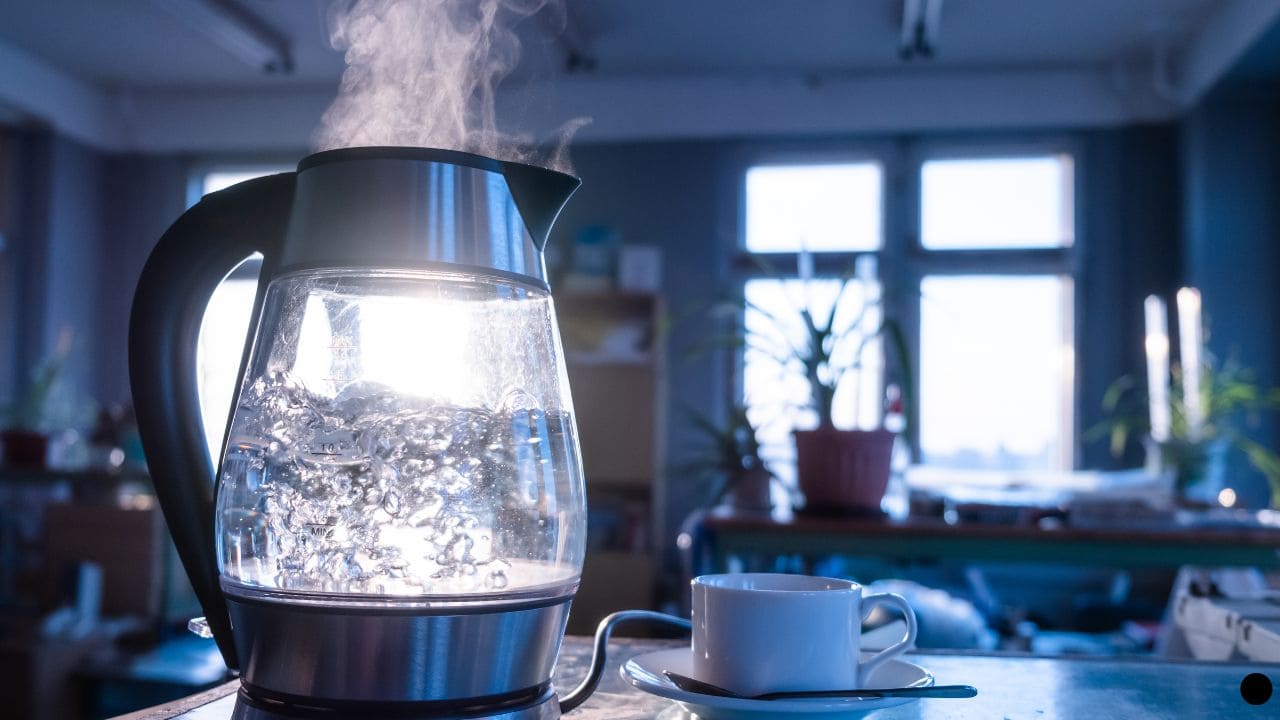
Bring the water to a full, rolling boil — large bubbles coming vigorously from the bottom of the pot. Once it’s at a rolling boil, keep it there for one full minute. At altitudes above 6,500 feet, boil for three minutes because water boils at a lower temperature and pathogens need the extra time to be destroyed. Let the water cool fully before drinking — around 30 minutes — and store it in a clean covered container.
What you don’t need to boil water for
You don’t need boiled water for showering or bathing as an adult, as long as you’re careful not to swallow any. You can wash clothes normally. You can flush the toilet normally. The notice applies to water that goes in your mouth, not water used for cleaning or sanitation purposes where there’s no ingestion risk.
For infants and young children, take extra care during bathing — sponge baths are safest if you’re concerned about them swallowing water accidentally.
What about water filters?
This is where a lot of people get confused. Standard pitcher filters like Brita and most refrigerator filters are not effective during a boil water notice. They’re designed to improve taste and remove chemical contaminants — not to kill or remove bacteria and viruses. Even if you use a filter every day, you still need to boil water during a notice unless you have a filter specifically certified for pathogen removal.
The exception is a properly maintained reverse osmosis system with an ultraviolet (UV) stage — RO alone removes most bacteria physically through its membrane, but a UV stage provides the additional disinfection needed to handle viruses. Check your manufacturer’s specifications and when in doubt, boil regardless.
What to Do When a Boil Water Notice Is Lifted
Once your utility confirms the notice is lifted, don’t just go straight back to normal. Follow these steps first:
After the notice is lifted:
- Flush all cold water taps — run every cold tap in your home for at least five minutes. This flushes any water that was sitting in your pipes during the notice period and ensures fresh, treated water is flowing through.
- Flush your hot water system — run hot taps for at least 15 minutes to fully replace water in a standard 40-gallon water heater. Hot water sitting in the tank during a notice period may still contain bacteria.
- Discard and remake ice — throw out all ice made during the notice period. Run your ice maker through three batches and discard those too before using ice from it again.
- Run your dishwasher empty once — this sanitises the interior with hot water before you use it for dishes again.
- Change any water filter cartridges — pitcher filters, fridge filters, and under-sink carbon filters may have captured contaminants during the notice. Replace them before using.
- Flush refrigerator water dispensers — run several litres through before drinking from them.
Who Is Most at Risk?
Most healthy adults who accidentally drink small amounts of water during a precautionary notice won’t get sick — because in most cases the water wasn’t actually contaminated. But some groups face higher risk if contamination is present and should be especially careful during any boil water notice, precautionary or otherwise:
Infants and young children are more vulnerable because their immune systems are still developing. Elderly people face higher risk because immune function generally declines with age. People undergoing chemotherapy, organ transplant recipients, people with HIV/AIDS, and anyone else with a compromised immune system should treat boil water notices with extra seriousness — in some cases their medical provider may recommend using only bottled water. Pregnant women should also exercise extra caution, particularly during confirmed contamination notices.
If you’re in one of these groups and you think you may have consumed water during a notice, monitor for symptoms including diarrhoea, nausea, cramping, and vomiting. These can appear within hours or up to several days after exposure. If symptoms are severe or persist more than three to four days, contact your healthcare provider.
Does Boiling Always Work?
For the specific risk a boil water notice addresses — biological contamination from bacteria, viruses, and protozoa like Giardia and Cryptosporidium — yes, boiling is highly effective. A full rolling boil for one minute kills all known waterborne pathogens at standard altitude.
What boiling doesn’t address is chemical contamination. If your water contains elevated levels of lead, PFAS, nitrates, or other chemical contaminants, boiling won’t remove them — and in some cases concentrates them by reducing the volume of water. Boil water notices are specifically about biological risk. Chemical contamination is a separate and ongoing concern that requires filtration rather than boiling. You can check what chemical contaminants have been detected in your supply using our free ZIP code water safety checker.
Important distinction: Boiling protects against biological contamination — bacteria, viruses, protozoa. It does not remove chemical contaminants like PFAS, lead, or arsenic. For ongoing chemical contamination concerns, a certified water filter is the appropriate response, not boiling.
How to Find Out If a Boil Water Notice Is Active in Your Area
Your water utility is required to notify you of boil water notices — typically by automated phone call, text message, email, and local news outlets. But notification systems aren’t perfect, particularly for renters, people who’ve moved recently, or those in areas with older utility infrastructure.
The most reliable way to check is our live US boil water notice tracker — we monitor notices across all 50 states and update continuously. You can also check directly with your water utility’s website or call their customer service line.
To understand the ongoing chemical contaminant picture for your area — separate from boil water notices — use our ZIP code water quality checker, which shows you what’s been detected in your supply against both legal limits and health guidelines.
Long-Term Protection: When a Filter Makes Sense
If your area experiences frequent boil water notices — particularly if you live in a community with aging infrastructure, or in a rural area served by a small water system — it’s worth considering a point-of-use filter that provides ongoing protection beyond what boiling can offer.
A reverse osmosis system with a UV stage removes bacteria, viruses, protozoa, and a wide range of chemical contaminants simultaneously, providing protection during both biological events and the ongoing low-level chemical contamination concerns that boil water notices don’t address. Our water filter recommendations cover certified options at different price points — we only list products with independent NSF certification so you know you’re getting verified performance rather than marketing claims.
For a full picture of what’s in your water beyond what a boil water notice covers, check your city or state’s water quality page — find yours via our water quality reports section.
The Bottom Line
A boil water notice is worth taking seriously but not panicking over. In most cases it’s a precautionary measure triggered by an infrastructure event, not confirmation that your water is contaminated. Follow the steps above, boil what needs boiling, and wait for your utility to confirm it’s lifted.
The bigger picture — ongoing chemical contamination from PFAS, lead, and disinfection byproducts — is a separate and more persistent issue that a boil water notice doesn’t address at all. That’s where regular monitoring and good filtration make a real difference to long-term health. Check what’s in your water at cleanairandwater.net/is-my-water-safe/ — it takes about 30 seconds and costs nothing.
This article is for informational purposes only and does not constitute medical or public health advice. Key sources include: EPA National Occurrence and Causes of Boil Water Advisories (2025); CDC guidance on boil water advisories; New York State Department of Health boil water FAQ; Florida Department of Health boil water notice guidelines; Hillsborough County FL boil water FAQ. If you have specific concerns about your health during a boil water event, contact your healthcare provider or local health department. Learn more about our research methodology.
Affiliate disclosure: This site uses affiliate links to water filter products. If you purchase through our links, we may earn a small commission at no extra cost to you. We only recommend products with independent NSF certification.
Please read – our information
The information presented on cleanairandwater.net is compiled from official water quality reports, trusted news sources, government websites, and public health resources. While we strive for accuracy and thoroughness in our presentations, we are not scientists, engineers, or qualified water quality professionals.
Our mission is to present water quality information in an accessible, real-world format that helps people understand what’s in their water and make informed decisions about their health and safety. We believe that complex environmental information should be available to everyone in a format that’s easy to understand.
We make every effort to ensure our content is current and accurate, but we cannot guarantee that all information is complete or error-free. This website should not replace official communications from your local water utility or health department. We always recommend consulting official sources for the most up-to-date information regarding your specific water system.
Clean Air and Water is not liable for any unintentional errors, omissions, or outdated information. The content on this site is provided for informational purposes only and should not be considered professional advice.