Massachusetts Water Quality at a Glance
Is Massachusetts Water Safe to Drink?
Generally Yes, With Moderate Caution — Massachusetts has some of the nation’s strictest water quality standards and most systems meet federal requirements. However, PFAS contamination affects 96 communities with 181 water systems requiring new treatment. The state’s 20 ppt PFAS6 limit remains more stringent than the federal standard, yet 171 public water systems have already exceeded this limit. As of 2026, EPA has retained 4 ppt MCLs for PFOA and PFOS but rescinded rules for four other PFAS compounds, with a final revised rule expected in spring 2026 and a compliance deadline extended to 2031. Additional concerns include disinfection byproducts, chromium-6, and ongoing lead service line replacement work across many older communities. Check our live boil water notice tracker for any active advisories in your area.
⚠️ Key Concerns for Massachusetts Residents in 2026
- PFAS “Forever Chemicals”: 96 communities with contaminated systems; Westminster has shown levels far above the state limit. EPA retained 4 ppt MCLs for PFOA/PFOS but rescinded rules for four other PFAS compounds in 2025 — a new rule is expected spring 2026.
- Compliance Deadline Extended: Water systems now have until 2031 to comply with PFOA/PFOS limits — two years longer than the original 2029 deadline — giving utilities more time to plan and fund treatment upgrades.
- Lead Pipe Replacement Funding Delayed: Massachusetts paused its lead pipe replacement programme in 2025 amid federal funding delays; $155 million in allocated funds had not yet been fully deployed. Funding was eventually released in late November 2025.
- Chromium-6: Detected in cities including Cambridge above health guidelines; a potential carcinogen when consumed regularly.
- Disinfection Byproducts: Trihalomethanes and haloacetic acids in some systems exceed health recommendations.
Read the full report below for detailed analysis, city-specific data, and actionable recommendations for Massachusetts residents. You can also explore water filter solutions certified for PFAS removal.
advertisment – report continues below
Your water passed the test.
Legal isn’t the same as safe.
Regulated contaminants like PFAS, chromium-6, and disinfection byproducts can sit inside the legal limit and still carry long-term health risks. Passing isn’t the same as clean.
✅ Removes PFAS, lead & chromium-6 — the contaminants most flagged even in passing city reports
✅ NSF/ANSI 42, 58 & 372 certified — independently tested, not just manufacturer claims
✅ Installs in 30 minutes, no plumber — fills a glass in 8 seconds, smart LED filter monitor
Renting or can’t drill? The Waterdrop K19 Countertop RO — plug in, fill the tank, done. No installation, no drilling, no plumber.
Advertisement — this page contains affiliate links. If you buy through these links, we may earn a commission at no extra cost to you.

Massachusetts – The Bay State – Water Quality Report 2026: PFAS Testing, Infrastructure Concerns & Safety across your state
Massachusetts’ water infrastructure serves approximately 7.1 million residents through a network of over 415 public water systems, ranging from the Massachusetts Water Resources Authority (MWRA) — which serves 3.1 million people across 61 communities including Boston — to smaller municipal and private systems throughout the Commonwealth. The state’s water sources include the protected Quabbin and Wachusett Reservoirs in central Massachusetts, the Connecticut, Merrimack, and Charles rivers, and groundwater aquifers supporting both urban centres and rural communities.
Massachusetts faces significant water quality challenges heading into 2026. Around 181 water systems across the state are affected by PFAS contamination, with at least 171 public water systems in 96 cities and towns having already exceeded the state’s own 20 ppt PFAS6 limit. In May 2025, EPA announced it would retain the 4 ppt MCLs for PFOA and PFOS while rescinding regulations for four other PFAS compounds, with a new revised rule expected in spring 2026. The compliance deadline was extended from 2029 to 2031. Massachusetts established its own PFAS drinking water standard as early as October 2020 — one of the first states to do so — and MassDEP is now reviewing how federal changes interact with state regulations. Meanwhile, a federal funding delay in 2025 temporarily paused the state’s lead service line replacement programme before funds were released in late November 2025. Industry estimates continue to show Massachusetts needs around $15 billion over the next 20 years to maintain full Safe Drinking Water Act compliance. For the latest alerts, visit our Water Alert News page or check the live boil water notice tracker.
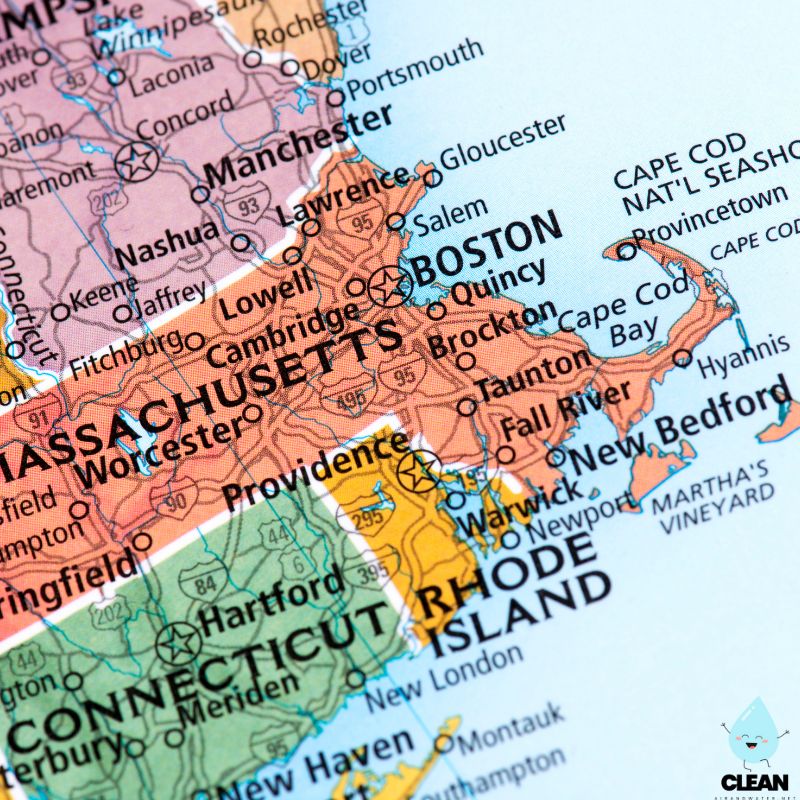
Massachusetts Water Quality: Current Status (2025–2026)
Statewide Compliance and Testing
- Overall Compliance: The majority of Massachusetts’ public water systems meet federal Safe Drinking Water Act standards. However, approximately 181 systems are affected by PFAS contamination, with at least 171 public water systems in 96 cities and towns already exceeding Massachusetts’ own 20 ppt PFAS6 limit. You can explore water quality data across the state via our interactive water quality tool.
- PFAS Leadership: Massachusetts established its own PFAS drinking water standard in October 2020, setting a maximum contaminant level of 20 ppt for the sum of six PFAS compounds (PFAS6) — among the strictest in the nation. MassDEP is now reviewing how the 2025–2026 federal regulatory changes interact with the state standard and is expected to propose amendments that are at least as stringent as the updated federal MCLs.
- MWRA Protection: The Massachusetts Water Resources Authority provides drinking water to 3.1 million people and over 5,500 businesses across 61 communities including Boston. MWRA testing shows non-detectable levels for the PFAS compounds regulated under EPA’s 2024 rule, providing reassurance to the majority of Greater Boston residents.
Major Water Sources and Systems
- MWRA System: Serves the Greater Boston area through the protected Quabbin and Wachusett Reservoirs, with water treated at the John J. Carroll Water Treatment Plant in Marlborough using ozone, ultraviolet light, and advanced filtration. The MWRA’s corrosion-control treatment also reduces lead leaching from service lines.
- Metropolitan Water Tunnel Programme: MWRA is constructing two new water supply tunnels through the $2.1 billion Metropolitan Water Tunnel Programme. Final design started in 2024, with the first construction contract bidding targeted for 2027. This will provide critical redundancy for ageing tunnel infrastructure serving millions of residents.
- Regional Systems: Smaller municipal systems throughout the state face more acute PFAS compliance challenges and ageing infrastructure. Many communities are exploring connections to the MWRA system as a long-term solution, while others are installing standalone treatment at significant cost.
Emerging Contaminant Response
- 2025–2026 Federal PFAS Rule Changes: On 14 May 2025, EPA announced it would retain 4 ppt MCLs for PFOA and PFOS while rescinding drinking water regulations for four other PFAS compounds — PFHxS, PFNA, HFPO-DA (GenX), and the PFBS hazard index mixture. A proposed revised rule was published in November 2025, with a final rule expected spring 2026. The compliance deadline for PFOA and PFOS has been extended from 2029 to 2031. In January 2026, a federal court denied EPA’s request to vacate the four rescinded rules, preserving them pending full merits review — meaning the legal status of those four compounds remains unsettled. MassDEP has stated it will maintain standards at least as stringent as any final federal MCLs.
- Treatment Technology Investment: Communities across Massachusetts are investing heavily in PFAS treatment. Examples include Littleton’s $30 million total investment in treatment plants and pipelines. Many smaller communities are pursuing state and federal funding to cover expensive activated carbon and reverse osmosis treatment systems. Check our filter recommendations if you want point-of-use protection while your utility upgrades.
- Legislative Action: The Massachusetts Legislature continues to consider comprehensive PFAS legislation that would ban these chemicals in children’s products, personal care products, food packaging, and firefighting foam — following the lead of neighbouring states Vermont, New Hampshire, Maine, and Connecticut.
Infrastructure Investment and Challenges
- Funding Needs: Industry estimates show Massachusetts needs approximately $15 billion over the next 20 years to maintain compliance with existing Safe Drinking Water Act standards, on top of PFAS treatment costs. The state has allocated $170 million toward PFAS cleanup and received federal infrastructure funding, though the scale of need still significantly outpaces available funds.
- Lead Service Line Replacement — Funding Delays in 2025: Massachusetts paused its lead service line replacement programme in 2025 due to federal funding delays, with EPA Administrator Zeldin publicly noting that $155 million in previously allocated funds had not yet been fully deployed. The Massachusetts congressional delegation, led by Senator Markey, wrote to EPA in November 2025 demanding release of funds. EPA released the delayed allocations on 25 November 2025. Through December 2025, MWRA had distributed $72.4 million in loan programme funds to 22 communities. State environmental officials estimate a further $359.4 million will still be needed to replace all remaining lead service lines statewide, with individual replacements costing $3,000–$8,000 per property.
- Rate Impact: Water utilities across Massachusetts are implementing rate increases to fund infrastructure upgrades and PFAS treatment systems, with costs ultimately borne by customers given the insufficient scale of federal grants relative to total need.
Looking Forward: 2026 and Beyond
Massachusetts’ water quality landscape is entering a period of regulatory flux as EPA finalises its revised PFAS drinking water rule in spring 2026 and courts continue to review the legal status of the four rescinded compound regulations. MassDEP has signalled it will maintain protections at least as stringent as whatever federal MCLs ultimately take effect. The MWRA’s Metropolitan Water Tunnel Programme continues to advance, and communities statewide are progressing with PFAS treatment installations now that federal funding delays have been resolved. However, the full $359 million still needed for lead pipe replacement, combined with a $15 billion long-term infrastructure gap, means continued pressure on water rates and utility finances for years to come. Massachusetts residents should check their local Consumer Confidence Reports annually and consider certified point-of-use filtration — particularly for PFAS — until treatment upgrades are complete. Stay up to date with Water Alert News or check whether your community has issued any notices via the boil water tracker.
Recommendations for Massachusetts Residents
Know Your Water Source
Request your utility’s annual Consumer Confidence Report and ask specifically about PFAS6 testing results. Visit MassDEP’s online database to access your local system’s data, or use our interactive water quality tool for a quick overview of conditions in your area.
Support Infrastructure Investment
Stay informed about local water infrastructure needs and support utility rate structures that enable necessary improvements. Attend public meetings when utilities discuss PFAS treatment investments, lead pipe replacement, and system upgrades — particularly as communities navigate the 2031 PFOA/PFOS compliance deadline.
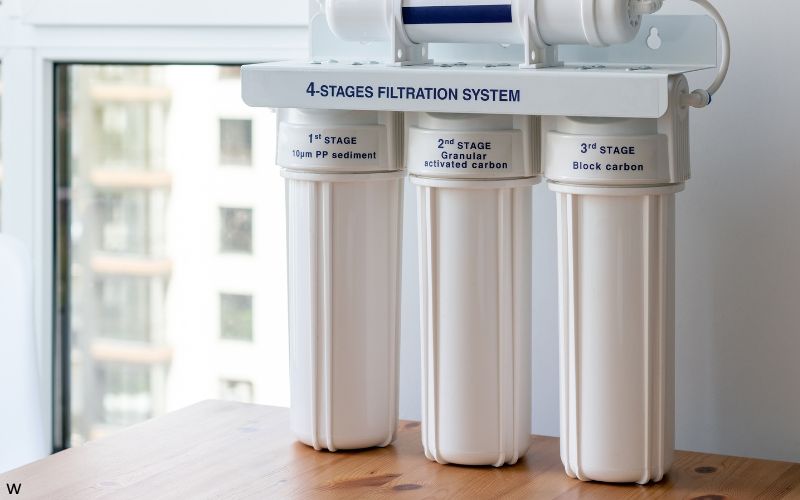
Consider PFAS-Certified Filtration
For areas with known PFAS contamination, consider NSF/ANSI 58-certified reverse osmosis systems or NSF/ANSI 53-certified activated carbon filters tested for PFAS removal. These provide additional protection while utilities work toward the 2031 treatment deadline. Browse certified options on our water filter solutions page.

Report Water Quality Concerns
Contact your local water utility immediately for taste, odour, or colour concerns. Report suspected contamination to MassDEP’s Drinking Water Programme at (617) 292-5770. You can also monitor active alerts across the state via our Water Alert News page or check the live boil water notice tracker.
Practice Water Conservation
Support Massachusetts’ water sustainability by implementing conservation measures, especially during drought conditions. Reducing demand helps utilities maintain system reliability and manage the significant costs of PFAS treatment and infrastructure modernisation.
Massachusetts Cities We Cover
Boston Water Quality
Comprehensive analysis of the Massachusetts Water Resources Authority system serving Boston and surrounding communities. Includes information on source water protection, treatment processes, PFAS monitoring, and the major infrastructure investments protecting Greater Boston’s water supply.
Cape Cod Water Quality
Detailed assessment of Cape Cod’s unique water challenges, including groundwater protection, PFAS contamination from military installations, seasonal demand fluctuations, and the region’s ongoing efforts to maintain water quality while managing tourism and development pressures.
Frequently Asked Questions
Is Massachusetts tap water safe to drink in 2026?
Most of Massachusetts’ public water systems meet federal drinking water standards and are safe for consumption. The MWRA system serving Boston and surrounding areas has particularly high-quality water with non-detectable PFAS levels for the regulated compounds.
Massachusetts was among the first states to establish its own PFAS drinking water standard in October 2020, setting limits at 20 ppt for six PFAS compounds combined (PFAS6). While 181 water systems are affected by PFAS contamination, many already have treatment in place or are actively implementing upgrades ahead of the extended 2031 federal compliance deadline. At least 171 public water systems in 96 cities and towns have exceeded the state’s 20 ppt limit. Where PFAS or lead exposure is a concern, a certified reverse osmosis filter provides effective point-of-use protection — see our filter guide for recommendations. Check the boil water tracker for any active advisories near you.
What are the latest PFAS rule changes affecting Massachusetts in 2026?
In May 2025, EPA announced it would retain 4 ppt MCLs for PFOA and PFOS while rescinding regulations for four other PFAS compounds (PFHxS, PFNA, HFPO-DA/GenX, and the PFBS hazard index). The compliance deadline was extended from 2029 to 2031.
EPA published a proposed revised rule in November 2025 with a final rule expected in spring 2026. However, in January 2026, a federal court denied EPA’s request to vacate the four rescinded compound rules — meaning their legal status remains uncertain pending full court review. MassDEP has stated it will propose amendments to keep Massachusetts standards at least as stringent as any final federal MCLs, maintaining the state’s leading role in PFAS protection. Communities across the state are investing in treatment technology — examples include multi-million dollar activated carbon and reverse osmosis systems serving smaller municipalities — even with the extended federal timeline.
How can I find out about my local water quality?
Massachusetts residents can access comprehensive water quality information through several resources:
• Annual Consumer Confidence Reports: Contact your water utility directly for their CCR, which details all testing results, any violations, and PFAS monitoring data
• MassDEP Data Portal: Visit the Massachusetts Environmental Data Portal to access testing results and compliance information for your local water system
• PFAS Testing Data: MassDEP requires all public water systems to test for PFAS6 and makes results publicly available through their online database
• MWRA Customers: If you receive MWRA water, visit mwra.com for detailed water quality reports and real-time system information
• This site: Use our water quality tool for an overview, track active advisories on the boil water notice tracker, and stay up to date via Water Alert News
What are Massachusetts’ main water infrastructure challenges in 2026?
Massachusetts faces several significant water infrastructure challenges heading into 2026:
Funding Gap: The state requires an estimated $15 billion over the next 20 years to maintain compliance with existing drinking water standards, plus separate billions for PFAS treatment — far exceeding federal grant availability
Lead Pipe Replacement Backlog: Federal funding delays in 2025 temporarily paused Massachusetts’ replacement programme. Funds were released in late November 2025, but state officials estimate $359.4 million more is still needed to replace all remaining lead service lines. MWRA has distributed $72.4 million to 22 communities through December 2025.
Ageing Tunnels: MWRA’s $2.1 billion Metropolitan Water Tunnel Programme is progressing, with first construction bids targeted for 2027
PFAS Treatment Costs: Implementation of stricter PFAS standards requires expensive activated carbon and reverse osmosis systems that many smaller systems struggle to finance independently. Residents in affected areas may wish to use a certified home filter in the interim.
Quality News About Your Water
Get the comprehensive water quality news coverage you need with our dedicated US Water News Service. From coast to coast, we deliver in-depth reporting and expert analysis on PFAS contamination, EPA regulatory changes, infrastructure developments, and emerging water safety issues affecting communities nationwide. While mainstream media only covers the biggest stories, we provide the detailed, ongoing coverage that helps you understand the full scope of America’s water challenges.
What’s actually in your tap water? Enter your ZIP code for a full breakdown of contaminants detected in your local supply
Drinking water from a well? Check our directory here for more information
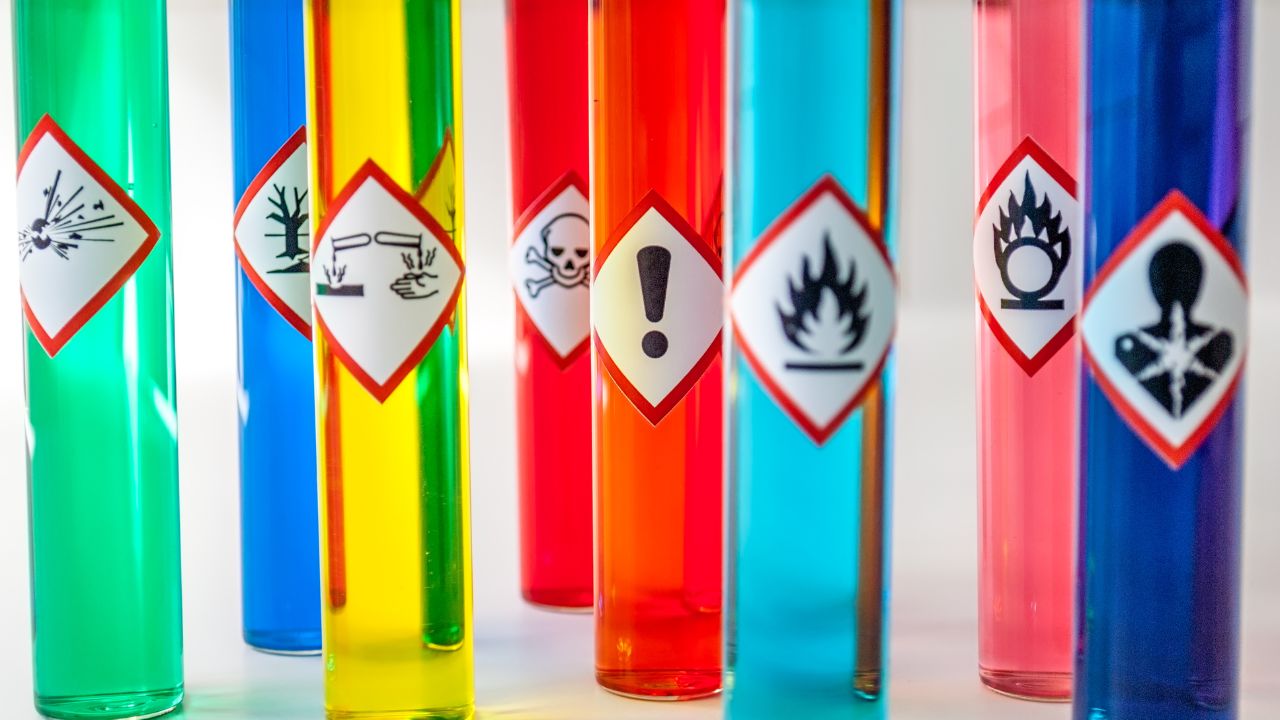
Contaminants of Concern
PFAS “Forever Chemicals”
Source: Industrial manufacturing, firefighting foam use at military bases and training facilities, consumer products including non-stick cookware and stain-resistant textiles, and contaminated sewage sludge applied to farmland
Health Effects: Linked to kidney and testicular cancer, liver damage, immune system suppression, high cholesterol, thyroid disruption, reduced vaccine response, and developmental effects in children
Current Status (2026): 181 Massachusetts water systems are affected by PFAS; 171 public water systems in 96 cities and towns have exceeded the state’s 20 ppt PFAS6 limit. EPA retained 4 ppt MCLs for PFOA and PFOS in 2025 but rescinded rules for four other compounds — a revised federal rule is expected spring 2026. The compliance deadline is 2031. Massachusetts will maintain standards at least as stringent as any final federal MCLs. MWRA shows non-detectable levels for regulated compounds. Consider a certified PFAS filter if your system has exceeded limits.
Lead Service Lines
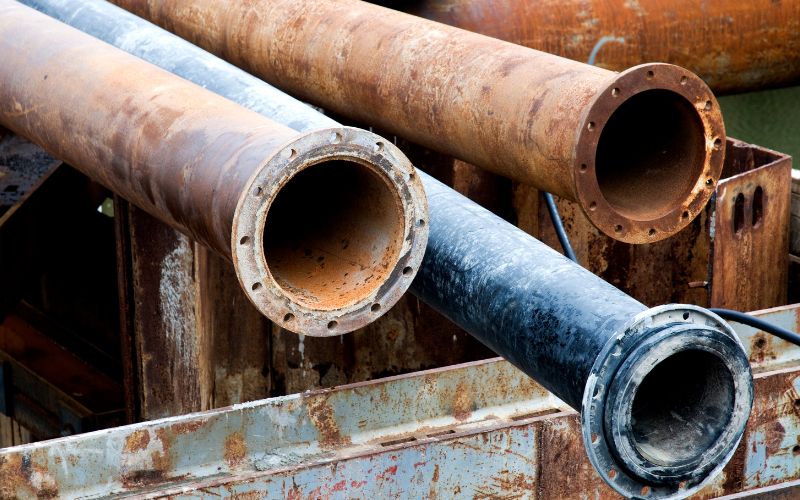
Source: Ageing water distribution infrastructure in older Massachusetts communities, particularly homes built before 1986 when lead pipes were commonly used for service connections
Health Effects: Lead is a potent neurotoxin that harms mental and physical development in children, slows learning, and can cause kidney damage and increased blood pressure in adults
Current Status (2026): Massachusetts’ lead pipe replacement programme was paused in 2025 due to federal funding delays, before $155 million in funds were released by EPA in late November 2025. Through December 2025, MWRA had distributed $72.4 million to 22 communities. State estimates indicate a further $359.4 million is still needed statewide. Individual replacements cost $3,000–$8,000 per property. The federal 10-year replacement deadline remains in effect. The revised Lead and Copper Rule lowered the action level from 15 to 10 ppb, requiring enhanced monitoring and community notification. If your home was built before 1986, consider a certified lead-reduction filter while your utility completes replacement work.
Disinfection Byproducts
Source: Formed when chlorine-based disinfectants react with naturally occurring organic matter in source water during treatment
Health Effects: Long-term exposure linked to increased bladder cancer risk, potential rectal and colon cancer, and adverse developmental and reproductive effects during pregnancy
Current Status: Some Massachusetts systems show levels above health recommendations, particularly trihalomethanes (TTHMs) and haloacetic acids (HAA5). Cities including Cambridge have detected bromodichloromethane and dibromochloromethane above EWG health guidelines (note: EWG guidelines are not legal limits). EPA Legal Limits: 80 ppb for TTHMs and 60 ppb for HAA5 — health advocates recommend much lower levels. Activated carbon filtration can reduce DBP exposure; see our filter recommendations.
Chromium-6
Source: Natural erosion of chromium deposits, industrial processes, and oxidation of chromium-3 during chlorine disinfection
Health Effects: Known carcinogen when inhaled; studies suggest potential stomach cancer risk when consumed in drinking water at high levels over extended periods
Current Status: Detected in some Massachusetts water systems including Cambridge above EWG health guidelines (note: these are not legal limits). Federally regulated only as total chromium at 100 ppb; California has its own chromium-6 limit of 10 ppb and EPA has been reviewing whether to set a separate national standard. Reverse osmosis filtration effectively reduces chromium-6 — see our water filter solutions page for certified options.
Please read – our information
The information presented on cleanairandwater.net is compiled from official water quality reports, trusted news sources, government websites, and public health resources. While we strive for accuracy and thoroughness in our presentations, we are not scientists, engineers, or qualified water quality professionals.
Our mission is to present water quality information in an accessible, real-world format that helps people understand what’s in their water and make informed decisions about their health and safety. We believe that complex environmental information should be available to everyone in a format that’s easy to understand.
We make every effort to ensure our content is current and accurate, but we cannot guarantee that all information is complete or error-free. This website should not replace official communications from your local water utility or health department. We always recommend consulting official sources for the most up-to-date information regarding your specific water system.
Clean Air and Water is not liable for any unintentional errors, omissions, or outdated information. The content on this site is provided for informational purposes only and should not be considered professional advice.