Jacksonville Water Quality at a Glance
but concerns remain
Is Jacksonville Water Safe to Drink?
Generally Yes, Better Than Most Florida Cities — Jacksonville’s water comes from the deep Floridan Aquifer (around 1,000 feet below surface) with natural limestone filtration and clay protection from surface contamination. No PFAS detected in municipal testing through the EPA’s 2023–2025 period, a notable advantage over many Florida cities. Primary concern is disinfection byproducts — individual TTHM samples at some sites have exceeded 80 ppb during 2023, though system-wide annual averages remained compliant. JEA’s landmark H2.0 Purification Center, completed in 2025, earned Florida Green Building Coalition Silver Certification in February 2026.
⚠️ Key Points for Jacksonville Residents
- PFAS Status: None detected in JEA municipal testing through EPA’s 2023–2025 monitoring period; protected by deep aquifer source unlike Florida’s surface water systems
- Disinfection Byproducts: Individual TTHM samples at some locations exceeded the 80 ppb EPA limit in 2023; system-wide annual averages remained compliant — activated carbon filtration recommended
- H2.0 Purification Centre: JEA’s new 1-million-gallon-per-day purification facility completed in 2025 and earned Green Building Silver Certification in February 2026 — first of its kind in Florida
- Military Base Concern: PFAS detected near Cecil Field Naval Air Station (3.9 ppt) and in shallow groundwater at NAS Jacksonville — monitor for potential migration toward municipal wells
Read the full report below for detailed analysis, testing data, and actionable recommendations for Jacksonville residents.
advertisment – report continues below
Your water passed the test.
Legal isn’t the same as safe.
Regulated contaminants like PFAS, chromium-6, and disinfection byproducts can sit inside the legal limit and still carry long-term health risks. Passing isn’t the same as clean.
✅ Removes PFAS, lead & chromium-6 — the contaminants most flagged even in passing city reports
✅ NSF/ANSI 42, 58 & 372 certified — independently tested, not just manufacturer claims
✅ Installs in 30 minutes, no plumber — fills a glass in 8 seconds, smart LED filter monitor
Renting or can’t drill? The Waterdrop K19 Countertop RO — plug in, fill the tank, done. No installation, no drilling, no plumber.
Advertisement — this page contains affiliate links. If you buy through these links, we may earn a commission at no extra cost to you.
Jacksonville — Florida — Water Quality Report 2026: PFAS Testing, Disinfection Byproducts & Safety Across Your City
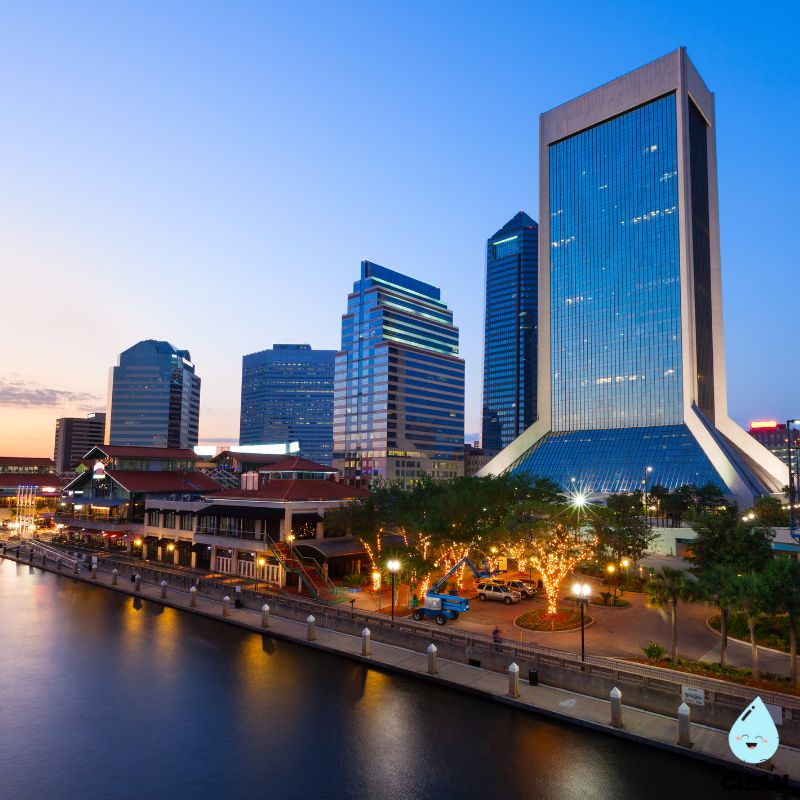
Jacksonville, Florida’s largest city by area, serves over one million customers through JEA (Jacksonville Electric Authority), one of the nation’s largest community-owned utilities. JEA operates more than 130 wells drawing from the deep Floridan Aquifer, delivers over 120 million gallons daily across roughly 4,600 miles of water mains to approximately 404,000 customers in Duval, St. Johns, and Nassau counties, and runs 39 water treatment plants across its service area.
Jacksonville’s water comes entirely from the Floridan Aquifer — one of the world’s most productive groundwater systems — at depths of around 1,000 feet, protected by thick clay layers that prevent surface contamination. As of early 2026, JEA has marked two significant milestones: the H2.0 Purification Center, Florida’s first facility of its kind under the state’s new potable reuse rule, was completed in 2025 and earned Florida Green Building Coalition Silver Certification in February 2026; and the Greenland Water Reclamation Facility — JEA’s first new wastewater treatment plant in Duval County in 48 years — opened in July 2025. Both projects strengthen Jacksonville’s long-term water supply resilience. For the latest boil water notices in northeast Florida, see our live U.S. boil water notice tracker.
Jacksonville Water Quality: Current Status (2025–2026)
Latest Testing Results
- Lead Levels: The most recent available testing shows 90th percentile lead levels of 1.7 ppb — well below the EPA action level of 15 ppb — reflecting Jacksonville’s modern infrastructure and effective corrosion control. There is no safe level of lead for children, so residents in homes built before 1987 should test individually as a precaution.
- PFAS Status: No PFAS was detected in JEA’s municipal water system during the EPA’s 2023–2025 monitoring period, a significant advantage over many Florida cities that rely on surface water. PFAS has been detected in shallow groundwater and drinking water near NAS Jacksonville and Cecil Field Naval Air Station (3.9 ppt at Cecil Field), requiring ongoing monitoring for potential migration. See our Florida state water quality report for broader context.
- Testing Scope: JEA conducts over 45,000 water quality tests annually across its extensive distribution network, with the 2024 Annual Water Quality Report confirming continued compliance with all Safe Drinking Water Act standards.
- Compliance Status: Jacksonville’s water meets all federal and state drinking water standards. Individual TTHM samples at some sites exceeded 80 ppb during 2023, but the system did not incur an MCL violation as all annual average results at all monitoring sites remained below the MCL.
Floridan Aquifer Advantage
- Naturally Filtered Source: The Floridan Aquifer provides water naturally filtered through limestone over thousands of years, with thick clay layers preventing surface contamination — a significant natural advantage compared to Florida cities relying on rivers or reservoirs.
- Deep Source Protection: Water is drawn from approximately 1,000 feet below the surface through more than 130 wells, far deeper than most contamination sources, providing strong natural protection from PFAS and agricultural runoff affecting shallower systems.
- Long-Term Sustainability Challenge: Despite the aquifer’s size, over-extraction remains a concern — 40–50% of water JEA provides is used outdoors for irrigation. Saltwater intrusion is a risk if withdrawal consistently exceeds aquifer recharge, making the H2.0 Purification Program critical for long-term supply security.
- Protected Resource: Strict wellhead protection zones, aquifer recharge area management, and aquifer storage and recovery (ASR) wells ensure long-term water quality and availability.
Treatment Processes and 2025–2026 Milestones
- H2.0 Purification Centre: JEA’s landmark 1-million-gallon-per-day H2.0 Purification Center — Florida’s first facility under the state’s new potable reuse rule — was completed in 2025 and earned Florida Green Building Coalition Silver Certification in February 2026. Using membrane filtration, reverse osmosis, and UV advanced oxidation, it replenishes the Floridan Aquifer and secures Jacksonville’s long-term water supply.
- Greenland Water Reclamation Facility: JEA opened its first new wastewater treatment facility in Duval County in 48 years in July 2025. Featuring zero effluent discharge, all wastewater is disinfected and distributed as reclaimed water for irrigation, reducing demand on the primary drinking water supply.
- Disinfection Byproduct Management: Treatment consists primarily of aeration (to remove natural hydrogen sulphide), chlorination for disinfection, and fluoride adjustment. While individual TTHM samples at some monitoring sites exceeded 80 ppb during 2023, haloacetic acids (HAA5) remained below the 60 ppb EPA limit. JEA continuously monitors these byproducts and annual system averages have remained compliant.
Infrastructure and Environmental Stewardship
JEA systematically replaces aging water mains, deploys advanced metering infrastructure with real-time leak detection, and conducts infrastructure hardening for hurricane resilience. The Arlington East Water Reclamation Facility expansion — supporting the new H2.0 Purification Centre — is scheduled to start construction in August 2026, with completion estimated for January 2029. For filter options suited to Jacksonville’s disinfection byproduct profile, see our water filter solutions guide.
Recommendations for Jacksonville Residents
Hurricane Preparedness
Store at least 3 days of water (1 gallon per person per day) for hurricane season. Consider installing a generator-powered pump or water storage system for extended outages. Monitor JEA’s real-time service alerts and sign up for MyJEA notifications during storm events. Check our live boil water notice tracker after any major storm.
Conserve Year-Round
Follow JEA’s year-round watering restrictions (twice weekly based on address). Use native plants for landscaping and take advantage of JEA rebates for efficient fixtures and irrigation systems. Protecting the Floridan Aquifer’s long-term recharge rate depends on reducing the 40–50% of JEA water currently used outdoors.
Filter for Disinfection Byproducts
Although Jacksonville’s water meets all federal standards, individual TTHM samples at some sites have exceeded 80 ppb. An NSF-certified activated carbon filter reduces trihalomethanes and chlorination byproducts at the tap. See our water filter solutions guide for certified options suited to Jacksonville’s water profile.
Maintain Your Septic
Many Jacksonville-area homes rely on septic systems. Regular maintenance helps protect groundwater quality and the Floridan Aquifer’s integrity. Never flush medications or chemicals, and consider upgrading to advanced treatment systems in sensitive or high-density areas.
Use MyJEA Tools
Sign up for MyJEA online services to monitor water usage, receive leak alerts, and access annual water quality reports. Set up automatic notifications for service interruptions or water advisories, and check our water alert news section for wider Florida water quality updates.
Quality News About Your Water
Get the comprehensive water quality news coverage you need with our dedicated US Water News Service. From coast to coast, we deliver in-depth reporting and expert analysis on PFAS contamination, EPA regulatory changes, infrastructure developments, and emerging water safety issues affecting communities nationwide. While mainstream media only covers the biggest stories, we provide the detailed, ongoing coverage that helps you understand the full scope of America’s water challenges.
What’s actually in your tap water? Enter your ZIP code for a full breakdown of contaminants detected in your local supply
Drinking water from a well? Check our directory here for more information
Frequently Asked Questions
Is Jacksonville’s tap water safe to drink in 2026?
Yes, Jacksonville’s tap water meets all federal and state drinking water standards and is safe for the vast majority of residents. It comes from the deep Floridan Aquifer — approximately 1,000 feet below the surface — naturally filtered through limestone and protected by thick clay layers.
JEA conducts over 45,000 water quality tests annually and publishes detailed results in its Annual Water Quality Report. No PFAS was detected in Jacksonville’s municipal supply during the EPA’s 2023–2025 testing period, a meaningful advantage over many Florida cities. Individual TTHM samples at some monitoring locations exceeded 80 ppb during 2023, but system-wide annual averages remained compliant — meaning no MCL violation occurred. Residents in older homes (pre-1987) should consider individual lead testing as a precaution, even though JEA’s system-wide lead levels are well below the EPA action level. For comparison with other Florida cities, see our Florida state water quality report.
Why is Jacksonville water so hard?
Jacksonville’s water is naturally hard — typically 12–15 grains per gallon — because it comes from the Floridan Aquifer, where water dissolves calcium and magnesium from limestone rock over thousands of years.
Hard water is not harmful to health — in fact, the minerals may contribute to your daily calcium and magnesium intake. However, it can cause scale buildup on fixtures and appliances, soap scum, and increased detergent use. Many residents install water softeners for convenience. JEA’s Water Hardness Levels page provides specific hardness data by area. If considering a softener, salt-free alternatives avoid the environmental impacts of brine discharge, and some local ordinances regulate discharge.
How does Jacksonville prepare for hurricanes?
JEA maintains extensive hurricane preparedness protocols to ensure water service continuity during tropical storms and hurricanes:
• Infrastructure Hardening: Elevated and flood-resistant facilities, backup generators, and reinforced critical equipment across all 39 water treatment plants
• Emergency Stockpiles: Treatment chemicals, fuel, and repair materials stored at multiple secure locations throughout the service area
• Pre-staging: Repair crews and equipment positioned strategically before forecast storm events
• Inter-utility Cooperation: Mutual aid agreements with other Florida utilities for rapid response and recovery
• Customer Communication: Real-time updates via MyJEA, social media, and the JEA website — subscribe for automatic alerts
Residents should maintain personal emergency supplies of at least 1 gallon per person per day for 3 days. After any major storm, check our live boil water notice tracker for active advisories in your area.
What are Jacksonville’s water restrictions?
Jacksonville follows year-round water conservation rules enforced by JEA and the St. Johns River Water Management District:
Standard Restrictions:
• Twice weekly irrigation based on property address (even/odd days)
• No irrigation between 10 AM and 4 PM
• Rain shut-off devices required on all automatic irrigation systems
• No excessive use such as washing driveways or vehicles with a running hose
Drought Level Restrictions:
• Level 1: Voluntary conservation (standard baseline)
• Level 2: Once weekly watering maximum
• Level 3: Emergency restrictions with significant penalties and possible service actions
Visit jea.com/conservation for the current drought level and specific requirements. Conservation is particularly important given that 40–50% of JEA water is used for outdoor irrigation, placing pressure on the long-term sustainability of the Floridan Aquifer.
Contaminants of Concern
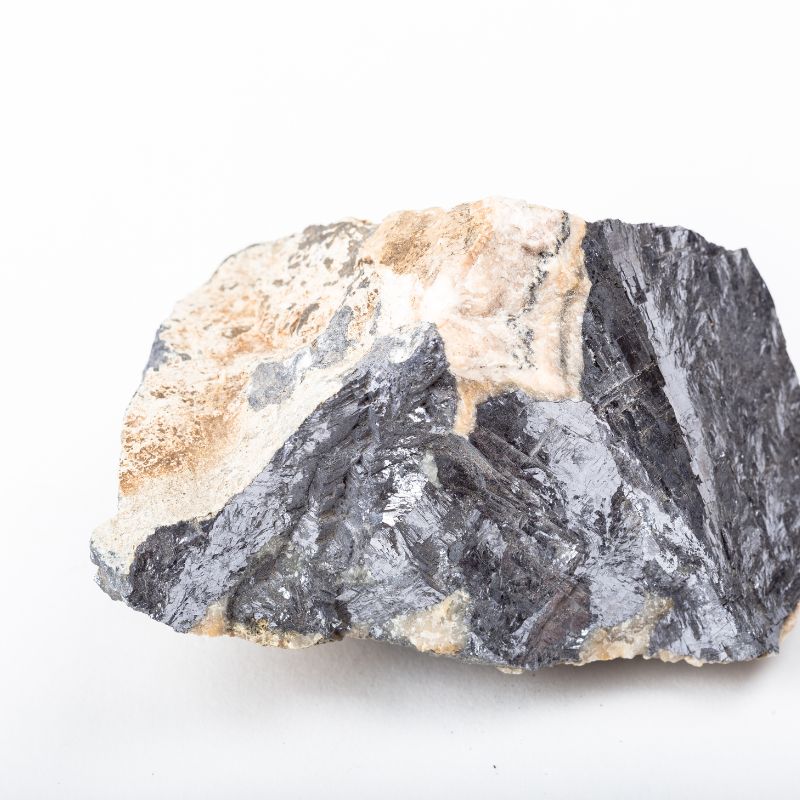
Disinfection Byproducts
Source: Form when chlorine used for disinfection reacts with natural organic matter in groundwater — a particularly relevant process in Florida’s mineral-rich aquifer water
Health Effects: Long-term exposure to elevated trihalomethanes is linked to increased risk of bladder cancer and adverse reproductive outcomes; inhalation and skin absorption during showering can contribute additional exposure beyond drinking alone
Current Status: Individual TTHM samples at some monitoring sites exceeded 80 ppb during 2023 — notably at Ponte Vedra locations — though system-wide annual averages remained below the EPA MCL. Haloacetic acids (HAA5) remain below the 60 ppb EPA limit. An NSF-certified activated carbon filter is recommended for additional protection. See our water filter solutions page for certified options.
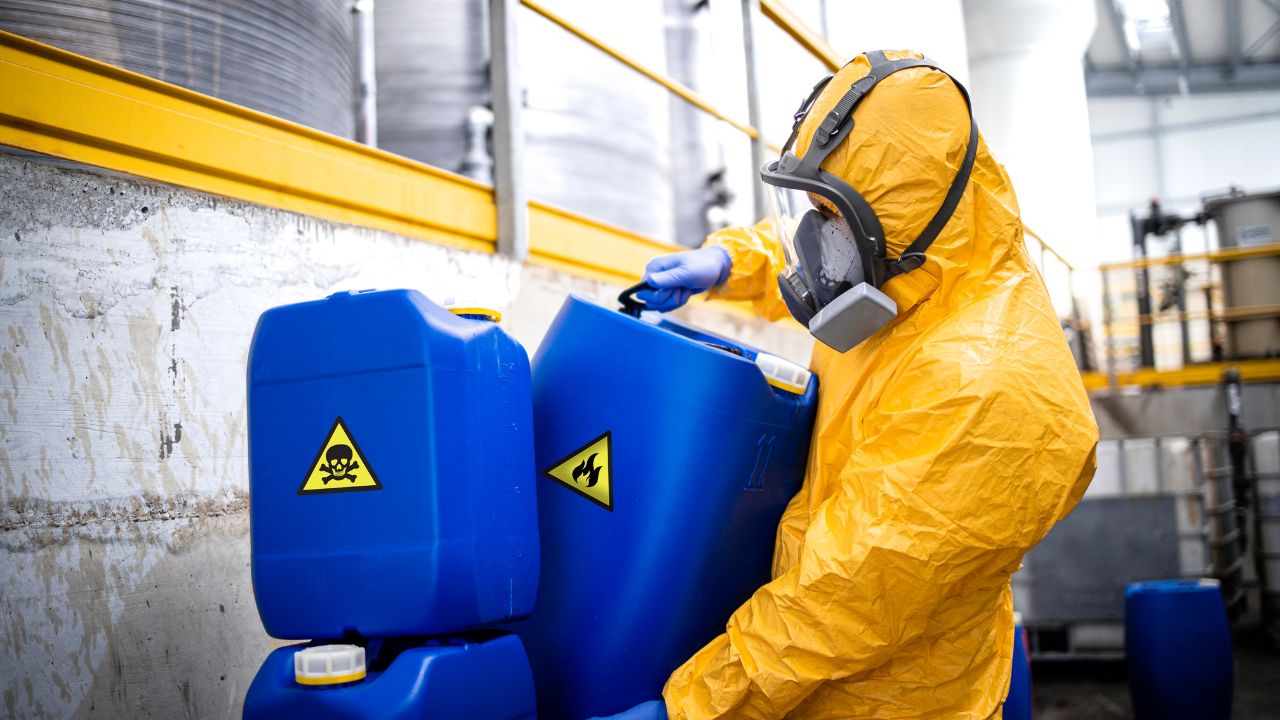
Calcium and Magnesium (Hard Water)
Source: Naturally occurring minerals dissolved from limestone as water passes through the Floridan Aquifer over thousands of years
Health Effects: These minerals are beneficial for health, contributing to daily calcium and magnesium intake. No negative health effects — hard water is a cosmetic, not a safety, issue
Current Status: Typical levels of 12–15 grains per gallon throughout the service area. Hardness causes scale buildup on appliances and fixtures and affects soap lathering but poses no health concern. JEA publishes a Water Hardness Levels map for specific areas. Compare Jacksonville’s water profile with other Florida cities including Miami, Tampa, and Orlando.
Please read – our information
The information presented on cleanairandwater.net is compiled from official water quality reports, trusted news sources, government websites, and public health resources. While we strive for accuracy and thoroughness in our presentations, we are not scientists, engineers, or qualified water quality professionals.
Our mission is to present water quality information in an accessible, real-world format that helps people understand what’s in their water and make informed decisions about their health and safety. We believe that complex environmental information should be available to everyone in a format that’s easy to understand.
We make every effort to ensure our content is current and accurate, but we cannot guarantee that all information is complete or error-free. This website should not replace official communications from your local water utility or health department. We always recommend consulting official sources for the most up-to-date information regarding your specific water system.
Clean Air and Water is not liable for any unintentional errors, omissions, or outdated information. The content on this site is provided for informational purposes only and should not be considered professional advice.