Fresno Water Quality at a Glance
serious concerns
Is Fresno Water Safe to Drink?
Yes, With Significant Caution — Fresno water generally meets federal standards, but the city faces severe PFAS contamination with some of the highest levels in the U.S., affecting over 547,000 residents. Additional concerns include dangerous levels of chromium-6, industrial solvents, and elevated disinfection byproducts. Agricultural pesticides and naturally occurring uranium further complicate the water quality picture in this Central Valley agricultural hub. The EPA’s enforceable PFAS limits of 4 ppt took effect in 2024, with utilities required to comply by 2027 — Fresno is currently working toward that deadline. See our water filter guide for PFAS-rated options, or check California’s statewide water quality overview for broader context.
⚠️ Key Concerns for Fresno Residents
- PFAS “Forever Chemicals”: PFOS detected at 30 ppt (7.5× above EPA’s 4 ppt limit); PFOA at 16 ppt (4× above limit); among the highest documented levels in the U.S. — EPA compliance deadline 2027
- Chromium-6 Cancer Risk: 448 sources in Fresno County with chromium-6 levels of 1–5 μg/L; some areas approach or exceed California’s 10 μg/L limit
- Industrial Solvents: TCE, PCE, and other carcinogenic chemicals detected from historical agricultural and industrial activities
- Disinfection Byproducts: Elevated trihalomethanes and haloacetic acids from chlorination increasing cancer and reproductive risks
Read the full report below for detailed analysis, city-specific data, and actionable recommendations for Fresno residents.
Advertisement — Report continues below
Your tap water just failed.
Here’s the fix.
Contaminants like PFAS, lead, chromium-6, and arsenic can sit within the legal limit but still pose a real health risk. The legal limit and the safe limit are not the same thing.
✅ Removes PFAS, lead & chromium-6 — the contaminants most flagged in failing city reports
✅ NSF/ANSI 42, 58 & 372 certified — independently tested, not just manufacturer claims
✅ Installs in 30 minutes, no plumber — fills a glass in 8 seconds, smart LED filter monitor
Renting or can’t drill? The Waterdrop K19 Countertop RO — plug in, fill the tank, done. No installation, no drilling, no plumber.
Disclaimer: This advert contains affiliate links. If you buy through these links, we may earn a commission at no extra cost to you. Product claims are based on manufacturer certification data and independent SGS lab testing.
Fresno, California — Water Quality Report 2026: PFAS Testing, Infrastructure Updates & Safety Guide
Fresno’s Department of Public Utilities (DPU) Water Division serves over 540,000 residents, making it one of the largest exclusively groundwater-dependent systems in the United States. The utility manages approximately 1,800 miles of water mains, 260 groundwater wells, and delivers an average of 125 million gallons daily to this growing Central Valley community. As part of California’s broader water quality landscape, Fresno faces some of the state’s most acute contamination challenges.
Unlike most major California cities — including Los Angeles, San Francisco, and San Diego — Fresno relies almost entirely on groundwater pumped from the Kings Subbasin of the San Joaquin Valley Groundwater Basin. This unprecedented dependence presents unique challenges as the region faces long-term aquifer depletion and serious contamination concerns including PFAS “forever chemicals” and industrial solvents. Despite receiving only 11 inches of average annual rainfall, Fresno has implemented innovative water management strategies including groundwater recharge facilities and a phased transition toward surface water treatment. The city’s “Recharge Fresno” program represents a $600 million investment to diversify water sources, improve infrastructure, and achieve sustainable supplies for this drought-prone agricultural hub. The EPA’s binding PFAS maximum contaminant levels — 4 ppt for both PFOA and PFOS — became enforceable in 2024, with utilities including Fresno required to comply by 2027.
Fresno Water Quality: Current Status (2025–2026)
Latest Testing Results
- PFAS Contamination: Testing through 2025 has continued to show PFOS levels around 30 parts per trillion (ppt) and PFOA at approximately 16 ppt — both far above EPA’s enforceable 4 ppt safety limit. Fresno is actively developing a compliance plan ahead of the 2027 regulatory deadline. For context on how this compares to other major California cities, see our California water quality guide.
- Lead Levels: The most recent testing period showed 90th percentile lead levels of 2.5 parts per billion (ppb), well below the EPA action level of 15 ppb, reflecting Fresno’s relatively newer infrastructure and effective corrosion control protocols.
- Testing Scope: Fresno conducts over 50,000 water quality tests annually, monitoring for more than 100 regulated contaminants and additional unregulated substances through its comprehensive sampling program.
- Compliance Status: Fresno’s water meets most current federal and state drinking water standards, but the city faces escalating regulatory pressure over PFAS, chromium-6, and industrial solvent detections — all of which exceed health-based guidelines. Residents should also monitor our live boil water tracker for any active advisories in Fresno County.
Groundwater Supply
- San Joaquin Valley Aquifer: Primary source (approximately 80% of supply) with water drawn from 260 active wells across the city, providing naturally filtered water with variable quality depending on location and depth.
- Surface Water Treatment: The Northeast Surface Water Treatment Facility now provides approximately 20% of Fresno’s water supply, treating water from the Kings River and Millerton Lake to reduce groundwater dependence and improve overall water quality.
- Aquifer Protection: Comprehensive groundwater management strategy including artificial recharge basins, injection wells, and participation in the North Kings Groundwater Sustainability Agency to address contamination and long-term depletion concerns.
Treatment Infrastructure
- Groundwater Treatment: Selective wellhead treatment including granular activated carbon filtration and ion exchange systems at wells with identified contaminants — particularly for TCP and industrial solvents. PFAS-specific treatment upgrades are in the planning and procurement phase ahead of the 2027 compliance deadline.
- Surface Water Treatment: The T.L. Swiridoff Northeast Surface Water Treatment Facility uses membrane filtration, ultraviolet disinfection, and advanced oxidation to provide cleaner water to northeast Fresno neighborhoods.
- Disinfection: Chlorination of groundwater at wellheads and advanced disinfection at the surface water treatment plant, with continuous monitoring to maintain pathogen control while managing disinfection byproduct formation.
Infrastructure Investment
- Recharge Fresno Program: The $600 million multi-year investment in water infrastructure — encompassing surface water treatment, transmission pipelines, and groundwater recharge facilities — is ongoing, with several phases completed and others in construction or design.
- Southeast Surface Water Treatment Plant: This facility, designed to improve water quality in southern Fresno neighborhoods where contamination is most pronounced, is progressing through construction phases with delivery expected in the mid-2020s.
- Advanced Metering Infrastructure: Citywide smart meters with leak detection capabilities and real-time consumption monitoring are now largely deployed, supporting conservation and system management throughout Fresno’s distribution network.
Drought Resilience & Long-Term Planning
Fresno has developed a forward-looking water sustainability strategy addressing California’s drought cycles, groundwater depletion, and emerging contaminant pressures. The city’s Water Resource Management Plan and Drought Contingency Plan leverage over 20 groundwater recharge basins — including the Big Dry Creek Recharge Project and Leaky Acres Recharge Facility — to capture billions of gallons of stormwater and flood releases annually, helping both sustain aquifer levels and dilute contamination. Fresno has reduced per capita water use by over 30% since 2000 through progressive tiered water rates, landscape conversion incentives, and efficiency mandates. SGMA compliance work continues under the North Kings Groundwater Sustainability Agency, with groundwater sustainability targeted for 2040. Separately, PFAS treatment compliance must be achieved by 2027 under EPA’s finalised MCL rules. For residents concerned about exposure right now, see our water filter solutions guide for PFAS-certified options including reverse osmosis systems rated under NSF/ANSI Standards 53 and 58.
Recommendations for Fresno Residents
Request Water Testing
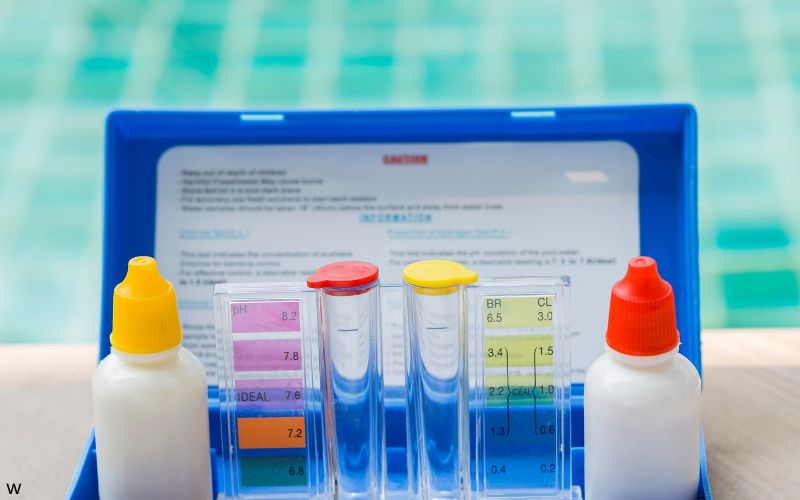
Fresno residents can request free water quality testing by calling (559) 621-5300. This is particularly recommended for households in areas with known PFAS, chromium-6, TCP, or nitrate concerns, and for homes with older plumbing installed before 1986. Understanding your specific tap result is the first step before choosing a water filtration solution.
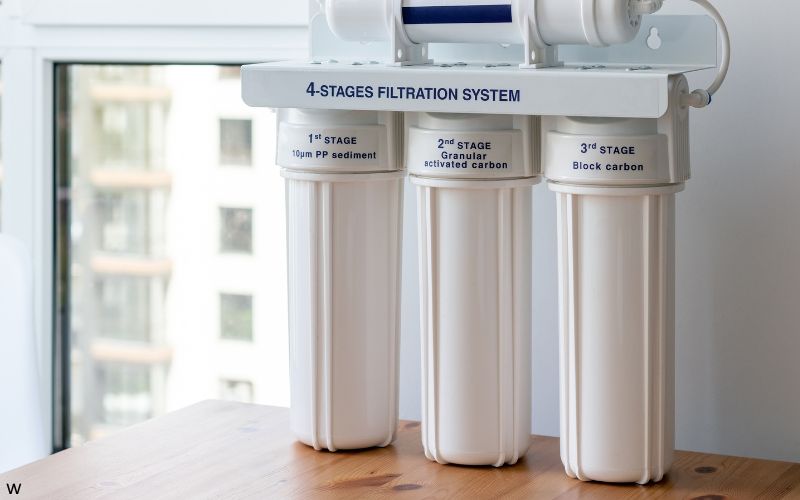
Consider Advanced Filtration
Given Fresno’s PFAS contamination and chromium-6 concerns, residents should strongly consider NSF-certified reverse osmosis systems or activated carbon filters specifically rated for PFAS removal. For areas with elevated nitrate levels, reverse osmosis systems certified under NSF/ANSI Standard 58 are recommended. Our water filter guide covers the best options for Central Valley water chemistry.
Implement Water Conservation
Take advantage of Fresno’s water conservation programmes, including rebates up to $1,000 for water-efficient landscaping and up to $100 for high-efficiency toilets and smart irrigation controllers. Visit fresno.gov/waterconservation for programme details. Conservation across California remains a statewide priority given ongoing drought risk.
Follow Watering Schedules
Adhere to Fresno’s outdoor watering schedule based on your address. Year-round water regulations limit watering to specific days and prohibit water waste. Download the Fresno H2O app for reminders and to report water waste incidents to DPU.
Report Water Issues
Report water main breaks, quality concerns, or pressure problems immediately through the FresGO app or by calling (559) 621-CITY. Early reporting helps DPU respond quickly and prevent potential contamination spread. You can also check our live boil water advisory tracker for any active notices in your area.
Quality News About Your Water
Get the comprehensive water quality news coverage you need with our dedicated US Water News Service. From coast to coast, we deliver in-depth reporting and expert analysis on PFAS contamination, EPA regulatory changes, infrastructure developments, and emerging water safety issues affecting communities nationwide. While mainstream media only covers the biggest stories, we provide the detailed, ongoing coverage that helps you understand the full scope of America’s water challenges.
What’s actually in your tap water? Enter your ZIP code for a full breakdown of contaminants detected in your local supply
Drinking water from a well? Check our directory here for more information
Frequently Asked Questions
Is Fresno tap water safe to drink in 2026?
Fresno’s tap water meets most federal and state standards for regulated contaminants, but faces significant unresolved concerns. PFAS levels remain far above EPA’s 4 ppt safety limit — PFOS at approximately 30 ppt and PFOA at 16 ppt — and Fresno has until 2027 to achieve compliance. The city is actively developing treatment upgrades, but no comprehensive citywide PFAS removal system is yet in place.
Additional documented issues include chromium-6, industrial solvents such as TCE and PCE, and elevated disinfection byproducts. Residents in south Fresno and areas still dependent on groundwater wells face the highest risks. Independent testing of your tap is strongly recommended — call (559) 621-5300 for Fresno’s free testing service. Our water filter guide covers the best certified options for PFAS and chromium-6 removal.
Some residents will also notice harder water due to naturally occurring minerals in groundwater. This affects taste and causes scaling on fixtures but poses no health risk. That said, a point-of-use reverse osmosis system both softens water and addresses the more serious contaminant concerns simultaneously.
What are PFAS and how is Fresno addressing them?
PFAS (Per- and Polyfluoroalkyl Substances) are synthetic “forever chemicals” that don’t break down in the environment or the human body. Fresno has some of the highest documented PFAS levels in the United States — PFOS at approximately 30 ppt and PFOA at 16 ppt, both significantly exceeding EPA’s legally binding 4 ppt limit that took effect in 2024.
• Health risks: PFAS exposure is linked to kidney and testicular cancer, liver damage, immune suppression, reproductive harm, and developmental effects in children
• Treatment challenges: PFAS require specialised treatment — granular activated carbon or reverse osmosis — not present at most of Fresno’s groundwater wells
• City response: Fresno is developing a PFAS compliance plan for its 2027 deadline; some infrastructure investment has begun but citywide treatment is not yet operational
• Legal and regulatory context: The city may pursue or join litigation against PFAS manufacturers (3M, DuPont) to recover remediation costs, as other California cities have done
Until citywide treatment is complete, point-of-use reverse osmosis systems certified under NSF/ANSI Standard 58 remain the most effective protection. See our water filter recommendations for certified options. For statewide context, compare with our California water quality overview.
How is Fresno addressing groundwater sustainability?
Fresno is implementing a multi-pronged approach to groundwater sustainability under California’s Sustainable Groundwater Management Act (SGMA), with a target of full sustainability by 2040:
• Surface Water Integration: The Northeast Surface Water Treatment Facility and the Southeast Surface Water Treatment Plant (under construction) will together provide a majority of Fresno’s water from the Kings River and Millerton Lake, drastically reducing groundwater pumping
• Recharge Infrastructure: Over 20 groundwater recharge basins capture stormwater and managed flood releases, recharging billions of gallons annually and helping dilute contamination plumes
• Recycled Water Programme: Expanded non-potable recycled water distribution for landscape irrigation and industrial use reduces demand on the drinking water system
• Conservation Incentives: Tiered water rates, rebates for efficient fixtures, and drought-resistant landscaping programmes have cut per capita use by more than 30% since 2000
• Regional Governance: Active participation in the North Kings Groundwater Sustainability Agency coordinates aquifer management across the wider basin
These efforts help stabilise declining groundwater levels and improve water quality across Fresno’s distribution system. Compare with nearby Sacramento and Stockton — both Central Valley cities managing similar SGMA compliance timelines.
Why does water quality vary across different parts of Fresno?
Water quality varies significantly across Fresno neighbourhoods for several structural reasons:
• Uneven contaminant distribution: PFAS, chromium-6, and agricultural chemicals are not uniformly present across the aquifer — some wells show much higher contamination than others depending on their proximity to historical sources
• Well depth and aquifer zone: Different wells draw from varying depths with distinct contamination patterns linked to decades of agricultural and industrial activity
• Infrastructure age: Older neighbourhoods may have ageing distribution pipes that introduce lead or copper at the tap even when the source water is acceptable
• Surface water access: Northeast Fresno currently benefits from blended treated surface water, while southern and central areas remain more dependent on groundwater with higher contamination exposure
• Targeted vs. general treatment: Some wells have specialised treatment for TCP or specific solvents, while PFAS treatment at most wells remains pending the 2027 compliance deadline
The Southeast Surface Water Treatment Plant under construction will help address the south Fresno quality disparity. If you’re unsure of your neighbourhood’s specific risk profile, request your address-level water quality data from Fresno DPU or use our water quality checker.
Contaminants of Concern
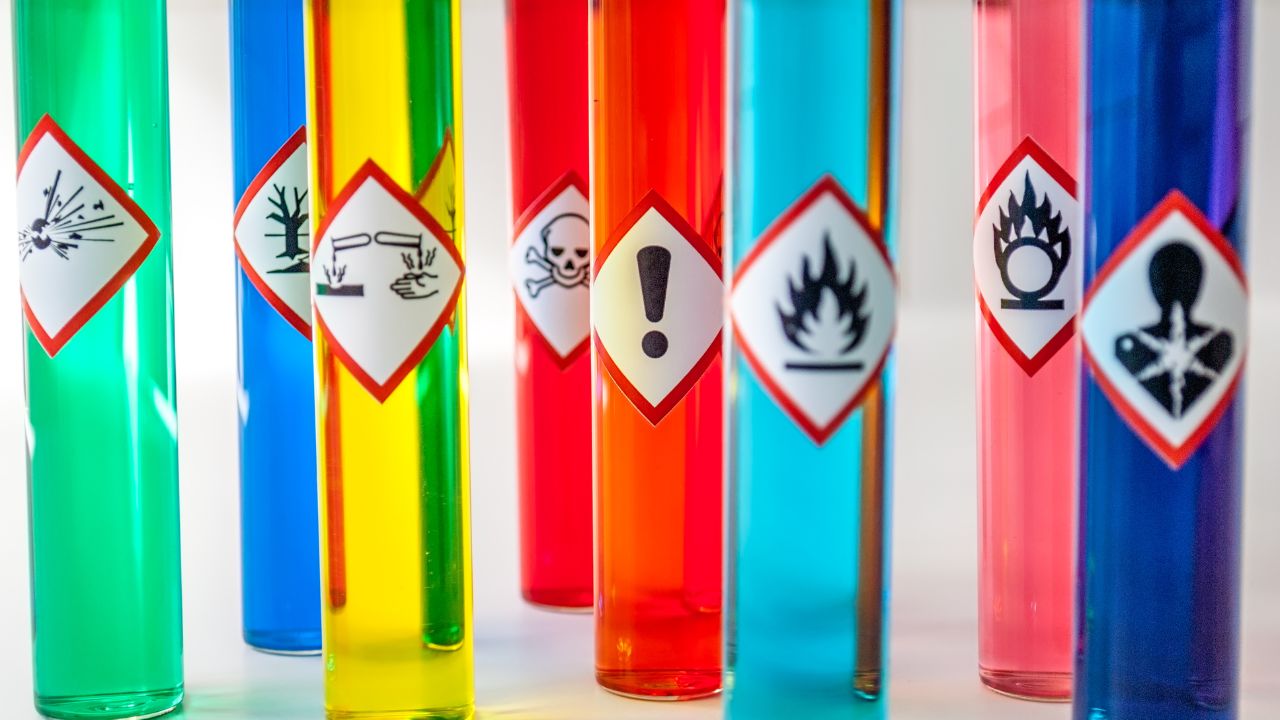
PFAS “Forever Chemicals”
Source: Industrial applications, firefighting foam (AFFF), and consumer products containing non-stick or stain-resistant chemicals that have contaminated groundwater throughout the Central Valley
Health Effects: Linked to kidney and testicular cancer, liver damage, immune suppression, reproductive harm, and developmental effects; bioaccumulate in the human body over time with no known safe level
Current Status (2026): PFOS detected at approximately 30 ppt (7.5× the EPA’s 4 ppt MCL); PFOA at approximately 16 ppt (4× limit); among the highest levels documented in any U.S. city. EPA compliance required by 2027. See our filter guide for NSF-certified PFAS removal options.
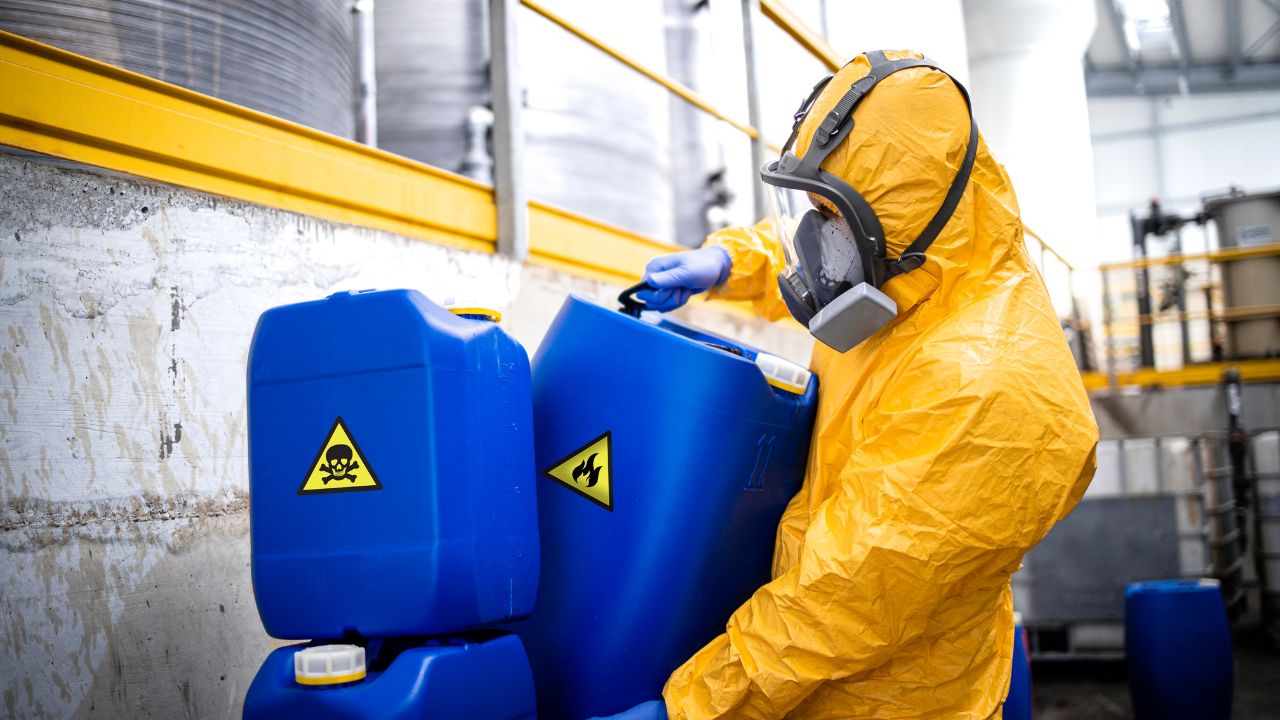
Chromium-6 (Hexavalent Chromium)
Source: Natural occurrence in Central Valley geology and historical industrial activities including metal plating, stainless steel production, and wood preservation; concentrations elevated by drought-driven lower water tables
Health Effects: Classified carcinogen when inhaled; studies link ingestion to increased cancer risk; can cause liver and kidney damage with long-term exposure
Current Status: 448 water sources in Fresno County with chromium-6 levels between 1–5 μg/L; California’s drinking water limit is 10 ppb, though health advocates and the state’s own science review recommend lower targets. This issue is not unique to Fresno — check our California guide for a statewide picture.
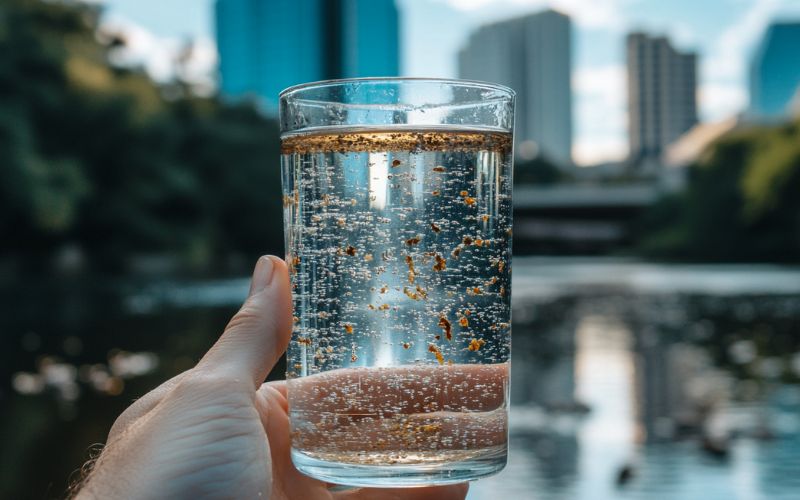
1,2,3-Trichloropropane (TCP)
Source: Agricultural soil fumigants used historically in the Central Valley from the 1950s through the 1980s, which migrated into the shallow aquifer over decades
Health Effects: Classified as a likely human carcinogen based on laboratory studies; long-term exposure to elevated levels may increase cancer risk
Current Status: Detected in approximately 40% of Fresno’s wells; treated with granular activated carbon at affected wellheads. All distributed water meets California’s MCL of 5 parts per trillion for TCP, though ongoing monitoring continues.
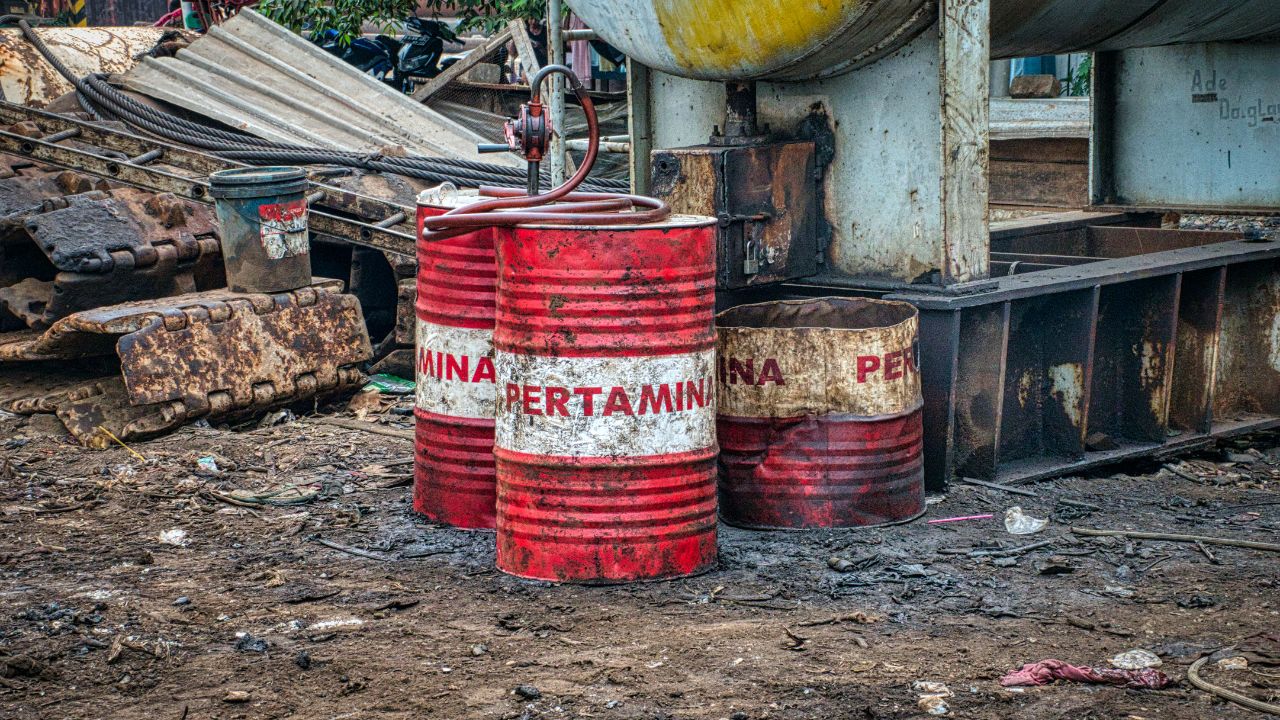
Industrial Solvents & Disinfection Byproducts
Source: TCE and PCE from industrial sites and dry-cleaning operations; trihalomethanes (THMs) and haloacetic acids (HAAs) form when chlorine reacts with natural organic matter during water treatment
Health Effects: Industrial solvents are potential carcinogens affecting the liver, kidneys, and central nervous system; disinfection byproducts increase long-term cancer risk and are associated with reproductive and developmental problems
Current Status: Various industrial solvents detected in Fresno groundwater across multiple well sites; elevated DBPs reported in some distribution zones. Monitoring is ongoing with treatment adjustments at affected wells. An NSF-certified carbon block or reverse osmosis filter provides protection against both categories.
Please read – our information
The information presented on cleanairandwater.net is compiled from official water quality reports, trusted news sources, government websites, and public health resources. While we strive for accuracy and thoroughness in our presentations, we are not scientists, engineers, or qualified water quality professionals.
Our mission is to present water quality information in an accessible, real-world format that helps people understand what’s in their water and make informed decisions about their health and safety. We believe that complex environmental information should be available to everyone in a format that’s easy to understand.
We make every effort to ensure our content is current and accurate, but we cannot guarantee that all information is complete or error-free. This website should not replace official communications from your local water utility or health department. We always recommend consulting official sources for the most up-to-date information regarding your specific water system.
Clean Air and Water is not liable for any unintentional errors, omissions, or outdated information. The content on this site is provided for informational purposes only and should not be considered professional advice.