Madison Water Quality at a Glance
Is Madison Water Safe to Drink?
Generally Yes, With Some Concerns — Madison Water Utility meets all federal and state standards, including the EPA’s 2024 PFAS maximum contaminant levels enforceable from 2029. However, chromium-6 levels remain 33 times above EWG’s health guideline at 0.657 ppb. PFAS has been detected in roughly half of Madison’s wells, though Well 15 was successfully recommissioned in September 2025 after its $5.9M PFAS treatment facility removed all detectable PFAS. Disinfection byproducts from chlorination also exceed EWG health guidelines. The system draws from deep sandstone aquifers 500–1,100 feet underground. For filter recommendations or to check for active boil water notices, see our dedicated pages.
⚠️ Key Concerns for Madison Residents in 2026
- Chromium-6: 0.657 ppb detected (33× above EWG health guideline of 0.02 ppb); found in 14 of 22 wells at under 2 ppb — no federal MCL currently exists
- PFAS “Forever Chemicals”: Detected in roughly half of active wells; all wells now comply with EPA’s 2024 MCLs (4 ppt PFOA/PFOS); Well 15 recommissioned September 2025 with full PFAS treatment
- Disinfection Byproducts: Trihalomethanes at 35× EWG health guidelines, haloacetic acids at 39× EWG guidelines — these are legal limits exceedances only vs. health-based benchmarks, not regulatory limits
- Radium & Radon: Combined radium at 1.46 pCi/L (29× EWG health guideline); radon at 223 pCi/L (149× EWG guideline) — naturally occurring from sandstone aquifer
- Wisconsin PFAS Rules: Updated state standards approved January 2026 by the Natural Resources Board, now aligning with EPA’s 2024 federal levels — legislative review ongoing
Read the full report below for detailed analysis, well-specific data, and actionable recommendations for Madison residents. You can also explore our Wisconsin state water overview or compare with Minneapolis and Chicago.
advertisment – report continues below
Your water passed the test.
Legal isn’t the same as safe.
Regulated contaminants like PFAS, chromium-6, and disinfection byproducts can sit inside the legal limit and still carry long-term health risks. Passing isn’t the same as clean.
✅ Removes PFAS, lead & chromium-6 — the contaminants most flagged even in passing city reports
✅ NSF/ANSI 42, 58 & 372 certified — independently tested, not just manufacturer claims
✅ Installs in 30 minutes, no plumber — fills a glass in 8 seconds, smart LED filter monitor
Renting or can’t drill? The Waterdrop K19 Countertop RO — plug in, fill the tank, done. No installation, no drilling, no plumber.
Advertisement — this page contains affiliate links. If you buy through these links, we may earn a commission at no extra cost to you.

Madison – Wisconsin – Water Quality Report 2026: PFAS Treatment Complete, Infrastructure Progress & Safety Across Your City
Madison Water Utility is a public water system owned and operated by the City of Madison, serving over 260,000 residents across Madison and surrounding areas. The utility manages an extensive infrastructure consisting of 23 active wells, 33 reservoirs (including seven elevated water towers), and over 900 miles of interconnected water transmission and distribution mains. Funded by water rates rather than taxes, the utility operates under the governance of the Water Utility Board and the Madison Common Council.
Madison draws its drinking water exclusively from a deep sandstone aquifer beneath the city, naturally replenished by rain and snowmelt filtering through soil and rock. The city’s wells reach 500–1,100 feet deep into this aquifer, collectively pumping approximately 10 billion gallons of water annually. A landmark 2026 development: Wisconsin’s Natural Resources Board approved updated PFAS drinking water standards in January 2026, aligning state rules with EPA’s 2024 federal MCLs — the most stringent PFAS standards in the country. Meanwhile, Madison’s own Well 15 PFAS treatment facility was successfully completed in September 2025, bringing a long-shuttered well back into service. You can explore our national water quality comparison tool or check the latest water alerts for Wisconsin.

Madison Water Quality: Current Status (2025–2026)
Latest Testing Results
- PFAS Status: PFAS have been detected at low levels in roughly half of Madison’s 23 wells. All active wells comply with the EPA’s 2024 federal MCLs for six PFAS compounds, including the 4 ppt limit for PFOA and PFOS. Wisconsin’s updated state PFAS standards, approved by the Natural Resources Board in January 2026 and now awaiting legislative review, align with these federal levels. Utilities face a compliance deadline of 2029.
- Well 15 Recommissioned: After being offline since 2019 due to PFAS contamination, Well 15 on Madison’s northeast side was officially recommissioned in September 2025. The $5.9 million PFAS treatment facility — funded through Wisconsin’s Safe Drinking Water Loan Program with Bipartisan Infrastructure Law funds — removes all measurable PFAS to below detectable levels. Half the project cost was covered by principal forgiveness grants; the remainder will be offset by PFAS legal settlements.
- Chromium-6 Levels: Chromium-6 has been detected at 0.657 parts per billion in Madison’s water system — 33 times above EWG’s health guideline of 0.02 ppb. It has been found in 14 of Madison’s 22 historically tested wells at levels under 2 ppb. No federal MCL for chromium-6 currently exists, though California set a state standard of 10 ppb.
Aquifer Water Source
- Deep Sandstone Aquifer: Madison’s water comes from a natural underground reservoir of saturated sandstone hundreds of feet below the city, naturally filtered through layers of soil and rock before reaching the wells.
- Well Depths: The city’s municipal wells reach 500–1,100 feet deep into the aquifer, drawing from specific zones to maintain water quality and supply reliability across all seasons.
- Natural Minerals: The sandstone aquifer naturally contains iron and manganese, which, while not health concerns, can affect water aesthetics and require special treatment at several well facilities. Check our Wisconsin state overview for broader context on groundwater quality across the state.
Treatment Approaches
- PFAS Treatment at Well 15: The newly commissioned treatment facility at Well 15 uses a combination of granular activated carbon and ion exchange resin technology to remove PFAS — including PFOS, PFOA, and emerging compounds — to non-detectable levels. This positions Madison as one of Wisconsin’s first utilities to complete dedicated PFAS wellhead treatment.
- Chlorine Disinfection: Small amounts of chlorine are added to destroy harmful waterborne viruses, bacteria, and microbes. However, this process creates disinfection byproducts — trihalomethanes at levels 35 times above EWG health guidelines and haloacetic acids at 39 times EWG guidelines. These figures exceed health-based benchmarks, not federal legal limits. An activated carbon or reverse osmosis filter can significantly reduce disinfection byproducts at the tap.
- Fluoridation: Madison has added fluoride to its water since 1948 at the direction of the Common Council, following recommendations from Public Health Madison & Dane County to reduce dental cavities.
Infrastructure Upgrades
- Aging Pipeline Replacement: Madison is implementing a 30-year plan to replace approximately 300 miles of aging water mains with modern cement-lined ductile iron pipe wrapped with protective plastic sheeting, designed to last 100+ years.
- Well Facility Modernization: Several well facilities are being upgraded or rebuilt to address aging infrastructure, improve reliability, and add filtration capabilities — including iron, manganese, and now PFAS treatment systems where required.
- Advanced PFAS Compliance Planning: With Wisconsin’s updated 2026 state PFAS standards moving toward alignment with EPA’s 2024 MCLs, Madison Water Utility is proactively preparing the distribution system for the 2029 federal compliance deadline. Stay informed with our water alerts news page or check the live boil water notices tracker.
Water Quality Monitoring
Madison Water Utility routinely collects more samples and conducts more tests than required by the EPA and Wisconsin DNR — thousands of tests annually to monitor for regulated contaminants and emerging concerns. Regular PFAS testing is conducted at all 23 wells, with results published transparently on the utility’s website and in its annual Water Quality Report. The city also conducts main flushing operations in spring and summer to remove naturally occurring iron and manganese sediment from the distribution system. This proactive approach — combined with strategic infrastructure investment, the completion of Well 15 treatment, and preparation for Wisconsin’s updated 2026 PFAS rules — means Madison’s drinking water consistently meets or exceeds all federal and state safety standards. However, contaminants like chromium-6 and disinfection byproducts still exceed health-based guidelines set by environmental organizations such as EWG, which differ from legal limits. Use our interactive water quality tool to compare Madison with other US cities.
Recommendations for Madison Residents

Check Your Water Source
Visit the Madison Water Utility website (cityofmadison.com/water) and enter your address to find out which of Madison’s 23 wells serves your home. This information helps you understand specific water quality characteristics in your neighbourhood and stay informed about any maintenance or upgrades. You can also check our water alerts page for the latest Wisconsin news.
Consider Home Filtration
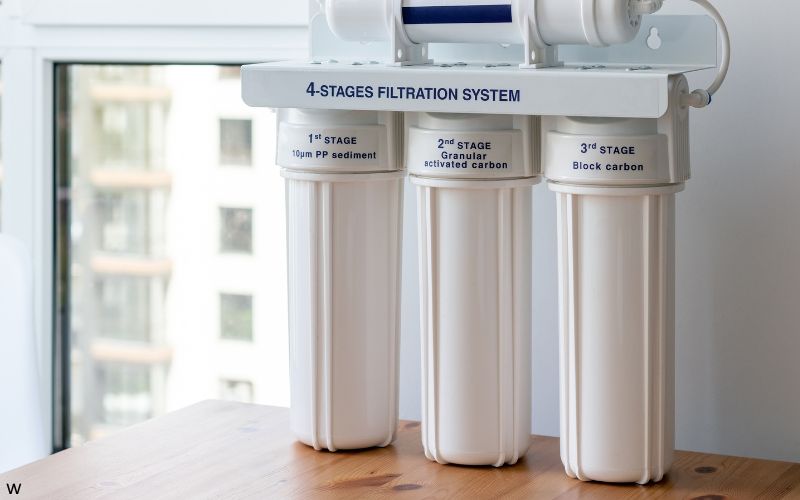
Given chromium-6 at 33 times above EWG health guidelines and elevated disinfection byproducts, an NSF-certified filter is worth considering. For PFAS and chromium-6, reverse osmosis is most effective. For disinfection byproducts, activated carbon filters significantly reduce levels. The Wisconsin DHS also recommends GAC or reverse osmosis to reduce PFAS at home. See our full water filter guide for recommended options.

Address Discolored Water
If your water becomes discolored from iron and manganese sediment, run a cold water tap at full force from the lowest level of your home (such as a basement sink) until the water clears — typically within 15 minutes. If it doesn’t clear, call Madison Water Utility at (608) 266-4661. Discolored water is not a health risk but can stain laundry.

Stay Informed
Review Madison Water Utility’s Annual Drinking Water Quality Report for comprehensive testing results and treatment process explanations. Follow the utility on social media and sign up for email updates. For national context and real-time alerts, bookmark our US boil water notices tracker and water alert news feed.

Report Water Concerns
Contact Madison Water Utility’s Water Quality Department at (608) 266-4654 with questions or concerns. For water main breaks, service emergencies, or other urgent issues, call the utility’s 24-hour dispatch line at (608) 266-4661. You can also check whether any boil water notices are active in Wisconsin at any time.
Quality News About Your Water
Get the comprehensive water quality news coverage you need with our dedicated US Water News Service. From coast to coast, we deliver in-depth reporting and expert analysis on PFAS contamination, EPA regulatory changes, infrastructure developments, and emerging water safety issues affecting communities nationwide. While mainstream media only covers the biggest stories, we provide the detailed, ongoing coverage that helps you understand the full scope of America’s water challenges.
What’s actually in your tap water? Enter your ZIP code for a full breakdown of contaminants detected in your local supply
Drinking water from a well? Check our directory here for more information

Frequently Asked Questions
Is Madison’s tap water safe to drink?
Yes, Madison’s tap water meets all federal and state drinking water standards and is considered safe to drink. The Water Utility conducts thousands of tests annually — more than required by regulatory agencies — to ensure water quality. The utility is also now in full compliance with the EPA’s 2024 PFAS maximum contaminant levels, which set enforceable limits for six PFAS compounds including a 4 ppt limit for PFOA and PFOS.
However, some contaminants exceed health-based guidelines set by environmental organisations. Chromium-6 is 33 times above EWG’s health guideline and disinfection byproducts are 35 times above EWG guidelines — these are not regulatory exceedances, but residents concerned about long-term exposure may wish to consider a home filter. See our filter recommendations page for guidance, or compare Madison’s profile with other Midwest cities using our water quality tool.
What happened with PFAS at Well 15?
Well 15 on Madison’s northeast side was shut down in 2019 after PFAS levels were found to exceed safe thresholds. After years of planning, design, and community consultation, the City of Madison completed a $5.9 million PFAS treatment facility at Well 15 in 2025:
1. Treatment Technology: The facility uses a hybrid approach combining granular activated carbon and ion exchange resin, removing all measurable PFAS to below detectable levels
2. Recommissioned September 2025: Mayor Rhodes-Conway and Water Utility General Manager Krishna Kumar officially celebrated the well’s return to service, making Madison one of Wisconsin’s first utilities to operate dedicated PFAS wellhead treatment
3. Funding: The project was financed through Wisconsin’s Safe Drinking Water Loan Program — half as principal forgiveness grants, half to be repaid through PFAS legal settlements — with no impact on water rates
4. Source of Contamination: PFAS at Well 15 is believed to have travelled in groundwater over several decades from Truax Air Field, where PFAS-containing firefighting foams were historically used. Full aquifer cleanup could take 35–50 years.
Stay up to date on Wisconsin water quality issues via our water alert news page.
Why does my water sometimes look discolored?
Discolored water in Madison is primarily caused by naturally occurring iron and manganese sediment from the sandstone aquifer. Several factors can stir up this sediment:
• Main flushing: The utility regularly flushes water mains in spring and summer to remove accumulated sediment
• Pressure changes: Water main breaks, repairs, or nearby construction can cause pressure changes that disturb sediment
• Fire hydrant use: Fire suppression activities or hydrant testing can stir up sediment
• Changes in flow direction: Adjustments to the distribution system can change water flow patterns
While discolored water is not harmful, it can stain laundry. Madison Water Utility is addressing this by installing iron and manganese filtration at selected wells. Residents can clear discolored water by running a cold tap at full force until it clears. Check our live boil water notices tracker if you see persistent discoloration or receive a utility alert.
What do Wisconsin’s new 2026 PFAS standards mean for Madison?
In January 2026, Wisconsin’s Natural Resources Board approved updated PFAS drinking water standards that align with the EPA’s 2024 federal MCLs — including a 4 ppt limit for PFOA and PFOS individually. This represents a major tightening from the previous 70 ppt state standard. The new rules still require review by the Wisconsin Legislature and Governor before taking effect.
For Madison Water Utility, the practical impact is limited because all 23 active wells already comply with these stricter standards. The completion of Well 15’s PFAS treatment in 2025 means Madison enters this new regulatory era in a strong position. Federal compliance across all US utilities is required by 2029.
Pipeline Replacement Progress:
• The 30-year plan to replace approximately 300 miles of aging water mains continues, with modern cement-lined ductile iron pipe being installed system-wide
• Trenchless technologies are used where feasible to minimise disruption
For the latest updates on water quality regulations and infrastructure news, visit our water alerts page or browse the Wisconsin state water quality overview.
Contaminants of Concern

PFAS (Per- and Polyfluoroalkyl Substances)
Source: Industrial processes, firefighting foam, food packaging, and consumer products. Detected at low levels in approximately half of Madison’s 23 wells, with Well 15’s contamination traced to nearby Truax Air Field.
Health Effects: Long-term exposure is associated with impacts on the immune system, hormone levels, cholesterol, liver function, and certain cancers.
2026 Status: All 23 active wells comply with the EPA’s 2024 MCLs (4 ppt for PFOA/PFOS). Well 15 was recommissioned in September 2025 with full PFAS treatment removing contaminants to below detectable levels. Wisconsin’s updated state PFAS standards approved January 2026 align with federal rules. Federal compliance deadline is 2029. For home PFAS filtration options, reverse osmosis and dual-stage activated carbon filters are most effective.
Chromium-6 and Disinfection Byproducts
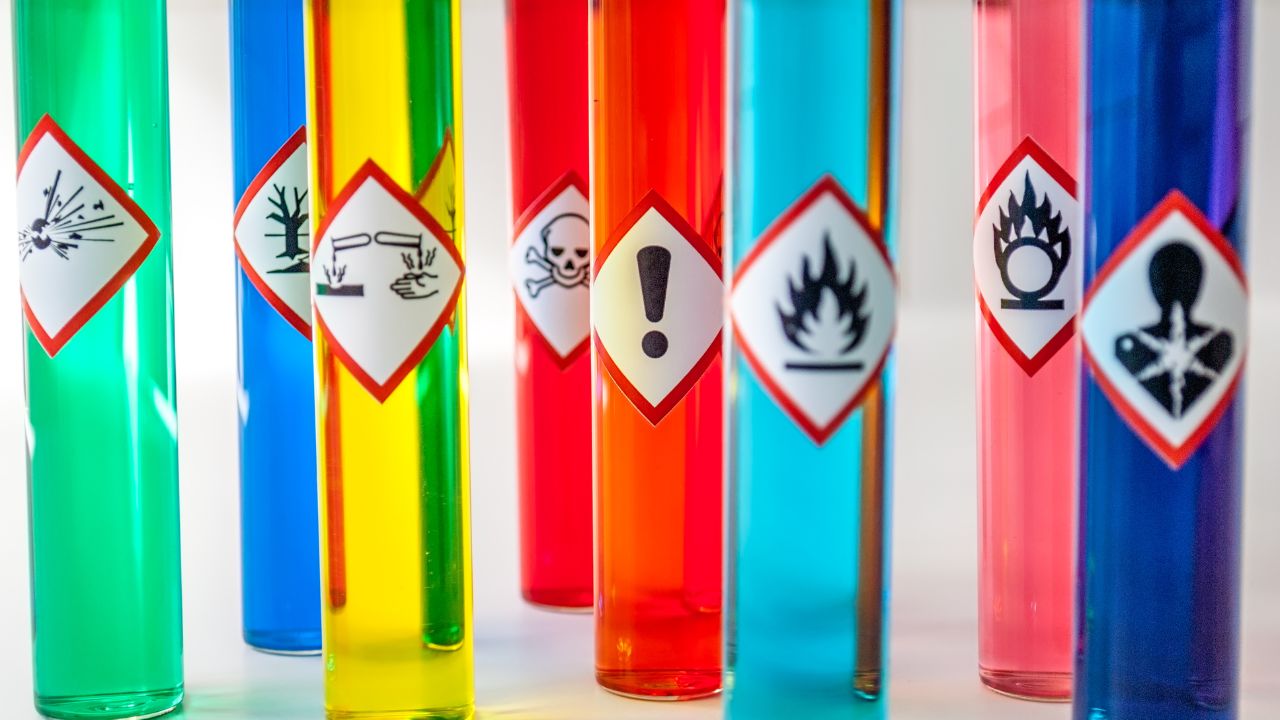
Source: Chromium-6 from industrial pollution and natural mineral deposits in bedrock. Disinfection byproducts form when chlorine reacts with organic matter during treatment.
Health Effects: Chromium-6 is a known carcinogen linked to digestive cancers. Disinfection byproducts (trihalomethanes and haloacetic acids) are associated with increased cancer risk and reproductive concerns with long-term exposure.
2026 Status: Chromium-6 at 0.657 ppb (33× above EWG’s health guideline of 0.02 ppb; no federal MCL exists). Trihalomethanes at 35× EWG health guidelines; haloacetic acids at 39× EWG guidelines. These exceed health-based benchmarks, not legal limits. A reverse osmosis system reduces all three at the point of use.
Iron and Manganese
Source: Naturally occurring minerals in the sandstone aquifer beneath Madison. Concentrations can increase with well pumping patterns and may be influenced by nearby land use.
Health Effects: Not considered health concerns by the EPA; regulated as secondary contaminants for aesthetic reasons (taste, odour, colour, and potential laundry staining).
2026 Status: Several wells have iron and manganese levels approaching EPA secondary standards. Filtration systems are being progressively added at key wells to improve aesthetics and reduce discoloration complaints. See our Wisconsin water quality overview for statewide groundwater context.
Radioactive Contaminants
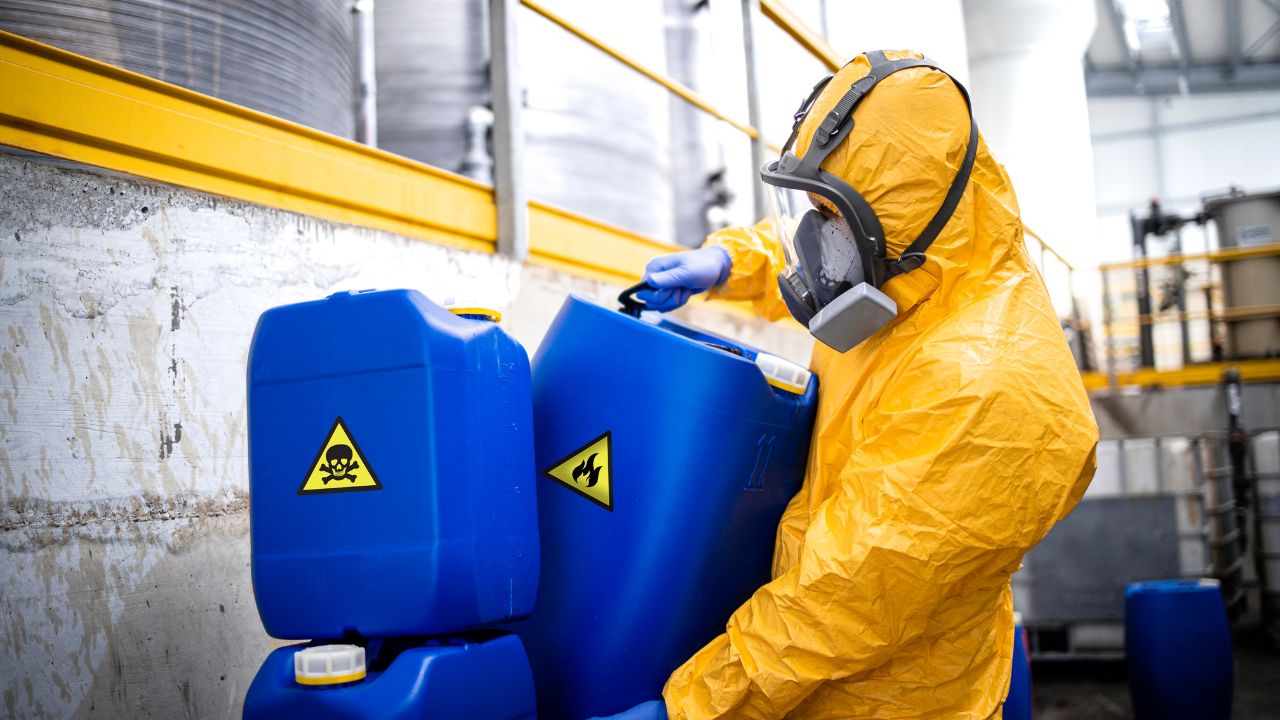
Source: Naturally occurring radioactive elements in groundwater and soil — radium from rock formations and radon gas from uranium decay in groundwater, both characteristic of deep sandstone aquifer systems.
Health Effects: Radium is associated with bone cancer and other cancers with long-term exposure. Radon causes lung cancer when it volatilises from water during showering and household use.
2026 Status: Combined radium at 1.46 pCi/L (29× above EWG health guideline); radon at 223 pCi/L (149× above EWG guideline). Levels comply with federal regulations but exceed EWG health-based recommendations. These figures are typical for deep sandstone aquifer systems and are not considered a regulatory concern by the EPA or Wisconsin DNR. Use our water quality comparison tool to see how Madison compares nationally.
Please read – our information
The information presented on cleanairandwater.net is compiled from official water quality reports, trusted news sources, government websites, and public health resources. While we strive for accuracy and thoroughness in our presentations, we are not scientists, engineers, or qualified water quality professionals.
Our mission is to present water quality information in an accessible, real-world format that helps people understand what’s in their water and make informed decisions about their health and safety. We believe that complex environmental information should be available to everyone in a format that’s easy to understand.
We make every effort to ensure our content is current and accurate, but we cannot guarantee that all information is complete or error-free. This website should not replace official communications from your local water utility or health department. We always recommend consulting official sources for the most up-to-date information regarding your specific water system.
Clean Air and Water is not liable for any unintentional errors, omissions, or outdated information. The content on this site is provided for informational purposes only and should not be considered professional advice.