Honolulu Water Quality at a Glance
some concerns
Is Honolulu Water Safe to Drink?
Generally Yes, With Some Caution — Honolulu’s water meets all federal and state standards. The Board of Water Supply serves approximately 1 million people daily from well-maintained groundwater sources. PFOS was confirmed at Pearl City Wells I in September 2025 at 2.2–2.4 ng/L — below the EPA MCL of 4 ng/L but above zero. PFAS was also detected at the Hōʻaeʻae Wells facility serving west Oahu. Ongoing Red Hill military contamination monitoring continues near Joint Base Pearl Harbor-Hickam. Check our live boil water notices tracker for any active Hawaii alerts.
⚠️ Key Concerns for Honolulu Residents in 2026
- PFOS at Pearl City Wells: PFOS confirmed September 2025 at 2.2–2.4 ng/L — below the EPA MCL of 4 ng/L but above zero detection; monitoring ongoing
- West Oahu PFAS Detection: PFAS confirmed at the Hōʻaeʻae Wells GAC Treatment Facility (serving Ewa Beach to Makaha including Kapolei, Nanakuli, and Waianae) in late 2024–early 2025
- Red Hill Military Impact: PFAS contamination in groundwater near Joint Base Pearl Harbor-Hickam; EPA oversight active with extended drinking water monitoring plan in place
- School Lead Monitoring: Ongoing WIIN Act Stage 4 lead testing at Honolulu County schools through 2025; affected fixtures removed where elevated lead was found
- EPA PFAS Compliance: PFOA/PFOS MCLs remain enforceable at 4 ppt; compliance deadline now extended to 2031 under proposed EPA rulemaking
Read the full report below for detailed analysis, water system specifics, and actionable recommendations for Honolulu residents.
Advertisement — Report continues below
Great water report.
Here’s how to make it perfect.
Your water quality report shows strong results — and that’s genuinely good news. But even treated municipal water picks up residual chlorine, microplastics, and sediment between the treatment plant and your tap. A filter takes great water and makes it flawless.
✅ Improves taste, smell & clarity — removes residual chlorine and sediment that reach your glass after treatment
✅ NSF/ANSI 42, 58 & 372 certified — independently tested, not just manufacturer claims
✅ Installs in 30 minutes, no plumber — fills a glass in 8 seconds, smart LED filter monitor
Renting or can’t drill? The Waterdrop K19 Countertop RO — plug in, fill the tank, done. No installation, no drilling, no plumber.
Advertisement — this page contains affiliate links. If you buy through these links, we may earn a commission at no extra cost to you.

Honolulu, Hawaii — Water Quality Report 2026: PFAS Testing, Infrastructure Concerns & Safety Across Your City
The Honolulu Board of Water Supply (BWS) manages a comprehensive water system serving approximately 1 million residents across the island of Oahu. Established in 1929 as a semi-autonomous agency, the BWS operates an extensive network of wells, pumping stations, reservoirs, and water treatment facilities, delivering roughly 145 million gallons of water daily to Hawaii’s most populous island. From July 2025, the BWS moved to a semi-annual Consumer Confidence Report (CCR) schedule, published each July and December, giving residents more frequent access to water quality data than previously available. See our Hawaii state water quality overview for a broader picture of drinking water conditions statewide.
Honolulu derives almost all of its drinking water from groundwater sources, with the majority coming from underground aquifers naturally filtered through the island’s volcanic rock formations. The system includes over 2,100 miles of pipelines and manages more than 194 wells and groundwater sources, primarily deep wells that tap into Oahu’s extensive basal aquifer system. The BWS meets or exceeds all federal and state drinking water standards while addressing ongoing challenges including infrastructure maintenance, saltwater intrusion prevention, and the growing number of PFAS detections across multiple well systems — most recently at Pearl City Wells I in September 2025 and at the Hōʻaeʻae Wells facility in late 2024. Nearby cities dealing with related water quality issues include Honolulu neighbours and those across the California coastline where military PFAS contamination is also a known concern.
Honolulu Water Quality: Current Status (2025–2026)
Latest Testing Results
- Comprehensive Monitoring: The BWS conducts extensive water quality testing throughout its network from source to tap across Oahu’s distribution system. From July 2025, the BWS switched to a semi-annual Consumer Confidence Report schedule (published each July and December), providing residents more frequent transparency on water quality data. Check our national water quality hub for context on how Honolulu compares to other US systems.
- Compliance Status: Honolulu’s drinking water fully meets all federal EPA standards and Hawaii Department of Health regulations. Results are published in semi-annual CCRs searchable by address at boardofwatersupply.com. Monitor our water alert news section for any new Hawaii notifications.
- PFAS Monitoring — 2025 Updates: PFOS was confirmed at Pearl City Wells I Pump #2 in September 2025 at 2.2–2.4 ng/L — below the EPA MCL of 4 ng/L but a new detection point. PFAS was also confirmed at the Hōʻaeʻae Wells GAC Treatment Facility in west Oahu between November 2024 and February 2025. Both detections are considered unlikely to pose a public health risk at current levels. The EPA’s PFOA/PFOS MCLs remain enforceable at 4 ppt; the compliance deadline has been proposed for extension to 2031. Learn more about how PFAS-certified home filters can provide an additional layer of protection.
Island Water Sources
- Groundwater Dependence: Nearly 100% of Honolulu’s drinking water comes from groundwater sources — primarily the basal aquifer system naturally formed within Oahu’s volcanic rock formations. This natural filtration is one of the system’s key advantages.
- Aquifer Protection: The BWS maintains rigorous protection of watershed areas and recharge zones feeding the island’s aquifers, including conservation partnerships to preserve upper forested watersheds that capture rainfall.
- System Resilience and Red Hill Legacy: The 2021 Red Hill fuel contamination incident exposed vulnerabilities in military-adjacent water supplies. EPA oversight of Joint Base Pearl Harbor-Hickam’s drinking water system remains active in 2025–2026, with an extended drinking water monitoring plan in place following Navy PFAS sampling requests from EPA in June 2024.
Treatment Processes
- Minimal Treatment Required: Honolulu’s naturally filtered groundwater typically requires less intensive treatment than surface water, with most sources receiving chlorination disinfection and pH adjustment only.
- Granulated Activated Carbon (GAC) Filtration: The Hōʻaeʻae Wells facility — where PFAS was recently detected — uses GAC filtration. The fact that PFAS was found downstream of a GAC treatment system underscores the importance of ongoing testing even at treated sources. Central Oahu and North Shore facilities also employ GAC to address agricultural chemical contamination.
- Quality Control: Continuous electronic monitoring across the distribution system provides real-time data on water quality parameters, enabling immediate response to detected issues. For any active boil water or do-not-drink notices in Hawaii, see our live boil water notice tracker.
Infrastructure Management
- Pipeline Renewal: The BWS has accelerated its water main replacement programme, targeting areas with a history of breaks or leaks and replacing approximately 6–10 miles of pipeline annually.
- Water Loss Prevention: Advanced technologies including acoustic leak detection and smart meters help identify and address water losses throughout the distribution system.
- System Maintenance: Regular inspection and maintenance of water storage infrastructure ensures structural integrity and reliable service continuity during emergency situations.
Sustainability Initiatives
Honolulu’s Board of Water Supply operates under a comprehensive sustainability programme balancing current demand with long-term resource protection. The Water Master Plan guides infrastructure investment while the Water Conservation Plan promotes efficiency through consumer education, rebates for WaterSense fixtures, and xeriscaping incentives. Watershed protection partnerships maintain healthy forested upper catchments that recharge Oahu’s aquifers. Climate adaptation strategies address sea level rise risks to coastal wells from saltwater intrusion. The utility also invests in renewable energy at pumping facilities and has developed recycled water capabilities at the Honouliuli Water Recycling Facility, supplying non-potable water for irrigation and industrial use — reducing pressure on the drinking water supply. States like Nevada face similar groundwater sustainability pressures, and comparisons are instructive for understanding Honolulu’s long-term resource challenges.
Recommendations for Honolulu Residents
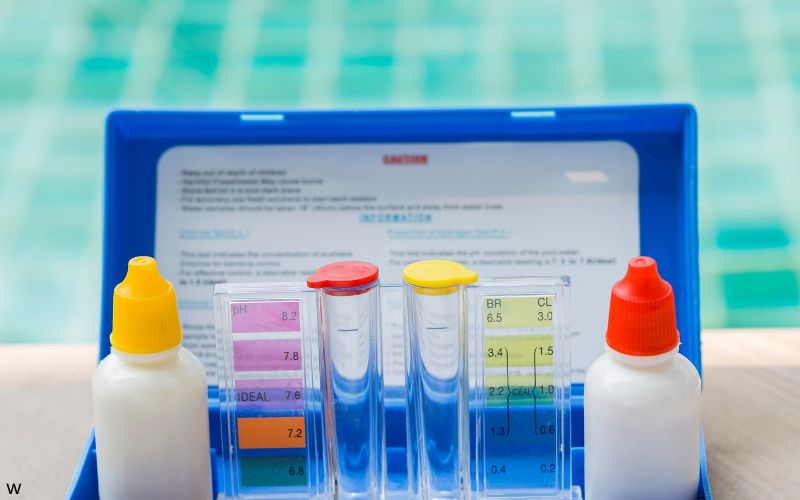
Test Your Water
Request water quality testing by calling 808-748-5041 or visiting boardofwatersupply.com. Testing is particularly recommended for older homes with aging plumbing, and for residents in Pearl City and west Oahu following confirmed PFOS and PFAS detections at multiple well systems in 2024–2025. Check our water quality information hub for guidance on what to test for.
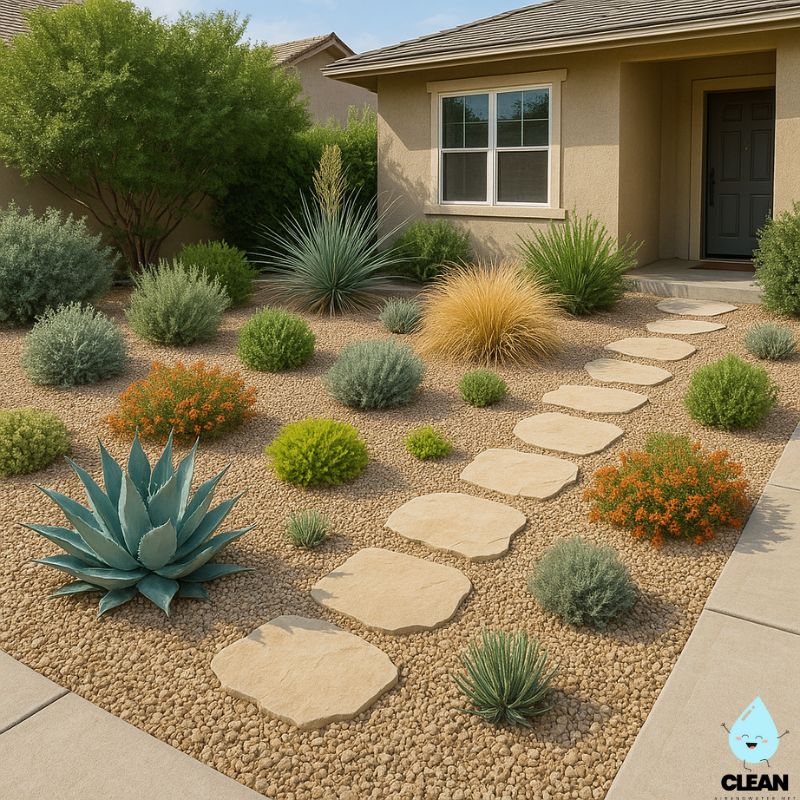
Practice Water Conservation
Participate in BWS conservation programmes, including rebates for WaterSense fixtures and xeriscaping projects. Call (808) 748-5041 or visit boardofwatersupply.com/conservation to apply for available incentives and learn water-saving techniques that protect Oahu’s groundwater long-term.
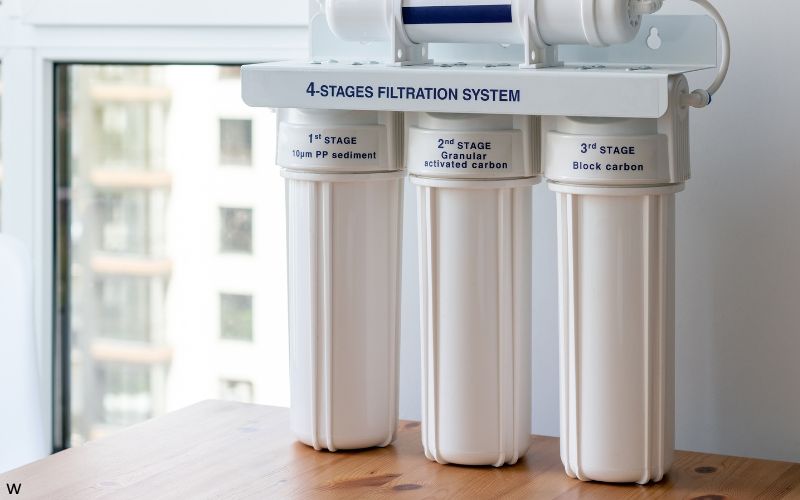
Consider Home Filtration
With PFOS confirmed at Pearl City Wells I and PFAS detected in the west Oahu system in 2024–2025, residents — especially those in affected service areas — may want to consider NSF-certified filters rated for PFAS removal such as activated carbon block or reverse osmosis systems. See our water filter recommendations for independently verified options.
Follow Conservation Guidelines
Be aware of voluntary and mandatory conservation notices during dry periods. When in effect, reduce outdoor irrigation, avoid washing vehicles at home, and fix leaks promptly. Check boardofwatersupply.com for current conservation status, and visit our water alert news section for any active Hawaii notices.
Report Issues
Contact 808-748-5000 immediately for water main breaks, water quality concerns, or unexplained increases in water usage. For after-hours emergencies, call the same number — monitored 24/7 by BWS personnel. Check our live boil water notices tracker to see if any active alerts are in place for your area.
Quality News About Your Water
Get the comprehensive water quality news coverage you need with our dedicated US Water News Service. From coast to coast, we deliver in-depth reporting and expert analysis on PFAS contamination, EPA regulatory changes, infrastructure developments, and emerging water safety issues affecting communities nationwide. While mainstream media only covers the biggest stories, we provide the detailed, ongoing coverage that helps you understand the full scope of America’s water challenges.
What’s actually in your tap water? Enter your ZIP code for a full breakdown of contaminants detected in your local supply
Drinking water from a well? Check our directory here for more information
Frequently Asked Questions
Is Honolulu’s tap water safe to drink in 2026?
Yes, Honolulu’s tap water meets all federal and state drinking water standards and is considered safe to drink for most residents. The Board of Water Supply conducts extensive testing and publishes results twice yearly in its semi-annual Consumer Confidence Report (searchable at boardofwatersupply.com). However, PFOS was confirmed at Pearl City Wells I in September 2025 at 2.2–2.4 ng/L — below the EPA MCL of 4 ng/L — and PFAS was detected at the Hōʻaeʻae Wells facility serving west Oahu in late 2024. Residents in those service areas who want additional peace of mind may consider a certified PFAS-reducing home filter.
Honolulu’s drinking water comes primarily from groundwater sources naturally filtered through volcanic rock. This natural filtration typically produces high-quality water requiring minimal treatment. The BWS adds chlorine for disinfection and makes pH adjustments at some facilities to reduce pipeline corrosion.
Why does my water sometimes taste salty?
Slightly elevated salt levels can occur in some areas of Honolulu, particularly during periods of high demand or drought when wells may be pumped more intensively. This can cause “upconing” — where deeper saltwater is drawn up toward freshwater zones.
To address this concern:
1. The BWS carefully monitors chloride (salt) levels in all water sources
2. Wells showing elevated salinity are rested or pumped at reduced rates
3. Water from different sources is blended when necessary to maintain quality
If you notice a persistent salty taste, contact BWS at 808-748-5041. You can also check our water alerts section for any service area notices.
How does Honolulu protect its water supply?
Honolulu employs a comprehensive approach to protecting its water resources:
• Watershed protection: Partnerships with conservation organisations to maintain healthy forest ecosystems that recharge aquifers
• Monitoring and testing: Extensive water quality testing including enhanced PFAS monitoring following detections at multiple well systems in 2023–2025
• Sustainable pumping: Careful management of pumping rates to prevent saltwater intrusion and maintain aquifer health
• Source water assessments: Regular evaluation of contamination sources near wells, including ongoing EPA oversight of Red Hill/JBPHH
• Public transparency: Semi-annual CCR reports from July 2025 (up from annual), address-searchable at boardofwatersupply.com
See our Hawaii state water quality page for broader context on how Oahu’s water compares to other islands and water systems statewide.
Are there water restrictions in Honolulu?
Honolulu occasionally implements conservation measures depending on supply conditions:
Current Status:
• BWS requests voluntary conservation in some areas, particularly during summer months when demand peaks
• Enhanced monitoring continues in areas affected by PFAS detections (Pearl City, west Oahu) and near Red Hill/JBPHH
During Drought Conditions:
• BWS may issue mandatory conservation notices requiring specific actions
• Restrictions typically focus on reducing outdoor water use — limiting irrigation to specific days or times
• Prohibition on wasteful practices such as allowing water to run off properties
For current conservation status and active restrictions, visit boardofwatersupply.com or call 808-748-5041. For emergency notices, check our live US boil water notice tracker.
Contaminants of Concern
PFAS (Per- and Polyfluoroalkyl Substances)
Source: Industrial products, firefighting foam (particularly from military installations including Red Hill/JBPHH), and other sources. PFOS confirmed at Pearl City Wells I Pump #2 in September 2025 at 2.2–2.4 ng/L. PFAS also confirmed at the Hōʻaeʻae Wells GAC Treatment Facility (serving Ewa Beach to Makaha) in November 2024–February 2025. Earlier detections include Waipahu, Makakilo, Waipio Heights, Moanalua, Halawa, and Kaamilo Wells (2022–2023).
Health Effects: Potential impacts on immune system, thyroid function, reproductive health, and increased cancer risk with long-term exposure at elevated levels. PFAS are known as “forever chemicals” due to environmental persistence. See our water filter solutions page for NSF-certified options that can reduce PFAS at the tap.
Regulatory Status (2026): EPA PFOA/PFOS MCLs of 4 ppt remain legally enforceable since April 2024. The compliance deadline has been proposed for extension from 2029 to 2031 under EPA’s May 2025 announcement. MCLs for PFHxS, PFNA, and HFPO-DA (GenX) are under reconsideration. Honolulu’s confirmed detections remain below current MCLs, but monitoring is ongoing at all affected sites.
Lead and Copper
Source: Primarily from older plumbing fixtures, solder, and pipes within buildings rather than the distribution system. Hawaii’s WIIN Act Stage 4 lead testing programme continued through 2025 at Honolulu County schools; affected fixtures are removed or replaced where elevated lead is found.
Health Effects: Lead exposure causes developmental delays and learning disabilities in children; there is no safe level of lead exposure for children. Copper can cause gastrointestinal distress at high levels. Lead risk is greatest in pre-1986 buildings with original plumbing.
Management Approach: BWS conducts regular Lead and Copper Rule monitoring; affected school fixtures have been replaced or removed. Residents in older homes should consider private lead testing — contact BWS at 808-748-5041. A certified point-of-use filter with NSF/ANSI 53 certification can reduce lead at the tap regardless of the source.
Please read – our information
The information presented on cleanairandwater.net is compiled from official water quality reports, trusted news sources, government websites, and public health resources. While we strive for accuracy and thoroughness in our presentations, we are not scientists, engineers, or qualified water quality professionals.
Our mission is to present water quality information in an accessible, real-world format that helps people understand what’s in their water and make informed decisions about their health and safety. We believe that complex environmental information should be available to everyone in a format that’s easy to understand.
We make every effort to ensure our content is current and accurate, but we cannot guarantee that all information is complete or error-free. This website should not replace official communications from your local water utility or health department. We always recommend consulting official sources for the most up-to-date information regarding your specific water system.
Clean Air and Water is not liable for any unintentional errors, omissions, or outdated information. The content on this site is provided for informational purposes only and should not be considered professional advice.