Hialeah Water Quality at a Glance
serious concerns
Is Hialeah Water Safe to Drink?
Meets Legal Standards, But With Serious Concerns — Hialeah’s water meets all federal regulatory limits, but the city’s own 2025 Water Quality Report confirms PFOS at 10.25 ppt in the Hialeah distribution system — 2.5x above the EPA MCL of 4 ppt. The portion of Hialeah served by Miami-Dade Water and Sewer has even higher levels (PFOS up to 31 ppt, PFOA up to 16 ppt). Disinfection byproducts, chromium-6, and radium are also detected, though within regulatory limits. Filtration is strongly recommended. Check our live boil water notice tracker for any active Hialeah alerts.
⚠️ Key Concerns for Hialeah Residents in 2026
- PFOS Above EPA Limit: Hialeah distribution water tested at 10.25 ppt PFOS — 2.5x the EPA MCL of 4 ppt (2025 CCR, 2024 data). PFOA at 2.55 ppt, PFHxS at 1.625 ppt, and PFNA at 1.075 ppt also detected
- Miami-Dade WASD Portion: The Miami-Dade Water and Sewer-supplied area of Hialeah tested at up to 31 ppt PFOS and 16 ppt PFOA — among the highest in South Florida
- Disinfection Byproducts: TTHMs at 17.99 ppb and HAA5 at 39.70 ppb in Hialeah distribution — within federal limits but associated with long-term cancer risk at sustained exposure
- Chromium-6: Detected at trace levels — unregulated by EPA at the federal level; associated with cancer risk at elevated exposure
- Florida PFAS Context: Florida does not currently set its own PFAS MCLs; the state plans to adopt EPA’s 4 ppt standard by 2027. The federal compliance deadline has been proposed for extension to 2031
Read the full report below for detailed analysis, specific contaminant data, and actionable recommendations for Hialeah residents.
Advertisement — Report continues below
Your tap water just failed.
Here’s the fix.
Contaminants like PFAS, lead, chromium-6, and arsenic can sit within the legal limit but still pose a real health risk. The legal limit and the safe limit are not the same thing.
✅ Removes PFAS, lead & chromium-6 — the contaminants most flagged in failing city reports
✅ NSF/ANSI 42, 58 & 372 certified — independently tested, not just manufacturer claims
✅ Installs in 30 minutes, no plumber — fills a glass in 8 seconds, smart LED filter monitor
Renting or can’t drill? The Waterdrop K19 Countertop RO — plug in, fill the tank, done. No installation, no drilling, no plumber.
Disclaimer: This advert contains affiliate links. If you buy through these links, we may earn a commission at no extra cost to you. Product claims are based on manufacturer certification data and independent SGS lab testing.
Hialeah, Florida — Water Quality Report 2026: PFAS Testing, Infrastructure Concerns & Safety Across Your City
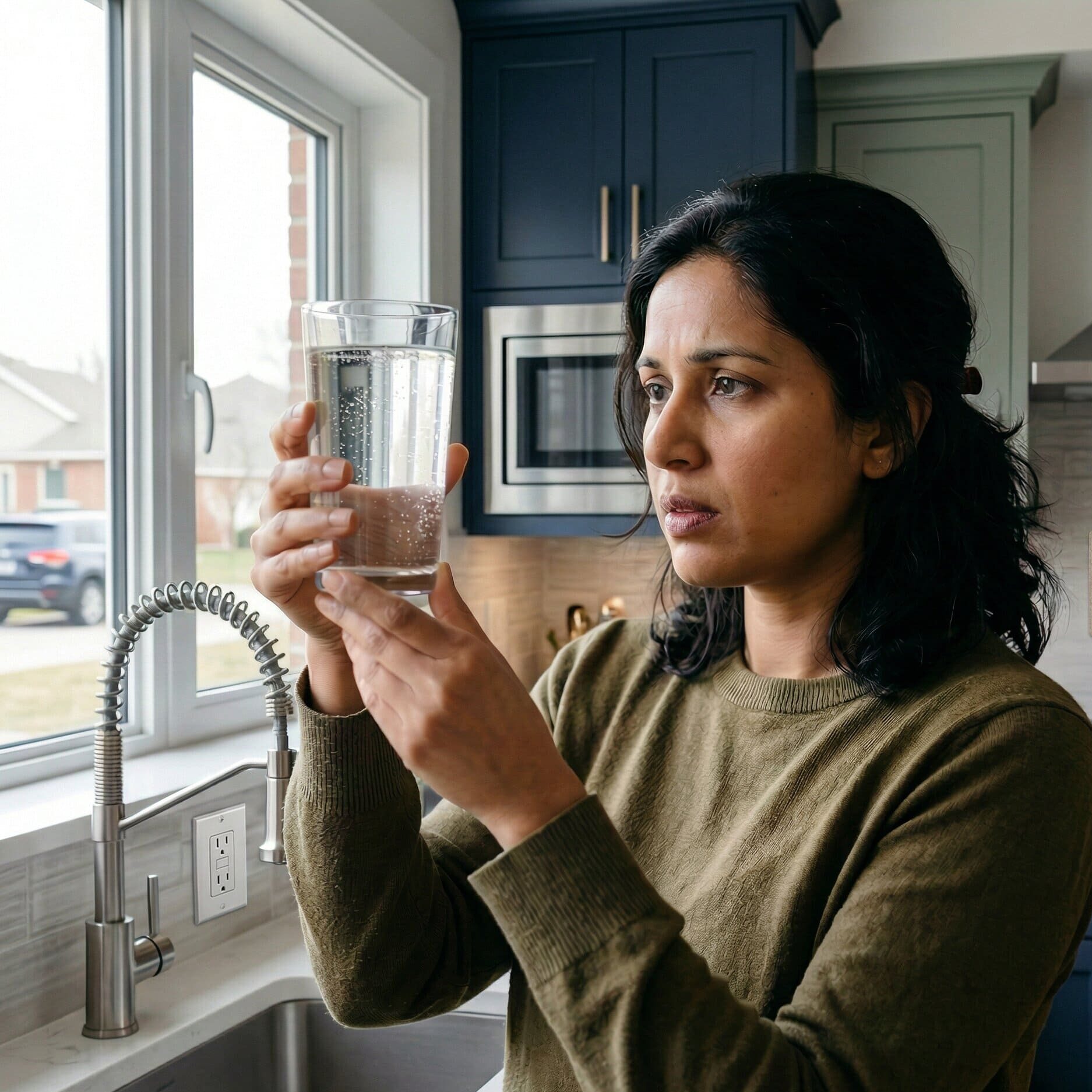
The City of Hialeah Department of Public Works provides water services to over 230,000 residents across a 23 square-mile area in Miami-Dade County. The system operates its own Reverse Osmosis Water Treatment Plant supplying 7.5 million gallons daily to northwestern Hialeah residents, while the southeastern portion receives water from Miami-Dade County’s Water and Sewer Department (WASD) — treated at the Hialeah and John E. Preston Water Treatment Plants. The City’s 2025 Water Quality Report (covering 2024 data) confirms PFOS at 10.25 ppt in the Hialeah distribution system — 2.5x above the EPA MCL — making PFAS filtration a serious consideration for residents. See our Florida state water quality overview for broader context on PFAS contamination across the state, and our Miami water quality page for data on the Miami-Dade WASD system that supplies part of Hialeah.
Hialeah sources its drinking water primarily from the Biscayne Aquifer — a shallow limestone formation underlying about 4,000 square miles of South Florida. The City’s own RO plant draws from the deeper Floridan Aquifer for its northwestern service area. South Florida’s PFAS contamination challenge is significant: Jacksonville, Tampa, and Orlando all face their own PFAS monitoring requirements under EPA’s 2024 drinking water rule. Residents consuming approximately 24 million gallons of water daily should be aware that while the utility maintains regulatory compliance, PFOS levels above the EPA MCL are a documented concern in the distribution system.

Hialeah Water Quality: Current Status (2025–2026)
Latest Testing Results
- Regulatory Compliance Status: Hialeah’s 2025 Water Quality Report (2024 data) confirms no MCL violations for the Hialeah distribution system across microbiological, inorganic, or radioactive contaminants. However, PFAS results are classified as “additional monitoring” under the new EPA rule — the initial monitoring period runs to 2027, with compliance enforcement beginning in 2029 (proposed for extension to 2031). This means PFOS at 10.25 ppt — above the 4 ppt MCL — does not yet constitute a formal regulatory violation. Check our water alerts news section for any enforcement updates.
- PFAS in Hialeah Distribution (2024 CCR): PFOS confirmed at 10.25 ppt (MCL: 4 ppt); PFOA at 2.55 ppt (MCL: 4 ppt); PFHxS at 1.625 ppt (MCL: 10 ppt); PFNA at 1.075 ppt (MCL: 10 ppt). The Hazard Index for combined PFAS mixtures was 0.0011 — within the MCL of 1.0. The City’s RO plant tested not detected (ND) for all PFAS.
- Miami-Dade WASD Portion: The area of Hialeah served by Miami-Dade Water and Sewer tested at substantially higher levels: PFOS up to 31 ppt, PFOA up to 16 ppt, PFHxS up to 10 ppt, and PFNA up to 5 ppt — all significantly above EPA MCLs. These are classified as “additional monitoring” data under the same 2027 compliance timeline. See our water quality information hub for national PFAS context.
- Lead and Copper (2024): At-tap lead testing in Hialeah distribution: 90th percentile at 1.48 ppb — well below the federal action level of 15 ppb. Only 1 of 79 homes (1.26%) exceeded the action level. Copper: 0.09 ppm 90th percentile, with zero homes exceeding the 1.3 ppm action level. Miami-Dade WASD lead: 3.2 ppb 90th percentile, 1 out of 102 homes (1%) exceeding the action level.
Water Sources
- Biscayne Aquifer: Primary source for the majority of Hialeah’s water supply, treated at Miami-Dade County’s Hialeah and John E. Preston Water Treatment Plants. A 2021 Florida DEP assessment of source water wells found approximately 100 potential contamination sources in the wider South Florida region.
- Floridan Aquifer (RO Plant): The City of Hialeah-owned Reverse Osmosis Water Treatment Plant draws from the deeper Floridan Aquifer, producing 7.5 million gallons per day for northwestern Hialeah. Notably, this source tested not detected for all PFAS in 2024 — the RO process effectively removes PFAS.
- PFAS in Florida’s Aquifers: A 2024 study of 50 freshwater springs across Florida found 63% detected at least one PFAS chemical. South Florida’s Biscayne Aquifer is particularly vulnerable given its shallow depth and proximity to urban and industrial contamination sources, including airports and military facilities that historically used PFAS-containing firefighting foam.
Treatment Technology
- Reverse Osmosis Plant: The City’s RO plant uses advanced membrane technology that effectively removes PFAS — 2024 testing confirmed not detected for all PFAS compounds. Residents in northwestern Hialeah supplied by this plant have significantly better PFAS outcomes than those receiving Miami-Dade WASD water.
- Miami-Dade WASD Treatment: WASD facilities employ multi-barrier treatment including filtration, chloramine disinfection, and enhanced softening at the Preston plant. However, current treatment is not optimised for PFAS removal — the agency is under the same EPA compliance timeline as other utilities, with mandatory PFAS compliance required by 2029 (proposed 2031 extension).
- Disinfection Byproduct Formation: Chloramine disinfection used by Miami-Dade WASD reduces some DBP formation compared to chlorine, but the naturally high organic matter in Biscayne Aquifer water still generates measurable TTHMs (17.99 ppb in Hialeah distribution) and HAA5 (39.70 ppb) — both within regulatory limits but relevant for long-term health consideration. Consider a certified carbon block filter to reduce DBPs at the tap.
Infrastructure and System Overview
- Distribution Network: Extensive network serving over 230,000 residents with emergency interconnections to Hialeah Gardens and Miami-Dade County for system redundancy.
- Wastewater Management: Comprehensive collection system with 101 lift stations, approximately 338 miles of gravity sewer lines, and over 6,900 manholes.
- Capital Planning: Future capital investment in PFAS treatment will be required as EPA’s compliance deadlines approach. Residents can sign up for boil water and service alerts at hialeahfl.gov/AlertCenter. Our live boil water notice tracker also covers Hialeah and surrounding Miami-Dade communities.
Customer Resources
Hialeah Water publishes an annual Water Quality Report available in English and Spanish at hialeahfl.gov, with 2024 data confirmed in the 2025 CCR. The Department of Public Works provides 24-hour emergency response at 305-556-3800 ext. 2542. Miami-Dade County’s Water Wisely programme offers conservation tips and rebates for water-efficient fixtures, while the Low Income Household Water Assistance Program (LIHWAP) provides financial assistance for qualifying customers at 305-274-9272. Florida does not currently impose its own PFAS MCLs in drinking water — the state plans to adopt the EPA’s 4 ppt standard by 2027. For comparison, other Florida cities with serious PFAS concerns include Jacksonville and cities served by utilities across the Florida state water system.
Recommendations for Hialeah Residents

Know Your Water Source
Residents in northwestern Hialeah are likely supplied by the City’s RO plant — which tested not detected for all PFAS in 2024. Those in southeastern Hialeah receive Miami-Dade WASD water, which showed PFOS up to 31 ppt. Contact Hialeah Public Works at 305-556-3800 ext. 2542 or visit hialeahfl.gov to confirm your supply source. Check our water quality hub for guidance on what to test for.
Practice Water Conservation
Follow Miami-Dade County’s year-round conservation guidelines: no lawn watering between 10 a.m. and 4 p.m. daily to minimise evaporation. Take advantage of rebates on high-efficiency toilets, faucets, and showerheads through the Water Wisely programme at miamidade.gov/water.
Consider Home Filtration
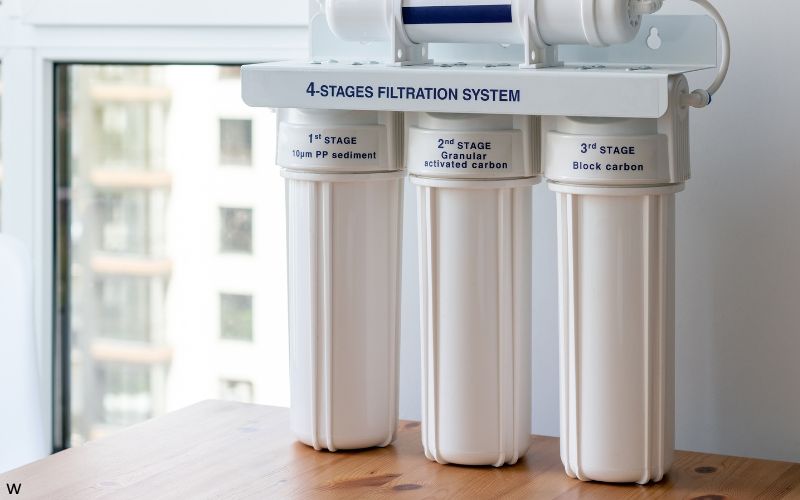
With PFOS confirmed above EPA limits in the Hialeah distribution system, a certified PFAS-rated filter is strongly recommended — particularly for drinking and cooking water. Look for NSF/ANSI 58 (reverse osmosis) or NSF/ANSI 53 certified filters that specifically list PFOA/PFOS removal. See our water filter recommendations for independently verified options.

Access Financial Assistance
Qualify for the Low Income Household Water Assistance Program (LIHWAP) through Miami-Dade Water and Sewer Department. Contact 305-274-9272 for information about bill assistance and payment plans. The Water Wisely rebate programme at miamidade.gov/water also offers financial incentives for water-efficient upgrades.
Report Emergencies
Call Hialeah Public Works at 305-556-3800 ext. 2542 for water quality questions or emergencies. For Miami-Dade Water and Sewer emergencies including broken pipes or main breaks, call 305-274-9272 (24 hours). Sign up for boil water alerts at hialeahfl.gov/AlertCenter, or monitor our live US boil water notice tracker.
Quality News About Your Water
Get the comprehensive water quality news coverage you need with our dedicated US Water News Service. From coast to coast, we deliver in-depth reporting and expert analysis on PFAS contamination, EPA regulatory changes, infrastructure developments, and emerging water safety issues affecting communities nationwide. While mainstream media only covers the biggest stories, we provide the detailed, ongoing coverage that helps you understand the full scope of America’s water challenges.
What’s actually in your tap water? Enter your ZIP code for a full breakdown of contaminants detected in your local supply
Drinking water from a well? Check our directory here for more information
Frequently Asked Questions
Is Hialeah’s tap water safe to drink in 2026?
Hialeah’s tap water is in compliance with all current federal regulatory limits and is legally safe to drink. However, PFOS was confirmed at 10.25 ppt in the Hialeah distribution system in 2024 — 2.5x above the EPA’s MCL of 4 ppt. Under the EPA’s 2024 PFAS drinking water rule, utilities have until 2029 (proposed extension to 2031) to come into compliance, so this does not constitute a formal violation yet. The portion of Hialeah receiving Miami-Dade WASD water tested at even higher levels.
Residents in northwestern Hialeah supplied by the City’s RO plant had not-detected results for all PFAS in 2024 — reverse osmosis is effective at removing PFAS. For all other residents, a certified PFAS-reducing home filter is strongly recommended for drinking and cooking water.
Why does my water sometimes taste or smell different?
Taste variations are common in Hialeah due to two different supply sources using different disinfection methods:
1. Miami-Dade WASD uses chloramine disinfection — this produces a distinct taste that won’t dissipate if water is left in the refrigerator overnight, unlike chlorine
2. The City’s RO plant uses chlorine disinfection — water from this source may taste noticeably different
3. Naturally high organic matter in the Biscayne Aquifer can contribute to colour and taste variation, particularly at the Preston plant where enhanced softening is used to address this
If taste or odour issues persist, contact Hialeah Public Works at 305-556-3800 ext. 2542. Running water for 30 seconds to 2 minutes after a period of non-use can also help. Monitor our water alerts section for any service advisories.
Does Hialeah have lead in its water?
Lead levels in Hialeah are well within federal compliance:
• Hialeah distribution (2024): 90th percentile lead at 1.48 ppb — well below the 15 ppb federal action level; only 1 of 79 homes (1.26%) exceeded the action level
• Miami-Dade WASD: 90th percentile at 3.2 ppb — also below the action level; 1 of 102 homes (1%) exceeded it
• Corrosion control: Water treatment includes corrosion inhibitors to reduce lead leaching from older plumbing components
• Older homes: Residents in pre-1986 homes with original plumbing should consider private lead testing — contact Hialeah Public Works or call the EPA lead hotline at 1-800-424-LEAD
While the EPA recognises no safe level of lead for children, Hialeah’s system-wide levels are among the lower concerns here — PFAS is the primary filtration priority. See our filter guide for options that address both lead and PFAS.
Are there water restrictions in Hialeah?
Miami-Dade County maintains year-round water conservation measures:
Standard Conservation Rules:
• No lawn watering between 10 a.m. and 4 p.m. daily to minimise evaporation losses
• Efficient irrigation practices encouraged to reduce aquifer drawdown
• Leak detection and repair programmes to maintain system efficiency
During Drought or Emergency Conditions:
• Further limitations on outdoor watering days and times
• Possible restrictions on vehicle washing and pool filling
Current water use guidelines and any emergency restrictions are available from Miami-Dade County Water and Sewer at 305-274-9272 or miamidade.gov/water. Sign up for Hialeah boil water alerts at hialeahfl.gov/AlertCenter, or check our live boil water notice tracker.
Contaminants of Concern
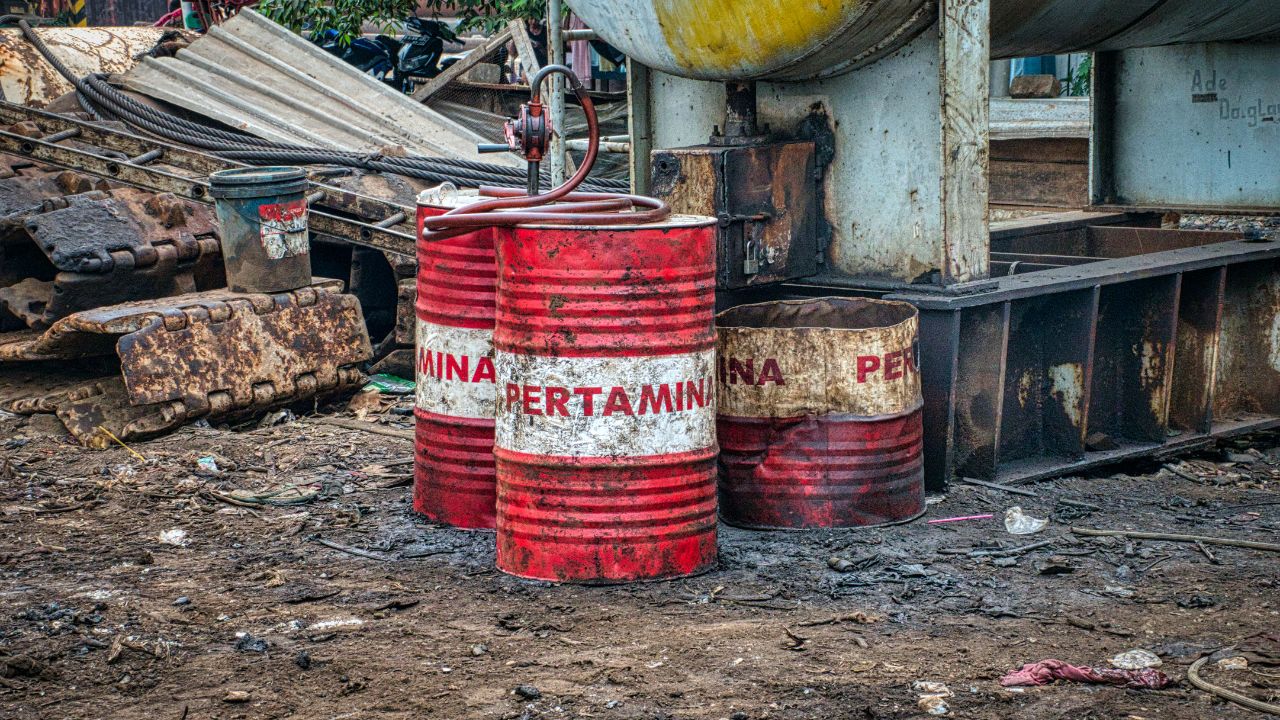
Disinfection Byproducts
Source: Formed when chlorine or chloramine disinfectants react with naturally occurring organic matter in the Biscayne Aquifer source water. Levels can vary seasonally based on source water organic content.
Health Effects: Long-term exposure to total trihalomethanes (TTHMs) and haloacetic acids is associated with increased risk of bladder cancer and potential effects on reproductive outcomes. The EPA recognises these as a cancer-risk category.
2024 Levels in Hialeah Distribution: TTHMs at 17.99 ppb (range 0.39–22.18 ppb) — within the EPA MCL of 80 ppb. HAA5 at 39.70 ppb (range 0.98–49.63 ppb) — within the EPA MCL of 60 ppb. Miami-Dade WASD: TTHMs at 51 ppb (range 10–69 ppb), HAA5 at 44 ppb (range 3–81 ppb) — both within limits but closer to thresholds. A certified activated carbon block filter can reduce TTHMs and HAA5 at the tap.
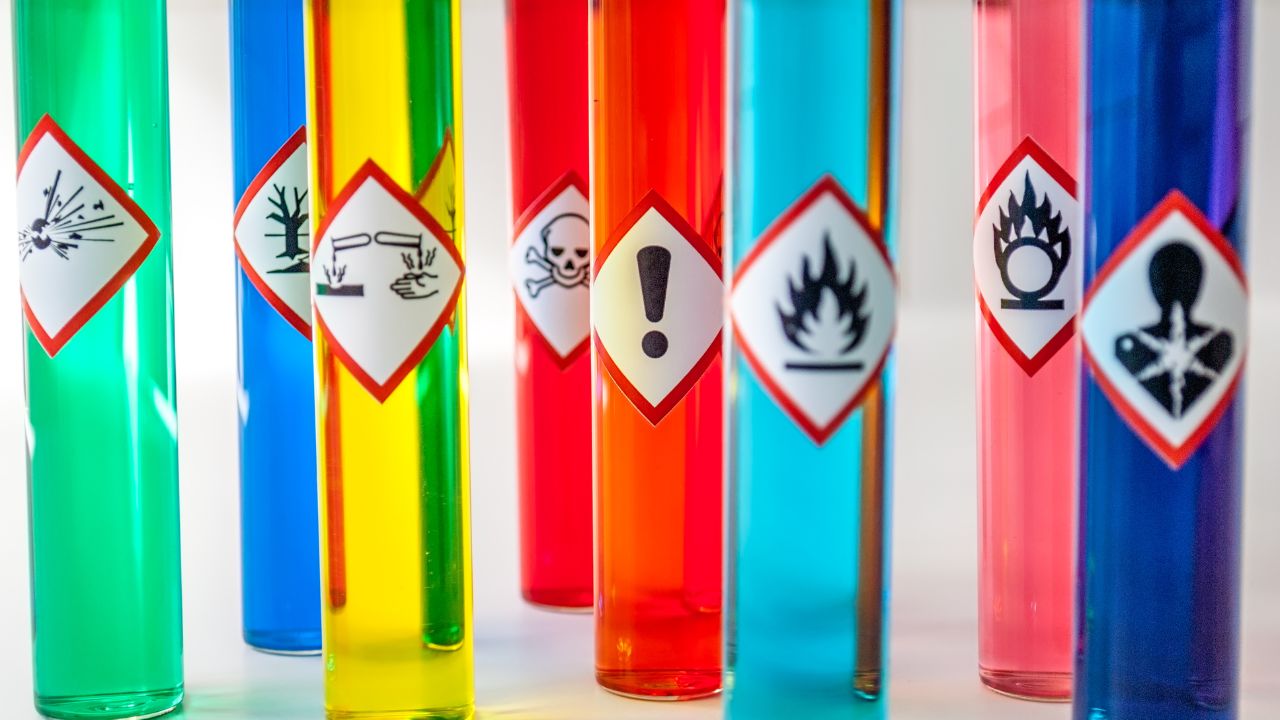
PFAS Compounds
Source: Per- and polyfluoroalkyl substances originating from industrial processes, firefighting foam (historically used at South Florida airports and military facilities), and consumer products. PFAS in the Biscayne Aquifer is also influenced by atmospheric deposition — FIU research found PFAS in Miami’s rainwater across all seasons.
Health Effects: Research links PFAS exposure to immune system disruption, liver damage, elevated cholesterol, developmental effects in children, and increased risk of certain cancers including kidney and testicular cancer. More than 8 million Floridians were exposed to PFOS above health guidelines between 2021 and 2024.
2024 Levels (Hialeah Distribution): PFOS: 10.25 ppt (MCL: 4 ppt); PFOA: 2.55 ppt (MCL: 4 ppt); PFHxS: 1.625 ppt (MCL: 10 ppt); PFNA: 1.075 ppt (MCL: 10 ppt). Miami-Dade WASD: PFOS up to 31 ppt, PFOA up to 16 ppt, PFHxS up to 10 ppt. Regulatory status: EPA PFOA/PFOS MCLs of 4 ppt are enforceable from 2024; compliance required by 2029 (proposed extension to 2031). Florida has not set its own PFAS MCLs but plans to adopt the 4 ppt federal standard by 2027. See our filter solutions page for NSF-certified PFAS-removing options.
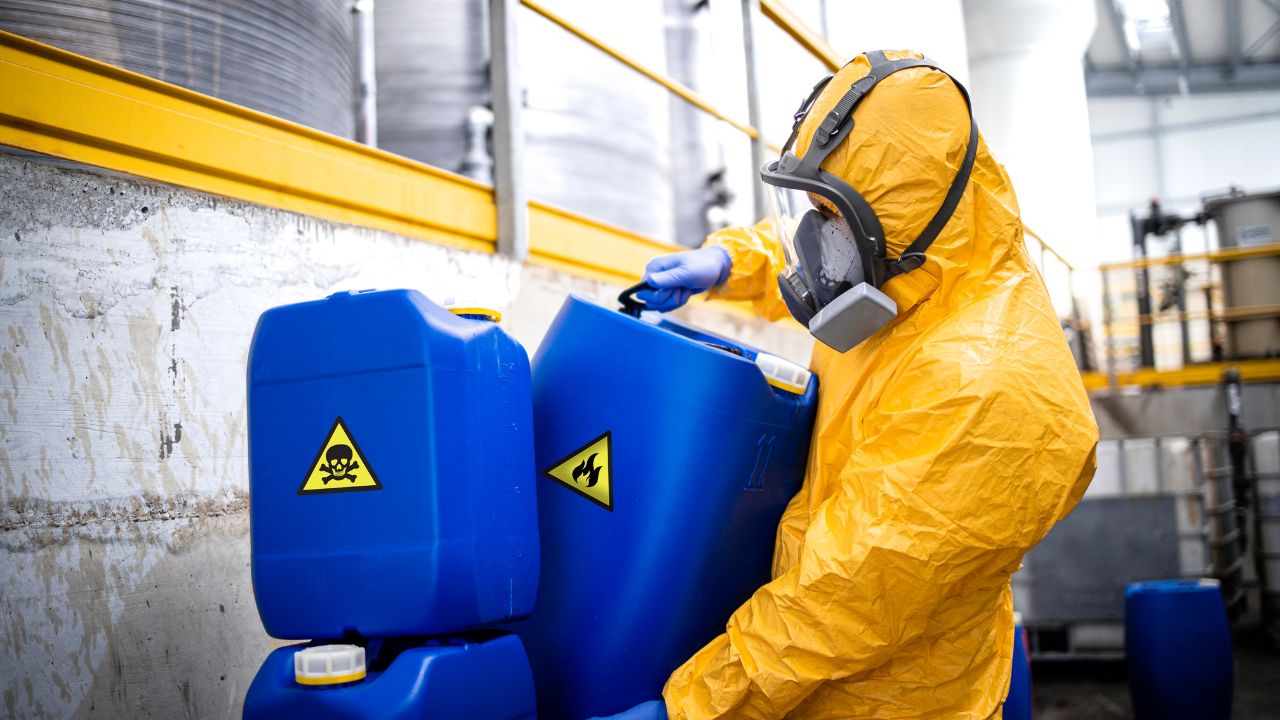
Heavy Metals & Radioactive Elements
Source: Chromium from natural geological deposits and industrial sources; radium from natural radioactive rock formations in the Floridan Aquifer system; detected through routine monitoring.
Health Effects: Chromium-6 is an unregulated carcinogen at the federal level linked to cancer with long-term exposure; radium is radioactive and associated with bone cancer risk at elevated sustained exposure. Both are health concerns primarily at levels exceeding regulatory or guideline thresholds.
2024 Levels: Chromium (total) detected at 2 ppb in Miami-Dade WASD — below the 100 ppb EPA MCL (chromium-6 is unregulated separately at federal level). Combined radium in Hialeah RO: 0.4 pCi/L (Radium-226) and 0.5 pCi/L — both below the 5 pCi/L MCL. Uranium at 0.2 μg/L in Hialeah RO — below the 30 μg/L MCL. Arsenic at 2 ppb in Miami-Dade WASD — below the 10 ppb MCL. All radioactive and heavy metal parameters were within regulatory compliance in 2024.
Please read – our information
The information presented on cleanairandwater.net is compiled from official water quality reports, trusted news sources, government websites, and public health resources. While we strive for accuracy and thoroughness in our presentations, we are not scientists, engineers, or qualified water quality professionals.
Our mission is to present water quality information in an accessible, real-world format that helps people understand what’s in their water and make informed decisions about their health and safety. We believe that complex environmental information should be available to everyone in a format that’s easy to understand.
We make every effort to ensure our content is current and accurate, but we cannot guarantee that all information is complete or error-free. This website should not replace official communications from your local water utility or health department. We always recommend consulting official sources for the most up-to-date information regarding your specific water system.
Clean Air and Water is not liable for any unintentional errors, omissions, or outdated information. The content on this site is provided for informational purposes only and should not be considered professional advice.