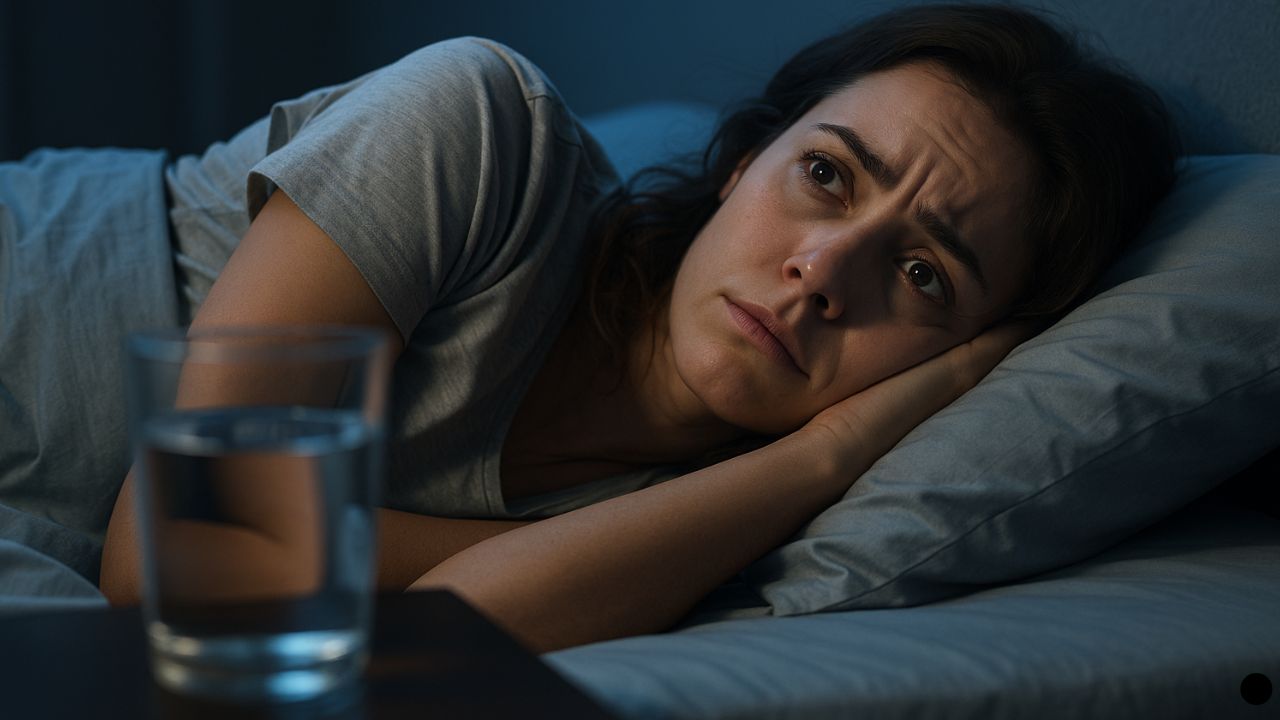
You’ve tried everything. Blackout curtains, white noise machines, meditation apps, even counting sheep in three different languages. But you’re still lying awake at 3 AM, praying some how you will drift back to sleep before that pesky alarm clock gets you up. What if I told you the culprit might be flowing right out of your kitchen faucet?
I understand what you might be thinking, you are probably tempted to roll your eyes and click away, but hear me out. While most sleep issues stem from stress, screens, or that extra cup of coffee, researchers are discovering some surprising connections between water quality and rest. The data isn’t definitive yet, but it’s intriguing enough to consider, especially when you realize that the average American drinks about 1,000 gallons of tap water per year.
The Heavy Metal Sleep Thief
Here’s what we know for sure: lead contamination in drinking water can interfere with your body’s production of melatonin, the hormone that tells your brain it’s time to wind down. Studies from the National Institutes of Health show that even low-level lead exposure is linked to sleep disturbances, and the mechanism makes biological sense.
Lead disrupts the normal functioning of your pineal gland, a small structure in your brain responsible for melatonin production. When this gland can’t work properly, your natural sleep-wake cycle gets thrown off balance. You might find yourself wide awake when you should be drowsy, or experiencing that frustrating “tired but wired” feeling that keeps you tossing and turning.
Cities with older infrastructure—think places with pipes installed before 1986—often show higher lead levels in their water quality reports. The problem is particularly pronounced in older neighborhoods of Milwaukee, Detroit, Chicago, Cleveland, and Pittsburgh, where decades-old service lines can leach lead into the water supply. Even homes built after 1986 aren’t automatically safe if they’re connected to older municipal infrastructure.
The tricky part about lead exposure is that it’s cumulative and often symptomless in the short term. You might not notice any immediate effects from drinking slightly contaminated water, but over months or years, even small amounts can build up in your system and start affecting everything from your sleep patterns to your cognitive function.
If you live in an older home and you’re having unexplained sleep issues, it might be worth getting your water tested. No safe lead level exists; while the EPA action level is 15 parts per billion, lower amounts may still pose risks according to the CDC. Lead testing through EPA-certified labs typically costs around $50, but some municipalities offer free testing programs for residents in high-risk areas.
The Chlorine Question
Most municipal water systems use chlorine to kill harmful bacteria, and that’s generally a good thing. Without chlorination, we’d be dealing with waterborne diseases that killed thousands of people in the early 1900s. But like many things in life, there can be too much of a good thing.
Here’s where it gets murky: chlorinated water creates compounds called trihalomethanes (THMs), which the World Health Organization notes may cause mild inflammation in some people. THMs form when chlorine reacts with organic matter naturally present in water sources—things like decaying leaves, algae, or other plant material that makes its way into rivers and lakes.
While THMs are associated with long-term health risks, no studies directly prove they disrupt sleep. However, reducing exposure with filters may benefit sensitive individuals. The theory is that low-grade inflammation anywhere in your body can trigger stress responses that interfere with the natural wind-down process your brain needs for quality sleep.
Cities relying heavily on surface water sources—like those drawing from rivers or lakes—often need higher chlorine levels to meet safety standards than cities using groundwater. This shows up clearly in annual water quality reports. For example, cities along the Mississippi River or those using reservoir water typically report higher chlorine residuals than cities drawing from deep aquifers.
The timing of your chlorine exposure might matter too. Some sleep specialists suggest that showering in heavily chlorinated water right before bed could potentially interfere with your body’s natural preparation for sleep, though this is largely theoretical. The warm water opens your pores, potentially increasing absorption of chlorine compounds through your skin.
If you’re curious whether chlorine might be affecting you, try a simple test: let your drinking water sit overnight before consuming it (chlorine will evaporate), or use a basic carbon filter. If your sleep improves over a week or two, you might be onto something. Just remember that the placebo effect is real, so don’t draw conclusions too quickly.
The Mineral Connection
Here’s one of the strongest links researchers have found: magnesium deficiency can definitely mess with your sleep quality. This essential mineral plays a crucial role in muscle relaxation, nervous system function, and the production of GABA, a neurotransmitter that helps calm brain activity.
The connection to water quality comes through what’s called “water hardness.” Hard water contains higher levels of dissolved minerals like calcium and magnesium, while soft water has had these minerals removed or naturally lacks them. Areas with very soft water—think parts of the Pacific Northwest, New England, or regions with extensive water softening—provide fewer minerals than regions with naturally hard water like much of the Southwest.
However, here’s the reality check: water contributes minimally to magnesium intake. Even the hardest water typically provides only about 10-15% of your daily magnesium needs. If you’re deficient, dietary changes like eating more nuts, leafy greens, whole grains, and legumes, or taking supplements, are more effective solutions than relying on your tap water.
That said, if you’re already borderline deficient in magnesium (which many Americans are), and you suddenly move from an area with hard water to one with very soft water, you might notice the difference. It’s not that the soft water is causing problems—it’s just not providing the mineral support you might have unconsciously relied on.
Interestingly, some regions report better sleep quality in population health surveys, and while correlation doesn’t prove causation, areas with naturally balanced mineral content in their water supplies often rank higher. Mountain communities drawing from mineral-rich groundwater, for instance, frequently show up in studies of regions with good sleep health—though this could easily be due to other factors like air quality, lifestyle, or stress levels.
The Emerging Contaminant Factor
Beyond the usual suspects, newer contaminants are raising questions about sleep and overall health. PFAS chemicals—those “forever chemicals” you’ve probably heard about—are showing up in water supplies across the country, and early research suggests they might interfere with hormone production.
PFAS don’t break down naturally, so they accumulate in your body over time. Some preliminary studies indicate they might affect thyroid function, and since your thyroid helps regulate your sleep-wake cycle, there’s a theoretical connection worth watching. Cities like Wilmington, North Carolina, or areas near military bases with a history of firefighting foam use often show elevated PFAS levels in their water quality reports.
Pharmaceutical residues are another emerging concern. While concentrations in drinking water are typically very low, some researchers wonder whether trace amounts of stimulant medications, hormones, or other drugs could theoretically affect sensitive individuals. Wastewater treatment plants aren’t designed to remove these compounds completely, so they can show up in finished drinking water, especially in cities that draw from rivers downstream of other urban areas.
Microplastics are the newest player in this field. While we’re still learning about their health effects, some research suggests they might disrupt endocrine function, which could indirectly affect sleep patterns. The WHO released a report in 2019 noting that microplastics are present in drinking water worldwide, but we don’t yet know what levels might be concerning.
What Your Water Report Actually Tells You
Most people never look at their annual water quality report, but it can provide clues about potential sleep disruptors. These reports, which utilities are required to send out every year, contain a wealth of information if you know how to read them.
Look for:
- Lead levels: Remember, no safe level exists. If your report shows any detectable lead, especially if you live in a home built before 1986, consider further testing.
- Chlorine and chloramine levels: These are usually listed as “chlorine residual” and measured in parts per million. Higher levels might indicate your water needs more treatment to stay safe, but could also mean more THM formation.
- Nitrate levels: Nitrates above EPA’s 10 ppm limit primarily affect private wells near farms, not city water, but high levels can affect blood oxygen transport, which might indirectly impact sleep quality.
- Water hardness: Often expressed in grains per gallon or parts per million of calcium carbonate. This tells you how many minerals your water contains.
- PFAS testing results: Not all utilities test for these yet, but more are adding PFAS monitoring to their programs.
- Source water information: Understanding whether your water comes from groundwater, rivers, lakes, or reservoirs can help you understand what contaminants might be more likely.
- Treatment methods: This section tells you what your utility does to clean the water, which can help you understand what contaminants they’re actively working to remove.
Many reports also include maps showing where your water comes from and information about any infrastructure improvements or changes in treatment methods. Pay attention to notices about water main breaks, treatment plant upgrades, or changes in disinfection methods—these can temporarily affect water quality.
The Geographic Sleep Connection
Here’s where things get really interesting: certain regions consistently report better sleep quality in population health surveys, and water quality might be one factor among many.
Mountain communities with pristine groundwater sources—think places like Boulder, Colorado, or Bend, Oregon—often rank high in sleep quality studies. These areas typically have naturally balanced mineral content, minimal treatment chemicals, and low contamination levels. But they also tend to have cleaner air, less noise pollution, and outdoor-oriented lifestyles, so it’s impossible to isolate water as the main factor.
Conversely, industrial areas or regions with intensive agriculture sometimes report more sleep issues. This could be related to air quality, stress, economic factors, or yes, water quality issues from industrial discharge or agricultural runoff.
The Great Lakes region presents an interesting case study. Cities drawing directly from the lakes often have excellent raw water quality, requiring minimal treatment. Places like Duluth, Minnesota, or Burlington, Vermont, frequently show up in “best water quality” rankings and also tend to score well on sleep health metrics. But again, correlation doesn’t prove causation.
The Big Picture: Beyond Water
Let’s be clear: most municipal water in the United States is safe to drink and meets federal standards. Sleep problems are far more likely to stem from stress, irregular schedules, too much screen time, caffeine consumption, or dozens of other factors than from your tap water.
The Centers for Disease Control and Prevention estimates that about one-third of Americans don’t get enough sleep, and the primary culprits are usually behavioral or environmental factors that have nothing to do with water quality. Your mattress, room temperature, noise levels, and evening routine probably have far more impact on your sleep than anything flowing from your faucet.
But here’s why the water connection is worth considering: sleep problems often have multiple contributing factors, and addressing them usually requires a comprehensive approach. If you’ve already optimized your sleep hygiene, managed your stress, and ruled out medical issues, but you’re still struggling with restless nights, it might be time to look at environmental factors—including your water quality.
The human body is remarkably adaptable, but it’s also sensitive to changes. If you’ve recently moved to a new area with significantly different water quality, your body might need time to adjust. What feels like unexplained sleep disruption could actually be your system responding to different mineral content, treatment chemicals, or contaminant levels.
What You Can Actually Do
This isn’t about creating panic or selling expensive filtration systems. If you’re concerned about your water’s impact on sleep, here’s a practical approach:
Start with the basics: Before blaming your water, make sure you’ve covered the fundamentals of good sleep hygiene. That means consistent bedtimes, a cool dark room, limited screen time before bed, and avoiding caffeine late in the day.
Get informed about your local water: Read your annual water quality report or check online databases. Understanding what’s in your water helps you make informed decisions about whether testing or filtration might be worthwhile.
Test if warranted: If you live in a home built before 1986, have reason to suspect contamination, or have moved to an area with known water quality issues, consider professional testing. Basic tests for lead, bacteria, and chemical contaminants typically cost $50-150.
Try simple solutions: A basic NSF-certified carbon filter can remove chlorine and some other compounds. Look for NSF/ANSI Standard 53 certification if you’re concerned about lead. These filters typically cost $20-50 and can help you determine if chlorine removal makes a difference.
Keep a sleep log: Track your sleep quality alongside your water consumption for two weeks. Note any patterns, but remember that sleep can be affected by countless variables, so don’t jump to conclusions too quickly.
Consider timing: If you suspect chlorine sensitivity, try avoiding tap water for a few hours before bedtime, or shower earlier in the evening rather than right before sleep.
Address nutrition: If you live in a soft water area and suspect mineral deficiency, focus on magnesium-rich foods or consider a supplement rather than relying on water to provide minerals.
Check for other factors: Don’t overlook more common sleep disruptors like alcohol consumption, irregular meal timing, stress, or even seasonal changes that might coincide with any water-related interventions you try.
The Bottom Line
The connection between water quality and sleep is still being studied, and we’re probably years away from definitive answers. What we do know is that your body is a complex system where everything is connected. The water you drink, breathe in during showers, and use for cooking becomes part of you, so it makes sense that quality matters.
If you’re struggling with sleep issues, water quality is probably not your primary problem—but it might be one piece of a larger puzzle. Sometimes the smallest changes make the biggest difference, and your perfect night’s sleep might be as close as your kitchen sink. You just need to know what’s flowing out of it.
The most important thing is to stay informed without becoming obsessed. Good sleep depends on dozens of factors, and water quality is just one of them. Focus on the changes that are most likely to help—better sleep habits, stress management, and a comfortable sleep environment—while staying aware that your water quality could be playing a supporting role in how well you rest.
Want to know what’s really in your tap water? We’ve analyzed water quality data for 100 major US cities and all 50 states. Check out our comprehensive water quality reports at cleanairandwater.net/water-quality-php/ to see detailed information about contaminants, infrastructure challenges, and safety standards in your area. Our reports break down everything from PFAS levels to lead contamination, giving you the facts you need to understand your local water quality.
Please read – our information
The information presented on cleanairandwater.net is compiled from official water quality reports, trusted news sources, government websites, and public health resources. While we strive for accuracy and thoroughness in our presentations, we are not scientists, engineers, or qualified water quality professionals.
Our mission is to present water quality information in an accessible, real-world format that helps people understand what’s in their water and make informed decisions about their health and safety. We believe that complex environmental information should be available to everyone in a format that’s easy to understand.
We make every effort to ensure our content is current and accurate, but we cannot guarantee that all information is complete or error-free. This website should not replace official communications from your local water utility or health department. We always recommend consulting official sources for the most up-to-date information regarding your specific water system.
Clean Air and Water is not liable for any unintentional errors, omissions, or outdated information. The content on this site is provided for informational purposes only and should not be considered professional advice.