Phoenix Water Quality at a Glance
Is Phoenix Water Safe to Drink?
Technically Compliant, But Seriously Concerning — Phoenix water meets federal standards but contains 23 detected contaminants, 8 exceeding health guidelines. Key issues include arsenic at 1,026x safe levels, chromium-6 (hexavalent) at 20x safe levels, and cancer-causing disinfection byproducts from water treatment. Water is sourced primarily from the Salt, Verde, and Colorado Rivers, serving over 1.7 million residents across a 543-square-mile service area. See our full water filter recommendations for Phoenix-specific protection options.
⚠️ Key Concerns for Phoenix Residents
- Arsenic Crisis: Detected at 4.10 ppb — 1,026 times above EWG health guidelines; a potent carcinogen linked to skin, bladder, and lung cancers
- Chromium-6 (Erin Brockovich Chemical): Found at 20 times safe levels at 0.408 ppb; a known carcinogen with no federal legal limit
- Disinfection Byproducts: Chlorite detected at 2.6x health guidelines; cancer-causing haloacetic acids and trihalomethanes also present from chlorine treatment
- Desert Water Challenges: Colorado River downgraded from Tier 2 to Tier 1 shortage in 2024; long-term supply security remains a concern despite Arizona’s 100-year water planning
Read the full report below for detailed analysis, city-specific data, and actionable recommendations for Phoenix residents. You can also check live boil water notices for the Phoenix area.
Advertisement — Report continues below
Your tap water just failed.
Here’s the fix.
Contaminants like PFAS, lead, chromium-6, and arsenic can sit within the legal limit but still pose a real health risk. The legal limit and the safe limit are not the same thing.
✅ Removes PFAS, lead & chromium-6 — the contaminants most flagged in failing city reports
✅ NSF/ANSI 42, 58 & 372 certified — independently tested, not just manufacturer claims
✅ Installs in 30 minutes, no plumber — fills a glass in 8 seconds, smart LED filter monitor
Renting or can’t drill? The Waterdrop K19 Countertop RO — plug in, fill the tank, done. No installation, no drilling, no plumber.
Disclaimer: This advert contains affiliate links. If you buy through these links, we may earn a commission at no extra cost to you. Product claims are based on manufacturer certification data and independent SGS lab testing.
Phoenix – Arizona – Water Quality Report 2026: PFAS Testing, Infrastructure Concerns & Safety Across Your City
Phoenix, America’s fifth-largest city, manages water delivery to over 1.7 million residents across a 543-square-mile service area — one of the driest metropolitan areas in the world. The Phoenix Water Services Department operates one of the largest municipal water utilities in the western United States, maintaining 7,000 miles of water lines, 5,000 miles of sewer lines, eight treatment plants, over 50,000 fire hydrants, and dozens of pump stations and reservoirs, producing approximately 110 billion gallons of drinking water annually. Surface water from the Salt, Verde, and Colorado Rivers accounts for 97% of the city’s supply, with the remaining 3% sourced from groundwater wells. Phoenix has invested heavily in water infrastructure, conservation technology, and long-range planning — including a legally established 100-year assured water supply — making it a recognised leader in urban water sustainability despite receiving only around 8 inches of rain per year. For context on Arizona’s statewide water quality challenges, see our full state overview.

Phoenix Water Quality: Current Status (2025–2026)
Latest Testing Results
- Lead Levels: The most recent testing period shows 90th percentile lead levels below EPA action levels. Phoenix is actively completing its lead service line inventory under the revised Lead and Copper Rule Improvements (LCRI), notifying residents with galvanized or unknown service line materials as part of federally required assessments. Visit pipes.phoenix.gov to check your service line status.
- Testing Scope: Phoenix conducts rigorous testing for nearly 200 substances to meet and exceed government safety standards, including proactive monitoring for PFAS, 1,4-dioxane, perchlorate, and emerging pharmaceuticals. The city operates its own certified laboratory in partnership with research institutions.
- Compliance Status: Phoenix water met all federal and state drinking water standards through the most recently assessed quarter (April–June 2024 per EPA ECHO). However, EWG analysis of 2013–2023 utility data identifies 23 total contaminants, with 8 exceeding health guidelines — including arsenic at 1,026 times the EWG health guideline. Check our national water quality checker to compare Phoenix against other cities.
- PFAS Monitoring: Under UCMR 5 (2023–2025), Phoenix participated in nationwide monitoring for 29 PFAS and lithium. The Arizona Department of Environmental Quality (ADEQ) also operates a statewide PFAS programme backed by $5 million in state funding and approximately $63.5 million in federal Bipartisan Infrastructure Law support, ensuring comprehensive testing across Arizona public water systems. PFOA and PFOS MCLs of 4 ppt remain in effect following EPA’s May 2025 announcement; PFOS compliance deadlines have been extended with a federal exemption framework under consideration. For the latest developments, see our water quality news feed.
Water Sources and Treatment
- Multiple Water Sources: Phoenix’s water portfolio draws on Salt and Verde River water (approximately 25% of the Greater Phoenix supply), Colorado River water via the Central Arizona Project (approximately 29%), and groundwater (approximately 34% across the broader region). Surface water treated at Phoenix’s treatment plants accounts for 97% of the city’s direct supply. The Colorado River Basin was upgraded from a Tier 2 shortage to a Tier 1 shortage in 2024, easing some supply pressure but long-term drought management remains critical.
- Advanced Water Treatment: Phoenix operates eight water treatment facilities processing surface water and groundwater using advanced technologies including membrane filtration, ozonation, and biological activated carbon. The oldest plant dates from the early 1950s; all have been modernised over the years, with the most recent facility completed in 2007.
- Groundwater Management: Phoenix has historically discontinued use of contaminated groundwater wells with naturally occurring arsenic and fluoride, blending high-quality aquifer water with treated surface water. The 1980 Arizona Groundwater Management Act provides legal infrastructure for 100-year water supply planning across Active Management Areas including Greater Phoenix.
Sustainability Initiatives
- Artificial Groundwater Recharge: Phoenix operates extensive underground storage facilities, banking surplus Colorado River and treated surface water in Sonoran Desert aquifers during wet years for use during droughts — a cornerstone of its 100-year assured water supply strategy.
- Water Recycling Leadership: The city’s reclaimed water system delivers treated wastewater for irrigation, industrial uses, and groundwater recharge. The Tres Rios Environmental Restoration Project restores nearly 700 acres along the Salt River, creating a natural ecosystem that treats water and supports wildlife while providing recreational space.
- Conservation Success: Despite significant population growth since the 1950s, Phoenix consumes approximately the same total water volume today as it did then, demonstrating the effectiveness of its long-running conservation programmes. Phoenix was a founding member of the regional Water Use It Wisely campaign, one of the longest-running conservation initiatives in the country.
- Colorado Resiliency Fund: Established in 2014, this fund allocates an average of $5.5 million annually to strengthen water security — including strategic well-sharing with local utility partners, underground water banking, and shortage-year lease options with higher-priority water rights holders.
Infrastructure Improvements
- Capital Improvement Programme: Phoenix maintains a rolling five-year Capital Improvement Programme (CIP) reviewed annually by the Phoenix City Council. Projects cover water treatment plant upgrades, reservoir rehabilitation, water main and sewer replacement, regulatory compliance modifications, and automation improvements.
- Pipe Network Scale: The city’s distribution network spans 7,000 miles of water lines and 5,000 miles of sewer lines, with the largest transmission main measuring 108 inches in diameter. Ongoing assessments prioritise end-of-life replacements to minimise lifecycle costs and maintain reliable delivery.
- Engineering Apprenticeship: In 2025, Phoenix Water Services launched its first-ever engineering apprenticeship programme to attract the next generation of water industry professionals — recognising that long-term infrastructure quality depends as much on workforce development as on capital investment.
Nearby city water quality comparisons: Scottsdale | Mesa | Chandler | Tempe | Tucson. For a broader picture see our Arizona water quality overview. If your area has issued a boil water advisory, check our live US boil water notices tracker.
Recommendations for Phoenix Residents
Conserve Water
Phoenix residents must follow year-round water conservation ordinances. No outdoor watering is permitted between 10 AM and 5 PM. Take advantage of rebates for desert landscaping, drip irrigation, and high-efficiency fixtures. Join the Phoenix Save Water Pledge at phoenix.gov to be part of the city’s long-term conservation culture. Visit our Arizona page for statewide conservation context.
Test Your Water
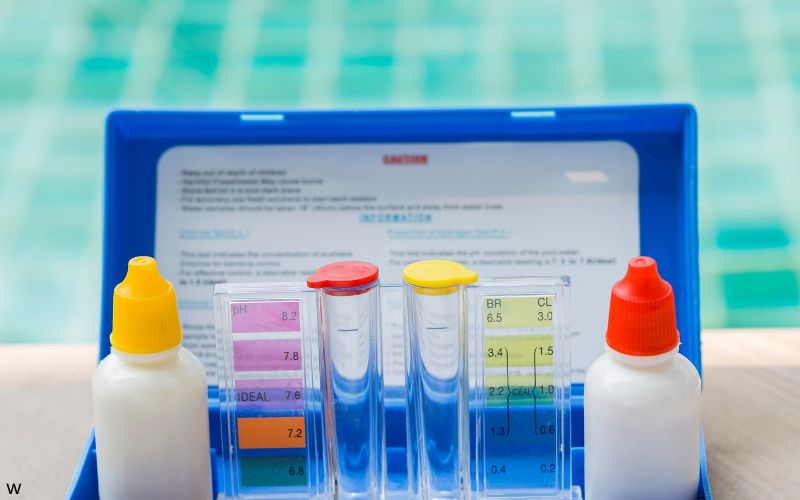
Phoenix offers free lead and copper testing for residents. Contact the Water Quality Line at (602) 261-8114 or visit phoenix.gov/waterquality to schedule testing. Private well owners should test annually for arsenic, nitrates, and PFAS. Check your service line material at pipes.phoenix.gov and use our national water quality tool to benchmark your results.
Filter Your Drinking Water
Given arsenic at 1,026x health guidelines and chromium-6 at 20x safe levels, filtration is strongly recommended for Phoenix households. A certified reverse osmosis system is the most effective option, removing arsenic, chromium-6, PFAS, disinfection byproducts, and hard water minerals. See our recommended water filters for Phoenix — including the Waterdrop G3P800, rated for high daily family use. Affiliate disclosure: we may earn a commission on qualifying purchases at no extra cost to you.
Plan for Emergencies
Store at least one gallon of water per person per day for emergencies. Phoenix’s desert climate and the ongoing risk of infrastructure disruptions — including the possibility of water main breaks or drought-stage restrictions — make emergency water storage particularly important for every household. Stay informed via our live boil water notices tracker.
Use Reclaimed Water
Take advantage of Phoenix’s expanding reclaimed water network for outdoor irrigation where available. The Tres Rios Wetlands project and other initiatives are steadily growing the city’s treated wastewater reuse capacity, helping conserve precious drinking water supplies across the region. Contact Phoenix Water Customer Service on (602) 262-6251 to enquire about reclaimed water availability at your address.
Quality News About Your Water
Get the comprehensive water quality news coverage you need with our dedicated US Water News Service. From coast to coast, we deliver in-depth reporting and expert analysis on PFAS contamination, EPA regulatory changes, infrastructure developments, and emerging water safety issues affecting communities nationwide. While mainstream media only covers the biggest stories, we provide the detailed, ongoing coverage that helps you understand the full scope of America’s water challenges.
What’s actually in your tap water? Enter your ZIP code for a full breakdown of contaminants detected in your local supply
Drinking water from a well? Check our directory here for more information
Frequently Asked Questions
Is Phoenix tap water safe to drink in 2026?
Phoenix tap water is legally compliant, meeting all federal and state drinking water standards and tested rigorously for nearly 200 substances. However, independent analysis by the Environmental Working Group (based on 2013–2023 utility data) identifies 23 total contaminants, with 8 exceeding health guidelines. The most significant concerns are arsenic at 1,026x the EWG health guideline, chromium-6 at 20x, and chlorite at 2.6x safe levels.
While legally safe, health experts recommend point-of-use reverse osmosis filtration — especially for pregnant women, infants, and immunocompromised individuals. See our water filter solutions page for options certified to address arsenic, chromium-6, and PFAS. For statewide context, other Arizona cities face similar challenges from naturally occurring desert contaminants.
Why does Phoenix water taste different at certain times?
Phoenix blends water from multiple sources — Salt and Verde Rivers, the Colorado River via the Central Arizona Project, and groundwater — each with different natural mineral content. Seasonal shifts in which source predominates can noticeably affect taste and smell. During summer, higher temperatures can intensify chlorine odours as treatment plants adjust disinfection to maintain safety.
Phoenix water is also classified as hard to very hard, with high calcium and magnesium levels. Many residents find chilled or filtered water noticeably more pleasant. If you experience persistent or unusual taste or odour, contact the Phoenix Water Quality Line at (602) 261-8114, as this may indicate a localised distribution issue. Our water alert news service also covers Arizona-wide water quality events.
How does Phoenix manage water in a desert climate?
Phoenix has developed one of the world’s most sophisticated urban water management systems despite receiving only around 8 inches of rainfall annually. The city’s approach relies on a diverse portfolio: Salt and Verde River water, Colorado River water via the Central Arizona Project, groundwater wells, and treated reclaimed water. Despite population growth of over 60% since 1990, total water consumption has remained broadly stable thanks to aggressive conservation programmes.
Arizona’s 1980 Groundwater Management Act provides the legal framework for 100-year water supply assurance. Phoenix banks surplus water underground during wet periods and draws it down during droughts. The Colorado River Basin’s improvement from a Tier 2 to a Tier 1 shortage declaration in 2024 has eased some pressure, but long-term planning for climate-resilient supply remains a core city priority. See how nearby cities compare: Scottsdale, Mesa, and Tucson.
Are there restrictions on outdoor water use in Phoenix?
Yes, Phoenix has year-round water conservation ordinances. The main restrictions include:
• No lawn watering between 10 AM and 5 PM (year-round)
• Prohibition of water waste — no runoff onto sidewalks, driveways, or streets
• Pool and spa water loss limits
• Requirements for functioning irrigation systems at multi-family and commercial properties
Phoenix offers substantial rebates for water-efficient landscaping, drip irrigation systems, and pool covers. Under drought stage activation (the city declared Stage 1 in June 2022 due to historic Lake Mead and Powell lows), additional restrictions can be imposed. Visit phoenix.gov/waterconservation for current rules and available rebates. Our live alerts tracker covers any future drought-related notices for the Phoenix area.
Contaminants of Concern
Arsenic
Source: Naturally occurring in desert rock formations and groundwater; also contributed by historical industrial activities and agricultural runoff
Health Effects: A potent carcinogen linked to skin, bladder, and lung cancer; can also damage the nervous system and blood vessels with long-term exposure
Current Status: Detected at 4.10 ppb — 1,026 times above the EWG health guideline of 0.004 ppb; meets the EPA legal limit of 10 ppb but significantly exceeds independent health recommendations. Reverse osmosis and ion exchange systems are the most effective removal methods. See our filter recommendations.
Chromium-6 and Disinfection Byproducts
Chromium-6 (hexavalent): Detected at 0.408 ppb — 20 times above the EWG health guideline of 0.02 ppb. There is currently no federal legal limit for chromium-6 specifically. A known carcinogen, it can enter water from natural mineral deposits or industrial discharge. Compare with nearby cities: Scottsdale and Mesa face similar desert-origin chromium challenges.
Chlorite and Disinfection Byproducts: Chlorite was detected at 130.8 ppb — 2.6x the EWG health guideline of 50 ppb — as a byproduct of chlorine dioxide disinfection. Haloacetic acids (HAA5/HAA9) and total trihalomethanes (TTHMs) from chlorine treatment are also present. These compounds are associated with increased long-term cancer risk and blood chemistry changes. Activated carbon and reverse osmosis filters are effective at reducing these contaminants. Our water filter guide covers certified options for Phoenix tap water.
Please read – our information
The information presented on cleanairandwater.net is compiled from official water quality reports, trusted news sources, government websites, and public health resources. While we strive for accuracy and thoroughness in our presentations, we are not scientists, engineers, or qualified water quality professionals.
Our mission is to present water quality information in an accessible, real-world format that helps people understand what’s in their water and make informed decisions about their health and safety. We believe that complex environmental information should be available to everyone in a format that’s easy to understand.
We make every effort to ensure our content is current and accurate, but we cannot guarantee that all information is complete or error-free. This website should not replace official communications from your local water utility or health department. We always recommend consulting official sources for the most up-to-date information regarding your specific water system.
Clean Air and Water is not liable for any unintentional errors, omissions, or outdated information. The content on this site is provided for informational purposes only and should not be considered professional advice.