Chandler Water Quality at a Glance
minor concerns
Is Chandler Water Safe to Drink?
Yes, Generally Safe — Chandler water meets all federal health standards and shows very low PFAS levels with only 4 compounds detected at concentrations well below EPA limits. Primary concerns include hard water (averaging 16.5 grains/gallon) and disinfection byproducts. The city performs over 100 daily tests and maintains high treatment standards. As with most Arizona communities, a quality home filter is a sensible precaution.
ℹ️ Key Points for Chandler Residents
- PFAS “Forever Chemicals”: Only 4 PFAS compounds detected at very low levels — well below EPA maximum contaminant levels
- Water Sources: 42% surface water (Salt/Verde Rivers, Colorado River), 33% groundwater, 25% from the shared Santan Vista plant with Gilbert
- Hard Water: High mineral content (16.5 grains/gallon average) may affect appliances — consider a water softener
- Disinfection Byproducts: Trihalomethanes (69.5 ppb) and haloacetic acids present but within EPA limits
Read the full report below for detailed analysis, water source information, and specific recommendations for Chandler residents.
Advertisement — Report continues below
Great water report.
Here’s how to make it perfect.
Your water quality report shows strong results — and that’s genuinely good news. But even treated municipal water picks up residual chlorine, microplastics, and sediment between the treatment plant and your tap. A filter takes great water and makes it flawless.
✅ Improves taste, smell & clarity — removes residual chlorine and sediment that reach your glass after treatment
✅ NSF/ANSI 42, 58 & 372 certified — independently tested, not just manufacturer claims
✅ Installs in 30 minutes, no plumber — fills a glass in 8 seconds, smart LED filter monitor
Renting or can’t drill? The Waterdrop K19 Countertop RO — plug in, fill the tank, done. No installation, no drilling, no plumber.
Advertisement — this page contains affiliate links. If you buy through these links, we may earn a commission at no extra cost to you.

Chandler, Arizona – Water Quality Report 2026: PFAS Testing, Infrastructure & Safety Guide
The City of Chandler delivers approximately 56 million gallons of drinking water daily to over 275,000 residents. As one of Arizona’s largest cities — alongside Phoenix, Mesa, and Scottsdale — Chandler operates a sophisticated water system encompassing the Pecos Water Treatment Plant, over 30 groundwater wells, and joint ownership of the Santan Vista Water Treatment Plant with Gilbert. The city’s diversified water portfolio draws from three primary sources: treated surface water from the Salt and Verde Rivers via the Salt River Project (42% via Pecos WTP), Colorado River water through the Central Arizona Project (25% via Santan Vista WTP), and groundwater from deep aquifers (33% from wells).
Chandler’s commitment to water quality is demonstrated through its comprehensive testing programme, with specialists conducting up to 100 daily tests to ensure compliance with all federal and state drinking water standards. The city’s proactive approach includes advanced treatment technologies, extensive source water protection, and water conservation and reuse programmes. With Arizona’s ongoing drought challenges and growing population, Chandler has invested heavily in water sustainability, including underground water storage with approximately 440,000 acre-feet of banked water to secure the community’s supply for generations to come.
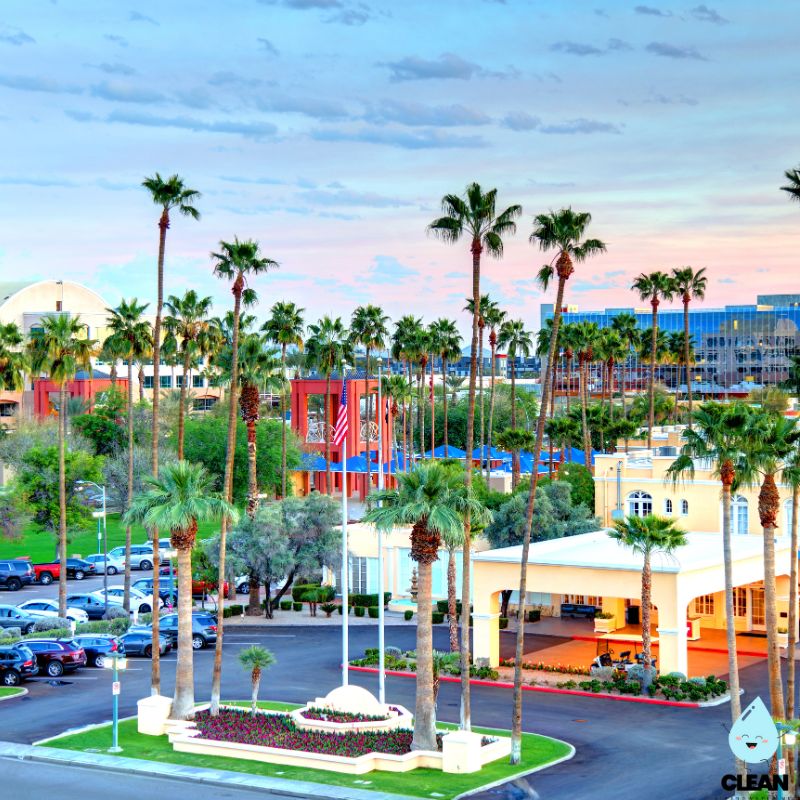
Chandler Water Quality: Current Status (2025–2026)
Latest Testing Results
- Lead and Copper Monitoring: The most recent comprehensive testing confirmed Chandler’s water system remains in full compliance with EPA Lead and Copper Rule requirements, with lead levels at 3.4 ppb (90th percentile) and copper at 0.11 ppm — both well below federal action limits of 15 ppb for lead and 1.3 ppm for copper. The city’s corrosion control programme continues to protect older plumbing systems.
- Testing Scope: Chandler performs over 36,500 water quality tests annually across all treatment facilities and distribution points, with daily specialists conducting up to 100 tests to ensure the highest safety standards and regulatory compliance. Results are published in the annual Consumer Confidence Report.
- Compliance Status: All water quality parameters consistently meet or exceed federal and state drinking water standards, with the city maintaining an exemplary compliance record with EPA and Arizona Department of Environmental Quality (ADEQ) regulations through 2025–2026.
Water Sources
- Surface Water (67% of supply): Treated water from Salt and Verde Rivers (42% via Pecos Water Treatment Plant) and Colorado River water (25% via the Santan Vista Water Treatment Plant, co-operated with neighbouring Gilbert), providing renewable supplies from regional watersheds and the Colorado River system.
- Groundwater Wells (33% of supply): Over 30 active wells accessing deep aquifers beneath Chandler, primarily used during peak demand and as backup supply during surface water shortages or maintenance. All groundwater is disinfected with chlorine before distribution.
- Source Water Protection: Comprehensive watershed management and aquifer protection programmes, including backflow prevention across thousands of devices citywide, stormwater pollution control (“Only Rain in the Storm Drain”), and collaboration with regional water agencies for long-term sustainability.
Advanced Treatment Technology
- Pecos Water Treatment Plant: State-of-the-art facility employing conventional treatment including coagulation, flocculation, sedimentation, filtration, and chlorine disinfection, with advanced monitoring for taste and odour control and a research partnership with Arizona State University for canal monitoring.
- Santan Vista Water Treatment Plant: Joint facility with Gilbert utilising ballasted flocculation technology for rapid treatment (20–25 minutes), treating Colorado River water with enhanced filtration and disinfection, with initial capacity of 24 MGD (12 MGD for Chandler, 12 MGD for Gilbert).
- Groundwater Treatment: All groundwater sources receive chlorine disinfection before distribution, with corrosion control measures to prevent lead and copper leaching from plumbing systems and regular monitoring of over 30 active wells.
Infrastructure Modernisation
- Water Storage and Reuse: Chandler has stored approximately 440,000 acre-feet of water underground through Arizona’s underground storage programme, providing 20–30 years of emergency supply, plus ongoing investment in wastewater treatment and reuse infrastructure for non-potable uses.
- Distribution System: Comprehensive asset management maintaining over 1,000 miles of water mains, with systematic replacement prioritised by condition assessment across the 240-square-mile service area. Check our live boil water tracker for any active notices affecting the Phoenix metro region.
- Smart Water Management: Advanced SCADA systems providing real-time monitoring and control of water quality, pressure management, and system efficiency throughout the distribution network, with the capability to blend sources as needed.
Customer Protection Initiatives
Chandler Water provides comprehensive customer service through programmes including water quality testing support, conservation assistance, and transparent communication via annual Consumer Confidence Reports. The city’s accredited Public Works and Utilities Department maintains competitive water rates among major Valley cities while delivering strong service quality. Educational programmes help residents understand water conservation, source protection, and the value of Arizona’s water resources. Chandler’s proactive approach to drought planning, PFAS monitoring, and infrastructure investment demonstrates its commitment to safe, reliable drinking water. For residents wanting extra peace of mind, our water filter recommendations guide covers the best options for Arizona’s hard water conditions.
Recommendations for Chandler Residents
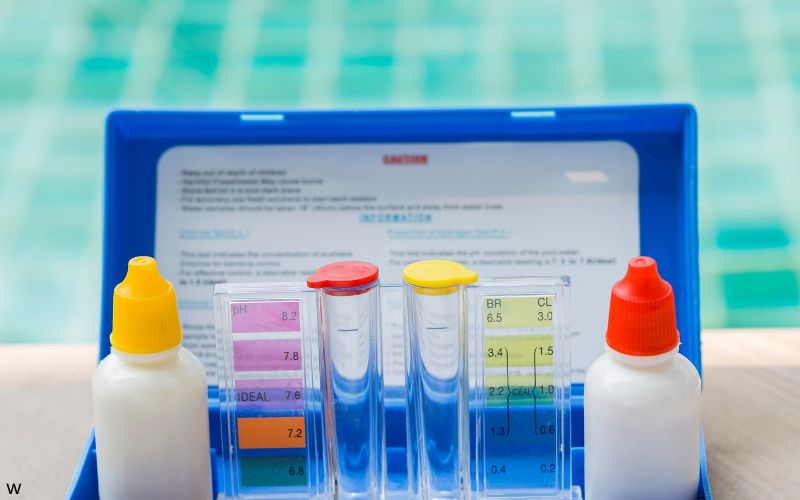
Test Your Water
Contact Chandler Water Quality Department at 480-782-3654 for information about water testing, especially if you live in a home built before 1986 or have concerns about plumbing materials that may contain lead components. The city provides guidance on testing procedures and interpretation of results. You can also find more about what’s in your water across Arizona.
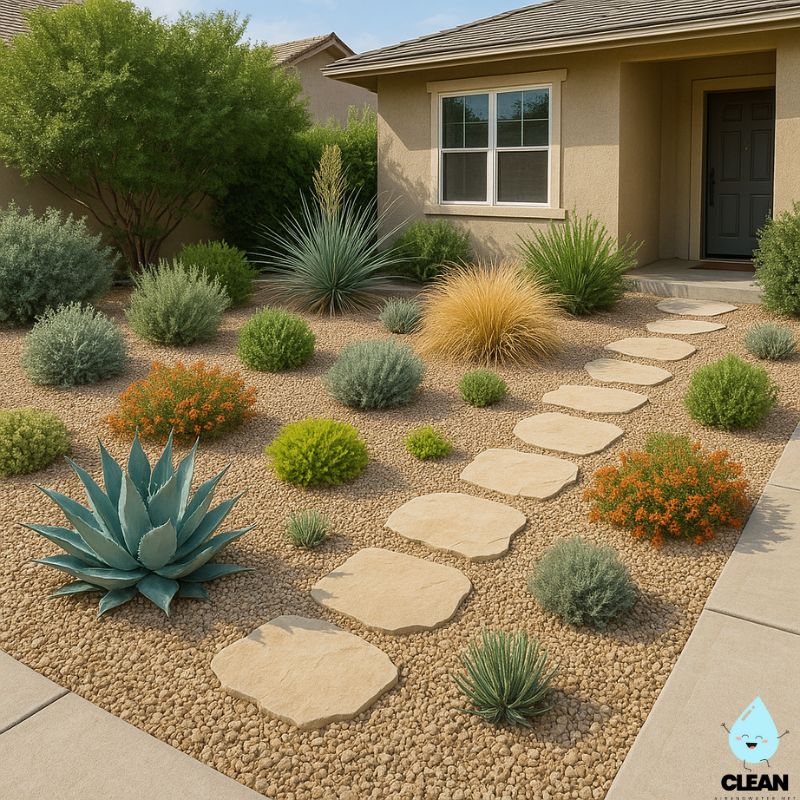
Conserve Water
Follow Chandler’s water conservation guidelines including desert-friendly landscaping, efficient irrigation practices, and leak detection. Take advantage of rebate programmes for water-efficient fixtures and appliances to help preserve Arizona’s precious water resources for future generations.
Consider Home Filtration
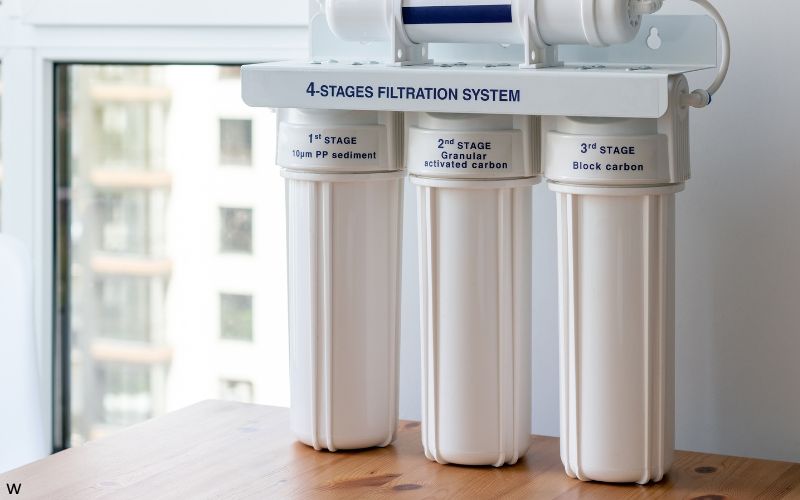
While Chandler’s water meets all safety standards, residents dealing with hard water minerals or disinfection byproducts may benefit from an NSF-certified filter. Our water filter solutions guide covers the best options for Arizona’s challenging water chemistry, including whole-house softeners and under-sink reverse osmosis systems.
Protect Water Sources
Help protect Chandler’s water supply by properly disposing of hazardous materials, maintaining septic systems, and following stormwater pollution prevention guidelines. Remember: “Only Rain in the Storm Drain.” Contact Environmental Management at 480-782-3503 for hazardous disposal guidance. Residents across the state of Arizona are encouraged to participate in source water protection efforts.

Report Issues
Contact Chandler Water Customer Service at 480-782-3660 for water quality concerns, pressure issues, or system emergencies. Report water waste or illegal dumping to Environmental Management at 480-782-3503. City staff are always identifiable with uniforms and ID badges. You can also check our live boil water advisory tracker for any active notices in Chandler or surrounding areas.
Quality News About Your Water
Get the comprehensive water quality news coverage you need with our dedicated US Water News Service. From coast to coast, we deliver in-depth reporting and expert analysis on PFAS contamination, EPA regulatory changes, infrastructure developments, and emerging water safety issues affecting communities nationwide. While mainstream media only covers the biggest stories, we provide the detailed, ongoing coverage that helps you understand the full scope of America’s water challenges.
What’s actually in your tap water? Enter your ZIP code for a full breakdown of contaminants detected in your local supply
Drinking water from a well? Check our directory here for more information
Frequently Asked Questions
Is Chandler’s tap water safe to drink in 2026?
Yes, Chandler’s tap water meets and exceeds all federal and state drinking water standards in 2026. The city’s comprehensive treatment processes and quality control measures ensure safe drinking water delivery to all customers across the service area.
Chandler Water conducts over 36,500 tests annually across all treatment facilities and distribution points, with specialists performing up to 100 daily tests. The multi-barrier treatment approach at both the Pecos and Santan Vista treatment plants removes contaminants and disinfects water before distribution. Annual Consumer Confidence Reports are published and made available to all customers. Residents with specific concerns — particularly those in older homes — can request additional guidance from the Water Quality Department at 480-782-3654. For a broader view of Arizona’s water quality landscape, see our state overview page.
Why is Chandler’s water so hard?
Chandler’s water hardness ranges from 5 to 20 grains per gallon (average 16.5 gpg), which is classified as “very hard” (soft: 0–3.5 gpg; moderately hard: 3.5–7 gpg; hard: 7–10.5 gpg; very hard: 10.5+ gpg). This is typical across Arizona and the south-western United States due to the naturally high mineral content in source waters drawn from the Colorado River system and regional aquifers.
Water hardness is caused by naturally occurring calcium and magnesium dissolved from rocks and soil as water moves through the environment. This is not a health concern — many health officials suggest hard water may even be beneficial due to its mineral content. However, hard water can reduce the lifespan of appliances and water heaters. If you’d prefer softer water, our water filter solutions guide covers the best whole-house softeners and under-sink options suited to Arizona conditions.
Does Chandler have PFAS in its water?
Testing under EPA’s UCMR 5 monitoring programme detected low levels of four PFAS compounds in Chandler’s water supply. The EPA has finalised regulations for PFOA and PFOS (4 ppt maximum contaminant levels each), while the regulatory status of certain other PFAS compounds has been subject to ongoing review following EPA policy developments in 2025:
• Detected compounds: PFBS (up to 12 ppt), PFBA (up to 5 ppt), PFHxA (up to 3.5 ppt), and PFPeA (up to 5.3 ppt)
• Key results: PFOA and PFOS were not detected above the 4 ppt detection limits. Detected compounds are those currently under EPA regulatory review
• Health protection: The calculated Hazard Index is 0.006, significantly below the regulatory threshold of 1.0
Chandler is actively monitoring PFAS developments and evaluating treatment options as federal guidance evolves. This is consistent with how Phoenix, Mesa, and other major Arizona cities are approaching PFAS compliance. For a broader overview, visit our national water quality information page.
How is Chandler preparing for drought?
Chandler has implemented comprehensive drought preparedness strategies to ensure water supply reliability — a priority shared by all major cities across Arizona:
Diversified Supply Portfolio:
• Multiple water sources reduce dependence on any single supply
• Underground water storage programme with 440,000 acre-feet banked
• Reclaimed water infrastructure for non-potable uses
Conservation Initiatives:
• Progressive conservation programmes and city ordinances
• Customer education and rebate programmes for efficient appliances
• Smart irrigation and xeriscaping landscape guidelines
Chandler has enough stored water underground to last approximately 20–30 years, and current projections show its supply portfolio can meet community needs under drought conditions through 2050 and beyond. Check our live boil water tracker to stay informed of any system disruptions across the region.
Contaminants of Concern
Disinfection Byproducts
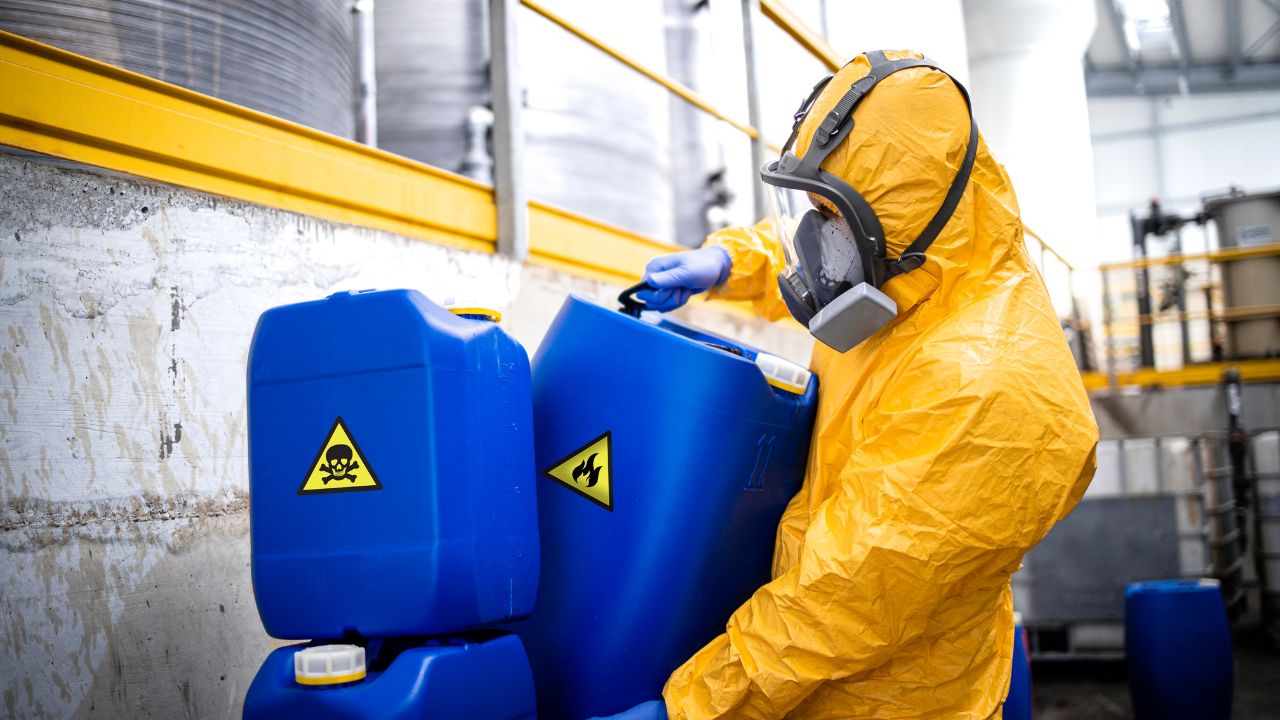
Source: Formed when chlorine disinfectant reacts with naturally occurring organic matter in source waters; levels may vary seasonally with temperature and organic content from canal systems
Health Effects: Long-term exposure to elevated levels may increase risk of certain types of cancer and potentially affect liver, kidney, and nervous system function
Current Levels: Total trihalomethanes (TTHMs) averaged 69.5 ppb, and haloacetic acids (HAA5) averaged 14.0 ppb — both well below EPA limits of 80 ppb for TTHMs and 60 ppb for HAA5. Residents who prefer to reduce exposure further can find suitable options in our water filtration guide.
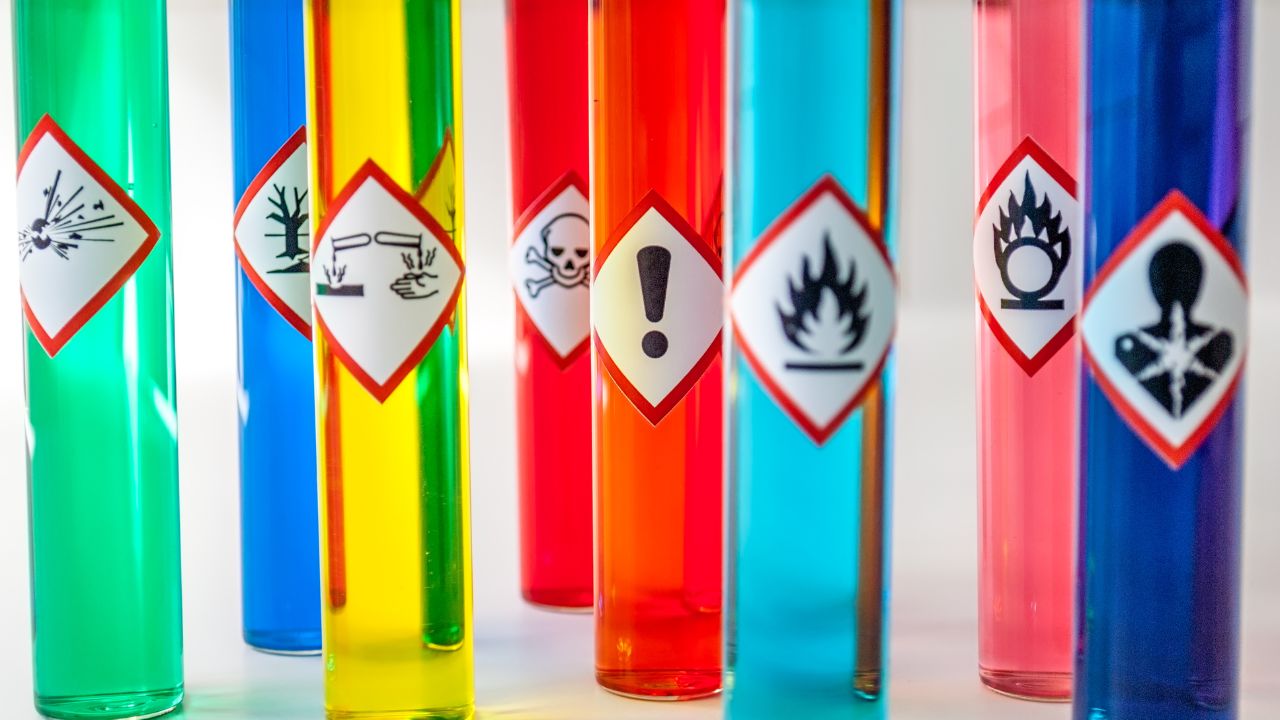
PFAS Compounds
Source: Per- and polyfluoroalkyl substances from industrial processes, firefighting foam, and consumer products that have entered source waters and groundwater supplies across Arizona and nationally
Health Effects: Research suggests potential concerns including impacts on immune system function, liver health, cholesterol levels, and possible links to certain cancers and developmental issues
Current Status: Four PFAS compounds detected at low levels: PFBS (up to 12 ppt), PFBA (5 ppt), PFHxA (3.5 ppt), and PFPeA (5.3 ppt). PFOA and PFOS were not detected above 4 ppt detection limits. The Hazard Index of 0.006 is well below regulatory concern. EPA Status: Final regulations maintain 4 ppt limits for PFOA/PFOS; other PFAS compounds remain under regulatory review. Chandler’s PFAS profile is broadly comparable to neighbouring cities including Gilbert and Scottsdale.
Please read – our information
The information presented on cleanairandwater.net is compiled from official water quality reports, trusted news sources, government websites, and public health resources. While we strive for accuracy and thoroughness in our presentations, we are not scientists, engineers, or qualified water quality professionals.
Our mission is to present water quality information in an accessible, real-world format that helps people understand what’s in their water and make informed decisions about their health and safety. We believe that complex environmental information should be available to everyone in a format that’s easy to understand.
We make every effort to ensure our content is current and accurate, but we cannot guarantee that all information is complete or error-free. This website should not replace official communications from your local water utility or health department. We always recommend consulting official sources for the most up-to-date information regarding your specific water system.
Clean Air and Water is not liable for any unintentional errors, omissions, or outdated information. The content on this site is provided for informational purposes only and should not be considered professional advice.