Gilbert Water Quality at a Glance
Is Gilbert Water Safe to Drink in 2026?
Generally Yes, With Significant Caution — Gilbert’s water meets federal standards, but faces serious contamination concerns including chromium-6 at 295 times safe levels. PFAS compounds were confirmed at multiple sites during EPA UCMR5 testing — Well 7 was taken offline as a precaution, and Gilbert has filed legal claims against 3M and DuPont for PFAS contamination. A $536 million North Water Treatment Plant reconstruction is now 50% complete and will add GAC filtration for PFAS removal when fully online in 2027. Residents should consider filtration for maximum protection now.
⚠️ Key Concerns for Gilbert Residents in 2026
- Chromium-6 “Erin Brockovich Chemical”: 5,900 ppt detected — 295x higher than negligible cancer risk level; linked to lung, stomach, and other cancers
- PFAS “Forever Chemicals”: PFOA, PFOS, PFPeA and PFBS confirmed at two well sites and the North Water Treatment Plant; EPA MCLs now enforceable (4 ppt for PFOA/PFOS); compliance deadline 2029
- Arsenic Contamination: 3.2–9.1 ppb range (average 6.43 ppb) — meets EPA 10 ppb limit but significantly exceeds health-based guidelines; cancer risk with long-term exposure
- Disinfection Byproducts: Average 48 ppb Total Trihalomethanes with peaks to 110 ppb; linked to increased bladder, kidney, and liver cancer risks
Read the full 2026 report below for detailed analysis, treatment options, and actionable recommendations for Gilbert residents. You can also check live boil water notices for the Phoenix metro area.
Advertisement — Report continues below
Your tap water just failed.
Here’s the fix.
Contaminants like PFAS, lead, chromium-6, and arsenic can sit within the legal limit but still pose a real health risk. The legal limit and the safe limit are not the same thing.
✅ Removes PFAS, lead & chromium-6 — the contaminants most flagged in failing city reports
✅ NSF/ANSI 42, 58 & 372 certified — independently tested, not just manufacturer claims
✅ Installs in 30 minutes, no plumber — fills a glass in 8 seconds, smart LED filter monitor
Renting or can’t drill? The Waterdrop K19 Countertop RO — plug in, fill the tank, done. No installation, no drilling, no plumber.
Disclaimer: This advert contains affiliate links. If you buy through these links, we may earn a commission at no extra cost to you. Product claims are based on manufacturer certification data and independent SGS lab testing.
Gilbert, Arizona Water Quality Report 2026: PFAS Testing, Infrastructure Investment & Safety for Residents
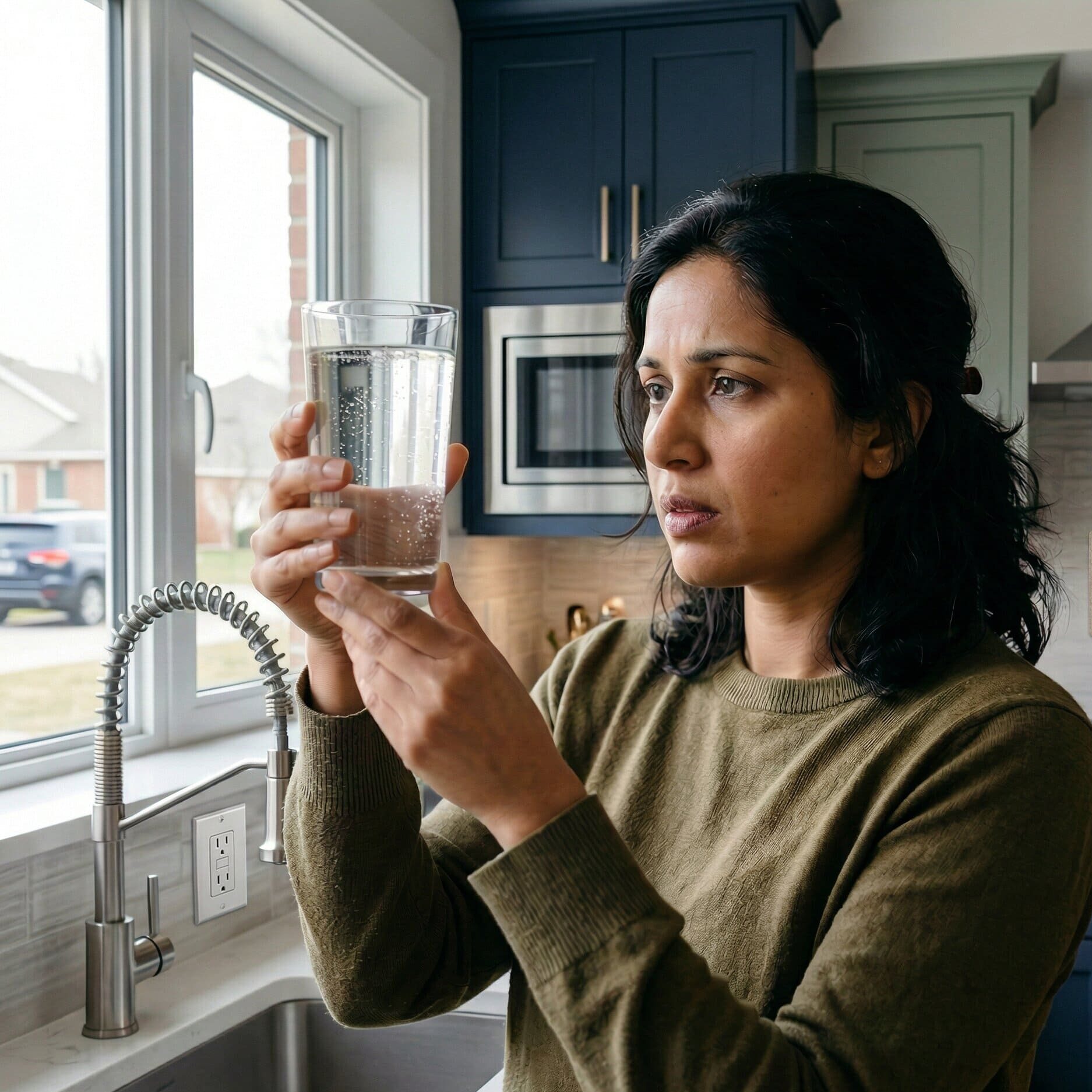
Gilbert Water serves approximately 250,000 residents across one of Arizona’s fastest-growing communities in the East Valley metropolitan area. As a municipal utility, the system operates extensive infrastructure including over 700 miles of water distribution lines, advanced treatment facilities, and groundwater wells that deliver an average of 40 million gallons of drinking water daily to this vibrant desert community.
Gilbert sources its drinking water from multiple renewable supplies including the Salt and Verde Rivers through the Salt River Project (SRP), Colorado River water via the Central Arizona Project (CAP), reclaimed water, and strategic groundwater use. The community’s water is treated at two facilities: the North Water Treatment Plant and the co-owned Santan Vista Water Treatment Plant shared with Chandler. Gilbert maintains a 100-year Assured Water Supply designation from the state and has implemented comprehensive conservation programmes, underground water storage, and — as of 2025 — is now 50% through one of the largest single clean water investments in Arizona’s history: a $536 million North Water Treatment Plant reconstruction that will add Granular Activated Carbon filtration for PFAS removal when complete in 2027.
Gilbert Water Quality: Current Status (2025–2026)
Latest Testing Results
- Comprehensive Testing Programme: Gilbert Water Quality staff performs up to 100 tests daily on drinking water to ensure compliance with all federal and state health and safety standards set by the EPA and Arizona Department of Environmental Quality (ADEQ). Results are published annually in the Consumer Confidence Report, available at gilbertaz.gov/water-quality-report.
- Lead and Copper Compliance: Recent testing shows Gilbert maintains full compliance with EPA Lead and Copper Rule regulations, with 90th percentile lead concentrations at 1.33 ppb — well below the 15 ppb action level.
- PFAS Status: During mandatory EPA UCMR5 testing, Gilbert confirmed PFOA, PFOS, PFPeA, and PFBS at two well sites and the North Water Treatment Plant. Well 7 was immediately taken offline as a precaution. EPA PFAS MCLs (4 ppt for PFOA/PFOS) are now enforceable, with a compliance deadline of 2029. In May 2025, the EPA announced intent to revise the PFAS rule — ADEQ is monitoring developments closely. See our Arizona water quality overview for statewide context.
Water Sources
- Salt River Project (SRP): Provides approximately 49% of Gilbert’s water supply from the Salt and Verde Rivers, sourced from protected forestland watersheds in northern and eastern Arizona spanning 8.3 million acres.
- Central Arizona Project (CAP): Delivers approximately 23% of water supply via the 336-mile canal system carrying Colorado River water from Lake Havasu through Phoenix to southern Arizona.
- Groundwater Wells: Operates groundwater wells throughout the service area providing approximately 28% of supply, with total groundwater production capacity of nearly 44 million gallons per day including reservoir storage.
- Reclaimed Water: High-quality treated wastewater (A+ rating from ADEQ) used for irrigation and groundwater recharge, producing approximately 14 million gallons per day — reducing demand on potable supplies.
Advanced Treatment Technology
- North Water Treatment Plant (Reconstruction Underway): The existing plant has a capacity of 45 million gallons per day. A $536 million reconstruction project — the largest single clean water investment in Arizona’s history — reached 50% completion in October 2025. Phase 3 (ozone disinfection, filtration, chemical feed) is targeted for completion in 2026; Phase 4, which installs the Granular Activated Carbon systems for PFAS removal, is scheduled for completion in December 2026, with full capacity of 60 MGD and GAC treatment operational in 2027.
- Santan Vista Water Treatment Plant: Co-owned with Chandler, treating CAP water using ballasted flocculation technology with 24 MGD total capacity (12 MGD for Gilbert), featuring a 20–25 minute average process time and 6 MGD onsite reservoir capacity.
- Multi-Barrier Treatment: Both facilities employ comprehensive treatment processes including coagulation, flocculation, sedimentation, filtration, and chlorine disinfection. The addition of ozone disinfection at the North Plant will further enhance treatment when Phase 3 completes.
Infrastructure Modernisation & Legal Action
- North Plant Reconstruction — 50% Complete: The $536 million project with contractors PCL Construction and Sundt will increase treatment capacity from 45 to 60 MGD and include GAC contactors for PFAS removal. It will serve an additional 100,000 residents when fully operational in 2027.
- PFAS Litigation: Gilbert has filed suit against 3M, DuPont, and other PFAS manufacturers, and has filed claims in both the DuPont ($1.18 billion, final approval February 2024) and 3M ($10.3–12.5 billion) settlements to recover remediation costs.
- Underground Water Storage: Gilbert has stored over 200 billion gallons of water underground — equivalent to nine times annual usage — and maintains the second-largest storage credits in the Phoenix Active Management Area.
Customer Protection Initiatives
Gilbert Water provides extensive customer support including the Utility Billing Assistance Programme, launched in 2024 to help residents facing financial hardship with rate increases tied to the North Plant reconstruction. The utility publishes annual Consumer Confidence Reports by July 1st each year, providing transparent water quality data to all customers. Rate adjustments through 2030 will continue funding infrastructure investment. Gilbert’s commitment to water security includes maintaining Arizona’s 100-year Assured Water Supply designation and proactively pursuing PFAS remediation ahead of EPA’s 2029 compliance deadline. Check our water alert news for the latest Arizona developments, and compare Gilbert’s profile with neighbouring Chandler, Scottsdale, Mesa, Glendale, and Phoenix.
Recommendations for Gilbert Residents
Test Your Water
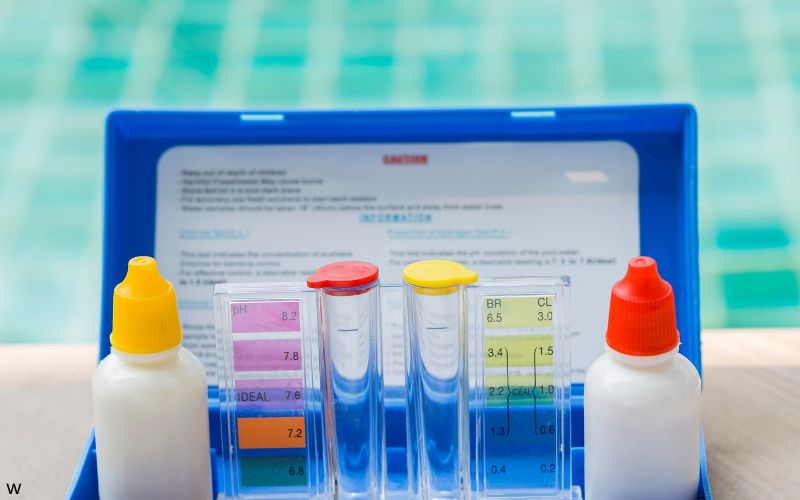
Contact Gilbert Water Quality at 480-503-6400 for information about water testing services. Independent testing is especially recommended for PFAS, chromium-6, and arsenic — particularly for homes with children, pregnant women, or immunocompromised residents. You can also check our national water quality tool for broader context on Gilbert’s contaminant profile.
Conserve Water
Participate in Gilbert’s free landscape workshops and use the water calculator at gilbertaz.gov/watercalculator to optimise your household water use. Follow desert-appropriate landscaping practices and efficient irrigation methods suited to Arizona’s Sonoran Desert climate.
Consider Home Filtration
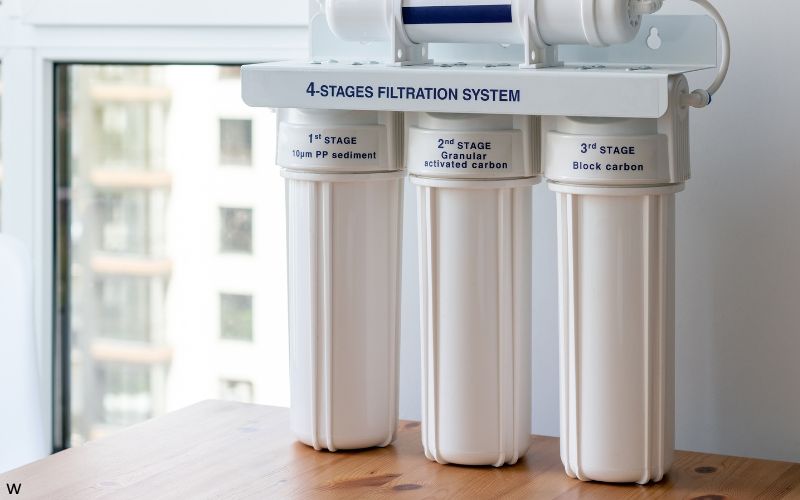
While Gilbert’s water meets federal standards, NSF-certified filtration (Standards 53 and 58) is highly recommended given confirmed PFAS detections, chromium-6 at 295x safe levels, and elevated arsenic. The town’s GAC upgrade won’t be operational until 2027 — home filtration provides protection now. See our complete water filter guide for verified options.

Use the Water Calculator
Visit gilbertaz.gov/watercalculator to determine your household’s optimal water needs and identify conservation opportunities. This tool helps you understand usage patterns and save money on utility bills — especially relevant as Gilbert rate increases through 2030 fund the North Plant reconstruction.

Report Issues & Stay Informed
Contact Gilbert Public Works at 480-503-6400 for water main breaks, pressure problems, or quality concerns. Use the Gilbert 311 app or visit gilbertaz.gov/311 for non-emergency issues. Bookmark our live boil water notices tracker and water alert news for real-time updates.
Frequently Asked Questions
Is Gilbert’s tap water safe to drink in 2026?
Gilbert’s tap water meets all federal and state drinking water standards as of 2026, but residents should be aware of several significant contaminants. The town’s water comes from multiple sources including the Salt and Verde Rivers, Colorado River, and local groundwater wells, all of which undergo comprehensive treatment.
Gilbert Water Quality staff performs up to 100 tests daily. However, testing has confirmed chromium-6 at 5,900 ppt (295 times higher than negligible cancer risk levels), arsenic averaging 6.43 ppb (above health guidelines), and PFAS compounds at multiple sites. The GAC treatment system that will remove PFAS isn’t fully operational until 2027. Until then, NSF-certified home filtration is strongly recommended for vulnerable residents. See our water filter solutions guide for options.
Why are Gilbert’s water bills increasing?
Gilbert implemented significant rate increases from 2024 onwards to fund critical infrastructure improvements and address rising operational costs:
1. North Plant reconstruction: The $536 million project — one of the largest single clean water investments in Arizona’s history — is the primary driver of rate increases through 2030
2. Colorado River challenges: Ongoing drought conditions and water shortage declarations increase costs for alternative supplies
3. PFAS remediation: Costs associated with PFAS investigation, treatment planning, and legal proceedings against manufacturers
The utility offers a Billing Assistance Programme for residents experiencing financial hardship. Visit gilbertaz.gov/CommunityResources for information about utility payment assistance and other community resources.
How is Gilbert addressing PFAS contamination in 2026?
Gilbert is taking comprehensive measures to address PFAS contamination, both in terms of immediate action and long-term remediation:
• Immediate action: Well 7 was immediately taken offline when PFOA, PFOS, PFPeA, and PFBS were confirmed during EPA UCMR5 testing at two well sites and the North Water Treatment Plant
• Treatment upgrades: Phase 4 of the North Plant reconstruction installs Granular Activated Carbon (GAC) contactors — an effective PFAS removal method — with completion scheduled for December 2026; full operational capacity in 2027
• Legal action: Gilbert has filed suit against 3M, DuPont, and other PFAS manufacturers, and holds claims in the DuPont ($1.18B) and 3M ($10.3–12.5B) settlements to recover remediation costs
• Regulatory compliance: Gilbert is working toward EPA’s 2029 PFAS compliance deadline; the May 2025 EPA announcement of intent to revise PFAS rules is being monitored closely by ADEQ
See our Arizona water quality page for the broader statewide PFAS picture.
Is Gilbert prepared for Colorado River shortages?
Yes — Gilbert is among the best-prepared East Valley communities for Colorado River shortages, thanks to comprehensive supply diversification and strategic storage:
Diversified Supply Portfolio:
• 49% Salt River Project water (most reliable source, least drought-exposed)
• 23% Colorado River water via CAP
• 28% groundwater from wells across the service area
• Reclaimed water for non-potable uses, reducing pressure on drinking water supplies
Underground Water Storage:
Gilbert has stored over 200 billion gallons underground — nine times annual usage — and holds the second-largest storage credits among Phoenix metro cities.
100-Year Assured Supply:
Arizona has designated Gilbert with a 100-year Assured Water Supply, confirming long-term water security even during extended drought periods. Compare with neighbouring Chandler and Scottsdale.
Quality News About Your Water
Get the comprehensive water quality news coverage you need with our dedicated US Water News Service. From coast to coast, we deliver in-depth reporting and expert analysis on PFAS contamination, EPA regulatory changes, infrastructure developments, and emerging water safety issues affecting communities nationwide. While mainstream media only covers the biggest stories, we provide the detailed, ongoing coverage that helps you understand the full scope of America’s water challenges.
What’s actually in your tap water? Enter your ZIP code for a full breakdown of contaminants detected in your local supply
Drinking water from a well? Check our directory here for more information
Contaminants of Concern
Arsenic
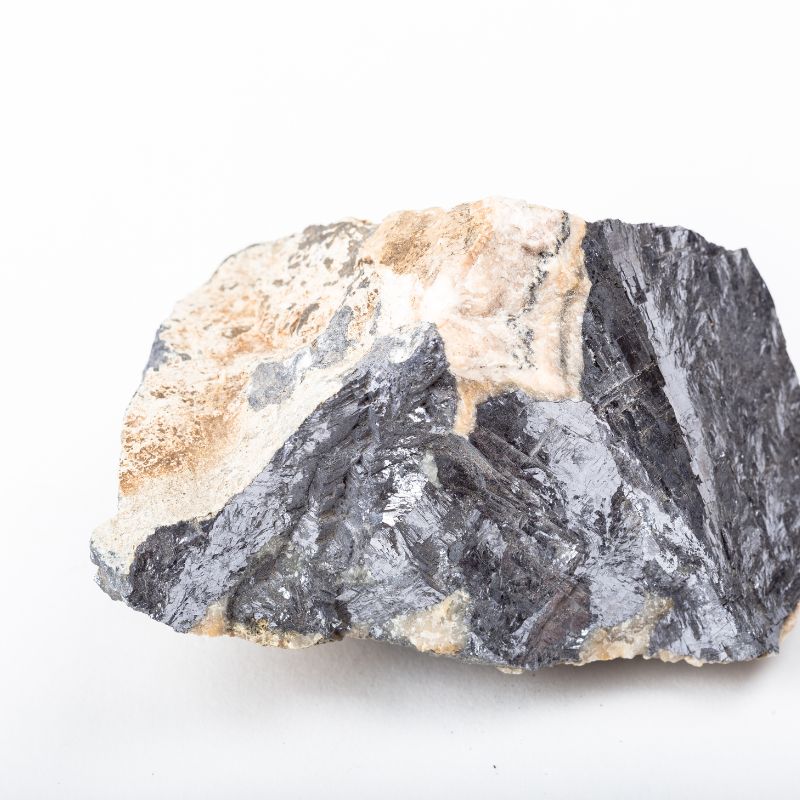
Source: Naturally occurring element found in desert groundwater sources and some surface water supplies, common in Arizona’s geological formations
Health Effects: Long-term exposure to elevated arsenic levels is linked to increased risk of cancers of the bladder, lung, and skin, as well as cardiovascular disease and skin disorders
Current Levels: Recent testing shows concentrations ranging from 3.2–9.1 ppb with an average of 6.43 ppb — compliant with EPA’s 10 ppb maximum contaminant level but significantly above health-based guidelines. EPA Limit: 10 ppb MCL
PFAS Compounds
Source: Per- and polyfluoroalkyl substances from industrial processes, firefighting foams, and consumer products. Gilbert’s contamination is linked to sources being investigated as part of ongoing legal action against 3M, DuPont, and other manufacturers.
Health Effects: Research links PFAS exposure to immune system disruption, thyroid issues, cholesterol changes, and cancers including kidney and testicular. A 2025 study found PFAS can raise cancer risk by up to 33%.
Current Status: PFOA, PFOS, PFPeA, and PFBS confirmed at two well sites and the North Water Treatment Plant during EPA UCMR5 testing. Well 7 taken offline as precaution. GAC treatment system installation underway; Phase 4 completion December 2026. EPA Limits: PFOA/PFOS MCL now 4 ppt; compliance deadline 2029.
Chromium-6
Source: Industrial pollution and natural occurrences in mineral deposits and groundwater; the “Erin Brockovich chemical” known for causing cancer clusters across the American Southwest
Health Effects: Linked to increased risk of lung, stomach, and other cancers; can also cause respiratory problems and skin irritation with prolonged exposure
Current Levels: Gilbert’s tap water averages 5,900 parts per trillion — 295 times higher than the concentration associated with negligible cancer risk. EPA Status: No federal MCL; California’s public health goal is 0.02 ppb (20 ppt). NSF Standard 58 reverse osmosis filters are effective at removing chromium-6.
Disinfection Byproducts
Source: Form when chlorine-based disinfectants react with naturally occurring organic matter during water treatment — an inherent challenge with surface water sources like the Salt and Verde Rivers
Health Effects: Associated with increased risk of bladder cancer, as well as kidney, liver, and central nervous system problems with long-term exposure
Current Levels: Gilbert shows an average of 48 ppb for Total Trihalomethanes, with peaks reaching 110 ppb. EPA Limit: 80 ppb annual running average. The addition of ozone disinfection at the reconstructed North Plant is expected to reduce DBP formation when Phase 3 completes in 2026. See our water filter guide for DBP removal options available now.
Please read – our information
The information presented on cleanairandwater.net is compiled from official water quality reports, trusted news sources, government websites, and public health resources. While we strive for accuracy and thoroughness in our presentations, we are not scientists, engineers, or qualified water quality professionals.
Our mission is to present water quality information in an accessible, real-world format that helps people understand what’s in their water and make informed decisions about their health and safety. We believe that complex environmental information should be available to everyone in a format that’s easy to understand.
We make every effort to ensure our content is current and accurate, but we cannot guarantee that all information is complete or error-free. This website should not replace official communications from your local water utility or health department. We always recommend consulting official sources for the most up-to-date information regarding your specific water system.
Clean Air and Water is not liable for any unintentional errors, omissions, or outdated information. The content on this site is provided for informational purposes only and should not be considered professional advice.