Glendale, Arizona Water Quality at a Glance
Is Glendale, Arizona Water Safe to Drink?
Generally Yes, With Major Concerns — Glendale’s water meets federal compliance standards, but has extremely high chromium-6 levels (320 times above levels considered safe for cancer risk) and concerning arsenic concentrations. Statewide, around 12% of Arizona water systems tested by ADEQ have been found to exceed at least one EPA PFAS MCL, with Glendale’s ongoing monitoring forming part of a comprehensive Arizona-wide assessment. See our national water quality overview for context.
⚠️ Key Concerns for Glendale Residents in 2026
- Chromium-6 “Erin Brockovich Chemical”: 5,300–6,400 ppt detected — 265–320 times higher than levels considered safe for cancer risk
- Arsenic Contamination: 1.6–3.1 ppb detected from natural sources and past industrial activity; linked to cancers of the bladder, lung, and skin
- PFAS “Forever Chemicals”: EPA MCLs for PFOA/PFOS are now enforceable (4 ppt); compliance deadline 2029. Arizona is actively testing ~950 systems statewide
- Disinfection Byproducts: Haloacetic acids and trihalomethanes from chlorine treatment continue to raise long-term cancer and organ risk
Read the full 2026 report below for detailed analysis, treatment recommendations, and actionable steps for Glendale residents. You can also check live boil water notices for the Phoenix metro area.
Advertisement — Report continues below
Your tap water just failed.
Here’s the fix.
Contaminants like PFAS, lead, chromium-6, and arsenic can sit within the legal limit but still pose a real health risk. The legal limit and the safe limit are not the same thing.
✅ Removes PFAS, lead & chromium-6 — the contaminants most flagged in failing city reports
✅ NSF/ANSI 42, 58 & 372 certified — independently tested, not just manufacturer claims
✅ Installs in 30 minutes, no plumber — fills a glass in 8 seconds, smart LED filter monitor
Renting or can’t drill? The Waterdrop K19 Countertop RO — plug in, fill the tank, done. No installation, no drilling, no plumber.
Disclaimer: This advert contains affiliate links. If you buy through these links, we may earn a commission at no extra cost to you. Product claims are based on manufacturer certification data and independent SGS lab testing.
Glendale, Arizona Water Quality Report 2026: PFAS Testing, Chromium-6 & Safety for Residents
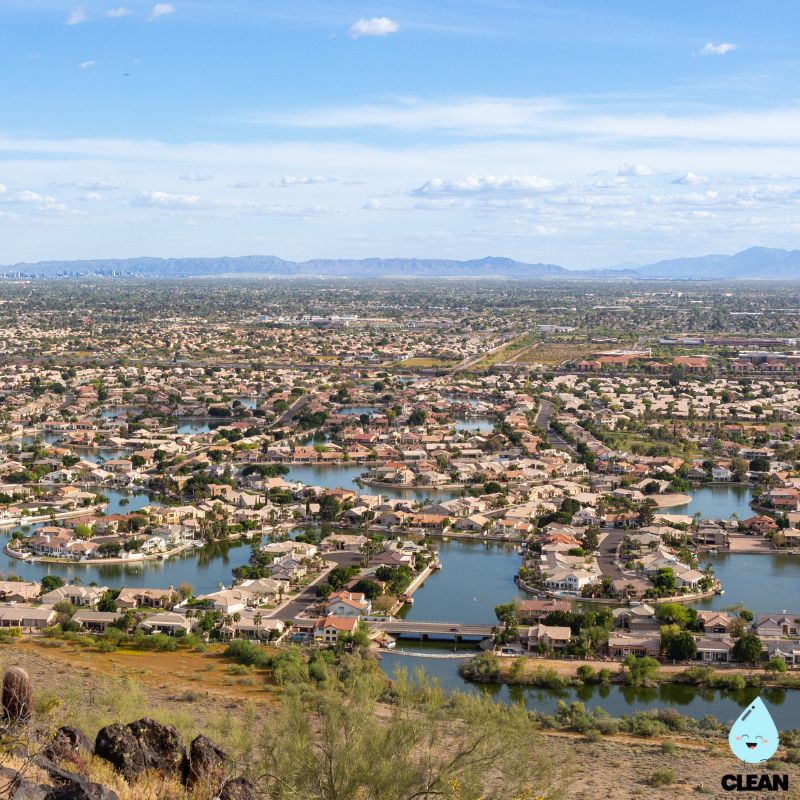
Glendale Water Services provides comprehensive water and wastewater services to approximately 250,000 residents across this vibrant West Valley city, known for its sports and entertainment districts. Located in the heart of the Sonoran Desert, Glendale operates a sophisticated water system that encompasses multiple treatment facilities, hundreds of miles of distribution lines, and innovative water reclamation technologies that deliver an average of 35 million gallons of drinking water daily to Arizona’s fourth-largest city.
Glendale sources its water from five primary sources: the Salt River Project system drawing from the Salt and Verde Rivers, Central Arizona Project delivering Colorado River water, limited groundwater reserves, reclaimed wastewater, and stored water credits for drought resilience. The city’s water is treated at the jointly-owned Pyramid Peak Water Treatment Plant (co-owned with Peoria) — a recently expanded facility now rated at 54 million gallons per day — along with direct connections to the Salt River Project distribution system. While Glendale’s water meets federal compliance standards, the city faces significant challenges with extremely high chromium-6 levels (265–320 times above safe levels), arsenic contamination, ongoing PFAS monitoring under newly enforceable EPA MCLs, and continued infrastructure investment as it prepares for sustained population growth in the Phoenix metropolitan area.
Glendale Water Quality: Current Status (2025–2026)
Latest Testing Results
- EPA Compliance Status: Glendale’s water supply meets federal drinking water standards as of 2026, but significantly exceeds health guidelines for chromium-6 and arsenic, with continuous monitoring for over 100 different contaminants. The city’s most recent Consumer Confidence Report confirms no violations of maximum contaminant levels.
- PFAS Monitoring: EPA PFAS MCLs (4 ppt for PFOA/PFOS) are now in force following the April 2024 final rule, with public water systems required to complete initial monitoring by 2027 and achieve compliance by 2029. Across Arizona, ADEQ’s comprehensive testing programme found approximately 12% of sampled systems exceed at least one EPA PFAS standard. Glendale’s specific PFAS status remains under active monitoring. In May 2025, the EPA announced its intention to revise the PFAS rule — ADEQ is monitoring developments closely. For statewide context, see our Arizona water quality overview.
- Testing Frequency: Glendale conducts comprehensive water quality testing throughout its distribution system, including quarterly sampling for regulated contaminants and proactive monitoring for emerging contaminants including PFAS “forever chemicals.” Results are published annually in the Consumer Confidence Report.
Water Sources
- Salt River Project: Primary surface water source (approximately 60% of supply) from the Salt and Verde River systems, originating from snowmelt and monsoon rains in northeastern and central Arizona, delivered via SRP’s extensive canal system.
- Central Arizona Project: Colorado River water delivered through the Central Arizona Project canal system, providing approximately 25% of the city’s water supply with an annual allocation of 22,732 acre-feet during normal non-drought years.
- Groundwater & Reclaimed Water: Limited groundwater pumping from local aquifers and innovative reclaimed water systems that treat wastewater for reuse in landscaping and aquifer recharge, enhancing water supply resilience in Arizona’s arid climate.
Advanced Treatment Technology
- Pyramid Peak Water Treatment Plant: Jointly operated with Peoria, this recently expanded facility now treats up to 54 million gallons per day — up from a previous reliable capacity of 39 mgd. The expansion, completed with all 14 existing filters replaced within the original budget, processes Colorado River water from the Central Arizona Project canal using multi-barrier treatment including coagulation, flocculation, sedimentation, filtration, and disinfection.
- Salt River Project Direct Service: Areas within SRP service boundaries receive treated water directly from SRP’s system, which utilises state-of-the-art treatment facilities and extensive quality monitoring throughout the distribution network.
- Reclaimed Water Treatment: Advanced wastewater treatment facilities produce high-quality reclaimed water for landscape irrigation and groundwater recharge, reducing demand on potable water supplies while supporting Arizona’s long-term sustainability goals.
Infrastructure Modernisation
- Pyramid Peak Expansion Complete: The joint expansion with Peoria — totalling over $52.5 million (Peoria’s share) plus approximately $25 million in shared improvements with Glendale — has been completed, increasing treatment capacity to 54 mgd and replacing all 14 ageing filters on site within budget and schedule.
- Distribution System Renewal: Systematic replacement of ageing water infrastructure, including sewer lines dating to the 1940s, continues with modern materials and smart monitoring technologies to improve system reliability and reduce water loss across Glendale’s network.
- PFAS Treatment Planning: Proactive planning is underway for PFAS monitoring and potential treatment system development aligned with EPA’s 2029 compliance deadline, alongside ongoing assessment for chromium-6 treatment technologies to address documented contamination concerns. See our water filter guide for household solutions available now.
Customer Protection Initiatives
Glendale Water Services maintains a strong commitment to customer service and water quality transparency through comprehensive annual water quality reports, 24/7 customer service availability at 623-930-2770, and expanded water conservation rebate programmes to help residents reduce water usage and costs. The city’s proactive approach includes participation in ADEQ’s statewide PFAS monitoring initiative — part of a programme backed by $5 million in state funding and approximately $63.5 million in federal Bipartisan Infrastructure Law funds. However, residents should be aware of documented concerns: chromium-6 at 5,300–6,400 ppt and arsenic at 1.6–3.1 ppb both meet federal standards while significantly exceeding health guidelines established by toxicologists. Glendale’s strategic water portfolio, combining multiple sources and storage options, provides resilience against drought conditions while supporting the continued growth of this dynamic West Valley community. Check our water alert news for the latest Arizona developments, and our Chandler, Gilbert, Scottsdale, Mesa, and Phoenix pages for comparison across the metro area.
Recommendations for Glendale Residents
Test Your Water
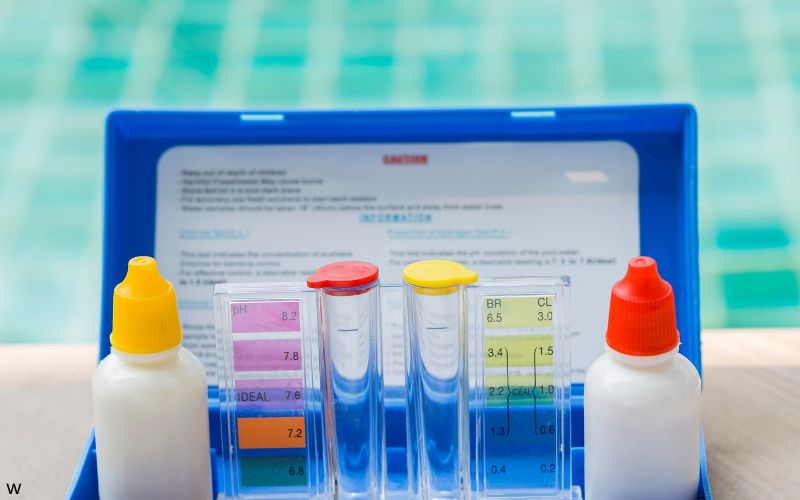
Contact Glendale Water Services at 623-930-2770 to request water quality information or report any concerns. Independent testing is strongly recommended for chromium-6, arsenic, and PFAS — especially for homes with children, pregnant women, or immunocompromised residents. You can also check our national water quality tool for context on Glendale’s contaminant profile.
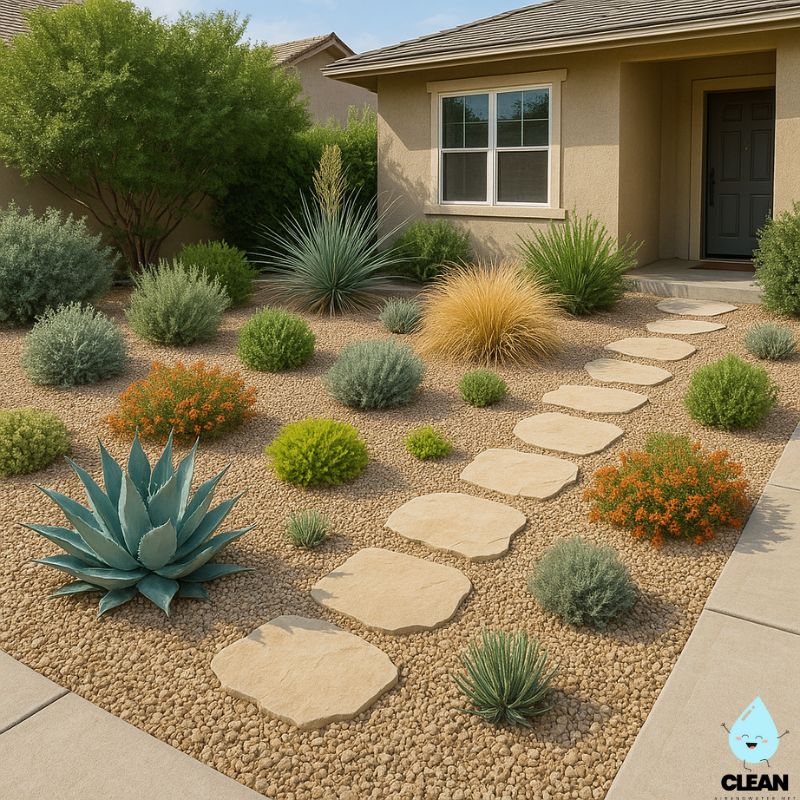
Desert Landscaping
Take advantage of Glendale’s water conservation rebate programme, which offers financial incentives for drought-tolerant landscaping, efficient irrigation systems, and water-saving appliances. Arizona’s desert climate makes conservation especially critical — visit glendaleaz.com for current rebate offerings and eligibility.
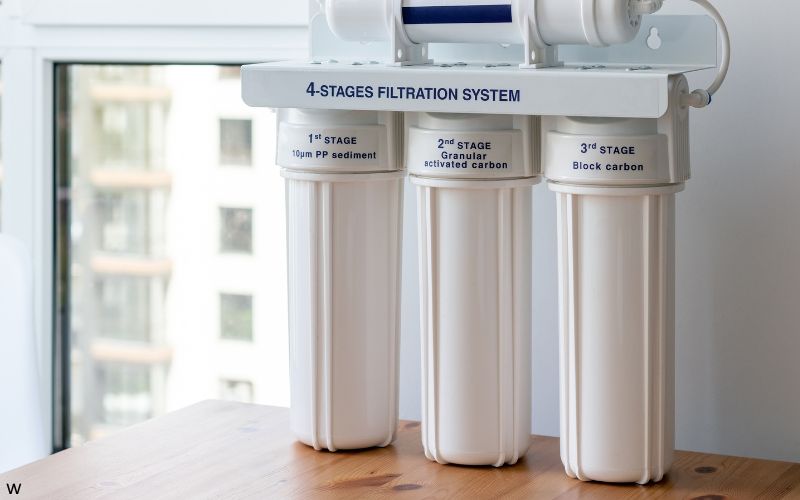
Essential Home Filtration
Given Glendale’s documented high levels of chromium-6 and arsenic, NSF-certified filtration (Standards 53 and 58) is strongly recommended. Look for systems specifically rated to remove heavy metals and PFAS compounds. See our complete water filter guide for verified options suited to Arizona water conditions.

Participate in Rebate Programmes
Apply for Glendale’s water conservation rebates including incentives for high-efficiency appliances, smart irrigation controllers, and xeriscaping projects. The city offers financial assistance to help residents save water and reduce utility costs in Arizona’s desert climate — an important consideration given ongoing drought pressures across the Colorado River basin.

Report Issues & Stay Informed
Contact Glendale Water Services at 623-930-2770 (available 24/7) for water main breaks, pressure problems, or quality concerns. The city also offers online utility account management at myutility.glendaleaz.com. Bookmark our live boil water notices tracker and water alert news for real-time updates.
Quality News About Your Water
Get the comprehensive water quality news coverage you need with our dedicated US Water News Service. From coast to coast, we deliver in-depth reporting and expert analysis on PFAS contamination, EPA regulatory changes, infrastructure developments, and emerging water safety issues affecting communities nationwide. While mainstream media only covers the biggest stories, we provide the detailed, ongoing coverage that helps you understand the full scope of America’s water challenges.
What’s actually in your tap water? Enter your ZIP code for a full breakdown of contaminants detected in your local supply
Drinking water from a well? Check our directory here for more information
Frequently Asked Questions
Is Glendale’s tap water safe to drink in 2026?
Glendale’s tap water meets all federal drinking water standards as of 2026, but significant health concerns remain that residents should understand. The city draws from multiple sources including the Salt River Project, Central Arizona Project, and limited groundwater, all of which undergo treatment at the Pyramid Peak Water Treatment Plant or via SRP’s system before delivery.
However, testing consistently reveals extremely high chromium-6 levels (265–320 times above concentrations considered safe for cancer risk) and concerning arsenic concentrations of 1.6–3.1 ppb. While these meet federal compliance thresholds, they significantly exceed health guidelines established by independent toxicologists. Residents with health concerns — especially children, pregnant women, or immunocompromised individuals — should consider certified home filtration. See our water filter solutions guide for recommended options.
What are the main water quality concerns in Glendale?
Glendale faces several significant water quality challenges documented through ongoing testing:
1. Chromium-6 (Hexavalent Chromium): Extremely high levels of 5,300–6,400 parts per trillion — 265–320 times higher than concentrations considered safe for cancer risk. This is one of the highest chromium-6 readings in the Phoenix metro area.
2. Arsenic: Levels of 1.6–3.1 parts per billion from natural geological sources and past industrial activities. Linked to cancers of the bladder, lung, and skin with chronic exposure.
3. PFAS (Forever Chemicals): EPA MCLs are now enforceable. Approximately 12% of Arizona water systems tested by ADEQ exceed at least one EPA PFAS standard; Glendale’s specific results are under active monitoring, with full public reporting required by 2027.
4. Disinfection Byproducts: Haloacetic acids and trihalomethanes formed during chlorine treatment processes. See our Arizona water quality page for broader statewide context.
How is Glendale addressing water conservation in 2026?
Glendale has implemented comprehensive water conservation measures appropriate for Arizona’s desert climate:
• Rebate Programmes: Financial incentives for drought-tolerant landscaping, efficient appliances, and smart irrigation systems — supporting Arizona’s long-term water resilience goals
• Reclaimed Water Systems: Treatment and reuse of wastewater for landscape irrigation and groundwater recharge, reducing pressure on potable supplies
• Drought Management: Water storage credits and multi-source portfolio management provide resilience against Colorado River shortages and extended drought cycles affecting the American Southwest
• Public Education: Ongoing outreach about conservation practices in the Sonoran Desert environment
These initiatives help ensure sustainable water management while supporting continued growth in the West Valley. Compare Glendale’s approach with neighbouring Chandler and Mesa.
What infrastructure improvements are underway in Glendale?
Glendale has completed and continues major infrastructure investment to address water quality and system reliability:
Completed:
• Pyramid Peak Water Treatment Plant expansion — now rated to 54 million gallons per day (up from 39 mgd), with all 14 ageing filters replaced within the original project budget, co-funded with Peoria
• New chemical systems, upgraded electrical infrastructure, and additional generator capacity installed at Pyramid Peak
Ongoing:
• Systematic replacement of ageing distribution infrastructure, including sewer lines dating to the 1940s
• Planning for chromium-6 treatment technologies and PFAS monitoring systems aligned with EPA’s 2029 compliance deadline
• Rate adjustments through 2030 will fund continued infrastructure investments. Stay current via our water alert news and live boil water notices tracker.
Please read – our information
The information presented on cleanairandwater.net is compiled from official water quality reports, trusted news sources, government websites, and public health resources. While we strive for accuracy and thoroughness in our presentations, we are not scientists, engineers, or qualified water quality professionals.
Our mission is to present water quality information in an accessible, real-world format that helps people understand what’s in their water and make informed decisions about their health and safety. We believe that complex environmental information should be available to everyone in a format that’s easy to understand.
We make every effort to ensure our content is current and accurate, but we cannot guarantee that all information is complete or error-free. This website should not replace official communications from your local water utility or health department. We always recommend consulting official sources for the most up-to-date information regarding your specific water system.
Clean Air and Water is not liable for any unintentional errors, omissions, or outdated information. The content on this site is provided for informational purposes only and should not be considered professional advice.