Scottsdale Water Quality at a Glance
Is Scottsdale Water Safe to Drink?
Legally Compliant but With Notable Concerns — Scottsdale Water met all federal and state drinking water standards in its 2024 report (covering 2023 monitoring data). However, the supply contains arsenic up to 7.7 ppb (avg 3.7 ppb), total chromium up to 31.7 ppb (avg 5.9 ppb), uranium up to 14 ppb, and TTHM disinfection byproducts with an LRAA of 55.5 ppb. One home of 50 tested exceeded the lead action level of 15 ppb. Scottsdale sources 90% of its water from renewable surface water — 70% from the Colorado River via the Central Arizona Project and approximately 16% from the Salt River Project — with 10% from 21 active groundwater wells. See our Arizona state water quality overview for broader regional context.
⚠️ Key Concerns for Scottsdale Residents
- Arsenic: Maximum 7.7 ppb (avg 3.7 ppb) in 2023 — within the EPA MCL of 10 ppb but well above the MCLG of 0 ppb; three dedicated arsenic treatment facilities operate to manage groundwater sources
- Total Chromium: Maximum 31.7 ppb (avg 5.9 ppb) detected; meets the federal MCL of 100 ppb but no specific federal chromium-6 standard exists — associated with long-term cancer risk
- Uranium: Maximum 14 ppb (avg 4.5 ppb) detected from natural geological leaching; meets the MCL of 30 ppb but EPA MCLG is 0 ppb
- Disinfection Byproducts: TTHM LRAA 55.5 ppb (max 58.7 ppb); haloacetic acids LRAA 10.6 ppb — formed during chlorine treatment; linked to long-term cancer and liver/kidney risks
- Lead: 1 of 50 homes tested exceeded the 15 ppb action level in 2023; system-level treated water registers ND, but older home plumbing remains a risk factor
- Hard Water: 13–17 grains per gallon (215–290 ppm) throughout the service area — not a health concern but can affect appliances and taste
Read the full report below for detailed analysis, city-specific data, and actionable recommendations for Scottsdale residents. See our water filter guide for reverse osmosis systems that address arsenic, chromium, uranium, and DBPs.
advertisment – report continues below
Your water passed the test.
Legal isn’t the same as safe.
Regulated contaminants like PFAS, chromium-6, and disinfection byproducts can sit inside the legal limit and still carry long-term health risks. Passing isn’t the same as clean.
✅ Removes PFAS, lead & chromium-6 — the contaminants most flagged even in passing city reports
✅ NSF/ANSI 42, 58 & 372 certified — independently tested, not just manufacturer claims
✅ Installs in 30 minutes, no plumber — fills a glass in 8 seconds, smart LED filter monitor
Renting or can’t drill? The Waterdrop K19 Countertop RO — plug in, fill the tank, done. No installation, no drilling, no plumber.
Advertisement — this page contains affiliate links. If you buy through these links, we may earn a commission at no extra cost to you.
Scottsdale – Arizona – Water Quality Report 2026: Arsenic, Chromium & PFAS Testing, Infrastructure & Safety
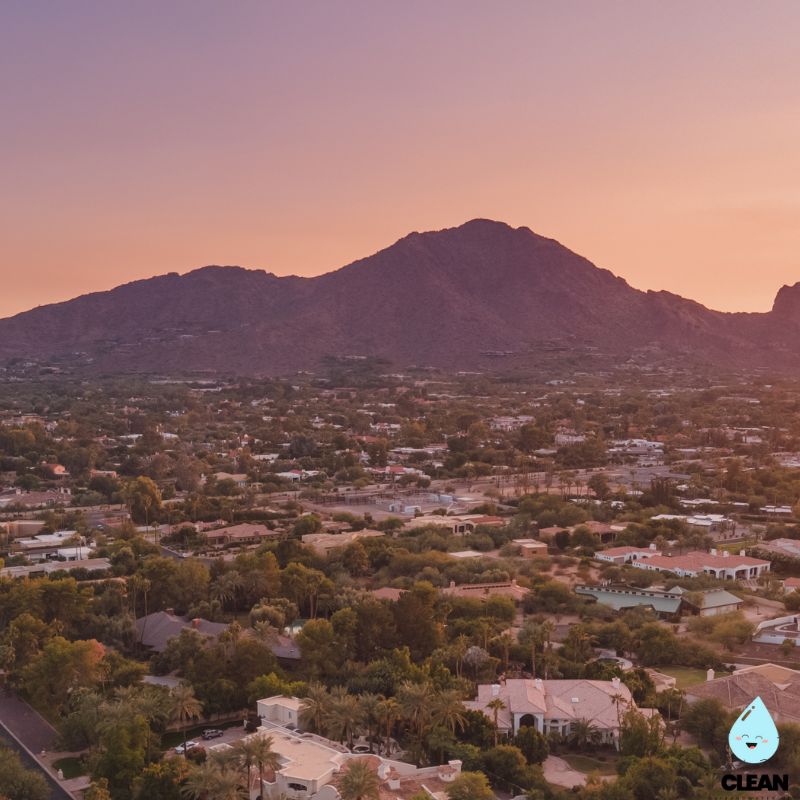
Scottsdale Water provides drinking water services to approximately 259,000 residents across the greater Scottsdale metropolitan area in the eastern Phoenix region. The utility operates one of the most advanced municipal water systems in the United States, featuring multiple treatment facilities and pioneering water recycling programmes. Scottsdale’s infrastructure encompasses 21 active groundwater wells, the 70 million gallon per day CAP Water Treatment Plant at the Scottsdale Water Campus, the 27 million gallon per day Chaparral Water Treatment Plant, and the world-renowned Advanced Water Treatment Plant — all collectively delivering water throughout this premier desert community.
Scottsdale sources 90% of its water from renewable surface water: approximately 70% from the Colorado River via the Central Arizona Project (CAP) canal and approximately 16% from Verde and Salt River watersheds via the Salt River Project (SRP). The remaining 10% comes from 21 active groundwater wells. Scottsdale has been first in Arizona to receive a permit for direct potable reuse of purified recycled water and is planning full-scale deployment as early as 2027 in response to ongoing Colorado River shortage conditions. The city’s aquifer recharge programme has stored over 70 billion gallons of purified water since 1998. For broader regional context, see our Arizona state water quality page and nearby city reports for Phoenix, Mesa, and Chandler.
Scottsdale Water Quality: Current Status (2024–2026)
Latest Testing Results
- Overall Compliance: Scottsdale Water met all federal and state drinking water standards in its 2024 Water Quality Report (covering 2023 monitoring data). The system tests for over 100 substances at eight entry points to the distribution system and at 150 locations throughout the network. Note: one Tier 3 public notice was issued for a missed TOC monitoring test in August 2023 — this was a procedural gap, not a health event.
- Arsenic: Maximum 7.7 ppb, average 3.7 ppb, highest running annual average 7.7 ppb. Naturally occurring from geological leaching. Three dedicated arsenic treatment facilities operate to manage groundwater sources. Meets the EPA MCL of 10 ppb; however, the MCLG is 0 ppb — arsenic is a known human carcinogen at high concentrations.
- Total Chromium: Maximum 31.7 ppb, average 5.9 ppb. Meets the federal MCL of 100 ppb. Scottsdale’s official 2024 report notes total chromium, not specifically hexavalent chromium-6. The source is natural leaching from deposits; no specific federal MCL exists for chromium-6 alone, but the compound is linked to increased cancer risk with long-term exposure above health benchmarks.
- Uranium: Maximum 14 ppb, average 4.5 ppb. Meets the EPA MCL of 30 ppb; MCLG is 0 ppb. From natural geological leaching. Long-term exposure above health benchmarks is associated with kidney damage and increased cancer risk.
- Disinfection Byproducts (DBPs): Total trihalomethanes (TTHM) highest LRAA 55.5 ppb (max 58.7 ppb; MCL 80 ppb). Haloacetic acids highest LRAA 10.6 ppb (max 14 ppb; MCL 60 ppb). Both within compliance. Scottsdale uses granular activated carbon (GAC) at both the CAP and Chaparral plants to minimise organic matter and reduce DBP formation. Long-term exposure above MCLGs is linked to bladder cancer and liver/kidney effects.
- Lead and Copper: 90th percentile lead level was 2 ppb (action level 15 ppb) — well within the standard. However, 1 of 50 homes tested exceeded 15 ppb, triggering required follow-up with that homeowner. System-level treated water registers ND for both lead and copper. Scottsdale completed its Lead Service Line Inventory in October 2024 in compliance with the EPA’s 2024 Lead and Copper Rule Revisions.
- Nitrate: Maximum 3.4 ppm, average 1.1 ppm — well below the MCL of 10 ppm. No concern for most residents, though infants under six months should have water assessed by a healthcare provider if levels rise.
- Barium: Maximum 122 ppb (avg 70 ppb) — within MCL of 2,000 ppb; naturally occurring from geological leaching.
- PFAS: Not reported in the 2024 Water Quality Report covering 2023 data. Arizona is subject to the EPA’s national PFAS MCLs (4 ppt for PFOS/PFOA, finalised April 2024), with initial monitoring required by April 2027 and compliance by 2029–2031. Statewide testing data indicates approximately 10% of Arizona water systems have detections above federal standards. For the latest PFAS regulatory updates, see our water alert news section.
Water Sources
- Central Arizona Project (CAP) — ~70%: Colorado River water transported through a 336-mile aqueduct and treated at the CAP Water Treatment Plant (up to 70 million gallons per day). CAP I and II use conventional treatment (coagulation, flocculation, sedimentation, filtration, disinfection); CAP III uses ultrafiltration membrane technology. All three lines use granular activated carbon for taste, odour, and DBP reduction.
- Salt River Project (SRP) — ~16%: Verde and Salt River watershed water processed at the Chaparral Water Treatment Plant (27 million gallons per day) using ultrafiltration membranes and granular activated carbon.
- Groundwater — ~10%: 21 active wells drawing from desert aquifers. Treated at the Central Groundwater Treatment Facility and the North Indian Bend Wash GAC Treatment Facility — the latter addressing Trichloroethylene (TCE) contamination from the North Indian Bend Wash Superfund Site, with operating costs paid by the responsible private companies.
- Recycled Water — ~4%: Highly purified water from the Advanced Water Treatment Plant at the Scottsdale Water Campus, used for turf irrigation and aquifer recharge (over 70 billion gallons recharged since 1998). Full-scale advanced purified recycled water (APRW) for drinking use is planned as early as 2027.
Treatment Technology and Innovation
- Multi-barrier Treatment: Both surface water plants use ultrafiltration membranes and granular activated carbon alongside conventional coagulation/filtration/disinfection — providing multiple independent barriers against microbial and chemical contamination.
- Arsenic Treatment: Three dedicated groundwater arsenic treatment facilities ensure all well water meets the MCL before entering the distribution system.
- Microbiological Monitoring: Monthly testing at over 150 distribution system sites for Total Coliform and E. coli. In 2023, total coliform was detected in 0.6% of monthly samples (MCL threshold: 5%) — within compliance.
- Colorado River Shortage Preparedness: Since 2022, Scottsdale has operated under Arizona’s CAP shortage allocation. The city’s Drought Management Plan, diversified water portfolio, and Aquifer Storage and Recovery programme reduce vulnerability to further Colorado River cuts anticipated through the late 2020s.
For information on boil water advisories in Scottsdale or across Arizona, visit our live boil water notices tracker. Use our water quality checker to explore contaminant data for your area.
Recommendations for Scottsdale Residents
Test Your Water
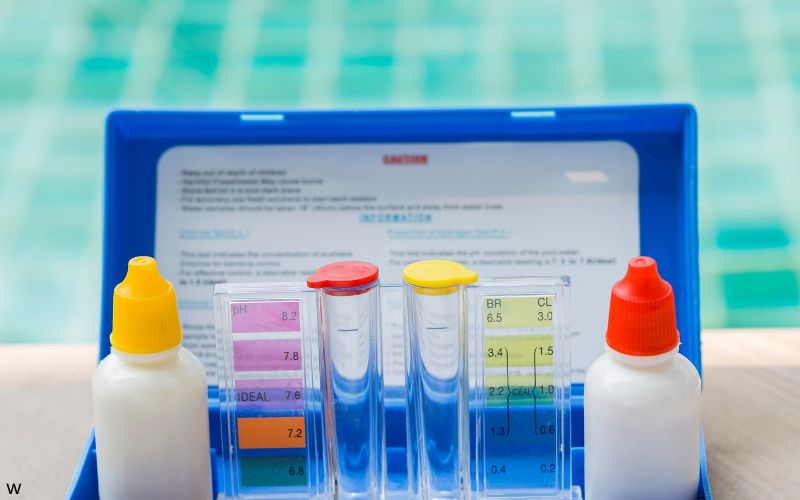
Consider independent water testing for arsenic, chromium, uranium, and lead — especially if your home was built before 1986 or you have older plumbing. Contact Scottsdale Water at 480-312-8732 for water quality questions or visit ScottsdaleAZ.gov/Water. Use our water quality checker to find accredited testing labs in your area.

Maximise Water Rebates
Take advantage of Scottsdale’s conservation rebate programmes — including grass removal rebates, smart irrigation controller rebates up to $250, and water-efficient appliance incentives. Email WaterConservation@ScottsdaleAZ.gov or visit ScottsdaleAZ.gov and search “water” for current programme details and application forms.
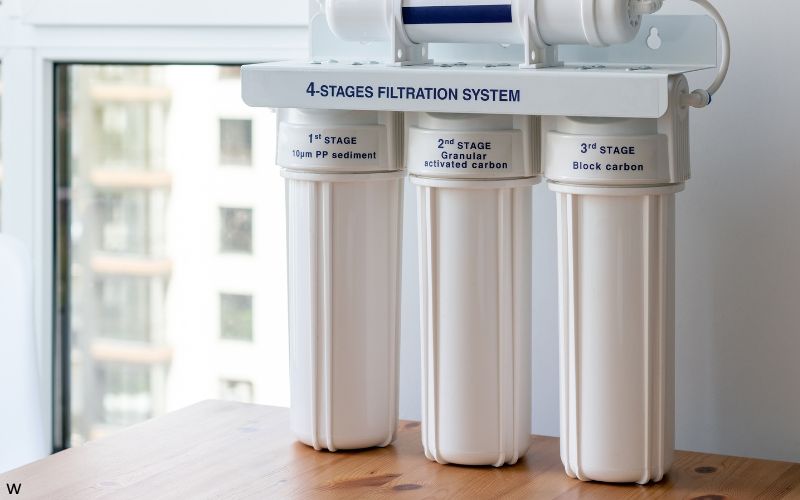
Consider Advanced Filtration
For protection against arsenic (max 7.7 ppb), chromium (max 31.7 ppb), uranium (max 14 ppb), and disinfection byproducts, an NSF/ANSI Standard 58-certified reverse osmosis system is the most effective single solution — RO removes all four contaminant groups. Scottsdale’s hard water (13–17 grains per gallon) also benefits from water softening. See our complete filter guide for recommended systems.
Optimise Irrigation Systems
Install WaterSense-labelled smart irrigation controllers to reduce outdoor water use by up to 30%. Scottsdale offers rebates for qualifying controllers that automatically adjust watering based on weather and soil conditions. Request a free Outdoor Water Efficiency Check from a Scottsdale irrigation specialist — visit ScottsdaleAZ.gov/Water or call 480-312-5650.

Monitor Usage with Technology
Sign up for Scottsdale’s WaterSmart portal through your Online Utility Account to access hourly water usage data and leak alerts. Monitor active water quality alerts for the Scottsdale area via our live boil water notices tracker, and stay current on water quality news including PFAS regulatory developments affecting Arizona.
Frequently Asked Questions
Is Scottsdale’s tap water safe to drink?
Scottsdale Water met all federal and state drinking water standards in its 2024 report. The system conducts hundreds of tests annually at treatment plants and at 150 distribution system monitoring points.
That said, several contaminants are detected at levels that health-conscious residents may want to address. Arsenic reaches a maximum of 7.7 ppb (EPA MCL: 10 ppb; MCLG: 0 ppb), total chromium up to 31.7 ppb, and uranium up to 14 ppb — all naturally occurring from geological leaching in the desert environment. One of 50 homes tested exceeded the lead action level of 15 ppb in 2023, suggesting older home plumbing may be a risk factor for some residents.
Sensitive populations — infants, pregnant women, and immunocompromised individuals — are encouraged to consult a healthcare provider. An NSF-certified reverse osmosis system is the most effective way to reduce exposure to all key contaminants simultaneously. See our water filter recommendations for systems suited to Scottsdale’s contaminant profile.
Why is Scottsdale’s water so hard?
Scottsdale’s water hardness measures 13–17 grains per gallon (215–290 ppm) across different service zones, which is considered very hard. This is the result of naturally occurring calcium and magnesium minerals dissolved as surface water travels through the Colorado River and Salt/Verde River systems and as groundwater flows through desert aquifers.
Water hardness is not a primary health standard and poses no known health risk. However, very hard water can leave scale deposits on appliances and plumbing, reduce soap lathering efficiency, and affect the taste of water. Many Scottsdale residents install water softeners for these practical reasons; note that ion-exchange softeners add sodium to the water, which may be a consideration for those on low-sodium diets. Scottsdale’s advanced groundwater treatment facilities address some sources of hardness but full system-wide softening is not cost-effective given that most residential water consumption is for outdoor use.
What is Scottsdale doing about arsenic in the water?
Scottsdale operates three dedicated arsenic treatment facilities to remove naturally occurring arsenic from groundwater sources before it enters the distribution system. The Chaparral Water Treatment Plant also incorporates arsenic treatment capabilities for Verde River surface water.
• Treatment effectiveness: All active wells are treated to meet the EPA MCL of 10 ppb; the 2023 maximum of 7.7 ppb in the finished distribution system reflects blended water from all sources
• Source blending: Strategic blending of high-arsenic groundwater with lower-arsenic CAP and SRP surface water reduces overall system concentrations
• Continuous monitoring: Weekly arsenic monitoring at treatment facilities ensures treatment systems maintain optimal performance
Residents who want to eliminate residual arsenic at the tap can use an NSF/ANSI Standard 53 or 58 certified filter. Reverse osmosis systems certified to NSF/ANSI 58 are particularly effective, removing both arsenic and the other contaminants of concern in Scottsdale water. See our filter guide for specific recommendations.
How can I save money on my water bill?
Scottsdale offers a comprehensive range of conservation rebates and programmes to reduce outdoor water consumption — which accounts for the majority of residential use in this desert community:
Available Rebates (visit ScottsdaleAZ.gov for current amounts):
• Grass removal rebate — one of the highest-value programmes, providing per-square-foot payments for converting turf to desert-friendly landscaping
• Smart WaterSense irrigation controller rebates
• Water-efficient appliance incentives
• Smart home water monitor rebates for leak detection
Long-term Savings:
Converting to desert-friendly xeriscaping can reduce outdoor water use by 60–70%, delivering significant monthly bill reductions. Scottsdale also offers free Outdoor Water Efficiency Checks — an irrigation specialist will visit your property to identify leaks and improve system efficiency at no cost. Email WaterConservation@ScottsdaleAZ.gov or call 480-312-5650 to get started.
Quality News About Your Water
Get the comprehensive water quality news coverage you need with our dedicated US Water News Service. From coast to coast, we deliver in-depth reporting and expert analysis on PFAS contamination, EPA regulatory changes, infrastructure developments, and emerging water safety issues affecting communities nationwide. While mainstream media only covers the biggest stories, we provide the detailed, ongoing coverage that helps you understand the full scope of America’s water challenges.
What’s actually in your tap water? Enter your ZIP code for a full breakdown of contaminants detected in your local supply
Drinking water from a well? Check our directory here for more information
Contaminants of Concern
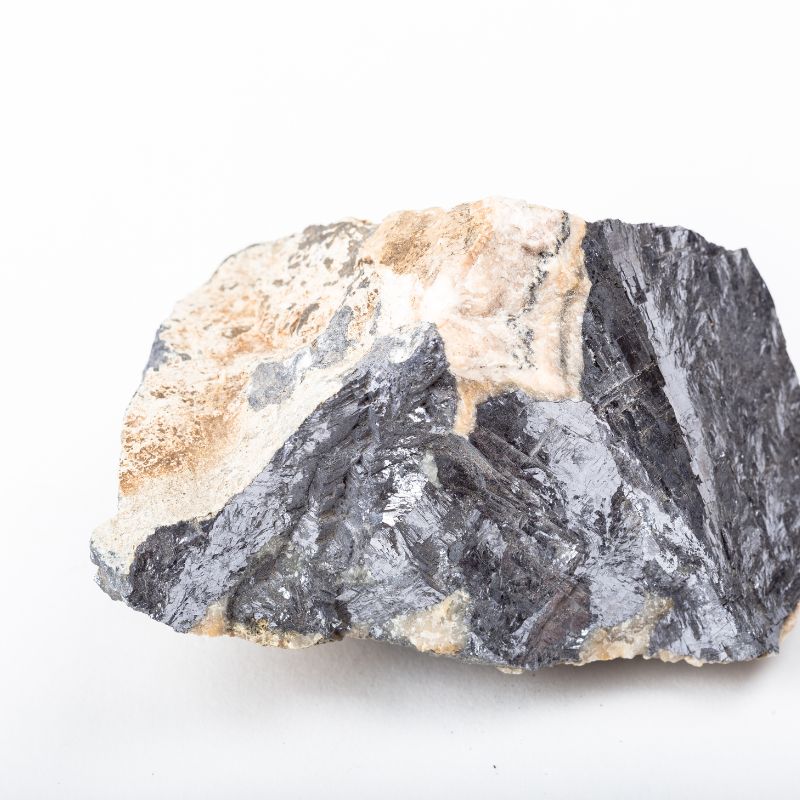
Arsenic and Uranium
Source: Both contaminants occur naturally through leaching from rocks, soil, and geological deposits throughout Arizona’s desert environment; present in both surface water supplies and groundwater aquifers
Health Effects: Arsenic is a known human carcinogen linked to skin, bladder, lung, kidney, and prostate cancers, as well as cardiovascular disease and developmental effects with chronic exposure. Uranium at elevated levels is associated with kidney damage and increased cancer risk; the EPA’s MCLG is 0 ppb
2023 Levels: Arsenic max 7.7 ppb (avg 3.7 ppb; MCL 10 ppb; MCLG 0 ppb). Uranium max 14 ppb (avg 4.5 ppb; MCL 30 ppb; MCLG 0 ppb). Both within legal limits
Mitigation: Three dedicated arsenic treatment facilities for groundwater; strategic source blending to reduce finished water concentrations. NSF/ANSI 58-certified reverse osmosis removes both arsenic and uranium effectively. See our filter recommendations for suitable systems
Chromium and Disinfection Byproducts
Source: Total chromium from natural geological leaching throughout the watershed. Disinfection byproducts (TTHMs and haloacetic acids) formed when chlorine reacts with naturally occurring organic matter during water treatment
Health Effects: Long-term chromium-6 exposure above health benchmarks is associated with increased stomach cancer risk. TTHM and HAA exposure above MCLGs over many years is linked to bladder cancer and liver/kidney/central nervous system problems
2023 Levels: Total chromium max 31.7 ppb (avg 5.9 ppb; MCL 100 ppb). TTHM highest LRAA 55.5 ppb (max 58.7 ppb; MCL 80 ppb). Haloacetic acids highest LRAA 10.6 ppb (max 14 ppb; MCL 60 ppb). All within compliance
Regulatory Update: No specific federal MCL for chromium-6 exists as of 2026 — California has a state MCL of 10 ppb. EPA continues to evaluate hexavalent chromium regulation. For DBPs, Scottsdale uses granular activated carbon treatment to minimise formation. Reverse osmosis and activated carbon filters both reduce DBP exposure. See our water alert news for the latest regulatory updates
Please read – our information
The information presented on cleanairandwater.net is compiled from official water quality reports, trusted news sources, government websites, and public health resources. While we strive for accuracy and thoroughness in our presentations, we are not scientists, engineers, or qualified water quality professionals.
Our mission is to present water quality information in an accessible, real-world format that helps people understand what’s in their water and make informed decisions about their health and safety. We believe that complex environmental information should be available to everyone in a format that’s easy to understand.
We make every effort to ensure our content is current and accurate, but we cannot guarantee that all information is complete or error-free. This website should not replace official communications from your local water utility or health department. We always recommend consulting official sources for the most up-to-date information regarding your specific water system.
Clean Air and Water is not liable for any unintentional errors, omissions, or outdated information. The content on this site is provided for informational purposes only and should not be considered professional advice.