Delaware Water Quality at a Glance
some concerns
Is Delaware Water Safe to Drink?
Generally Yes — Delaware has relatively good water quality, with only 6% of public water systems containing detectable PFAS (well below national averages). However, around 200,000 residents rely on unregulated private wells, and areas near New Castle Air National Guard Base carry elevated PFAS exposure from historical firefighting foam use. Disinfection byproducts and chromium-6 have been detected in major cities including Wilmington and Dover. See our water filter guide for certified filtration options.
⚠️ Key Concerns for Delaware Residents
- Private Wells: Approximately 200,000 people (one-fifth of the population) rely on unregulated private wells that may contain PFAS and other contaminants
- Military Base Impact: New Castle Air National Guard Base area has elevated PFAS from historical firefighting foam use — nearby residents have shown blood PFAS levels up to 9.8× higher than national averages
- Surface Water Contamination: Red Clay Creek (a drinking water source for the Stanton area) has recorded PFAS up to 135 parts per trillion
- Disinfection Byproducts: Haloacetic acids and trihalomethanes detected in Wilmington and Dover, increasing long-term cancer risk
- Chromium-6: Cancer-causing hexavalent chromium detected in major Delaware cities
Read the full report below for detailed analysis, city-specific data, and actionable recommendations for Delaware residents.
Delaware – The First State – Water Quality Report 2026: PFAS Testing, Infrastructure Concerns & Safety Across Your State
Delaware’s water infrastructure serves approximately 1 million residents across three counties, from Wilmington’s urban center to the rural communities of Kent and Sussex. The state’s water network includes major utilities such as Artesian Water Company — serving around 300,000 customers across all three counties — and smaller systems like New Castle Municipal Services Commission. Primary water sources include the Delaware River, Brandywine Creek, and the Columbia aquifer, which supplies groundwater to over 90% of the state’s population. Delaware sits within the Mid-Atlantic region, sharing watershed pressures with neighbouring Maryland, New Jersey, and Pennsylvania.
Despite its small geographic footprint, Delaware faces meaningful water quality challenges — particularly PFAS contamination around military installations and aging distribution infrastructure. The state has taken a proactive stance on PFAS monitoring and transparency: comprehensive testing of 3,172 samples between 2023 and 2025 found only 6% containing detectable PFAS, with 2.5% exceeding health advisory levels, results significantly better than national averages. Federal infrastructure investment through the Bipartisan Infrastructure Law continues to fund drinking water safety improvements, PFAS treatment upgrades, and emerging contaminant removal. Oversight is led by the Delaware Department of Natural Resources and Environmental Control (DNREC) and the Division of Public Health (DPH). Check our live U.S. boil water tracker for any active advisories affecting Delaware communities.
Advertisement — Report continues below
Great water report.
Here’s how to make it perfect.
Your water quality report shows strong results — and that’s genuinely good news. But even treated municipal water picks up residual chlorine, microplastics, and sediment between the treatment plant and your tap. A filter takes great water and makes it flawless.
✅ Improves taste, smell & clarity — removes residual chlorine and sediment that reach your glass after treatment
✅ NSF/ANSI 42, 58 & 372 certified — independently tested, not just manufacturer claims
✅ Installs in 30 minutes, no plumber — fills a glass in 8 seconds, smart LED filter monitor
Renting or can’t drill? The Waterdrop K19 Countertop RO — plug in, fill the tank, done. No installation, no drilling, no plumber.
Advertisement — this page contains affiliate links. If you buy through these links, we may earn a commission at no extra cost to you.

Delaware Water Quality: Current Status (2025–2026)
Statewide Compliance and Testing
- Overall Compliance: The majority of Delaware’s public water systems continue to meet federal Safe Drinking Water Act standards. Testing of 3,172 samples between 2023 and 2025 showed only 6% containing detectable PFAS, with 2.5% exceeding health-protective levels — significantly better than national benchmarks. Read our broader U.S. water quality overview for context.
- PFAS Monitoring Leadership: Delaware has emerged as a national leader in PFAS testing and transparency, conducting comprehensive surface water monitoring across 33 watersheds and implementing proactive groundwater assessments through USGS collaboration. Results show PFAS detected in 16 of 30 wells tested from the Columbia aquifer system.
- Private Well Concerns: Approximately 200,000 Delaware residents — one-fifth of the population — rely on private wells that are not regulated under federal standards. Individual testing and potential treatment for PFAS and other contaminants remain the responsibility of the well owner. Our filtration guide covers certified options for private well users.
Major Water Sources and Challenges
- Delaware River System: Primary source for northern Delaware including Wilmington, with ongoing federal efforts to address legacy industrial contamination and emerging contaminants while protecting dissolved oxygen standards for endangered species.
- Red Clay Creek Watershed: Serves the Stanton area through Veolia Delaware’s treatment plant. PFAS levels up to 135 parts per trillion were previously recorded in the creek; Veolia’s advanced filtration system came online in 2025 and is now operational, improving treated water quality for this service area.
- Columbia Aquifer System: Supplies groundwater to over 90% of Delaware residents. USGS studies detected PFAS in 16 of 30 tested wells, generally at low concentrations, with ongoing monitoring and treatment planning underway at the utility level.
Emerging Contaminant Response
- PFAS Regulation Implementation: New EPA drinking water standards for PFOA and PFOS (4 parts per trillion) take effect in 2029. Delaware water systems including Artesian Water and New Castle Municipal Services Commission have already installed or are actively upgrading treatment to meet this threshold ahead of the deadline.
- Treatment Technology Deployment: Water utilities including Veolia Delaware and the City of Newark have implemented advanced treatment technologies — including activated carbon filtration and reverse osmosis — with Veolia’s Stanton plant now operational as of 2025.
- Military Installation Impact: New Castle Air National Guard Base remains the state’s primary PFAS contamination hotspot due to historical firefighting foam use. Residents near the base have shown blood PFAS levels up to 9.8 times higher than national averages according to CDC studies, and remediation work continues in 2026.
Rural and Disadvantaged Communities
- Private Well Initiative: Delaware’s state programmes specifically target the estimated 200,000 residents relying on private wells, providing education, testing resources, and treatment guidance. These wells remain outside federal regulation, placing full responsibility on individual owners.
- Federal Infrastructure Support: Continued Bipartisan Infrastructure Law funding is being applied to water infrastructure improvements across the state, with priority given to disadvantaged communities and systems requiring PFAS treatment upgrades ahead of the 2029 compliance deadline.
- Environmental Justice Focus: Priority is given to communities near military installations and regions with aging infrastructure. Programmes to connect households to central water and sewer services continue in 2026, targeting the most vulnerable areas in Kent and Sussex counties.
Looking Forward: 2026–2030
Delaware’s water quality landscape continues to evolve as utilities prepare for the 2029 federal PFAS compliance deadline. The state’s proactive monitoring, combined with ongoing federal investment and private well outreach, places Delaware in a stronger position than many states for tackling 21st-century water challenges. However, full implementation will require sustained collaboration between DNREC, water utilities, and communities — ensuring that all Delawareans, including the 200,000 on private wells and those near military contamination sources, have access to safe, affordable drinking water. For the latest active advisories, visit our live boil water tracker.
Recommendations for Delaware Residents
Know Your Water Source
Contact your water utility to request your annual Consumer Confidence Report and ask specifically about PFAS testing results. If you’re among the 200,000 Delaware residents on private wells, arrange independent testing for PFAS and other contaminants. Visit DNREC’s website to access local system data and understand any contaminants of concern in your area. You can also check our U.S. water quality resource for guidance on interpreting your results.
Support Infrastructure Investment
Stay informed about local water infrastructure plans and support utility rate structures that enable the upgrades needed to meet 2029 PFAS standards. Participate in public comment periods for State Revolving Fund projects and clean water infrastructure planning. Follow water quality news to stay up to date on Delaware-specific regulatory developments.
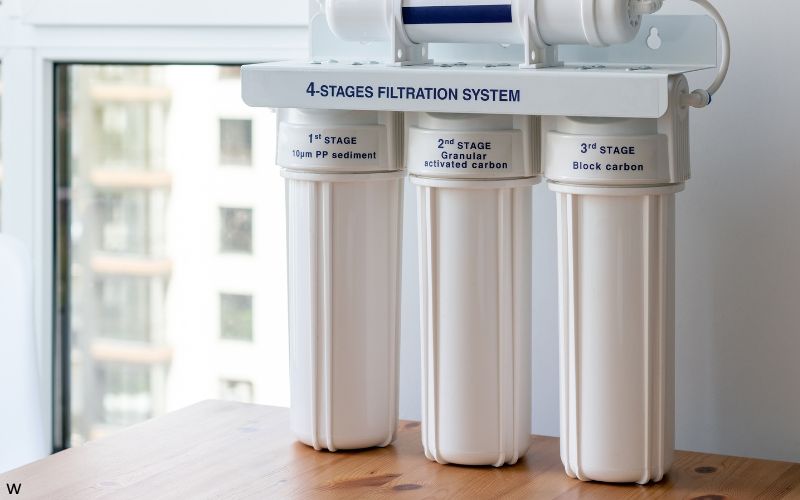
Consider PFAS-Certified Filtration
For areas with known PFAS contamination — particularly near New Castle Air National Guard Base — or for private well users, NSF-certified activated carbon or reverse osmosis filters are the most effective protection. These provide reliable coverage while utilities continue their treatment upgrades toward the 2029 compliance deadline. See our full water filter recommendations for certified options tested against PFAS.

Report Water Quality Concerns
Contact your local water utility immediately for any taste, odour, or colour concerns. Report suspected contamination to DNREC’s Division of Waste and Hazardous Substances at (302) 395-2600 for investigation and follow-up. Private well owners should contact a certified laboratory for testing. You can also monitor active advisories via our live U.S. boil water tracker.
Practice Water Conservation
Support Delaware’s long-term water sustainability by reducing demand and protecting source water quality. Lower consumption helps utilities maintain system reliability, manage treatment costs, and reduce pressure on the Columbia aquifer system that serves over 90% of the state. Conservation also directly benefits neighbouring states that share the Delaware River Basin watershed.
Delaware Cities We Cover
Wilmington Water Quality
Comprehensive analysis of water quality in Delaware’s largest city, including Artesian Water Company service areas, Brandywine Creek source water protection, treatment processes, infrastructure modernisation, and compliance with new PFAS regulations. Includes disinfection byproduct monitoring and chromium-6 detection data for 2025–2026.
Frequently Asked Questions
Is Delaware’s tap water safe to drink?
Most of Delaware’s public water systems meet federal drinking water standards and are safe for consumption. Testing of 3,172 samples between 2023 and 2025 showed that 94% contained no detectable PFAS, with only 2.5% exceeding health advisory levels.
Delaware has been proactive on PFAS monitoring and transparency, with comprehensive testing across watersheds and water systems. Major utilities like Artesian Water have already installed PFAS treatment, and Veolia Delaware’s Stanton plant began operating its advanced filtration system in 2025. Residents near New Castle Air National Guard Base may face elevated exposure, and the estimated 200,000 residents on private wells should arrange independent testing. Overall, Delaware’s water quality compares favourably to national averages — but all residents should review their utility’s annual Consumer Confidence Report and monitor DNREC updates. See our water quality guide or filter recommendations for next steps.
What are PFAS chemicals and why are they a concern in Delaware?
PFAS (per- and polyfluoroalkyl substances) are synthetic “forever chemicals” that don’t break down in the environment or the human body, accumulating over time with potential long-term health effects.
In Delaware, PFAS contamination is primarily linked to New Castle Air National Guard Base, where decades of firefighting foam use led to groundwater contamination in nearby wells. CDC studies found residents in this area have blood PFAS levels up to 9.8 times higher than national averages. USGS studies detected PFAS in 16 of 30 wells sampled from the Columbia aquifer, generally at low concentrations. Red Clay Creek — a drinking water source for the Stanton area — previously showed PFAS up to 135 parts per trillion; Veolia’s treatment upgrade now in operation is addressing this. The EPA’s drinking water standards limit PFOA and PFOS to 4 parts per trillion, with utilities required to comply by 2029. For filter options proven to remove PFAS, see our filtration guide.
How can I find out about my local water quality?
Delaware residents can access water quality information through several resources:
• Annual Water Quality Reports: Contact your water utility directly for their Consumer Confidence Report, which details all testing results including recent PFAS monitoring data
• DNREC Online Resources: Visit DNREC’s website to access testing results, surface water assessments, and compliance information for your local water system
• Private Well Testing: If you’re among the 200,000 Delaware residents on private wells, contact a certified laboratory for PFAS and broader contaminant testing — these wells are not federally regulated
• Live Boil Water Tracker: Check our U.S. boil water advisory tracker for any active emergency notices affecting Delaware communities
• Water Filter Guidance: Our filter solutions page helps you find NSF-certified options matched to Delaware’s specific contaminants of concern
What is Delaware doing to address water infrastructure challenges?
Delaware is taking comprehensive action to modernise water infrastructure and address emerging contaminants ahead of the 2029 federal PFAS compliance deadline:
Federal Investment: Continued Bipartisan Infrastructure Law funding supports drinking water, wastewater, and PFAS treatment improvements, helping utilities prepare for 2029 EPA compliance requirements
Utility Upgrades: Artesian Water (300,000 customers) and New Castle Municipal Services Commission have already installed PFAS treatment systems. Veolia Delaware’s Stanton plant began operating its advanced filtration system in 2025, now serving the Red Clay Creek supply area
Proactive Monitoring: Comprehensive PFAS testing across 33 watersheds and groundwater systems, with transparent public reporting and strategic remediation planning — particularly targeting military contamination sources at New Castle Air National Guard Base
Private Well Support: Ongoing programmes assist the 200,000 residents on private wells with testing resources and treatment guidance. The state also prioritises environmental justice communities and implements financing mechanisms to ensure equitable access to safe drinking water. Track any emerging advisories via our boil water tracker.
Contaminants of Concern
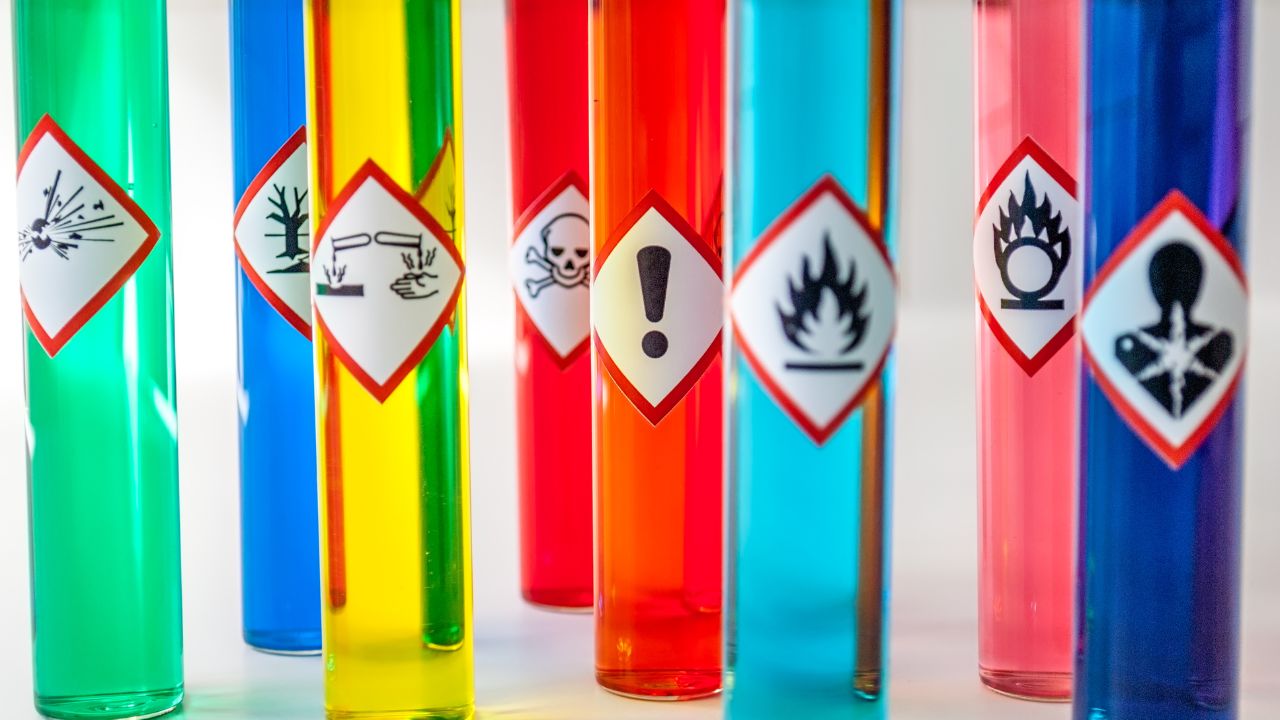
PFAS “Forever Chemicals”
Source: New Castle Air National Guard Base firefighting foam use (primary source), industrial facilities, consumer products, and wastewater treatment discharge. Red Clay Creek contamination historically served as a PFAS pathway into the Stanton area’s drinking water supply.
Health Effects: Linked to kidney and testicular cancer, liver damage, immune system suppression, elevated cholesterol, and developmental effects in children. CDC studies show residents near the military base have blood PFAS levels up to 9.8× higher than national averages.
Current Status (2026): Only 6% of Delaware’s 3,172 tested water samples contain detectable PFAS (2.5% above health advisory levels). USGS found PFAS in 16 of 30 groundwater wells tested. Veolia Delaware’s Stanton treatment plant is now operational. EPA Limit: 4 ppt for PFOA and PFOS individually; utilities must comply by 2029. See our filter guide for NSF-certified PFAS removal options.
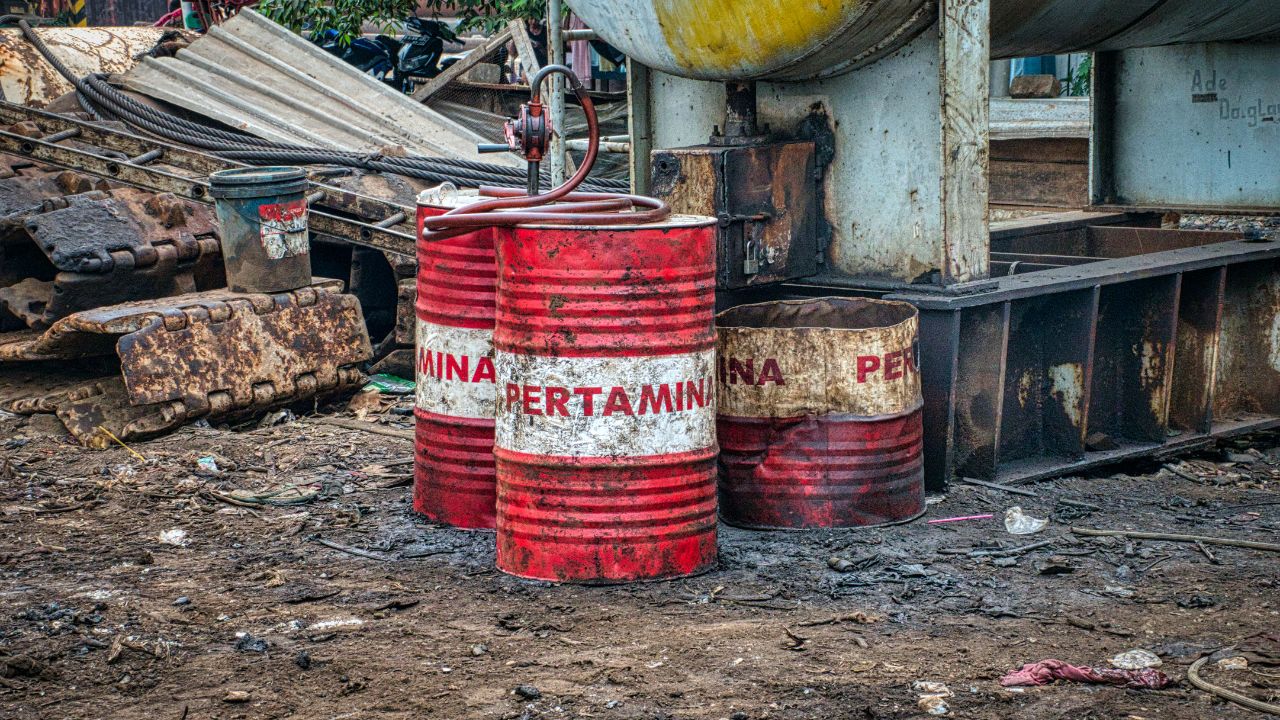
Disinfection Byproducts
Source: Formed when chlorine disinfectants react with naturally occurring organic matter during the treatment process. Present in all chlorinated water systems including Wilmington and Dover utilities.
Health Effects: Trihalomethanes and haloacetic acids are linked to increased cancer risk, liver and kidney damage, and potential pregnancy complications including low birth weight.
Current Status (2026): Detected in Delaware water systems at varying levels. Third-party testing has found some utilities exceeding health guidelines for specific disinfection byproducts including dibromoacetic acid and bromodichloromethane. Activated carbon filtration can significantly reduce these compounds — see our filtration guide.
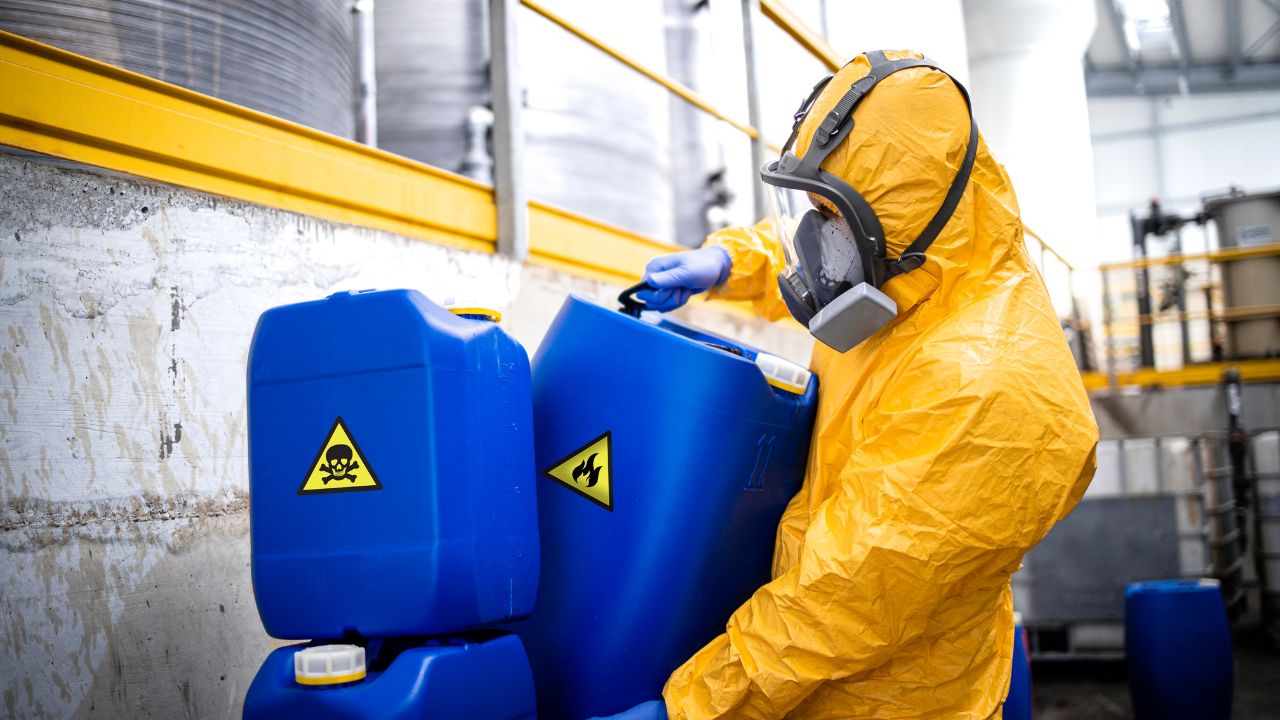
Chromium-6 (Hexavalent Chromium)
Source: Industrial pollution, natural occurrence in mineral deposits, groundwater sources, and legacy contamination from manufacturing activities in Delaware’s industrial areas.
Health Effects: Classified as a human carcinogen linked to stomach cancer. The 2008 National Toxicology Program study confirmed carcinogenic effects in laboratory animals, and California — along with other states — has adopted maximum contaminant levels below the federal standard.
Current Status (2026): Detected in Wilmington and Dover water systems. Third-party testing has found levels exceeding health guidelines in some Delaware utilities, requiring ongoing monitoring and potential treatment upgrades. Reverse osmosis systems certified for chromium-6 removal are available — see our water filter recommendations.
Please read – our information
The information presented on cleanairandwater.net is compiled from official water quality reports, trusted news sources, government websites, and public health resources. While we strive for accuracy and thoroughness in our presentations, we are not scientists, engineers, or qualified water quality professionals.
Our mission is to present water quality information in an accessible, real-world format that helps people understand what’s in their water and make informed decisions about their health and safety. We believe that complex environmental information should be available to everyone in a format that’s easy to understand.
We make every effort to ensure our content is current and accurate, but we cannot guarantee that all information is complete or error-free. This website should not replace official communications from your local water utility or health department. We always recommend consulting official sources for the most up-to-date information regarding your specific water system.
Clean Air and Water is not liable for any unintentional errors, omissions, or outdated information. The content on this site is provided for informational purposes only and should not be considered professional advice.