Wilmington Water Quality at a Glance
Is Wilmington Water Safe to Drink?
Federally Compliant with Significant Concerns — Wilmington’s 2024 Water Quality Report confirms the water continues to meet all EPA and state drinking water standards. However, PFOA is detected at 7.05 ppt (above the new 4 ppt EPA limit), and 15 contaminants exceed EWG health guidelines, including disinfection byproducts and chromium-6. The Brandywine Creek source water carries the highest susceptibility rating for contamination from pathogens and metals. Wilmington has secured nearly $80 million in Bipartisan Infrastructure Law funding and an additional $2 million PFAS grant in January 2026 to fund treatment upgrades, but full PFAS compliance is not required until 2031. Home filtration is recommended for sensitive residents. See our water filter guide for options, or check the live boil water notices tracker for any active alerts.
⚠️ Key Concerns for Wilmington Residents
- PFAS “Forever Chemicals”: PFOA detected at 7.05 ppt, exceeding the new EPA limit of 4 ppt (compliance deadline: 2031); multiple other PFAS compounds found including PFBA (7.30 ppt) and PFPeA (11.7 ppt)
- Disinfection Byproducts: Bromodichloromethane at 165x above EWG health guideline; bromochloroacetic acid at 182x — cancer-risk chemicals formed during chlorine treatment
- Source Water Vulnerability: Brandywine Creek rated highest contamination susceptibility; 72 identified pollution sources in Pennsylvania watershed; six Delaware watersheds prioritised for PFAS mitigation
- Lead Service Lines: Service Line Inventory Map launched October 2024; nearly 1,000 lines replaced so far — check WilmingtonDEWater.gov to see your property’s status
Read the full report below for detailed analysis, city-specific data, and actionable recommendations for Wilmington residents.
advertisment – report continues below
Your water passed the test.
Legal isn’t the same as safe.
Regulated contaminants like PFAS, chromium-6, and disinfection byproducts can sit inside the legal limit and still carry long-term health risks. Passing isn’t the same as clean.
✅ Removes PFAS, lead & chromium-6 — the contaminants most flagged even in passing city reports
✅ NSF/ANSI 42, 58 & 372 certified — independently tested, not just manufacturer claims
✅ Installs in 30 minutes, no plumber — fills a glass in 8 seconds, smart LED filter monitor
Renting or can’t drill? The Waterdrop K19 Countertop RO — plug in, fill the tank, done. No installation, no drilling, no plumber.
Advertisement — this page contains affiliate links. If you buy through these links, we may earn a commission at no extra cost to you.

Wilmington, Delaware — Water Quality Report 2026: PFAS Testing, Infrastructure Upgrades & Safety for Residents
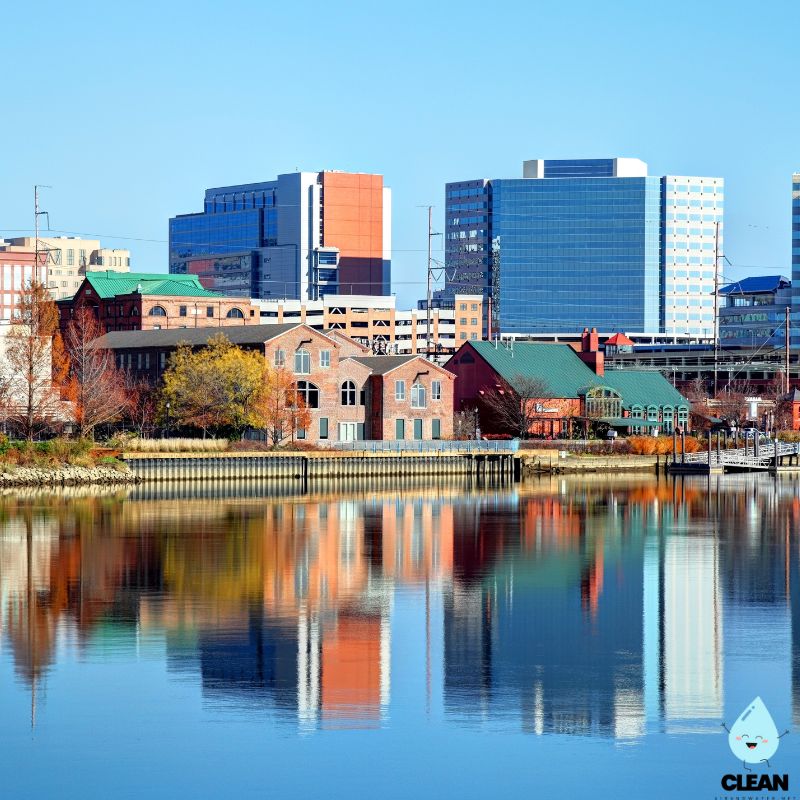
Wilmington Water provides comprehensive water and wastewater services to approximately 107,976 residents across the City of Wilmington and surrounding areas in northern New Castle County, Delaware. Dating back to the 1800s, this municipal utility serves approximately 39,000 customer accounts through extensive infrastructure including water distribution lines, treatment facilities, and pumping stations. Wilmington sources its drinking water primarily from the Brandywine Creek, which has been determined to have the highest susceptibility to contamination from pathogens and metals among Delaware’s source waters.
While Wilmington’s 2024 Water Quality Report (published spring 2025) confirms the water meets all federal and state standards, the utility faces ongoing challenges with PFAS — with PFOA detected at 7.05 ppt, above the new 4 ppt EPA MCL — plus disinfection byproducts and the ongoing lead service line replacement programme. Wilmington has received nearly $80 million in Bipartisan Infrastructure Law funding, including a further $2 million PFAS-specific grant announced in January 2026, to fund treatment upgrades and reduce the financial burden on ratepayers. The EPA compliance deadline for PFAS MCLs is April 2031. Residents seeking broader Delaware water quality context can explore our statewide overview, or check nearby cities including Newark. For national context on boil water events, see our live U.S. boil water notices tracker.
Wilmington Water Quality: Current Status (2025–2026)
Latest Testing Results (2024 Consumer Confidence Report)
- PFAS Detection: PFOA detected at 7.05 ppt, exceeding the new EPA MCL of 4 ppt; multiple PFAS compounds found including PFBA (7.30 ppt), PFHxA (9.49 ppt), and PFPeA (11.7 ppt). Testing was completed under EPA’s UCMR 5 monitoring programme for 29 PFAS compounds.
- Disinfection Byproducts: Bromodichloromethane detected at 165x above EWG’s health guideline (9.87 ppb vs 0.06 ppb guideline); bromochloroacetic acid at 182x above guideline (3.63 ppb vs 0.02 ppb). Total trihalomethanes at 38.1 ppb; haloacetic acids at 43.0 ppb — both legally compliant but above health guidelines.
- Compliance Status: For the latest quarter assessed by the EPA (April–June 2024), Wilmington’s water was in compliance with all federal health-based drinking water standards. Fifteen contaminants exceed EWG health guidelines. Legal limits have not been updated in nearly 20 years.
Water Sources
- Brandywine Creek: Primary source, rated the highest susceptibility to contamination from pathogens, metals, nutrients, and petroleum hydrocarbons. The watershed spans portions of three Pennsylvania counties with over 72 identified pollution sources — principally wastewater and stormwater discharges.
- Regional PFAS Contamination: DNREC’s 2024 statewide surface water study confirmed widespread PFAS across Delaware’s 33 watersheds. Six priority watersheds — including Shellpot Creek in the Wilmington area — have been selected for further investigation and mitigation. Red Clay Creek shows PFAS levels as high as 135 ppt.
- Watershed Challenges: The Brandywine Creek watershed faces ongoing contamination from industrial discharges, stormwater runoff, agricultural activity, and underground storage tanks across its multi-state drainage area. In April 2025 the Delaware River Basin Commission published Enhanced Monitoring for Toxics and Emerging Contaminants in Delaware Estuary Tributaries, confirming elevated PCBs, dioxins, and PFAS in Christina River surface water near Wilmington.
Treatment Technology & Funding
- Current Treatment: Water treatment at the Brandywine Filter Plant and Porter Filter Plant uses conventional processes including chlorination and coagulation. Chlorination effectively removes microbial contaminants but creates trihalomethane and haloacetic acid disinfection byproducts.
- PFAS Treatment Investment: Wilmington has secured nearly $80 million in total Bipartisan Infrastructure Law funding for infrastructure and treatment upgrades. A further $2 million PFAS-specific grant was announced in January 2026 via the EPA’s Emerging Contaminants in Small or Disadvantaged Communities programme. The earlier $7 million State Revolving Fund award included $4.1 million in principal forgiveness.
- Compliance Timeline: Water systems must meet EPA’s 4 ppt MCL for PFOA and PFOS by April 2031 (compliance deadline extended from the originally proposed 2029 date). Monitoring under UCMR 5 for 29 PFAS compounds is complete; results inform the treatment upgrade programme.
Infrastructure Concerns
- Lead Service Line Replacement: The Service Line Inventory Map was released in October 2024, developed in partnership with the University of Delaware Water Resources Center following review of over 70,000 work orders dating to 1916. The programme has checked 100 city blocks, identified lines for 1,700 properties, and replaced nearly 1,000 with approximately 2.6 miles of copper pipe. In 2025, Wilmington received $10 million (100% forgiveness) via the State Revolving Fund for lead service line replacement.
- Triennial Lead Testing (2026): As Wilmington has complied with the Lead and Copper Rule for a sustained period, it now tests every three years rather than annually. A systemwide triennial sampling of 50 locations is planned for summer 2026. Residents can sign up to participate at WilmingtonDEWater.gov.
- Ongoing System Modernisation: Over the last ten years, Wilmington has invested more than $200 million from various funding sources, including reinforcement of the Hoopes Reservoir, construction of a renewable energy facility at the Regional Wastewater Treatment Plant, and protection of the South Wilmington wetlands.
Customer Protection Initiatives
Wilmington Water published its 2024 Consumer Confidence Report in spring 2025, confirming the water meets or exceeds all EPA and state standards. The utility serves a predominantly disadvantaged community — over 70% of the city’s 25 census tracts are classified as disadvantaged and nearly 47% of residents meet the EPA’s low-income definition — which has qualified Wilmington for significant grant funding. A Pitcher/Filter Programme is available for residents concerned about lead exposure. Residents can access the Service Line Inventory Map, pay bills, and request free lead testing at WilmingtonDEWater.gov, or call the Water Quality Lab at (302) 571-4158. For broader U.S. water quality information and filter recommendations tailored to PFAS and DBPs, see our dedicated guides. Stay updated on any water safety events via our water alert news section.
Recommendations for Wilmington Residents
Check Your Service Lines
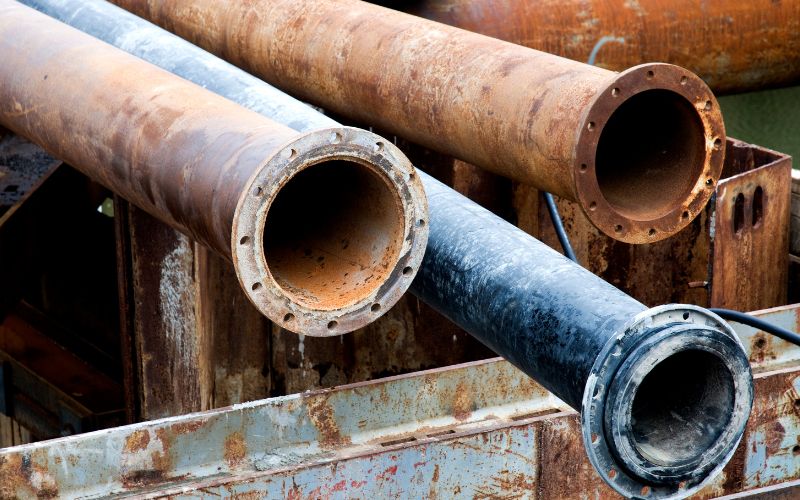
Check the Service Line Inventory Map at WilmingtonDEWater.gov — launched October 2024 — to see whether your property has lead or galvanized service lines. Free lead testing is available by calling the Water Quality Lab at (302) 571-4158 or emailing WaterQualityLab@wilmingtonde.gov. Homes built before 1988 are at highest risk of containing lead plumbing. A Pitcher/Filter Programme is also available for qualifying residents.
Conserve Water
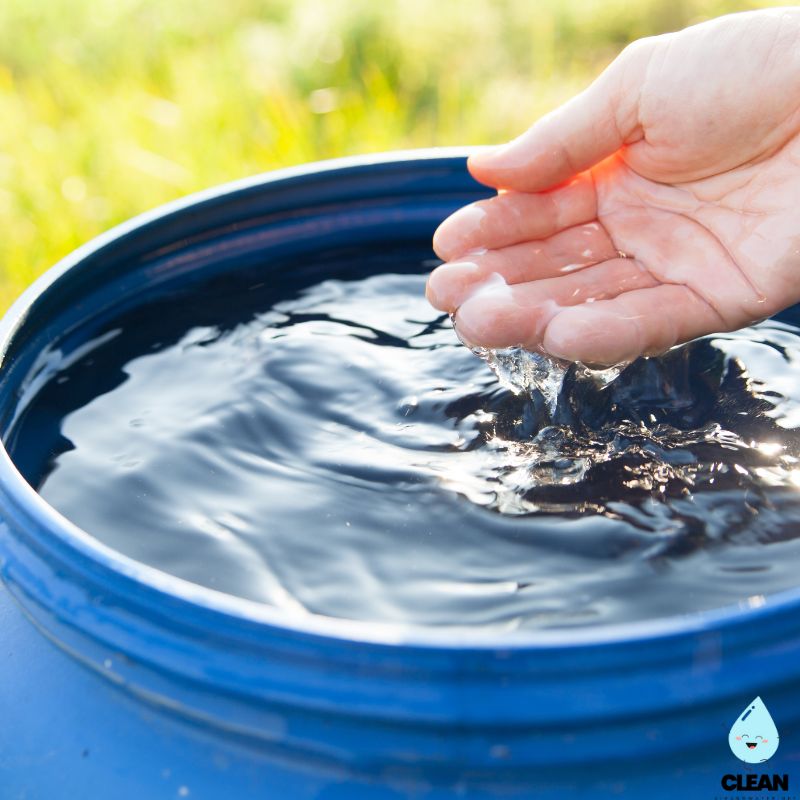
Take advantage of Wilmington’s conservation programmes and follow water-saving practices. Over the past decade, the city has invested more than $200 million in system improvements including Hoopes Reservoir reinforcement, a renewable energy facility at the Regional Wastewater Treatment Plant, and South Wilmington wetlands protection — all of which help protect long-term source water quality. Report any leaks promptly to 311 or (302) 576-2620.
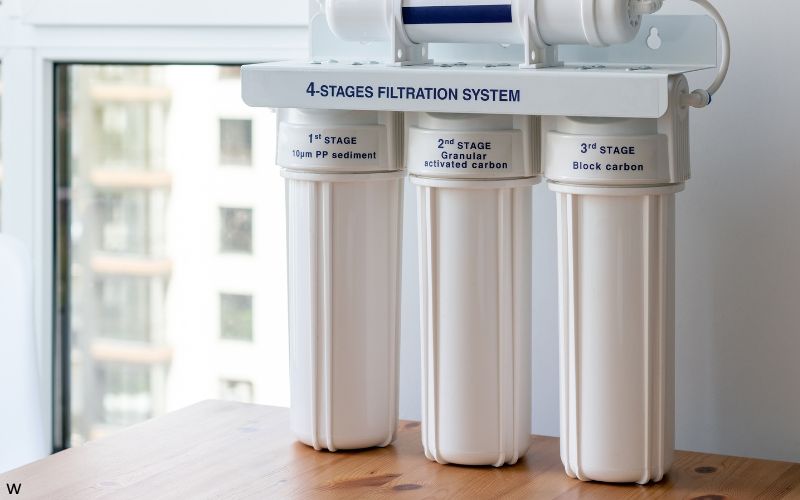
Consider Home Filtration
With PFOA above the EPA limit and 15 contaminants exceeding health guidelines, a reverse osmosis filter is the most effective choice for Wilmington households — removing PFAS, chlorine disinfection byproducts, and heavy metals. NSF-certified activated carbon filters are a lower-cost alternative for targeting disinfection byproducts and taste issues. Always check NSF certification before purchasing. *This page contains affiliate links — see our disclosure.

Manage Your Account Online
Visit WilmingtonDEWater.gov to pay bills, set up automatic payments, track water usage, and access the 2024 Water Quality Report. Sign up for triennial lead sampling participation if you’d like your home assessed in summer 2026. Monthly billing helps identify leaks faster and manage costs.

Report Issues
Contact Wilmington 311 or call (302) 576-2620 (outside city limits) for water emergencies, pressure problems, or quality concerns. After hours: (302) 654-5151. For water quality lab questions email WaterQualityLab@wilmingtonde.gov. Monitor our water alert news and boil water notices tracker for the latest advisories.
Frequently Asked Questions
Is Wilmington’s tap water safe to drink in 2026?
Wilmington’s tap water meets all federal and state drinking water standards as confirmed by the 2024 Consumer Confidence Report (published spring 2025). However, PFOA is detected at 7.05 ppt — above the new EPA MCL of 4 ppt — and 15 contaminants exceed health guidelines set by environmental health experts at EWG.
The water comes from Brandywine Creek, which carries the highest contamination susceptibility rating in Delaware. While treatment provides multiple barriers against microbial and regulated contaminants, PFAS and disinfection byproducts at levels above health guidelines mean a reverse osmosis or activated carbon filter is advisable for sensitive households — particularly those with pregnant women, infants, or immunocompromised individuals.
How much funding has Wilmington received for water improvements?
Wilmington has secured nearly $80 million in total from the Bipartisan Infrastructure Law over recent years. Key 2025 awards include:
1. $2 million PFAS grant (January 2026) via the EPA’s Emerging Contaminants in Small or Disadvantaged Communities programme
2. $10 million (100% forgiveness) for lead service line replacement via State Revolving Fund
3. $1.5 million (100% forgiveness) for PFAS removal via State Revolving Fund
4. $2.4 million PFAS grant from the Small and Disadvantaged Community Emerging Contaminants programme
Wilmington qualifies as a disadvantaged community — over 70% of its census tracts meet that classification — reducing the rate impact on the utility’s 39,000 customer accounts.
What is the status of lead service line replacement in Wilmington?
Wilmington launched its Service Line Inventory Map in October 2024, developed with the University of Delaware Water Resources Center after reviewing 70,000+ work orders dating back to 1916. Current progress:
• 100 city blocks checked so far across the service area
• 1,700 properties identified with lead or galvanized service lines
• Nearly 1,000 lines replaced with approximately 2.6 miles of copper pipe
• $10 million secured in 100% forgivable State Revolving Fund loans for replacement
Drinking water is lead-free when it leaves the treatment plants. Any lead exposure comes from service lines or internal building plumbing. Homes built before 1988 are at highest risk. Check your property at WilmingtonDEWater.gov or call (302) 571-4158 to request free testing. See our water quality checker for broader resources.
What is Wilmington doing about PFAS in 2026?
Wilmington is actively addressing PFAS contamination with significant grant and loan funding secured:
Current situation:
• PFOA detected at 7.05 ppt, exceeding the new EPA MCL of 4 ppt
• Multiple other PFAS compounds detected (PFBA, PFHxA, PFPeA)
• Current conventional treatment does not effectively remove PFAS
Action plan:
• Nearly $80 million in total Bipartisan Infrastructure Law funding secured
• Additional $2 million PFAS grant announced January 2026
• Full compliance with 4 ppt MCL for PFOA and PFOS required by April 2031
• UCMR 5 monitoring for 29 PFAS compounds completed; data informing treatment planning
In the interim, residents concerned about PFAS exposure should consider a certified reverse osmosis filter, which is the most effective home treatment for PFAS removal.
Quality News About Your Water
Get the comprehensive water quality news coverage you need with our dedicated US Water News Service. From coast to coast, we deliver in-depth reporting and expert analysis on PFAS contamination, EPA regulatory changes, infrastructure developments, and emerging water safety issues affecting communities nationwide. While mainstream media only covers the biggest stories, we provide the detailed, ongoing coverage that helps you understand the full scope of America’s water challenges.
What’s actually in your tap water? Enter your ZIP code for a full breakdown of contaminants detected in your local supply
Drinking water from a well? Check our directory here for more information
Contaminants of Concern
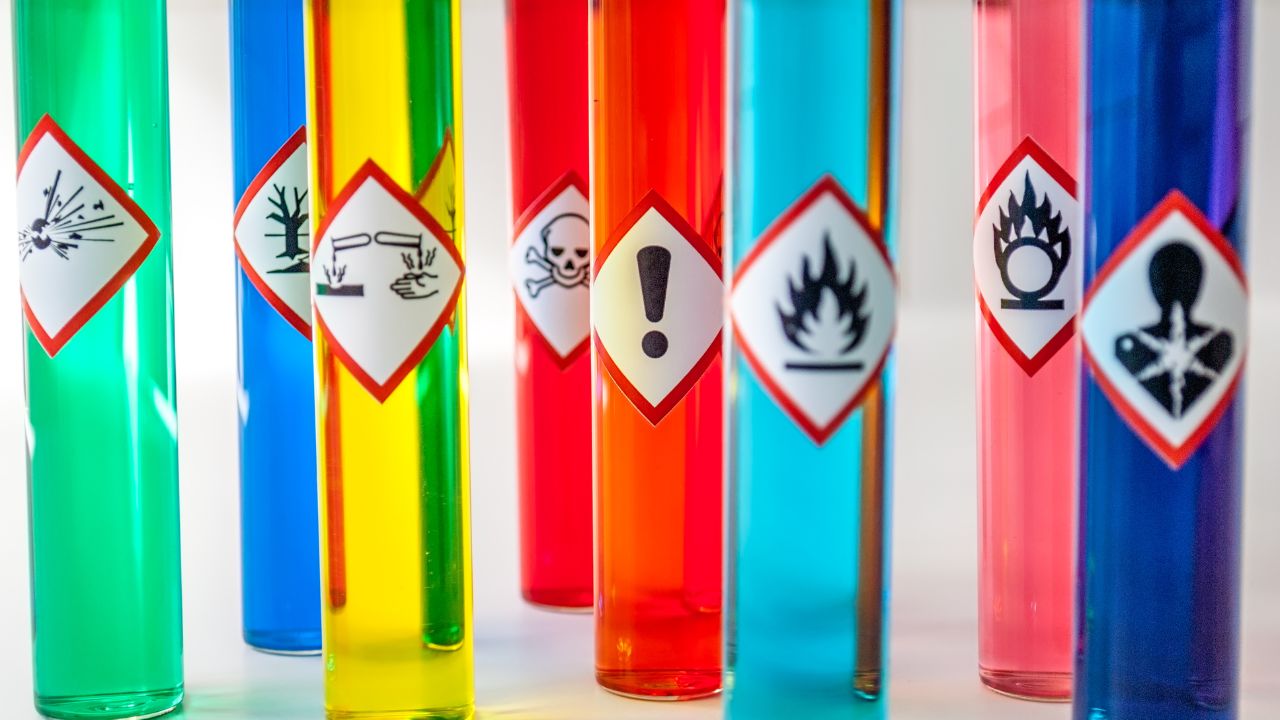
PFAS Compounds
Source: Per- and polyfluoroalkyl substances from industrial processes, firefighting foams, and consumer products entering source waters from upstream industrial activities and atmospheric deposition across the Brandywine watershed
Health Effects: Potential impacts on immune system, thyroid function, cholesterol levels, liver function, and possible links to certain cancers; endocrine disruption and developmental harm in children
Current Levels: PFOA at 7.05 ppt (above 4 ppt EPA MCL); PFBA at 7.30 ppt; PFHxA at 9.49 ppt; PFPeA at 11.7 ppt. EPA Compliance Deadline: April 2031. Best Filter: Reverse osmosis — most effective for PFAS removal.
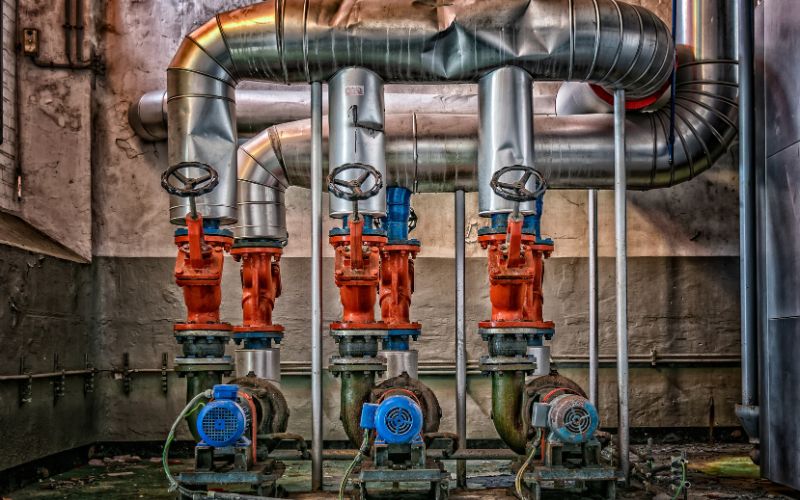
Disinfection Byproducts
Source: Cancer-risk chemicals formed when chlorine reacts with organic matter in source water during treatment — a particular challenge given Brandywine Creek’s high organic load
Health Effects: Trihalomethanes and haloacetic acids increase cancer risk and may cause problems during pregnancy; potential liver damage and reproductive issues with long-term exposure
Current Levels: Bromodichloromethane at 9.87 ppb (165x EWG guideline); bromochloroacetic acid at 3.63 ppb (182x EWG guideline); total trihalomethanes 38.1 ppb; haloacetic acids 43.0 ppb. Legal Status: Compliant with federal MCLs, exceeds health guidelines. Best Filter: Activated carbon or reverse osmosis.
Please read – our information
The information presented on cleanairandwater.net is compiled from official water quality reports, trusted news sources, government websites, and public health resources. While we strive for accuracy and thoroughness in our presentations, we are not scientists, engineers, or qualified water quality professionals.
Our mission is to present water quality information in an accessible, real-world format that helps people understand what’s in their water and make informed decisions about their health and safety. We believe that complex environmental information should be available to everyone in a format that’s easy to understand.
We make every effort to ensure our content is current and accurate, but we cannot guarantee that all information is complete or error-free. This website should not replace official communications from your local water utility or health department. We always recommend consulting official sources for the most up-to-date information regarding your specific water system.
Clean Air and Water is not liable for any unintentional errors, omissions, or outdated information. The content on this site is provided for informational purposes only and should not be considered professional advice.