Florida Water Quality at a Glance
Is Florida Water Safe to Drink?
Generally Yes, With Significant Caution — Most Florida water systems meet federal Safe Drinking Water Act standards, but the state faces widespread PFAS contamination affecting 8.9 million residents. PFOA and PFOS now exceed the EPA’s enforceable 4 ppt limit in 23 Florida counties, with compliance required by 2031. Miami area has some of the highest documented PFAS levels in the state, and University of Florida research found PFAS in 63% of spring vent samples statewide — critical since springs provide 90% of Florida’s drinking water.
⚠️ Key Concerns for Florida Residents in 2026
- PFAS “Forever Chemicals”: PFOA/PFOS exceed the 4 ppt EPA limit in 23 counties; over 8.9 million Floridians exposed. Compliance deadline extended to 2031.
- Spring Water Impact: 63% of spring vent samples contain PFAS — critical since springs provide 90% of Florida’s drinking water supply.
- Regulatory Rollback Risk: In May 2025, EPA announced its intent to rescind MCLs for four PFAS compounds (PFHxS, PFNA, GenX, Hazard Index), reducing the scope of enforceable protections.
- Infrastructure Investment: Florida’s FY 2025–26 budget includes $1.4 billion for Everglades restoration and water quality, plus $460 million in water restoration grants statewide.
Read the full report below for detailed analysis, city-specific data, and actionable recommendations for Florida residents.
Advertisement — Report continues below
Concerned About Your Water Quality? You’re Not Alone.
In some areas, water systems only just meet minimum standards — and that can still leave families exposed to contaminants like lead, PFAS, disinfection byproducts, and heavy metals.
If your city has faced repeated violations or boil notices, it’s worth adding extra protection at home. A high-capacity, certified system gives your family stronger safety and peace of mind every day.
Smart Solutions for Safer Drinking Water:
✅ Reduces tough contaminants including lead and PFAS
✅ Certified to NSF/ANSI standards
✅ Built for high daily family use
✅ Long-term investment in cleaner, healthier water
Disclaimer:
This advert contains affiliate links. If you buy through these links, we may earn a commission at no extra cost to you.

Florida — The Sunshine State — Water Quality Report 2026: PFAS Testing, Infrastructure Concerns & Safety Across Your State
Florida’s water infrastructure serves approximately 23 million residents and millions of visitors annually across diverse geographical regions, from the Panhandle in the north to the Everglades and Florida Keys in the south. The state operates through a complex network of over 5,800 public water systems, ranging from large municipal utilities like Miami-Dade Water and Sewer Department, which serves over 2.4 million customers, to smaller community systems providing essential services to coastal and rural areas. Florida’s water sources include the Floridan Aquifer system, numerous springs, rivers, lakes, and increasingly, alternative sources such as reclaimed water and desalination facilities along the coast.
Despite abundant groundwater resources and innovative water management, Florida faces mounting water quality challenges heading into 2026. PFAS “forever chemicals” now exceed the EPA’s enforceable 4 ppt limit for PFOA and PFOS in 23 Florida counties, with 8.9 million residents exposed. University of Florida research published in late 2024 documented PFAS in 63% of spring vent samples statewide — alarming given that springs provide 90% of the state’s drinking water. Florida’s FY 2025–26 budget commits $1.4 billion to Everglades restoration and water quality initiatives, and the Southwest Florida Water Management District has adopted a $256.2 million FY2026 budget leveraging approximately $217 million in cooperative funding for sustainable water supply and quality projects. Florida’s innovative approach to water management includes leading the nation in water reclamation and reuse, with 35% of all water supply projects utilising reclaimed water. Check our water alert news page for the latest Florida developments and our live boil water notices tracker for active alerts statewide.
Florida Water Quality: Current Status (2025–2026)
Statewide Compliance and Testing
- Overall Compliance: The majority of Florida’s 5,800+ public water systems meet federal Safe Drinking Water Act standards. However, PFOA and PFOS now exceed the EPA’s legally enforceable 4 ppt limit in 23 Florida counties, with water systems required to comply by 2031. EPA Region 4 currently directly regulates PFAS requirements for Florida drinking water systems while Florida DEP seeks primacy.
- PFAS Monitoring (2025–2026): All community water systems and non-transient non-community systems must conduct initial PFAS monitoring or obtain approval to use previously collected data by April 26, 2027. Surface water systems and groundwater systems serving more than 10,000 customers must sample quarterly. University of Florida tap water sampling across 400+ sites statewide continued in 2024–2025, building the most comprehensive PFAS dataset in state history.
- Infrastructure Investment: Florida’s FY 2025–26 state budget includes $1.4 billion for Everglades restoration and water quality and $460 million in water restoration grants. Governor DeSantis separately awarded $112 million in 2025 for water quality and supply projects, including $50 million for 14 alternative water supply projects and $50 million for 23 freshwater spring restoration projects. See our national water quality overview for federal context.
Major Water Sources and Challenges
- Floridan Aquifer System: Primary groundwater source for most of the state, providing some of the cleanest baseline water in the country but facing increasing pressure from PFAS contamination, saltwater intrusion in coastal areas, and growing demand from a population projected to reach 26.4 million by 2040.
- Surface Water and Springs: Over 1,000 freshwater springs provide approximately 90% of Florida’s drinking water. University of Florida research found PFAS in 63% of spring vent samples and 68% of spring run samples statewide, with the three most contaminated springs all within a 10-mile radius near Deltona. Seven spring sites exceed the EPA’s 4 ppt MCL.
- Spring Restoration Priority: The state awarded $50 million in 2025 to 23 spring restoration projects, collectively targeting a reduction of more than 100,000 pounds of total nitrogen per year through wastewater upgrades and land acquisition.
Emerging Contaminant Regulation — 2025–2026 Update
- PFAS MCLs in Force: EPA’s April 2024 PFAS drinking water rule established legally enforceable MCLs of 4 ppt for PFOA and PFOS individually. These limits are currently in force. Water systems must comply by 2031 following EPA’s May 2025 announcement extending the original 2029 deadline.
- Partial Rollback (May 2025): EPA announced its intent to rescind the MCLs for four additional PFAS — PFHxS, PFNA, HFPO-DA (GenX), and the Hazard Index mixture — and to reconsider the regulatory determinations for these compounds. PFOA and PFOS MCLs remain in force. Florida DEP has filed a primacy extension with EPA and is providing technical assistance to systems while EPA conducts formal enforcement.
- Tampa Bay Water Settlement: In July 2025, Tampa Bay Water received a $21.7 million settlement from PFAS manufacturers — part of a national agreement including billions from 3M and DuPont — to recover costs of sampling, testing, and treatment. Additional funds remain pending. Tampa Bay Water serves more than 2.6 million people across the region. See the full Tampa water quality report for details.
Water Management Innovation
- Reclaimed Water Leadership: Florida continues to lead the nation in water reclamation and reuse, with 35% of all water supply projects utilising reclaimed water for irrigation, groundwater recharge, and industrial uses.
- Five Water Management Districts: Regional approach to water resource management through Northwest Florida, Suwannee River, St. Johns River, Southwest Florida, and South Florida Water Management Districts. The Southwest Florida Water Management District’s FY2026 budget of $256.2 million includes $102.9 million for alternative water supply development.
- Alternative Water Sources: Continued investment in desalination, aquifer storage and recovery, and advanced water treatment to meet growing demand while protecting natural systems.
Looking Forward: 2026–2030
Florida’s water quality landscape faces a pivotal period in 2026. The state’s 5,800+ water systems are navigating new PFAS compliance requirements, with initial monitoring deadlines set for April 2027 and enforceable MCL compliance required by 2031. The partial rollback of PFAS regulations for four compounds in May 2025 creates ongoing uncertainty for communities already exposed to complex PFAS mixtures. Florida DEP continues investigating 38 confirmed PFAS-contaminated sites. The state’s landmark water investments — $1.4 billion for Everglades and water quality in the FY2025–26 budget — position Florida as a leader in proactive water stewardship, but PFAS contamination in springs, aquifers, and distribution systems will require sustained focus. Residents seeking water filter solutions should prioritise systems certified to NSF/ANSI 58 for PFAS removal.
Recommendations for Florida Residents

Know Your Water Source
Contact your water utility to request your annual Consumer Confidence Report and ask specifically about PFAS testing results. Visit the Florida Department of Environmental Protection’s database to access your local system’s testing data. Initial PFAS compliance monitoring for all systems must be completed by April 2027 — if your utility hasn’t reported results yet, ask when testing is scheduled. See our water alerts page for the latest Florida notices.
Support Water Conservation
Practice water conservation to help Florida manage long-term supply pressures. Support utility investments in reclaimed water systems, efficient irrigation, and drought-resistant landscaping. Florida’s FY2026 water management budgets are investing over $217 million in sustainable alternative water supply development — community engagement and conservation reduce demand on springs and aquifers under increasing stress.
Consider PFAS-Certified Filtration
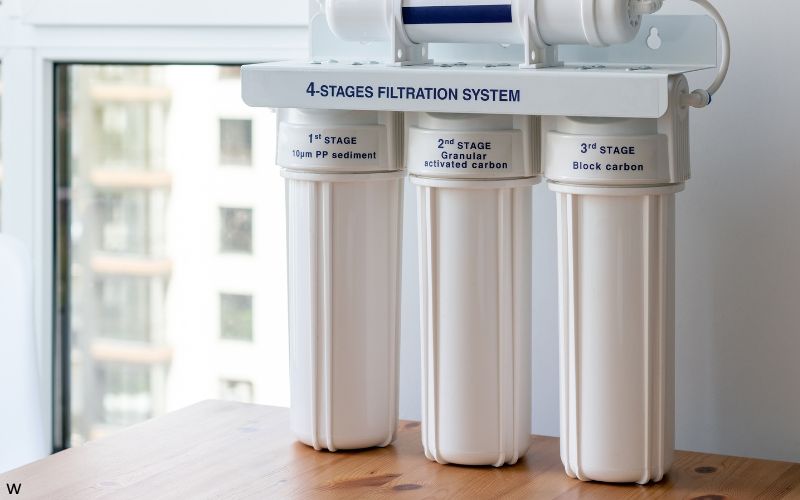
For areas with known PFAS contamination — especially South Florida and communities near military bases or airports — consider NSF/ANSI 58-certified reverse osmosis filters proven to remove PFAS. Activated carbon filters rated to NSF/ANSI 53 also reduce PFAS exposure. Utilities have until 2031 to comply with PFOA/PFOS MCLs, so home filtration provides meaningful protection in the interim. Browse our recommended water filter solutions for 2026.

Report Water Quality Concerns
Contact your local water utility immediately for taste, odour, or colour concerns. Report suspected contamination to the Florida Department of Environmental Protection or your local health department. In six counties — Hillsborough, Miami-Dade, Palm Beach, Polk, Sarasota, and Volusia — local health departments provide water system oversight. Check our live boil water notices tracker for active alerts in your area.
Stay Informed About Local Planning
Participate in your water management district’s planning processes and support regional water supply development. Florida’s five water management districts are investing over $217 million in FY2026 for sustainable water supply and quality. Stay updated on local utility rate structures and infrastructure improvement projects — and track developing PFAS regulation changes on our water alert news page.
Florida Cities We Cover
Hialeah Water Quality
Comprehensive analysis of Hialeah’s water infrastructure, treatment processes, and compliance with emerging contaminant regulations in Miami-Dade County’s water system.
Jacksonville Water Quality
Detailed assessment of JEA’s water systems, covering the largest city in Florida by area with comprehensive water quality testing and treatment infrastructure.
Miami Water Quality
In-depth analysis of Miami-Dade Water and Sewer Department, serving over 2.4 million customers with focus on PFAS contamination — including historically high detections — and saltwater intrusion challenges in South Florida.
Orlando Water Quality
Comprehensive evaluation of Orlando Utilities Commission water systems, covering Central Florida’s water quality, treatment technologies, and infrastructure modernisation — including the Deltona-area springs identified as Florida’s most PFAS-contaminated.
Tampa Water Quality
Detailed assessment of Tampa Bay Water systems, including the landmark $21.7 million PFAS manufacturer settlement secured in July 2025 and ongoing treatment upgrades serving more than 2.6 million people in the Tampa Bay region.
Frequently Asked Questions
Is Florida’s tap water safe to drink in 2026?
Most of Florida’s 5,800+ public water systems meet federal drinking water standards. However, PFOA and PFOS exceed the EPA’s legally enforceable 4 ppt limit in 23 Florida counties, with over 8.9 million residents affected.
The Florida Department of Environmental Protection and EPA Region 4 jointly oversee compliance. All water systems face an initial PFAS monitoring deadline of April 2027, and systems exceeding the MCL must comply by 2031. Florida’s FY2025–26 budget invests $1.4 billion in Everglades and water quality initiatives. Residents near military bases, airports, or in South Florida should be particularly vigilant — and consider certified home filtration while utilities work toward compliance. Check our boil water notices tracker for any active alerts in your area.
What are Florida’s main water quality challenges in 2026?
Florida faces three major interconnected water quality challenges: PFAS contamination across 23 counties, spring contamination threatening 90% of the state’s drinking water supply, and ongoing infrastructure modernisation needs.
University of Florida research found PFAS in 63% of spring vent samples statewide, with the three most contaminated springs all near Deltona. In May 2025, EPA rescinded MCLs for four PFAS compounds (PFHxS, PFNA, GenX, and the Hazard Index), reducing enforceable protections beyond PFOA and PFOS. Florida DEP is investigating 38 confirmed PFAS-contaminated sites. On the positive side, $112 million in state grants were awarded in 2025 for spring restoration and alternative water supply — and Tampa Bay Water secured a $21.7 million PFAS manufacturer settlement. Visit our water alert news page for the latest updates.
How can I find out about my local water quality in Florida?
Florida residents can access comprehensive water quality information through several routes:
• Annual Consumer Confidence Reports: Contact your water utility directly for their CCR, which details all testing results, violations, and contaminants detected
• Florida DEP Database: Visit the Florida Department of Environmental Protection’s online drinking water database for compliance data on your local system — especially PFAS initial monitoring results as they become available through 2027
• County Health Departments: In six counties (Hillsborough, Miami-Dade, Palm Beach, Polk, Sarasota, and Volusia), local health departments provide direct water system oversight
• Water Management Districts: Contact your regional district for water supply planning data and conservation programmes. Our water quality database also provides state and city level data.
What makes Florida’s water management unique?
Florida employs several innovative and nationally distinctive approaches to water management:
Five Regional Water Management Districts: Northwest Florida, Suwannee River, St. Johns River, Southwest Florida, and South Florida districts provide regionally-tailored water resource management with combined FY2026 budgets in the hundreds of millions
Water Reclamation Leadership: Florida leads the nation in water reuse, with 35% of all water supply projects utilising reclaimed water for irrigation, groundwater recharge, and industrial uses
Spring Restoration Programme: $50 million in state grants awarded in 2025 specifically for spring restoration — targeting over 100,000 lb/year nitrogen reduction — recognising springs as both drinking water sources and ecological treasures
Litigation Against Manufacturers: Florida utilities like Tampa Bay Water are holding PFAS manufacturers financially accountable, with $21.7 million recovered in 2025 from the national class action settlement. This integrated approach positions Florida as a model for sustainable water governance, though PFAS contamination in springs and aquifers remains the defining challenge of the coming decade. Compare with neighbouring states on our Georgia and Alabama water quality pages.
Contaminants of Concern
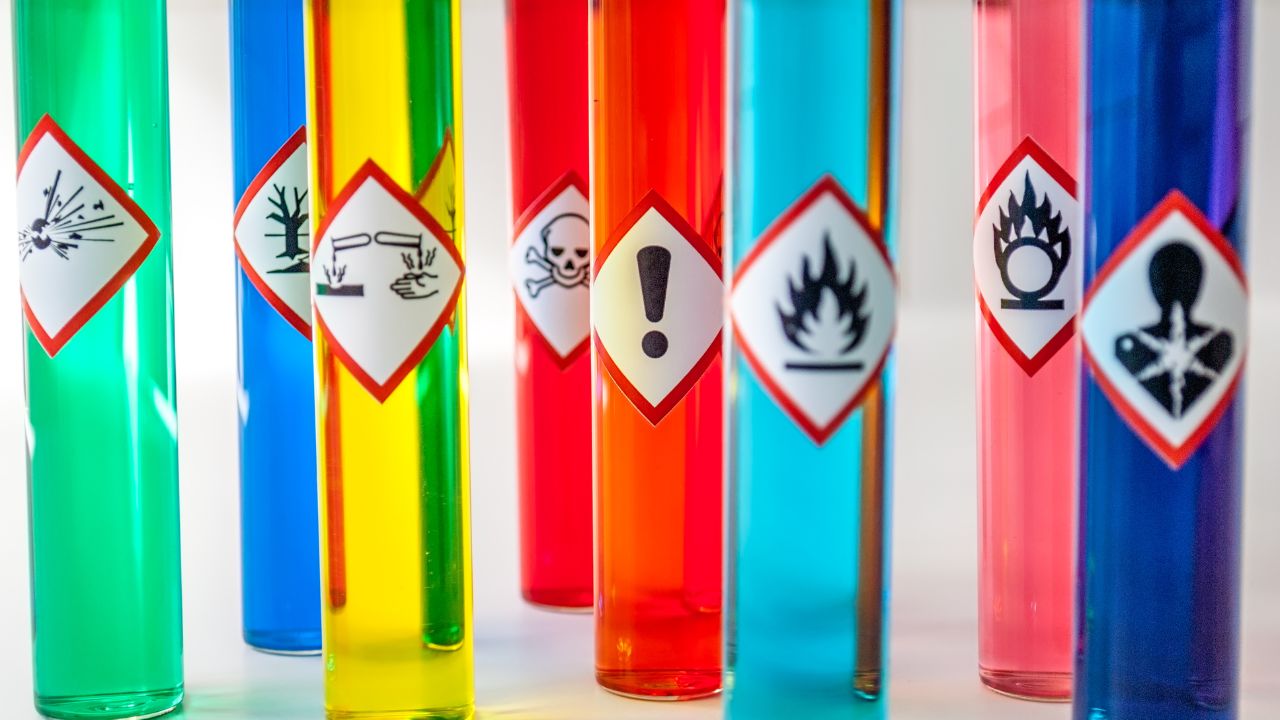
PFAS “Forever Chemicals”
Source: Military installations including MacDill Air Force Base, airports including Miami International Airport (historically 47 ppt PFOS detected), firefighting foam use, and industrial manufacturing throughout the state. A University of Southern California study links PFAS-contaminated drinking water to up to a 33% higher incidence rate of certain cancers.
Health Effects: Linked to kidney and testicular cancer, liver damage, immune system suppression, high cholesterol, and developmental effects in children. PFAS can persist in the human body for up to 35 years.
Current Status (2026): PFOA and PFOS exceed the EPA’s 4 ppt MCL in 23 Florida counties; over 8.9 million Floridians are exposed. University of Florida research documented PFAS in 63% of spring vent samples statewide and in over 400 tap water samples across the state. Florida DEP is investigating 38 confirmed PFAS-contaminated sites. EPA Limits: 4 ppt for PFOA and PFOS (enforceable, compliance by 2031). MCLs for PFHxS, PFNA, GenX, and the Hazard Index are under reconsideration following the May 2025 EPA announcement. Consider NSF/ANSI 58-certified reverse osmosis filtration for PFAS removal.
Saltwater Intrusion
Source: Over-pumping of coastal aquifers, sea level rise, and development in coastal areas allowing saltwater to migrate into freshwater aquifer systems. Climate projections indicate this will accelerate across South Florida and other coastal regions through 2030 and beyond.
Health Effects: Elevated sodium can affect individuals with hypertension or heart conditions; elevated chloride can cause corrosion of plumbing and affect taste and odour.
Current Status (2026): Particularly concerning in South Florida and coastal areas, where utilities monitor chloride levels and are increasingly investing in alternative water sources. Water management districts set minimum flow levels and implement wellhead protection zones. Florida’s FY2026 $102.9 million alternative water supply programme directly targets reducing reliance on stressed coastal aquifers. Regulatory Response: Water management districts set minimum flow levels and implement wellhead protection programmes as part of coordinated regional water supply planning.
Please read – our information
The information presented on cleanairandwater.net is compiled from official water quality reports, trusted news sources, government websites, and public health resources. While we strive for accuracy and thoroughness in our presentations, we are not scientists, engineers, or qualified water quality professionals.
Our mission is to present water quality information in an accessible, real-world format that helps people understand what’s in their water and make informed decisions about their health and safety. We believe that complex environmental information should be available to everyone in a format that’s easy to understand.
We make every effort to ensure our content is current and accurate, but we cannot guarantee that all information is complete or error-free. This website should not replace official communications from your local water utility or health department. We always recommend consulting official sources for the most up-to-date information regarding your specific water system.
Clean Air and Water is not liable for any unintentional errors, omissions, or outdated information. The content on this site is provided for informational purposes only and should not be considered professional advice.