Fremont Water Quality at a Glance
some concerns
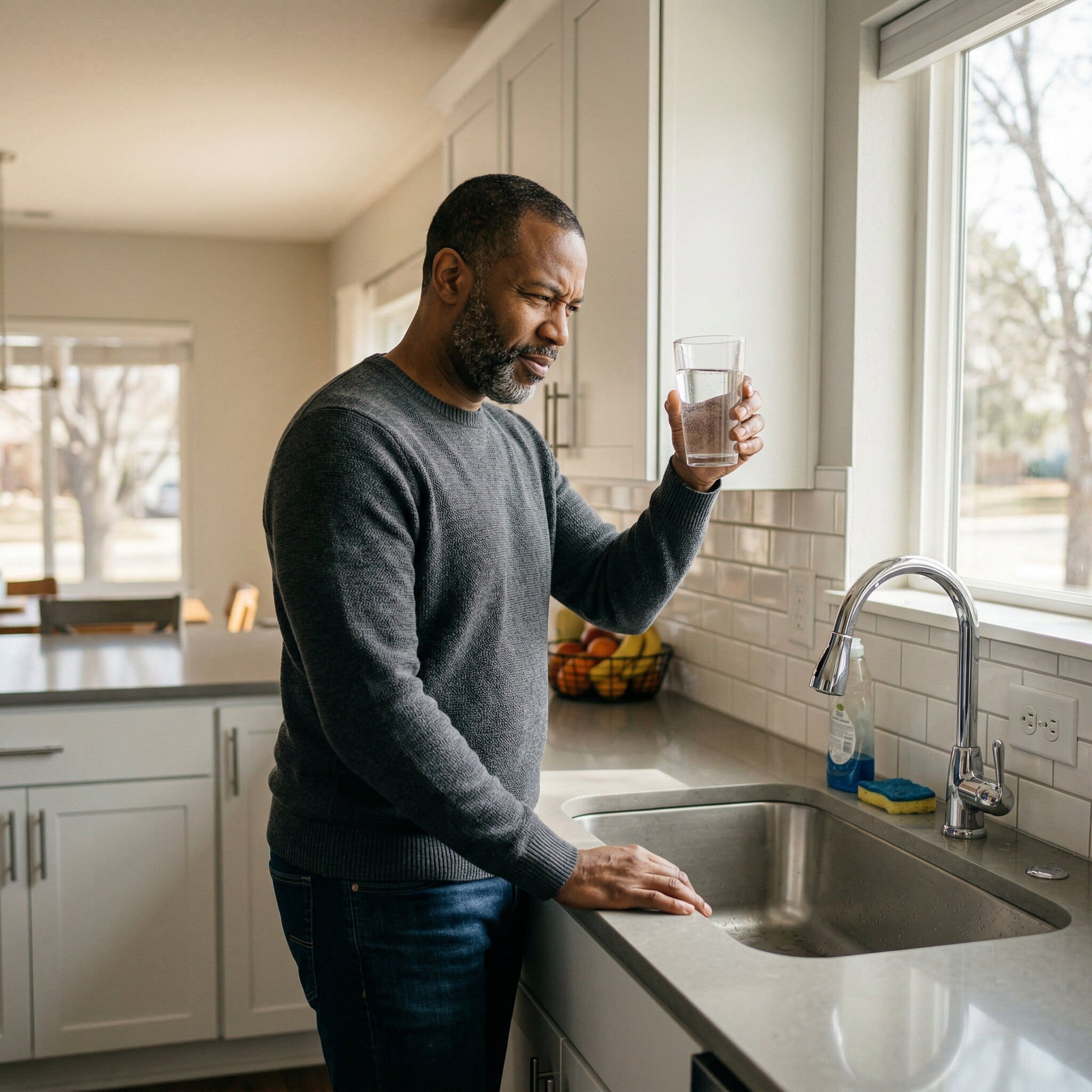
Is Fremont Water Safe to Drink?
Generally Yes, With Some Caution — Alameda County Water District meets all federal and state drinking water standards and has proactively built a dedicated PFAS treatment facility. However, PFAS contamination has historically affected approximately 360,000 residents across Fremont, Newark, and Union City. Additional concerns include chromium-6 and disinfection byproducts. ACWD’s $23 million ion exchange PFAS treatment facility opened in July 2024 and has been operational through 2025–2026, significantly reducing exposure from affected groundwater sources. See our water filter guide for additional point-of-use protection options, or review the California statewide water quality overview for broader context.
⚠️ Key Concerns for Fremont Residents
- PFAS “Forever Chemicals”: Historically detected in affected groundwater sources; ACWD’s $23 million ion exchange treatment facility (operational since July 2024) now treats 6 million gallons per day from the Peralta-Tyson and Mowry wellfields. EPA compliance deadline for utilities is 2027.
- Chromium-6: Detected at 0.136 ppb — above EWG health guidelines, though below California’s current 10 ppb regulatory limit. A known carcinogen from industrial and natural sources.
- Disinfection Byproducts: Haloacetic acids (HAA5) and trihalomethanes detected; maintained below EPA MCLs (60 ppb and 80 ppb respectively) through optimised treatment, but worth monitoring given long-term health associations.
- Positive Action: ACWD has been monitoring PFAS proactively since June 2020 — well ahead of state requirements — and continues to publish detailed quarterly results.
Read the full report below for detailed analysis, city-specific data, and actionable recommendations for Fremont residents.
advertisment – report continues below
Your water passed the test.
Legal isn’t the same as safe.
Regulated contaminants like PFAS, chromium-6, and disinfection byproducts can sit inside the legal limit and still carry long-term health risks. Passing isn’t the same as clean.
✅ Removes PFAS, lead & chromium-6 — the contaminants most flagged even in passing city reports
✅ NSF/ANSI 42, 58 & 372 certified — independently tested, not just manufacturer claims
✅ Installs in 30 minutes, no plumber — fills a glass in 8 seconds, smart LED filter monitor
Renting or can’t drill? The Waterdrop K19 Countertop RO — plug in, fill the tank, done. No installation, no drilling, no plumber.
Advertisement — this page contains affiliate links. If you buy through these links, we may earn a commission at no extra cost to you.
Fremont, California — Water Quality Report 2026: PFAS Treatment, Infrastructure Updates & Safety Guide
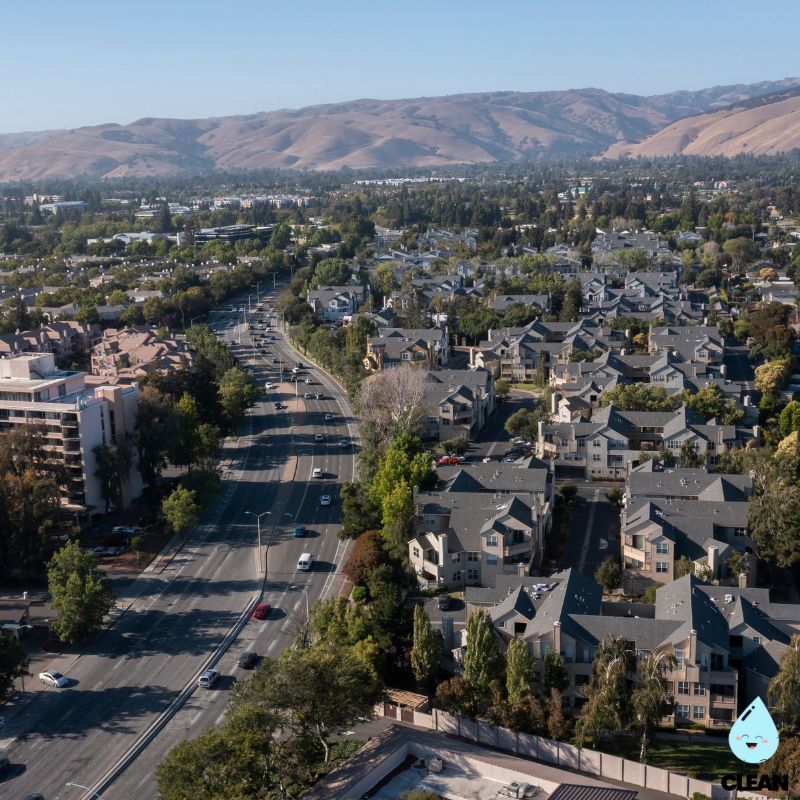
The Alameda County Water District (ACWD) provides comprehensive water services to approximately 360,000 residents across Fremont, Newark, and Union City in the Tri-City area of southern Alameda County. Established in 1956, ACWD operates a sophisticated water system that includes over 1,200 miles of distribution mains, multiple treatment facilities, and diverse water supply sources delivering approximately 45 million gallons of drinking water daily to these Bay Area communities. As part of California’s broader water management landscape, ACWD is among the more proactive utilities in addressing emerging contaminants — including building dedicated PFAS treatment infrastructure ahead of the EPA’s 2027 compliance deadline.
ACWD sources its water from multiple supplies: the California State Water Project via the South Bay Aqueduct (approximately 37%), the San Francisco Regional Water System through Hetch Hetchy Reservoir (21%), and local sources including fresh groundwater from the Niles Cone Groundwater Basin and surface water from Del Valle Reservoir (42%). Water is treated at Water Treatment Plant No. 2 in Fremont’s Mission neighbourhood, the Newark Desalination Facility, and the Blending Facility. The district’s multi-barrier approach — combining diverse sourcing, advanced treatment, and now dedicated PFAS removal — places it in a stronger position than many comparable California utilities. Compare with nearby Oakland and San Jose for a regional picture of Bay Area water quality.
Fremont Water Quality: Current Status (2025–2026)
Latest Testing Results
- PFAS Monitoring: ACWD’s ongoing PFAS testing through 2025–2026 confirms that no customers are receiving water with PFOS/PFOA, PFBS, or PFHxS concentrations above state notification levels. The $23 million ion exchange treatment facility — operational since July 2024 — continues to treat 6 million gallons daily from the Peralta-Tyson and Mowry wellfields. EPA-mandated compliance for all utilities is required by 2027. For broader context on how California utilities are handling PFAS, see our California water quality guide.
- Comprehensive Quality Assurance: ACWD conducts extensive testing throughout its distribution system and at all treatment facilities, maintaining strict compliance with EPA and California State Water Resources Control Board regulations.
- 2025–2026 Compliance Status: ACWD’s water meets or surpasses all state and federal drinking water quality standards, as confirmed in successive Annual Water Quality Reports. Residents can check our live boil water tracker for any active advisories in the ACWD service area.
Diverse Water Sources
- State Water Project: Primary imported supply (37%) delivered via the South Bay Aqueduct from Northern California, providing regional water security and supply diversity during drought periods.
- San Francisco Regional System: Secondary imported supply (21%) from Hetch Hetchy Reservoir, offering additional reliability and blending opportunities for optimal water quality across the distribution network.
- Local Sources: Fresh groundwater from the Niles Cone Groundwater Basin and surface water from Del Valle Reservoir (42%), recharged primarily from Alameda Creek watershed runoff and managed through advanced groundwater protection programmes.
Advanced Treatment Technology
- Water Treatment Plant No. 2: Ozone treatment facility built in 1993, treating South Bay Aqueduct water at a maximum design rate of 28 million gallons daily using ozone pre-oxidation, coagulation, flocculation, sedimentation, and dual-media filtration.
- Newark Desalination Facility: Advanced reverse osmosis system treating brackish groundwater to remove salts and other impurities, providing 12.5 MGD blended production capacity since its 2010 expansion.
- Blending Facility: Sophisticated water blending system combining multiple sources to optimise hardness levels and overall water quality, operational since 1992 and reducing groundwater hardness by blending with San Francisco water.
Infrastructure Modernisation
- PFAS Treatment Facility: The $23 million PFAS Groundwater Treatment Facility, opened in July 2024, uses ion exchange technology to treat 6 million gallons daily from the Peralta-Tyson and Mowry wellfield groundwater sources — the primary PFAS-affected sources in the ACWD system. Ongoing performance monitoring through 2025–2026 confirms effective PFAS reduction.
- Distribution System Improvements: The ongoing Main Renewal and Seismic Improvements Programme systematically upgrades water mains across the service area, including the Central Newark–Thornton Avenue and Driscoll Road renewal projects, improving both reliability and water quality at the tap.
- Smart Water Management: Advanced Meter Infrastructure (AMI) deployment across the 1,200+ mile distribution network provides real-time monitoring, leak detection alerts, and improved consumption data for both the utility and customers.
Customer Protection Initiatives
ACWD supports customers through comprehensive conservation rebate programmes, free water conservation kits, and the Water Savings Center online portal. The utility’s demonstration garden at 43885 S. Grimmer Blvd. provides accessible, hands-on water-wise landscaping guidance (open 24/7). ACWD’s proactive PFAS monitoring has been in place since June 2020 — years before state requirements — with quarterly results published on its website. The district’s annual water quality reports and real-time system information maintain high transparency. Residents concerned about PFAS exposure while the utility continues compliance work should review our water filter solutions guide for NSF-certified point-of-use options. Check our live boil water tracker for any active service area notices.
Recommendations for Fremont Residents
Monitor Water Quality
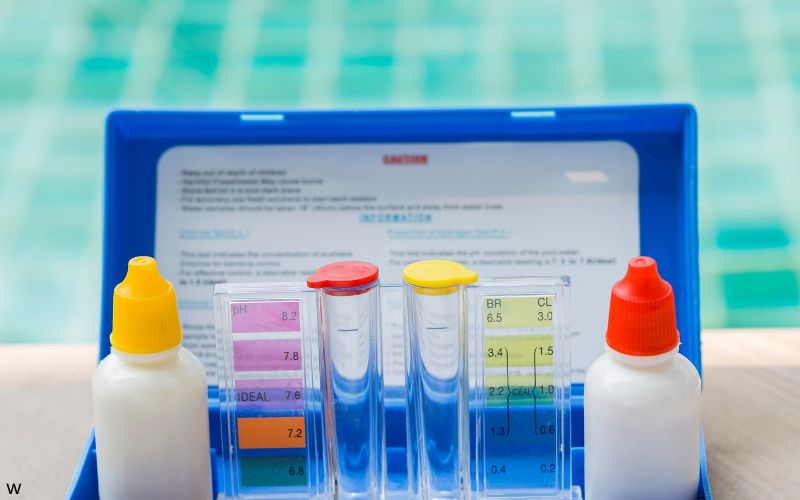
Use ACWD’s Water Quality Self-Diagnostic Tool at acwd.org to troubleshoot common water quality issues. For independent testing, request a list of state-certified laboratories from ACWD. Contact customer service at (510) 668-4200 for water quality concerns. Knowing your specific tap result is the best starting point before choosing a water filtration solution.

Access Rebate Programs
Apply for ACWD’s water conservation rebates through the Water Savings Center portal at acwd.org. Available rebates include $75+ for smart irrigation controllers, lawn-to-garden conversions, rain barrels, and high-efficiency fixtures — an easy way to reduce both water bills and system demand across the wider California water network.
Get a Free Conservation Kit
Order your free water conservation and leak detection kit through ACWD’s Water Savings Center. Complete the Do-It-Yourself Home Water Use Survey for personalised efficiency recommendations and free water-efficient fixtures — particularly valuable for households with older plumbing that may have additional tap-level concerns.
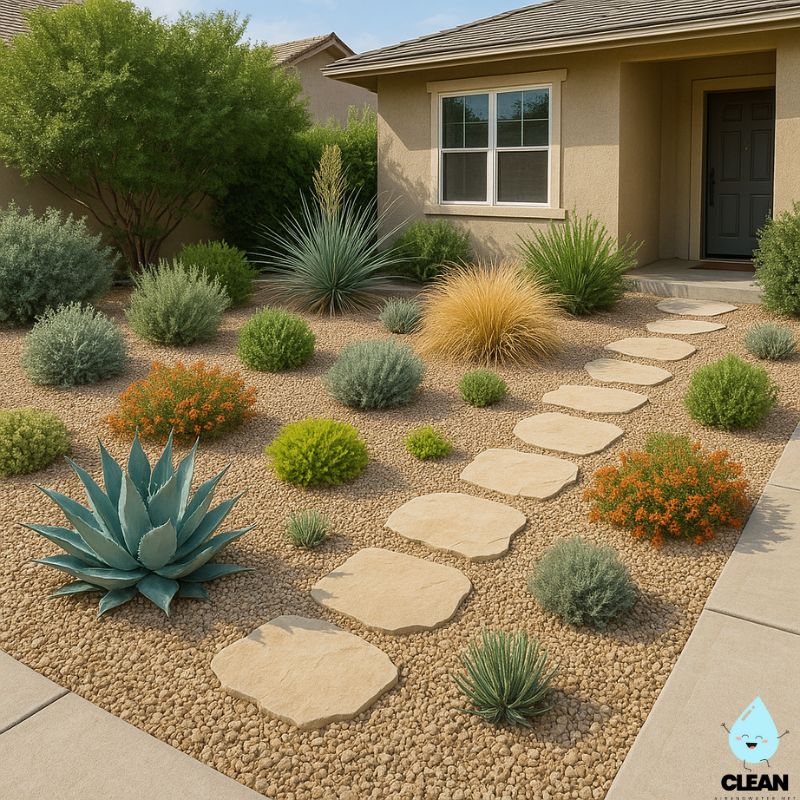
Visit the Demo Garden
Explore ACWD’s Water-Efficient Landscape Demonstration Garden at 43885 S. Grimmer Blvd., Fremont (open 24/7). Learn about native plants, stormwater capture, and water-wise landscaping techniques suitable for Fremont’s climate — practical guidance for cutting outdoor water use in line with California’s long-term conservation goals.

Report Issues
Contact ACWD Customer Service at (510) 668-4200 for billing and service questions (Mon–Fri, 8am–5pm). For water emergencies including leaks and main breaks, call (510) 668-6500 — available 24/7. You can also check our live boil water advisory tracker for any active notices across the ACWD service area.
Contaminants of Concern
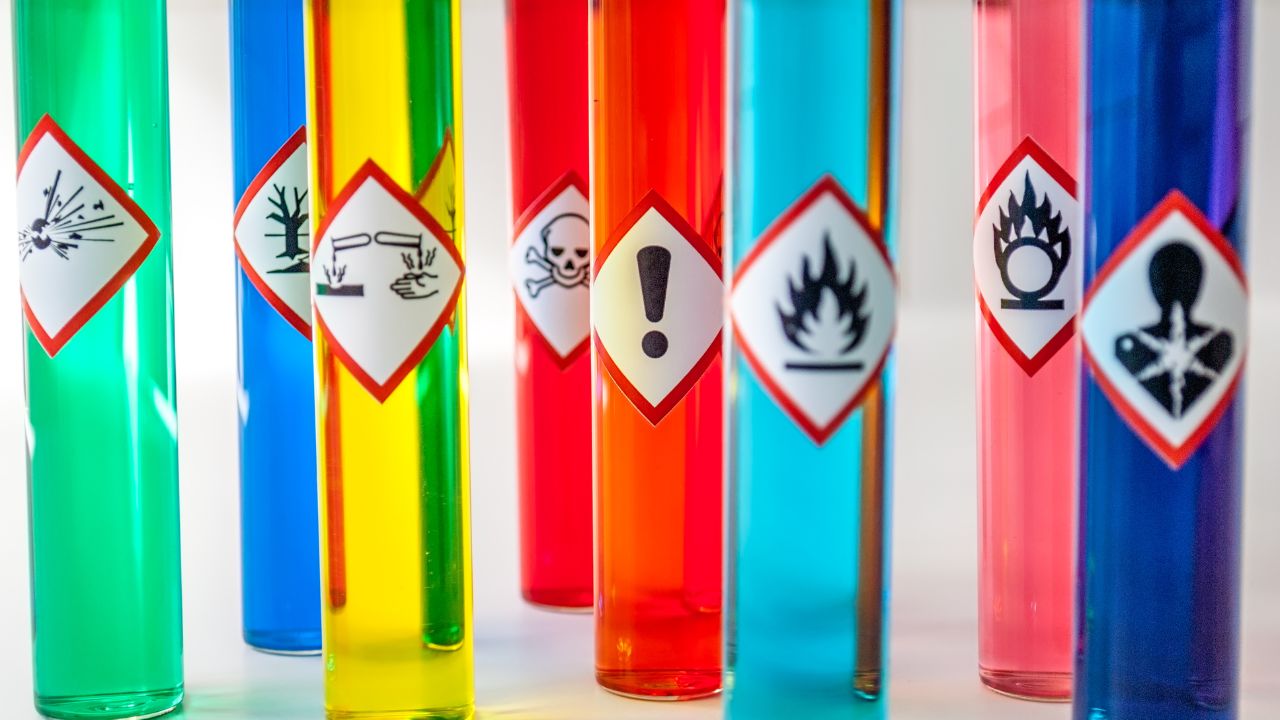
PFAS Compounds
Source: Per- and polyfluoroalkyl substances from industrial processes, firefighting foams (AFFF), and consumer products containing non-stick or stain-resistant coatings — persistent in the environment and capable of entering groundwater supplies
Health Effects: Linked to kidney and testicular cancer, liver damage, immune system suppression, elevated cholesterol, reproductive harm, and developmental effects in children; bioaccumulate in the human body over time
Current Status (2026): ACWD’s ongoing monitoring confirms no customers receive water above state notification levels for PFOS/PFOA, PFBS, or PFHxS. The $23 million PFAS Groundwater Treatment Facility (operational since July 2024) treats 6 million gallons daily using ion exchange. EPA MCLs of 4 ppt for PFOA and PFOS are now in force, with full utility compliance required by 2027. See our filter guide for NSF-certified PFAS removal options as an additional safeguard.
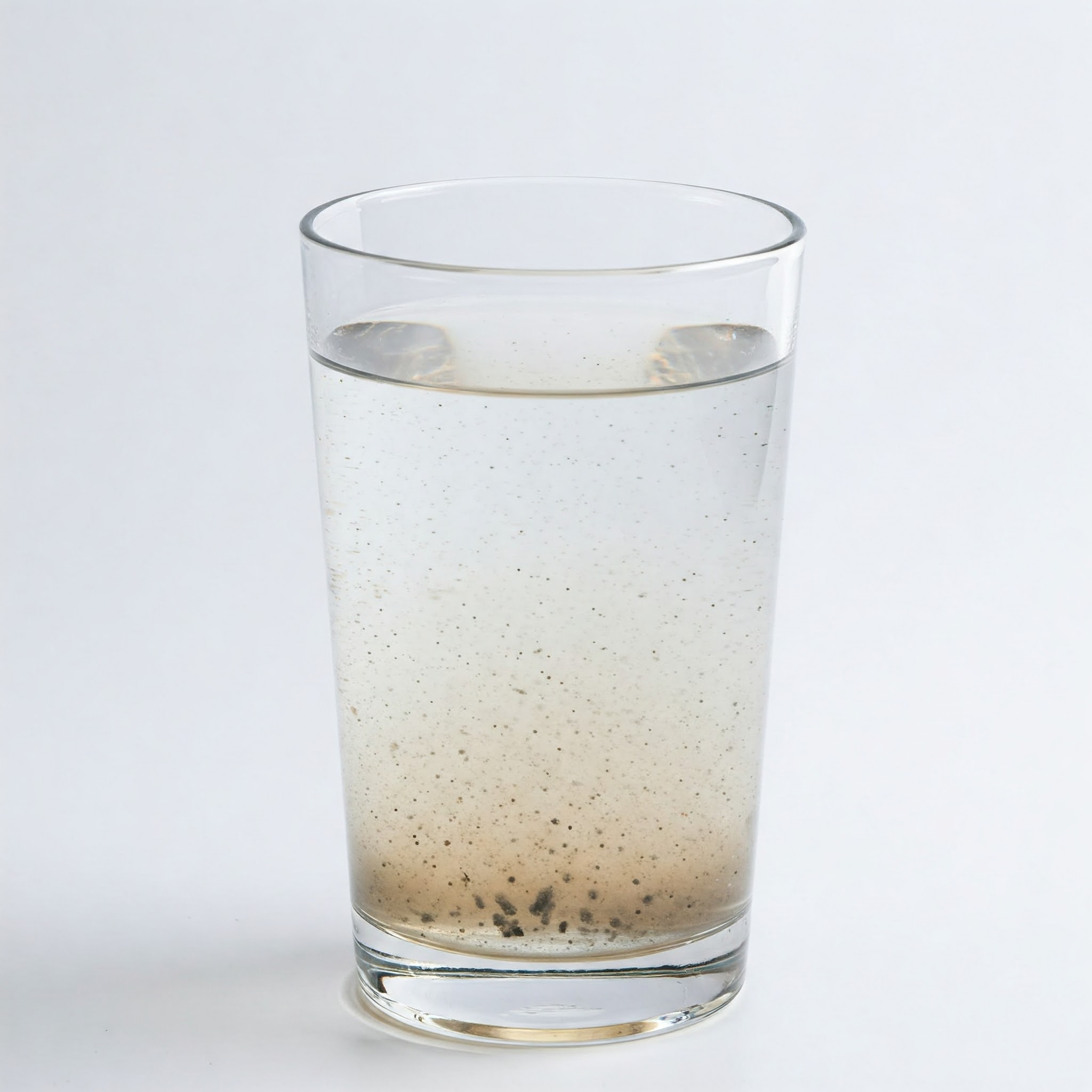
Disinfection Byproducts
Source: Formed when chloramine disinfectant reacts with naturally occurring organic matter in source waters, particularly during warmer months or when blending higher-organic-content supplies
Health Effects: Long-term exposure to elevated levels may increase risk of bladder and colorectal cancers; associated with liver, kidney, and central nervous system effects at high concentrations
Current Levels: Monitored regularly throughout ACWD’s distribution system and maintained below EPA maximum contaminant levels — 80 ppb for total trihalomethanes (TTHMs) and 60 ppb for haloacetic acids (HAA5) — through optimised treatment. An NSF-certified activated carbon or reverse osmosis filter reduces both DBPs and residual chloramine taste at the tap.
Quality News About Your Water
Get the comprehensive water quality news coverage you need with our dedicated US Water News Service. From coast to coast, we deliver in-depth reporting and expert analysis on PFAS contamination, EPA regulatory changes, infrastructure developments, and emerging water safety issues affecting communities nationwide. While mainstream media only covers the biggest stories, we provide the detailed, ongoing coverage that helps you understand the full scope of America’s water challenges.
What’s actually in your tap water? Enter your ZIP code for a full breakdown of contaminants detected in your local supply
Drinking water from a well? Check our directory here for more information
Frequently Asked Questions
Is Fremont tap water safe to drink in 2026?
Yes — ACWD’s water consistently meets or surpasses all state and federal drinking water standards. The utility draws from multiple sources including the State Water Project, the Hetch Hetchy system, and local groundwater and surface water, providing supply diversity and blending flexibility.
ACWD operates advanced treatment facilities — including Water Treatment Plant No. 2 with ozone treatment, the Newark Desalination Facility with reverse osmosis, and the $23 million PFAS ion exchange treatment facility opened in July 2024 — all of which have been operational throughout 2025–2026. The district publishes detailed Annual Water Quality Reports and quarterly PFAS monitoring data. Residents who want additional peace of mind — particularly around residual DBPs or chromium-6 — can review our water filter guide for certified point-of-use options suited to Fremont’s water chemistry.
Why does my water sometimes taste or smell different?
Occasional taste and odour changes in Fremont water can arise from several factors:
1. Source water blending: ACWD blends water from three distinct sources — the State Water Project, Hetch Hetchy, and local groundwater — which can produce natural variations in taste and mineral content throughout the year
2. Chloramine disinfection: ACWD uses chloramine rather than free chlorine for residual disinfection; this can occasionally produce a medicinal or slightly chlorine-like smell, particularly in hot water or at low-flow fixtures
3. Seasonal source shifts: Variations in source water quality during wet and dry seasons affect natural organic matter levels, which can subtly influence taste and DBP formation
Use ACWD’s online Water Quality Self-Diagnostic Tool at acwd.org to identify specific issues, or call customer service at (510) 668-4200. A certified activated carbon filter can also remove most taste and odour issues — see our filter recommendations.
Does ACWD test for PFAS and other emerging contaminants?
Yes — ACWD has been proactively monitoring for PFAS since June 2020, well ahead of state requirements. Its approach is among the more transparent in California:
• Comprehensive monitoring: Quarterly testing of all groundwater sources and treated water for PFAS compounds, with results published publicly on ACWD’s website
• Current results (2025–2026): Ongoing monitoring confirms no ACWD customers receive water with PFOS/PFOA, PFBS, or PFHxS above state notification levels
• Treatment in place: The $23 million PFAS Groundwater Treatment Facility (operational since July 2024) treats 6 million gallons daily from affected wellfields using ion exchange — one of the few such dedicated facilities operational in California ahead of the 2027 EPA compliance deadline
• Transparency: Detailed PFAS monitoring results and plain-language explanations are published quarterly at acwd.org
ACWD’s diverse supply portfolio and multi-barrier treatment approach provide robust protection. For residents who want additional assurance, NSF/ANSI Standard 58-certified reverse osmosis systems remain the most effective household PFAS safeguard — see our filter guide for recommendations.
Are there water restrictions in the ACWD service area?
ACWD implements water use efficiency measures that vary based on supply and drought conditions:
Current Status (2025–2026):
• Normal operations with conservation encouraged through rebate programmes and public education — no mandatory restrictions currently in effect
• Active promotion of permanent water use efficiency practices year-round
Drought Response History:
During drought emergencies such as 2021–2022, ACWD implemented mandatory outdoor watering restrictions (specific days and times), prohibitions on water waste and non-essential uses, and enhanced conservation incentives. These can be reinstated quickly if drought conditions return to the Bay Area.
Current water use regulations and conservation programme details are available at acwd.org or by calling (510) 668-4200. For active service disruptions or boil water notices, use our live boil water tracker.
Please read – our information
The information presented on cleanairandwater.net is compiled from official water quality reports, trusted news sources, government websites, and public health resources. While we strive for accuracy and thoroughness in our presentations, we are not scientists, engineers, or qualified water quality professionals.
Our mission is to present water quality information in an accessible, real-world format that helps people understand what’s in their water and make informed decisions about their health and safety. We believe that complex environmental information should be available to everyone in a format that’s easy to understand.
We make every effort to ensure our content is current and accurate, but we cannot guarantee that all information is complete or error-free. This website should not replace official communications from your local water utility or health department. We always recommend consulting official sources for the most up-to-date information regarding your specific water system.
Clean Air and Water is not liable for any unintentional errors, omissions, or outdated information. The content on this site is provided for informational purposes only and should not be considered professional advice.