Las Vegas Water Quality at a Glance
Is Las Vegas Water Safe to Drink?
Generally Yes — Las Vegas water meets or exceeds all federal safety standards and is considered safer than many US cities. The main concerns remain chromium-6 (54–850 ppt), naturally occurring arsenic (0.7–4.0 ppb), and disinfection byproducts. SNWA’s drinking water tests below detectable limits for PFAS, and the system has no lead service lines. Las Vegas enters 2026 under a Tier 1 Colorado River shortage, with Lake Mead at approximately 1,062 feet — well below full pool — and projections pointing to possible Tier 2 cuts by mid-2026.
⚠️ Key Concerns for Las Vegas Residents
- Chromium-6: Levels range 54–850 ppt (3–40x above California’s 20 ppt safe level); currently unregulated at federal level
- Natural Arsenic: Detected at 0.7–4.0 ppb across distribution areas; filtration is advised for households with levels above 1 ppb
- Disinfection Byproducts: Total trihalomethanes 68–82 ppb (some areas at or above the 80 ppb EPA limit); haloacetic acids 35–45 ppb
- Colorado River Shortage: Southern Nevada begins 2026 under Tier 1 restrictions (21,000 acre-foot reduction); federal models project possible Tier 2 cuts if Lake Mead drops below 1,050 feet by mid-2026
- Military Base PFAS: Nellis AFB groundwater shows 47,400 ppt PFOA+PFOS — not affecting the main public supply, but a monitored risk
Read the full report below for detailed analysis, 2025–2026 shortage updates, and actionable recommendations for Las Vegas residents.
Advertisement — Report continues below
Great water report.
Here’s how to make it perfect.
Your water quality report shows strong results — and that’s genuinely good news. But even treated municipal water picks up residual chlorine, microplastics, and sediment between the treatment plant and your tap. A filter takes great water and makes it flawless.
✅ Improves taste, smell & clarity — removes residual chlorine and sediment that reach your glass after treatment
✅ NSF/ANSI 42, 58 & 372 certified — independently tested, not just manufacturer claims
✅ Installs in 30 minutes, no plumber — fills a glass in 8 seconds, smart LED filter monitor
Renting or can’t drill? The Waterdrop K19 Countertop RO — plug in, fill the tank, done. No installation, no drilling, no plumber.
Advertisement — this page contains affiliate links. If you buy through these links, we may earn a commission at no extra cost to you.

Las Vegas, Nevada — Water Quality Report 2026: Colorado River Shortage, PFAS Monitoring & What Residents Need to Know
The Southern Nevada Water Authority (SNWA) and Las Vegas Valley Water District (LVVWD) serve over 2.2 million residents across the greater Las Vegas metro area. Together, these agencies manage one of the nation’s most sophisticated water systems — approximately 6,500 miles of transmission and distribution pipelines, two advanced treatment facilities, and numerous pumping stations delivering nearly 300 million gallons daily in one of the world’s driest desert environments. See how Las Vegas compares with the broader Nevada water quality picture and our national water quality overview.
Las Vegas draws 90% of its water from Lake Mead on the Colorado River, with the remaining 10% from groundwater aquifers beneath the Las Vegas Valley. The city reclaims and returns nearly all indoor water use to Lake Mead, earning return-flow credits. This closed-loop system, combined with aggressive conservation, has allowed Las Vegas to reduce overall water consumption by 55% since 2002 despite adding over 829,000 new residents — using the least Colorado River water in 31 years as of 2024. However, 2026 begins under a Tier 1 shortage declaration, with Lake Mead sitting around 1,062 feet and post-2026 operating guidelines for the Colorado River still under negotiation among seven basin states.
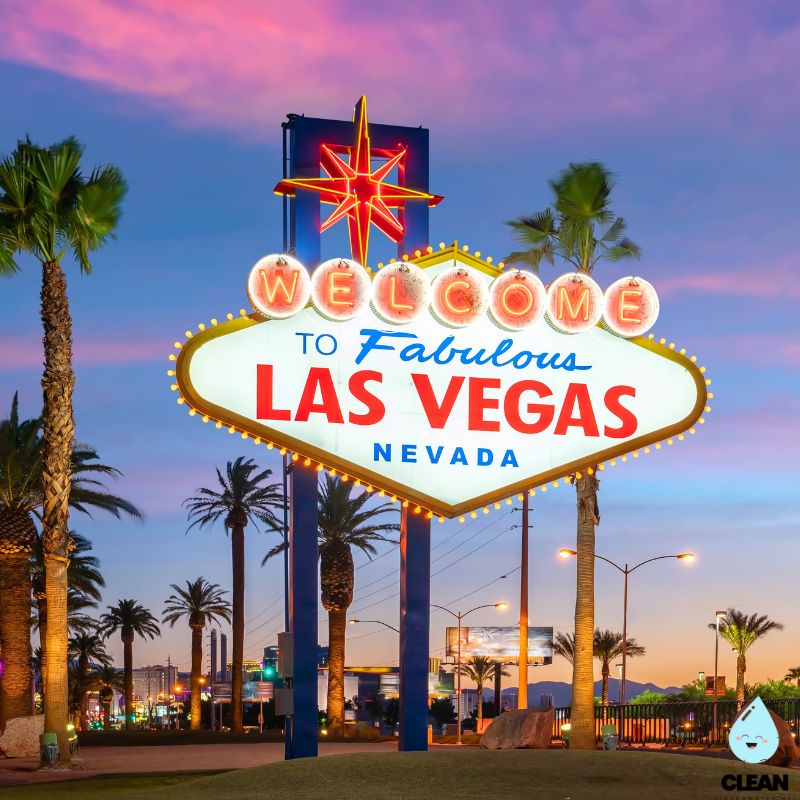
Las Vegas Water Quality: Current Status (2025–2026)
Latest Testing Results
- Lead Levels: The 90th percentile lead level for the most recent testing period is less than 1 ppb — well below the EPA action level of 15 ppb — reflecting the region’s relatively modern infrastructure and the absence of lead service lines in the distribution system.
- Testing Scope: SNWA conducts over 300,000 water quality tests annually across the system, with enhanced monitoring for emerging contaminants and extensive Lake Mead source water surveillance covering more than 300 compounds.
- PFAS Status: Water quality sampling under EPA’s UCMR 5 programme (2023–2026) indicates Southern Nevada’s drinking water is below detectable limits for regulated PFAS compounds, including PFOA and PFOS. SNWA has been monitoring PFAS for more than a decade. Monitor any new developments on our water alerts page.
Lake Mead Water Source — 2026 Shortage Status
- Tier 1 Shortage in Effect: Southern Nevada begins 2026 under a federally declared Tier 1 shortage, reducing Nevada’s consumptive Colorado River water allocation by 21,000 acre-feet (7%). SNWA states this reduction will not impact current customer use, as Nevada is not drawing its full allocation. However, projections from August 2025 suggest Lake Mead could fall below 1,050 feet by mid-2026, potentially triggering a Tier 2 shortage and deeper cuts.
- Strategic Intake Systems: Three separate intake structures in Lake Mead — including Intake No. 3 completed in 2015 at 860 feet below full pool — ensure access even during extreme low-water conditions. A Low Lake Level Pumping Station commissioned in 2020 provides additional resilience below historical minimums.
- Post-2026 Uncertainty: Current Colorado River operating guidelines expire at the end of 2026. Seven basin states are in negotiations for replacement rules, with the federal government ready to intervene if no agreement is reached. The outcome will significantly shape Las Vegas’ long-term water security. For context on how neighbouring states are responding, see the Arizona water quality overview.
Advanced Treatment Technology
- Ozone Disinfection: Both the Alfred Merritt Smith and River Mountains Water Treatment Facilities use ozone as the primary disinfectant, providing superior pathogen protection with fewer disinfection byproducts than conventional chlorination.
- Multi-Barrier Approach: Treatment includes ozonation, multi-stage filtration, granular activated carbon, and advanced oxidation processes — a robust system well-suited to the variable organic content of Colorado River source water.
- UV Disinfection: Ultraviolet light treatment provides redundant protection against Cryptosporidium and other pathogens resistant to chemical disinfection.
World-Leading Conservation
- Closed Loop System: Las Vegas reclaims nearly 99% of all indoor water use, treating it at wastewater reclamation facilities before returning it to Lake Mead — earning return-flow credits that expand the city’s effective supply.
- Turf Removal Programme: The Water Smart Landscapes rebate has removed over 200 million square feet of grass across the valley, replacing it with desert-adapted landscaping and saving billions of gallons annually. SNWA’s Water Resource Plan 2025–2075 outlines further conservation targets through extreme climate scenarios.
- Per Capita Results: Las Vegas has reduced per capita water use from 314 gallons per day in 2002 to approximately 140 gallons in 2024 — among the lowest of any major desert metro area. Southern Nevada contributed 233,000 acre-feet toward the Lower Basin’s Reservoir Protection Conservation commitment through 2024.
Drought Resilience — 2026 and Beyond
Las Vegas has built one of the world’s most advanced drought response systems, but 2026 brings fresh pressure. Lake Mead’s elevation at the start of 2026 is approximately 1,062 feet — about 175 feet below full pool — and federal models project continued low snowpack in the Upper Colorado River Basin. Combined Lake Mead and Lake Powell storage stood at only 37% of capacity heading into winter 2025–26. The Bureau of Reclamation’s August 2025 24-Month Study described the situation as requiring “immediate action” on sustainable operating guidelines. SNWA says it is confident Southern Nevada can withstand even a Tier 3 shortage scenario, but conservation remains critical for all residents. Check our live water alerts tracker and water news page for ongoing Colorado River updates.
Recommendations for Las Vegas Residents
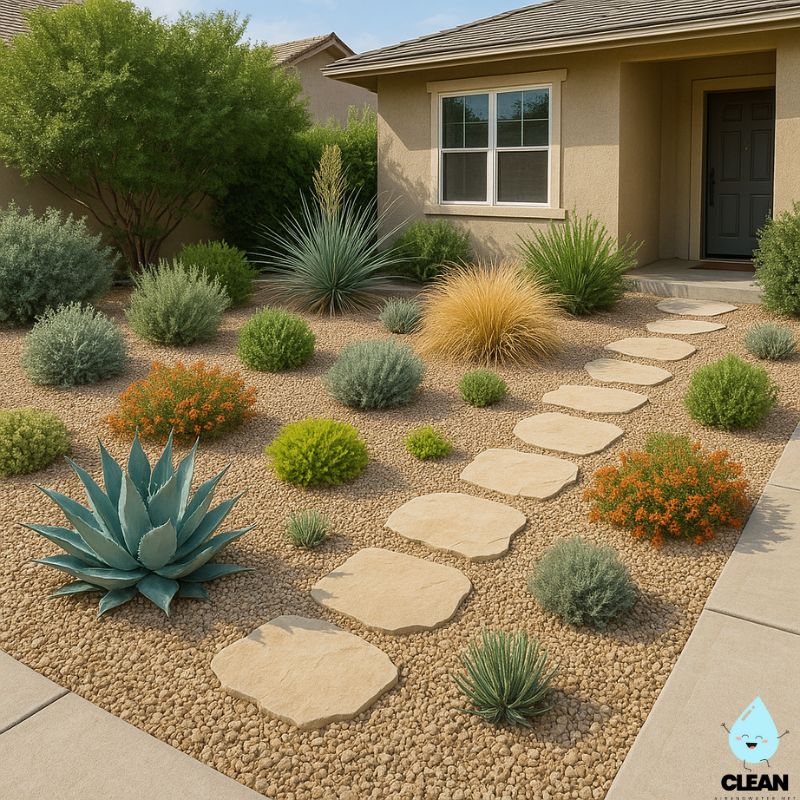
Convert to Desert Landscaping
Take advantage of SNWA’s Water Smart Landscapes rebate — $3 per square foot for turf removal. Desert-adapted plants use up to 75% less water and typically require less maintenance than grass. With the Tier 1 shortage now in its fifth consecutive year, removing non-functional turf remains one of the most impactful steps residents can take.

Install Smart Irrigation
Upgrade to a smart irrigation controller that adjusts watering based on real-time weather data. SNWA offers rebates up to $200 for qualifying systems, which can reduce outdoor water use by 15–30%. Outdoor watering accounts for around 60% of Southern Nevada’s total water consumption — the biggest single lever available to households.
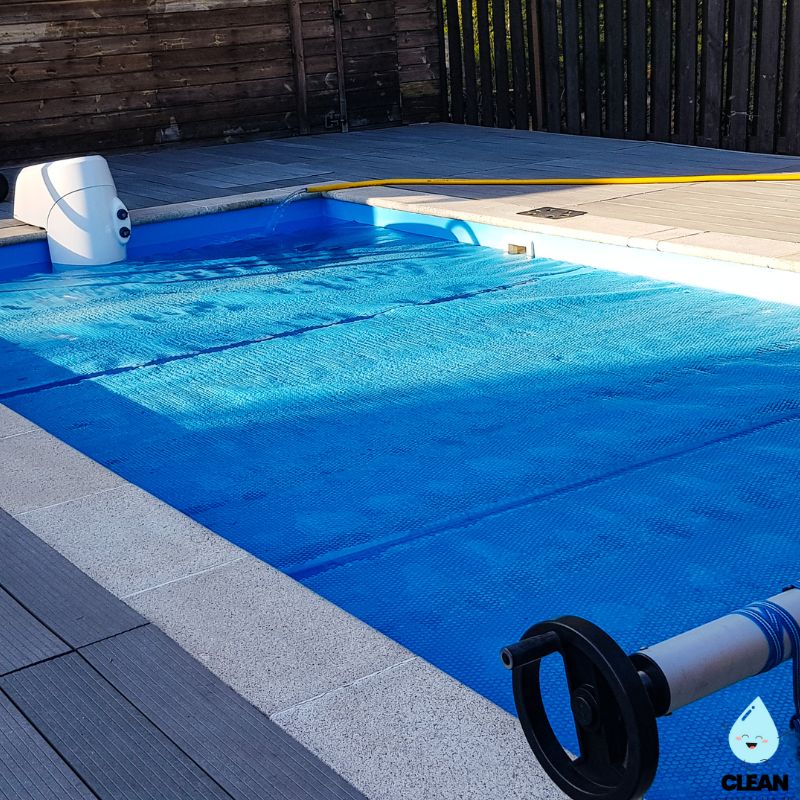
Cover Your Pool
A pool cover can save up to 30,000 gallons annually in Las Vegas’ hot, dry climate by dramatically reducing evaporation. SNWA offers $200 rebates for standard covers and higher incentives for automatic covers. For drinking water concerns — chromium-6 and arsenic particularly — see our water filter recommendations.
Check for Leaks
Monitor your water meter regularly for unexpected usage. In Las Vegas’ dry climate, leaks often go unnoticed underground. Free leak detection tablets for toilets are available from SNWA and local water districts. In a Tier 1 shortage year, every gallon counts — report water waste (runoff into gutters) to your utility as required.

Follow Watering Restrictions
Adhere to your assigned watering schedule. Summer watering (March–October) is permitted any day before 11 AM or after 7 PM; winter watering (November–February) is limited to one day per week. Violations can result in fines from $50 to $5,000. Check snwa.com for your current watering group and the latest water news.
Quality News About Your Water
Get the comprehensive water quality news coverage you need with our dedicated US Water News Service. From coast to coast, we deliver in-depth reporting and expert analysis on PFAS contamination, EPA regulatory changes, infrastructure developments, and emerging water safety issues affecting communities nationwide. While mainstream media only covers the biggest stories, we provide the detailed, ongoing coverage that helps you understand the full scope of America’s water challenges.
What’s actually in your tap water? Enter your ZIP code for a full breakdown of contaminants detected in your local supply
Drinking water from a well? Check our directory here for more information
Frequently Asked Questions
Is Las Vegas tap water safe to drink in 2026?
Yes — Las Vegas tap water meets or exceeds all federal and state drinking water standards and is considered among the better-performing major US city systems. SNWA’s treatment facilities have received the Partnership for Safe Water Director’s Award for 20 consecutive years. Over 300,000 water quality tests are conducted annually, and the system has no lead service lines, with 90th percentile lead levels typically below 1 ppb.
That said, residents with heightened sensitivity to chromium-6 (detected at 54–850 ppt, well above California’s 20 ppt guideline), arsenic (0.7–4.0 ppb across distribution areas), or disinfection byproducts should consider point-of-use filtration. See our filter recommendations guide for NSF-certified options covering these contaminants.
How is Las Vegas handling the 2026 Colorado River shortage?
Southern Nevada enters 2026 under its fifth consecutive year of federally declared Tier 1 shortage, which reduces Nevada’s Colorado River allocation by 21,000 acre-feet. SNWA says current customer use will not be affected, as the state is not drawing its full allocation. Key elements of the response include:
• Infrastructure: The Third Intake and Low Lake Level Pumping Station ensure water access even at critically low Lake Mead elevations
• Conservation: Per capita use has fallen 55% since 2002 through turf removal, tiered rates, and strict watering restrictions
• Return Flow Credits: Nearly 99% of indoor water is recycled and returned to Lake Mead, expanding the city’s effective supply
• Post-2026 Negotiations: Las Vegas is actively participating in seven-state talks to establish new Colorado River operating guidelines, which must be agreed before current rules expire at year-end 2026
Federal models project Lake Mead could fall below 1,050 feet by mid-2026 if snowpack remains low, potentially triggering a Tier 2 shortage. SNWA states confidence in weathering even a Tier 3 scenario. Follow developments on our water alerts page.
Why does Las Vegas tap water sometimes have an earthy taste?
Occasional taste variations in Las Vegas water are generally safe. The most common causes are:
• Seasonal algae blooms: Spring and summer algae in Lake Mead can produce compounds like geosmin and MIB that cause earthy or musty tastes — these are not harmful and are typically removed to below detection for most people
• Treatment adjustments: Seasonal changes in source water quality require treatment process adjustments, which can cause subtle taste differences
• Disinfectant residual: A small chloramine residual is maintained throughout the distribution system to ensure safety — this can impart a faint taste or odour
For those with sensitive taste, refrigerating water in an uncovered container or using a carbon filter certified for taste and odour removal will improve flavour. Visit our water filter guide for suitable options.
What are Las Vegas’ current water restrictions?
Las Vegas maintains year-round mandatory water restrictions, with tighter rules during the Tier 1 shortage period:
Seasonal Watering Schedule:
• Summer (March–October): Any day before 11 AM or after 7 PM
• Winter (November–February): One assigned day per week only
• Spring/Fall transitions: Three assigned days per week based on address
Permanent Restrictions:
• Mandatory reporting of water waste (runoff into gutters)
• No new turf in residential front yards
• No sprinkler irrigation during high winds
• Misting systems at commercial properties restricted to summer months
Fines range from $50 to $5,000 for violations. Check snwa.com for your current watering group assignment and any shortage-related updates. See also the Nevada state water quality page for broader statewide context.
Contaminants of Concern
Disinfection Byproducts
Source: Form when disinfectants react with naturally occurring organic matter in Lake Mead source water, including seasonal algae blooms that increase dissolved organic carbon.
Health Effects: Long-term exposure to elevated DBP levels is associated with increased bladder cancer risk and potential reproductive effects.
Current Status: Total trihalomethanes recorded at 68–82 ppb (at or near the 80 ppb EPA limit in some areas); haloacetic acids at 35–45 ppb. Ozone treatment at both facilities reduces byproduct formation compared to traditional chlorine disinfection. NSF-certified water filters for DBP removal offer additional protection for drinking water.
Chromium-6 & Arsenic
Source: Chromium-6 enters the Colorado River from natural geological sources and historical industrial activity upstream. Arsenic occurs naturally in the desert aquifer geology of the Las Vegas Valley.
Health Effects: Chromium-6 is a recognised carcinogen; arsenic is linked to bladder, lung, and skin cancers with long-term exposure. Neither has a specific enforceable federal MCL at the detection levels present in Las Vegas. Compare with the Phoenix and Reno pages for how other Western desert cities handle similar contaminant profiles.
Current Levels: Chromium-6 at 54–850 ppt (3–40x above California’s 20 ppt health guideline, though Nevada has no equivalent state limit); arsenic at 0.7–4.0 ppb across distribution zones (below the 10 ppb federal MCL, but filtration is advisable for households above 1 ppb). See our filter guide for reverse osmosis and other certified removal options.
Please read – our information
The information presented on cleanairandwater.net is compiled from official water quality reports, trusted news sources, government websites, and public health resources. While we strive for accuracy and thoroughness in our presentations, we are not scientists, engineers, or qualified water quality professionals.
Our mission is to present water quality information in an accessible, real-world format that helps people understand what’s in their water and make informed decisions about their health and safety. We believe that complex environmental information should be available to everyone in a format that’s easy to understand.
We make every effort to ensure our content is current and accurate, but we cannot guarantee that all information is complete or error-free. This website should not replace official communications from your local water utility or health department. We always recommend consulting official sources for the most up-to-date information regarding your specific water system.
Clean Air and Water is not liable for any unintentional errors, omissions, or outdated information. The content on this site is provided for informational purposes only and should not be considered professional advice.