Corpus Christi Water Quality at a Glance
Is Corpus Christi Water Safe to Drink?
Generally Yes — Corpus Christi maintains a Superior Public Water System designation and meets all federal and state standards. However, the city continues to face severe drought conditions with Stage 3 water restrictions and ongoing concerns about PFAS contamination in harbour water. Disinfection byproducts including bromoform exceed health guidelines in some independent testing. See our Texas water quality overview and our water filter guide for further context.
⚠️ Key Concerns for Corpus Christi Residents
- Water Shortage Crisis: Reservoirs remain below 25% combined capacity; Stage 3 drought restrictions continue into 2026 with a potential supply shortfall forecast without significant rainfall or completion of alternative supply projects
- PFAS “Forever Chemicals”: Detected in harbour water above EPA’s 4 ppt drinking water limit — ongoing concern as the city advances its seawater desalination programme
- Disinfection Byproducts: Bromoform and bromodichloromethane levels exceed EWG health guidelines in some testing, increasing long-term cancer risk
- Historical Track Record: Four water advisories in 17 months (2015–2016) and a major contamination event from an asphalt emulsifier in December 2016 — infrastructure investments since then have been substantial but the system’s vulnerability to supply disruption remains a watchpoint. Check our live US boil water tracker for any active advisories.
Read the full report below for detailed analysis, drought impacts, and actionable recommendations for Corpus Christi residents.
Advertisement — Report continues below
Great water report.
Here’s how to make it perfect.
Your water quality report shows strong results — and that’s genuinely good news. But even treated municipal water picks up residual chlorine, microplastics, and sediment between the treatment plant and your tap. A filter takes great water and makes it flawless.
✅ Improves taste, smell & clarity — removes residual chlorine and sediment that reach your glass after treatment
✅ NSF/ANSI 42, 58 & 372 certified — independently tested, not just manufacturer claims
✅ Installs in 30 minutes, no plumber — fills a glass in 8 seconds, smart LED filter monitor
Renting or can’t drill? The Waterdrop K19 Countertop RO — plug in, fill the tank, done. No installation, no drilling, no plumber.
Advertisement — this page contains affiliate links. If you buy through these links, we may earn a commission at no extra cost to you.

Corpus Christi – Texas – Water Quality Report 2026: PFAS Testing, Infrastructure Concerns & Safety Across Your City
Corpus Christi’s Water Utilities Department serves over 500,000 residents across the city and surrounding communities in the Coastal Bend region. The utility manages extensive water infrastructure, operates the O.N. Stevens Water Treatment Plant, and delivers an average of 100 million gallons daily to this growing Gulf Coast community — a community that remains under Stage 3 drought restrictions heading into 2026. For a broader view of water quality challenges across the state, see our Texas water quality guide.
Unlike many Texas cities that rely on groundwater, Corpus Christi draws its drinking water exclusively from surface water sources — primarily the Nueces River System including Lake Corpus Christi and Choke Canyon Reservoir, with the Colorado River via Lake Texana serving as a supplemental supply. This network of reservoirs provides resilience during drought periods common to South Texas. With average annual rainfall of approximately 32 inches, Corpus Christi balances variable precipitation patterns with careful conservation practices. The city has undertaken significant water system upgrades following water quality challenges in 2015–2016, investing over $450 million in infrastructure improvements including water main replacements, treatment plant modernisation, and the development of a seawater desalination programme to add supply diversity for this critical Gulf Coast industrial and tourism centre facing severe drought conditions.

Corpus Christi Water Quality: Current Status (2025–2026)
Latest Testing Results
- Lead Levels: The most recent testing period (January–December 2024) showed 90th percentile lead levels of 3.8 parts per billion (ppb), well below the EPA action level of 15 ppb, reflecting improved corrosion control measures implemented after the 2015–2016 water quality incidents.
- Testing Scope: Corpus Christi conducts over 70,000 water quality tests annually, with enhanced monitoring for disinfection byproducts, corrosion indicators, and microbial parameters through a comprehensive sampling network.
- Compliance Status: Corpus Christi’s water meets all federal and state drinking water standards, maintaining full compliance with EPA and Texas Commission on Environmental Quality (TCEQ) regulations and retaining its Superior Public Water System designation.
Surface Water Supply
- Nueces River System: Primary source (approximately 50% of current supply during drought) including Lake Corpus Christi and Choke Canyon Reservoir, providing 85 billion gallons of combined storage capacity — currently below 25% combined capacity due to sustained drought conditions.
- Mary Rhodes Pipeline: Critical secondary source delivering Colorado River water from Lake Texana; recently upgraded to maximum capacity of 72–79 million gallons per day via a 101-mile Phase I and 42-mile Phase II extension.
- Drought Contingency: Comprehensive five-stage drought response plan with specific triggers based on combined reservoir levels; currently operating under Stage 3 restrictions with significant mandatory usage limitations for residential and commercial customers.
Treatment Excellence
- O.N. Stevens Water Treatment Plant: Recently upgraded facility utilising coagulation, sedimentation, filtration, and disinfection, with current capacity of 167 million gallons per day and planned expansion to approximately 200 million gallons per day.
- Enhanced Disinfection: Primary chloramine disinfection with periodic free chlorine conversion maintenance periods to ensure distribution system integrity and biofilm control.
- Corrosion Control: Optimised pH adjustment and phosphate inhibitor addition to prevent pipe corrosion, with continuous monitoring to maintain water stability throughout the distribution network.
Infrastructure Transformation
- Water System Improvement Programme: $450 million investment in water infrastructure upgrades including treatment, transmission, and distribution improvements to address ageing infrastructure and enhance water quality.
- Pipeline Replacement: Accelerated programme replacing ageing asbestos-cement and cast iron water mains, with priority for areas with water quality concerns or frequent breaks; over 60 miles replaced since 2017.
- Desalination Development: Progress on seawater desalination project to diversify water supply portfolio, with two permits secured and site selection underway for a 20 million gallon per day facility — though facing ongoing PFAS contamination concerns in harbour water that must be resolved before the project can advance. Compare how other major Texas cities like Houston, San Antonio, and Dallas are addressing supply resilience.
Coastal Resilience Planning
Corpus Christi has developed a comprehensive water resilience strategy addressing the unique challenges of its Gulf Coast location and susceptibility to tropical weather systems. The city’s “Water Supply Diversification Plan” and “Coastal Resiliency Master Plan” include measures to protect critical infrastructure from storm surge, enhance backup power capabilities, and ensure rapid service restoration following hurricane impacts. The utility has implemented automated distribution system controls that can isolate damaged segments and reroute water flow during emergencies. Corpus Christi’s water management approach now balances ecosystem needs with human consumption through environmental flow provisions for the Nueces Estuary. The city’s forward-looking planning emphasises supply diversification — including seawater desalination and aquifer storage and recovery — to reduce vulnerability to drought and strengthen overall system resilience against increasingly severe climate-driven disruptions. For the latest on active water advisories anywhere in the US, see our live boil water notice tracker.
Recommendations for Corpus Christi Residents
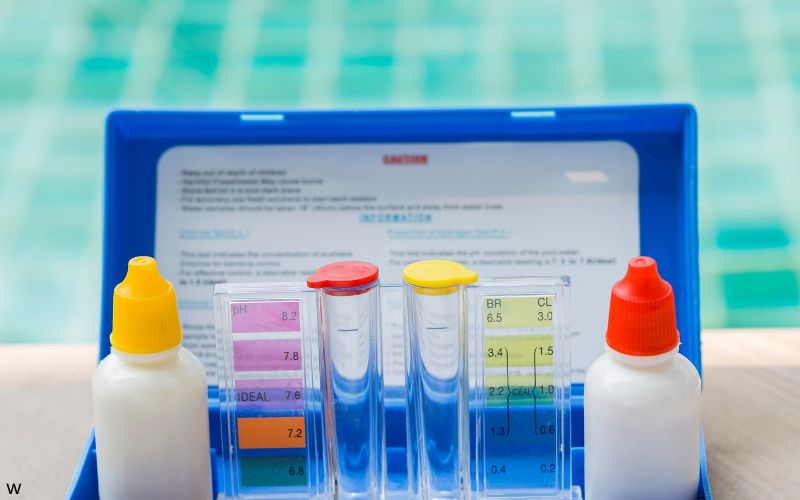
Request Water Testing
Corpus Christi residents can request free water quality testing by calling (361) 826-1800. This service is especially recommended for homes built before 1988, those with older plumbing, or residents who notice unusual water taste, odour, or appearance. Visit the water quality information centre for guidance on what to test for.
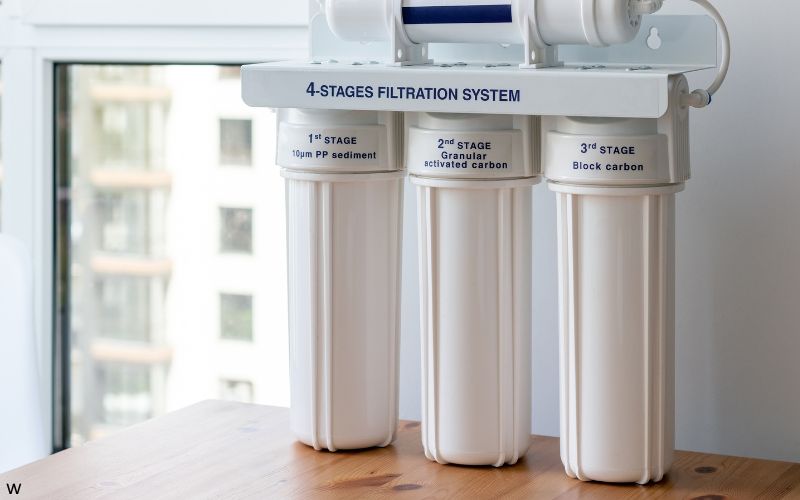
Consider Filtration
While Corpus Christi water meets all health standards, residents concerned about taste, disinfection byproducts, or PFAS may benefit from NSF-certified activated carbon filters (Standard 53). During free chlorine maintenance periods, filters can help reduce chlorine taste and odour. See our full water filter guide for NSF-certified recommendations.
Practice Conservation
Participate in Corpus Christi’s water conservation programmes, including rebates up to $300 for WaterSense-labelled irrigation controllers and high-efficiency toilets. Under current Stage 3 drought restrictions, mandatory water use limitations are in effect — full details are available at stage3.cctexas.com.
Prepare for Emergencies
Maintain an emergency water supply of at least one gallon per person per day for a minimum of three days as part of hurricane preparedness. Sign up for CC Alert emergency notifications at cctexas.com/alerts to receive water advisories during storm events or drought emergency declarations. Our live boil water notice tracker also carries any active Texas-wide alerts.
Report Water Issues
Report water main breaks, water quality concerns, or pressure problems immediately through the CC Mobile app or by calling (361) 826-CITY (2489). Prompt reporting helps prevent potential contamination and reduces water waste during critical drought conditions.
Quality News About Your Water
Get the comprehensive water quality news coverage you need with our dedicated US Water News Service. From coast to coast, we deliver in-depth reporting and expert analysis on PFAS contamination, EPA regulatory changes, infrastructure developments, and emerging water safety issues affecting communities nationwide. While mainstream media only covers the biggest stories, we provide the detailed, ongoing coverage that helps you understand the full scope of America’s water challenges.
What’s actually in your tap water? Enter your ZIP code for a full breakdown of contaminants detected in your local supply
Drinking water from a well? Check our directory here for more information
Frequently Asked Questions
Is Corpus Christi’s tap water safe to drink?
Yes, Corpus Christi’s tap water is safe to drink and meets all federal and state quality standards. The water undergoes comprehensive treatment at the O.N. Stevens Water Treatment Plant, including coagulation, sedimentation, filtration, and disinfection processes.
Following water quality incidents in 2015–2016, the city implemented significant system improvements including enhanced monitoring, improved corrosion control, and strategic water main replacements. The water system now operates under strengthened oversight with additional safeguards and has retained its Superior Public Water System designation.
Corpus Christi conducts over 70,000 water quality tests annually, with results showing consistent compliance with all health-based standards. However, ongoing concerns include PFAS contamination detected in harbour water and disinfection byproducts that exceed some health guidelines in independent testing. If you notice unusual taste, odour, or appearance in your water, the city offers free testing by calling (361) 826-1800. You can also compare the situation in nearby cities such as Laredo and San Antonio.
What are “free chlorine conversions” and why are they necessary?
Corpus Christi periodically converts its water disinfection process from chloramines (combined chlorine and ammonia) to free chlorine as a preventative maintenance measure. These conversions typically occur 1–2 times per year and last approximately four weeks. Here’s why they’re necessary:
• Biofilm control: Free chlorine is more effective at removing biofilm buildup in the distribution system
• Distribution system maintenance: Helps maintain long-term water quality throughout the extensive water main network
• Nitrification prevention: Disrupts nitrification processes that can develop in chloramine-treated water systems
• Industry best practice: Recommended by regulatory agencies and water industry experts
During these periods, residents may notice a stronger chlorine smell and taste, which can be reduced by using a pitcher filter or refrigerating water in an open container. These temporary changes are safe and essential for maintaining long-term water quality. Our water filter guide includes pitcher and under-sink options that are effective during conversion periods.
How does Corpus Christi manage water supply during droughts?
Corpus Christi implements a comprehensive drought management approach to ensure water reliability during South Texas’ periodic dry spells, though the city is currently facing its most severe water crisis in decades:
• Diversified Supply: Water is sourced from multiple reservoirs including Lake Corpus Christi, Choke Canyon, and Lake Texana via the Mary Rhodes Pipeline, but the western reservoirs remain at critically low combined capacity heading into 2026
• Five-Stage Drought Contingency Plan: Progressive water restrictions triggered by combined reservoir capacity thresholds; currently operating under Stage 3 with significant mandatory usage limitations for all customer classes
• Emergency Water Projects: Accelerated infrastructure improvements including Mary Rhodes Pipeline expansion to maximum 72–79 MGD capacity and emergency groundwater well drilling
• Industrial Partnerships: Agreements with major industrial customers to reduce consumption during severe drought periods, though new industrial demand continues to strain overall supply
• Alternative Water Development: Urgent progress toward seawater desalination to provide drought-proof supplemental supply, though PFAS contamination in harbour water must be addressed before the project can go forward
Current reservoir levels and drought stage information are available at stage3.cctexas.com. For active boil water advisories anywhere in Texas, see our live US boil water tracker.
What improvements has Corpus Christi made to its water system?
Following the water quality challenges of 2015–2016, Corpus Christi has implemented extensive system improvements totalling over $450 million:
• O.N. Stevens Treatment Plant Upgrades: $75 million in modernisation including enhanced coagulation systems, clarifier improvements, and advanced monitoring technology — planned expansion from 167 MGD to approximately 200 MGD capacity
• Water Main Replacement Programme: Accelerated replacement of ageing asbestos-cement and cast iron pipes, with over 60 miles of pipeline replaced since 2017
• Corrosion Control Optimisation: Enhanced treatment protocols and monitoring to prevent corrosion and maintain distribution system integrity
• Elevated Storage: Construction of new elevated storage tanks improving system pressure and emergency reserves
• Mary Rhodes Pipeline Enhancement: Completion of Phase 2 and recent upgrades to maximum pumping capacity of 72–79 MGD, increasing system reliability and drought resilience
• SCADA System Modernisation: Implementation of advanced monitoring and control systems providing real-time operational oversight across the distribution network
The city continues to implement its long-term Capital Improvement Programme with additional projects planned through 2030, including emergency water supply projects and seawater desalination development to address the current drought crisis. See how other major Texas cities such as Fort Worth and El Paso are managing their own infrastructure programmes.
Contaminants of Concern
Disinfection Byproducts
Source: Formed when disinfectants (chlorine or chloramine) react with naturally occurring organic matter in surface water sources, particularly during warmer months or periods of higher organic content in reservoirs
Health Effects: Long-term exposure to elevated levels may increase risk of certain cancers and reproductive effects; short-term exposure at the levels found here is not considered an immediate health concern
Current Status: Monitored quarterly throughout the distribution system; levels fluctuate seasonally but remain below EPA regulatory limits. However, independent third-party testing has found disinfection byproducts including bromoform exceeding EWG health guidelines. Residents can reduce exposure with an NSF Standard 53 certified filter — see our water filter recommendations.

PFAS “Forever Chemicals”
Source: Industrial activities, firefighting foam, and consumer products; detected in Corpus Christi harbour water at levels exceeding EPA’s 2024 drinking water limits, raising significant concerns about the planned seawater desalination project
Health Effects: Linked to cancer, immune system damage, decreased vaccine response in children, increased cholesterol, liver damage, and reproductive harm; PFAS do not break down naturally in the environment or the human body
Current Status: Harbour water testing has detected PFAS above EPA’s 4 ppt drinking water standard; ongoing monitoring is required as the city evaluates removal technologies for its desalination project. The EPA’s April 2024 PFAS National Primary Drinking Water Regulation sets enforceable limits — Corpus Christi’s treated tap water currently meets these limits, but the harbour feedwater concern remains unresolved.
Please read – our information
The information presented on cleanairandwater.net is compiled from official water quality reports, trusted news sources, government websites, and public health resources. While we strive for accuracy and thoroughness in our presentations, we are not scientists, engineers, or qualified water quality professionals.
Our mission is to present water quality information in an accessible, real-world format that helps people understand what’s in their water and make informed decisions about their health and safety. We believe that complex environmental information should be available to everyone in a format that’s easy to understand.
We make every effort to ensure our content is current and accurate, but we cannot guarantee that all information is complete or error-free. This website should not replace official communications from your local water utility or health department. We always recommend consulting official sources for the most up-to-date information regarding your specific water system.
Clean Air and Water is not liable for any unintentional errors, omissions, or outdated information. The content on this site is provided for informational purposes only and should not be considered professional advice.