El Paso Water Quality at a Glance
some concerns
Is El Paso Water Safe to Drink?
Generally Yes — El Paso water meets all federal standards and the utility is a national leader in water innovation. However, naturally occurring arsenic is detected at concerning levels (up to 21 PPB in some areas), and the city has some of the highest chromium-6 levels among major U.S. cities. PFAS has been detected at a small number of locations but remains below EPA’s 2024 Maximum Contaminant Levels. El Paso’s desert setting and the groundbreaking Pure Water Center — now under construction for a 2028 opening — demonstrate genuinely forward-thinking water management for an arid region.
⚠️ Key Concerns for El Paso Residents in 2026
- Arsenic: Naturally occurring in aquifer rocks, averaging 6.6 PPB with peaks up to 21 PPB — within EPA limits but above many health guidelines
- Chromium-6: Among the highest levels in major U.S. cities at approximately 2,400 PPT — around 120 times higher than the negligible cancer-risk benchmark
- PFAS “Forever Chemicals”: Detected at a small number of locations; currently below EPA’s enforceable 2024 MCLs but monitoring continues
- Disinfection Byproducts: Formed when chlorine reacts with organic matter in Rio Grande source water; linked to elevated cancer risk at sustained exposure
Read the full report below for detailed analysis, source information, and actionable recommendations for El Paso residents.
advertisment – report continues below
Your water passed the test.
Legal isn’t the same as safe.
Regulated contaminants like PFAS, chromium-6, and disinfection byproducts can sit inside the legal limit and still carry long-term health risks. Passing isn’t the same as clean.
✅ Removes PFAS, lead & chromium-6 — the contaminants most flagged even in passing city reports
✅ NSF/ANSI 42, 58 & 372 certified — independently tested, not just manufacturer claims
✅ Installs in 30 minutes, no plumber — fills a glass in 8 seconds, smart LED filter monitor
Renting or can’t drill? The Waterdrop K19 Countertop RO — plug in, fill the tank, done. No installation, no drilling, no plumber.
Advertisement — this page contains affiliate links. If you buy through these links, we may earn a commission at no extra cost to you.

El Paso — Texas — Water Quality Report 2026: PFAS Testing, Arsenic Concerns & Safety Across the City
El Paso Water (EPWater) manages an innovative water system serving approximately 700,000 residents in the Chihuahuan Desert, where average annual rainfall is less than 9 inches. Established in 1952, the utility operates in one of the most water-stressed regions in the United States, maintaining approximately 2,600 miles of water mains, multiple treatment plants, and a network of groundwater wells that together deliver around 100 million gallons daily across the metropolitan area. El Paso is part of Texas‘s broader water management landscape, though its desert hydrology sets it apart from most other major Texas cities like Houston, Dallas, and San Antonio.
El Paso draws drinking water from three primary sources: the Rio Grande River (seasonal surface water, roughly March to September), the Hueco Bolson and Mesilla Bolson aquifers (groundwater), and increasingly from reclaimed wastewater through advanced treatment. The utility’s water portfolio is among the most diversified of any U.S. desert city. El Paso’s most significant water quality challenges remain naturally occurring arsenic and elevated chromium-6 in groundwater, alongside emerging PFAS monitoring requirements. The landmark Pure Water Center — now under construction and on track for a 2028 opening — will become the first direct-to-distribution wastewater reuse facility in the United States, adding 10 million gallons of purified water to daily supply.
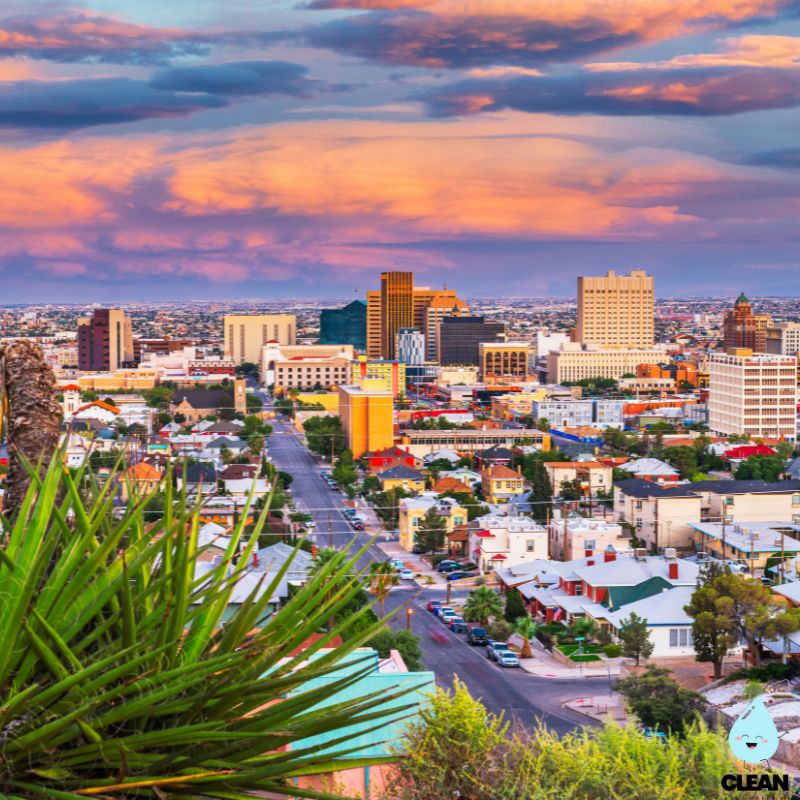
El Paso Water Quality: Current Status (2025–2026)
Latest Testing Results
- Comprehensive Testing: El Paso Water’s 2025 water quality report confirms the system meets or exceeds all federal and Texas Commission on Environmental Quality (TCEQ) standards, with over 45,000 water quality tests conducted annually and approximately 375,000 tests performed at the utility’s accredited International Water Quality Lab. You can monitor any active local advisories on our live U.S. boil water tracker.
- Lead Testing: The 90th percentile lead result sits at just 1.1 ppb — well below EPA’s 15 ppb action level. Unlike many older U.S. cities, El Paso does not have lead service lines in its distribution system, which is a significant public health advantage.
- Compliance Status: Full compliance with all EPA and TCEQ drinking water regulations maintained through the most recent quarterly assessment period. EPWater publishes detailed results online at epwater.org/quality.
Diverse Water Sources
- Rio Grande: Provides approximately 40% of supply during seasonal operation (March to September), treated at the Robertson/Umbenhauer and Jonathan Rogers Water Treatment Plants using coagulation, sedimentation, filtration, and disinfection.
- Groundwater: The Hueco and Mesilla Bolson aquifers supply around 50% of annual water needs through a network of more than 150 wells across the city — the same geological formations responsible for naturally elevated arsenic and chromium-6.
- Reclaimed Water: Advanced treated wastewater accounts for approximately 10% of supply, used for irrigation, industrial purposes, and indirect potable reuse via managed aquifer recharge — a model being closely watched by other arid-region utilities across the Southwest.
Advanced Treatment Technology
- Kay Bailey Hutchison Desalination Plant: The largest inland desalination facility in the United States, treating brackish groundwater from the Hueco Bolson aquifer using reverse osmosis to produce 27.5 million gallons of fresh water daily. Operating since 2007, the plant has added approximately 25% to El Paso’s available water supply and serves as an international model for arid-region water management.
- Conventional Treatment: Surface water plants employ multi-barrier treatment tailored to the variable quality of Rio Grande water, which shifts significantly between seasons and weather events.
- Pure Water Center (Under Construction — 2028): El Paso’s Advanced Water Purification Facility broke ground in 2025 and is on schedule for completion in 2028. It will be the first direct-to-distribution wastewater reuse facility in the United States, using reverse osmosis, UV light, and advanced oxidation to produce 10 million gallons of drinking water daily — significantly reducing dependence on drought-sensitive aquifer and river supplies.
Infrastructure and Conservation
- Pipeline Management: EPWater replaces approximately 20 miles of ageing water mains annually, prioritising leak-prone sections and critical transmission lines across a system that averages 50 years old. Federal Bipartisan Infrastructure Law funding is accelerating portions of this programme.
- Conservation Leadership: El Paso’s comprehensive conservation programme has reduced per capita daily consumption from 225 gallons in 1990 to under 130 gallons today — one of the most dramatic reductions of any major U.S. city and a nationally recognised model for desert water management. See our Texas water overview for statewide conservation context.
- Aquifer Storage: Managed aquifer recharge programmes bank surplus surface water underground during wet periods for withdrawal during drought — an increasingly vital tool as climate variability affects Rio Grande flows.
Current Water Quality Concerns
- Arsenic: Naturally occurring arsenic averages 6.6 ppb system-wide but has been detected as high as 21 ppb in areas drawing predominantly from groundwater. While within EPA’s 10 ppb standard, levels significantly exceed health-protective guidelines used by California’s Office of Environmental Health Hazard Assessment. NSF/ANSI 58-certified reverse osmosis systems effectively remove arsenic — see our water filter solutions guide for specific recommendations.
- Chromium-6: El Paso records some of the highest chromium-6 levels among major U.S. cities, averaging around 2,400 parts per trillion — approximately 120 times higher than the level California’s EPA determined poses a negligible cancer risk. Chromium-6 is not currently subject to a standalone federal MCL, though EPA’s ongoing rulemaking may change this.
- PFAS Monitoring: Under EPA’s UCMR5 sampling programme, PFAS has been detected at a small number of El Paso monitoring locations. Current results remain below EPA’s enforceable 2024 MCLs (4 ppt for PFOA and PFOS). EPWater is evaluating treatment options ahead of the 2029 compliance deadline. For national PFAS context, visit our water quality overview.
Customer Protection Initiatives
El Paso Water provides free water quality testing on request, conservation rebate programmes for efficient fixtures and xeriscaping, and payment assistance for qualifying residents. The WaterSmart portal allows customers to monitor usage in real time and receive personalised conservation tips. EPWater’s commitment to environmental justice includes prioritising infrastructure improvements in historically underserved neighbourhoods and maintaining transparent communication about water quality data. Follow our water alert news page for the latest El Paso and statewide water quality updates, and check our live boil water tracker for any active advisories.
Recommendations for El Paso Residents
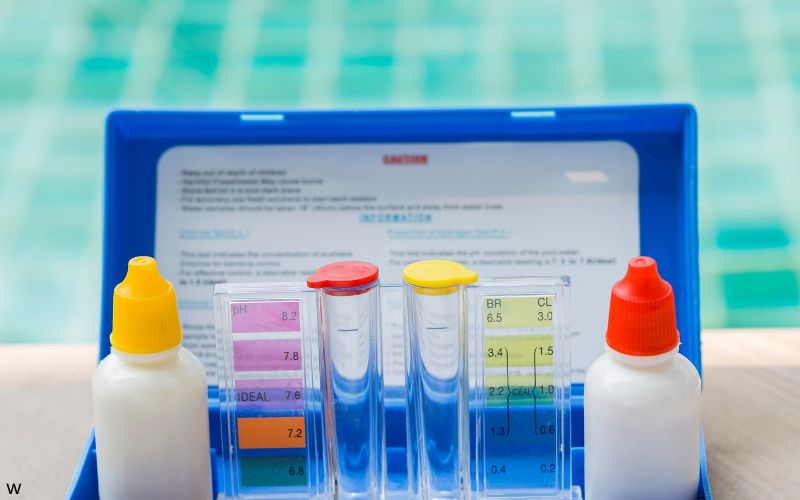
Request Water Testing
Request free water quality testing by calling El Paso Water at (915) 594-5500 or visiting epwater.org/quality. Testing is especially important for homes in areas with known elevated arsenic or chromium-6 groundwater influence, and for any property with older copper plumbing installed before 2014.
Conserve Water
Take advantage of conservation rebates for water-efficient fixtures and xeriscaping. Visit epwater.org/conservation or call (915) 594-5508 to learn about rebates for high-efficiency toilets, washing machines, and desert landscaping. El Paso’s even-odd outdoor watering schedule applies April through September — check EPWater for your designated days.
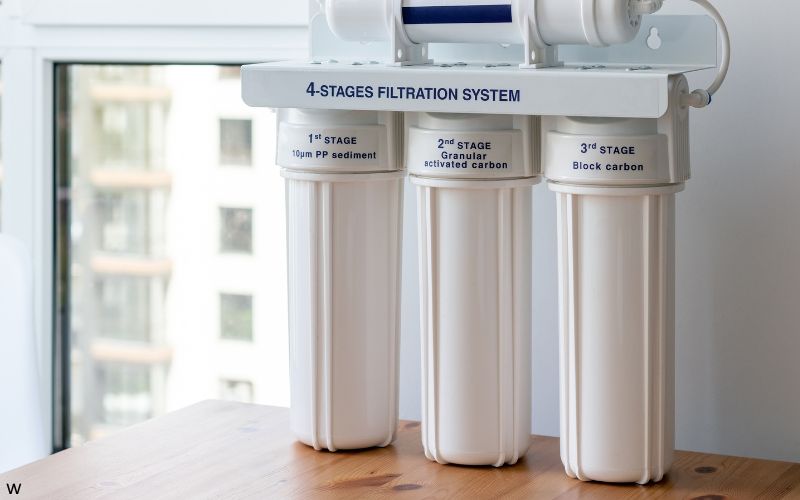
Consider Filtration
Residents concerned about arsenic, chromium-6, or disinfection byproducts should consider an NSF/ANSI 58-certified reverse osmosis system — the most effective technology for removing these specific contaminants. Visit our water filter solutions guide for certified options suited to El Paso’s water profile.
Flush Pipes After Absence
If water has been sitting in pipes for several days — after a holiday or a rarely used fixture — run cold water for 3–5 minutes before using for drinking or cooking. This is a simple precaution that helps clear any stagnant water that may have absorbed trace contaminants from internal plumbing.

Report Issues
Contact El Paso Water at (915) 594-5500 for water main breaks, pressure problems, or quality concerns during business hours. For after-hours emergencies, call (915) 594-5700. Issues can also be reported through the EP311 mobile app. Check our live boil water tracker for any active El Paso advisories.
Quality News About Your Water
Get the comprehensive water quality news coverage you need with our dedicated US Water News Service. From coast to coast, we deliver in-depth reporting and expert analysis on PFAS contamination, EPA regulatory changes, infrastructure developments, and emerging water safety issues affecting communities nationwide. While mainstream media only covers the biggest stories, we provide the detailed, ongoing coverage that helps you understand the full scope of America’s water challenges.
What’s actually in your tap water? Enter your ZIP code for a full breakdown of contaminants detected in your local supply
Drinking water from a well? Check our directory here for more information
Frequently Asked Questions
Is El Paso’s tap water safe to drink in 2026?
Yes — El Paso’s tap water meets all federal and Texas state drinking water standards, with the utility conducting over 45,000 tests annually through its accredited lab.
Unlike many older U.S. cities, El Paso does not have lead service lines in its distribution system — 90th percentile lead levels sit at just 1.1 ppb, well below EPA’s 15 ppb action level. The primary water quality concerns are naturally occurring arsenic (averaging 6.6 ppb, up to 21 ppb in some areas) and elevated chromium-6 levels. Both meet federal standards but exceed health-protective guidelines used by state regulators in California. PFAS has been detected at a small number of locations but remains below EPA’s enforceable 2024 MCLs. Residents with specific concerns should request free testing through EPWater and consider a certified reverse osmosis filter — see our filter guide for options suited to El Paso’s water.
Why is El Paso’s water so hard?
El Paso’s water hardness is a direct result of its desert geology and water sources — the same factors that drive arsenic and chromium-6 levels.
• Groundwater minerals: As water moves through the Hueco and Mesilla Bolson aquifers, it dissolves naturally occurring calcium and magnesium from limestone and other rock formations
• Rio Grande water: The river carries dissolved minerals from its watershed, though it is typically softer than local groundwater
• Evaporation effects: High desert evaporation rates concentrate minerals in surface water sources over time
Hardness varies by neighbourhood and season (100–250+ mg/L), and poses no health risk — calcium and magnesium in hard water are actually beneficial dietary minerals. The main practical effects are scale buildup on fixtures and reduced soap lathering. The Kay Bailey Hutchison Desalination Plant helps manage TDS and hardness in treated supplies.
What is El Paso’s desalination plant and why does it matter?
The Kay Bailey Hutchison Desalination Plant is a cornerstone of El Paso’s long-term water security strategy and the largest inland desalination facility in the United States.
• Capacity: 27.5 million gallons per day, adding approximately 25% to El Paso’s available supply
• Source water: Treats brackish (slightly saline) groundwater from the Hueco Bolson aquifer that was previously unusable for drinking
• Process: Reverse osmosis removes dissolved salts and other minerals, producing water that blends with conventional supplies
• Environmental handling: Concentrate (brine) from the process is injected into permitted deep disposal wells below freshwater zones
• Operational since: 2007, making El Paso an early national pioneer in municipal inland desalination
The plant’s success has been studied by arid-region utilities across the American Southwest, the Middle East, and Australia as a scalable model for drought-resilient water supply. For statewide water infrastructure context, see our Texas water quality report.
Are there water restrictions in El Paso in 2026?
Yes — El Paso maintains year-round water conservation ordinances and a structured outdoor watering schedule from April through September.
Year-Round Requirements:
• No outdoor watering between 10 a.m. and 6 p.m. (April–September)
• Leaks must be repaired within 5 days of discovery
• No water waste — runoff into streets or gutters is prohibited
• Restaurants serve water only on request
Even-Odd Outdoor Watering Schedule (April–September):
• Even-numbered addresses: Tuesday, Thursday, Saturday
• Odd-numbered addresses: Wednesday, Friday, Sunday
• No residential outdoor watering on Mondays
During declared drought conditions, additional Stage 1–3 restrictions may be implemented with reduced watering days and duration limits. Current schedules and any drought stage declarations are posted at epwater.org or via (915) 594-5508. El Paso’s per capita consumption of under 130 gallons per day — down from 225 gallons in 1990 — shows how effective these measures have been compared to peer cities like Las Vegas and Phoenix.
Water Quality Considerations
Arsenic
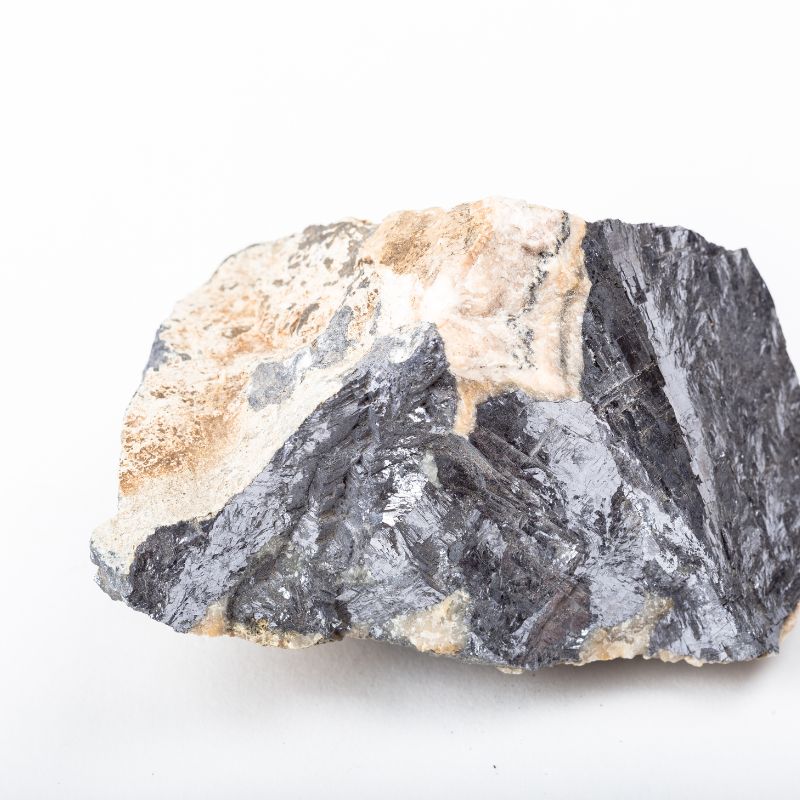
Source: Naturally occurring in aquifer rocks and geological formations in the Franklin Mountains and surrounding ranges; dissolves into groundwater over time — the same process that affects water supplies across much of the New Mexico border region
Health Concerns: A known human carcinogen at elevated exposures, linked to skin, bladder, and lung cancers as well as cardiovascular and neurological effects at chronic low-level intake
Current Levels: System average 6.6 ppb; highest detections at 21 ppb in groundwater-dominant zones. Meets EPA’s 10 ppb MCL but exceeds California OEHHA health guidelines. Reverse osmosis (NSF/ANSI 58-certified) reduces arsenic by up to 95% — see our filter guide
Chromium-6
Source: Both naturally occurring geological processes and legacy industrial activities; the Chihuahuan Desert geology contributes background levels that are elevated compared to most U.S. cities
Health Concerns: Hexavalent chromium is a known carcinogen — linked to increased cancer risk at prolonged low-level oral exposure. California adopted a 10 ppb MCL for total chromium but chromium-6 remains unregulated at the federal level
Current Status: System average approximately 2,400 parts per trillion — among the highest of any major U.S. city and around 120 times higher than California’s negligible cancer risk benchmark. EPA’s ongoing rulemaking on hexavalent chromium may establish a federal limit in the coming years

Water Hardness
Source: Natural calcium and magnesium minerals dissolved from rock formations in the Hueco and Mesilla aquifer systems and the Rio Grande watershed
Effects: Scale buildup on fixtures and appliances, reduced soap lathering, spots on dishes and glassware. Poses no health concerns — calcium and magnesium in hard water contribute to daily dietary mineral intake
Current Levels: Varies by season and neighbourhood from moderately hard (100–170 mg/L) during Rio Grande season to very hard (250+ mg/L) in groundwater-dominant areas. The Kay Bailey Hutchison Desalination Plant helps moderate TDS and hardness in blended supplies
Total Dissolved Solids (TDS)
Source: Natural minerals in groundwater sources, elevated in desert environments due to high evaporation rates and the geologic formations that feed El Paso’s aquifers
Effects: Affects taste and can impact appliance performance over time, but poses no health risk at El Paso’s typical levels. Desalination and seasonal blending with Rio Grande water help manage TDS across the system
Current Status: Ranges from 300–650 mg/L depending on source and neighbourhood; below EPA’s secondary standard of 1,000 mg/L. Residents sensitive to taste can reduce TDS further with a home reverse osmosis system — visit our water filter solutions guide for NSF-certified options
Please read – our information
The information presented on cleanairandwater.net is compiled from official water quality reports, trusted news sources, government websites, and public health resources. While we strive for accuracy and thoroughness in our presentations, we are not scientists, engineers, or qualified water quality professionals.
Our mission is to present water quality information in an accessible, real-world format that helps people understand what’s in their water and make informed decisions about their health and safety. We believe that complex environmental information should be available to everyone in a format that’s easy to understand.
We make every effort to ensure our content is current and accurate, but we cannot guarantee that all information is complete or error-free. This website should not replace official communications from your local water utility or health department. We always recommend consulting official sources for the most up-to-date information regarding your specific water system.
Clean Air and Water is not liable for any unintentional errors, omissions, or outdated information. The content on this site is provided for informational purposes only and should not be considered professional advice.