Category: Local Water News

  • Boil Water Advisory Issued for Park City, Kansas After Waterline Break Causes Pressure Loss

    Boil Water Advisory Issued for Park City, Kansas After Waterline Break Causes Pressure Loss

    Advertisement — New Report continues below

    Concerned About Your Water Quality? You’re Not Alone.

    Recent headlines and viral test results have more families questioning what’s coming out of their taps. Even if your water looks clear and tastes fine, it can still carry PFAS chemicals, chlorine byproducts, heavy metals, and other contaminants — often within legal limits, but still worth a second look.

    The good news? There are trusted filtration systems designed to tackle exactly these concerns — improving water safety, taste, and peace of mind.

    Smart Solutions for Safer Drinking Water:

    ✅ Targets harmful contaminants with advanced filtration

    ✅ Lab-tested and trusted for household use

    ✅ Options for every need — from under-sink units to full-home systems

    Prefer no installation? Check out the A2 Countertop System

    Disclaimer:
    This advert contains affiliate links. If you buy through these links, we may earn a commission at no extra cost to you.

    A precautionary boil water advisory is now in effect for Park City, Kansas, after a waterline break led to a sudden loss of pressure in the city’s public water supply. The Kansas Department of Health and Environment (KDHE) issued the advisory today, warning residents that the pressure drop increases the risk of harmful bacteria entering the system even when contamination has not yet been confirmed.

    City crews are working to repair the break, restore normal pressure, and begin water-quality testing as soon as repairs are complete.


    What Park City Residents Should Do Right Now

    To protect health while the advisory remains active, KDHE instructs residents to:

    • Bring all tap water to a rolling boil for at least one minute before drinking, cooking, washing produce, or preparing food.
    • Use boiled or bottled water for brushing teeth, making ice, and preparing infant formula.
    • Throw away ice made after the pressure loss occurred and switch off automatic icemakers until the advisory is lifted.
    • Flush taps if water appears discoloured, then boil as normal before use.

    Following these steps ensures that any potential bacteria are killed before the water is consumed.


    What NOT to Do During the Advisory

    KDHE also advises residents to avoid:

    • Drinking unboiled tap water, even if it looks clear.
    • Using refrigerator or countertop filters as a replacement for boiling (they do not remove harmful microbes).
    • Preparing infant formula or food with unboiled tap water.
    • Using ice from household icemakers until clean water cycles through the system.

    These precautions remain essential until KDHE confirms the supply is safe.


    Why the Advisory Was Issued

    According to KDHE, the waterline break caused pressure to fall below safe operational levels. When pressure drops, the disinfectant barrier in the system weakens, allowing outside water or potential contaminants to enter through cracks, joints, or nearby soil.

    State regulations require a boil-water advisory any time pressure loss could compromise water quality. This ensures residents remain protected while:

    1. Repairs are completed
    2. Pressure is restored
    3. Bacteriological samples are collected
    4. Tests confirm two consecutive clean results

    This process typically takes 24–48 hours, depending on sample timing and lab availability.


    Extra Protection for Homes Once the Advisory Ends

    After the advisory is lifted, some households choose to add an extra layer of protection with a certified reverse-osmosis filtration system. These units can reduce contaminants such as PFAS, dissolved solids, and disinfection byproducts — offering peace of mind.

    View Waterdrop Reverse Osmosis System


    Sources & Notes

    Check your water now!

    We have translated and compiled water reports on every state in the US, and covered over 100 cities. Find out how good your water is today!
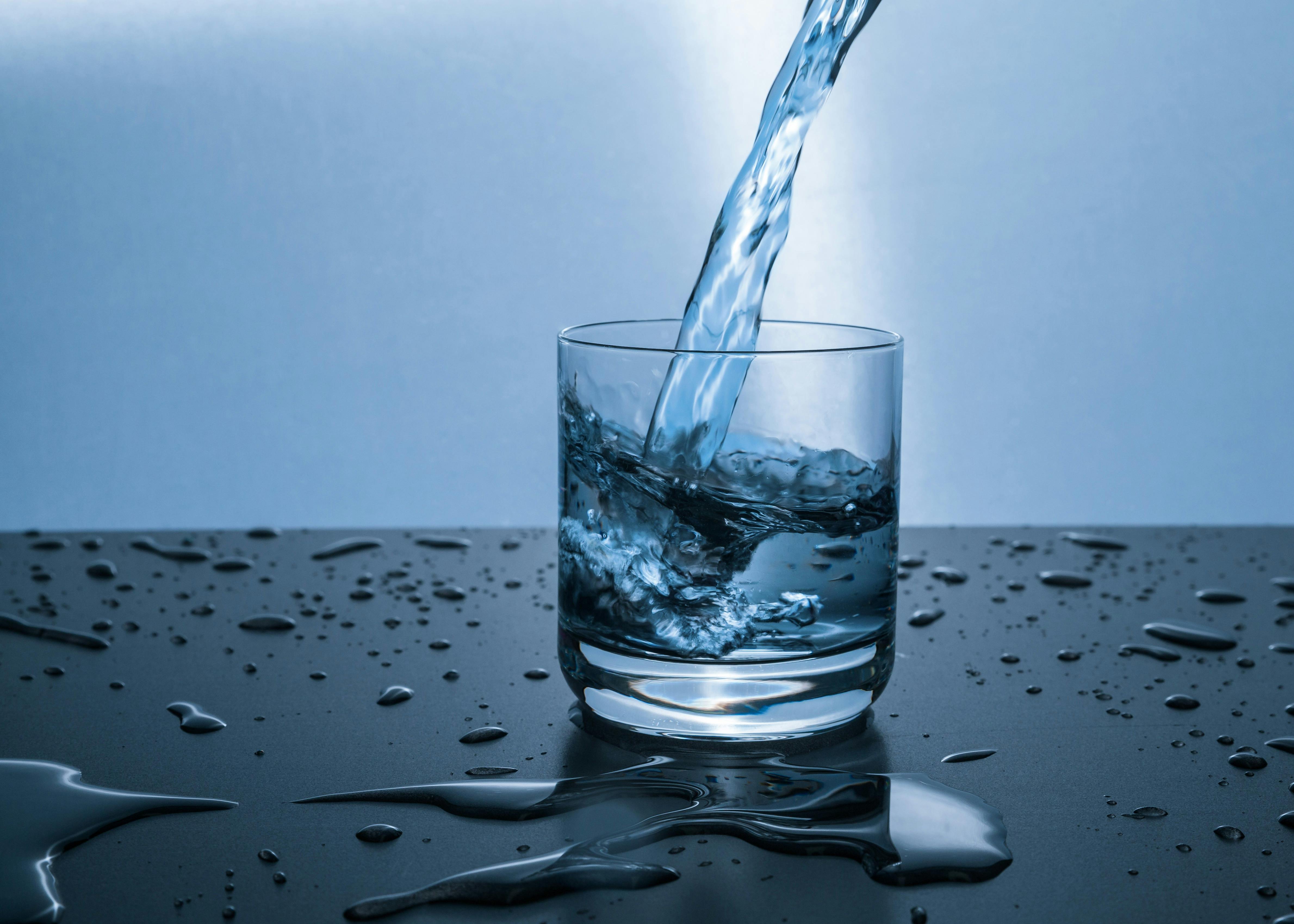
    Glass of clean water

    Please read – our information

    The information presented on cleanairandwater.net is compiled from official water quality reports, trusted news sources, government websites, and public health resources. While we strive for accuracy and thoroughness in our presentations, we are not scientists, engineers, or qualified water quality professionals.


    Our mission is to present water quality information in an accessible, real-world format that helps people understand what’s in their water and make informed decisions about their health and safety. We believe that complex environmental information should be available to everyone in a format that’s easy to understand.


    We make every effort to ensure our content is current and accurate, but we cannot guarantee that all information is complete or error-free. This website should not replace official communications from your local water utility or health department. We always recommend consulting official sources for the most up-to-date information regarding your specific water system.


    Clean Air and Water is not liable for any unintentional errors, omissions, or outdated information. The content on this site is provided for informational purposes only and should not be considered professional advice.
    Site Logo for menu
  • Water Main Break in East Lyme, Connecticut Disrupts Service as Crews Complete Emergency Repairs

    Water Main Break in East Lyme, Connecticut Disrupts Service as Crews Complete Emergency Repairs

    Advertisement — New Report continues below

    Concerned About Your Water Quality? You’re Not Alone.

    Recent headlines and viral test results have more families questioning what’s coming out of their taps. Even if your water looks clear and tastes fine, it can still carry PFAS chemicals, chlorine byproducts, heavy metals, and other contaminants — often within legal limits, but still worth a second look.

    The good news? There are trusted filtration systems designed to tackle exactly these concerns — improving water safety, taste, and peace of mind.

    Smart Solutions for Safer Drinking Water:

    ✅ Targets harmful contaminants with advanced filtration

    ✅ Lab-tested and trusted for household use

    ✅ Options for every need — from under-sink units to full-home systems

    Prefer no installation? Check out the A2 Countertop System

    Disclaimer:
    This advert contains affiliate links. If you buy through these links, we may earn a commission at no extra cost to you.

    A water-main break early Saturday morning in East Lyme, Connecticut caused temporary service disruption and low pressure for homes around Dart Street. The break, reported just after 6 a.m., sent local crews into immediate repair operations to stabilise the system and restore supply. Officials confirmed that service was returned to the area later the same day once the damaged line was secured.

    Although no boil notice was formally issued at the time of reporting, residents in the immediate area were advised to take standard precautions that follow any significant pressure event until water runs clear and normal flow is restored.


    What Residents Should Do Once Service Returns

    Even without an official advisory, best practice after a main-line repair includes:

    • Run cold taps for a few minutes to flush out discoloured water.
    • Discard any ice made during the disruption.
    • Use bottled or previously stored water for drinking or cooking if tap water appears cloudy or has sediment.
    • Wash produce and food-contact items with clear running water once lines are flushed.

    These steps help clear out debris and sediment that commonly enter pipes during emergency repairs.


    What NOT to Do After a Water-Main Break

    To minimise risk while the system stabilises:

    • Avoid drinking water if it is cloudy, discoloured, or has visible particles.
    • Do not rely on fridge or countertop filters immediately after a break — they are not designed to remove fine sediment or bacteria.
    • Avoid making infant formula with tap water until the water is running fully clear.
    • Do not use ice from automatic icemakers until fresh water cycles through the line.

    These simple precautions mirror guidance used by water utilities nationwide following major line disruptions.


    What Happened — And Why It Matters

    The break occurred near 6 Dart Street, sending repair crews to the scene early in the morning. According to local reports, the damage did not disrupt traffic but did temporarily affect water pressure for nearby homes. Sudden pressure drops can stir up sediment, cause backflow vulnerabilities, and in more severe cases require testing before the water is confirmed safe.

    In this case, officials reported the main was repaired and normal service restored later the same day. Residents were advised to flush their systems and monitor for clarity before resuming regular use.


    Extra Peace of Mind for Households

    Some residents choose to add an additional layer of home protection after water-line incidents, especially in areas with ageing infrastructure. A certified NSF/ANSI 58 reverse-osmosis system offers long-term filtration that can reduce contaminants such as PFAS, disinfection byproducts, and dissolved solids once normal service resumes.

    View Waterdrop Reverse Osmosis System


    Sources & Notes

    Check your water now!

    We have translated and compiled water reports on every state in the US, and covered over 100 cities. Find out how good your water is today!

    Glass of clean water

    Please read – our information

    The information presented on cleanairandwater.net is compiled from official water quality reports, trusted news sources, government websites, and public health resources. While we strive for accuracy and thoroughness in our presentations, we are not scientists, engineers, or qualified water quality professionals.


    Our mission is to present water quality information in an accessible, real-world format that helps people understand what’s in their water and make informed decisions about their health and safety. We believe that complex environmental information should be available to everyone in a format that’s easy to understand.


    We make every effort to ensure our content is current and accurate, but we cannot guarantee that all information is complete or error-free. This website should not replace official communications from your local water utility or health department. We always recommend consulting official sources for the most up-to-date information regarding your specific water system.


    Clean Air and Water is not liable for any unintentional errors, omissions, or outdated information. The content on this site is provided for informational purposes only and should not be considered professional advice.

    Site Logo for menu
  • Boil Water Notice Issued for Perla, Arkansas After Major Water-Main Break and Pressure Loss

    Boil Water Notice Issued for Perla, Arkansas After Major Water-Main Break and Pressure Loss

    Advertisement — New Report continues below

    Concerned About Your Water Quality? You’re Not Alone.

    Recent headlines and viral test results have more families questioning what’s coming out of their taps. Even if your water looks clear and tastes fine, it can still carry PFAS chemicals, chlorine byproducts, heavy metals, and other contaminants — often within legal limits, but still worth a second look.

    The good news? There are trusted filtration systems designed to tackle exactly these concerns — improving water safety, taste, and peace of mind.

    Smart Solutions for Safer Drinking Water:

    ✅ Targets harmful contaminants with advanced filtration

    ✅ Lab-tested and trusted for household use

    ✅ Options for every need — from under-sink units to full-home systems

    Prefer no installation? Check out the A2 Countertop System

    Disclaimer:
    This advert contains affiliate links. If you buy through these links, we may earn a commission at no extra cost to you.

    A precautionary boil water notice is now in effect for parts of Perla, Arkansas, after a significant water-main break near Highway 270 caused a sudden loss of pressure across the local distribution system. The incident, affecting an estimated 450 customers, prompted Central Arkansas Water (CAW) to issue the advisory in line with state health regulations.

    Crews isolated the damaged 8-inch main late Saturday morning and began repairs immediately. Pressure loss during an event like this does not confirm contamination, but it increases the risk that untreated water could enter the system — which is why Arkansas requires a boil notice until testing verifies the supply is safe.


    What Residents Should Do Right Now

    To reduce the risk of illness, residents in the affected area should:

    • Bring all tap water to a rolling boil for at least one minute before drinking or using it for cooking.
    • Use boiled or bottled water for brushing teeth, washing produce, preparing infant formula and making ice.
    • Discard any ice made after the water pressure dropped.
    • Allow faucets to run briefly once service is restored to flush out stagnant water.

    These steps remain important until CAW confirms the advisory has been lifted.


    What NOT to Do During a Boil-Water Advisory

    To stay safe while repairs and testing continue, residents should avoid:

    • Drinking or cooking with unboiled tap water — even if it looks clear.
    • Using filtered water from fridges or countertop filters as a substitute for boiling. (Most filters do not remove bacteria.)
    • Preparing infant formula with unboiled water.
    • Using ice made after the break occurred.

    Following these precautions ensures protection while the system stabilises.


    What Happened — And Why This Notice Was Required

    The break occurred around Highway 270 and caused pressure to drop quickly along connected streets, including areas near Highway 67 and nearby side roads. When pressure falls, the barrier preventing outside water from entering pipes weakens. Even without confirmed contamination, state rules require a boil-water notice until:

    1. Repairs are completed
    2. Pressure is fully restored
    3. Laboratory tests return two consecutive clean samples

    This testing process typically takes 24–48 hours, depending on lab turnaround.


    Looking Ahead: Extra Peace of Mind After the Notice Ends

    Once CAW lifts the advisory, some households choose to add an additional layer of protection at home. A certified NSF/ANSI 58 reverse-osmosis system can reduce contaminants like PFAS, disinfection byproducts and dissolved solids — offering ongoing peace of mind in areas where infrastructure disruptions occur.

    View Waterdrop Reverse Osmosis System


    Sources & Notes

    Check your water now!

    We have translated and compiled water reports on every state in the US, and covered over 100 cities. Find out how good your water is today!

    Glass of clean water

    Please read – our information

    The information presented on cleanairandwater.net is compiled from official water quality reports, trusted news sources, government websites, and public health resources. While we strive for accuracy and thoroughness in our presentations, we are not scientists, engineers, or qualified water quality professionals.


    Our mission is to present water quality information in an accessible, real-world format that helps people understand what’s in their water and make informed decisions about their health and safety. We believe that complex environmental information should be available to everyone in a format that’s easy to understand.


    We make every effort to ensure our content is current and accurate, but we cannot guarantee that all information is complete or error-free. This website should not replace official communications from your local water utility or health department. We always recommend consulting official sources for the most up-to-date information regarding your specific water system.


    Clean Air and Water is not liable for any unintentional errors, omissions, or outdated information. The content on this site is provided for informational purposes only and should not be considered professional advice.

    Site Logo for menu