Dallas Water Quality at a Glance
significant concerns
Is Dallas Water Safe to Drink?
Generally Yes, With Caution — Dallas water meets all federal and state regulatory standards and has had only 3 violations in 15 years. However, independent testing reveals 38 contaminants detected, with 17 above EWG health-based guidelines. Key concerns include PFAS “forever chemicals” above EPA limits, chromium-6 at 14x health guidelines, and nitrates at nearly 5x recommended levels. Disinfection byproducts from water treatment also contribute to background cancer risk. Residents — especially those with young children or who are pregnant — should consider a certified home filter.
⚠️ Key Concerns for Dallas Residents
- PFAS “Forever Chemicals”: Three types detected — PFOA, PFOS, and PFHxS — with PFOA at 6.3 ppt and PFOS at 4.4 ppt at the Bachman plant, both above the EPA’s 4 ppt limit that takes full effect in 2029
- Chromium-6 Contamination: Cancer-causing hexavalent chromium detected at 14 times the EWG health guideline — no federal MCL currently exists for chromium-6 specifically
- Nitrate Pollution: Fertilizer-related nitrate found at nearly 5 times EWG’s health guideline, linked to cancer risk and blue baby syndrome in infants
- Disinfection Byproducts: Chloroform, bromodichloromethane, and other cancer-linked trihalomethanes and haloacetic acids formed during water treatment
Read the full report below for detailed analysis, contaminant data, and actionable recommendations for Dallas residents.
advertisment – report continues below
Your water passed the test.
Legal isn’t the same as safe.
Regulated contaminants like PFAS, chromium-6, and disinfection byproducts can sit inside the legal limit and still carry long-term health risks. Passing isn’t the same as clean.
✅ Removes PFAS, lead & chromium-6 — the contaminants most flagged even in passing city reports
✅ NSF/ANSI 42, 58 & 372 certified — independently tested, not just manufacturer claims
✅ Installs in 30 minutes, no plumber — fills a glass in 8 seconds, smart LED filter monitor
Renting or can’t drill? The Waterdrop K19 Countertop RO — plug in, fill the tank, done. No installation, no drilling, no plumber.
Advertisement — this page contains affiliate links. If you buy through these links, we may earn a commission at no extra cost to you.

Dallas, Texas — Water Quality Report 2026: PFAS Testing, Infrastructure Concerns & Safety Across Your City
Dallas’s water infrastructure serves over 2.6 million residents across one of the largest municipal water systems in the United States, extending beyond the city limits to supply 31 nearby communities throughout the Dallas-Fort Worth metroplex. Dallas Water Utilities operates through an extensive network of three major water treatment plants, over 4,600 miles of distribution and transmission mains, 28 pump stations, and 20 storage facilities that deliver water from six reservoirs — Lake Lewisville, Lake Grapevine, Lake Ray Roberts, Lake Ray Hubbard, Lake Tawakoni, and Lake Fork. The system can treat approximately 900 million gallons of water daily, with the service area projected to grow from around 3 million to more than 5 million people by 2070. Long-range planning and water quality improvement are therefore both immediate and generational challenges. For statewide context, see our Texas water quality report, or check water quality in nearby cities including Fort Worth, Arlington, and Plano.
Despite abundant water sources, Dallas faces significant emerging contaminant challenges heading into 2026 — particularly with PFAS “forever chemicals.” Testing at the Bachman Water Treatment Plant has detected PFOA at 6.3 parts per trillion and PFOS at 4.4 parts per trillion, both above the EPA’s enforceable limit of 4 ppt that utilities must comply with by 2029. The city has joined national litigation against manufacturers including 3M and DuPont, alleging contamination from firefighting foam at airports and military installations. Dallas’s commitment to improvement is demonstrated through comprehensive PFAS monitoring under the 2024 EPA rule, implementation of its Long Range Water Supply Plan extending through 2080, and water conservation programmes that have achieved a 30% reduction in per capita consumption since 2001 — all while preparing for population growth that demands continued infrastructure investment. Check our live boil water advisory tracker for any active notices affecting the Dallas area.

Dallas, Texas: Water Quality Current Status (2025–2026)
Dallas operates three water treatment plants with substantial combined capacity — East Side, Elm Fork, and Bachman — totalling approximately 900 million gallons per day. The treatment process employs settling, filtration, ozone disinfection, and chloramination, along with lime and iron sulfate for suspended solids removal and corrosion control, and activated carbon for taste and odour management. These are among the most advanced treatment technologies in use at major US utilities, though they do not fully address PFAS or chromium-6 at current configurations.
Lead Service Line Status
Dallas Water Utilities began eliminating lead service lines over 46 years ago and reports that its treated water supply contains no lead. However, EPA’s revised Lead and Copper Rule Improvements (LCRI), finalised in 2024, require water systems to complete a full service line inventory and begin replacing all lead and unknown-material lines within 10 years. Dallas sent notification letters to thousands of residents in late 2024 as part of this inventory compliance process.
As of the most recent inventory data, DWU has 320,491 active service lines. Of these, 204,396 on the public side and 86,886 on the private side have been identified as non-lead. No lead service lines have been confirmed, but a significant number remain classified as “unknown” — meaning residents in older homes, particularly those built before 1986, should be aware that lead in household solder or fixtures can still be a source of exposure at the tap regardless of the public system’s status. Residents can use the city’s online service line inventory tool to check their property. For filter options that address lead, see our water filter guide.
Water Quality Testing Results
Dallas Water Utilities holds a Superior Water System rating from the Texas Commission on Environmental Quality (TCEQ) — the highest designation available — and meets all federal health-based drinking water standards. For the most recently assessed period, tap water from Dallas Water Utility was in compliance with EPA drinking water regulations.
However, independent testing data through 2024–2025 tells a more nuanced story. Testing found 38 contaminants in Dallas’s water supply, with 17 at levels exceeding the Environmental Working Group’s health-based limits — limits which are typically more stringent than current federal MCLs and based on more recent toxicological research. The most significant exceedances involve PFAS, chromium-6, and nitrates, detailed in the Contaminants of Concern section below. Residents wanting to stay up to date can also follow national water quality news for developments affecting Texas utilities.
Quality News About Your Water
Get the comprehensive water quality news coverage you need with our dedicated US Water News Service. From coast to coast, we deliver in-depth reporting and expert analysis on PFAS contamination, EPA regulatory changes, infrastructure developments, and emerging water safety issues affecting communities nationwide. While mainstream media only covers the biggest stories, we provide the detailed, ongoing coverage that helps you understand the full scope of America’s water challenges. Whether you’re a concerned citizen, water professional, or community leader, our daily updates and analytical insights keep you informed about the issues that matter most to public health and environmental safety.
What’s actually in your tap water? Enter your ZIP code for a full breakdown of contaminants detected in your local supply
Frequently Asked Questions
Is Dallas tap water safe to drink in 2026?
Dallas tap water meets all federal and state regulatory standards and holds a Superior Water System rating from the TCEQ — the highest available designation in Texas. By legal standards, it is safe to drink.
That said, independent testing has found 38 contaminants, with 17 at levels above health-based guidelines used by researchers and organisations like the Environmental Working Group. These guidelines are typically more protective than federal MCLs, which are often set based on treatment feasibility and cost as much as health. The key concerns in Dallas are PFAS (three types detected above EPA limits), chromium-6 at 14x health guidelines, nitrates at nearly 5x recommended levels, and disinfection byproducts from the treatment process. Residents who are pregnant, have young children, or simply want additional assurance should consider a certified reverse osmosis or activated carbon filter — see our filter recommendations for options that address these specific contaminants.
Does Dallas have lead pipes in its water system?
Dallas began eliminating lead service lines over 46 years ago, and no confirmed lead service lines have been found in the public distribution system so far. However, under EPA’s 2024 Lead and Copper Rule Improvements, Dallas must complete a full inventory of all service line materials and begin replacing lead and unknown-material lines within a 10-year window.
As of the latest data, a significant portion of the 320,491 active service lines have been identified as non-lead, but a substantial number remain classified as “unknown.” The most likely source of lead exposure in Dallas is legacy plumbing inside older homes — particularly lead solder in properties built before 1986 — rather than the public system itself. Residents in older properties should consider running the tap for 30 seconds before use and testing their water, or using a certified filter that removes lead.
What contaminants are of most concern in Dallas water?
The four main contaminants of concern in Dallas’s water supply are PFAS “forever chemicals,” hexavalent chromium (chromium-6), nitrates, and disinfection byproducts. PFOA and PFOS have both been detected above the EPA’s new 4 ppt enforceable limit at the Bachman Water Treatment Plant. Chromium-6 — the contaminant made famous by the Erin Brockovich case — has been detected at 14 times EWG’s health guideline, though there is currently no federal MCL specifically for chromium-6. Nitrates are present at nearly 5 times EWG’s recommended level, with risks particularly for infants. Disinfection byproducts including trihalomethanes and haloacetic acids form when chlorine-based disinfectants react with organic matter during treatment.
All of these contaminants are within current federal legal limits — Dallas is in compliance. But for residents who want a higher level of protection, a reverse osmosis system certified for PFAS and nitrate removal is the most effective option. See our water filter guide for details. Also see the Texas state water quality report for a broader picture of how Dallas compares across the state.
How can Dallas residents check their water quality?
Dallas Water Utilities offers free water testing upon request. Residents can call 311 or contact DWU directly at 214-670-0915 or DWUWaterQuality@dallas.gov to arrange testing. For those concerned about service line materials, the city has created an online inventory and survey tool to help identify the type of pipes connected to individual properties.
Additional resources include Dallas Water Utilities’ annual Consumer Confidence Report, published each year and available on the DWU website, which details all testing results and any regulatory violations. You can also check our live boil water advisory tracker for any active notices in the Dallas area, and follow water quality news for ongoing coverage of Texas water issues. For comparison with other DFW-area cities, see our reports for Fort Worth, Irving, Garland, and Plano.
Contaminants of Concern
PFAS (“Forever Chemicals”)
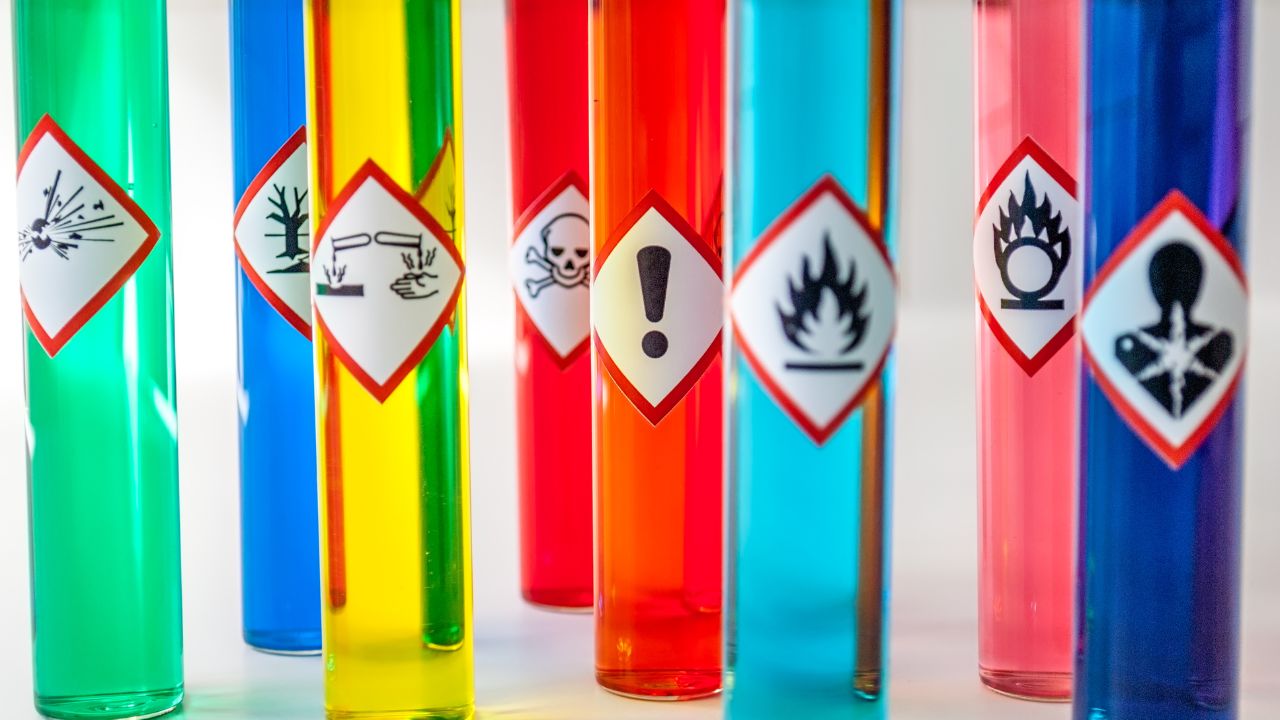
What’s been detected: Three PFAS compounds — PFOA, PFOS, and PFHxS — have been found in Dallas’s water supply at levels exceeding EWG health-based guidelines. At the Bachman Water Treatment Plant specifically, PFOA was measured at 6.3 ppt and PFOS at 4.4 ppt, both above the EPA’s enforceable 4 ppt limit that utilities must comply with by 2029. Dallas has been identified as one of the Texas public water systems reporting at least one PFAS exceedance under the new EPA rule.
Source: PFAS contamination in Dallas is linked primarily to firefighting foam (AFFF) historically used at airports and military installations within the watershed, as well as industrial manufacturing. Dallas has joined national litigation against 3M, DuPont, and other manufacturers. Health effects include increased risk of kidney and testicular cancer, thyroid disruption, immune suppression, and developmental issues in children. Residents in areas served by the Bachman plant should consider a certified reverse osmosis filter — see our filter guide for options verified to remove PFAS.
Disinfection Byproducts
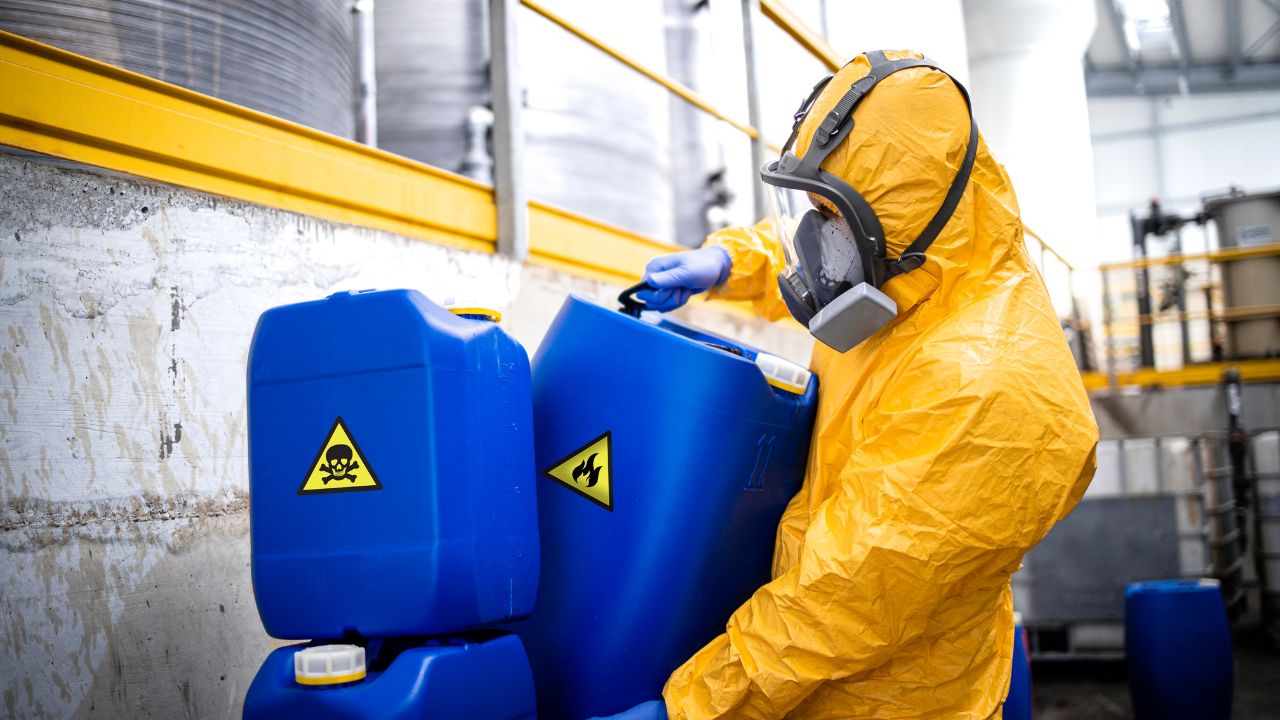
What’s been detected: Scientists have identified over 600 disinfection byproducts (DBPs) in treated drinking water. In Dallas’s supply, the most significant are trihalomethanes (THMs) including chloroform and bromodichloromethane, and haloacetic acids (HAAs) — all of which have been linked to DNA damage, cancer, and adverse reproductive outcomes in long-term exposure studies.
Source: DBPs form when chlorine and chloramine disinfectants react with naturally occurring organic matter in raw water — an unavoidable consequence of treating water from surface reservoirs like Lake Lewisville and Lake Ray Hubbard, which tend to carry higher organic loads. Dallas’s current levels are within federal MCLs but above more health-protective guidelines. Activated carbon filtration — either at point of entry or point of use — is the most effective household method for reducing DBPs.
Chromium-6
What’s been detected: Hexavalent chromium (chromium-6) has been detected in Dallas’s water at levels approximately 14 times higher than EWG’s health guideline. Chromium-6 gained widespread public attention through the Erin Brockovich case and has been classified as a probable human carcinogen by multiple health agencies based on inhalation studies, with increasing concern about oral ingestion.
Regulatory context: There is currently no specific federal MCL for chromium-6 — only a combined standard for total chromium (100 ppb), which Dallas meets. California has set a state-level chromium-6 MCL, and EPA has been under pressure to establish a national standard. Until federal regulation catches up, point-of-use reverse osmosis or strong base anion exchange filters are the most effective household treatment options. For comparison, see how other Texas cities handle chromium-6 in our Texas water quality overview.

Nitrates
What’s been detected: Nitrate — primarily from agricultural fertiliser runoff and urban stormwater — has been found in Dallas’s water at nearly 5 times EWG’s health guideline. While Dallas’s nitrate levels remain within the federal MCL of 10 mg/L, EWG’s guideline is considerably more conservative, reflecting research linking long-term nitrate exposure to colorectal cancer, thyroid disruption, and — at high acute levels — blue baby syndrome (methemoglobinemia) in infants under six months.
Who is most at risk: Infants under six months and pregnant women are most vulnerable to nitrate exposure and should take particular precautions. Nitrates are not removed by boiling — in fact, boiling concentrates them. Reverse osmosis and ion exchange filters certified for nitrate removal are effective household solutions. See our water filter recommendations for certified options.
Please read – our information
The information presented on cleanairandwater.net is compiled from official water quality reports, trusted news sources, government websites, and public health resources. While we strive for accuracy and thoroughness in our presentations, we are not scientists, engineers, or qualified water quality professionals.
Our mission is to present water quality information in an accessible, real-world format that helps people understand what’s in their water and make informed decisions about their health and safety. We believe that complex environmental information should be available to everyone in a format that’s easy to understand.
We make every effort to ensure our content is current and accurate, but we cannot guarantee that all information is complete or error-free. This website should not replace official communications from your local water utility or health department. We always recommend consulting official sources for the most up-to-date information regarding your specific water system.
Clean Air and Water is not liable for any unintentional errors, omissions, or outdated information. The content on this site is provided for informational purposes only and should not be considered professional advice.