Author: irvtec

  • There Is Nowhere on Earth Left Untouched

    There Is Nowhere on Earth Left Untouched

    In August 2022, researchers from Stockholm University and ETH Zurich published a finding that stopped a lot of people in their tracks: there is nowhere on Earth where rainwater would now be considered safe to drink, based on current US EPA health guidelines for PFAS.

    Not in the remote Tibetan Plateau. Not in Antarctica. Not over the open ocean. Everywhere they measured, PFAS — the family of man-made “forever chemicals” linked to kidney and testicular cancer, thyroid disease, and immune disruption — were present in rainwater at levels exceeding what the EPA considers safe for drinking water.

    This article explains what that research found, why it matters for US tap water drinkers specifically, and what you can actually do about it.

    What the Research Actually Found

    The peer-reviewed analysis, published in the journal Environmental Science & Technology in August 2022, was led by Professor Ian Cousins at Stockholm University’s Department of Environmental Science. The team reviewed data on PFAS levels in rainwater, soil, and surface water collected across multiple global regions since 2010.

    They focused on four well-studied PFAS compounds: PFOS, PFOA, PFHxS, and PFNA — and compared measured concentrations against the latest safety guidelines from the US EPA, the European Union, and other regulatory bodies.

    The conclusion was unambiguous. Even in the most remote locations on the planet, PFAS levels in rainwater exceeded EPA health advisory limits. The lowest recorded concentration of PFOA — one of the most studied PFAS compounds — was found on the Tibetan Plateau, and it was still approximately 14 times higher than EPA guidelines. In Antarctica, levels also exceeded those limits.

    “Based on the latest US guidelines for PFOA in drinking water, rainwater everywhere would be judged unsafe to drink. Although in the industrial world we don’t often drink rainwater, many people around the world expect it to be safe to drink and it supplies many of our drinking water sources,” Professor Cousins said in the Stockholm University press release accompanying the research.

    “There is nowhere on Earth where the rain would be safe to drink, according to the measurements that we have taken,” he told AFP separately.

    The researchers concluded that PFAS contamination now represents what they call a “planetary boundary” — a global threshold that, once exceeded, cannot be reversed with existing technology. That boundary, they argue, has already been crossed.

    It’s worth noting that Cousins himself was measured about what this means for everyday risk. “I’m not super concerned about the everyday exposure in mountain or stream water or in the food. We can’t escape it… we’re just going to have to live with it,” he told AFP. “But it’s not a great situation to be in, where we’ve contaminated the environment to the point where background exposure is not really safe.” The concern isn’t acute poisoning from a glass of rainwater — it’s the cumulative, inescapable load that now exists at a global level, with no practical way to reverse it.

    Why Is PFAS in Rainwater — and Why Isn’t It Going Away?

    PFAS were manufactured and used in industrial and consumer products for decades — non-stick cookware, waterproof clothing, food packaging, firefighting foam, stain-resistant carpets. They were valued precisely because they don’t break down. That property also makes them one of the most persistent pollutants ever created.

    Once released into the environment, PFAS enter waterways and eventually reach the ocean. From ocean surface water, they are carried into the atmosphere via sea spray aerosols — tiny droplets that evaporate and leave PFAS molecules suspended in the air. Those molecules then fall back to Earth as rain, snow, or dry deposition, contaminating soils, freshwater, and surface water supplies around the world.

    This atmospheric cycling means PFAS are continuously redistributed across the planet, regardless of where they were originally produced or used. Even though major manufacturers like 3M phased out certain PFAS compounds two decades ago, their presence in the environment has not meaningfully declined.

    “The extreme persistence and continual global cycling of certain PFAS will lead to the continued exceedance of these guidelines,” said Professor Martin Scheringer, a co-author at ETH Zurich. “So now, due to the global spread of PFAS, environmental media everywhere will exceed environmental quality guidelines designed to protect human health and we can do very little to reduce the PFAS contamination. In other words, it makes sense to define a planetary boundary specifically for PFAS — and this boundary has now been exceeded.”

    What Does This Mean for US Tap Water?

    For most Americans, rainwater isn’t a direct source of drinking water. But that’s not the point. Rainwater feeds the reservoirs, rivers, lakes, and groundwater aquifers that supply public water systems across the country. PFAS entering those sources through atmospheric deposition adds to the contamination already present from industrial discharge, military base runoff, and the application of PFAS-containing biosolids to agricultural land.

    EPA monitoring data released in March 2026 shows that around 176 million Americans now have tap water that has tested positive for PFAS — four million more than the previous round of testing. That number continues to rise as utilities complete testing under the national monitoring programme. For the full picture of PFAS rules currently in force and the ongoing legal challenges to rollbacks, see our PFAS rules 2026 explainer.

    The research also found that atmospheric deposition leads to soils being “ubiquitously contaminated” with PFAS above proposed guideline values. For private well owners — approximately 13–15% of the US population — this is a particular concern. Well water is not regulated under the Safe Drinking Water Act, meaning there is no federal requirement to test or treat it. PFAS entering soil through rain can leach into groundwater and into private wells without any monitoring or notification. For guidance on well water safety, see our private well water section.

    The Regulatory Picture in 2026

    In April 2024, the EPA finalised the first-ever national drinking water limits for six PFAS compounds, setting maximum contaminant levels (MCLs) of 4 parts per trillion (ppt) for PFOA and PFOS. In May 2025, the current EPA administration confirmed those two limits would remain in force, but extended the compliance deadline from 2029 to 2031 — and announced plans to rescind limits for four other PFAS compounds: PFHxS, PFNA, GenX, and PFBS.

    That rollback is now being contested in court. In January 2026, a federal court declined the EPA’s request to immediately vacate those four limits, and in March 2026 the same court refused a follow-up request to sideline the legal challenge while the agency worked on new rules. As of publication, no revised MCLs for those four compounds have been finalised. The situation is live and changing — our PFAS rules 2026 explainer is updated as developments occur.

    The Stockholm University research puts that 4 ppt figure in context. The guideline value for PFOA in US drinking water has declined by 37.5 million times over the past 20 years as scientists have learned more about how toxic these chemicals are at low concentrations. That’s not a sign of regulatory overreach — it’s a sign of how much better our understanding of PFAS toxicity has become.

    Some states have set their own, stricter PFAS drinking water standards — Massachusetts, New Jersey, New York, Vermont, Michigan, and others have enforceable limits that go beyond the federal rules. Many states have nothing beyond the federal framework. Our PFAS Protection Map 2026 shows where your state stands.

    Can You Filter PFAS Out of Tap Water?

    Yes — and this is the most important practical takeaway. While the global spread of PFAS cannot be reversed, the PFAS in your drinking water can be effectively removed at the point of use.

    Reverse osmosis (RO) filtration is the most effective method. RO systems force water through a semi-permeable membrane with pores so small that PFAS molecules — along with lead, arsenic, nitrates, and many other contaminants — cannot pass through. Studies consistently show RO systems removing 90–99% of PFAS from drinking water. Look for systems certified to NSF/ANSI Standard 58 for independent verification of performance claims.

    Activated carbon filters can also reduce PFAS, particularly solid block carbon filters certified to NSF/ANSI Standard 53 for PFAS reduction. Standard pitcher filters are less effective against the smallest PFAS molecules and should not be relied upon as the primary line of defence against confirmed PFAS contamination.

    For filter recommendations matched to your water’s specific contaminant profile, see our water filter solutions guide.

    What About Rainwater Harvesting?

    Rainwater harvesting — collecting roof runoff for household or garden use — is legal in most US states and has been promoted as a sustainable water practice. The Stockholm University findings add an important caveat: harvested rainwater now carries PFAS contamination, and should not be used as drinking water without treatment through a certified RO or ultrafiltration system.

    For garden irrigation, the risk is lower — PFAS in rainwater at current atmospheric concentrations are unlikely to cause immediate harm through incidental skin contact with irrigated plants. But drinking untreated harvested rainwater is not advisable anywhere in the world based on current science.

    The Bottom Line

    The Stockholm University finding is genuinely significant — not because it means everyone is in immediate danger from rainwater, but because it tells us something important about the scale of the PFAS problem. As Professor Cousins himself acknowledged, the issue isn’t acute risk from any single exposure — it’s that these chemicals have spread so thoroughly through the global environment that even the most remote locations on Earth now carry concentrations above health guidelines, and the water cycle is redistributing them continuously with no reversal possible using existing technology.

    For Americans on public water supplies, this is another reason to understand what’s in your tap water — not just what utilities are required to report, but what independent data shows. Use our ZIP code water checker to look up your local supply, and check our full state and city directory for detailed local reports.

    The legal limit and the safe limit are not the same thing. The rainwater research is one more reason to take that seriously.


    Key source: Cousins, I.T. et al. “Outside the Safe Operating Space of a New Planetary Boundary for Per- and Polyfluoroalkyl Substances (PFAS).” Environmental Science & Technology, 2022, 56(16), 11172–11179. Published by Stockholm University and ETH Zurich. View the study.

    This article is for informational purposes only and does not constitute medical advice. For the latest PFAS regulatory developments, see our PFAS rules 2026 explainer. Affiliate disclosure: this site uses affiliate links to water filter products. If you purchase through our links, we may earn a small commission at no extra cost to you. We only recommend products with independent NSF certification.

    Please read – our information

    The information presented on cleanairandwater.net is compiled from official water quality reports, trusted news sources, government websites, and public health resources. While we strive for accuracy and thoroughness in our presentations, we are not scientists, engineers, or qualified water quality professionals.


    Our mission is to present water quality information in an accessible, real-world format that helps people understand what’s in their water and make informed decisions about their health and safety. We believe that complex environmental information should be available to everyone in a format that’s easy to understand.


    We make every effort to ensure our content is current and accurate, but we cannot guarantee that all information is complete or error-free. This website should not replace official communications from your local water utility or health department. We always recommend consulting official sources for the most up-to-date information regarding your specific water system.


    Clean Air and Water is not liable for any unintentional errors, omissions, or outdated information. The content on this site is provided for informational purposes only and should not be considered professional advice.
    Site Logo for menu
  • Boil Water Notice: What It Really Means and Exactly What to Do

    Boil Water Notice: What It Really Means and Exactly What to Do

    Your phone buzzes. Your water utility has sent an alert — a boil water notice is in effect for your area. Maybe you saw it on the news, or a neighbour knocked on the door. Either way, the immediate questions are the same: Is this serious? What exactly do I need to do? Is my family safe?

    This guide answers all of those questions clearly and calmly. No panic, no vague government-speak — just a straightforward explanation of what’s happening, what it means for you, and exactly what to do.

    You can also check whether any boil water notices are currently active in your area on our live US boil water notice tracker, updated continuously.

    What Is a Boil Water Notice?

    A boil water notice — sometimes called a boil water advisory or boil water order — is an official instruction from your water utility or local health department telling you to boil tap water before drinking it, cooking with it, or using it in ways that involve putting it in your mouth.

    It’s issued when something has happened — or might have happened — that could allow harmful bacteria or other microorganisms to enter the water supply. The key word there is “could.” As you’ll see below, most boil water notices are precautionary rather than responses to confirmed contamination.

    The Two Types: Precautionary vs Mandatory

    This distinction matters a lot and most news coverage glosses over it entirely.

    Precautionary boil water notice

    This is by far the most common type — accounting for around 80% of all boil water notices issued in the US according to EPA data. A precautionary notice means something happened that could theoretically allow contamination to enter the system, but no contamination has actually been detected. Common triggers include a water main break, loss of pressure in the distribution system, a pipe repair, or a significant drop in water storage tank levels.

    When pressure in a water pipe drops, there’s a theoretical risk that water from outside the pipe — potentially containing bacteria — could flow inward through any crack or joint. Rather than wait for test results to confirm whether this actually happened, utilities issue a precautionary notice immediately. It’s a belt-and-braces approach to public health, and the right one.

    In most precautionary notices, the water is fine. The notice exists because the utility can’t confirm it’s fine until lab results come back — which takes 24 to 48 hours.

    Mandatory boil water notice

    A mandatory notice is more serious. It’s issued when contamination has actually been confirmed — when lab tests have found bacteria, E. coli, or other pathogens in the water supply above allowable levels. This is less common but requires the same response: boil your water and follow the instructions below until the notice is lifted.

    What Causes Boil Water Notices?

    The vast majority — around 80% according to EPA analysis — are triggered by water main breaks, distribution system repairs, and loss of water pressure. These are infrastructure events, not contamination events. Other causes include treatment disruptions (where the disinfection process at the treatment plant is temporarily interrupted), flooding or natural disasters that can overwhelm water systems, and backflow events where pressure reversal pushes building water back into the distribution system.

    Less commonly, notices are issued when routine water testing finds bacteria in the distribution system pipes — not necessarily E. coli or fecal contamination, but enough of a finding to warrant caution while further testing is done.

    The reassuring stat: Around 80% of all boil water notices are precautionary — issued as a precaution after infrastructure events like pipe repairs, not because contamination was found. Most precautionary notices are lifted within 24 to 48 hours once lab results confirm the water is clear.

    How Long Does a Boil Water Notice Last?

    Most boil water notices last between 24 and 48 hours. The clock doesn’t really start until engineers have repaired whatever caused the issue, flushed the affected pipes, collected water samples, and sent them to a certified laboratory. Lab results for bacterial contamination typically take 24 hours to process. Only once two consecutive clean samples come back can the notice be officially lifted.

    Some notices last longer — particularly those triggered by major infrastructure failures, natural disasters, or confirmed contamination events. Jackson, Mississippi’s extended water crisis is an extreme example, but multiday and multiweek notices do occur in communities with aging infrastructure or serious system failures. Our boil water tracker monitors active notices across the US and flags ones that have been running for an unusually long time.

    What to Do During a Boil Water Notice

    Do boil water for:

    1. Drinking — including water you add to drinks like squash or cordial
    2. Brushing your teeth — this one is easy to forget
    3. Making ice — discard any ice made before the notice and make new batches with boiled water
    4. Preparing baby formula
    5. Washing fruits and vegetables that will be eaten raw
    6. Cooking — any water that goes into food or drink
    7. Rinsing contact lenses

    How to boil water correctly

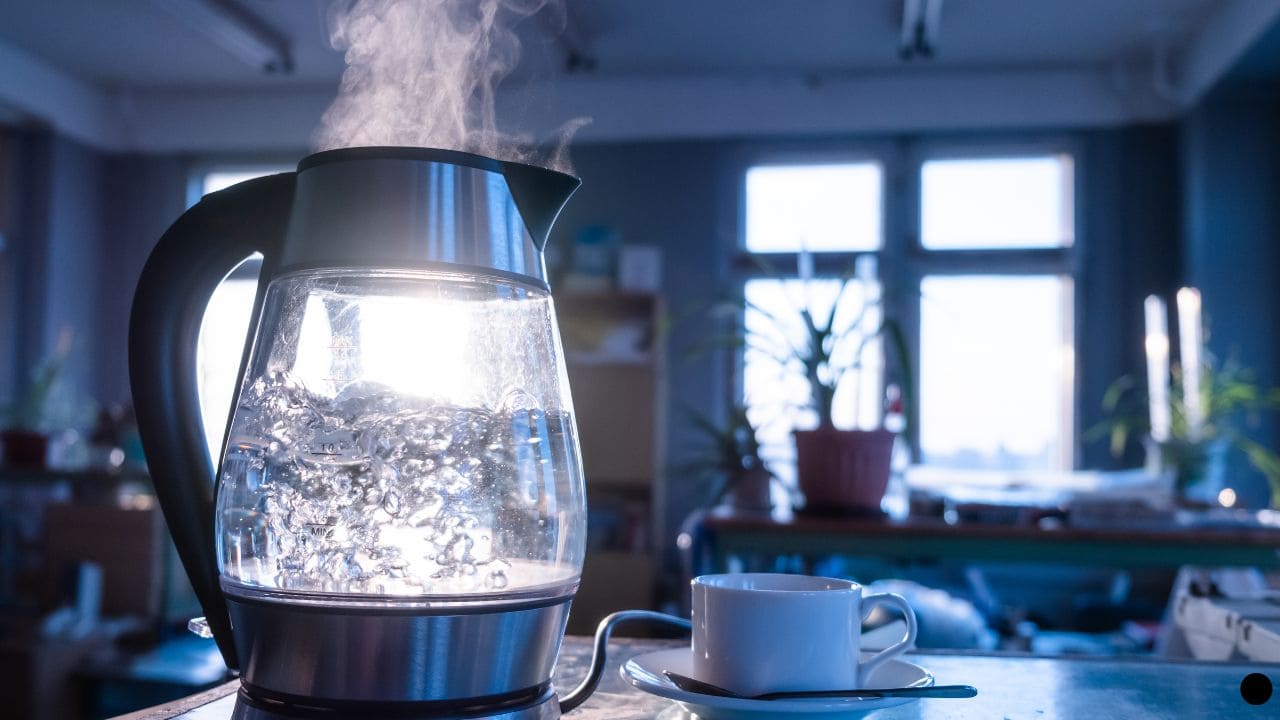
    Bring the water to a full, rolling boil — large bubbles coming vigorously from the bottom of the pot. Once it’s at a rolling boil, keep it there for one full minute. At altitudes above 6,500 feet, boil for three minutes because water boils at a lower temperature and pathogens need the extra time to be destroyed. Let the water cool fully before drinking — around 30 minutes — and store it in a clean covered container.

    What you don’t need to boil water for

    You don’t need boiled water for showering or bathing as an adult, as long as you’re careful not to swallow any. You can wash clothes normally. You can flush the toilet normally. The notice applies to water that goes in your mouth, not water used for cleaning or sanitation purposes where there’s no ingestion risk.

    For infants and young children, take extra care during bathing — sponge baths are safest if you’re concerned about them swallowing water accidentally.

    What about water filters?

    This is where a lot of people get confused. Standard pitcher filters like Brita and most refrigerator filters are not effective during a boil water notice. They’re designed to improve taste and remove chemical contaminants — not to kill or remove bacteria and viruses. Even if you use a filter every day, you still need to boil water during a notice unless you have a filter specifically certified for pathogen removal.

    The exception is a properly maintained reverse osmosis system with an ultraviolet (UV) stage — RO alone removes most bacteria physically through its membrane, but a UV stage provides the additional disinfection needed to handle viruses. Check your manufacturer’s specifications and when in doubt, boil regardless.

    What to Do When a Boil Water Notice Is Lifted

    Once your utility confirms the notice is lifted, don’t just go straight back to normal. Follow these steps first:

    After the notice is lifted:

    1. Flush all cold water taps — run every cold tap in your home for at least five minutes. This flushes any water that was sitting in your pipes during the notice period and ensures fresh, treated water is flowing through.
    2. Flush your hot water system — run hot taps for at least 15 minutes to fully replace water in a standard 40-gallon water heater. Hot water sitting in the tank during a notice period may still contain bacteria.
    3. Discard and remake ice — throw out all ice made during the notice period. Run your ice maker through three batches and discard those too before using ice from it again.
    4. Run your dishwasher empty once — this sanitises the interior with hot water before you use it for dishes again.
    5. Change any water filter cartridges — pitcher filters, fridge filters, and under-sink carbon filters may have captured contaminants during the notice. Replace them before using.
    6. Flush refrigerator water dispensers — run several litres through before drinking from them.

    Who Is Most at Risk?

    Most healthy adults who accidentally drink small amounts of water during a precautionary notice won’t get sick — because in most cases the water wasn’t actually contaminated. But some groups face higher risk if contamination is present and should be especially careful during any boil water notice, precautionary or otherwise:

    Infants and young children are more vulnerable because their immune systems are still developing. Elderly people face higher risk because immune function generally declines with age. People undergoing chemotherapy, organ transplant recipients, people with HIV/AIDS, and anyone else with a compromised immune system should treat boil water notices with extra seriousness — in some cases their medical provider may recommend using only bottled water. Pregnant women should also exercise extra caution, particularly during confirmed contamination notices.

    If you’re in one of these groups and you think you may have consumed water during a notice, monitor for symptoms including diarrhoea, nausea, cramping, and vomiting. These can appear within hours or up to several days after exposure. If symptoms are severe or persist more than three to four days, contact your healthcare provider.

    Does Boiling Always Work?

    For the specific risk a boil water notice addresses — biological contamination from bacteria, viruses, and protozoa like Giardia and Cryptosporidium — yes, boiling is highly effective. A full rolling boil for one minute kills all known waterborne pathogens at standard altitude.

    What boiling doesn’t address is chemical contamination. If your water contains elevated levels of lead, PFAS, nitrates, or other chemical contaminants, boiling won’t remove them — and in some cases concentrates them by reducing the volume of water. Boil water notices are specifically about biological risk. Chemical contamination is a separate and ongoing concern that requires filtration rather than boiling. You can check what chemical contaminants have been detected in your supply using our free ZIP code water safety checker.

    Important distinction: Boiling protects against biological contamination — bacteria, viruses, protozoa. It does not remove chemical contaminants like PFAS, lead, or arsenic. For ongoing chemical contamination concerns, a certified water filter is the appropriate response, not boiling.

    How to Find Out If a Boil Water Notice Is Active in Your Area

    Your water utility is required to notify you of boil water notices — typically by automated phone call, text message, email, and local news outlets. But notification systems aren’t perfect, particularly for renters, people who’ve moved recently, or those in areas with older utility infrastructure.

    The most reliable way to check is our live US boil water notice tracker — we monitor notices across all 50 states and update continuously. You can also check directly with your water utility’s website or call their customer service line.

    To understand the ongoing chemical contaminant picture for your area — separate from boil water notices — use our ZIP code water quality checker, which shows you what’s been detected in your supply against both legal limits and health guidelines.

    Long-Term Protection: When a Filter Makes Sense

    If your area experiences frequent boil water notices — particularly if you live in a community with aging infrastructure, or in a rural area served by a small water system — it’s worth considering a point-of-use filter that provides ongoing protection beyond what boiling can offer.

    A reverse osmosis system with a UV stage removes bacteria, viruses, protozoa, and a wide range of chemical contaminants simultaneously, providing protection during both biological events and the ongoing low-level chemical contamination concerns that boil water notices don’t address. Our water filter recommendations cover certified options at different price points — we only list products with independent NSF certification so you know you’re getting verified performance rather than marketing claims.

    For a full picture of what’s in your water beyond what a boil water notice covers, check your city or state’s water quality page — find yours via our water quality reports section.

    The Bottom Line

    A boil water notice is worth taking seriously but not panicking over. In most cases it’s a precautionary measure triggered by an infrastructure event, not confirmation that your water is contaminated. Follow the steps above, boil what needs boiling, and wait for your utility to confirm it’s lifted.

    The bigger picture — ongoing chemical contamination from PFAS, lead, and disinfection byproducts — is a separate and more persistent issue that a boil water notice doesn’t address at all. That’s where regular monitoring and good filtration make a real difference to long-term health. Check what’s in your water at cleanairandwater.net/is-my-water-safe/ — it takes about 30 seconds and costs nothing.


    This article is for informational purposes only and does not constitute medical or public health advice. Key sources include: EPA National Occurrence and Causes of Boil Water Advisories (2025); CDC guidance on boil water advisories; New York State Department of Health boil water FAQ; Florida Department of Health boil water notice guidelines; Hillsborough County FL boil water FAQ. If you have specific concerns about your health during a boil water event, contact your healthcare provider or local health department. Learn more about our research methodology.

    Affiliate disclosure: This site uses affiliate links to water filter products. If you purchase through our links, we may earn a small commission at no extra cost to you. We only recommend products with independent NSF certification.

    Please read – our information

    The information presented on cleanairandwater.net is compiled from official water quality reports, trusted news sources, government websites, and public health resources. While we strive for accuracy and thoroughness in our presentations, we are not scientists, engineers, or qualified water quality professionals.


    Our mission is to present water quality information in an accessible, real-world format that helps people understand what’s in their water and make informed decisions about their health and safety. We believe that complex environmental information should be available to everyone in a format that’s easy to understand.


    We make every effort to ensure our content is current and accurate, but we cannot guarantee that all information is complete or error-free. This website should not replace official communications from your local water utility or health department. We always recommend consulting official sources for the most up-to-date information regarding your specific water system.


    Clean Air and Water is not liable for any unintentional errors, omissions, or outdated information. The content on this site is provided for informational purposes only and should not be considered professional advice.
    Site Logo for menu
  • Microplastics in Tap Water 2026 | What the Science Really Says

    Microplastics in Tap Water 2026 | What the Science Really Says

    You can’t see them. You can’t taste them. And according to a landmark study published in Nature Medicine in 2025, they’re already inside you — in your brain, your liver, and your kidneys. Microplastics: the invisible byproduct of a world built on plastic, and one of the fastest-growing concerns in drinking water science.

    The headlines have been alarming. But what does the evidence actually say? Is your tap water a significant source of exposure? Are bottled water drinkers safer? And what, if anything, can you do about it? This article cuts through the noise and gives you the facts — what’s confirmed, what’s still being studied, and what practical steps make the most difference.

    What Are Microplastics, Exactly?

    Microplastics are plastic particles smaller than 5 millimetres — some invisible to the naked eye. They’re created in two ways: manufactured intentionally at tiny sizes (microbeads in scrubs and toothpastes, for example) or produced when larger plastic items break down through sunlight, heat, and abrasion over time. Nanoplastics are even smaller, less than 1 micron in size, and are increasingly the focus of health research because their minute scale makes it easier for them to cross biological barriers in the body.

    They are, by now, genuinely everywhere. Microplastics have been detected in Antarctic snow, the Mariana Trench, rainfall over remote mountain ranges, coral skeletons, and the blood of people who live far from any industrial source. Global plastic production reached roughly 390 million metric tons in 2021, and the fraction that makes it into aquatic systems — estimated at 23 million tons annually by the UN Environment Programme — keeps breaking down into ever-smaller particles without ever truly disappearing.

    83% of tap water samples worldwide contain microplastic fibres (global study)
    99%+ of microplastics removed by reverse osmosis filtration
    more nanoplastic particles in bottled water than treated tap water (Ohio State, 2026)

    How Do Microplastics Get Into Tap Water?

    The journey from plastic item to drinking glass takes several routes. Synthetic clothing fibres shed during washing and pass through wastewater treatment largely intact. Plastic packaging, bags, and bottles fragment over time and enter rivers, reservoirs, and groundwater. Stormwater runoff picks up tyre wear particles, paint fragments, and plastic debris from roads and carries them into source water supplies. Even the pipes and fittings in older water distribution systems can shed particles as they age.

    Water treatment plants do remove a significant proportion — studies suggest conventional treatment achieves 70 to 90% reduction. But with microplastics measured in the hundreds of particles per litre in some raw water samples, even a 90% removal rate leaves residual particles in treated water. And as a University of Texas Arlington study confirmed in 2025, the tiniest particles — those most likely to penetrate biological barriers — are also the hardest to filter at scale.

    One newer finding deserves attention: research published in Science Advances in 2025 found that microbubbles forming when water meets plastic surfaces can erode the plastic and release additional micro- and nanoplastics directly into the liquid — a process that occurs even without external forces, across tap water, river water, and marine water alike. Every plastic container water touches is a potential source.

    The Bottled Water Myth: It’s Often Worse, Not Better

    Many people reach for bottled water thinking it’s the safer option. The evidence suggests the opposite is frequently true.

    A study published in Science of The Total Environment in early 2026, led by researchers at Ohio State University, found that some brands of bottled water contain roughly three times more nanoplastic particles than treated tap water from four treatment plants near Lake Erie. The likely culprit: the bottle itself. Each time a plastic cap is twisted on or off, it sheds microplastic fragments directly into the contents.

    An earlier review of more than 140 studies found that people who rely on bottled water ingest roughly 90,000 more microplastic particles per year than those drinking tap water. The contamination begins during manufacturing, storage, and transportation — particularly when bottles are exposed to heat or sunlight, conditions that accelerate plastic degradation.

    The uncomfortable truth: switching from tap to bottled water to avoid microplastics is likely to increase your exposure, not reduce it — while also generating the very plastic waste that contributes to the problem in the first place.

    Microplastics in the Human Body: What Research Has Found

    Until relatively recently, most microplastics research focused on the environment — oceans, soils, freshwater systems. The shift toward human biomonitoring has produced findings that are difficult to dismiss.

    The landmark 2025 study in Nature Medicine analysed brain, liver, and kidney tissue from human cadavers collected in both 2016 and 2024. Microplastics and nanoplastics were confirmed in all three organs, with brain tissue showing the highest proportion of polyethylene — the most common plastic in global manufacturing. Crucially, the 2024 samples contained meaningfully higher concentrations than the 2016 ones, suggesting accumulation is increasing over time. Age, sex, race, and cause of death were not significant factors — the contamination was essentially universal.

    Other human biomonitoring studies have detected microplastics in blood (in 88.9% of participants in one study), in placental tissue, in breastmilk, in the testicles, and in atherosclerotic arterial plaques. The particles have been found in the gut, the lymph nodes, and the lungs.

    A separate 2025 study from researchers at University of California Riverside found that microplastic exposure significantly accelerated atherosclerosis — artery-narrowing plaque buildup — in male mice, with effects appearing specifically related to direct cardiovascular damage. Recent human clinical studies have also found microplastics in arterial plaques and associated higher concentrations with elevated cardiovascular risk.

    Research published in Frontiers in Public Health in 2025 documented that microplastics can cross the blood-brain barrier, with smaller particles being more able to penetrate. Once there, they have been shown to activate microglial cells and cause neuronal damage in animal models.

    What We Don’t Know Yet

    The science is moving quickly, but it’s important to be honest about where the evidence currently sits. Most of the health data comes from animal and cellular studies, or from human biomonitoring (finding particles in the body) rather than from long-term epidemiological studies directly linking microplastic exposure to specific health outcomes in people.

    Stanford Medicine researchers summarised it well in early 2025: exposure is suspected to harm reproductive, digestive, and respiratory health, with a suggested link to colon and lung cancer — but confirmed causation in humans is still being established. The honest position is that the evidence is concerning enough to take seriously, while acknowledging that the full picture of long-term human health effects is still being written.

    There is also no regulatory standard for microplastics in US drinking water. The EPA has not set a maximum contaminant level, and there is currently no federal requirement for utilities to test or report microplastics concentrations. That means consumers have no right to know how many particles are in their supply, and no enforceable standard that utilities must meet.

    🔍
    What IS regulated in your water supply? Enter your ZIP code to see every contaminant detected in your area, EPA compliance status, and how your utility compares to health guidelines.
    Check My Water →

    What You Can Actually Do About It

    The good news — and there is genuine good news here — is that one widely available home filtration technology performs exceptionally well against microplastics.

    Reverse Osmosis: The Gold Standard

    Reverse osmosis (RO) systems work by forcing water through a semi-permeable membrane with pores around 0.0001 microns in diameter. Most microplastic particles range from 0.1 to 5,000 microns — meaning the RO membrane is many orders of magnitude smaller than the particles it needs to block. The result: studies consistently show RO removes over 99% of microplastics, including submicron particles that other filter types cannot reliably catch.

    For NSF certification, look for products certified to NSF/ANSI Standard 58 (the RO standard) or NSF/ANSI Standard 401, which covers emerging contaminants including microplastics. Certified products have been independently tested and verified, not just marketed as effective.

    Importantly, a well-maintained RO system also removes PFAS (95–99%), lead, nitrates, arsenic, and a wide range of other regulated and unregulated contaminants — making it the most comprehensive filtration option available for home use.

    What About Pitcher Filters and Fridge Filters?

    Standard activated carbon pitcher filters (like Brita) and refrigerator filters are designed primarily to improve taste and remove chlorine. Their pore sizes — typically 0.5 to 1 micron — are significantly larger than the smallest microplastic particles. They will catch some larger fragments but cannot be relied upon for consistent microplastic removal, and they have essentially no effect on the nanoplastic particles that are most concerning from a health perspective.

    If taste improvement is your only goal, a pitcher filter is fine. If you’re trying to reduce microplastic exposure specifically, you need a membrane-based system — either reverse osmosis or, at minimum, a certified ultrafiltration (UF) system with a documented pore size of 0.2 microns or smaller.

    A Surprising Low-Tech Option: Boiling Water

    Research published in 2024 in Environmental Science & Technology Letters found that boiling tap water and allowing the resulting limescale to settle — then filtering through a simple coffee filter or fine cloth — removed up to 90% of nanoplastics in some hard water samples. The calcium carbonate that forms when hard water is boiled effectively traps and encapsulates plastic particles, which can then be filtered out. The method is less effective in soft water and requires more steps than a dedicated filter, but it’s a no-cost option that most households can implement immediately.

    Reduce Plastic Contact at the Source

    Beyond filtering what’s already in your tap water, limiting additional sources of microplastic ingestion makes sense. Avoid heating food or water in plastic containers. Choose glass, stainless steel, or ceramic for drinking vessels rather than plastic. Reduce use of single-use plastic water bottles — beyond the environmental impact, the bottles themselves are a significant source of the particles you’re trying to avoid.

    Microplastics aren’t the only water quality concern worth staying on top of. Check our live US boil water notice tracker to see whether any advisories are currently active in your area — and our water quality news section for the latest developments in drinking water safety.

    The Bottom Line

    Microplastics are in tap water. They’re also in bottled water — usually in higher concentrations. They’ve been found in human organs and tissues, and the scientific community’s concern about long-term health effects is real and growing, even if the full picture of causation is not yet established.

    The practical response is proportionate: take it seriously, but don’t panic. The most effective step you can take is fitting an NSF-certified reverse osmosis system under your sink. It removes over 99% of microplastics along with PFAS, lead, and a long list of other contaminants you may not have been thinking about. That single investment addresses most of what’s currently concerning about tap water quality in one go.

    Bottled water is not a solution — the evidence increasingly suggests it makes microplastic exposure worse. Glass, stainless steel, and good filtration are the pragmatic answer.

    Our Recommendation

    NSF-certified filters that tackle microplastics, PFAS, and lead in one go

    • Removes 99%+ of microplastics
    • Removes 95–99% of PFAS
    • NSF/ANSI 58 certified
    • Also removes lead, arsenic & nitrates
    • No tank — fits under any sink
    • Independent certification only

    This article is for informational purposes only and does not constitute medical advice. Key sources include: Nature Medicine (2025) — microplastics in human brain tissue; Ohio State University / Science of the Total Environment (2026) — bottled vs tap water nanoplastics; University of Texas Arlington (2025) — wastewater treatment microplastic removal; Frontiers in Public Health (2025) — microplastics and neurological effects; Science Advances (2025) — microbubble plastic erosion; Environmental Science & Technology Letters (2024) — boiling water microplastic removal. Learn more about our research methodology.

    Affiliate disclosure: This site uses affiliate links to water filter products. If you purchase through our links, we may earn a small commission at no extra cost to you. We only recommend products with independent NSF certification.

    Please read – our information

    The information presented on cleanairandwater.net is compiled from official water quality reports, trusted news sources, government websites, and public health resources. While we strive for accuracy and thoroughness in our presentations, we are not scientists, engineers, or qualified water quality professionals.


    Our mission is to present water quality information in an accessible, real-world format that helps people understand what’s in their water and make informed decisions about their health and safety. We believe that complex environmental information should be available to everyone in a format that’s easy to understand.


    We make every effort to ensure our content is current and accurate, but we cannot guarantee that all information is complete or error-free. This website should not replace official communications from your local water utility or health department. We always recommend consulting official sources for the most up-to-date information regarding your specific water system.


    Clean Air and Water is not liable for any unintentional errors, omissions, or outdated information. The content on this site is provided for informational purposes only and should not be considered professional advice.
    Site Logo for menu
  • What’s Happening to the PFAS Rules in 2026?

    What’s Happening to the PFAS Rules in 2026?

    If you’ve been trying to follow the PFAS story in America, you’d be forgiven for feeling like the goalposts keep moving. One year there are new rules. The next year, some of those rules are gone. Deadlines get pushed back. Lawsuits get filed. Scientists say one thing, the government does another.

    So let’s clear it all up — no jargon, no agenda, just a straight answer to the question a lot of people are quietly Googling: is my tap water safe, and what’s the government actually doing about PFAS?

    First — What Are PFAS, and Why Does Everyone Keep Talking About Them?

    PFAS stands for per- and polyfluoroalkyl substances. That name doesn’t help anyone, so here’s the version that does: they’re a family of thousands of man-made chemicals that were used in everything from non-stick cookware and waterproof clothing to firefighting foam and food packaging — for decades.

    The problem is that these chemicals don’t break down. Not in the environment, not in your body. They accumulate over time, which is why scientists started calling them “forever chemicals” — and why, by the early 2000s, researchers were finding them just about everywhere they looked.

    Drinking water turned out to be one of the main ways people are exposed. Federal testing has now confirmed PFAS in tap water serving around 176 million Americans — and that number has been climbing with every new round of test results released. The CDC has detected PFAS in the blood of 99% of Americans, including newborn babies.

    Health studies have linked long-term PFAS exposure to a range of serious conditions: certain cancers, thyroid disease, liver damage, reduced fertility, immune system problems, and interference with how children’s bodies develop. Researchers are still learning which specific chemicals cause which effects — but the overall picture isn’t reassuring.

    The Rules That Were Set — and Then Changed

    For a long time, the U.S. had no national drinking water limits for PFAS at all. States could set their own, and some did, but there was nothing federal. That changed in April 2024, when the EPA finalised the first-ever national drinking water standards for six PFAS compounds.

    The headline limits were for the two most well-studied chemicals — PFOA and PFOS — set at just 4 parts per trillion (ppt). To give you a sense of how small that is: it’s roughly equivalent to 4 drops of water in an Olympic swimming pool. The science behind that limit reflects how toxic these chemicals are even at tiny concentrations.

    Four other PFAS — PFHxS, PFNA, GenX (HFPO-DA), and PFBS — were also regulated, either individually or as a combined mixture.

    Water systems were given until 2029 to bring their supplies into compliance. That felt tight to a lot of utilities, especially smaller ones, and litigation followed quickly. Industry groups and water providers challenged the rules in court, arguing the EPA had miscalculated costs and bypassed legal requirements.

    Where Things Stand in 2026

    In May 2025, the current EPA administration announced a significant change in direction. Here’s what actually happened — broken into plain parts:

    The Good News: PFOA and PFOS Limits Are Staying

    The EPA confirmed it will keep the 4 ppt limits for PFOA and PFOS. These are the two chemicals with the longest track record, the most research, and the widest presence in contaminated water supplies. This was a relief to public health advocates who feared both limits would be scrapped entirely.

    The Deadline Has Been Extended

    Water systems no longer have until 2029 to comply. The compliance deadline has been pushed to 2031 — two extra years. The EPA framed this as giving utilities more time to plan, pilot treatment systems, and arrange funding. Critics pointed out it also means more years during which people are drinking water above the legal limit with no violation notice.

    Water systems must still complete their initial PFAS monitoring by 2027 and report results to customers. So you should start seeing PFAS data in your annual water quality report — called a Consumer Confidence Report — from 2027 onward.

    Four Other PFAS Limits Are Being Removed

    This is where things get more complicated. The EPA announced plans to rescind the limits for PFHxS, PFNA, GenX, and PFBS — the four chemicals that were regulated alongside PFOA and PFOS. The agency said it needed to reconsider whether those rules followed the proper legal process under the Safe Drinking Water Act.

    Environmental groups have pushed back hard, arguing this conflicts with an “anti-backsliding” clause in the Safe Drinking Water Act, which is supposed to prevent the EPA from weakening water standards once they’ve been set. That legal argument is still playing out in the courts.

    In January 2026, a federal court declined the EPA’s request to immediately vacate those four limits. Then in March 2026, the same court refused the EPA’s follow-up request to sideline the legal challenge while the agency worked on new rules. In other words: the courts aren’t simply rubber-stamping the rollbacks. The situation remains unresolved.

    What This Means in Practice

    The honest answer is: it depends on where you live and which chemicals are in your water.

    PFOA and PFOS remain regulated nationally, so water systems that exceed 4 ppt for either of those must eventually act — by 2031. But “eventually” is doing a lot of work in that sentence. Until the compliance deadline arrives, systems over the limit aren’t in violation and aren’t required to notify you.

    For the other four PFAS, the picture is murkier. If the EPA succeeds in rescinding those limits, water systems would only need to report on levels — not reduce them. Some states have their own PFAS limits stricter than the federal ones (California, Massachusetts, New York, and Vermont among them), but many don’t. If you’re in a state with no PFAS-specific rules and your water has GenX or PFHxS in it, there may be no current legal obligation on your water utility to do anything about it.

    The EPA’s own data, released in March 2026, shows around 176 million Americans have tap water that has tested positive for PFAS. That figure keeps growing as more utilities complete testing under the national monitoring programme.

    How Do You Know If Your Water Has PFAS?

    If you’re on a public water supply, your utility is now required to test for 29 PFAS compounds under the EPA’s monitoring programme, with full results due by 2027. You can also:

    • Check the EWG Tap Water Database at ewg.org — it compiles testing data from across the country and is regularly updated
    • Look up your city’s annual Consumer Confidence Report, which utilities are required to send or publish each year
    • Check your state’s environmental agency website — many states have published their own PFAS testing maps
    • Use our water quality lookup tool or browse our water news section for local alerts

    If you’re on a private well, you’re in a different situation altogether — federal monitoring rules don’t cover wells, so testing is entirely your own responsibility. You’d need to arrange private lab testing to know what’s in your water.

    Can You Filter PFAS Out of Tap Water?

    Yes — and this is one area where the science is fairly clear. Two types of home filtration are effective against PFAS:

    Reverse Osmosis (RO)

    This is the most effective option. RO systems push water through a membrane so fine that PFAS molecules can’t pass through. Independent testing consistently shows RO systems removing 90% or more of PFAS — often well above that. If your water has confirmed PFAS contamination, or you simply want the most comprehensive protection, an under-sink RO system is the right call.

    Activated Carbon Filters

    Certain activated carbon filters — particularly solid carbon block filters — can significantly reduce PFAS levels, though effectiveness varies by filter type, the specific PFAS involved, and how old the filter is. Granular activated carbon (the type often used in pitcher filters) is generally less effective against PFAS than solid block carbon. Always look for NSF/ANSI 58 or NSF/ANSI 53 certification specific to PFAS reduction when choosing a filter.

    One important caveat flagged by the EWG: a filter that’s overdue for replacement can actually release PFAS it has already trapped back into your water. Keeping up with filter changes isn’t optional — it’s the whole point.

    You can explore filter options suited to different contaminant profiles here. If your water report shows PFAS above 4 ppt for PFOA or PFOS, an RO system is worth serious consideration.

    The Bigger Picture

    The PFAS story in America is a slow-moving one, shaped by competing pressures: the genuine cost of upgrading water treatment infrastructure, the political appetite for regulation, the pace of litigation, and the emerging science around what these chemicals actually do to human health over a lifetime of exposure.

    What’s clear is that PFAS contamination is real, widespread, and not going away on its own. The two most studied chemicals now have national limits that are holding — for now. The courts are still deciding the fate of four others. And an April 2027 deadline for water systems to complete their monitoring means more data is coming, which will sharpen the picture considerably.

    In the meantime, the most useful thing you can do is find out what’s actually in your water. Check your utility’s latest report, look up your city on our water quality pages, and if you find something that concerns you — or if you simply don’t want to wait for the regulatory process to catch up — a good filter is a practical and affordable step you can take today.

    We’ll keep tracking the PFAS rulemaking as it develops. You can follow updates through our water news section and the live U.S. water safety tracker.


    Disclosure: This page contains affiliate links. If you purchase a filter through our recommendations, we may earn a small commission at no extra cost to you. Our editorial content is independent of this.

    Please read – our information

    The information presented on cleanairandwater.net is compiled from official water quality reports, trusted news sources, government websites, and public health resources. While we strive for accuracy and thoroughness in our presentations, we are not scientists, engineers, or qualified water quality professionals.


    Our mission is to present water quality information in an accessible, real-world format that helps people understand what’s in their water and make informed decisions about their health and safety. We believe that complex environmental information should be available to everyone in a format that’s easy to understand.


    We make every effort to ensure our content is current and accurate, but we cannot guarantee that all information is complete or error-free. This website should not replace official communications from your local water utility or health department. We always recommend consulting official sources for the most up-to-date information regarding your specific water system.


    Clean Air and Water is not liable for any unintentional errors, omissions, or outdated information. The content on this site is provided for informational purposes only and should not be considered professional advice.

    Site Logo for menu
  • The 5 U.S. Cities Where Tap Water Is Secretly Aging You Faster

    The 5 U.S. Cities Where Tap Water Is Secretly Aging You Faster

    So I’m mindlessly scrolling TikTok last week (don’t judge me), and this video pops up of this woman showing before-and-after photos. Same person, but she looked noticeably more tired and older in the recent pics. Only two years apart. Her theory? Moving to a different state and drinking the local water was literally aging her faster.

    My first reaction was to roll my eyes. Come on. Water doesn’t age you. That’s ridiculous influencer nonsense, right?

    But then I kept reading the comments. And there were… a lot of them. People talking about how their skin changed after moving. Energy levels tanking. Just feeling “off” after relocating to certain cities. Most blamed “the water.”

    Look, I’m usually pretty skeptical of this stuff. But something about the sheer volume of similar stories got me curious. Plus, it was like 2 AM and I had nothing better to do, so I started digging into whether there was any actual science behind these claims.

    Spoiler alert: there kind of is. And now I’m slightly paranoid about my own tap water.

    The Rabbit Hole Gets Deeper

    Turns out, there’s this whole area of research about oxidative stress and aging that I’d never really thought about. Basically, your body is constantly fighting off these things called free radicals (sounds like a 60s protest group, I know) with antioxidants. When that balance gets thrown off – more free radicals than your body can handle – you get oxidative stress.

    And oxidative stress? It’s like rust for your cells. It accelerates aging and contributes to pretty much every age-related disease you can think of.

    Here’s where it gets interesting though. Certain chemicals in water can tip that balance. Heavy metals, industrial chemicals, even the stuff they add to disinfect water can create more free radicals or mess with your body’s ability to fight them off.

    I found this one study that said chronic inflammation is literally the only biomarker that reliably predicts multiple age-related diseases. So if what you’re drinking every day is contributing to inflammation… yeah. You might actually be aging faster.

    I know how that sounds. Trust me, I felt ridiculous even typing it. But the more I read, the more I realized some cities have water contamination that’s actually pretty concerning.

    The Cities That Made Me Want to Buy a Filter

    After falling down this research hole for way too many hours, five cities kept coming up in the worst possible ways. And honestly? Some of this stuff really surprised me.

    Pensacola, Florida was the one that first caught my attention because the contamination levels are just… wow. When researchers tested for 101 different chemicals, they found 45 of them in Pensacola’s water. Twenty-one of those were above what health agencies consider safe.

    But here’s the part that really got me – these things called trihalomethanes (I had to Google how to pronounce that) were detected in literally every single test over five years. Not sometimes. Every time. And 12 of those times, the levels were actually illegal according to the EPA. One test showed levels almost twice the legal limit.

    Trihalomethanes are basically what happens when chlorine (the stuff that kills bacteria) reacts with organic matter in water. They’re possibly carcinogenic and definitely mess with your cells. Plus, they found arsenic and lead above health guidelines. In 2024. In the United States.

    And here’s what’s wild – people in Pensacola seem to know about this. I went down another rabbit hole looking at local Facebook groups and Reddit threads, and there are tons of discussions about water quality. Lots of people talking about installing expensive filtration systems or just giving up on tap water entirely.

    Read our Florida tap water analysis here

    Newark, New Jersey is dealing with a completely different nightmare. The lead crisis made headlines, but that’s just the tip of the iceberg. New Jersey has become basically ground zero for PFAS contamination – those “forever chemicals” that don’t break down in the environment or in your body.

    One in five New Jersey residents is regularly drinking water contaminated with PFAS. That’s over a million people. These chemicals accumulate in your tissues over time and have been linked to liver damage, immune problems, thyroid issues, and cancer. More than half the state’s population – 4.49 million people – has been exposed to unsafe contamination levels.

    What freaks me out about PFAS is that they’re called “forever chemicals” for a reason. Your body literally cannot get rid of them. So if you’re drinking them daily, you’re just… accumulating them. Forever.

    Now I’m second-guessing my water bottle choices because apparently even some bottled water has this stuff.

    Read our Newark tap water analysis here

    Phoenix was surprising because I always thought desert cities would have cleaner water somehow? Shows what I know. Turns out 30% of Arizona’s water systems fail to meet federal arsenic limits. Thirty percent! And Phoenix has some of the highest levels of chromium 6 in the country.

    Chromium 6 is the chemical from that Erin Brockovich movie – the one that caused cancer in that California town. It damages DNA and increases oxidative stress, which brings us back to the whole aging thing.

    Plus there’s arsenic (linked to heart disease, diabetes, and various cancers), nitrates from farm runoff that are up to 4 times the EPA limit in some areas, and PFAS contamination from military bases. Over 6 million people in Arizona are affected by water contamination from 670 different utilities.

    Living in the desert already puts stress on your body from the heat and UV exposure. Add contaminated water and it’s like a perfect storm for cellular damage.

    Read our Phoenix tap water analysis here

    Flint, Michigan – I mean, we all know about Flint. But what I didn’t realize is how the effects compound over time. Kids who were exposed to lead during the crisis aren’t just dealing with immediate health problems. Lead exposure during development can literally change how their brains and cardiovascular systems age for the rest of their lives.

    Lead messes with cognitive function, increases heart disease risk, and permanently alters immune systems. So those kids might be aging faster than they should be for decades to come. That’s… heartbreaking, honestly.

    And the psychological stress of not being able to trust your water supply? That creates chronic stress, which elevates cortisol and increases inflammation. So even the mental aspect of the crisis contributes to accelerated aging.

    Read our Flint tap water analysis here

    Jackson, Mississippi represents what happens when infrastructure just… fails. They’ve had repeated boil-water advisories, system failures, and inconsistent treatment. Sometimes the treatment plants just go offline and raw water enters the distribution system.

    The constant uncertainty about whether your water is safe creates this chronic low-level stress that’s horrible for your health. Plus the economic burden of constantly buying bottled water, business closures, school cancellations – the whole community is under stress.

    When water pressure drops, contaminants can enter the distribution system. When pipes corrode, metals leach into the water. It’s like a cascading failure of public health.

    Read our Jackson tap water analysis here

    Wait, What About My City?

    After reading all this, I obviously started wondering about my own water. I live in what I thought was a pretty clean suburban area, but apparently that doesn’t mean much.

    Read our analysis on your tap water

    The EPA only regulates a fraction of potential contaminants, and even their standards are often way higher than what researchers think is actually safe. Plus, a lot of chemicals just aren’t tested for at all.

    I started paying attention to things I’d never noticed before. Like how my water sometimes smells strongly of chlorine (apparently that can indicate disinfection byproducts). Or how a bunch of my neighbors have those expensive under-sink filters (maybe they know something I don’t?).

    Down Another Rabbit Hole: Testing My Own Water

    This whole thing made me paranoid enough to actually test my water. I found a lab that would test for heavy metals, PFAS, disinfection byproducts, and pesticides for about $300. Seemed expensive but… what’s the price of peace of mind?

    The results came back two weeks later and honestly shocked me. My “clean” suburban water had detectable levels of several concerning contaminants. Nothing immediately dangerous, but stuff that could potentially add up over years of daily consumption.

    That was enough for me. I ended up installing a reverse osmosis system under my kitchen sink. Cost about $400 plus installation, but it removes basically everything. I use the filtered water for drinking, cooking, coffee, ice cubes – anything that goes in my body.

    Has it made a difference? Hard to say definitively. I think my energy levels are a bit better, and I definitely sleep more soundly knowing I’m not slowly accumulating random chemicals. The water tastes cleaner too, which makes it easier to stay hydrated.

    Maybe it’s placebo effect. Maybe it’s not. But given what I learned about long-term exposure effects, I’d rather be overcautious than sorry.

    The Bigger (Depressing) Picture

    Here’s what really gets me about all this: it’s a nationwide infrastructure crisis that we’re just… ignoring? Water systems have issued 55% more boil-water notices between 2018 and 2022. That’s going in the wrong direction.

    We’re using a water system designed for the 1950s to handle modern industrial chemicals, climate change effects, and agricultural pollution. It’s like trying to run modern software on a computer from 1995.

    The recent Infrastructure Bill put $15 billion toward lead pipe replacement, which sounds like a lot until you realize the scope of the problem. There are still over 9 million lead service lines delivering water to 22 million people. The math doesn’t add up.

    What I’m Doing Differently Now

    This whole research journey has definitely changed my behavior. I installed the RO system, but I’m also looking into shower filters because apparently you can absorb and inhale chemicals through your skin and lungs.

    I’m paying more attention to local water quality reports and news. I vote for politicians who prioritize infrastructure spending. I’m even considering whole-house filtration eventually, though that’s a bigger investment.

    Maybe most importantly, I’m not taking “safe” water for granted anymore. Just because it’s legal doesn’t mean it’s optimal for long-term health.

    The Uncomfortable Truth

    Your tap water might be legally “safe” according to 1970s standards, but that doesn’t mean it’s great for preventing accelerated aging. The cities I researched represent extreme examples, but water quality issues exist everywhere.

    Unlike genetics or environmental pollution, water quality is something you can actually control. Whether that means filtration, bottled water, or just being more aware of what’s in your local supply, knowledge gives you options.

    I never thought I’d be the guy with expensive water filters and strong opinions about municipal infrastructure. But here we are. Sometimes a random TikTok really can change your perspective on everything.

    Nobody should have to choose between staying hydrated and potentially aging faster. But until our infrastructure catches up with our understanding of long-term health effects, it’s up to us to protect ourselves.

    Your future self will probably thank you for taking this seriously. And if you live in one of these five cities? Maybe it’s time to seriously look into your options.

    At least do the research. Even if you decide I’m just being paranoid, at least you’ll be making an informed choice about what you’re putting in your body every single day.

    Please read – our information

    The information presented on cleanairandwater.net is compiled from official water quality reports, trusted news sources, government websites, and public health resources. While we strive for accuracy and thoroughness in our presentations, we are not scientists, engineers, or qualified water quality professionals.


    Our mission is to present water quality information in an accessible, real-world format that helps people understand what’s in their water and make informed decisions about their health and safety. We believe that complex environmental information should be available to everyone in a format that’s easy to understand.


    We make every effort to ensure our content is current and accurate, but we cannot guarantee that all information is complete or error-free. This website should not replace official communications from your local water utility or health department. We always recommend consulting official sources for the most up-to-date information regarding your specific water system.


    Clean Air and Water is not liable for any unintentional errors, omissions, or outdated information. The content on this site is provided for informational purposes only and should not be considered professional advice.
    Site Logo for menu
  • Is Your Showerhead Making You Sick? The Hidden Dangers of Bathroom Water

    Is Your Showerhead Making You Sick? The Hidden Dangers of Bathroom Water

    My buddy Jake called me last Tuesday, sounding like absolute garbage. He’d been dealing with this persistent cough for weeks – the kind that keeps you up at night and makes people avoid you at work.

    “Dude, I’ve been to three different doctors,” he told me between coughing fits. “They’ve given me every antibiotic under the sun, but nothing’s working. One of them even asked if I’d been exposed to anything weird at home.”

    That got my attention. A few weeks earlier, I’d come across this article about bacteria living in showerheads. At the time, I’d skimmed it and thought “gross, but probably not something I need to worry about.” But listening to Jake hack up a lung on the phone made me wonder – could something as simple as his daily shower be making him sick?

    Turns out, I was onto something. And what I discovered about the bacterial ecosystem thriving in our showerheads completely changed how I think about bathroom hygiene.

    The Biofilm Jungle in Your Showerhead

    Here’s something that’ll ruin your next hot shower: your showerhead is basically a petri dish. The inside of most showerheads contains what scientists call “biofilms” – slimy layers of bacteria that thrive in warm, moist environments.

    Research shows that bacterial abundances often exceed 106 cells cm−2 inside shower plumbing. To put that in perspective, that’s millions of bacteria per square centimeter. Your toilet seat has way fewer germs than your showerhead.

    The really unsettling part? Every time you turn on your shower, some of these bacteria get “aerosolized” – basically turned into microscopic droplets that you then breathe deep into your lungs. It’s like getting a bacterial mist treatment you definitely didn’t sign up for.

    The Bacteria You Don’t Want to Meet

    Not all bacteria are bad, obviously. But the specific types that love living in showerheads include some genuinely concerning characters:

    Mycobacterium avium – This cousin of tuberculosis bacteria has been found in 20% of household showerheads in studies. It can cause serious lung infections, especially in people with compromised immune systems. But here’s the kicker – it can also make healthy people sick.

    Legionella – Yes, the same bacteria that causes Legionnaires’ disease. It thrives in warm water systems and can be fatal if you inhale enough of it.

    Pseudomonas aeruginosa – Triggers ear and eye infections, and can be particularly nasty for people with underlying health conditions.

    What makes these bacteria especially problematic is their resistance to standard disinfectants. Mycobacteria are significantly more resistant than other bacteria to chlorine and chlorine by-products, which means the chlorine your water utility adds to kill germs actually helps these specific bacteria dominate your showerhead ecosystem.

    Why This Problem Is Getting Worse

    The rise in nontuberculous mycobacterial (NTM) lung infections has been puzzling doctors for years. But researchers are starting to connect the dots to our shower habits.

    Think about it: a century ago, most people took baths. Soaking in a tub doesn’t create the same bacterial aerosols that showering does. It has been hypothesized that the rise in pulmonary infections by nontuberculous mycobacteria over recent decades is linked to increased use of showers rather than baths.

    The problem is worse in certain regions. States like Florida, California, and Hawaii have become “hot spots” for NTM infections, and researchers have found these same areas have higher concentrations of dangerous bacteria in residential showerheads.

    Municipal water treatment might actually be making the problem worse. Areas with heavily chlorinated water show higher levels of mycobacteria in showerheads because these bacteria are chlorine-resistant while their competitors aren’t.

    Who’s Most at Risk?

    The good news is that most healthy people won’t get seriously ill from shower bacteria. The bad news? A growing number of us fall into higher-risk categories:

    • People with compromised immune systems (cancer patients, transplant recipients, HIV patients)
    • Anyone with chronic lung disease or conditions like asthma
    • Smokers (past or present)
    • Alcoholics
    • Older adults
    • People with certain genetic predispositions

    But even healthy guys can develop infections. I learned this firsthand watching Jake’s situation unfold with our decade-old showerhead that we’d never thought to clean or replace.

    The Geographic Factor

    Where you live matters more than you’d think. Researchers found geographic regions within the United States where showerheads have particularly high abundances of potentially pathogenic lineages of mycobacteria, and these “hot spots” generally overlapped those regions where NTM lung disease is most prevalent.

    If you live in:

    • Hawaii
    • Southern California
    • Florida
    • New York City area
    • Parts of the Southwest

    You’re in a higher-risk zone for both showerhead contamination and related lung infections.

    What You Can Actually Do About It

    After Jake’s whole ordeal, I wasn’t taking any chances. But instead of just worrying about it, I figured out some practical steps that actually work.

    Replace Old Showerheads This was my first move after Jake’s situation. If you’ve had the same showerhead for years (or got one with your place and never changed it), just replace it. They’re not expensive, and it’s the easiest way to start fresh.

    For guys with health issues, some experts recommend replacing showerheads every couple of years as a precaution.

    Choose Metal Over Plastic Studies show bacteria build up more in plastic fixtures than metal ones. When I bought my replacement, I went with stainless steel.

    Clean Regularly I now do a monthly deep clean of my showerhead:

    • Take it off completely
    • Soak in white vinegar for several hours
    • Scrub with an old toothbrush to clear out all the holes
    • Rinse thoroughly before putting it back

    Let Water Run Before Getting In I’ve started running the shower for 30 seconds before jumping in. This flushes out the stagnant water where bacteria concentrations are highest.

    Consider Filtered Shower Water Whole-house water filtration systems can reduce the bacterial load coming into your plumbing. It’s a bigger investment, but worth considering if you’re in a high-risk area or have health concerns.

    Improve Bathroom Ventilation Better airflow reduces the humid conditions bacteria love. I installed a more powerful exhaust fan and leave it running during and after showers.

    Hospital-Grade Solutions

    Some hospitals now use special membrane-integrated showerheads that filter out bacteria before the water even reaches you. Research in stem cell transplant units showed these systems reduced bacterial counts in shower aerosols by over 80%.

    While these aren’t widely available for home use yet, they point toward potential solutions for high-risk individuals.

    When to See a Doctor

    If you’ve been experiencing persistent respiratory symptoms – especially a nagging cough, shortness of breath, or frequent lung infections – it’s worth asking your doctor about NTM testing.

    Be prepared to mention your home’s water source and shower habits. Many doctors still aren’t aware of the showerhead connection, so you might need to educate them.

    The Bigger Picture

    This whole showerhead situation is a perfect example of how modern conveniences can create unexpected health risks. We traded the safety of baths for the convenience of showers without fully understanding the trade-offs.

    The research is still developing, but the patterns are clear enough to take seriously. Areas with the most chlorinated water have the most resistant bacteria in showerheads. People in those areas also have higher rates of certain lung infections.

    It’s not exactly cause and effect proven in court, but it’s compelling enough that I’m not taking chances with my family’s health.

    My New Shower Routine

    These days, my bathroom setup looks a bit different:

    • New stainless steel showerhead (replacing every 18 months)
    • Monthly vinegar cleanings
    • 30-second water flush before getting in
    • Better ventilation during and after showers
    • Annual water quality testing

    It sounds like a lot, but honestly, most of it has become routine. And Jake? He replaced his crusty old showerhead, started cleaning it regularly, and hasn’t had another mystery respiratory infection since.

    The peace of mind is worth the small hassle. Every time I step into my shower now, I know I’m not breathing in a cocktail of potentially dangerous bacteria. That’s worth a few extra minutes of maintenance each month.

    Your showerhead might look clean from the outside, but remember – it’s what you can’t see that matters most. In this case, what you can’t see might literally be making you sick.

    Please read – our information

    The information presented on cleanairandwater.net is compiled from official water quality reports, trusted news sources, government websites, and public health resources. While we strive for accuracy and thoroughness in our presentations, we are not scientists, engineers, or qualified water quality professionals.


    Our mission is to present water quality information in an accessible, real-world format that helps people understand what’s in their water and make informed decisions about their health and safety. We believe that complex environmental information should be available to everyone in a format that’s easy to understand.


    We make every effort to ensure our content is current and accurate, but we cannot guarantee that all information is complete or error-free. This website should not replace official communications from your local water utility or health department. We always recommend consulting official sources for the most up-to-date information regarding your specific water system.


    Clean Air and Water is not liable for any unintentional errors, omissions, or outdated information. The content on this site is provided for informational purposes only and should not be considered professional advice.

    Site Logo for menu
  • 6 Ways to Protect Your Family from PFAS Chemicals in Water

    6 Ways to Protect Your Family from PFAS Chemicals in Water

    Three weeks ago, I’m scrolling through news on my phone during lunch break when this headline stops me cold: “Cancer-Causing Chemicals Found in County Water Systems.”

    My first thought? Not our water. Couldn’t be. We live in a decent area, our water tastes fine, never had any boil advisories or weird smells. But there it was in black and white—PFAS detected in multiple local water supplies, including ours, at levels the EPA now considers unsafe.

    The article was pretty dry. Lots of scientific terminology and official statements from water departments about “continued monitoring” and “compliance timelines.” What really got to me was the tiny mention buried in the middle: potential links to cancer, immune system problems, and developmental issues in children.

    That’s when it hit me. We’ve been drinking this water every day. My kids have been drinking this water every day. For years.

    So yeah, I may have gone into full research mode after that. Spent the next few evenings diving deep into PFAS contamination, calling our water utility with probably too many questions, and figuring out what we could actually do about it.

    The good news? Unlike many environmental threats, PFAS exposure through drinking water is something you can actually tackle at home. You don’t need a chemistry degree or a massive budget – just some practical knowledge and a willingness to make a few changes.

    Here are six proven ways I’ve learned to reduce my family’s PFAS exposure through water, starting with the most important ones.

    1. Install a Quality Water Filter (The Game Changer)

    Let’s start with the big one. Most tap water filters you see advertised – those pitcher filters, fridge filters, basic faucet attachments – aren’t designed to remove PFAS. It’s like bringing a butter knife to a gun fight.

    For PFAS removal, you need one of these proven technologies:

    Reverse Osmosis (My Top Pick) I ended up installing an under-sink RO system after comparing options for months. It removes 95-99% of PFAS, plus a bunch of other contaminants I didn’t even know about. Cost me around $400 for a decent system, plus about $100 yearly for filter replacements.

    The downsides? It’s slower than regular tap water (takes about 30 seconds to fill a glass), and it removes beneficial minerals along with bad stuff. But honestly, I sleep better knowing what’s NOT in our drinking water.

    Granular Activated Carbon (Budget-Friendly Option) These systems cost less upfront ($150-$300) and don’t require as much maintenance. They remove about 70-90% of PFAS, which isn’t perfect but still significant. Look for filters specifically certified for PFAS removal – regular carbon filters won’t cut it.

    Ion Exchange Systems These are particularly good at removing shorter-chain PFAS that some other filters miss. They’re pricier ($400-$700) but highly effective when combined with carbon filtration.

    Whatever you choose, make sure it’s certified by NSF International or the Water Quality Association for PFAS removal. Don’t trust marketing claims alone.

    2. Get Your Water Tested First (Know Your Enemy)

    Before I bought any filters, I spent $250 testing our water for PFAS. Best money ever spent, because it told me exactly what I was dealing with.

    Many people skip this step and jump straight to filtration, but testing first helps you:

    • Choose the right type of filter for your specific PFAS contamination
    • Establish a baseline to measure improvement
    • Avoid overspending on unnecessary treatment

    Where to Test:

    • State-certified labs (search “[your state] certified water testing labs”)
    • Some hardware stores now offer PFAS test kits
    • Your water utility might test for free if you ask nicely

    If you’re on well water, testing is even more critical since you don’t have a utility monitoring your supply.

    The test results might look intimidating – lots of abbreviations and numbers. Focus on the total PFAS concentration and compare it to the EPA’s new limits (4 parts per trillion for PFOA and PFOS).

    3. Use Filtered Water for Everything You Consume

    This sounds obvious, but it’s easy to forget all the ways we consume tap water beyond drinking glasses.

    I made a mental checklist of every way my family uses water that enters our bodies:

    • Drinking water (duh)
    • Coffee and tea brewing
    • Cooking pasta, rice, soups
    • Making ice cubes
    • Baby formula preparation
    • Brushing teeth
    • Washing fruits and vegetables

    That last one surprised me. If you’re washing produce in PFAS-contaminated water, you’re potentially adding chemicals to foods you’re trying to make healthier.

    I keep a large pitcher of filtered water on the counter for cooking and a smaller one in the fridge for drinking. It’s become second nature, and the kids actually prefer the taste of filtered water now.

    4. Be Strategic About Bottled Water (But Don’t Rely on It Long-Term)

    When our RO system needed repairs last month, I temporarily switched to bottled water. But here’s the thing – bottled water isn’t automatically PFAS-free.

    The FDA doesn’t currently regulate PFAS in bottled water, and testing has found these chemicals in various brands. Plus, bottled water creates its own environmental problems and gets expensive fast.

    That said, if you need a short-term solution while installing filtration or during emergencies, look for:

    • Brands that specifically advertise PFAS testing
    • Spring water from protected sources
    • Distilled water (though it tastes terrible)

    Some companies now market “PFAS-free” bottled water, but verify their testing claims before trusting them completely.

    5. Reduce Other PFAS Sources While You’re at It

    Since I was already worried about PFAS, I figured I might as well tackle other sources around the house. Water isn’t the only way these chemicals enter our bodies.

    Kitchen Changes:

    • Ditched our old nonstick pans for stainless steel (took some getting used to, but now I actually prefer them)
    • Stopped buying microwave popcorn (those bags are lined with PFAS)
    • Reduced takeout from places using greaseproof containers

    Personal Care Products:

    • Checked labels on cosmetics, dental floss, and menstrual products
    • Found PFAS-free alternatives for most items (surprisingly easy once you start looking)

    Clothing and Household Items:

    • Avoided “stain-resistant” and “water-repellent” treatments
    • Chose regular carpet instead of stain-resistant versions when we renovated

    These changes didn’t happen overnight, and I didn’t throw out everything at once. I just made different choices as items needed replacing.

    6. Stay Informed and Get Involved Locally

    Knowledge is power, especially with an issue that’s evolving as quickly as PFAS regulation.

    I set up Google alerts for “PFAS” and my city’s name to catch local developments. Turned out our water utility was planning system upgrades that would include PFAS treatment – information I never would have known otherwise.

    What I Do to Stay Current:

    • Follow the EPA’s PFAS updates
    • Check my state’s environmental agency website quarterly
    • Attend occasional city council meetings (yes, they’re boring, but water quality discussions are actually interesting)
    • Join local Facebook groups focused on environmental health

    I also learned that federal funding is available to help communities address PFAS contamination. Our town applied for grants to upgrade the water treatment plant – something that benefits everyone, not just people who can afford home filtration systems.

    Advocate for Your Community:

    • Ask your water utility about their PFAS testing schedule
    • Support infrastructure investments for water treatment upgrades
    • Push for stronger regulations on PFAS manufacturing and disposal

    What About My Kids?

    This whole journey started with concern for my children, so here are some kid-specific considerations:

    Infants and Toddlers:

    • Never mix formula with unfiltered tap water if PFAS are detected
    • Breastfeeding mothers should use filtered water too (PFAS can transfer through breast milk)
    • Watch out for sippy cups and bottles made with PFAS-containing materials

    School-Age Kids:

    • Pack filtered water in reusable bottles for school
    • Talk to your school about their water quality testing
    • Consider what they’re drinking at friends’ houses and activities

    Teenagers:

    • Explain why you’re using filtered water so they understand the importance
    • Make sure they know to use filtered water for things like contact lens care

    The goal isn’t to make kids paranoid about water, but to create healthy habits they’ll carry into adulthood.

    Making It All Work in Real Life

    Let me be honest – implementing all these changes took months, not days. I started with water testing and filtration, then gradually addressed other sources.

    The key is not letting perfect become the enemy of good. Even if you only install a basic PFAS-removal filter and start using it for drinking water, that’s still a significant reduction in exposure.

    Some weeks I forget to refill the filtered water pitcher and end up using tap water for cooking. The world doesn’t end. I just try to be more consistent the next week.

    My family has adapted well to these changes. The kids actually like helping change the water filters (it’s become a monthly science lesson), and we’ve discovered we prefer the taste of filtered water for coffee and tea.

    The peace of mind is worth the effort and expense. When I hear news about PFAS contamination in other communities, I’m grateful we’ve taken steps to protect ourselves rather than just hoping our water supply stays clean.

    PFAS contamination is a serious issue that requires both individual action and systemic change. While we’re working toward better regulations and cleanup efforts, protecting our families starts at home – literally at the tap.

    Take it one step at a time, focus on the changes that make the biggest difference, and remember that even small reductions in exposure add up over time. Your future self (and your kids’ future selves) will thank you for taking action today.

    Please read – our information

    The information presented on cleanairandwater.net is compiled from official water quality reports, trusted news sources, government websites, and public health resources. While we strive for accuracy and thoroughness in our presentations, we are not scientists, engineers, or qualified water quality professionals.


    Our mission is to present water quality information in an accessible, real-world format that helps people understand what’s in their water and make informed decisions about their health and safety. We believe that complex environmental information should be available to everyone in a format that’s easy to understand.


    We make every effort to ensure our content is current and accurate, but we cannot guarantee that all information is complete or error-free. This website should not replace official communications from your local water utility or health department. We always recommend consulting official sources for the most up-to-date information regarding your specific water system.


    Clean Air and Water is not liable for any unintentional errors, omissions, or outdated information. The content on this site is provided for informational purposes only and should not be considered professional advice.
    Site Logo for menu
  • PFAS “Forever Chemicals” in Your Water: A Complete Guide to Risks & Solutions

    PFAS “Forever Chemicals” in Your Water: A Complete Guide to Risks & Solutions

    I first heard about PFAS when my sister sent me a text: “Did you see that news story about toxic chemicals in water? Check your tap!”

    Initially, I rolled my eyes. Another health panic? But then my county published test results showing PFAS in our drinking water at levels the EPA now considers unsafe. Suddenly, I wasn’t so dismissive.

    Three months and countless hours of research later, I’ve become the designated PFAS expert in my social circle. Not by choice – just by necessity. My browser history is filled with scientific papers, my kitchen counter cluttered with water test kits, and I’ve spent more time talking to water treatment specialists than my own family lately.

    I’m writing this because I wish someone had broken all this down for me when I started. PFAS information is either overly technical scientific jargon or frustratingly vague warnings. Neither helps you figure out what’s actually coming out of your faucet and whether you should panic about it.

    The reality? PFAS contamination is a legitimate concern, but one you can actually do something about. Let me explain.

    What Are PFAS, Anyway?

    PFAS (per- and polyfluoroalkyl substances) are a massive family of synthetic chemicals—around 15,000 different compounds at last count. They’ve been around since the 1940s and are in basically everything: nonstick cookware, waterproof clothing, food packaging, firefighting foam, makeup, dental floss… the list goes on and on.

    What makes PFAS special (and problematic) is their carbon-fluorine bonds, which are among the strongest chemical bonds in existence. Great for making products that repel water and grease. Absolutely terrible for the environment and our bodies because they practically NEVER break down.

    And I mean never. These chemicals will outlast your grandkids’ grandkids. Hence the charming nickname “forever chemicals.”

    The two most infamous PFAS are PFOA (used to make Teflon) and PFOS (used in Scotchgard), which most manufacturers in the US phased out in the early 2000s. But here’s the kicker—companies just replaced them with slightly different PFAS chemicals that are… still PFAS! It’s like swapping out one problematic family member at Thanksgiving for their equally problematic cousin.

    How Did These Get in My Water?

    The short answer is: we put them there.

    Decades of manufacturing, using, and discarding PFAS-containing products has created a perfect storm of contamination. These chemicals have seeped from factories, landfills, airports, and military bases (where PFAS-laden firefighting foam is heavily used) into groundwater and surface water nationwide.

    Even worse, conventional water treatment plants weren’t designed to filter out PFAS. Most standard municipal systems do absolutely nothing to remove them.

    The scale of contamination is staggering. A 2023 USGS study found PFAS in about 45% of tap water samples across the country. Another international study in 2024 identified the US as a global hotspot for PFAS in water. Cool, cool, cool.

    And if you’re on well water? Don’t assume you’re safe. PFAS contamination doesn’t discriminate between municipal and private water sources.

    Why Should I Care?

    Because these chemicals aren’t just hanging out in your water doing nothing—they’re getting into your body and potentially causing health problems.

    Research links PFAS exposure to a growing list of health concerns:

    • Several types of cancer (kidney, testicular, etc.)
    • Liver damage
    • Decreased fertility
    • Developmental delays in children
    • Reduced vaccine response (your COVID shot might be less effective—great!)
    • Increased cholesterol
    • Thyroid disease
    • Pregnancy complications
    • Weakened immune system

    The frustrating part is that scientists are still figuring out exactly how different PFAS affect our bodies at various exposure levels. But one thing is clear—the more we study these chemicals, the more health concerns we find. Not a great trend.

    What makes PFAS particularly tricky is that they bioaccumulate, meaning they build up in your body faster than you can excrete them. The half-life of some PFAS in human blood is measured in years, not days or hours. So even small daily exposures add up over time.

    How widespread is human exposure? The CDC has found PFAS in the blood of 97% of Americans. Yep, you read that right—virtually everyone.

    What Levels Are “Safe”?

    For years, the answer was basically ¯_(ツ)_/¯.

    But in April 2024, the EPA finally established the first-ever national drinking water standards for six PFAS compounds:

    • PFOA and PFOS: 4 parts per trillion (ppt) each
    • GenX, PFNA, PFHxS, and PFBS: regulated as a mixture

    To put that in perspective, 4 ppt is like four drops in 500 Olympic swimming pools. We’re talking TINY amounts here. The fact that the EPA set limits this low tells you just how potent these chemicals are.

    The EPA estimates these new standards will reduce PFAS exposure for about 100 million Americans and prevent thousands of deaths and illnesses. Great start! But critics point out there are thousands more PFAS chemicals not covered by the regulations.

    The even more sobering fact? The EPA has openly stated there is no safe level of exposure to some PFAS without health risks. Zero. None.

    Testing: What’s In Your Water?

    If you’re on public water, your utility should be testing for PFAS soon (if they aren’t already) under the new EPA regulations. Water systems have five years to comply with the new standards—three years to test, then two more years to install treatment if needed.

    But why wait? You have options:

    1. Check your water quality report: Public utilities publish annual Consumer Confidence Reports. Look for a section on PFAS or unregulated contaminants. Be warned—these reports are often filled with confusing jargon and may not test for all PFAS.
    2. Call your water utility: Ask specifically what PFAS they test for and at what levels they’ve been detected. Don’t settle for vague answers.
    3. Get your water tested: This is the most direct route. Tests range from $200-$400 and are available from various labs. Some states also offer free testing programs for residents in high-risk areas.

    If you’re on a private well, testing is even more crucial since you don’t have a utility monitoring your water. Some states have pilot programs to help well owners with testing costs.

    Filtration That Actually Works

    If you’ve confirmed PFAS in your water (or just want peace of mind), filtration is your friend. But not all filters work on PFAS—that Brita pitcher probably isn’t cutting it.

    Here’s what actually works, from most to least effective:

    Reverse Osmosis (RO) Systems

    • Effectiveness: Removes 95-99% of PFAS
    • Installation: Under-sink or whole-house
    • Cost: $200-$500 for under-sink; $1,500+ for whole-house
    • Pros: Most effective option; also removes many other contaminants
    • Cons: Wastes some water; removes beneficial minerals; requires professional installation for whole-house systems

    Granular Activated Carbon (GAC) Filters

    • Effectiveness: Removes 70-90% of PFAS
    • Installation: Under-sink, countertop, or whole-house
    • Cost: $100-$400
    • Pros: Less expensive than RO; doesn’t remove minerals
    • Cons: Less effective on newer, short-chain PFAS; filters need regular replacement

    Ion Exchange Filters

    • Effectiveness: Removes 90-95% of PFAS, including short-chain varieties
    • Installation: Under-sink or whole-house
    • Cost: $300-$600
    • Pros: Highly effective, especially when combined with GAC
    • Cons: More expensive; requires more maintenance

    What doesn’t work well? Pitcher filters, refrigerator filters, and standard carbon filters typically don’t remove significant amounts of PFAS. Sorry.

    I personally went with an under-sink RO system for drinking and cooking water. It wasn’t cheap, but considering we drink water every single day, it felt worth it. The peace of mind alone is worth something.

    Beyond Your Tap: Reducing Overall Exposure

    While drinking water is a major PFAS exposure route, it’s not the only one. These chemicals are everywhere, so a comprehensive approach makes sense:

    1. Check your cookware: Ditch old nonstick pans, especially if they’re scratched. Opt for stainless steel, cast iron, or ceramic alternatives.
    2. Rethink food packaging: Minimize fast food and takeout in greaseproof wrappers. Those microwave popcorn bags? Also problematic.
    3. Check personal care products: Look for “PFAS-free” labels on cosmetics, dental floss, and menstrual products.
    4. Watch your clothing: Water-resistant and stain-resistant items often contain PFAS. Outdoor gear companies are increasingly offering PFAS-free alternatives.
    5. Dust and vacuum regularly: PFAS can accumulate in household dust.
    6. Check for safer products: Resources like PFAS Central maintain lists of PFAS-free alternatives.

    Taking Action Beyond Your Home

    If you’re as irritated about this situation as I am, consider channeling that energy:

    1. Get involved locally: Attend water board meetings. These are typically boring as hell, but your presence matters.
    2. Support stronger regulations: The current EPA standards cover only six PFAS. Advocate for comprehensive regulation of the entire class of chemicals.
    3. Push for corporate accountability: Companies should disclose PFAS use and transition to safer alternatives.
    4. Stay informed: Follow organizations like the Environmental Working Group that track PFAS developments.

    The Bottom Line

    Here’s what I’ve learned through this journey: PFAS contamination is a big deal, but it’s not hopeless.

    Is it maddening that chemical manufacturers created substances that never break down, put them in countless products, and let them leach into our environment for decades? Absolutely. The fact that internal industry documents show some companies knew about potential health risks as far back as the 1960s makes it even worse.

    But unlike some environmental problems that feel completely out of our control, this one has actionable solutions. Testing exists. Effective filtration exists. And increasing awareness is pushing both regulatory agencies and companies to finally address the issue.

    I’ve installed an under-sink RO system, swapped out my scratched Teflon pans, and started checking labels more carefully. These steps won’t eliminate every PFAS exposure in my life, but they’ll significantly reduce my family’s risk. And honestly, that’s good enough for now.

    The perfect shouldn’t be the enemy of the good when it comes to protecting our health. Do what you can with the information and resources you have. Even small changes add up—especially when dealing with chemicals that accumulate in our bodies over time.

    As for me, I’ve got a calendar reminder to change my water filters and a list of questions for my city council’s next water quality meeting. Turns out becoming an accidental PFAS expert has its benefits after all.filtered pitcher in my fridge. Old habits die hard, but at least now I understand what I’m paying for.

    Please read – our information

    The information presented on cleanairandwater.net is compiled from official water quality reports, trusted news sources, government websites, and public health resources. While we strive for accuracy and thoroughness in our presentations, we are not scientists, engineers, or qualified water quality professionals.


    Our mission is to present water quality information in an accessible, real-world format that helps people understand what’s in their water and make informed decisions about their health and safety. We believe that complex environmental information should be available to everyone in a format that’s easy to understand.


    We make every effort to ensure our content is current and accurate, but we cannot guarantee that all information is complete or error-free. This website should not replace official communications from your local water utility or health department. We always recommend consulting official sources for the most up-to-date information regarding your specific water system.


    Clean Air and Water is not liable for any unintentional errors, omissions, or outdated information. The content on this site is provided for informational purposes only and should not be considered professional advice.
    Site Logo for menu
  • Is Your Tap Water Secretly Harming You? 10 Common Contaminants to Know

    Is Your Tap Water Secretly Harming You? 10 Common Contaminants to Know

    Look, I didn’t set out to become paranoid about my drinking water. But after my neighbor’s kid got sick last year—nothing too serious, thankfully—their doctor suggested testing their home’s water. When they found lead levels that made my stomach drop, I started wondering what the hell was coming out of my own faucet.

    So I went down the rabbit hole. Talked to a few water quality specialists. Attended a mind-numbing town meeting about our local water infrastructure (seriously, bring coffee if you ever go to one of these). And yeah, I got my water tested too.

    What I learned kept me up at night for a while. Not to freak you out, but there’s some sketchy stuff potentially flowing from your tap. Here’s what you should actually care about:

    1. Lead – The Brain Killer

    The Flint disaster wasn’t a one-off. That mess happens in slow motion across America every day.

    Lead sneaks into water through old pipes and fixtures, especially in homes built before 1986. The terrifying part? You can’t see, taste, or smell it. That crystal-clear glass might be delivering a neurotoxin straight to your brain.

    Kids get the worst of it—even tiny amounts mess with brain development, causing lower IQs and behavior problems. For adults, it’s kidney damage and high blood pressure.

    The EPA says 15 parts per billion is the “action level,” but honestly? There’s no safe amount. Zero. Zilch. Any lead is bad lead.

    2. PFAS – The “Forever Chemicals”

    These synthetic nightmares have been used in everything from non-stick pans to waterproof jackets since the 1940s. Now they’re in our water, our blood, even breast milk. Fun times.

    They earned the nickname “forever chemicals” because they basically never break down. Like, ever. They’ll outlive your grandkids’s grandkids.

    Studies link PFAS to liver damage, decreased fertility, increased cholesterol, weakened immune response, and several cancers. The scariest part? Scientists keep finding them everywhere they look.

    3. Nitrates – Farm Runoff in Your Cup

    Live near farmland? Listen up. When it rains, fertilizers wash into groundwater and eventually your taps. These nitrogen compounds are particularly nasty for babies under six months—they can develop “blue baby syndrome” where their blood can’t carry enough oxygen.

    For the rest of us, long-term exposure has been linked to certain cancers and thyroid problems. The limit is 10 parts per million, but why risk it?

    4. Chlorine Byproducts – The Ironic Contaminants

    Here’s a twisted situation: We add chlorine to kill bacteria (good!), but when chlorine reacts with organic matter in water, it creates byproducts called trihalomethanes (THMs) and haloacetic acids (HAAs).

    That swimming pool smell from your tap? Not a sign of cleanliness—it’s these reactions happening. Long-term exposure links to increased bladder cancer risk and reproductive problems.

    You’ll notice it most in summer when organic matter in water sources increases. If your shower smells like you’re at the YMCA pool, that’s why.

    5. Arsenic – Poison From the Earth

    Sounds like something from an Agatha Christie novel, but arsenic occurs naturally in certain rock formations and can leach into groundwater.

    Long-term exposure causes skin problems, cardiovascular disease, diabetes, and various cancers. The current drinking water standard is 10 parts per billion, but many health researchers think that’s still too high.

    Private well owners get the worst of it since they don’t benefit from municipal testing. If you’re on well water, GET IT TESTED. Seriously.

    6. Microplastics – Yes, You’re Drinking Plastic

    This is the new kid on the block of water contaminants. Researchers are finding tiny plastic fragments—smaller than 5mm—in practically all water sources globally.

    Think about it: we’ve made plastic for decades that never fully breaks down; it just gets smaller and smaller until it’s invisible to the naked eye. Then we drink it.

    Scientists are still figuring out the health effects, but early research suggests these particles might absorb other toxins and potentially cause inflammation in tissues. One study estimated we consume about a credit card’s worth of plastic every week through food and water.

    Gross? Absolutely.

    7. Bacteria and Viruses – The Classic Villains

    Despite modern treatment, harmful microorganisms still sometimes slip through—especially during heavy rains or system failures when water pressure drops.

    E. coli, Giardia, Cryptosporidium, and various viruses can cause everything from mild stomach upset to serious illness. Those times you’ve blamed food poisoning? Could’ve been your water.

    Boil water advisories exist for a reason. When your utility issues one, take it seriously. I’ve ignored one before, and spent the next 48 hours becoming very familiar with my bathroom.

    8. Pharmaceuticals – Other People’s Meds in Your Glass

    This one’s uncomfortable to think about. When people take medications—from antibiotics to antidepressants to hormones—some portion passes through their bodies unchanged, enters sewage systems, and eventually cycles back.

    Conventional treatment plants weren’t designed to remove these compounds. The concentrations are extremely low (parts per trillion), but scientists worry about long-term exposure, especially for developing fetuses and young children.

    The fish downstream have it worse—they’re showing gender changes from hormone exposure. Yikes.

    9. Copper – Too Much of a Good Thing

    Unlike most contaminants here, we actually need some copper in our diet. But too much causes stomach problems, liver damage, and kidney disease.

    It typically enters through corroded copper plumbing—especially in homes with newer plumbing or acidic water. Those blue-green stains around your drains and fixtures? That’s copper oxidation. Not just unsightly—potentially unhealthy.

    10. Uranium and Radium – Yes, Radioactive Stuff

    I saved the most sci-fi sounding for last. Radioactive elements can naturally occur in drinking water from certain rock formations.

    Long-term exposure increases cancer risk, particularly bone cancer from radium and kidney damage from uranium. Like most contaminants on this list, you can’t see, smell, or taste them.

    Testing is the only way to know.

    What Actually Works

    After learning all this, I was ready to switch to bottled water for life (until I researched what’s in THAT—another rabbit hole entirely). But there are actually practical things that help:

    1. Get tested. Knowledge is power. Basic tests start around $30, comprehensive ones around $200. Worth every penny for peace of mind—or to identify specific problems.
    2. Filter strategically. Different contaminants require different removal methods:
      • Carbon filters (pitchers, faucet-mounted): Good for chlorine, some pesticides, and improving taste
      • Reverse osmosis: The heavy hitter that removes almost everything, including PFAS and arsenic
      • Ion exchange: Best for hard water and certain heavy metals
      • UV treatment: Kills bacteria and viruses
    3. Read your water report. Utilities must provide annual Consumer Confidence Reports. They’re usually buried in jargon, but they tell you what’s being found (or what they’re choosing to test for).
    4. Maintain your plumbing. Simple habits help: Use cold water for drinking and cooking (hot water leaches more metals), flush pipes after vacations, and replace corroded fixtures.
    5. Get involved locally. Water quality decisions happen at boring government meetings that almost nobody attends. Your voice matters more than you think.

    Bottom Line

    I’m not writing this to scare you. Well, maybe a little—fear is motivating. But mostly I want you to be aware of what might be in your water so you can make informed choices.

    Most tap water in America is pretty good, especially compared to many countries. But “pretty good” doesn’t mean perfect, and when it comes to what you put in your body every day, why settle?

    The next time you fill a glass from your tap, remember that water quality isn’t just about what you can see. Take reasonable precautions, and drink up—properly filtered, of course. the filtered pitcher in my fridge. Old habits die hard, but at least now I understand what I’m paying for – and what I’m not.

    Please read – our information

    The information presented on cleanairandwater.net is compiled from official water quality reports, trusted news sources, government websites, and public health resources. While we strive for accuracy and thoroughness in our presentations, we are not scientists, engineers, or qualified water quality professionals.


    Our mission is to present water quality information in an accessible, real-world format that helps people understand what’s in their water and make informed decisions about their health and safety. We believe that complex environmental information should be available to everyone in a format that’s easy to understand.


    We make every effort to ensure our content is current and accurate, but we cannot guarantee that all information is complete or error-free. This website should not replace official communications from your local water utility or health department. We always recommend consulting official sources for the most up-to-date information regarding your specific water system.


    Clean Air and Water is not liable for any unintentional errors, omissions, or outdated information. The content on this site is provided for informational purposes only and should not be considered professional advice.
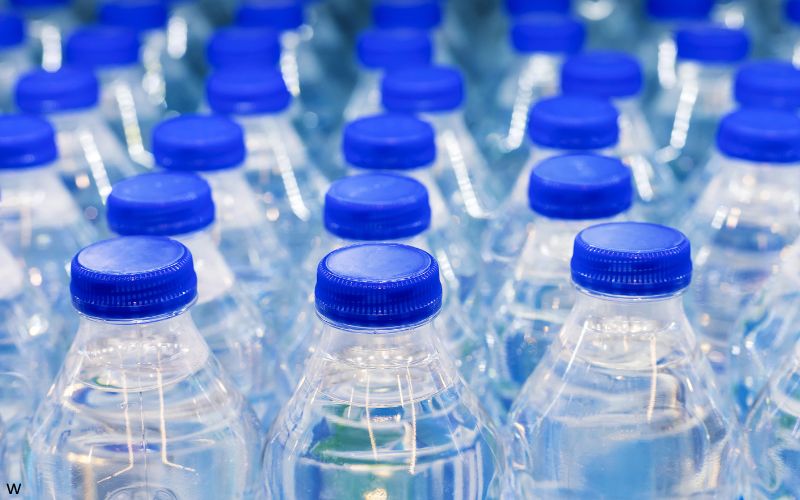
    Site Logo for menu
  • What’s Really in That Bottle? The Weird World of Water Regulation

    What’s Really in That Bottle? The Weird World of Water Regulation

    $4.99.

    That’s what I paid for a liter of “premium mountain spring water” at the airport last month. Highway robbery? Absolutely. But I was thirsty, my flight was delayed, and the drinking fountain was broken. As I grudgingly handed over my credit card, I found myself wondering: What am I actually paying for here? And who’s making sure this overpriced water is safe, anyway?

    My curiosity turned into a weeks-long rabbit hole investigation that left me stunned. Turns out, that bottle in your hand isn’t regulated the way you probably think it is.

    The Bizarre Regulatory Split

    Here’s the first weird thing I discovered: The water coming out of your kitchen faucet and the water in that fancy bottle are overseen by completely different government agencies using totally different rulebooks.

    Your tap water? That’s the Environmental Protection Agency’s territory. They regulate it under the Safe Drinking Water Act, which Congress passed back in 1974 after people got fed up with industrial chemicals showing up in their water supplies.

    But that bottle of Aquafina or Poland Spring? That falls under the Food and Drug Administration because bottled water is technically considered a “food product.” No, seriously. The FDA regulates it under the Federal Food, Drug, and Cosmetic Act – the same law that governs your breakfast cereal and canned soup.

    “It’s completely bonkers when you think about it,” says Mark Izeman, who spent 15 years as a water policy attorney before joining an environmental nonprofit. “We’ve created this weird dual system where identical H2O molecules are regulated differently based on whether they come through a pipe or a plastic bottle.”

    In theory, this split shouldn’t matter. Federal law actually requires the FDA’s bottled water standards to be at least as protective as the EPA’s tap water rules. But in practice? That’s where things get messy.

    Monday vs. Maybe-Once-a-Year Testing

    The differences start with how often the water gets checked.

    Your local water utility likely tests its water DAILY for bacterial contamination and regularly for dozens of other contaminants. My town’s water report shows they conducted over 1,500 tests last year alone. These folks are obsessive about water quality, partly because they’re legally required to be.

    “We test our water more frequently than I check my email,” jokes Linda Ramirez, who’s worked at a medium-sized municipal water plant for 17 years. “Seriously though, it’s multiple times per day, every day, no exceptions. Even holidays.”

    But bottled water companies? The FDA only requires them to test for contaminants roughly once a year – and sometimes even less frequently for certain substances.

    When I called a bottled water industry spokesperson to ask about this discrepancy, he assured me that “reputable companies test much more frequently than required.” Which sounded reassuring until I realized the key word there was “reputable.” The minimum legal requirement remains just annual testing.

    Then he added: “Besides, our bottling process provides natural protection against contamination.”

    Maybe so. But if something does go wrong…

    The “Nobody Needs to Know” Policy

    Here’s perhaps the most jaw-dropping difference I discovered: what happens when contamination is detected.

    If your local water utility finds a problem – like, say, bacteria levels that exceed safety standards – they’re legally required to tell you about it, often within 24 hours for serious issues. You might get an email, a text message, a notice in the local newspaper, or even one of those emergency alerts on your phone.

    “Public notification is non-negotiable,” explains Ramirez. “If we find something concerning in the water, we can’t just keep it to ourselves and fix it quietly. The community has a right to know.”

    But with bottled water? There’s no equivalent requirement for public notification. If FDA testing reveals a violation, they typically handle it privately with the company. Unless it escalates to a formal recall (which hardly ever happens), you’d never know there was an issue.

    I found a case from 2007 where a bottled water company’s internal testing found arsenic levels exceeding FDA standards in several production runs. They quietly pulled those specific lots from warehouses before they reached stores, fixed the filtration problem, and no public announcement was ever made. Technically, they didn’t break any rules by keeping customers in the dark.

    To be clear: This doesn’t mean bottled water is unsafe. But it does mean there’s way less transparency when problems occur.

    The Case of the 20-Year Delay

    Want to see how this regulatory gap plays out in real life? Check out the strange saga of DEHP.

    DEHP (or bis(2-ethylhexyl) phthalate if you’re feeling fancy) is an industrial chemical used in plastics manufacturing. It’s also a probable human carcinogen that can cause liver problems and hormone disruption.

    In 1992, the EPA set legally binding limits for DEHP in tap water. The law required the FDA to follow suit for bottled water within 180 days.

    Guess when the FDA finally established equivalent standards for bottled water? – 2012

    That’s not a typo. It took TWENTY YEARS for the FDA to create the same protection for bottled water that tap water had since the first Bush administration. For two decades, there was no legal limit on how much of this potential carcinogen could be in your bottled water.

    Was your water actually contaminated during that time? Probably not. But the point is, there was no legal limit preventing it – a regulatory blind spot that persisted for an entire generation.

    When “Water” Isn’t Actually “Water”

    Oh, and here’s another weird quirk I stumbled across: Not all bottled water is regulated as, well, bottled water.

    The FDA’s definition of “bottled water” only applies to products specifically labeled as bottled water, purified water, spring water, mineral water, artesian water, well water, or similar terms.

    But what about products labeled just as “water” or “water beverage” or “enhanced water”? They technically fall outside specific bottled water regulations. These products are still regulated as general food items (they can’t poison you, obviously), but they don’t have to meet the specific standards for bottled water.

    This isn’t just legal nitpicking – it creates real regulatory blind spots. A company could theoretically avoid certain bottled water testing requirements by simply tweaking their label terminology. Mind-boggling, right?

    Tap Water’s Secret Appearance

    Here’s a fun fact that made me laugh out loud when I learned it: About 25-30% of bottled water comes from… wait for it… municipal tap water sources. Yep, the same water you get from your faucet for practically free.

    Companies like Aquafina (PepsiCo) and Dasani (Coca-Cola) start with tap water, then typically put it through additional processes like reverse osmosis, deionization, or filtration. The result might be very pure water, but its humble origins remain municipal water systems.

    To be fair, the FDA requires bottlers to disclose when their product comes from a municipal source. But they often do this with tiny print that says something like “municipal water source” or “public water supply” tucked away on the back label – not exactly highlighted in the marketing.

    Next time you’re paying $2 for a bottle of water, check the fine print. You might be paying a 1000% markup for processed tap water.

    So What Should You Do?

    After all this digging, am I swearing off bottled water forever? Not necessarily. There are legitimate situations where bottled water makes sense – emergencies, travel in areas with unsafe water, or when you’re stuck at an airport with a broken water fountain.

    But I’ve definitely changed how I approach bottled water:

    1. I check the label more carefully now. Words like “purified water” or “drinking water” often indicate it started as tap water. If I’m paying a premium, I at least want to know what I’m getting.
    2. I look for brands that voluntarily publish detailed water quality reports on their websites, similar to what public utilities provide. Companies confident in their product quality tend to be more transparent.
    3. I’ve stopped assuming bottled automatically means better. Sometimes it might be, but that’s not guaranteed by the regulatory structure.
    4. I invested in a good reusable bottle and a home water filter. For a fraction of what I was spending on bottled water, I can filter my own tap water to remove many of the same things bottled water companies target.

    The bottom line? That bottle of water might taste great and be perfectly safe. The vast majority probably are. But the regulatory safety net beneath it has some surprising holes that most consumers know nothing about.

    And now, if you’ll excuse me, I need to go refill my reusable water bottle from the filtered pitcher in my fridge. Old habits die hard, but at least now I understand what I’m paying for – and what I’m not.

  • Emerging Contaminants: A Guide to What’s Not in Your Water Report

    Emerging Contaminants: A Guide to What’s Not in Your Water Report

    Emerging Contaminants: What’s NOT in Your Water Report

    I’m sitting here at my kitchen table staring at the water quality report I just fished out of my recycling bin. Like most folks, I’d given it a quick once-over, noticed no red flags, and tossed it without a second thought. But after chatting with a neighbor whose well tested positive for something called “PFAS,” I’ve been wondering—what else might be lurking in my tap water that isn’t listed on this official-looking document?

    Turns out, quite a lot.

    The Invisible Threat

    My water utility, like thousands across America, diligently tests for about 90 contaminants regulated under the Safe Drinking Water Act. Sounds impressive until you consider that over 85,000 chemicals are registered in the EPA’s Toxic Substances Control Act inventory (though only about 40,000 are actively used), with roughly 700-1,000 new chemicals reviewed by the EPA annually.

    The gap between what’s regulated and what’s actually in our water has become my new late-night anxiety fuel.

    “For decades, the American people have been exposed to the family of incredibly toxic ‘forever chemicals’ known as PFAS with no protection from their government,” said Environmental Working Group President Ken Cook in a recent statement when the EPA finally announced drinking water standards for these substances.

    After weeks of research, conversations with water quality experts, and more than a few rabbit holes on scientific journal websites, I’ve identified three concerning unregulated contaminants likely flowing through America’s pipes—and potentially, my kitchen faucet.

    1,4-Dioxane: The Stubborn Solvent

    Back in the day, I worked in a lab where we handled plenty of nasty chemicals, but 1,4-dioxane wasn’t on my radar. Now I know this industrial solvent is practically the perfect water contaminant—it dissolves completely, doesn’t stick to soil, evaporates slowly, and stubbornly resists standard water treatment.

    Commonly used as a stabilizer for chlorinated solvents, 1,4-dioxane shows up in countless products from paint strippers and antifreeze to personal care items. The EPA has classified it as a “likely human carcinogen,” and animal studies have linked it to liver and nasal cancers.

    A 2021 analysis found that over 20% of public water systems across the United States contained detectable levels of 1,4-dioxane. According to the Environmental Working Group, water supplies for more than 7 million Americans in 27 states are contaminated with 1,4-dioxane at levels higher than what federal scientists consider a minimal cancer risk.

    Despite the widespread presence of 1,4-dioxane, there’s no federal maximum contaminant level for it in drinking water. Only a handful of states have established their own guidelines, leaving most Americans in the dark about this contaminant.

    Microplastics: The Tiny Invaders

    Last week, I was washing my favorite fleece jacket when I remembered reading that a single wash can release up to 250,000 microplastic fibers. According to Earth Day’s fact sheet, the average American ingests more than 70,000 microplastics annually just from drinking water.

    These microscopic plastic particles—typically defined as smaller than 5 millimeters—come from the breakdown of larger plastics, synthetic fibers from clothing, microbeads from personal care products (though many countries have now banned these), and even tire dust from roadways.

    What makes microplastics particularly concerning isn’t just their ubiquity but their potential to absorb and concentrate other pollutants. Laboratory studies have shown they can cause inflammation, oxidative stress, and cell damage, though the World Health Organization notes that conclusive evidence of health impacts in humans is still lacking.

    Despite these concerns, water utilities aren’t required to test for or remove microplastics from drinking water. The technology to effectively detect these particles at low concentrations is still developing, meaning they’re invisible not just on your water report but often to the utilities themselves.

    PFAS: The “Forever Chemicals”

    Perhaps the most notorious of the emerging contaminants are per- and polyfluoroalkyl substances, commonly known as PFAS. This family of thousands of synthetic chemicals has been used since the 1940s in everything from non-stick cookware and water-repellent clothing to food packaging and firefighting foam.

    Their nickname—”forever chemicals”—is well-earned. The carbon-fluorine bonds that make them so useful are among the strongest in organic chemistry. These chemicals don’t naturally degrade in the environment—ever.

    A recent study by the U.S. Geological Survey found that at least 45% of the nation’s tap water contains one or more types of PFAS. These chemicals have been linked to serious health problems, including increased cholesterol, decreased vaccine response in children, thyroid disruption, and increased risk of certain cancers.

    This widespread contamination has resulted in about 98% of Americans having detectable PFAS in their blood, according to CDC’s National Health and Nutrition Examination Survey data.

    In April 2024, the EPA finally set national drinking water standards for six PFAS compounds. While this represents progress, it’s a small fraction of the thousands of PFAS chemicals in use, and compliance deadlines extend to 2029 and beyond.

    Why Aren’t These Regulated?

    When I first realized the scope of unregulated chemicals potentially in my drinking water, I immediately wondered—why haven’t these been addressed already? The answer involves a complex mix of scientific, economic, and political factors.

    For a contaminant to be regulated under the Safe Drinking Water Act, the EPA must go through a lengthy process that includes multiple steps and can take decades to complete. For example, perchlorate was first listed as a candidate for regulation in 1998 but still isn’t regulated at the federal level.

    Industry influence also plays a significant role. Many emerging contaminants are tied to profitable industries with substantial political clout and the resources to challenge regulations through litigation.

    In our regulatory system, the burden of proof effectively falls on the public to demonstrate harm, rather than on manufacturers to demonstrate safety—a framework that inherently favors the status quo, even when that status quo may be causing harm.

    What Can You Do?

    After discovering all this information, I felt overwhelmed but not helpless. Here are practical steps I’ve taken that you might consider too:

    Know Your Water Source

    Understanding where your water comes from can help assess potential risks. Is your water drawn from a river downstream from industrial facilities? Is your groundwater near agricultural areas with heavy pesticide use or landfills? Local watershed groups often have information about specific contamination concerns in your area.

    Consider Home Filtration

    Different filtration technologies target different contaminants:

    • For PFAS: Reverse osmosis systems and high-quality activated carbon filters (look for NSF/ANSI 53 certification) are most effective
    • For 1,4-dioxane: Advanced oxidation treatment works best, though it’s not widely available for home use; some high-end reverse osmosis systems help
    • For microplastics: Fine mechanical filters (1 micron or smaller) can remove larger particles, while reverse osmosis can remove most microplastics

    Remember that no single filtration method removes all contaminants, and maintenance is crucial—an improperly maintained filter can become a source of contamination itself.

    Support Better Regulation

    Citizen pressure matters. Contact your representatives about supporting stronger water protections, faster regulatory action on emerging contaminants, and more funding for water infrastructure. Support environmental organizations working on water quality issues.

    Reduce Your Contribution

    Many emerging contaminants enter our water through everyday consumer products. Consider:

    • Avoiding products with “fragrance” or “parfum” which may contain phthalates
    • Choosing personal care products without “PEG” compounds which may contain 1,4-dioxane
    • Reducing plastic use to minimize microplastic pollution
    • Selecting cookware, clothing, and food packaging without PFAS (look for “PFAS-free” labels)

    The Future of Water Testing

    Despite the current regulatory gaps, there are reasons for optimism. Advanced detection technologies continue to improve, making it easier and more affordable to test for emerging contaminants. Public awareness is growing, putting pressure on utilities and regulators to address these invisible threats.

    Some forward-thinking utilities are already going beyond regulatory requirements, voluntarily testing for and treating unregulated contaminants. And states like California, Michigan, and New Jersey have stepped in with their own standards where federal regulations lag.

    What’s clear is that our understanding of what makes water “safe” continues to evolve. Today’s emerging contaminant may be tomorrow’s regulated substance. In the meantime, the best defense is awareness—understanding that your water report, reassuring as it may seem, isn’t telling the whole story.

    The next time you receive that annual water quality report, give it more than a passing glance. But also remember what’s not listed there—the emerging contaminants silently passing through our pipes, waiting for science, regulation, and public awareness to catch up.

    Now, if you’ll excuse me, I need to research water filters—and maybe buy a reusable water bottle while I’m at it..

    Please read – our information

    The information presented on cleanairandwater.net is compiled from official water quality reports, trusted news sources, government websites, and public health resources. While we strive for accuracy and thoroughness in our presentations, we are not scientists, engineers, or qualified water quality professionals.


    Our mission is to present water quality information in an accessible, real-world format that helps people understand what’s in their water and make informed decisions about their health and safety. We believe that complex environmental information should be available to everyone in a format that’s easy to understand.


    We make every effort to ensure our content is current and accurate, but we cannot guarantee that all information is complete or error-free. This website should not replace official communications from your local water utility or health department. We always recommend consulting official sources for the most up-to-date information regarding your specific water system.


    Clean Air and Water is not liable for any unintentional errors, omissions, or outdated information. The content on this site is provided for informational purposes only and should not be considered professional advice.
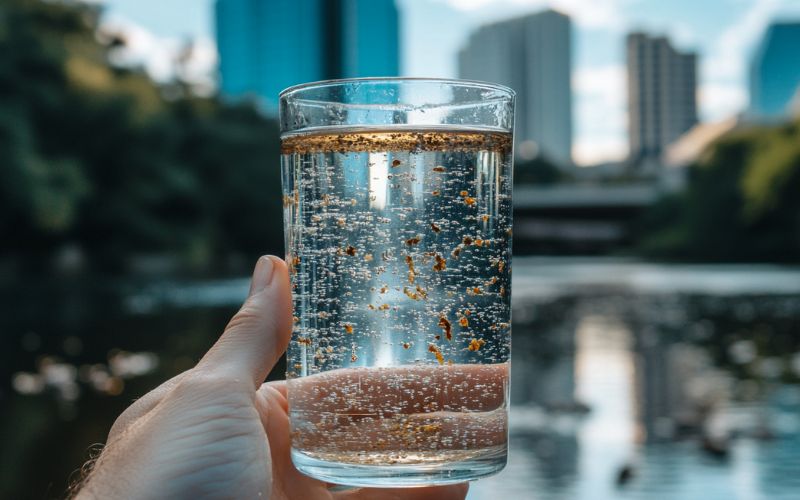
    Site Logo for menu
  • The Silent Threat: PFAS Contamination in Ann Arbor’s Water

    The Silent Threat: PFAS Contamination in Ann Arbor’s Water

    The Silent Threat: PFAS Contamination in Ann Arbor’s Water

    Behind the Pristine Campus Image

    Ann Arbor, home to the University of Michigan, looks picture-perfect on college brochures. The leafy campus, the vibrant downtown, the Huron River winding through parks where students lounge between classes – it’s the quintessential American college town. But this postcard-worthy community harbors a troubling secret that won’t wash away, no matter how many sustainability awards the city wins: its water is contaminated with PFAS.

    These “forever chemicals” have quietly worked their way into the town’s water system, raising alarm among residents who thought environmental problems happened somewhere else – not in their progressive, educated community. Though recent filtration upgrades have reduced detection levels in treated water, the underlying problem persists, linking Ann Arbor to the same toxic legacy that plagues hundreds of towns across America.

    What Are PFAS?

    PFAS isn’t just one chemical – it’s a family of thousands of synthetic compounds that manufacturers have used for decades to make everything from non-stick pans to waterproof jackets. They’re incredibly useful because they repel water, resist stains, and withstand heat. The problem? The same molecular bonds that make them so useful also make them virtually indestructible in the environment.

    Scientists have linked these chemicals to a disturbing array of health problems: certain cancers, fertility issues, developmental delays in children, weakened immune response, and increased cholesterol. What’s particularly troubling is that they can cause harm at vanishingly small concentrations – parts per trillion, the equivalent of a few drops in an Olympic swimming pool. In fact, the EPA’s 2022 health advisories suggest PFOA and PFOS (two common PFAS compounds) may be harmful at astonishingly low levels: 0.004 and 0.02 parts per trillion, respectively – thousands of times lower than previously thought.

    They also don’t play fair. Once in your body, they can remain for years, accumulating with each new exposure from water, food, or consumer products. While the body slowly tries to flush them out, they’re busy potentially disrupting hormones and cellular functions.

    The Huron River Connection

    For Ann Arbor, the story of PFAS begins with its beloved Huron River, which supplies most of the city’s drinking water. In 2018, tests revealed something alarming: the river contained measurable levels of these toxic compounds.

    State investigators eventually traced the source of contamination upstream to Wixom, where Tribar Technologies (formerly Wixom Plating) had been discharging PFAS-laden wastewater into the sewer system. This automotive supplier, which specializes in chrome plating and finishing, became the primary culprit in a contamination story that would affect communities all along the river. The Wixom wastewater treatment plant, never designed to filter out such chemicals, simply passed them along into the river.

    Tests conducted between May and December 2019 by the Environmental Working Group found Ann Arbor’s tap water contained 15.8 parts per trillion of PFOA and PFOS – two of the most notorious PFAS compounds. That’s below the EPA’s advisory level at the time of 70 ppt, but above Michigan’s later, stricter standard of 8 ppt for these compounds. As of June 2024, thanks to extensive filtration upgrades, Ann Arbor’s treated water consistently tests below Michigan’s standards – a victory for public health, but one that came at significant cost to the city’s residents rather than the polluters.

    University Response

    The University of Michigan, with its 45,000 students and staff dependent on city water, found itself in an uncomfortable position. Campus buildings were receiving the same PFAS-containing water as the rest of the city. University officials were quick to note that contamination levels didn’t exceed EPA guidelines, even during a concentration spike in fall 2018.

    But for many students, that wasn’t reassuring enough. In lecture halls where they learned about environmental justice and corporate responsibility, they were drinking water tainted by industrial pollution. It seemed like a real-world case study unfolding in their own community.

    Campus environmental groups began organizing information sessions and lobbying administration. Gradually, their focus expanded beyond campus to join broader community efforts. Student activists didn’t just want better filters – they wanted accountability from the companies responsible and stricter regulations to prevent future contamination.

    City’s Response and Treatment Efforts

    Unlike some communities that have dragged their feet on PFAS, Ann Arbor’s response has been relatively aggressive. The city has poured millions into upgrading its water treatment plant, particularly its granular activated carbon filters – currently the best available technology for removing these chemicals from drinking water.

    In 2019 alone, the city council approved $950,000 for additional PFAS filters. By 2020, about $1.5 million had been spent on system upgrades, particularly focusing on enhanced carbon filtration technology. The investment has paid off in one sense – recent testing shows near-undetectable levels of PFAS in the treated water leaving the plant.

    But Ann Arbor’s water treatment manager Brian Steglitz has expressed frustration that city residents are footing the bill for pollution they didn’t create. “It would be preferable,” he stated, “if City customers did not need to fund treatment for PFAS and that the polluter was responsible for removing all contamination from their waste streams.”

    Broader Implications for the Community

    The PFAS problem extends beyond what comes out of the tap. In 2018, state officials issued a “Do Not Eat” advisory for fish caught from the Huron River – a devastating blow for recreational anglers and a stark warning about how thoroughly these chemicals have infiltrated the local ecosystem. That advisory remains in effect today, a persistent reminder of PFAS’s environmental legacy.

    Health officials advise people to shower after contact with the river, especially after swimming or tubing – a precaution that underscores ongoing concerns about exposure. Then in 2020 came another unsettling discovery: PFAS had been detected in the city’s compost program, which distributes treated organic waste as fertilizer for parks and gardens. The city temporarily suspended compost distribution before resuming in 2021 with stricter testing protocols.

    Suddenly, these invisible chemicals seemed to be everywhere – not just in water, but cycling through the community’s soil and potentially into home-grown vegetables. For a town that prides itself on environmental awareness, it was a humbling realization.

    The Path Forward

    Ann Arbor’s experience highlights an uncomfortable truth about PFAS: once these chemicals enter the environment, completely eliminating them is nearly impossible. Treatment can reduce concentrations to safer levels, but the fundamental problem remains as long as industries continue using and discharging these substances.

    Michigan has taken some meaningful steps. In August 2020, the state adopted its own maximum contaminant levels for seven PFAS chemicals – ranging from 6 to 16 parts per trillion, creating more stringent and enforceable standards than federal guidelines at the time. But many advocates say this isn’t enough, especially now that the EPA’s 2022 health advisories suggest safe levels thousands of times lower than even Michigan’s standards.

    Representative Debbie Dingell, whose district includes Ann Arbor, has championed federal legislation to ban PFAS in food packaging and establish national regulations. She’s specifically cited Ann Arbor’s contamination issues when testifying before Congress.

    For residents of this college town, the PFAS saga represents a crash course in environmental realities. It’s one thing to discuss pollution in the abstract; it’s another to wonder about the safety of your morning coffee or your child’s bath water. As one local put it during a town hall meeting: “We thought we were doing everything right here in Ann Arbor. If we’re not safe from this stuff, who is?”

    The struggle against these persistent chemicals continues, forcing this community to confront difficult questions about environmental justice, corporate responsibility, and the true cost of industrial progress that gets passed down to ordinary citizens decades later.