
Baltimore Water Quality at a Glance
Covering Baltimore City DPW — supplying water to ~1.8M people across Baltimore City and surrounding areas. Jump to Sources & Notes ↓
aging infrastructure concerns
Is Baltimore Water Safe to Drink?
Generally Yes, With Precautions — Baltimore’s treated water meets federal and state standards at the plant and in distribution system compliance monitoring. The biggest household risks come from older plumbing and unknown service line materials that can contribute lead, plus disinfection byproducts formed during chlorine treatment. Historical sampling at City treatment plants reported combined PFOA+PFOS around 4.93 ppt (2021); the EPA’s 2024 rule now sets enforceable limits of 4 ppt for PFOA and PFOS individually. If your home was built before 1987 or your service line is unknown, test your water and consider certified filtration for drinking and cooking.
⚠️ Key Concerns for Baltimore Residents
- Lead service lines / unknowns: EPA estimated ~71,166 LSLs statewide (Maryland); DPW’s initial inventory shows few confirmed LSLs but many lines remain classified “unknown.”
- PFAS (“forever chemicals”): Historic plant sampling found combined PFOA+PFOS ~4.93 ppt (2021). EPA’s 2024 rule sets 4 ppt MCLs for PFOA/PFOS individually, plus a Hazard Index for certain mixtures.
- Disinfection byproducts (TTHM/HAA5): Formed by chlorine reacting with natural organics; monitored continuously under EPA Stage 2 DBPR.
- Aging mains & reservoirs: Older buried infrastructure can occasionally cause low pressure or discoloured water; DPW prioritises replacements and maintenance.
Advertisement — Report continues below
Think Your Tap Water Is Safe? Think Again.
Even when it looks clear, tap water can carry hidden contaminants—like chlorine, heavy metals, and microplastics—that don’t always affect the taste but still reach your glass.
A professionally engineered water filtration system can help protect your household, providing cleaner, safer, and better-tasting water every day.
Smart Solutions for Safer Drinking Water:
✅ Reduces common contaminants like chlorine and microplastics
✅ NSF/ANSI certified for trusted performance
✅ Smart, space-saving tankless design
✅ Long-term investment in cleaner water
Looking for a simple, no-install option? (Check out the A2 Countertop System)
Note: This advert contains affiliate links. If you buy through these links, we may earn a commission at no extra cost to you.

Baltimore – Maryland – Water Quality Report 2026: Sources, Treatment & Safety Across the City
Baltimore DPW supplies drinking water to approximately 1.8 million people across Baltimore City and surrounding areas. Source water comes from the Prettyboy and Loch Raven Reservoirs (Gunpowder system) and the Liberty Reservoir (Patapsco), protected by watershed management north and west of the city. Treatment occurs at Montebello I & II and Ashburton plants using coagulation, sedimentation, filtration, and chlorine disinfection — combined capacity up to ~360 MGD. The biggest household risk comes from lead in older plumbing and service lines, not from source water. See how Baltimore compares with our Washington DC water quality report, Philadelphia water report, and the full Maryland water quality overview. Browse all cities at our US water quality directory.

Baltimore Water Quality: Current Status (2025–2026)
Last updated: .
Latest Highlights
- Regulatory compliance: DPW reports full compliance with federal/state drinking water standards in the most recent CCR period. See the water alert news page for any live advisories.
- Lead (at the tap): System-wide 90th-percentile results remain below the EPA Action Level (15 ppb). Homes with older plumbing can still have elevated readings — testing is strongly advised for buildings built before 1987 or with unknown service lines.
- PFAS: DPW is sampling per UCMR5 and the 2024 PFAS rule. Historical plant sampling (2021) measured combined PFOA+PFOS ≈4.93 ppt. EPA’s current MCLs are 4 ppt for PFOA/PFOS (each) and 10 ppt for PFHxS, PFNA, and GenX, plus a Hazard Index for mixtures.
- Disinfection byproducts: Total trihalomethanes (TTHM) and haloacetic acids (HAA5) are routinely monitored under EPA Stage 2 DBPR and reported in the CCR.
Source Water & Watersheds
- Gunpowder system: Prettyboy & Loch Raven Reservoirs (north of the City)
- Patapsco system: Liberty Reservoir (west of the City)
- Watershed protection: DPW manages ~24,580 acres of watershed lands under conservation and land-use controls — one of the largest utility-owned watershed programmes on the East Coast.
Treatment & Corrosion Control
- Coagulation → sedimentation → filtration → chlorine disinfection
- pH/alkalinity adjustment to minimise lead pickup from home plumbing — critical given the volume of unknown service line materials across the city
Service Line Inventory & Replacement
- Initial inventory submitted (Oct 2024); very few confirmed LSLs to date; many lines still classified “unknown.” Inventory work is ongoing.
- Resident self-check & photo upload available via the Service Line Partnership portal. Call 311 for guidance.
Customer Support
City residents: call 311. Baltimore County customers: 443-263-2220 or 410-396-5352. Check our live boil water notices tracker for any active alerts in Maryland.
Recommendations for Baltimore Residents

Test for Lead
If your home was built before 1987 or your service line is “unknown,” test your tap water for lead and check your pipe material. City residents can call 311 for guidance. This is the single most important action for Baltimore households with older plumbing — lead has no safe level for children. See our water filter guide for certified lead-reduction options.

Check Your Service Line
Use the Baltimore Service Line Partnership online survey to identify your line material using a magnet/key scratch test and a photo upload. Many Baltimore lines remain classified as “unknown” — completing this survey helps DPW prioritise replacements and protects your family now. Call 311 if you need help completing the process.

Use Certified Filters
For added protection, use NSF/ANSI-certified filters: Lead — NSF/ANSI 53 (carbon block); PFAS — NSF/ANSI 53/401 (carbon) or NSF/ANSI 58 (reverse osmosis); DBPs — NSF/ANSI 53. We recommend this compact RO option: Waterdrop Reverse Osmosis system. See our full water filter solutions guide for more options.

Flush Pipes Properly
If water has sat in pipes for more than 6 hours, run cold water for 1–2 minutes before drinking or cooking. Always use cold water for consumption — hot water dissolves more metals from older plumbing. This is especially important in Baltimore given the volume of older housing stock and unknown service line materials across the city. Check our boil water notices tracker for any live advisories.

Report Issues
City residents: call 311. Baltimore County customers: 443-263-2220 or 410-396-5352. For main breaks, low pressure, or discoloured water, report promptly. If water looks discoloured, avoid drinking it and run the tap until it clears. For wider Maryland water alerts, see our water alert news page.
Quality News About Your Water
Get the comprehensive water quality news coverage you need with our dedicated US Water News Service. From coast to coast, we deliver in-depth reporting and expert analysis on PFAS contamination, EPA regulatory changes, infrastructure developments, and emerging water safety issues affecting communities nationwide. While mainstream media only covers the biggest stories, we provide the detailed, ongoing coverage that helps you understand the full scope of America’s water challenges. Whether you’re a concerned citizen, water professional, or community leader, our daily updates and analytical insights keep you informed about the issues that matter most to public health and environmental safety.

Frequently Asked Questions
Is Baltimore’s tap water safe to drink?
Yes — DPW reports compliance with drinking water standards in the latest CCR, and source waters are well-protected reservoirs. However, homes with older plumbing or unknown service lines can contribute lead at the tap. Testing and certified point-of-use filters are prudent for sensitive groups including children, pregnant women, and anyone in a pre-1987 home. See our water filter solutions guide for options.
How do I know if my home has a lead service line?
Use the Service Line Partnership portal to check your address and complete the scratch/magnet test, then upload a photo. You can also call 311 for in-person guidance. Many Baltimore lines are currently classified as “unknown” — completing the survey helps DPW prioritise replacements city-wide and protects your household now.
What about PFAS in Baltimore water?
DPW is monitoring PFAS per the federal rule. Historical plant sampling (2021) reported combined PFOA+PFOS ≈4.93 ppt — context only, not current tap levels. EPA’s 2024 MCLs are 4 ppt for PFOA/PFOS each, 10 ppt for PFHxS, PFNA, and GenX, with a Hazard Index for certain mixtures. Certified carbon and reverse osmosis filters can reduce PFAS at the point of use. See our filter guide for certified options.
Are there water restrictions in Baltimore?
Restrictions are uncommon but voluntary conservation can be requested during dry periods. Check DPW updates or call 311 for current status. You can also monitor our water alert news and live boil water notices tracker for any active advisories affecting the Baltimore area.
Contaminants of Concern
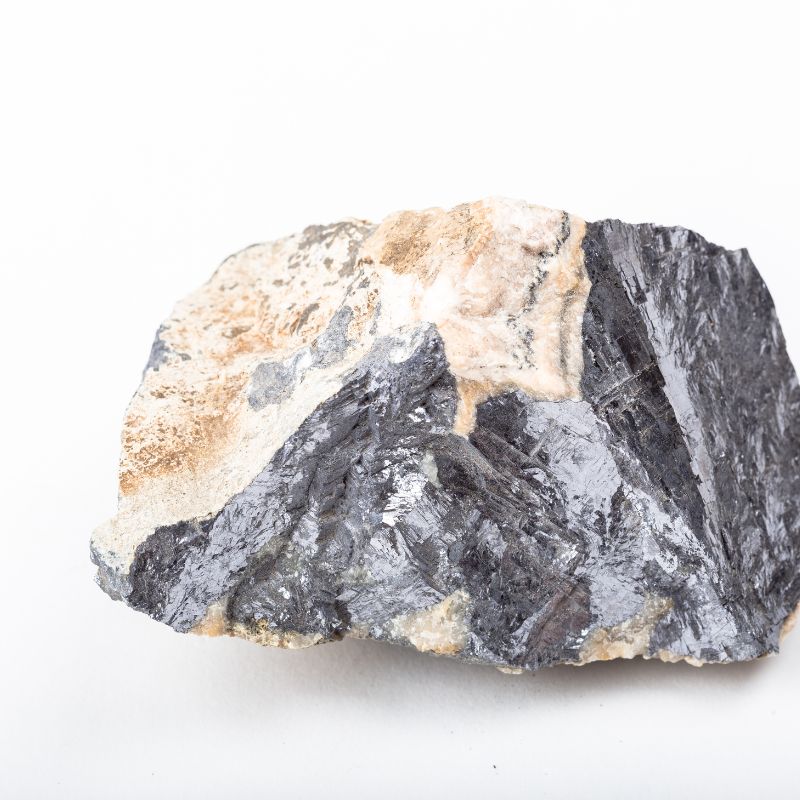
Lead
Source: Service lines and older plumbing in homes built before 1987. Not from Baltimore’s source water or treatment — the risk is entirely at the household level. Health: Neurological and developmental impacts in children; cardiovascular and kidney effects in adults. There is no safe level of lead exposure for children. Status (2026): System 90th-percentile results are below the EPA Action Level (15 ppb), but individual homes can vary significantly — test if your materials are unknown. See our filter guide for NSF/ANSI 53-certified options.

PFAS (“Forever Chemicals”)
Source: Industrial uses, firefighting foams, consumer products. Health: Associations include some cancers, cholesterol changes, and immune effects with long-term exposure. Status (2026): DPW is monitoring under UCMR5 and the 2024 EPA rule. Historic plant sampling (2021) found combined PFOA+PFOS ≈4.93 ppt — context only. EPA MCLs: PFOA 4 ppt, PFOS 4 ppt; PFHxS/PFNA/GenX 10 ppt; Hazard Index for certain mixtures. Certified reverse osmosis (NSF/ANSI 58) is the most effective home treatment. Compare PFAS challenges in nearby Newark and Philadelphia.
Please read – our information
The information presented on cleanairandwater.net is compiled from official water quality reports, trusted news sources, government websites, and public health resources. While we strive for accuracy and thoroughness in our presentations, we are not scientists, engineers, or qualified water quality professionals.
Our mission is to present water quality information in an accessible, real-world format that helps people understand what’s in their water and make informed decisions about their health and safety. We believe that complex environmental information should be available to everyone in a format that’s easy to understand.
We make every effort to ensure our content is current and accurate, but we cannot guarantee that all information is complete or error-free. This website should not replace official communications from your local water utility or health department. We always recommend consulting official sources for the most up-to-date information regarding your specific water system.
Clean Air and Water is not liable for any unintentional errors, omissions, or outdated information. The content on this site is provided for informational purposes only and should not be considered professional advice.

Sources & Notes
- Baltimore City DPW – 2024 Water Quality Report (CCR). Includes compliance data, DBP monitoring, and lead/copper programme context.
- Baltimore City DPW – Water Quality Reports hub: overview and access to current/archived CCRs.
- Baltimore City DPW – Drinking Water overview: Montebello I&II and Ashburton plants, operations, and customer contacts.
- Baltimore City DPW – Reservoirs & watershed stewardship (Loch Raven, Prettyboy, Liberty; ~24,580 acres).
- U.S. EPA (Apr 2024) – Final PFAS National Primary Drinking Water Regulation: MCLs (PFOA/PFOS 4 ppt; PFHxS/PFNA/GenX 10 ppt) and Hazard Index.
- Baltimore City DPW – PFAS information page and UCMR5 context.
- WBAL (Nov 2023) – EPA estimate ≈71,166 lead service lines statewide (Maryland).
- Baltimore City DPW (Oct 16, 2024) – Initial service line inventory submission press release.
- FOX Baltimore (Nov 26, 2024) – Inventory snapshot noting many “unknown” service lines across the region.
- Baltimore DPW Water Quality reporting (2021) – historic combined PFOA+PFOS ≈4.93 ppt at treatment plant sampling (context only; not current tap levels).
- Baltimore Service Line Partnership portal – address lookup, scratch/magnet test instructions, photo upload.
- DPW/County contact references – 311; Baltimore County water issue lines (443-263-2220 / 410-396-5352).
Important: PFAS “historic” results reflect past plant sampling and may not predict neighbourhood tap levels. Always rely on the current CCR and DPW advisories for regulatory compliance status. This page is informational only and not medical advice.
Related reading: Washington DC water quality · Philadelphia water quality · Newark water quality · Richmond water quality · Maryland state overview · Full US water directory · Boil water notices tracker