Texas Water Quality at a Glance
across major cities
Is Texas Water Safe to Drink?
Serious Statewide Contamination Issues — Around 50 Texas public water systems have reported PFAS levels exceeding EPA federal limits, including major utilities in Fort Worth, Dallas, Arlington, and Baytown. Johnson County declared a local disaster in February 2025 after groundwater tested at levels hundreds of times above EPA limits, linked to biosolids from Fort Worth’s wastewater plant. Texas lawmakers passed several PFAS-related bills in 2025 but none reached the governor’s desk. Compliance with EPA’s PFOA/PFOS MCL of 4 ppt is required — though the deadline has been extended to 2031. Voters approved a historic $20 billion Texas Water Fund in November 2025 to begin addressing aging infrastructure and emerging contaminant treatment. Check our live boil water notices tracker and water alert news for the latest Texas updates.
⚠️ Key Concerns for Texas Residents in 2026
- PFAS “Forever Chemicals”: Around 50 public water systems exceed EPA limits; Fort Worth, Dallas, Arlington and Baytown are among the affected cities. Initial compliance monitoring required by April 2027; full compliance deadline extended to 2031.
- Johnson County Disaster: February 2025 disaster declaration after PFAS detected at levels hundreds of times above EPA limits in groundwater; linked to biosolids spread as fertiliser; livestock deaths reported.
- Legislative Inaction: Five PFAS-related bills (HB 1674, HB 1730, HB 1145, HB 3738, SB 1898) all failed to advance during the 2025 legislative session, leaving communities without additional state-level protections.
- Infrastructure Pressure: Texas loses an estimated 88 billion gallons annually through leaking pipes; the new $20 billion Texas Water Fund (Prop 4, approved with 70% voter support in Nov 2025) will begin funding projects from 2027 — though experts note the state needs nearly $154 billion over 50 years.
Read the full report below for detailed analysis, city-specific data, and actionable recommendations for Texas residents. You can also check your local water quality here.
Advertisement — Report continues below
Concerned About Your Water Quality? You’re Not Alone.
In some areas, water systems only just meet minimum standards — and that can still leave families exposed to contaminants like lead, PFAS, disinfection byproducts, and heavy metals.
If your city has faced repeated violations or boil notices, it’s worth adding extra protection at home. A high-capacity, certified system gives your family stronger safety and peace of mind every day.
Smart Solutions for Safer Drinking Water:
✅ Reduces tough contaminants including lead and PFAS
✅ Certified to NSF/ANSI standards
✅ Built for high daily family use
✅ Long-term investment in cleaner, healthier water
Disclaimer:
This advert contains affiliate links. If you buy through these links, we may earn a commission at no extra cost to you.

Texas – The Lone Star State – Water Quality Report 2026: PFAS Testing, Infrastructure Concerns & Safety across your state
Texas operates the nation’s largest water infrastructure network, serving over 31.7 million residents across 268,596 square miles through thousands of public water systems regulated by TCEQ. From the Trinity River Basin that supplies Dallas-Fort Worth to the Gulf Coast aquifers serving Houston, Texas water sources include 15 major river basins, 9 major aquifers, and 22 minor aquifers. The state faces unprecedented water challenges as population growth continues — Texas added 391,243 residents in 2025 alone, the largest absolute gain of any US state for the third year running — while aging infrastructure strains under increasing demand. Municipal water use is projected to overtake agricultural irrigation as the largest consumer by 2060, requiring massive infrastructure investments to meet growing needs.
In a landmark development for Texas water security, voters approved Proposition 4 in November 2025 with 70% support, constitutionally dedicating $1 billion annually from sales tax revenue to the new Texas Water Fund from 2027 to 2047 — a $20 billion total commitment described as the largest water investment in the state’s 180-year history. However, experts note Texas faces an estimated $154 billion in infrastructure needs over 50 years, meaning Prop 4 — while historic — is only a starting point. With PFAS contamination affecting roughly 50 public water systems, drought conditions persisting across much of the state, and five PFAS-related bills failing in the 2025 legislative session, Texas residents face a complex and evolving water quality picture heading into 2026.

Texas Water Quality: Current Status (2025–2026)
Statewide Compliance and Infrastructure
- System Scale: Texas operates thousands of public water systems serving over 31.7 million residents (as of July 2025), making it the largest water infrastructure network in the United States. The state added 391,243 residents in 2025 — the most of any state — adding further pressure to an already strained system. For boil water alerts affecting Texas communities, see our live US boil water notices tracker.
- Historic Infrastructure Investment: Texas voters approved Proposition 4 in November 2025 with 70% support, dedicating up to $1 billion annually from 2027 to 2047 to the Texas Water Fund — a $20 billion commitment over 20 years. Funding covers new water supply development, infrastructure repair, and flood mitigation. However, the money is unlikely to reach projects before 2031 given the multi-step approval process, and experts estimate Texas needs nearly $154 billion over 50 years.
- PFAS Compliance Deadline: Around 50 Texas public water systems have reported exceeding EPA PFAS limits under UCMR 5 monitoring. Systems must complete initial monitoring by April 2027 and report results to consumers. The EPA extended the full compliance deadline for PFOA/PFOS (4 ppt MCL) from 2029 to 2031. MCLs for PFHxS, PFNA, HFPO-DA, and PFBS were separately withdrawn in May 2025, though a federal court denied EPA’s vacatur request in January 2026. Learn more about water filter solutions for PFAS removal.
Regional Water Source Challenges
- Trinity River Basin: Supplies the Dallas-Fort Worth metroplex with documented PFAS contamination. Fort Worth, Arlington, Dallas, Grapevine, Haltom City, Duncanville, and multiple other DFW-area utilities are among those exceeding EPA PFAS limits. See individual pages for Fort Worth, Dallas, and Arlington water quality.
- Johnson County Disaster: In February 2025, Johnson County declared a local disaster after PFAS testing found contamination at levels hundreds of times above EPA limits in agricultural land, groundwater, and animal tissue — with reported deaths of fish and cattle. Contamination was linked to biosolids from Fort Worth’s wastewater treatment plant being spread as agricultural fertiliser. Five state bills seeking to address PFAS in fertilisers and firefighting foam all failed during the 2025 legislative session.
- Gulf Coast Aquifer: Critical water source for the Houston region, facing saltwater intrusion concerns and mandatory pumping reductions to prevent land subsidence. See the Houston water quality report for details on local conditions.
- Rio Grande Valley: International water-sharing challenges with Mexico combined with severe drought conditions have reduced reservoir levels to critical lows, impacting agricultural and municipal water supplies. See the El Paso and Laredo water quality pages for local data.
Drought and Supply Security
- Supply Gap: The Texas State Water Plan estimates that water available during a drought could drop by 18% by 2050, while demand rises by 9%. If a severe drought struck in 2030 without new water strategies in place, Texas could face a shortage of 4.7 million acre-feet — more than 20% of projected demand.
- Water Loss Crisis: Texas loses an estimated 88 billion gallons annually through aging leaking pipes across its most populous cities — equivalent to enough water to supply hundreds of thousands of homes for a year. This infrastructure problem was cited by Governor Abbott as a key justification for the $20 billion water investment.
- Rule of Capture Risk: Texas’s common-law Rule of Capture allows landowners to pump as much groundwater as they can from beneath their property, raising concerns about unregulated depletion of major aquifers serving rural and urban communities alike. Reforming this doctrine remains a legislative challenge.
Population Growth and Demand
- Rapid Expansion: Texas reached 31.7 million residents as of July 2025 after adding 391,243 people that year — the largest absolute gain of any US state for the third consecutive year. Since 2020, Texas has added approximately 2.6 million residents.
- Slower Growth Ahead: Immigration-driven growth slowed sharply in 2025 due to federal immigration policy changes. State demographers note this may give local officials some breathing room to catch up on infrastructure needs — but long-term projections still point to a population of roughly 42 million by 2060.
- Urban Growth Centres: Harris County (Houston, ~4.9 million), Tarrant County (Fort Worth/Arlington), Collin County, and Montgomery County led growth in 2024. Major metropolitan areas face the greatest water stress as rapid development outpaces infrastructure capacity.
Looking Forward: 2026–2031
Texas stands at a critical juncture. The $20 billion Texas Water Fund — approved by voters in November 2025 — represents the largest water investment in state history, yet advocates warn it covers only a fraction of the estimated $154 billion in infrastructure needs over 50 years. PFAS compliance monitoring must be in place by April 2027, with full compliance on PFOA/PFOS now required by 2031. Meanwhile, the failure of five PFAS bills in the 2025 legislative session leaves communities without added state-level protections, making individual filtration and utility-level treatment upgrades the primary near-term defence. Track ongoing water alerts and boil water notices across Texas on our water alert news page.
Recommendations for Texas Residents

Monitor Your Local Water System
Request your utility’s Consumer Confidence Report and check for PFAS testing results. Visit the TCEQ website for compliance history for your water system. Use our water quality checker and live boil water notices tracker for up-to-date Texas alerts.

Consider a Home Water Filter
If you are in one of the ~50 systems with elevated PFAS, a certified reverse osmosis or activated carbon filter can significantly reduce exposure while utilities work toward 2031 compliance. See our water filter recommendations for systems suited to PFAS removal.
Implement Water Conservation
Follow drought restrictions and consider xeriscaping with native plants. Install water-efficient fixtures and appliances to reduce demand on strained water systems. The Texas Water Fund begins funding projects from 2027 — conservation now helps bridge the gap.

Report Water Quality Issues
Contact your local water utility immediately for taste, odour, or colour concerns. Report suspected contamination to TCEQ’s 24-hour environmental emergency hotline at (512) 339-2929 for immediate investigation. Stay informed with our Texas water alert news.
Plan for Drought Conditions
Prepare for ongoing drought restrictions by investing in drought-tolerant landscaping and rainwater harvesting systems. Monitor local drought stage declarations and adjust water use accordingly to preserve supplies as the $20 billion Texas Water Fund works toward long-term resilience.
Texas Cities We Cover
Major Metropolitan Areas
Regional Centres
Frequently Asked Questions
Is Texas tap water safe to drink in 2026?
Most Texas public water systems meet federal standards, but around 50 have reported PFAS levels exceeding EPA limits — particularly in the Dallas-Fort Worth area.
Systems including Fort Worth, Dallas, Arlington, Baytown, Grapevine, and Duncanville are among those that exceeded at least one EPA PFAS limit in UCMR 5 monitoring data. Full compliance with the 4 ppt PFOA/PFOS MCL is now required by 2031 (extended from 2029). If you are on a system with elevated PFAS, a certified reverse osmosis filter can provide interim protection. Check our filter recommendations and water quality checker for your area.
What did Texas Proposition 4 (2025) do for water?
Proposition 4, approved by Texas voters with 70% support on November 4, 2025, constitutionally dedicates up to $1 billion per year from state sales tax revenue to the Texas Water Fund from 2027 to 2047.
The $20 billion total commitment — the largest water investment in Texas history — covers new water supply development, infrastructure repairs, water reuse, desalination, and flood mitigation. Overseen by the Texas Water Development Board, the fund won’t begin reaching individual projects until approximately 2031 due to required planning and approval steps. Advocates note Texas needs an estimated $154 billion over 50 years, meaning Prop 4 is a significant but partial solution.
What happened in Johnson County with PFAS in 2025?
Johnson County declared a local disaster in February 2025 after PFAS testing found contamination at levels hundreds of times above EPA limits in groundwater, soil, and animal tissue — with reported deaths of fish and cattle linked to contaminated waterways.
The contamination was traced to biosolids — treated sewage used as agricultural fertiliser — originating from Fort Worth’s wastewater treatment plant. County officials called on Governor Abbott to declare an emergency to access federal aid. The TCEQ continued approving biosolid application in the area at the time. Five state bills intended to restrict PFAS in fertilisers, firefighting foam, and food supplies all failed in the 2025 legislative session, leaving the county without additional regulatory protection. Stay updated on developments via our water alert news.
How do I find my local Texas water quality information?
Texas residents can access water quality information through several resources in 2026:
Annual Water Quality Reports: Contact your water utility directly for their Consumer Confidence Report (CCR), detailing testing results and any violations for the previous year.
TCEQ Drinking Water Viewer: Search the Texas Commission on Environmental Quality’s database for your water system’s compliance history and PFAS monitoring data at tceq.texas.gov.
Our Tools: Use our Texas water quality checker and live boil water notices tracker for up-to-date local information. For filter recommendations matched to your contaminants, see our water filter solutions guide.
Quality News About Your Water
Get the comprehensive water quality news coverage you need with our dedicated US Water News Service. From coast to coast, we deliver in-depth reporting and expert analysis on PFAS contamination, EPA regulatory changes, infrastructure developments, and emerging water safety issues affecting communities nationwide. While mainstream media only covers the biggest stories, we provide the detailed, ongoing coverage that helps you understand the full scope of America’s water challenges. Whether you’re a concerned citizen, water professional, or community leader, our daily updates and analytical insights keep you informed about the issues that matter most to public health and environmental safety.
Contaminants of Concern
PFAS “Forever Chemicals”
Source: Industrial facilities, military bases (including Joint Base San Antonio, NAS Fort Worth, and Fort Bliss), airports using firefighting foam, wastewater treatment plants, and biosolids applied as agricultural fertiliser.
Health Effects: Linked to kidney and testicular cancer, liver damage, immune system suppression, high cholesterol, thyroid changes, reduced vaccine effectiveness in children, and developmental effects.
Current Status (2026): Around 50 Texas water systems exceed EPA limits; affected cities include Fort Worth, Dallas, Arlington, Baytown, Grapevine, Duncanville, and others. EPA PFOA/PFOS MCL: 4 ppt (enforceable). Compliance deadline: 2031 (extended from 2029). Initial PFAS monitoring required by April 2027. Reverse osmosis filters are EPA-approved for PFAS removal.
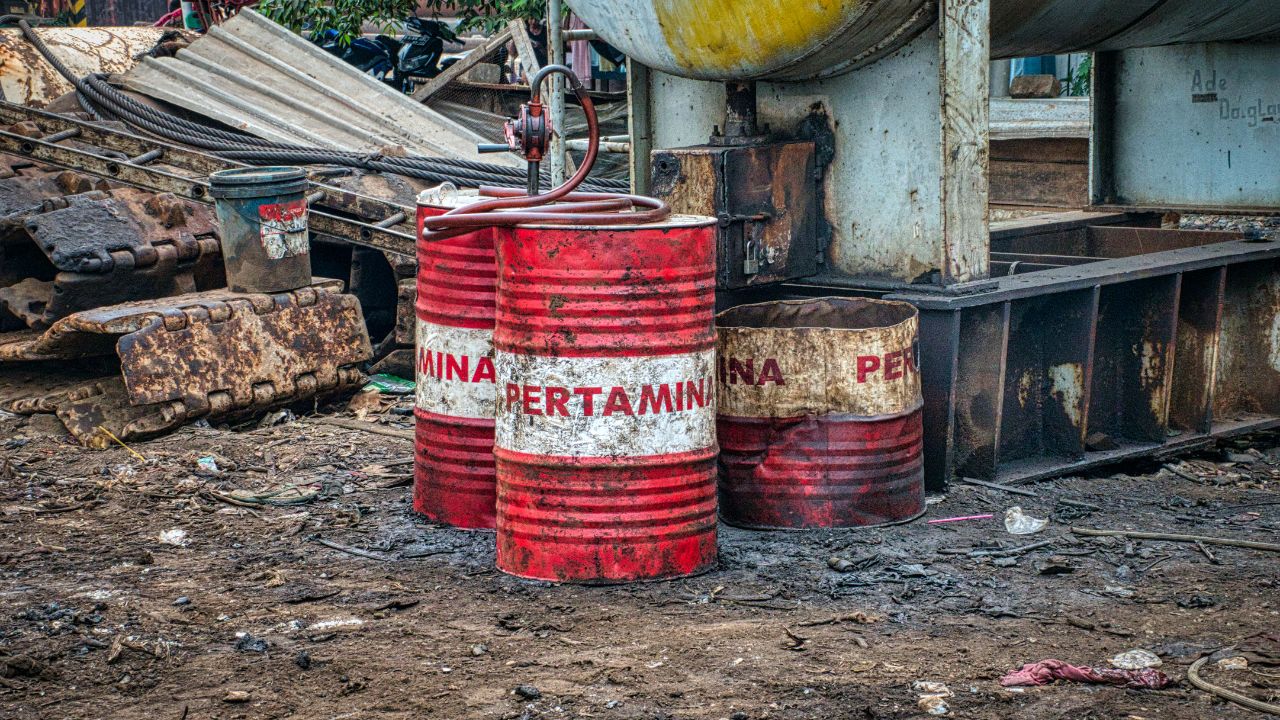
Drought, Aging Infrastructure & Agricultural Contamination
Source: Reduced river flows concentrate existing contaminants; aging pipe failures during drought stress; agricultural runoff and biosolid application spreading PFAS into groundwater; oil and gas operations contaminating groundwater in west Texas.
Health Effects: Elevated concentrations of naturally occurring contaminants (arsenic, nitrates); increased risk of waterborne illness from infrastructure failures; system pressure drops enabling contamination ingress.
Current Status (2026): Texas loses an estimated 88 billion gallons of treated water annually through leaking infrastructure. The Johnson County disaster (Feb 2025) highlighted risks from biosolid-spread PFAS in rural groundwater. The $20 billion Texas Water Fund (Prop 4, Nov 2025) will begin addressing infrastructure from 2027. Monitor active boil water notices across Texas for real-time alerts.
Please read – our information
The information presented on cleanairandwater.net is compiled from official water quality reports, trusted news sources, government websites, and public health resources. While we strive for accuracy and thoroughness in our presentations, we are not scientists, engineers, or qualified water quality professionals.
Our mission is to present water quality information in an accessible, real-world format that helps people understand what’s in their water and make informed decisions about their health and safety. We believe that complex environmental information should be available to everyone in a format that’s easy to understand.
We make every effort to ensure our content is current and accurate, but we cannot guarantee that all information is complete or error-free. This website should not replace official communications from your local water utility or health department. We always recommend consulting official sources for the most up-to-date information regarding your specific water system.
Clean Air and Water is not liable for any unintentional errors, omissions, or outdated information. The content on this site is provided for informational purposes only and should not be considered professional advice.