California Water Quality at a Glance
Is California Water Safe to Drink?
Generally Yes, With Caution – Most California water systems meet federal standards, but the state faces widespread PFAS contamination affecting water systems serving up to 25 million Californians, with 8.9 million in disadvantaged communities. Additional concerns include chromium-6 and disinfection byproducts. California leads the nation in PFAS regulation and has the first state standard for hexavalent chromium. See our water filter guide for PFAS-certified options and our live boil water tracker for active California alerts.
⚠️ Key Concerns for California Residents
- PFAS “Forever Chemicals”: Water systems serving up to 25.4 million Californians affected, with disadvantaged communities disproportionately impacted
- Hexavalent Chromium: Cancer-causing chromium-6 detected in 2,475 California drinking water sources across 53 of 58 counties
- New Federal Standards: Additional 572 wells expected to exceed new EPA PFAS limits, requiring costly treatment upgrades
- Disinfection Byproducts: Trihalomethanes and haloacetic acids increasing cancer risk from water treatment processes
Read the full report below for detailed analysis, city-specific data, and actionable recommendations for California residents.
advertisment – report continues below
Your water passed the test.
Legal isn’t the same as safe.
Regulated contaminants like PFAS, chromium-6, and disinfection byproducts can sit inside the legal limit and still carry long-term health risks. Passing isn’t the same as clean.
✅ Removes PFAS, lead & chromium-6 — the contaminants most flagged even in passing city reports
✅ NSF/ANSI 42, 58 & 372 certified — independently tested, not just manufacturer claims
✅ Installs in 30 minutes, no plumber — fills a glass in 8 seconds, smart LED filter monitor
Renting or can’t drill? The Waterdrop K19 Countertop RO — plug in, fill the tank, done. No installation, no drilling, no plumber.
Advertisement — this page contains affiliate links. If you buy through these links, we may earn a commission at no extra cost to you.

California – The Golden State – Water Quality Report 2026: PFAS, Infrastructure Concerns & Safety Guide
California’s water infrastructure serves approximately 40 million residents across diverse geographical regions, from the fog-shrouded Bay Area to the desert landscapes of Southern California. The state operates through a complex network of over 3,000 community water systems, ranging from massive utilities like Los Angeles Department of Water and Power serving over 4 million customers, to smaller rural systems providing essential services to disadvantaged communities. California’s water sources include the Colorado River, Sacramento–San Joaquin Delta, Sierra Nevada snowpack, and numerous reservoirs and groundwater aquifers that supply both urban centres and agricultural areas.
Despite extensive water resources, California faces unprecedented infrastructure challenges. According to the American Society of Civil Engineers’ Infrastructure Report Card, California’s ageing infrastructure requires significant investment, with over 70% of the state’s 1,476 dams more than 50 years old. The state has emerged as a national leader in PFAS testing and remediation, with comprehensive monitoring programmes revealing water sources serving up to 25 million Californians affected by “forever chemical” contamination. California’s proactive approach to water quality improvement is demonstrated through groundbreaking legislation banning PFAS in consumer products and national PFAS settlement funds now available for qualified public water systems to implement treatment upgrades and infrastructure improvements. For city-specific data, explore our Los Angeles, San Francisco, and San Diego water quality pages.
California Water Quality: Current Status (2025–2026)
Statewide Compliance and Testing
- Overall Compliance: The majority of California’s 3,000+ community water systems meet federal Safe Drinking Water Act standards, though comprehensive PFAS monitoring reveals contamination affecting water sources serving up to 25 million Californians. Check our live boil water advisory tracker for any active California alerts.
- PFAS Leadership: California has emerged as a national leader in PFAS testing and remediation, with mandatory monitoring for all public water systems and comprehensive legislation banning PFAS in consumer products.
- Settlement Funding: National PFAS settlement funds totalling $13.7 billion from 3M ($12.5B) and DuPont companies ($1.185B) are available for qualified California public water systems to implement treatment upgrades and infrastructure improvements.
Major Water Sources and Challenges
- State Water Project: Serves 27 million Californians through 29 public water agencies, with annual allocations fluctuating significantly based on precipitation and Sierra Nevada snowpack conditions.
- Colorado River System: Critical supply for Southern California facing ongoing drought concerns, with Lake Powell and Lake Mead continuing to operate below historical averages. See our Arizona water quality page for context on how Colorado River issues affect the broader region.
- Dam Safety Concerns: California has over 1,476 dams with approximately 70% older than 50 years, representing ageing infrastructure challenges that must be met with increased resources to ensure reliability and safety.
Emerging Contaminant Response
- PFAS Regulation Implementation: California is implementing EPA’s drinking water standards for six PFAS substances, with water systems required to complete initial monitoring by 2027 and achieve compliance by 2029.
- Hexavalent Chromium Standards: In October 2024, California became the first state to enforce a maximum contaminant level of 10 parts per billion for hexavalent chromium, a known carcinogen. Visit our water quality information page to understand what this means for your health.
- Comprehensive Product Bans: California has passed groundbreaking legislation banning PFAS in firefighting foam, food packaging, textiles, cosmetics, and juvenile products, with comprehensive product bans continuing to expand in 2026.
Small and Disadvantaged Communities
- SAFER Programme: California’s Safe and Affordable Funding for Equity and Resilience programme provides $130 million annually for 10 years to help small water systems in low-income communities operate effectively.
- Disproportionate Impact: PFAS pollution is more prevalent in state-identified disadvantaged communities, with up to 8.9 million Californians in these communities potentially impacted by contaminated water sources.
- Consolidation Efforts: The state is pursuing voluntary and mandatory consolidation of failing water systems to ensure sustainable service delivery and compliance with drinking water standards.
Looking Forward: 2026–2030
California’s water quality landscape is undergoing unprecedented transformation as the state implements the most comprehensive PFAS regulations in the nation while addressing climate change impacts including extreme drought and flood cycles. The Delta Conveyance Project continues advancing through permitting processes to safeguard water supply against climate change, sea-level rise, and seismic risks. Successful water quality improvements will require continued collaboration between state regulators, water utilities, and communities to ensure equitable access to safe drinking water while managing the challenges of ageing infrastructure, emerging contaminants, and climate adaptation. For the latest statewide developments, check our water alert news page. For filter solutions that address PFAS and chromium-6, see our water filter guide.
Recommendations for California Residents
Know Your Water Source
Contact your water utility to request annual Consumer Confidence Reports and ask about PFAS testing results. Use the State Water Resources Control Board’s online tools to access your local system’s testing data and compliance status. Visit our water quality guide for help interpreting your results.
Support Infrastructure Investment
Stay informed about local water infrastructure needs and support utility investments in climate resilience and PFAS treatment. Participate in public meetings when utilities discuss rate structures and infrastructure modernisation plans. Track breaking developments on our water alert news page.
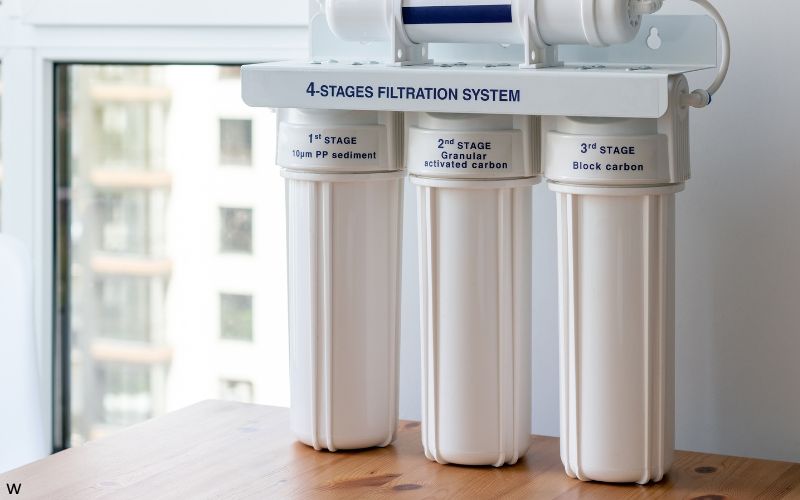
Consider PFAS-Certified Filtration
For areas with detected PFAS contamination, use NSF-certified activated carbon or reverse osmosis filters specifically tested for PFAS removal. These provide additional protection while utilities implement treatment systems. See our full filter recommendations for the best options at every budget.

Report Water Quality Concerns
Contact your local water utility immediately for taste, odour, or colour concerns. Report suspected contamination to the State Water Resources Control Board’s Division of Drinking Water for investigation and regulatory response. Monitor our live advisory tracker for any active alerts in your area.
Practice Water Conservation
Support California’s water sustainability through conservation measures like drought-resistant landscaping, efficient irrigation, and low-flow fixtures. Conservation reduces demand on stressed water supplies and helps utilities maintain system reliability. Compare conservation approaches across the West on our Nevada and Oregon state pages.
California Cities We Cover
Frequently Asked Questions
Is California’s tap water safe to drink?
Most of California’s 3,000+ community water systems meet federal drinking water standards and are safe for consumption. However, PFAS contamination affects water sources serving up to 25 million Californians.
The State Water Resources Control Board requires comprehensive testing across all public water systems and has emerged as a national leader in PFAS monitoring and regulation. Water utilities are implementing advanced treatment technologies, and California has access to $13.7 billion in national PFAS settlement funds to address emerging contaminants and infrastructure needs. Residents should review their utility’s annual Consumer Confidence Report to understand local conditions. For filter solutions proven effective against PFAS, see our water filter guide.
What are PFAS chemicals and why are they a concern in California?
PFAS (per- and polyfluoroalkyl substances) are synthetic “forever chemicals” that persist in the environment and human body, earning widespread concern for their health impacts.
California has extensive PFAS contamination due to decades of industrial use, military activities, and consumer products. These chemicals have been linked to cancer, liver damage, immune system effects, and developmental issues. The EPA finalised new drinking water standards in 2024, and California has been proactive in banning PFAS in firefighting foam, food packaging, textiles, and cosmetics. The state leads the nation in comprehensive PFAS testing and has access to national settlement funds to help water systems implement treatment technologies. Visit our water quality information page to learn more about how PFAS enters drinking water supplies.
How can I find out about my local water quality?
California residents can access comprehensive water quality information through several resources:
• Consumer Confidence Reports: Contact your water utility directly for their annual water quality report, which details all testing results, violations, and treatment processes
• State Water Resources Control Board: Visit the Division of Drinking Water’s online database to access testing results and compliance information for your local water system
• PFAS Testing Data: California requires all public water systems to test for PFAS and makes results publicly available through state databases and mapping tools
• EWG Tap Water Database: Use your zip code to search for contaminants detected in your local water system and get filter recommendations
You can also explore our individual city pages — including Los Angeles, San Diego, San Francisco, Fresno, and Sacramento — for detailed, city-specific contaminant data.
Why does California have water infrastructure challenges?
California’s water infrastructure faces several interconnected challenges:
Climate Change: Extreme weather swings between drought and flooding, declining snowpack, and rising temperatures stress the state’s water supply systems
Ageing Infrastructure: Over 70% of California’s dams are more than 50 years old, and many water systems need modernisation to meet current standards and seismic safety requirements
Emerging Contaminants: PFAS and other “forever chemicals” require expensive treatment technologies that strain utility budgets, particularly for smaller systems
Funding Constraints: California spends approximately $37 billion annually on water infrastructure, but constitutional amendments limit local funding options and create fiscal challenges for comprehensive improvements
The state is addressing these challenges through innovative programmes like SAFER, comprehensive water planning, and billions in federal and settlement funding for infrastructure improvements. Stay up to date on developments via our water alert news page.
Quality News About Your Water
Get the comprehensive water quality news coverage you need with our dedicated US Water News Service. From coast to coast, we deliver in-depth reporting and expert analysis on PFAS contamination, EPA regulatory changes, infrastructure developments, and emerging water safety issues affecting communities nationwide. While mainstream media only covers the biggest stories, we provide the detailed, ongoing coverage that helps you understand the full scope of America’s water challenges.
What’s actually in your tap water? Enter your ZIP code for a full breakdown of contaminants detected in your local supply
Drinking water from a well? Check our directory here for more information
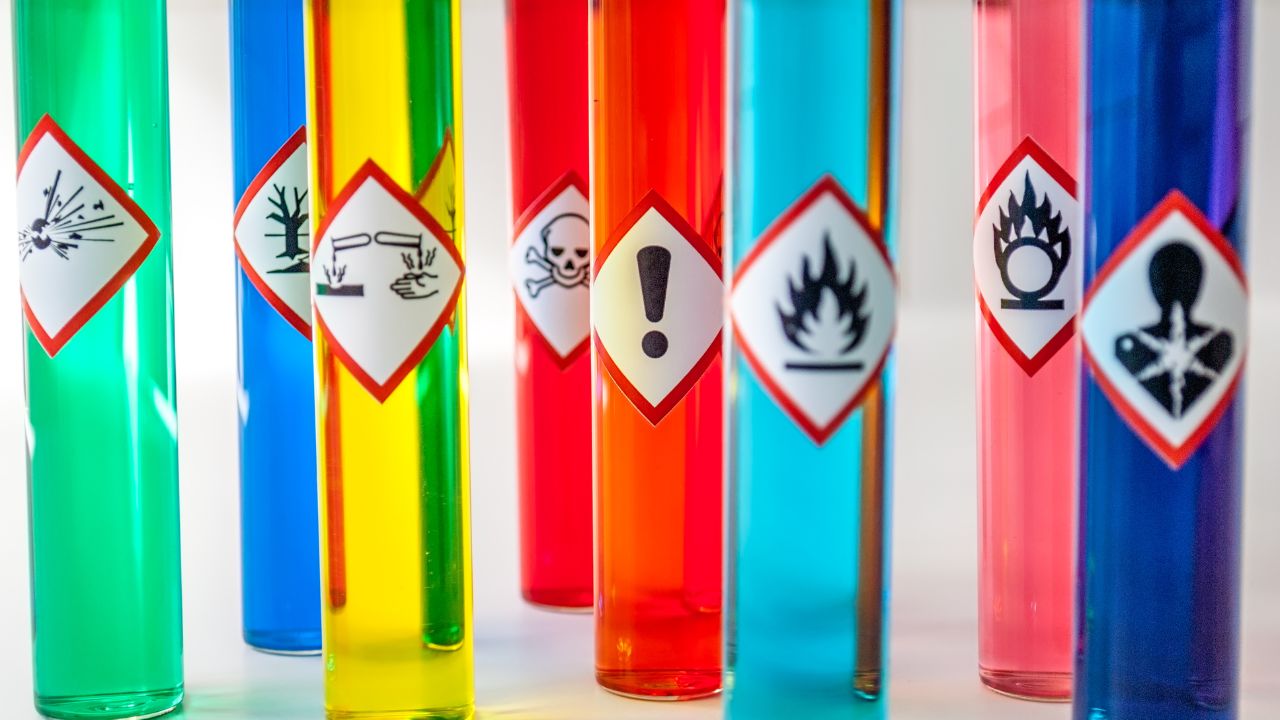
Contaminants of Concern
PFAS “Forever Chemicals”
Source: Industrial manufacturing, military firefighting foam use at bases and airports, semiconductor production, consumer products including non-stick cookware and stain-resistant textiles
Health Effects: Linked to kidney and testicular cancer, liver damage, immune system suppression, high cholesterol, and developmental effects in children
Current Status: Water sources serving up to 25 million Californians are affected by PFAS contamination, with disproportionate impacts on disadvantaged communities. EPA Limits: 4 ppt for PFOA and PFOS individually, with a hazard index for other PFAS compounds. See our filter guide for NSF/ANSI 58-certified reverse osmosis systems proven to remove PFAS.
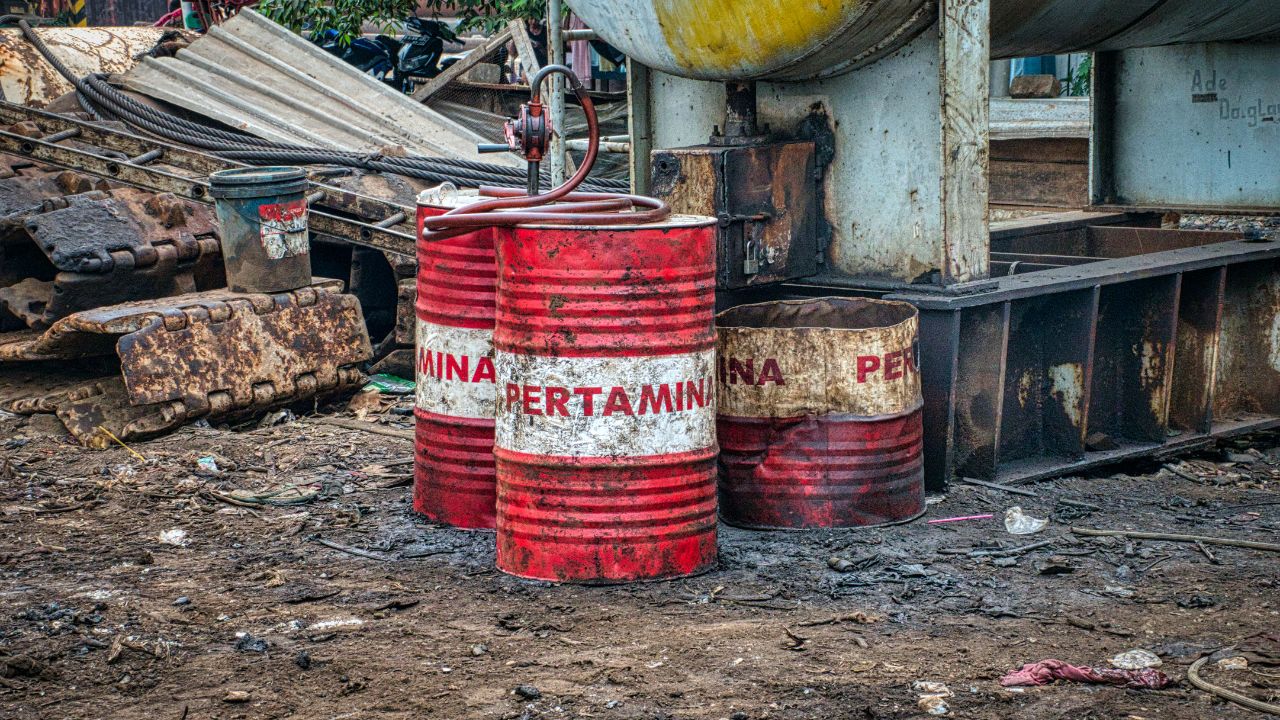
Hexavalent Chromium
Source: Industrial processes including metal plating, leather tanning, and wood preservation; naturally occurring in some groundwater areas throughout California
Health Effects: Known human carcinogen linked to lung cancer when inhaled; potential stomach cancer risk from drinking water exposure over long periods
Current Status: California became the first state to regulate hexavalent chromium in drinking water with a 10 ppb maximum contaminant level, effective October 2024. Regulatory Response: State Water Resources Control Board oversight and treatment requirements for affected water systems. Compare how neighbouring states handle similar groundwater challenges on our Nevada and Arizona state pages.
Please read – our information
The information presented on cleanairandwater.net is compiled from official water quality reports, trusted news sources, government websites, and public health resources. While we strive for accuracy and thoroughness in our presentations, we are not scientists, engineers, or qualified water quality professionals.
Our mission is to present water quality information in an accessible, real-world format that helps people understand what’s in their water and make informed decisions about their health and safety. We believe that complex environmental information should be available to everyone in a format that’s easy to understand.
We make every effort to ensure our content is current and accurate, but we cannot guarantee that all information is complete or error-free. This website should not replace official communications from your local water utility or health department. We always recommend consulting official sources for the most up-to-date information regarding your specific water system.
Clean Air and Water is not liable for any unintentional errors, omissions, or outdated information. The content on this site is provided for informational purposes only and should not be considered professional advice.